



























































































































































USDM, JDM, EDM, ADM, CHDM, MEDM: What does it mean? (Updated 2026)
Unravel the mystery of automotive acronyms such as USDM, JDM, EDM, ADM, CHDM, and MEDM. Understand their meanings, significance, and the distinctions they hold in the global car market.

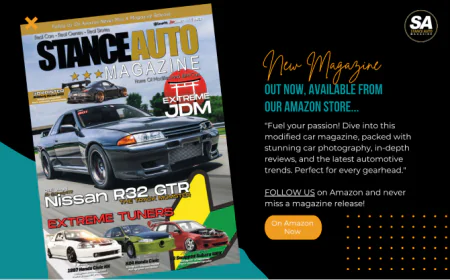
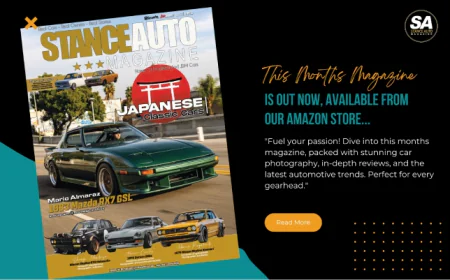
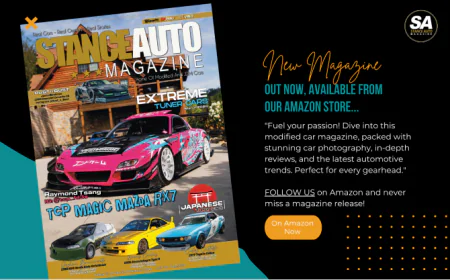
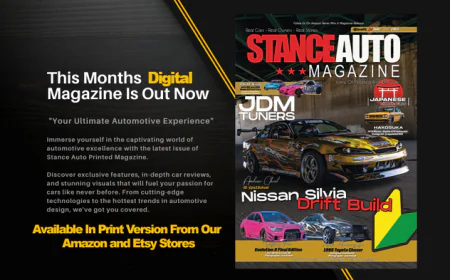
Discover the art of automotive expression with Stance Auto Magazine. "Unleash your passion for unique builds, performance upgrades, and the vibrant car culture. Stay updated with the latest news, in-depth features, and expert insights. Join our community of like-minded enthusiasts and elevate your automotive experience. Explore Stance Auto Magazine today!"
Order Your Printed Magazine Here!!
Last updated October 2026 by Paul Doherty
Quick answer: a domestic market code tells you which country or region a car was built and specified for. The JDM meaning is Japanese Domestic Market, USDM is the US, EDM is Europe, UKDM is the United Kingdom and KDM is Korea. A car is not JDM just because a Japanese brand made it. It has to be made for sale in Japan.
Spend ten minutes in any car group chat and you will see a pile of letters nobody ever explains. USDM, JDM, EDM, ADM and a few you have probably never met. They all point at the same idea, which is where a car was built to be sold, and once you get it the rest of car culture starts making more sense. This guide walks through every one, starting with the JDM meaning because that is the one everybody argues about. Everything here comes from years of covering the modified and JDM scene at Stance Auto Magazine.
JDM Meaning: Japanese Domestic Market Explained
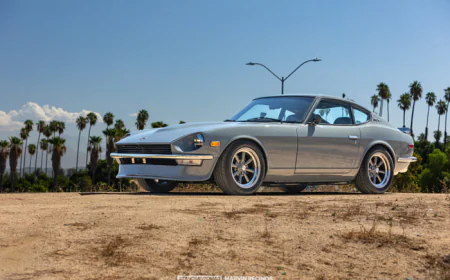
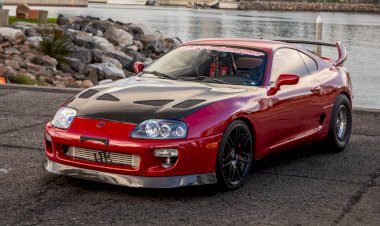
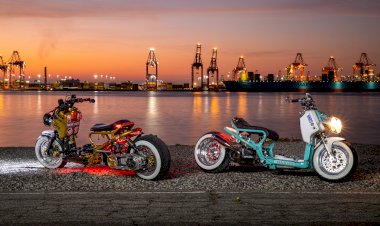
The JDM meaning is simple on paper. It stands for Japanese Domestic Market, and it describes cars, bikes and parts that were built to be sold in Japan. That sounds like it would cover every Toyota or Nissan ever made but it does not, and this is where most people trip up. A Toyota built in Kentucky for American buyers is not JDM, and neither is a Honda built in England for British buyers. The car has to be made for the Japanese home market, wearing Japanese specifications, going to Japanese owners.
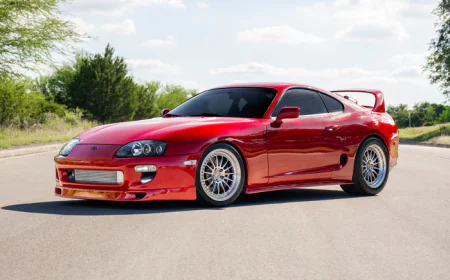
People use the word in two ways. The strict version says a true JDM car is one that was never sold new anywhere else, like the Nissan Skyline GT-R of the nineties. The looser version covers the Japan spec version of a model that was also sold overseas, which is why you will hear talk of a JDM version of a car that wore a different name or spec abroad. Either way the JDM meaning comes down to who the car was built for, not who built it.
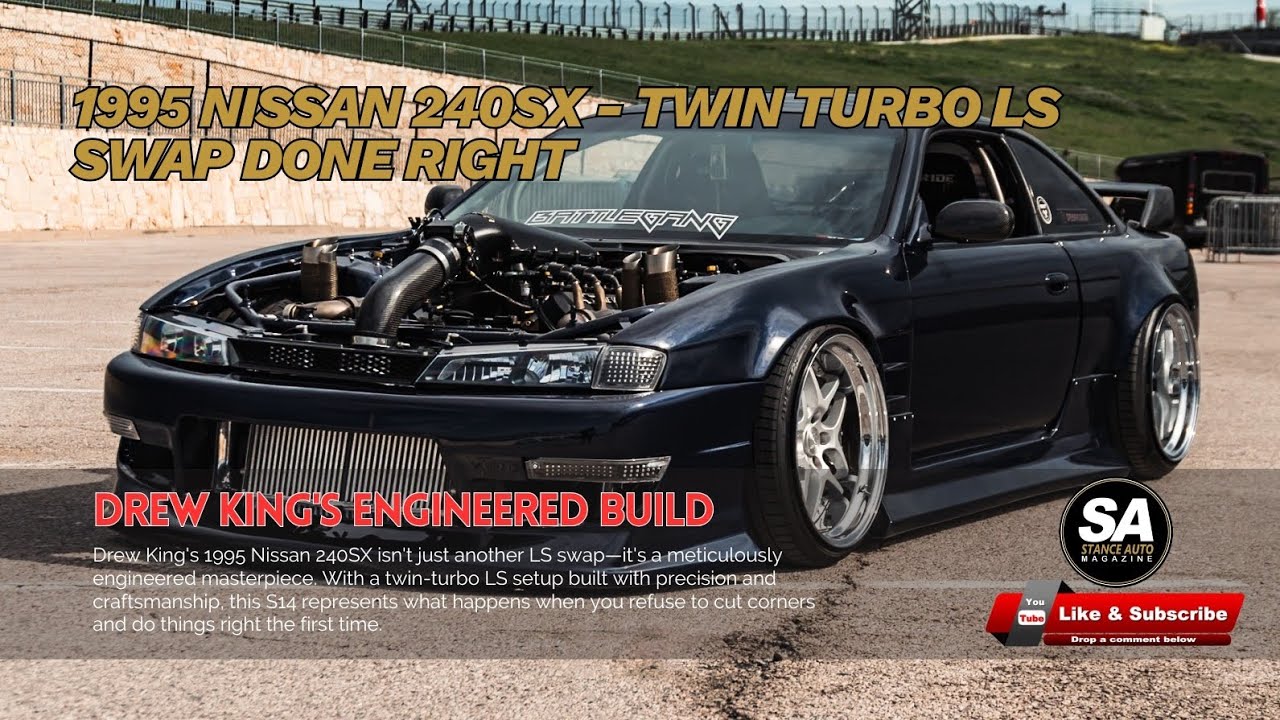
Those specs matter. JDM cars are right hand drive, have speedometers in kilometres per hour and follow Japanese rules on size, emissions and safety, which is where the famous kei car class comes from. From around 1988 Japanese makers also kept to a voluntary agreement that capped advertised power at 280PS, about 276bhp, and top speed at 180km/h. The power cap faded out in the mid two thousands but the speed limit stuck around on plenty of domestic cars. That is why so many legends from that era carry a modest-looking number on paper and make a lot more once you tune them. Japanese owners also tend to chase new technology over long term ownership, so makers often try new tech on domestic cars first.
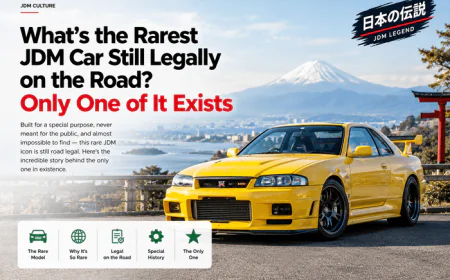
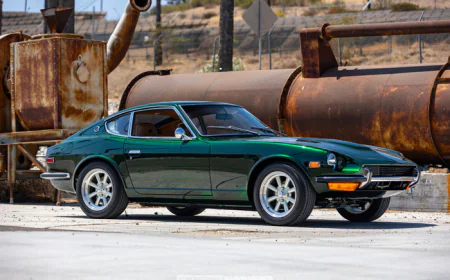
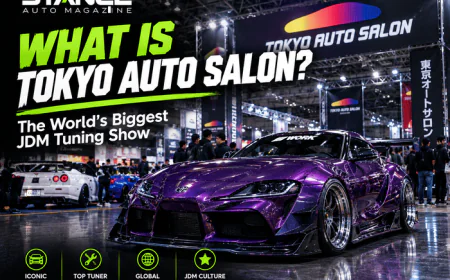
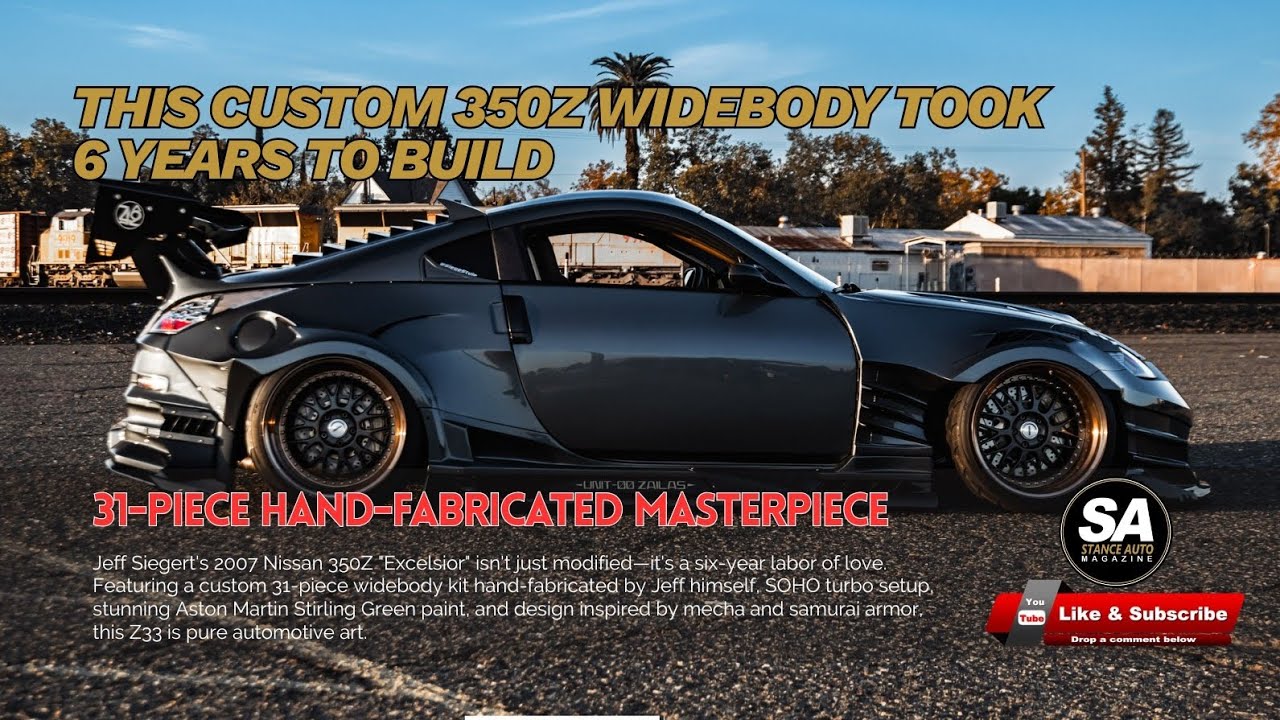
Names change too. The car Japan calls the Fairlady Z was sold elsewhere as the 350Z. The Mazda MX-5 was sold in Japan as the Eunos Roadster, and you can read what that looks like in real life in our Eunos Roadster build from Yahoo Japan parts. The Honda NSX wore an Acura badge in America. Same bones, different market, different name. This is exactly why people hunt for the Japanese versions of cars, and why the JDM meaning goes well beyond "made in Japan". If you want to see how far that obsession goes, have a read of the rarest JDM car still legally on the road.

USDM: US Domestic Market
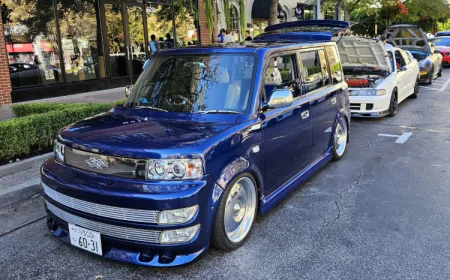
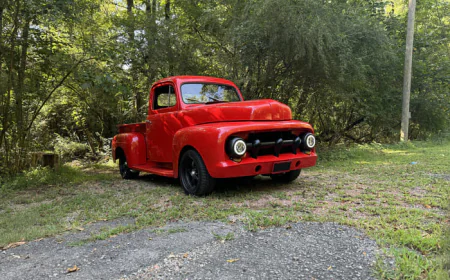
USDM means US Domestic Market and covers cars built to meet American rules and American tastes. Think left hand drive, speedometers in miles per hour, federal safety and emissions standards, and lights and bumpers that differ from the European versions. Manufacturers often have to build separate versions of a model for the US and Europe because the rules do not line up. American versions of Japanese and European cars can also get different engines, trim and styling, so a USDM car and its JDM cousin can feel like two completely different machines. In Japan USDM has even become a dress up scene of its own, where owners fit genuine American spec parts to right hand drive Japanese cars. We put the full head to head together in JDM vs USDM: the differences that actually matter.
EDM: European Domestic Market
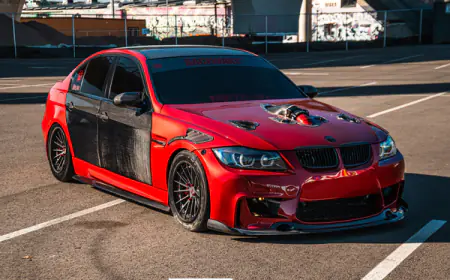
EDM stands for European Domestic Market and covers cars built for Europe. These cars follow European safety and emissions rules, and most are left hand drive because most of Europe drives on the right. They come from the big names you already know like BMW, Mercedes, Volkswagen and Audi. Lights and bumpers are built to European standards, which is one of the first things people notice when they swap parts between markets. A small warning, though. EDM also means electronic dance music, so if you are searching online for parts, add the word "spec" or "cars" or you will end up with a festival lineup.
UKDM: United Kingdom Domestic Market
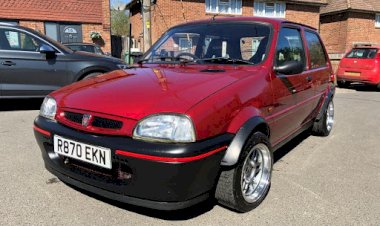
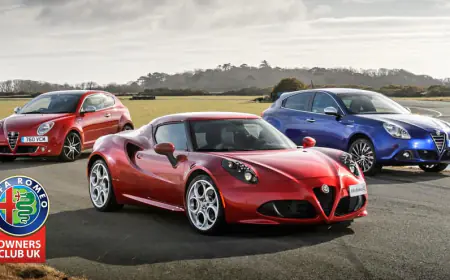
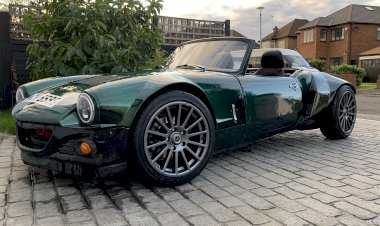
UKDM is United Kingdom Domestic Market, and it matters more than people think. UK spec cars are right-hand drive and have speedometers in miles per hour. Because Japan and Britain both drive on the left, the UK has always been a natural landing spot for imported JDM cars, often called grey imports. That is a big reason why the British modified scene is so full of Skylines, Silvias and Chasers. Browse our featured cars and you will spot the difference between UK spec cars and the imports straight away.
ADM: A Code With Two Meanings
ADM is the least settled code on this list. Some people use it for Australian Domestic Market and others for Asian Domestic Market, so always check the context before you assume. Australia is right hand drive like the UK and Japan and has a car culture of its own, built around locally made cars like the Holden Commodore until Australian car manufacturing ended in 2017. The Asian meaning covers countries like South Korea, China and India, each with its own local specifications, and the next three codes cover some of those markets in more detail.
KDM: Korean Domestic Market
KDM is Korean Domestic Market, covering cars built for buyers in South Korea by makers like Hyundai, Kia and Genesis. A few years ago nobody in the tuning scene cared about this one. Now Korean brands are a growing part of the modified world and more people want to know what the home market versions looked like.
CHDM: Chinese Domestic Market
CHDM means Chinese Domestic Market. China is the biggest car market in the world and brands like Geely, BYD and Changan build a huge range of electric and hybrid cars, many of which stay inside the country or arrive elsewhere in a different form. You will not see CHDM used much in everyday chat yet, but expect that to change as more Chinese models turn up in Europe.
MEDM: Middle Eastern Domestic Market
MEDM stands for Middle Eastern Domestic Market, though many car people call it GCC spec. The region has extreme desert temperatures and tough road conditions, so cars built for it are tailored to cope, and buyers there love big SUVs and powerful luxury performance cars. If you are importing one, check exactly which specification you are getting before you pay.
Why the JDM Meaning Matters When You Buy
Knowing the JDM meaning and the rest of these codes can save you real money. Parts are not always interchangeable between markets, so a bumper, light or ECU from a different domestic market can need a lot of work to fit. If you are buying a car that claims to be JDM, check the chassis plate, the drive side and the paperwork rather than trusting the advert, and read our guide on how to tell if a car is really JDM. If you are shopping on a budget, our list of the best JDM cars under 15k shows what is worth chasing, and our UK car modification legal guide explains what you can legally do once it is yours. If you live in America, our piece on the 25 year rule explains why so many Japanese cars have only just become legal there.
Frequently Asked Questions
What is the JDM meaning in simple terms?
The JDM meaning is Japanese Domestic Market. It refers to cars and parts made for sale inside Japan, with Japanese specification, right hand drive and often engines and trim you could not buy new anywhere else.
Is a Japanese car built outside Japan JDM?
No. A Toyota built in America or a Honda built in England for local buyers is made for another domestic market. A Camry built in Kentucky for American buyers is USDM, not JDM. JDM only applies to cars built for the Japanese home market.
Can I drive a JDM car in the UK?
Yes, and plenty of people do. They are right hand drive so they suit British roads, but an imported car has to go through the official steps first. According to the government's guide to importing vehicles into the UK, you must tell HMRC within 14 days of arrival, pay any VAT and duty, get vehicle approval, register and tax it with DVLA, and insure it before you drive it on the road. Check the current rules before you buy.
Is JDM just a style?
It can be both. JDM is the real specification of a car built for Japan, but "JDM style" is also used for modified cars with Japanese parts and looks even when the car was never sold in Japan.
Final Thoughts
These codes look like car scene jargon but they really tell a story about where a car came from and who it was built for. The JDM meaning gets the most attention because Japanese home market cars carry so much of the culture we cover, but every domestic market has its own flavour. Keep learning the differences and you will buy smarter, tune smarter and argue better in the comments. Remember the JDM meaning is about who the car was made for, and you will never be caught out by a badly described advert again.
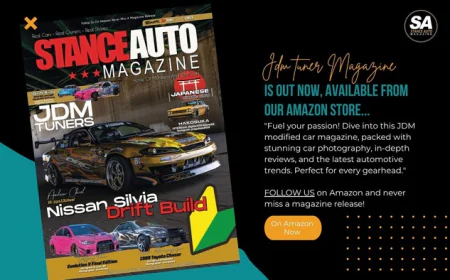
If you want to see the cars behind the codes, pick up the latest issue of Modified Car Magazine, browse our printed magazines or visit the Stance Auto Magazine store.
 Like
4
 Dislike
0
 Love
2
 Funny
2
 Angry
0
 Sad
0
 Wow
1