




















































.png)








![[HOONIGAN] Ken Block's GYMKHANA NINE](https://img.youtube.com/vi/_bkX5VkZg8U/maxresdefault.jpg)






















































![[HOONIGAN] KEN BLOCK'S GYMKHANA SEVEN: WILD IN THE STREETS OF LOS ANGELES](https://cdn.motor1.com/images/mgl/2KlO4/s1/ken-block-london-tour-directors-cut.jpg)

































What Are The Best Mods for More Horsepower
What Are The Best Mods for More Horsepower, Discover the top modifications to unleash incredible horsepower in your car. Our guide covers the best mods for achieving remarkable performance gains. Get expert insights in Stance Auto Magazine.
What Are The Best Mods for More Horsepower
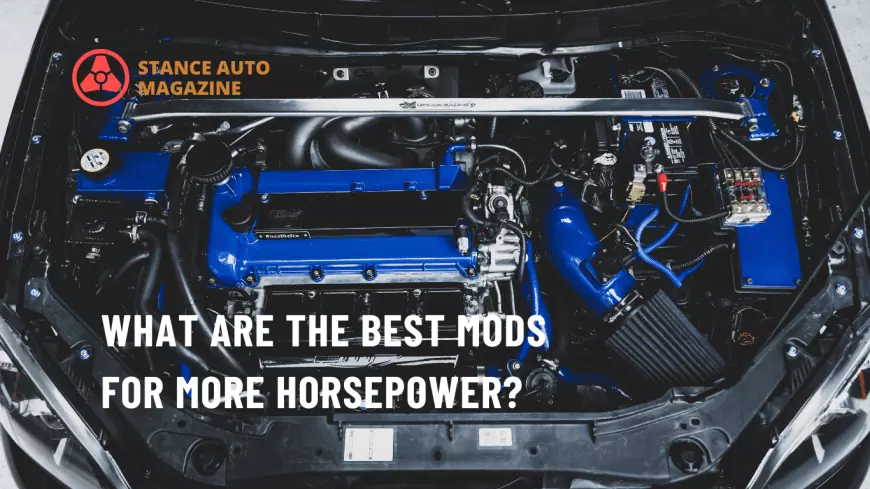
Whether you're looking to boost your street racer or get more grunt out of your off-road rig, adding horsepower can transform your ride. With so many options out there, it can be tough to know where to start. Here's our guide to the best mods for more horsepower to wake up your engine and put some extra pep in your step.
The best mods for more horsepower are the ones that help your engine pull in more air, burn it properly and push it back out without a fight, and for most cars that means a proper ECU remap first, then intake and exhaust work, then forced induction if you're chasing the big numbers. That's the plain English version. Everything else in this guide is about how much each step really gives you, what it costs, and where people waste money.
We've rewritten this guide because the old one was far too generous with its numbers. Promising 10 to 20 horsepower from an air filter and a bit of piping makes for a nice headline, but anyone who's stood next to a dyno knows how rarely that happens. So this version sticks to what modified cars actually make on the rollers, and it's split by the questions people genuinely ask when they go hunting for the best mods for more horsepower.
Quick Answer: What Are the Best Mods for More Horsepower?
- ECU remap: the biggest gain per pound on any turbocharged car, often 15 to 30 percent more power
- Intake and exhaust: small gains on their own, but they free up the engine and make a tune work harder
- Intercooler and fuelling: keeps power consistent and safe once you add boost
- Turbo, supercharger or engine build: where the really big numbers live, and the bills too
What Are the Best Mods for More Horsepower on a Road Car?
The best mods for more horsepower on a road car are an ECU remap, a freer-flowing intake and exhaust, better charge cooling and, once you want serious speed, a bigger turbo or a supercharger. Every engine is basically an air pump, and horsepower is just a measure of how much air and fuel it can burn per minute and turn into useful work. Factory engineers have to build for cold starts in Norway, dodgy fuel in half the world, strict noise limits and a warranty department that hates surprises, so they leave a lot of margin on the table. Your job as a tuner is to claw some of that back safely.
The order matters more than most people admit. Cars that get a big turbo bolted on before the fuelling, cooling and tuning are sorted usually end up in a garage with a hole in a piston, and there's nothing glamorous about that. Cars that get a sensible tune, a decent exhaust and a good set of tyres tend to just get driven, enjoyed and shown off. If you're already leaning towards forced induction on a naturally aspirated car, have a read of our breakdown of how much horsepower a supercharger adds before you spend anything, because the answer depends heavily on the engine underneath.
Is an ECU Remap the Best First Mod for More Horsepower?
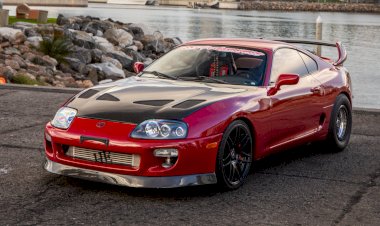
Yes, on a turbocharged car an ECU remap is almost always the best first mod for more horsepower, because it changes boost pressure, ignition timing and fuelling without touching a single spanner. Modern turbo engines are deliberately detuned from the factory, so a good remap often adds 30 to 40 horsepower to something like a hot hatch and a huge slab of midrange torque too, which is the bit you feel every time you pull out to overtake. Of all the best mods for more horsepower, a well-set-up Stage 1 tune on a stock turbo car is honestly the most fun you can have per pound in the whole hobby.
Naturally aspirated cars are a different story. With no boost to turn up, a remap mostly sharpens throttle response and tidies the fuelling, so you're looking at maybe 3 to 7 percent, and it really comes alive when it's paired with an intake and exhaust. Either way, the tuner matters more than the software. Go for someone who tunes on a rolling road, shows you the before and after graphs, and will happily tell you when a car isn't worth pushing. Bespoke tuning costs more than an off-the-shelf file, but it also accounts for how your particular engine, fuel and climate behave. And if you're heading towards big power on something like an SR20DET or an RB, the factory computer eventually runs out of road, and that's when a standalone from a brand like Haltech starts making sense.
Do Cold Air Intakes and Exhausts Actually Add Horsepower?
They do, but far less than the adverts suggest, and the honest range for a cold air intake on its own is around 5 to 10 horsepower on most engines. Brands like K&N built their name on this kind of upgrade, and among the best mods for more horsepower it's the cheap end of the scale, a lovely one because it's reversible and it gives you a properly satisfying induction noise. Just don't expect it to change how the car pulls. The real value is that it stops the intake being a bottleneck once other mods go on. One more tip, if you're planning to fit a turbo kit or supercharger later, skip the intake for now because you'll be replacing it anyway.
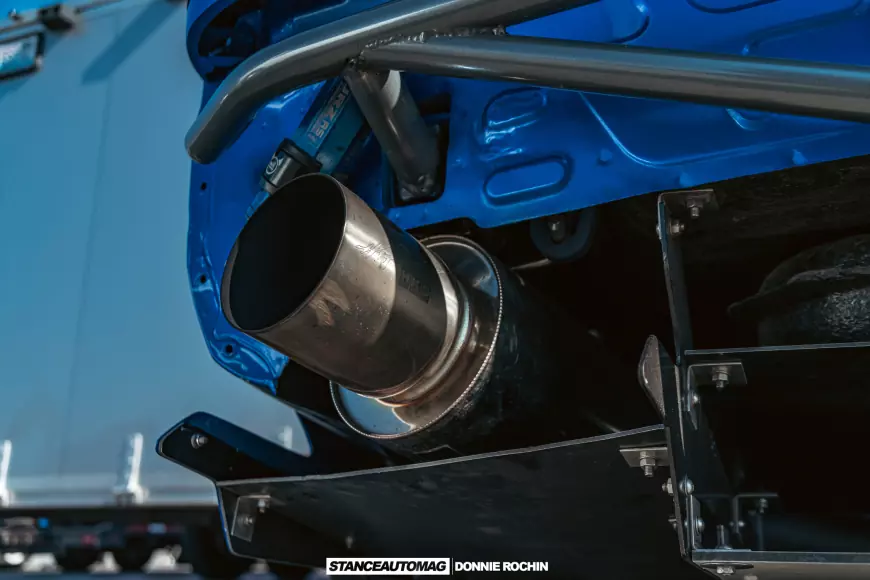
Exhausts follow the same pattern. A cat-back exhaust on a naturally aspirated car usually gives somewhere between 5 and 15 horsepower, with the sound doing a lot of the heavy lifting. On turbo cars the real gains come further up the pipe, from a larger downpipe, but in the UK you can't just bin the catalytic converter and carry on. A high-flow sports cat keeps you on the right side of the MOT, and a quality road-legal system from a company like Milltek Sport will give you a deeper, more aggressive tone without drone on the motorway. Headers, or shorty headers on some engines, do add a bit at the top end, but only really pay off alongside the rest of the exhaust and a tune.
What Mods Increase Horsepower and Torque?
Anything that lets the engine burn more air and fuel efficiently will raise both, but the mods that lift torque the most are forced induction, a remap on a turbo engine and extra displacement. The best mods for more horsepower and torque together are the ones that add air, so it helps to remember that horsepower is really torque multiplied by rpm, so a mod that fattens the midrange changes how the car feels far more than one that adds 8 horsepower at 7,000 rpm. That's why a remapped turbo hatch feels so much quicker than the dyno number suggests, while an intake and exhaust on a naturally aspirated engine can feel almost identical to stock in daily driving.
Camshafts, ported heads and headers tend to move power higher up the rev range, which is great on a track car and less so on the school run. Supporting mods quietly matter too. A stronger clutch, uprated fuel pump and injectors, decent spark plugs and a proper intercooler all protect the numbers you've just paid for. In fact an intercooler on a car running more boost than stock can recover 20 to 40 horsepower that was being lost to hot charge air, and our intercooler upgrade guide walks through exactly when it's worth doing and when it's money you could have spent better elsewhere.
What Increases Horsepower the Most?
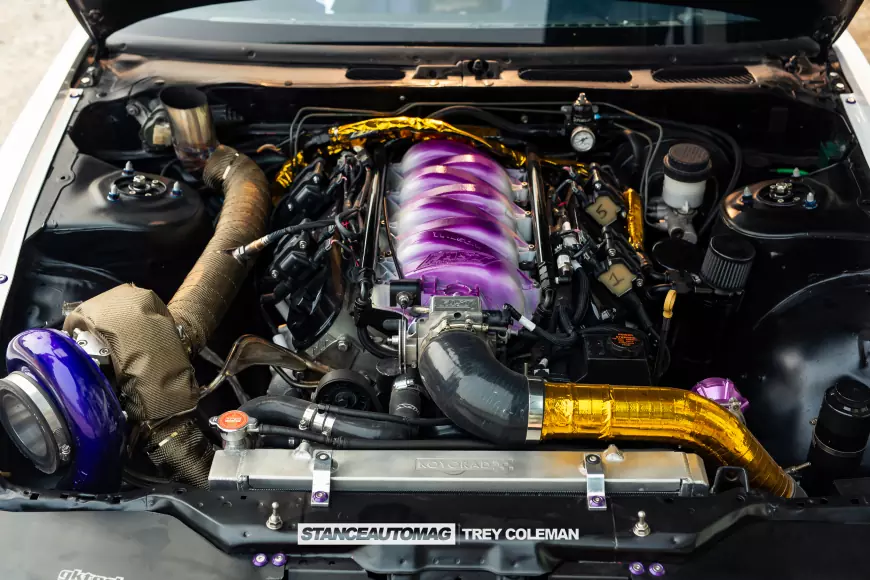
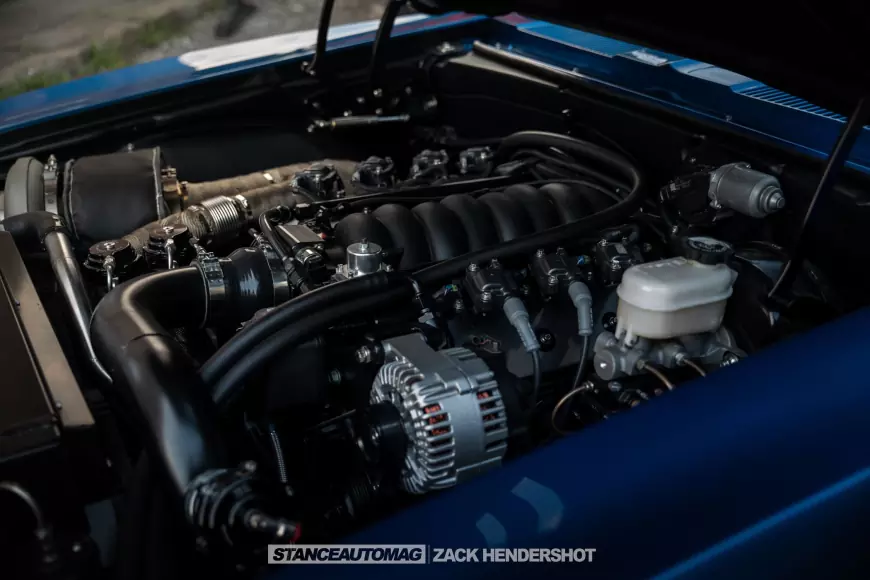
Forced induction increases horsepower the most of any bolt-on route, and a full engine build or engine swap goes further still. A turbocharger or supercharger compresses the air going into the cylinders so you can burn far more fuel with every stroke, and a well-built setup can add 40 to 100 percent to a naturally aspirated engine's output, sometimes more. On a car that's already turbocharged, a hybrid turbo or a larger frame turbo does the same job, with the trade-off of a bit of lag and a lot more money on supporting work.
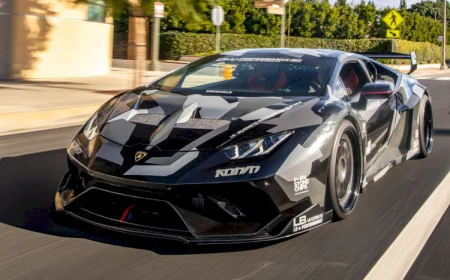
Then there's the deep end of the best mods for more horsepower. Forged pistons and rods, stronger head studs, bigger cams, ported heads, a stroker crank for extra displacement. This is how the wild builds you see at the big shows get to four figures, and it's usually a five figure project once you count the parts, the machine work and the tuning. Water-methanol injection sits in the middle of all this, cooling the intake charge and letting a tuner run more timing, and it's a clever option for boosted cars where you're fighting heat. Higher-octane fuel helps in the same way, because 98 RON premium resists knock better than the standard stuff, and that's often worth a few horsepower on a tuned car all by itself.
How Do You Get 50 Extra Horsepower?
On a turbocharged car, a remap plus a decent intake and exhaust will usually get you to 50 extra horsepower without any internal work, and on some engines the remap alone does most of it. A typical hot hatch might pick up 35 from the tune, another 10 or 15 from a high-flow filter and a better exhaust, and suddenly you've got your fifty for the price of a nice set of wheels. That's about the friendliest power-per-pound deal in the whole scene.
Choosing the best mods for more horsepower gets a lot harder on naturally aspirated engines. Even with headers, intake, exhaust and a tune you're often only looking at 15 to 25 horsepower, so hitting 50 means bringing in something bigger: a supercharger kit, a turbo conversion, a cam and head package, or an engine swap. Be honest about that with yourself before you start ordering parts, because the cost per horsepower climbs quickly once you leave the bolt-ons behind. And quote figures at the wheels, not the flywheel. A dyno reading at the wheels is always lower than the advertised figure at the crank because of drivetrain loss, so comparing them like-for-like is how people end up disappointed.
Is Nitrous Oxide Worth It?
Nitrous is worth it if you want a cheap, big, temporary burst of power and you accept the risk, but for most daily drivers it's the wrong tool. A properly installed wet kit can add anything from 35 to 150 horsepower on the button, which is far more than the old claims of 100 to 300 on a stock engine, because that sort of number needs a built motor underneath it. It works by adding extra oxygen and fuel together, so the fuelling, ignition timing, spark plugs and the bottle pressure all have to be right. Get it wrong, run lean, and you can wreck an engine in a couple of seconds.
Nitrous sits at the wild end of the best mods for more horsepower list, and there's a practical side as well. You've got to keep refilling the bottle, and it's something for track days, drag strips and private roads, not for the public road. Tell your insurer, disconnect it when you're driving normally, and treat it like a special occasion rather than a habit. For anyone who really wants a cheap boost of speed, a tune and a couple of supporting mods will give you something you can use every day, and you'll sleep better.
Are Horsepower Mods Legal in the UK and Will They Affect Insurance?
Most of the best mods for more horsepower are legal in the UK as long as the car still meets its emissions and noise limits, but you must always declare them to your insurer. Removing a catalytic converter or a DPF will fail an MOT and it's illegal to drive a car that's had them removed on the road, however good it sounds on a video. Loud exhausts can also fail the noise test, so a properly made road system is worth the extra cash. Declare every modification to your insurance company, including a remap, because an undeclared mod can give them a reason to reduce or refuse a claim, and it's a mistake you only make once. Plenty of specialist insurers deal with modified cars every day, so it doesn't have to cost a fortune if you ask the right people.
What Order Should You Do Horsepower Mods In?
The right order is tyres, brakes and servicing first, then a remap with intake and exhaust, then cooling and fuelling, and only then forced induction or engine work. Doing the best mods for more horsepower in the wrong order costs money. Power without grip and stopping ability is just a faster way to have a bad day, so put a good set of tyres and some decent pads on before you chase a bigger number. Then get the engine healthy, with fresh fluids, clean filters and good plugs, because there's no point tuning something that's already tired.
After that, work outward from the cheap and reversible towards the expensive and permanent. A tune, intake and exhaust will show you what the engine wants next, and that usually points clearly towards an intercooler, a clutch or a fuel upgrade. Once those are sorted and you still want more, that's the moment to start pricing up a turbo or supercharger, because by then you know exactly what the car needs and you're not guessing. Get the best mods for more horsepower in the right order, keep the receipts, and the car will keep making its power for years.
Related Reads
- Intercooler Upgrade Guide: What It Does and When You Need One
- How Much Horsepower Does a Supercharger Add?
- How to Tune a Nissan SR20DET Engine for Maximum Performance
- A Guide to Tuning Your Ford Focus ST Mk4
- The Best VW Golf GTI Tuning Mods and Performance Parts
If you'd rather flick through real builds on paper, all of our printed issues are on our Amazon magazine store, and for more tuning guides, build features and car culture from the UK scene, head over to Stance Auto Magazine.
Have your say and leave a COMMENT BELOW; it helps the story get more views and reach the printed magazine. Thank you.
All Photographs are supplied and owned by the Photographer named, our Photographers can be found HERE!
Other Useful Sites To Check Out That We Have Partnered With
 Like
0
Like
0
 Dislike
0
Dislike
0
 Love
0
Love
0
 Funny
0
Funny
0
 Angry
0
Angry
0
 Sad
0
Sad
0
 Wow
0
Wow
0