





































































.png)












![[HOONIGAN] Ken Block's GYMKHANA NINE](https://img.youtube.com/vi/_bkX5VkZg8U/maxresdefault.jpg)
































































![[HOONIGAN] KEN BLOCK'S GYMKHANA SEVEN: WILD IN THE STREETS OF LOS ANGELES](https://cdn.motor1.com/images/mgl/2KlO4/s1/ken-block-london-tour-directors-cut.jpg)

































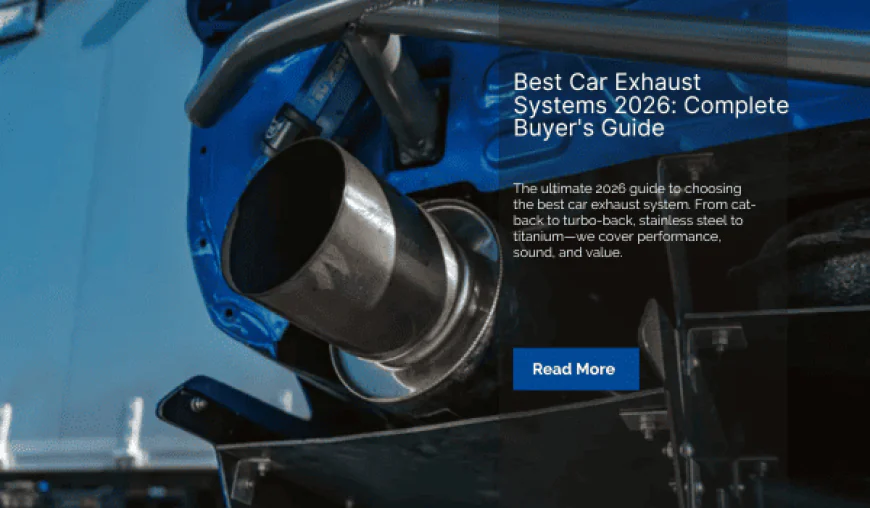
Best Car Exhaust Systems 2026: Complete Buyer's Guide
The ultimate 2026 guide to choosing the best car exhaust system. From cat-back to turbo-back, stainless steel to titanium—we cover performance, sound, and value.
The Sound That Makes Your Heart Beat Faster
There's something genuinely primal about the sound of a proper exhaust system. It's not just noise — it's the mechanical heartbeat of your car made audible, the exhaust note turning every gear change into a statement and every motorway slip road into a small theatrical performance. Whether you're chasing horsepower gains, hunting for that perfect deep rumble, or simply trying to replace a knackered factory system that's been held together by rust and hope, the world of aftermarket exhaust systems in 2026 is bigger, better, and more accessible than it's ever been.
But here's the thing: walking into the exhaust market without a plan is like walking into a maze blindfolded. Cat-back, axle-back, turbo-back, stainless steel, mild steel, titanium — the terminology alone is enough to make your head spin, and that's before you've even started thinking about brands, budgets, and whether you're about to accidentally make your car illegal to drive on UK roads. So let's cut through all of that and give you something genuinely useful. This is the complete exhaust systems buyer's guide for 2026 — everything you need to know about choosing, buying, and fitting the right exhaust for your car, your goals, and your wallet.
Over at Stance Auto Magazine, we've spent years talking to tuners, fabricators, and enthusiasts who live and breathe this stuff, and the one thing they all agree on is this: the right exhaust system isn't just about louder or quieter — it's about understanding what you actually want from your car and finding the system that delivers it.
Why Your Factory Exhaust Is Holding Your Car Back
Let's start with the uncomfortable truth: your car's factory exhaust system was never designed to be good. It was designed to be cheap, quiet, emissions-compliant, and just about adequate for the average driver who'll never push their car beyond a supermarket car park. Manufacturers have to strike a balance between keeping costs down, meeting strict environmental regulations, and ensuring your car doesn't wake up the entire street when you start it on a Sunday morning. That means restrictive piping, heavy mufflers packed with sound-deadening material, and a system that prioritises silence over performance at every single turn.
The result? Your engine is having to work harder than it should to push exhaust gases out through a system that's deliberately holding it back. That's called backpressure, and while a small amount of it is necessary for low-end torque in naturally aspirated engines, too much of it chokes power, kills throttle response, and leaves horsepower trapped inside your engine that you'll never get to use. Factory exhaust systems are also built from mild steel or aluminised steel — materials that are cheap to manufacture and will do the job for a few years, but will eventually rust, corrode, and fall apart, especially in the wet, salty conditions we deal with in the UK.
An aftermarket performance exhaust system is designed to do the exact opposite. Larger-diameter piping allows exhaust gases to flow more freely, reducing backpressure and letting your engine breathe properly. Mandrel-bent tubing (where the pipe diameter stays consistent through every bend) keeps flow smooth and unrestricted. High-flow mufflers reduce sound without strangling performance. And materials like stainless steel, titanium, and even carbon fibre mean your exhaust system will outlast the car it's bolted to and look good doing it. The difference isn't subtle — it's transformative.
Understanding Exhaust System Types: What Actually Gets Replaced?
One of the biggest sources of confusion when shopping for an exhaust is understanding what part of the system you're actually replacing. Not all exhaust upgrades are created equal, and the type of system you choose will have a huge impact on cost, performance, sound, and how much of a headache installation is going to be. Let's break down the main types you'll come across in 2026.
Cat-Back Exhaust Systems: The Sweet Spot for Most Drivers
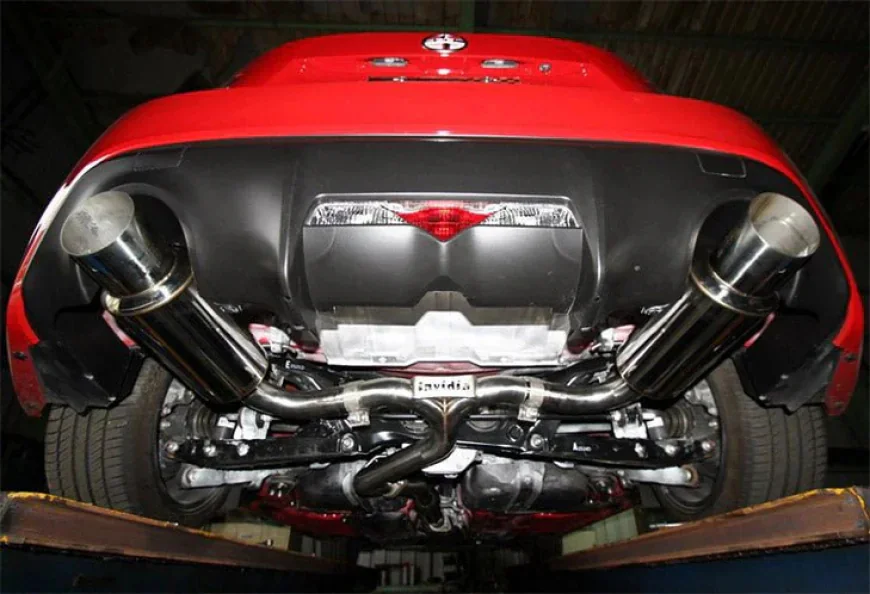
The cat-back exhaust system is the most popular type of aftermarket exhaust, and for good reason. As the name suggests, it replaces everything from the catalytic converter (the "cat") to the rear of the car — that includes the mid-pipe, resonator, muffler, tailpipe, and exhaust tips. Because the catalytic converter itself is left untouched, cat-back systems remain completely emissions-legal, which means you won't have any issues with MOT tests or run-ins with the law.
Cat-back systems offer the best balance between performance gains and sound enhancement without going too extreme. By replacing the restrictive factory piping and mufflers with larger-diameter, mandrel-bent tubing and high-flow mufflers, you'll typically see gains of anywhere from 10 to 30 horsepower depending on your car and how restrictive the factory system was to begin with. The sound is noticeably deeper and more aggressive, but it's still refined enough for daily driving — you're not going to get pulled over for noise, and you won't go deaf on the motorway. As we covered in our guide to the best exhaust brands for 2024, cat-back systems strike the perfect balance for enthusiasts who want real-world improvements without any compromises.
Installation is relatively straightforward — most cat-back systems are designed as direct bolt-on replacements, which means you can fit them yourself in a driveway with basic hand tools, or a professional shop can have it done in a couple of hours. Prices range from around £400 for basic systems to £2,000+ for premium stainless steel setups from top-tier brands. For most drivers, a cat-back exhaust is the single best upgrade you can make for the money.
Axle-Back Exhaust Systems: The Budget-Friendly Sound Upgrade
If you're primarily interested in changing the sound of your car without spending a fortune or getting too deep into the engine bay, an axle-back exhaust system might be exactly what you need. Axle-back systems replace only the components from the rear axle to the exhaust tip — typically just the muffler, tailpipe, and tips. Everything else, including the mid-pipe and catalytic converter, stays completely stock.
The main advantage of an axle-back system is cost and simplicity. You're replacing fewer components, so prices are lower — typically in the £200 to £600 range — and installation is even easier than a cat-back. The sound will be noticeably different, with a deeper, more aggressive tone than stock, but because you're not changing the entire system, the performance gains are minimal. You might see a small bump in horsepower — maybe 5 to 10hp at most — but axle-back systems are really about aesthetics and sound, not outright performance.
That said, if you've got a car with a factory system that already flows reasonably well (think modern hot hatches or sports cars), an axle-back can be a smart, cost-effective way to get the exhaust note you want without over-engineering the solution. Just don't expect it to transform your car's performance — this is purely a sound and style upgrade.
Turbo-Back Exhaust Systems: Maximum Performance for Turbocharged Cars
For drivers with turbocharged engines, the turbo-back exhaust system is the holy grail of exhaust upgrades. A turbo-back system replaces the entire exhaust from the turbocharger outlet all the way to the rear bumper — that includes the downpipe, catalytic converter (or replaces it with a high-flow cat or decat pipe), mid-pipe, muffler, and tips. It's the most comprehensive exhaust upgrade you can make, and it delivers the biggest performance gains by a significant margin.
By replacing the restrictive factory downpipe — which is often the single biggest bottleneck in a turbocharged car's exhaust system — a turbo-back setup allows exhaust gases to exit the turbo much more quickly. That means the turbo spools faster, boost builds more aggressively, and you'll see substantial gains in both horsepower and torque. It's not uncommon to see gains of 20 to 50+ horsepower on a turbo-back system, especially when paired with an ECU remap that takes full advantage of the increased flow.
The trade-off? Turbo-back systems are expensive — expect to pay anywhere from £1,000 to £4,000+ depending on the brand and materials. They're also louder and more aggressive than cat-back systems, which might be a pro or a con depending on your tolerance for noise. And here's the big one: if your turbo-back system includes a decat pipe (removing the catalytic converter entirely), your car will no longer be road-legal in the UK. It'll fail its MOT, and you could face fines if you're caught driving it on public roads. High-flow sports cats are a middle ground, but even those push the boundaries of legality depending on emissions standards.
Turbo-back systems are for serious enthusiasts who are chasing maximum performance and don't mind the added cost, complexity, and potential legal grey areas. For most people, a cat-back is more than enough.
Exhaust Materials Explained: Stainless Steel vs Mild Steel vs Titanium
The material your exhaust system is made from matters — a lot. It affects durability, weight, sound quality, aesthetics, and of course, price. In 2026, there are three main materials you'll come across when shopping for a performance exhaust: mild steel, stainless steel, and titanium. Let's break down the pros and cons of each so you can make an informed decision.
Mild Steel: Cheap, Heavy, and Prone to Rust
Mild steel is the most basic material used in exhaust manufacturing, and it's what most factory exhaust systems are made from. It's cheap to produce, easy to work with, and will do the job for a few years — but that's about where the positives end. Mild steel rusts. Quickly. Especially in the UK, where wet weather and road salt are constants. Within a few years, a mild steel exhaust will show visible surface rust, and within five to seven years, it'll likely have rusted through entirely and need replacing.
That said, mild steel exhausts are significantly cheaper than stainless alternatives — often costing 30 to 50% less — which makes them appealing if you're on a tight budget or you're fitting an exhaust to a car you don't plan on keeping long-term. Some manufacturers coat mild steel exhausts in aluminised or zinc coatings to slow down corrosion, but these only delay the inevitable. If you live in a dry climate and you're happy to replace your exhaust every few years, mild steel is fine. For everyone else, it's a false economy.
Stainless Steel: The Best All-Round Choice
Stainless steel is the gold standard for aftermarket exhaust systems, and for good reason. It's made from an alloy of iron, chromium, and nickel, which gives it exceptional corrosion resistance — meaning it won't rust, even in the harshest UK weather conditions. A quality stainless steel exhaust will genuinely last the lifetime of your car, and it'll still look good decades later. That longevity alone makes it worth the extra cost over mild steel.
But stainless steel isn't just about durability. It also has superior heat retention properties compared to mild steel, which means it keeps exhaust gases hotter for longer. Hotter gases move faster, which improves scavenging (the process of pulling exhaust gases out of the engine), reduces backpressure, and ultimately translates to better performance. Stainless steel exhausts are also lighter than mild steel equivalents, and they produce a slightly crisper, more refined exhaust note.
The main types of stainless steel you'll see are 304-grade and 409-grade. 304 is the higher-quality option — it's more corrosion-resistant, easier to weld, and has a shinier finish. 409 is slightly cheaper and still very durable, but it doesn't have quite the same level of corrosion resistance. Either way, stainless steel is the best choice for the vast majority of drivers. Expect to pay £500 to £2,500 for a quality stainless steel cat-back system depending on the brand and your car.
Titanium: Lightweight, Exotic, and Expensive
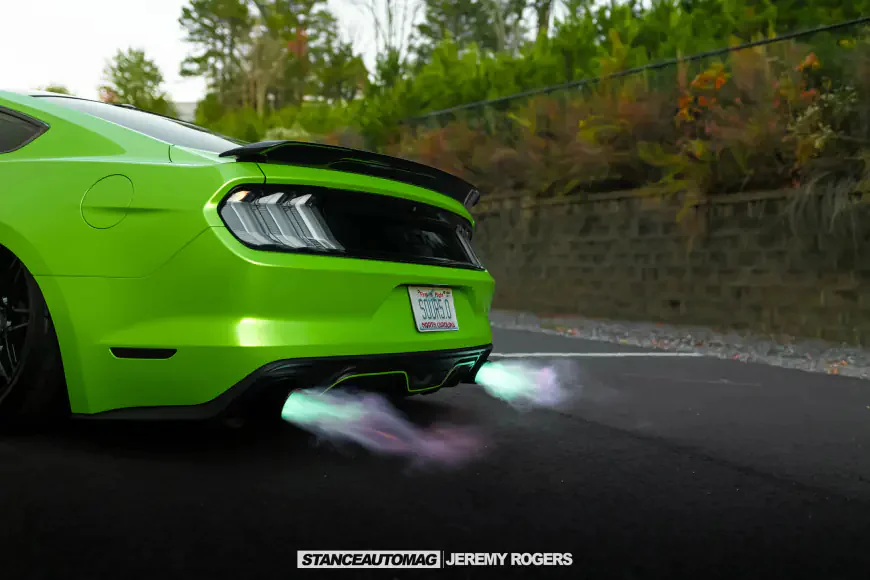
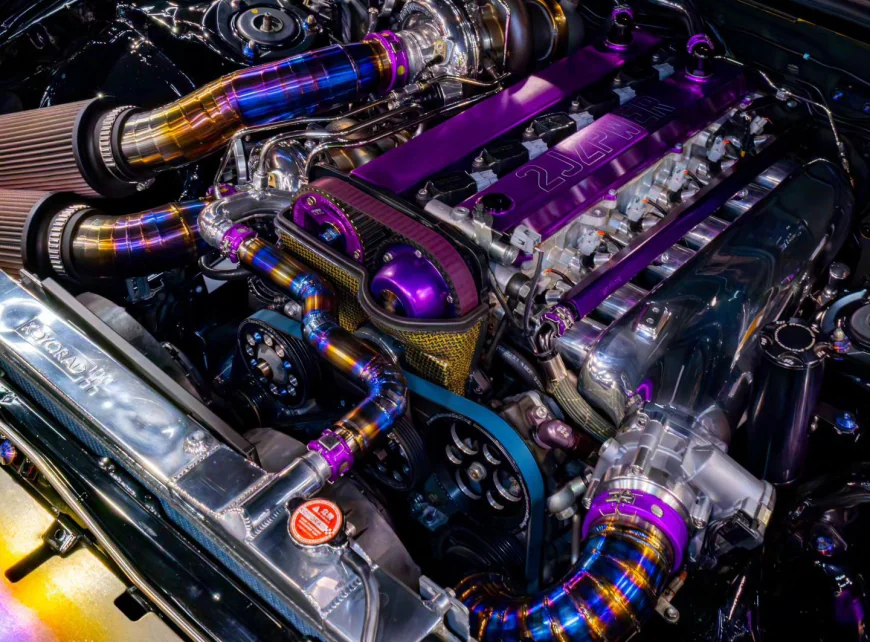
For those chasing every last kilogram of weight savings and who have money to burn, titanium exhausts are the ultimate choice. Titanium is around 40% lighter than stainless steel while being just as strong, which makes it ideal for high-performance and track-focused applications where every gram counts. It also has one very cool party trick: when heated, titanium turns a beautiful blue or purple colour, giving your exhaust tips a genuinely exotic, high-end look that's impossible to replicate with other materials.
The downside? Titanium exhausts are eye-wateringly expensive. You're looking at prices starting around £3,000 and going up to £8,000+ for full systems from premium brands like Akrapovic, Remus, or Armytrix. For most road cars, the weight saving simply isn't worth the cost — you're talking about shaving maybe 10 to 15 kilograms off the car's total weight, which is negligible unless you're building a dedicated track weapon. Titanium exhausts are a statement piece, and they're reserved for the most exotic supercars or serious motorsport applications. For everyone else, stainless steel is more than enough.
The Best Exhaust Brands in 2026: Where to Spend Your Money
The exhaust market is absolutely flooded with brands, and not all of them are created equal. Some have earned their reputations through decades of innovation and quality, while others are churning out cheap, poorly-made systems that'll fall apart within a year. Here are the brands that consistently deliver the best combination of performance, sound, build quality, and value in 2026.
MagnaFlow: The American Legend
MagnaFlow is one of the most respected names in the exhaust business, and for good reason. Founded in California, MagnaFlow has been producing high-quality stainless steel exhaust systems for over 40 years, and they've built a reputation for exceptional build quality, deep, aggressive sound, and genuine performance gains. Their systems are mandrel-bent for maximum flow, feature high-flow mufflers that strike the perfect balance between sound and drone, and come with mirror-polished stainless tips that look absolutely fantastic.
MagnaFlow offers systems for pretty much every make and model imaginable, from everyday hatchbacks to American muscle cars and European exotics. Their cat-back systems typically range from £700 to £1,500, and they're backed by a solid warranty. If you want a name you can trust and a system that'll last forever, MagnaFlow is one of the safest bets you can make.
Borla: Premium Performance with a Lifetime Guarantee
Borla is another American heavyweight with over 40 years of experience in the exhaust game. What sets Borla apart is their straight-through muffler design, which uses internal baffles to reduce sound without restricting flow — the result is an exhaust note that's aggressive and sporty without being obnoxiously loud or suffering from drone on the motorway. Borla systems are also built exclusively from T-304 stainless steel, which is the highest-grade stainless you'll find in the aftermarket world.
The real kicker? Borla backs every single one of their exhaust systems with a million-mile warranty. That's not a typo. They're so confident in their build quality that they'll replace any failed component for the life of the car. Prices are on the higher end — expect £1,000 to £2,500 for a full cat-back — but you're paying for absolute peace of mind and a system that'll genuinely last forever.
Milltek Sport: The British Performance Specialist
For drivers in the UK, Milltek Sport is one of the most trusted names in the business. Based in Derbyshire, Milltek has been manufacturing high-quality stainless steel exhaust systems for over 40 years, and they've become the go-to choice for European car tuners. Their catalogue is enormous — they offer systems for pretty much every VAG group car (Audi, VW, Seat, Skoda), BMWs, hot hatches, and performance saloons. If it's turbocharged and European, Milltek probably makes an exhaust for it.
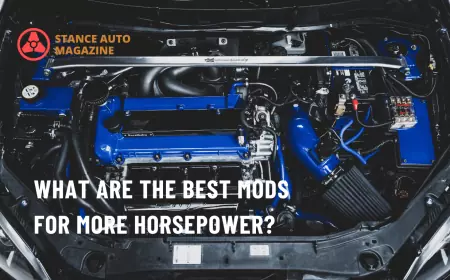
Milltek systems are known for their precise fitment, excellent build quality, and that signature deep, refined European exhaust note. They offer multiple sound levels — from subtle "Sport" systems to louder "Race" setups — so you can tailor the system to your preferences. Prices range from £600 to £2,000 depending on the car and system type. As we highlighted in our article on the best mods for more horsepower, Milltek exhausts are a staple in the UK tuning scene for very good reason.
Flowmaster: The Masters of Muscle Car Sound
If you're building an American muscle car or a V8-powered machine and you want that classic, deep, rumbling exhaust note that makes people's heads turn, Flowmaster is the brand you want. Flowmaster pioneered the use of chambered muffler technology, which uses internal chambers to create a unique, aggressive sound signature that's instantly recognisable. They've been in the game since 1983, and they're the go-to choice for muscle car enthusiasts who want that proper Detroit growl.
Flowmaster offers multiple series — from the loud and aggressive Outlaw series to the more refined FlowFX series — so you can choose the level of noise you're comfortable with. Prices are very reasonable, typically in the £500 to £1,200 range for a full cat-back system. If you're building a Mustang, Camaro, Challenger, or any classic American V8, Flowmaster is an absolute no-brainer.
Akrapovič: The Slovenian Supercar Specialists
Akrapovič (pronounced "Ak-rap-o-vich") is the most prestigious name in the exhaust world, and they're the brand of choice for supercar manufacturers like Ferrari, Lamborghini, Porsche, and McLaren. Akrapovič specialises in titanium and carbon fibre exhaust systems that are as much works of art as they are functional performance upgrades. Their systems are hand-built, extensively tested, and deliver genuinely measurable performance gains alongside that spine-tingling exotic exhaust note.
The downside? Akrapovič exhausts are ridiculously expensive. A full titanium system for a high-end sports car can easily cost £5,000 to £10,000+. But if you're driving a supercar and you want the absolute best, Akrapovič is the name that delivers. For everyone else, they're a beautiful but unattainable dream.
Sound, Performance, or Both? What Are You Actually Chasing?
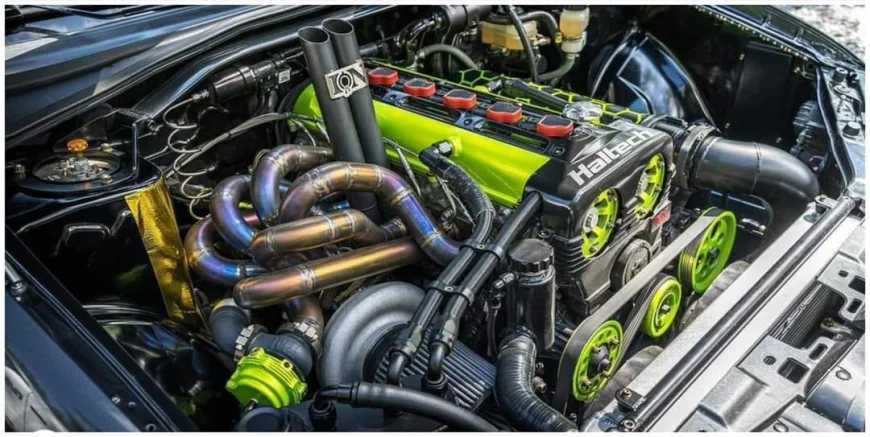
Before you drop a couple of grand on a shiny new exhaust system, it's worth taking a step back and asking yourself a genuinely important question: what are you actually trying to achieve here? Because the exhaust that's perfect for a track-focused drift car is going to be completely different to the one you want on a daily-driven hot hatch. Let's break down the main goals and how to achieve them.
Goal One: Maximum Performance Gains
If your primary concern is squeezing every last drop of horsepower and torque out of your engine, you want an exhaust system that prioritises flow above everything else. That means large-diameter piping (typically 2.5 to 3 inches for most cars), mandrel bends, and high-flow or straight-through mufflers that reduce restriction to an absolute minimum. For naturally aspirated engines, a good cat-back system will typically net you 10 to 20 horsepower. For turbocharged engines, a turbo-back system with a high-flow downpipe can unlock 30 to 50+ horsepower, especially when paired with an ECU remap.
The trade-off is that performance-focused exhausts tend to be loud. Very loud. You'll get drone on the motorway, your neighbours will hate you, and you might struggle to pass noise regulations at some track days. But if outright performance is the goal, that's the price you pay.
Goal Two: That Perfect Exhaust Note
For a lot of enthusiasts, it's not about the dyno numbers — it's about the sound. There's something genuinely addictive about a proper exhaust note, and getting it right is as much an art as it is a science. If sound is your priority, you want to focus on muffler design and exhaust tip diameter more than anything else. Chambered mufflers (like Flowmaster's designs) produce a deep, aggressive rumble. Straight-through designs give you a higher-pitched, more exotic sound. Resonated systems are quieter and more refined; non-resonated systems are louder and rawer.
Your best bet? Find videos online of your specific car with the exhaust you're considering. Every car sounds different, and the only way to know if you'll like the tone is to hear it first. Don't just trust marketing descriptions — actually listen to it.
Goal Three: Keeping It Subtle for Daily Driving
If you're driving your car every day and you don't want to go deaf on long motorway trips or attract unwanted attention from the police, you want an exhaust that enhances the stock sound without going overboard. Look for systems described as "street" or "touring" spec, which typically feature larger resonators and chambered mufflers designed to keep drone and cabin noise to a minimum. Brands like Borla and Milltek excel at this — their systems sound fantastic under acceleration but stay civilised when you're cruising.
A good rule of thumb: if the manufacturer describes the system as "race" or "competition," it's going to be too loud for comfortable daily driving. Stick with the street-oriented options.
UK Legal Considerations: Don't Make Your Car Illegal
Here's the bit that nobody likes talking about but is absolutely critical if you're driving on UK roads: exhaust noise regulations. The law around exhaust modifications in the UK is frustratingly vague in places, but the basics are clear. Your car must not exceed 74 decibels when measured at a specific distance during an MOT test, and it must not have been modified in a way that makes it "excessively noisy." That second part is deliberately subjective, which means a traffic officer can pull you over and issue a fine if they think your exhaust is too loud — even if it technically passes the 74dB limit.
The good news is that most quality aftermarket exhausts from reputable brands are designed to stay within these limits. Cat-back and axle-back systems that retain the factory catalytic converters are almost always road-legal. Where you run into trouble is with decat pipes (which remove the catalytic converter entirely), straight pipes (which delete all mufflers), and ultra-loud race systems. If your exhaust has no catalytic converter, your car will fail its MOT on emissions alone, and you could face serious fines if you're caught driving it on public roads.
The safest approach? Stick with cat-back systems from established brands, and make sure the system you're buying explicitly states that it's road-legal in the UK. If you're planning to go down the decat or turbo-back route, make sure you're only using the car on private property or track days — and be prepared to swap back to a road-legal system when MOT time rolls around. As we've discussed before in our guide to car modifications, staying on the right side of the law is just as important as making your car faster or louder.
Installation: DIY or Pay a Professional?
So you've chosen your exhaust system, it's arrived at your door, and now you're faced with the big question: do you fit it yourself, or do you hand it over to a professional? The honest answer depends on your mechanical skill level, the tools you've got access to, and how complex the system you're fitting actually is.
When DIY Makes Sense
If you've got basic mechanical skills, a decent set of hand tools, and a couple of hours to spare, fitting a cat-back or axle-back exhaust is genuinely achievable as a DIY job. Most aftermarket systems are designed as direct bolt-on replacements for the factory setup, which means you're just unbolting the old system, dropping it out, and bolting the new one in its place. You'll need a jack and axle stands to get the car in the air, a selection of sockets and spanners, some penetrating oil to deal with rusty bolts, and a bit of patience. YouTube is your friend here — there are installation videos for pretty much every make and model imaginable.
The main thing that can trip you up is seized bolts. Exhaust bolts live in a high-heat, high-corrosion environment, and they love to seize solid. Give them a good soaking in WD-40 or Plus Gas the night before you start, and be prepared to cut them off with an angle grinder if they refuse to budge. It's also worth having a spare set of exhaust hangers and clamps on hand, because the old ones have a habit of snapping when you try to remove them.
When to Call in the Professionals
If you're fitting a turbo-back system, dealing with a car that has complex routing or multiple catalytic converters, or you're just not confident working under a car, it's worth paying a professional to do the job. A good exhaust shop will have the car up on a lift, the old system off, and the new one fitted and torqued to spec in under two hours. They'll also spot any issues (leaks, fitment problems, damaged hangers) that you might miss as a DIYer. Expect to pay anywhere from £100 to £300 for professional installation depending on the complexity of the system and where you're located.
The peace of mind alone is worth it, especially if you're fitting an expensive system and you don't want to risk damaging it through improper installation.
The Best Budget Exhaust Systems for 2026
Not everyone has £2,000 burning a hole in their pocket, and that's absolutely fine. The good news is that there are genuinely excellent exhaust systems available at much more affordable price points — you just need to know where to look and what to expect. Here are the best budget-friendly options for 2026 that won't break the bank but will still deliver noticeable improvements in sound and, in some cases, performance.
Scorpion Exhausts: British Quality on a Budget
Scorpion is a UK-based manufacturer that's been producing exhausts for over 30 years, and they've built a solid reputation for offering stainless steel systems at prices that undercut the big-name brands without sacrificing quality. Scorpion cat-back systems typically cost between £400 and £800, which makes them accessible for enthusiasts on a budget. The build quality is good, fitment is generally spot-on, and the sound is well-tuned — not too loud, not too quiet, just right for most daily drivers who want a bit more character. If you're working with a tight budget and you want stainless steel that'll last, Scorpion is an excellent choice.
Jetex: The Value Performance Option
Jetex is another British brand that punches well above its weight in terms of value for money. Their systems are built from stainless steel, feature mandrel-bent piping, and come in at very competitive prices — typically £300 to £600 for a cat-back setup. Jetex exhausts are particularly popular in the hot hatch scene, with systems available for Fiestas, Corsas, Clios, and pretty much every other warm hatch on UK roads. The sound is on the louder side of subtle, which will appeal to younger drivers who want a bit of presence without going full boy-racer. Fitment can be slightly hit-or-miss depending on the specific application, but at this price point, it's hard to complain.
HKS and Fujitsubo: Japanese Performance on a Budget
If you're running a Japanese car and you want to tap into proper JDM exhaust heritage without spending Akrapovič money, HKS and Fujitsubo are the brands to look at. HKS is legendary in the tuning world, with a history that stretches back decades and includes everything from street exhausts to full race systems. Fujitsubo specialises in creating that signature high-pitched, exotic Japanese exhaust note that makes Supras, Skylines, and Evos sound absolutely incredible. Prices vary wildly depending on the specific system and car, but you can find quality HKS and Fujitsubo exhausts in the £600 to £1,200 range if you shop around.
Final Thoughts: Choosing the Right Exhaust for You
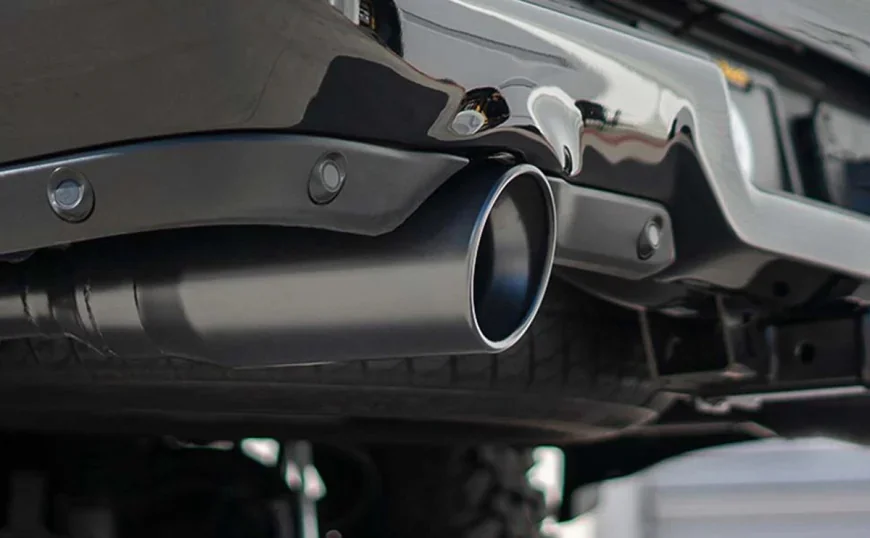
At the end of the day, the best exhaust system for you is the one that fits your car, your goals, your budget, and your tolerance for noise. If you're chasing outright performance and you've got a turbocharged engine, a turbo-back system is the way to go — just be prepared for the cost and the legal grey areas that come with it. If you want a solid all-round upgrade that improves sound, performance, and aesthetics without any compromises, a stainless steel cat-back system from a reputable brand like MagnaFlow, Milltek, or Borla is your best bet. And if you're on a budget or you just want to change the sound without going too deep, an axle-back system is a smart, cost-effective option.
Don't rush this decision. Watch videos, read reviews, talk to other owners of your car, and make sure you're getting the system that genuinely suits your needs. A good exhaust system will transform your driving experience, make every journey more enjoyable, and — if you choose wisely — outlast the car it's fitted to. Take your time, do your research, and enjoy the process. Because at the end of the day, this is one of the most satisfying modifications you'll ever make to your car.
For more guidance on maximising your car's performance potential, check out our complete guide to performance modifications and our breakdown of the best value-for-money mods that deliver real-world results without emptying your wallet.
 Like
0
Like
0
 Dislike
0
Dislike
0
 Love
0
Love
0
 Funny
0
Funny
0
 Angry
0
Angry
0
 Sad
0
Sad
0
 Wow
0
Wow
0