











































































































































Kaido Racer Toyota Cressida: A 1980 MX32 Chibaragi Build
This kaido racer Toyota Cressida is a 1980 MX32 Chibaragi built by Jon and Astrid Madrid of SoCal, finished in five weeks with Kandy purple paint and 10-foot hood-exit exhausts.



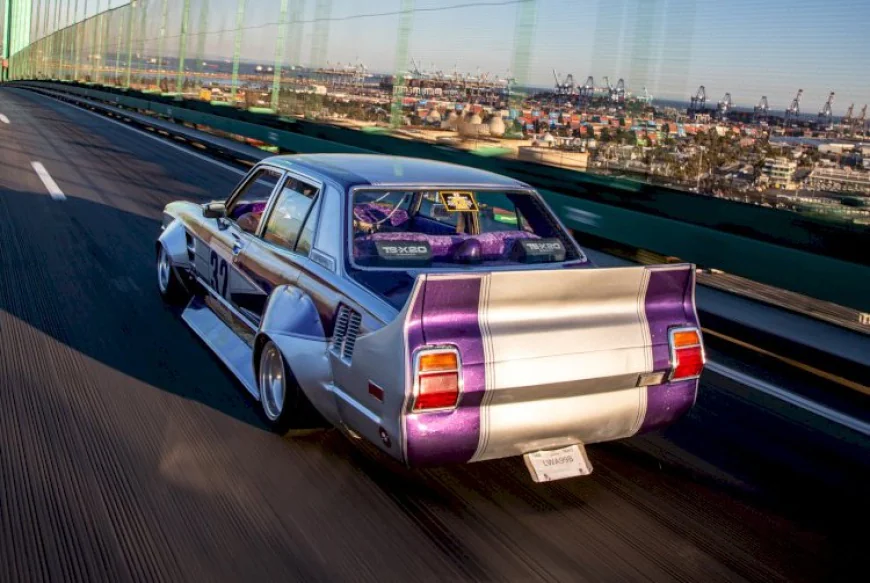
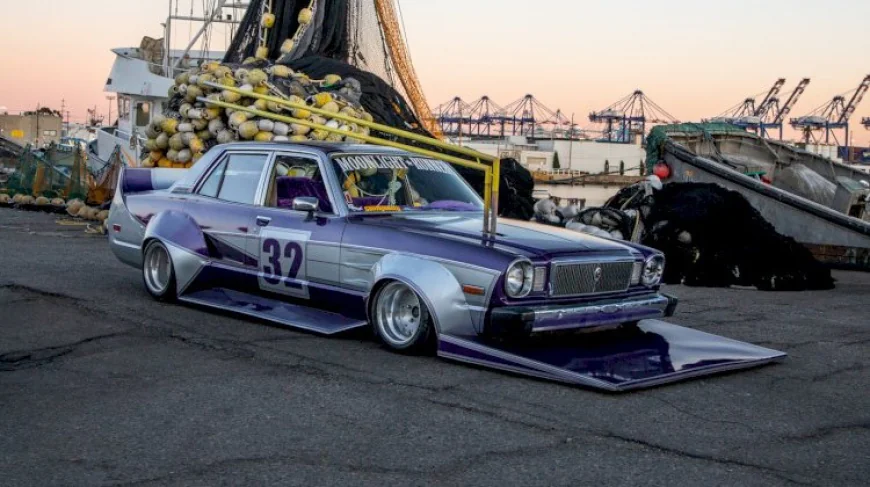
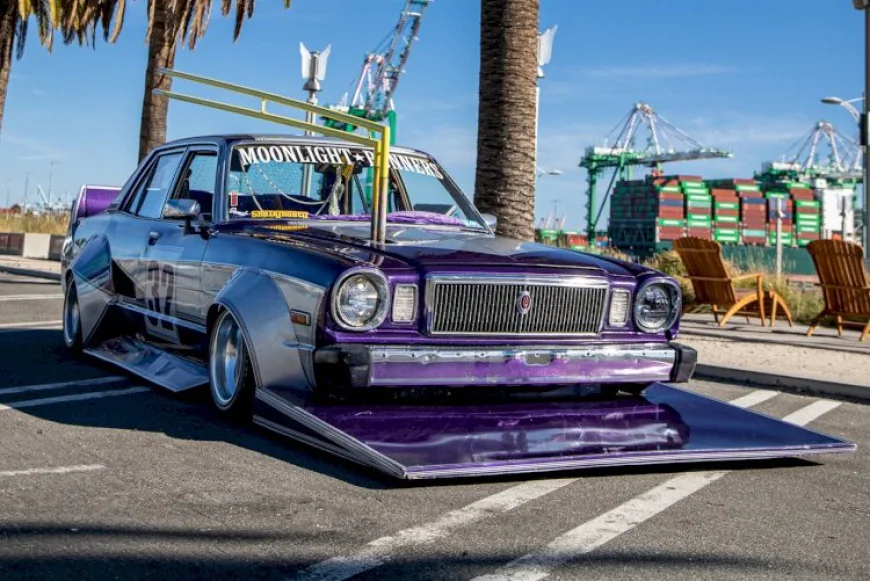
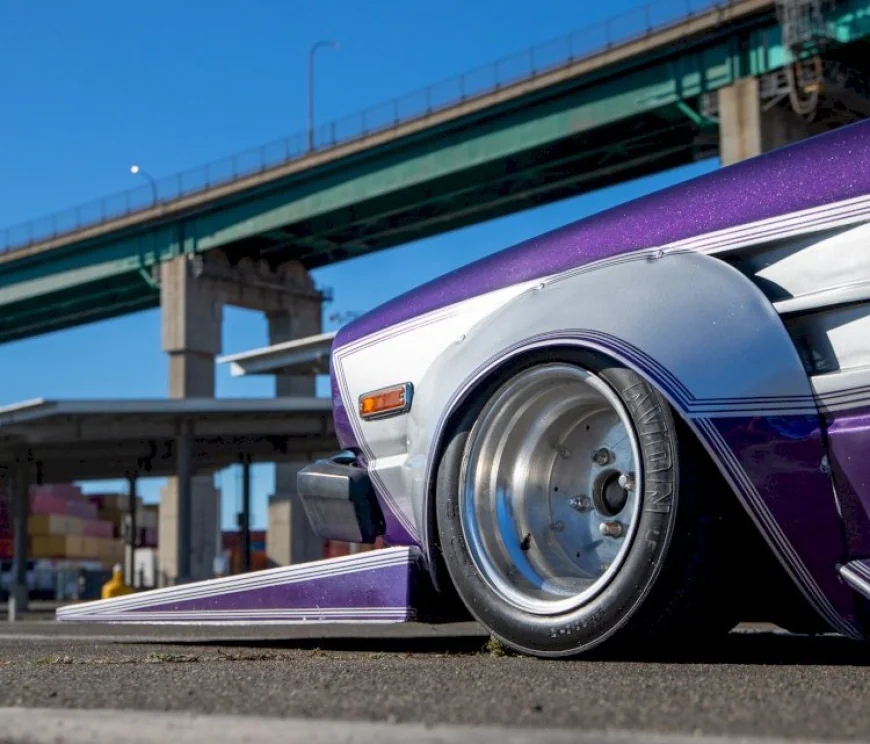

Some builds are all about the parts list. This kaido racer Toyota Cressida is about the two people who built it. Jon and Astrid Madrid are a husband-and-wife team from Southern California, and their 1980 MX32 is, to their knowledge, the first full chibaragi style kaido racer built stateside. Think 10-foot exhaust pipes, a 5-foot deppa, Kandy purple paint and tape lines pulled by hand. Photographer Marvin Recinos (@mr2mivin) shot the car, and Jon and Astrid (@moonlightrunners) tell the story below in their own words.
If you're new to the scene, a kaido racer is a Japanese street style that grew out of 1970s and 80s highway racers, known for outlandish body kits, long exhausts and a whole lot of attitude. It's a big part of the Japanese car scene, and whether you're after a kaido racer Toyota Cressida of your own or you just love the look, you can find more of it under our kaido racer tag.
A Kaido Racer Toyota Cressida Built on SoCal Punk Roots
We are a husband-and-wife team, born and raised in Southern California. We grew up in the SoCal punk scene and drew many influences for our car styling from the punk culture that we still live in today. From Hondas to drifting, to VIP and eventually finding our love for old Japanese cars, we are very passionate and family-driven, and we involve our kids whenever we can with the cars. We hope to inspire people to build their own kaido racers and we love seeing this culture continue to grow outside of Japan.
From Street Races to a Kaido Racer Obsession
Growing up in a city and neighbourhood where you can get in a lot of trouble, you had to find a way to stay out of trouble as much as possible, and for me it was cars. I still found myself attending illegal street races and canyon runs at the time though, and the adrenaline rush is what drew Astrid into car culture and led us to build our cars together. We remember stumbling on a YouTube video of kaido racers in Japan and instantly falling in love. We decided we had to build one for ourselves.
If you want the Japanese side of that late-night street racing story, have a read of The Midnight Club: Japan's Underground Legends of Speed.
Finding the MX32 Base for Our Kaido Racer Toyota Cressida
The more we dove into kaido racer culture, the more one car stuck out to both of us: the MX32 Cressida. We decided we wanted one when we first saw it in person, but there were none for sale when we began looking. We ended up finding a car in San Diego, a few hours south of where we live. It was a one-owner car that was being gifted to the family's oldest daughter. The owner's daughter thought it was ugly and didn't want it as her first car, so we traded him our daily for the MX32 and that's how we ended up with our first Cressida.
Why the Cressida Chassis Works
There's just something about the overall body of the car that is so appealing to us. The Cressida chassis is something we really, really love: the way the body lines flow, the styling, it's an overall great car, which is why we currently own three.

Building a Kaido Racer Toyota Cressida With Zero Experience
Before we even got the car, we knew we had to build a kaido racer, but we had zero bodywork or fabrication experience. Being drawn to the culture of Japan meant stepping out of our comfort zone and really diving into custom work. The styling is very outlandish, which is also what appeals to us. Growing up in the SoCal punk scene, and already having that rebellious nature ourselves, this culture really drew us in.
We dressed and looked different because we wanted to stand out and SHOW we are going against social norms, which is why this car culture hit on a personal level and went deeper than just car customisation. It was worth stepping out of our comfort zone, and it's what really drives our passion behind why we build these cars, and specifically why we built this one. With no readily available blogs or how-to guides, we resorted to endless hours of watching YouTube videos, pausing, zooming in and trying to figure out how certain parts were mounted or made.
Driving a Kaido Racer Toyota Cressida on the Street
It's always great taking the car out because it demands attention from every walk of life.
When we're driving on the streets people are always stopping, honking, giving thumbs up (or the occasional thumbs down) and breaking their necks just to get a look at the car. Whether you're into cars or not, young or old, into supercars or your run-of-the-mill tuner, people stop and ask questions and are intrigued by the car and the style. The best part is the kids' reactions. We used to hear from the neighbourhood kids that we build Hot Wheels, haha.
This is a build we knew we wanted for ourselves before we even got the car. Seeing all the positive feedback and appreciation is amazing and refreshing. We never dreamed the car would be displayed at The Petersen Automotive Museum or have magazine shoots, but we're very grateful for the doors it has opened. It has allowed us to work for ourselves, providing custom work to a growing community here stateside.
To our knowledge, it is the first full chibaragi style kaido racer built stateside. The 10-foot-long exhaust pipes and the 5-foot deppa (chin spoiler) make for an eye-catching, attention-grabbing car at any meet.
Kaido Racer Toyota Cressida Spec List
Engine
- Rebuilt 4M inline-six
- Custom manifold to accommodate the hood-exit exhaust
- 1.5-inch exhaust diameter
- Removable dual exhaust pipes
Exterior
- Savannah Works flares, custom-moulded for the MX32 body lines
- Custom side steps
- Custom deppa (chin spoiler), also removable
- Custom-moulded three-piece wing
- Fully shaved rear
- Fender vents
- Rear door vents
- Custom Kandy purple paint
- Moulded MR2 vent
Interior
- Purple crushed velour interior
- Purple Patlite
- TSX-20 parcel shelf speakers
- 8-inch steering wheel
Wheels
- Original-barrel 13x10 and 13x12 SSR MK1
- Avon 9.0/20.0-13 and 9.0/21.0-13 tyres
Learning the Hard Way: Bodywork, Fibreglass and Paint
This version was attained after multiple mishaps and failed attempts on our part. As we said before, coming into this build we had no skills, and no one around us to show us how to make our vision a reality. We didn't just want to take the car to a body shop because, one, we couldn't afford it and two, we are very DIY with almost everything we do. That goes back to our punk roots, which is why this build has seen many transformations over the years.
As we continued to push through setbacks and mistakes, we were lucky enough to meet more and more people in the trade (bodywork, fibreglassing, paint and so on) who were willing to take us under their wing and teach us tips and tricks. The constant repetition of working on these cars day in and day out let us start perfecting our own skills. Having done the work ourselves, with the help of friends, this car is a representation of our growth, not only as builders but as individuals and as a couple.
Five Weeks to Finish a Kaido Racer Toyota Cressida
We managed to finish the car in five weeks, with many sleepless nights and friends helping when they could. Working a full-time job with a 1-year-old and a 9-year-old at the time made it difficult to get it done. Once I finished the bodywork and fibreglass, Astrid jumped in to help prep for paint. It took her 60 hours to pull the tape lines, constantly measuring to make sure both sides of the car were symmetrical. Traditionally these cars run thicker tape lines, but having grown up around lowriders we decided to add our own spin and pull thinner ones. The paint job itself took two weeks.
This car is our interpretation of what we feel a kaido racer is, with influences from our culture and upbringing. We finished it in 2018 and have continued to grow and hone our skills since.
Future Plans for the Kaido Racer Toyota Cressida
We plan on making a mould of the rear end and replacing it with a full fibreglass build, and potentially doing a second spec in the future. For now, we have plenty of other cars we're building.
Advice Before You Build a Kaido Racer Toyota Cressida
When it comes to buying an MX32 Cressida, you can't really go wrong. If you want a car to build a kaido racer from though, we highly suggest doing your homework on which style you want. There are many different styles that originated in different prefectures in Japan, and mixing styles results in a muddied build. The biggest mistake we see when people try to build a kaido racer is using the wrong chassis as their base. Having the right base will make it easier to achieve your goal, especially if you're new to building these cars. 1970 to 1980 are the ideal years for anyone looking to build one themselves. Your base car is make or break for these builds.
Dream Car
We don't really have a dream car per se. We strive to keep modifying these cars in the different kaido racer stylings and hope to continue to build our collection.
We have been able to make friends all over the world, and meet people we otherwise wouldn't have, all because of our cars and the car scene. We are extremely grateful and appreciative of everyone who supports us and cheers us on.
More Kaido Racer and Classic JDM Builds
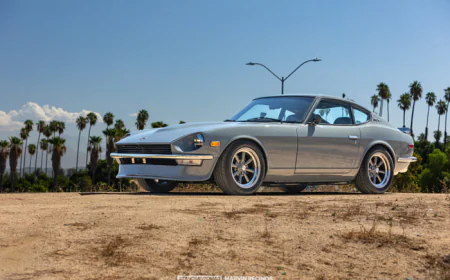
Jon and Astrid's kaido racer Toyota Cressida proves you don't need a big budget or a body shop to build something nobody has seen before. If you enjoyed it, why not read Jeff Perez's 1991 Nissan Skyline GT-R and 1996 Honda Civic widebody feature next, or take a look at the 1971 Datsun 240Z build from California Datsun.
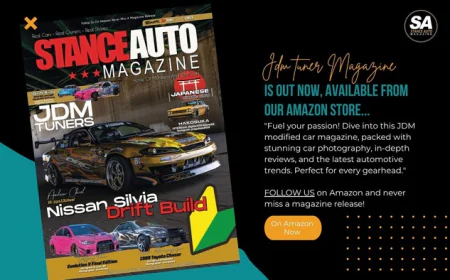
Want more builds like this kaido racer Toyota Cressida in print? Grab a copy from the Stance Auto Magazine store on Amazon.
 Like
2
 Dislike
0
 Love
0
 Funny
0
 Angry
0
 Sad
0
 Wow
0