




























.png)





![[HOONIGAN] Ken Block's GYMKHANA NINE](https://img.youtube.com/vi/_bkX5VkZg8U/maxresdefault.jpg)









































![[HOONIGAN] KEN BLOCK'S GYMKHANA SEVEN: WILD IN THE STREETS OF LOS ANGELES](https://cdn.motor1.com/images/mgl/2KlO4/s1/ken-block-london-tour-directors-cut.jpg)






























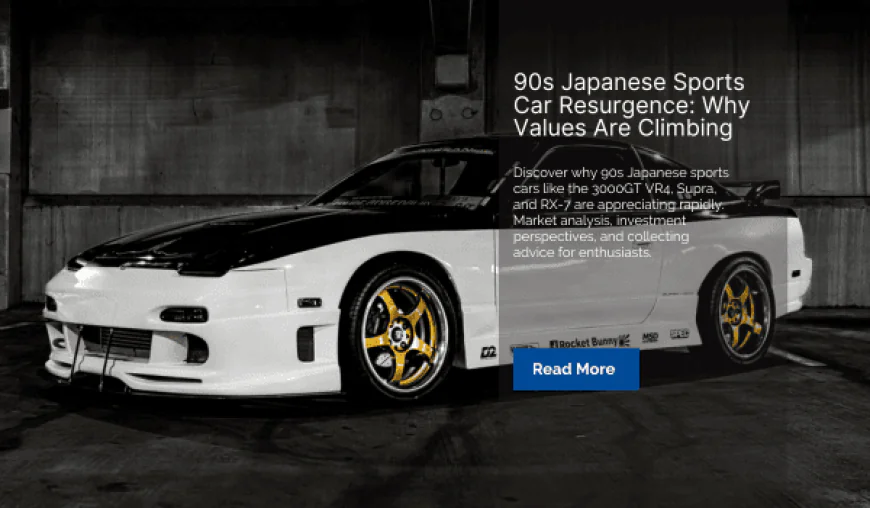
90s Japanese Sports Car Resurgence: Why Values Are Climbing
Discover why 90s Japanese sports cars like the 3000GT VR4, Supra, and RX-7 are appreciating rapidly. Market analysis, investment perspectives, and collecting advice for enthusiasts.
90s Japanese Sports Car Resurgence
Something remarkable is happening in the collector car market. Cars that were $15,000 project purchases five years ago are now commanding $40,000-$60,000 for clean examples. Vehicles that enthusiasts used to track and daily drive without a second thought are now being carefully preserved as appreciating assets. The 90s Japanese sports car market has fundamentally transformed, and we're only seeing the beginning.
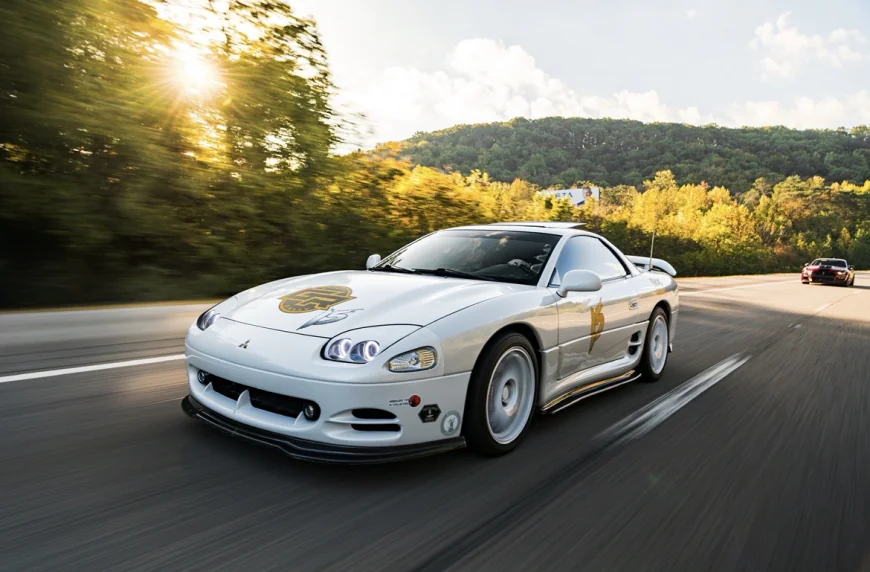
I've watched this evolution firsthand. When Bryan found his 1996 3000GT VR4 with 36,500 miles in immaculate condition, that was an increasingly rare discovery. Today, finding a clean, low-mileage VR4 is like finding a needle in a haystack - and when you do, expect to pay significantly more than you would have even two years ago.
The Numbers Don't Lie: Market Data
Mitsubishi 3000GT VR4
2015 Average: $12,000-$18,000 for driver-quality examples
2025 Average: $25,000-$35,000 for similar condition
Low-mileage pristine: $40,000-$55,000+
Appreciation: 150-200% in a decade
The VR4 market perfectly illustrates the trend. Cars like Max Kaewtong's 1991, the 1993 build, and the 1992 Ralliart tribute represent investments that continue appreciating as the market recognizes the VR4's technological significance.
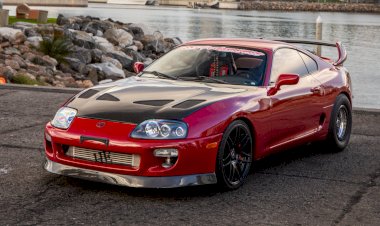
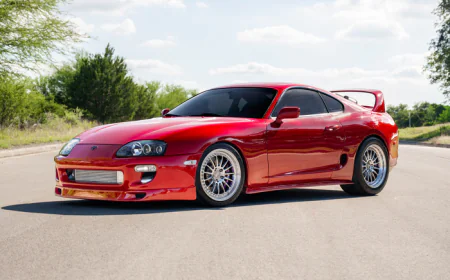
Toyota Supra Turbo
2015 Average: $35,000-$50,000
2025 Average: $75,000-$120,000
Pristine/rare specs: $150,000-$200,000+
Appreciation: 200-300%
The Supra has become the poster child for JDM appreciation, with values that would have seemed absurd a decade ago. Clean turbo six-speed cars now command six-figure prices.
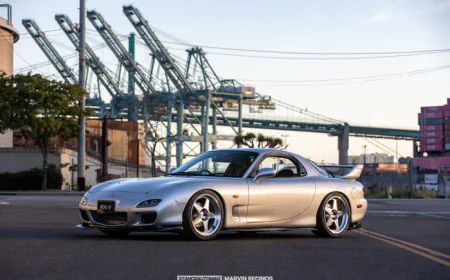
Mazda RX-7 (FD)
2015 Average: $20,000-$30,000
2025 Average: $45,000-$70,000
Low-mileage/unmodified: $80,000-$100,000+
Appreciation: 200-250%
The rotary-powered FD has seen explosive growth, particularly for unmolested examples with service records documenting proper rotary maintenance.
Honda NSX
2015 Average: $50,000-$70,000
2025 Average: $90,000-$140,000
Exceptional examples: $150,000-$180,000+
Appreciation: 150-200%
The NSX entered the market already expensive but has continued climbing as collectors recognize it as one of the greatest sports cars ever built.
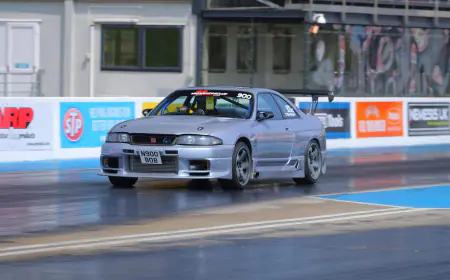
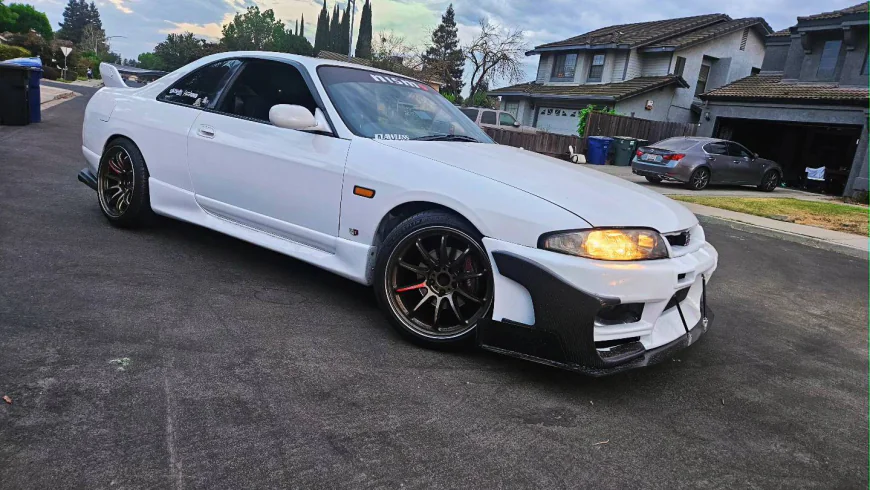
Nissan Skyline GT-R (R32/R33/R34)
2015 Average (R32): $25,000-$40,000
2025 Average (R32): $60,000-$90,000
R34 GT-R: $150,000-$250,000+
Appreciation: 200-400% depending on model
The GT-R market has been particularly volatile, with R34s becoming genuine exotic territory and R32s finally legal for US import driving massive demand.
Why Is This Happening?
The 25-Year Import Rule
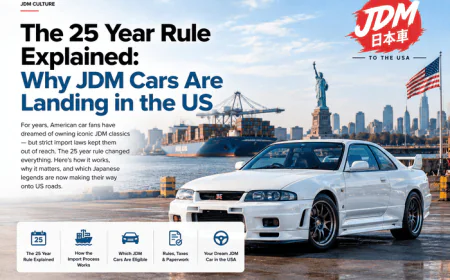
US regulations allow vehicles 25+ years old to be imported without meeting current safety and emissions standards. This opened the floodgates for JDM-spec cars that were never officially sold in America - right-hand drive Skyline GT-Rs, rare Supra variants, JDM-spec NSXs with lower production numbers.
Each year, another model year becomes legal for import, creating consistent demand waves. 2024 saw 1999 models become legal, 2025 brings 2000 models. The best examples get snapped up immediately at premium prices.
Nostalgia and Cultural Impact
People who played Gran Turismo and watched Fast & Furious as teenagers in the late 90s and early 2000s are now in their 30s and 40s with disposable income. They're buying the dream cars of their youth, and they're willing to pay for quality examples.
This nostalgia factor is incredibly powerful. These aren't just cars - they're cultural touchstones that defined an era of automotive enthusiasm.
The Last Analog Sports Cars
Modern sports cars are incredible - faster, safer, more efficient. But they're also isolated, sterile experiences filled with electronic nannies and touchscreens. The 90s represented the peak of analog sports car development - advanced enough to be genuinely fast and capable, but still mechanically connected and visceral.
Cars like the 3000GT VR4 with its twin-turbo AWD system offer complexity and technology while maintaining an analog driving experience that modern cars simply don't provide. You can feel everything through the steering wheel, the throttle response is immediate and predictable, and there's a mechanical soundtrack that no synthesized speaker system can replicate.
Technological Significance
Many 90s Japanese sports cars were technological showcases - bleeding-edge engineering that pushed boundaries. The 3000GT VR4 had twin-turbo power, AWD, 4WS, active aero, and electronically controlled suspension. The NSX was the first production car with an all-aluminum body. The Supra's 2JZ engine became legendary for its strength and tuning potential.
As time passes, collectors increasingly recognize these cars as significant automotive achievements worthy of preservation.
Limited Production Numbers
Unlike muscle cars with hundreds of thousands produced, many JDM sports cars had relatively small production runs. The 3000GT VR4 saw roughly 15,000 units imported to the US across its entire production run. Many have been wrecked, modified beyond recognition, or neglected into oblivion.
Finding survivors in excellent condition becomes increasingly difficult each year, driving up values for the remaining good examples.
What Cars Are Positioned for Growth?
Already Expensive (But Still Climbing)
-
Toyota Supra Turbo (especially 6-speed)
-
Honda NSX (all variants)
-
Mazda RX-7 FD (clean, unmolested examples)
These are already expensive, but pristine examples continue appreciating as they transition from "cars" to "collectibles."
Mid-Tier (Strong Growth Potential)
- Mitsubishi 3000GT VR4: Still undervalued compared to Supras and GT-Rs despite comparable technology and performance. The builds on Stance Auto showcase what these cars are capable of.
- Nissan 300ZX Twin Turbo: The Z32 is finally getting recognition for its advanced engineering and timeless styling.
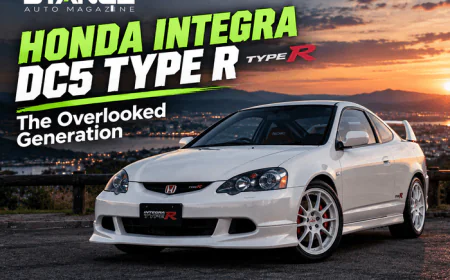
- Acura Integra Type R: Already climbing rapidly, but clean examples should continue appreciating.
- Mazda RX-7 FC: The middle child between FB and FD is gaining attention as FD prices become prohibitive.
Dark Horses (Buy Now Before Prices Explode)
- Mitsubishi Evolution series: The Evo VI, VII, VIII, and IX are all becoming import-eligible and represent incredible performance value.
- Subaru Impreza WRX STI: Import-spec cars with lower production numbers are starting to climb.
- Honda S2000: Already expensive but likely hasn't peaked - the last true Honda sports car.
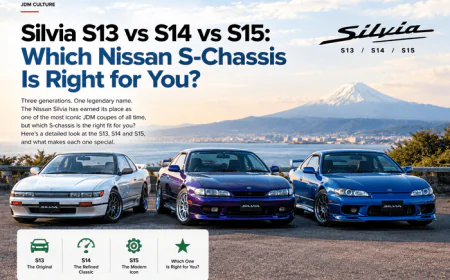
- Nissan Silvia S15: Just becoming import-eligible, prime for appreciation.
- Toyota MR2 Turbo: Still relatively affordable, won't stay that way forever.
Investment Strategies for Enthusiasts
Buy the Best You Can Afford
Quality matters more than ever. A pristine, documented example will always command premium prices and continue appreciating, while rough project cars may struggle to find buyers at any price.
Our VR4 buyers guide emphasizes this point - buy the best example you can find, even if it costs more upfront. That initial premium pays dividends when values climb.
Documentation is Gold
Service records, original window stickers, build sheets, and ownership history dramatically impact value. Cars with complete documentation command 20-30% premiums over similar examples without paperwork.
Bryan's VR4 came with comprehensive records documenting its 36,500-mile history - that documentation adds significant value to an already rare, low-mileage example.
Original vs. Modified: The Debate
Bone-stock purists say: Unmodified cars are more valuable because they're increasingly rare. Collectors want originality.
Modified enthusiasts counter: Tastefully modified cars with quality parts, like the OEM Plus philosophy builds we feature, can command premiums because they represent what the factory should have built.
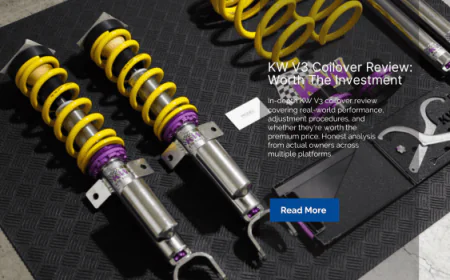
The truth: Both have markets. Museum-quality original cars appeal to collectors. Well-executed builds with quality parts (think KW V3 coilovers, 3SX Performance upgrades, and documented builds) appeal to driving enthusiasts who want modern performance with period-correct aesthetics.
Poorly modified cars with cheap parts and no documentation struggle to find buyers at any price point.
Store It or Drive It?
There's tension between preservation and enjoyment. Garage queens appreciate fastest but provide zero driving pleasure. Daily drivers get enjoyed but accumulate miles and wear.
My philosophy: Buy quality, maintain meticulously, and drive thoughtfully. These cars were engineered to be driven. A well-maintained car with 60,000 documented miles is often more desirable than a 30,000-mile car that's sat for years developing dry rot and seized components.
Market Predictions: Where Are We Heading?
Short Term (2025-2027)
Expect continued strong appreciation across the board. As R32 Skylines complete their first few years of US-legal ownership, prices should stabilize but not decline. R33 GT-Rs becoming import-eligible in 2023-2024 will drive continued interest.
Mid-tier cars like the 3000GT VR4 should see 20-40% appreciation as collectors recognize their technological significance and rarity.
Medium Term (2027-2030)
The market should mature with clearer differentiation between investment-grade examples and driver-quality cars. Expect 100,000+ mile examples to plateau or decline slightly while pristine, documented cars continue climbing.
R34 GT-Rs becoming US-legal (2024-2025 for most) will create massive demand spikes, potentially pushing six-figure cars into $200,000+ territory for exceptional examples.
Long Term (2030+)
90s JDM sports cars should establish themselves as legitimate blue-chip collectibles alongside air-cooled Porsches, classic muscle cars, and vintage European exotics. The best examples will be treated as museum pieces, while nice driver-quality examples will maintain strong values.
However, market corrections are always possible. Economic downturns, changing tastes, and generational shifts could moderate growth rates.
Risks and Considerations
Market Bubbles
Some segments may be overheated. Supra values in particular seem unsustainable - are they really worth twice what an NSX costs? Market corrections in overpriced segments could be harsh.
Fakes and Fraud
As values climb, so does incentive for fraud. Cloned VINs, misrepresented histories, and reconstructed title cars marketed as clean examples are real risks. Do your homework, get pre-purchase inspections, and verify everything.
Parts Availability
Rising values mean nothing if you can't maintain the car. Some platforms face genuine parts scarcity - discontinued components, no reproduction options, and used parts commanding silly prices.
The 3000GT VR4 benefits from dedicated specialists like 3SX Performance maintaining parts availability, but other platforms aren't as fortunate.
Storage and Insurance
As values climb, proper storage and insurance become critical. A $60,000 VR4 needs appropriate agreed-value coverage, climate-controlled storage, and regular maintenance even if not driven frequently.

Should You Buy as an Investment?
The Honest Answer
If you love these cars and plan to own and enjoy them, rising values are a nice bonus. You get to drive something you love while watching it appreciate rather than depreciate.
If you're purely buying for investment returns, classic car investments require passion and knowledge to succeed. You need to understand the market, make smart purchases, store and maintain properly, and potentially hold for years before seeing returns.
Better Than Money in the Bank?
Quality 90s JDM sports cars have outperformed traditional investments over the past decade. A $15,000 VR4 purchased in 2015 could sell for $35,000-$45,000 today - that's 15-20% annual returns while providing enjoyment along the way.
However, past performance doesn't guarantee future results, and you can't liquidate a car as easily as stocks or bonds.
Collecting Advice from the Trenches
After watching this market evolve and talking with dozens of owners and collectors, here's my honest advice:
Buy what you love. Values are great, but if you hate driving the car, you won't properly maintain it or enjoy ownership.
Condition over mileage. A 60,000-mile car with complete records and perfect maintenance beats a 30,000-mile car with questionable history.
Document everything. Keep every receipt, take photos of work performed, maintain service logs. This documentation adds tangible value.
Choose specialists carefully. Work with shops that understand the platform. 3SX Performance for VR4s, respected rotary shops for RX-7s, Supra specialists for 2JZ cars.
Join communities. Forums, Facebook groups, and local clubs provide invaluable knowledge and help you avoid costly mistakes.
Be patient. The right car at the right price is worth waiting for. Buying hastily leads to regret and financial loss.
The Cultural Legacy
Beyond investment returns, these cars represent a specific moment in automotive history that won't be repeated. The bubble era in Japan, the technology race between manufacturers, the analog driving experience - it's all disappearing.
Preserving and enjoying these machines, whether through careful restoration and OEM Plus modification or museum-quality preservation, ensures future generations can experience what made 90s Japanese sports cars so special.
Every VR4 that gets properly maintained, every Supra that gets sympathetically modified, every RX-7 that gets rebuilt correctly - these efforts preserve automotive heritage and keep these machines on the road where they belong.
Conclusion: The Golden Age of Attainability is Ending
If you've been considering a 90s Japanese sports car, now is the time. Values will continue climbing, quality examples will become increasingly scarce, and what's attainable today may be unattainable tomorrow.
Five years ago, finding a clean VR4 like Bryan's was difficult but possible. Today, it's genuinely challenging. In five more years, it may be nearly impossible at any reasonable price.
Whether you're buying to drive, to collect, or both, these cars offer a unique combination of appreciating value, analog driving experience, and cultural significance. The 90s Japanese sports car resurgence isn't a bubble - it's a permanent revaluation of these machines as the significant automotive achievements they always were.
Buy smart, maintain diligently, drive enthusiastically, and enjoy being part of automotive history.
This market analysis is brought to you by Stance Auto Magazine - your source for car builds, market insights, and automotive culture.
Related Articles
- Bryan Petty's 1996 Mitsubishi 3000GT VR4 Build: OEM+ Perfection With 320HP - Investment-grade VR4 build done right
- Max Kaewtong's 1991 Mitsubishi 3000GT VR4 - First-gen appreciation example
- Modifying a Dream Car: 1993 Mitsubishi 3000GT VR4 - Quality modifications add value
- 1992 Mitsubishi 3000GT VR4: A Tribute to Ralliart's Spirit - Thoughtful build maintains value
- Complete 3000GT VR4 Buyers Guide: Finding Your Perfect Twin-Turbo AWD Legend - How to find investment-worthy examples
- OEM Plus Build Philosophy: Enhancing Without Compromising Character - Modifications that preserve value
- 3SX Performance Guide: Best Mitsubishi 3000GT Upgrades - Quality upgrades for appreciating cars
- KW V3 Coilover Review: Worth The Investment - Premium parts for valuable builds
 Like
0
Like
0
 Dislike
0
Dislike
0
 Love
0
Love
0
 Funny
0
Funny
0
 Angry
0
Angry
0
 Sad
0
Sad
0
 Wow
0
Wow
0