

























.png)




![[HOONIGAN] Ken Block's GYMKHANA NINE](https://img.youtube.com/vi/_bkX5VkZg8U/maxresdefault.jpg)

































![[HOONIGAN] KEN BLOCK'S GYMKHANA SEVEN: WILD IN THE STREETS OF LOS ANGELES](https://cdn.motor1.com/images/mgl/2KlO4/s1/ken-block-london-tour-directors-cut.jpg)























OEM Plus Build Philosophy: Enhancing Without Compromising Character
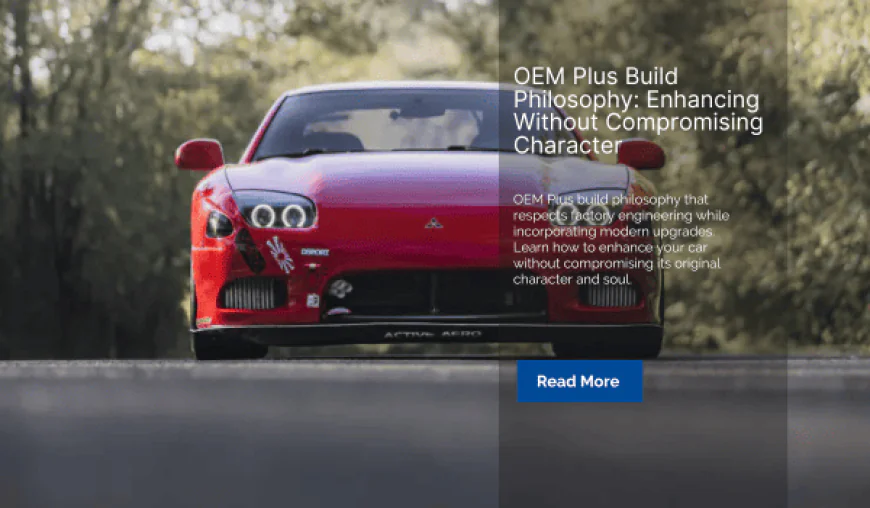
OEM Plus build philosophy that respects factory engineering while incorporating modern upgrades. Learn how to enhance your car without compromising its original character and soul.
OEM Plus Build Philosophy
In the world of automotive modification, there's a philosophy that's gaining traction among enthusiasts who appreciate both engineering excellence and thoughtful enhancement: OEM Plus. This approach sits perfectly between keeping a car bone stock and building a heavily modified track weapon. It's about respecting what the factory engineers created while strategically addressing limitations and incorporating modern technology.
Bryan Petty's 1996 Mitsubishi 3000GT VR4 exemplifies this philosophy perfectly - maintaining all the factory active aero, climate control, and technological features while upgrading power, suspension, and interior comfort. Similarly, builds like Max Kaewtong's 1991 VR4 and the 1993 VR4 show how this approach creates cohesive, impressive builds that honor the original vision.
What Is OEM Plus?
OEM Plus is a modification philosophy where you enhance a car's performance, comfort, and aesthetics while maintaining its original character and appearance. Think of it as creating the car the manufacturer would have built if they had unlimited budget and no need to compromise for mass production.
Core Principles
Respect the Factory Design: The engineers who designed your car weren't stupid. They made countless compromises to meet price points, emissions regulations, and mass-market appeal. OEM Plus identifies what they got right and preserves it.
Targeted Improvements: Rather than changing everything, focus on specific areas where the factory solution is genuinely inadequate. This might be suspension that's too soft, brakes that fade, or power delivery that's unnecessarily restricted.
Visual Cohesion: Modifications should look like they could have come from the factory. No garish body kits, mismatched colors, or attention-seeking modifications. Subtlety is key.
Maintain Functionality: All original features should continue working. Power windows, climate control, factory safety systems - everything stays operational.
OEM Plus vs. Other Build Approaches
OEM Plus vs. Stock
Stock is great for collectors and purists, but it means accepting every compromise the factory made. OEM Plus acknowledges that 20-30 year old technology can be improved without destroying the car's soul.
OEM Plus vs. Full Modification
Heavily modified cars often sacrifice daily drivability, reliability, and cohesive aesthetics for maximum performance. OEM Plus finds the sweet spot - significantly improved over stock without the compromises that make a car tiresome to own.
OEM Plus vs. Restomod
Restomods often involve radical changes - modern engines swapped into classic cars, completely redone interiors, full chassis modifications. OEM Plus is more conservative, working within the existing platform rather than reinventing it.
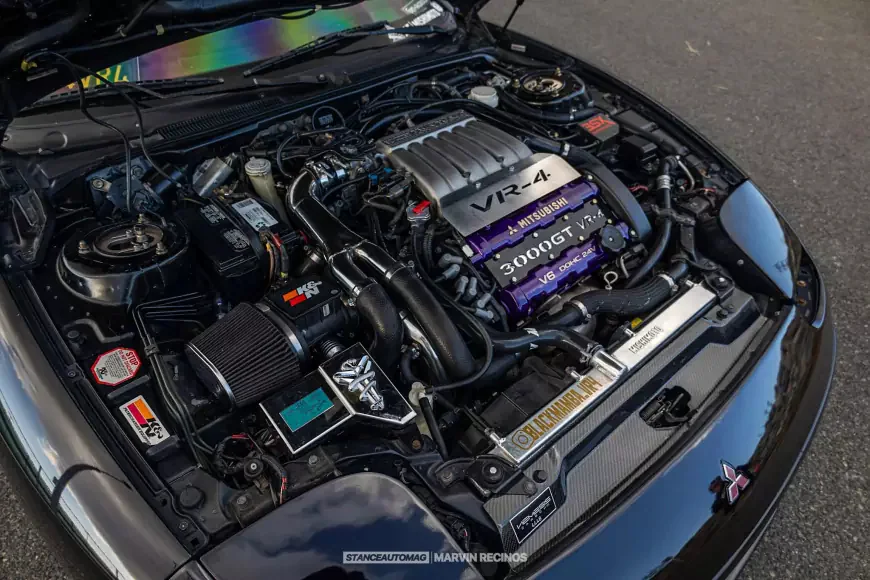
Key Areas for OEM Plus Enhancement
Suspension and Handling
Factory suspension is usually the biggest compromise. Manufacturers tune for comfort and mass appeal, leaving performance on the table.
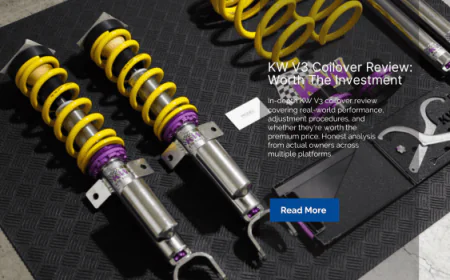
OEM Plus Approach: High-quality adjustable coilovers like KW V3 units allow you to dial in the perfect balance. You can have comfortable daily driving settings and stiffer track-day configurations. Add subtle chassis bracing and quality bushings, and you've dramatically improved handling without compromising the driving experience.
Bryan's VR4 demonstrates this perfectly with KW V3 coilovers that maintain grand touring comfort while delivering modern handling dynamics.
Wheels and Tires
Factory wheels are often heavy and designed to minimize costs. Tires prioritize longevity over performance.
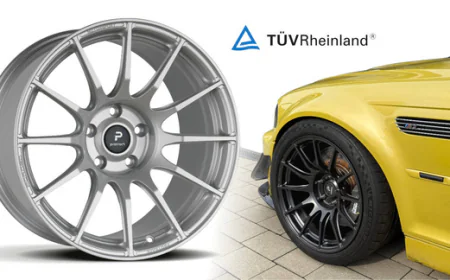
OEM Plus Approach: Classic designs like Volk TE37s, BBS LM, or OZ Superleggeras in appropriate sizing maintain period-correct aesthetics while reducing unsprung weight. Pair them with quality performance tires, and you've massively improved grip and steering response without looking like a Fast & Furious extra.
Power Enhancement
Factory power outputs are often conservative, limited by emissions regulations, warranty concerns, and fuel economy requirements.
OEM Plus Approach: Mild increases through quality parts - better exhaust, improved intake, and modest boost increases (for turbo cars) deliver noticeable improvements without sacrificing reliability. As outlined in our 3SX Performance guide, thoughtful modifications can add 50-100hp while actually improving reliability through better cooling and reduced restrictions.
The Ralliart-inspired 1992 VR4 shows how power upgrades can be incorporated while maintaining the car's original character.
Interior Updates
1990s and early 2000s interiors often feel dated with worn materials, outdated technology, and uncomfortable seats.
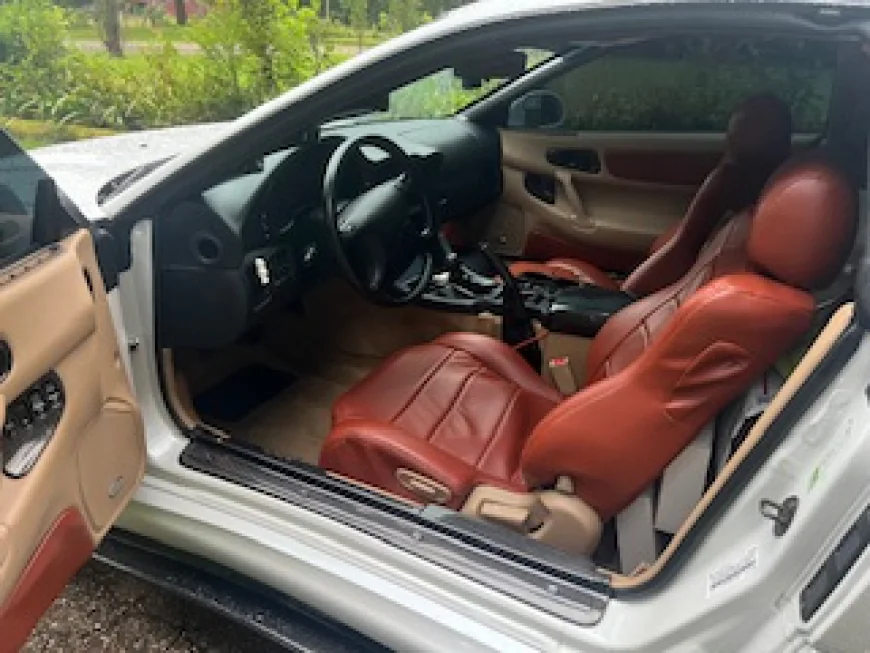
OEM Plus Approach: Reupholstered seats in quality materials that match factory colors, subtle carbon fiber or aluminum accents, and modern infotainment that integrates cleanly without looking like an afterthought. Bryan's saddle brown leather interior transformation is a masterclass - it's clearly custom but looks like a high-end factory option.
Lighting and Visibility
Old sealed-beam headlights and incandescent bulbs are dim and inefficient by modern standards.
OEM Plus Approach: LED conversions that maintain factory appearance, upgraded projector retrofits in factory housings, or complete LED lighting suites like the Diode Dynamics setup on Bryan's car. Better visibility without looking modified.
Braking
Factory brakes, especially on older performance cars, can fade during spirited driving.
OEM Plus Approach: Upgraded brake pads and stainless steel lines provide significant improvement without changing appearance. If big brakes are needed, choose designs that tuck inside factory-sized wheels and maintain a clean look.
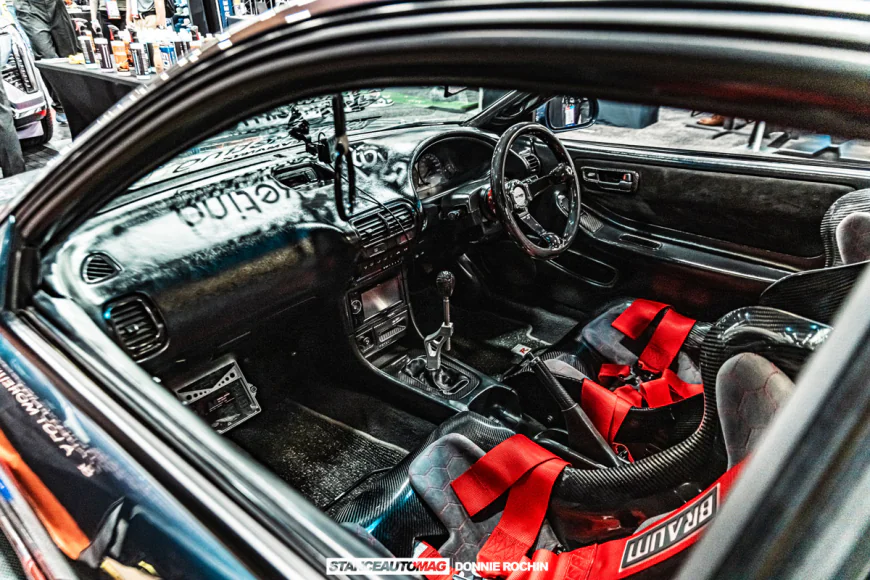
Building Your OEM Plus Project: Step-by-Step
Step 1: Buy the Best Example You Can Afford
Start with a clean, well-maintained car. Deferred maintenance and rust repair will consume the budget you could spend on meaningful upgrades. As covered in our 3000GT VR4 buyers guide, patience in finding the right foundation pays dividends.
Step 2: Address Mechanical Needs First
Get everything working properly before modification. Fix oil leaks, replace worn bushings, refresh the cooling system, perform scheduled maintenance. This creates a reliable baseline.
Step 3: Identify Weaknesses
What bothers you about the car? Soft suspension? Inadequate brakes? Marginal cooling? Make a list of genuine problems rather than modifications for modification's sake.
Step 4: Research Period-Appropriate Solutions
What did the manufacturer offer on higher-spec models? What factory race teams used? Look for solutions that respect the era and platform.
Step 5: Source Quality Parts
Buy the best parts you can afford from reputable manufacturers. Cheap coilovers, knock-off wheels, and eBay specials undermine the entire OEM Plus philosophy.
Step 6: Professional Installation and Tuning
Unless you're a skilled mechanic, have professionals install complex modifications. Proper alignment, suspension setup, and engine tuning make the difference between a car that drives like a compromised project and one that feels factory-perfect.
Step 7: Maintain Fastidiously
OEM Plus cars should drive like new cars. Stay on top of maintenance, address issues immediately, and keep everything clean and well-presented.
OEM Plus Across Different Platforms
Japanese Sports Cars
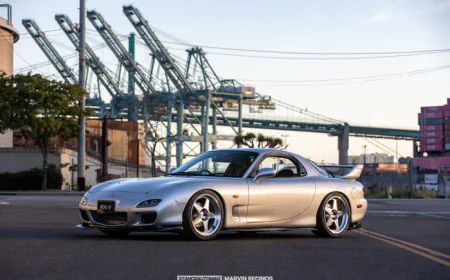
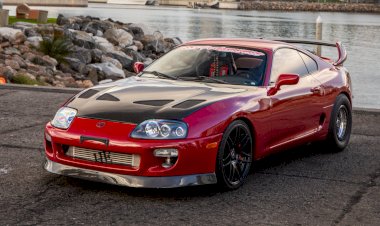
Platforms like the 3000GT VR4, Supra, RX-7, and NSX are perfect for OEM Plus builds. They were already engineered to high standards but can benefit tremendously from modern tires, suspension, and modest power increases.
The multiple VR4 builds on Stance Auto - Bryan's 1996, Max's 1991, the 1993 build, and the 1992 Ralliart tribute - all demonstrate different interpretations of OEM Plus on the same platform.
European Performance Cars
BMW M cars, Porsche 911s, and Mercedes AMG models benefit from OEM Plus treatment. These were already high-performance vehicles, so the focus shifts to addressing age-related limitations and incorporating modern technology.
American Muscle
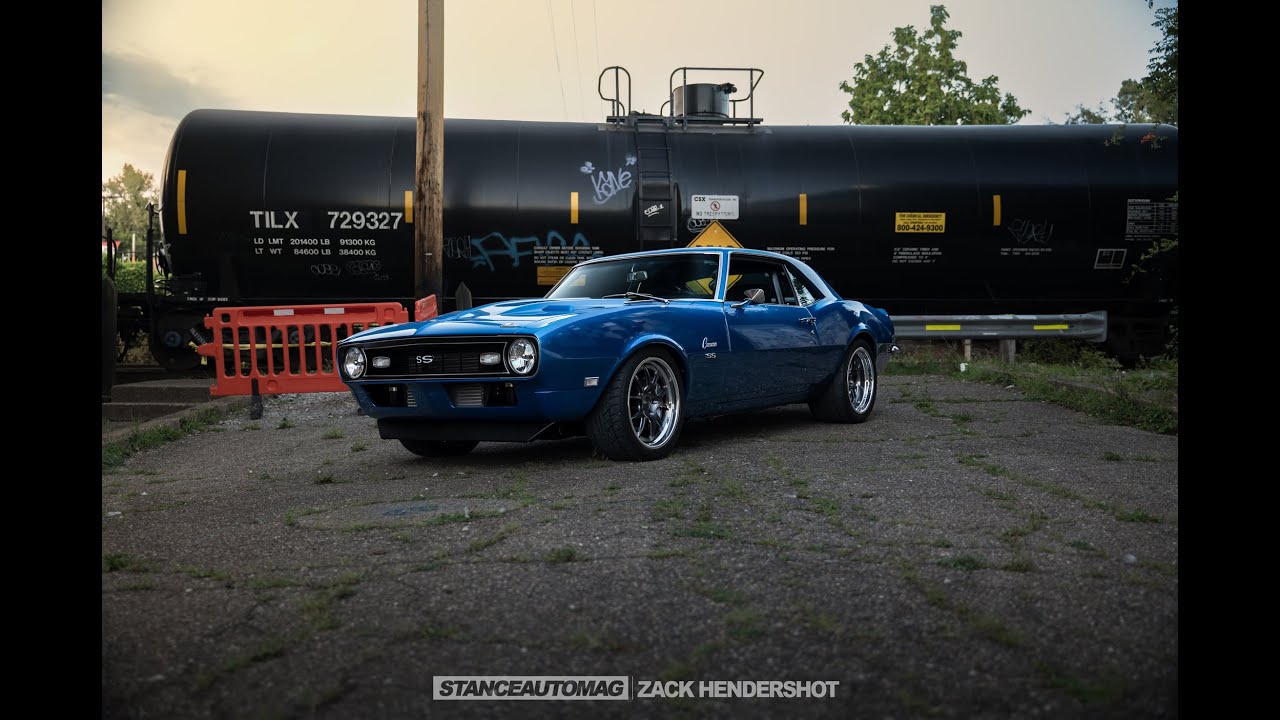
Classic Mustangs, Camaros, and Challengers can receive OEM Plus treatment by adding modern suspension geometry, fuel injection, and braking while maintaining period-correct appearance.
Common OEM Plus Mistakes to Avoid
Going Too Far: Adding loud exhausts, extreme camber, or attention-seeking modifications contradicts the philosophy. Subtlety is essential.
Mixing Eras: Installing 2020s-style parts on 1990s cars often looks wrong. Period-appropriate designs maintain cohesion.
Neglecting Maintenance: A modified car with oil leaks, worn interior, and poor paint isn't OEM Plus - it's just neglected.
Cheap Parts: Budget coilovers, replica wheels, and knock-off parts undermine the entire approach. Save longer and buy quality.
Deleting Factory Features: Removing air conditioning, power steering, or other comfort features to save weight goes against OEM Plus principles.
The Investment Value of OEM Plus
As discussed in our 90s Japanese sports car appreciation article, well-executed OEM Plus builds often command premium prices. Collectors appreciate cars that improve upon the original without destroying its character.
A tastefully modified car with quality parts, complete documentation, and maintained functionality is often more desirable than either a completely stock example or a heavily modified project car.
Why OEM Plus Matters
In an era where cars are becoming increasingly homogenized and disconnected from the driving experience, OEM Plus allows us to preserve the character of special cars while making them genuinely usable in the modern world. It's about respect - for the original engineers, for the car's heritage, and for the driving experience.
Bryan described his VR4 as maintaining "the overall originality and style of the car but updating it with more power, modern technology and comfort." That's OEM Plus in a nutshell - taking something great and making it better without losing what made it special in the first place.
Creating Your OEM Plus Vision
The beauty of OEM Plus is that it's personal. Your interpretation might emphasize comfort and grand touring ability, while another enthusiast focuses more on handling and track capability. Both approaches are valid as long as they respect the core philosophy.
Start by understanding what makes your particular car special. What did the manufacturer intend? What compromises did they make? What would a factory "special edition" have included? Then thoughtfully address those areas with quality parts and professional execution.
The result will be a car that feels like it rolled off a factory production line reserved for those who knew the right people - special, cohesive, and thoroughly excellent without being ostentatious or compromised.
Conclusion: Building Cars That Honor Their Heritage
OEM Plus represents a mature approach to automotive modification. It acknowledges that factory engineers made smart decisions within their constraints while recognizing that we can improve upon their work with modern technology and higher budgets.
Cars built with this philosophy drive like special editions, maintain their reliability, and preserve resale value. More importantly, they maintain the character and soul that made us fall in love with these cars in the first place.
Whether you're building a 3000GT VR4, a classic BMW M3, or any other enthusiast platform, the OEM Plus approach ensures your car will be both impressive and authentic - a true driver's car that respects its heritage while embracing thoughtful evolution.
This guide is brought to you by Stance Auto Magazine - your source for car builds, modification guides, and automotive culture.
Related Articles
- Bryan Petty's 1996 Mitsubishi 3000GT VR4 Build: OEM+ Perfection With 320HP - Perfect example of OEM Plus philosophy
- Max Kaewtong's 1991 Mitsubishi 3000GT VR4 - First-gen OEM Plus build
- Modifying a Dream Car: 1993 Mitsubishi 3000GT VR4 - Another excellent OEM Plus example
- 1992 Mitsubishi 3000GT VR4: A Tribute to Ralliart's Spirit - Rally-inspired OEM Plus approach
- 3SX Performance Guide: Best Mitsubishi 3000GT Upgrades - Quality parts for your OEM Plus build
- Complete 3000GT VR4 Buyers Guide: Finding Your Perfect Twin-Turbo AWD Legend - Finding the right foundation
- KW V3 Coilover Review: Worth The Investment - Premium suspension for OEM Plus builds
- 90s Japanese Sports Car Resurgence: Why Values Are Climbing - Investment perspective on modified cars
Call to Action
Do you have a build story like this one? Got a build on a budget? We want to see it. Submit your story to Stance Auto Magazine, and you could be the next featured owner showing the world how to do it right—without breaking the bank.
 Like
0
Like
0
 Dislike
0
Dislike
0
 Love
0
Love
0
 Funny
0
Funny
0
 Angry
0
Angry
0
 Sad
0
Sad
0
 Wow
0
Wow
0