








































.png)








![[HOONIGAN] Ken Block's GYMKHANA NINE](https://img.youtube.com/vi/_bkX5VkZg8U/maxresdefault.jpg)













































![[HOONIGAN] KEN BLOCK'S GYMKHANA SEVEN: WILD IN THE STREETS OF LOS ANGELES](https://cdn.motor1.com/images/mgl/2KlO4/s1/ken-block-london-tour-directors-cut.jpg)




























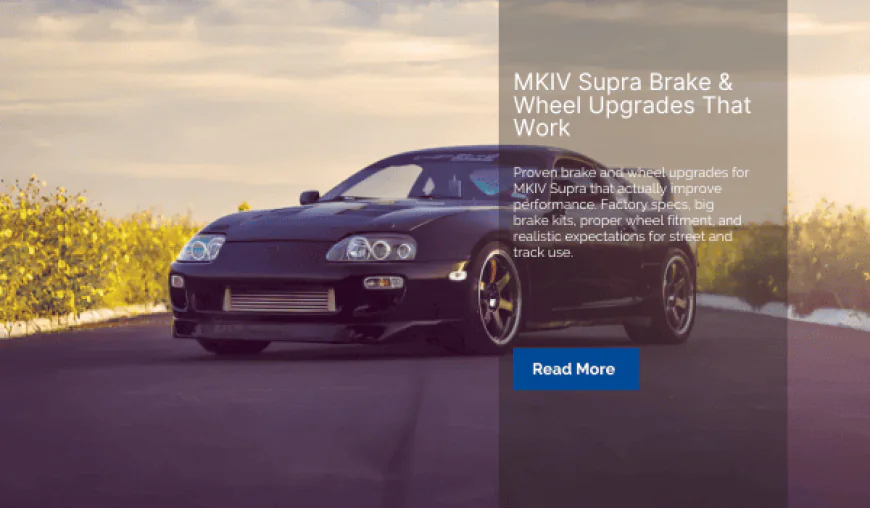
MKIV Supra Brake & Wheel Upgrades That Work
Proven brake and wheel upgrades for MKIV Supra that actually improve performance. Factory specs, big brake kits, proper wheel fitment, and realistic expectations for street and track use.
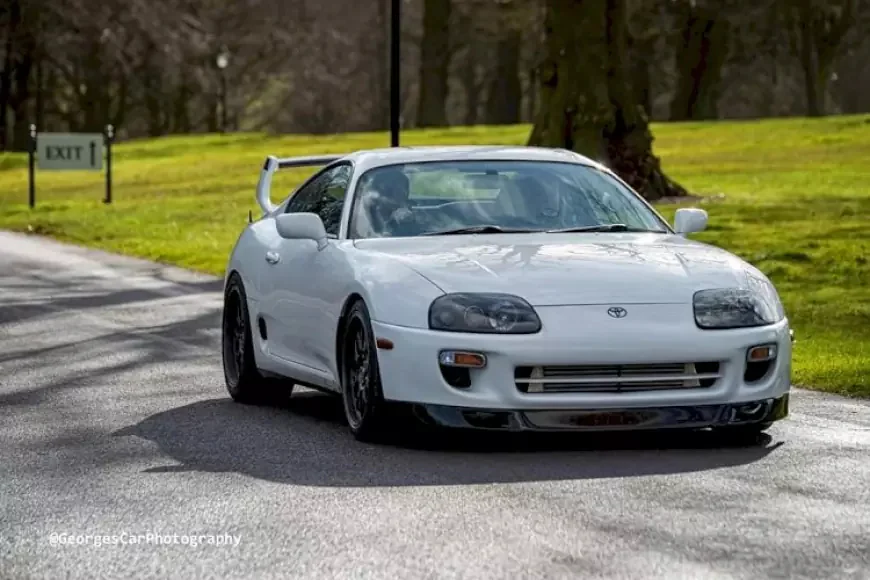
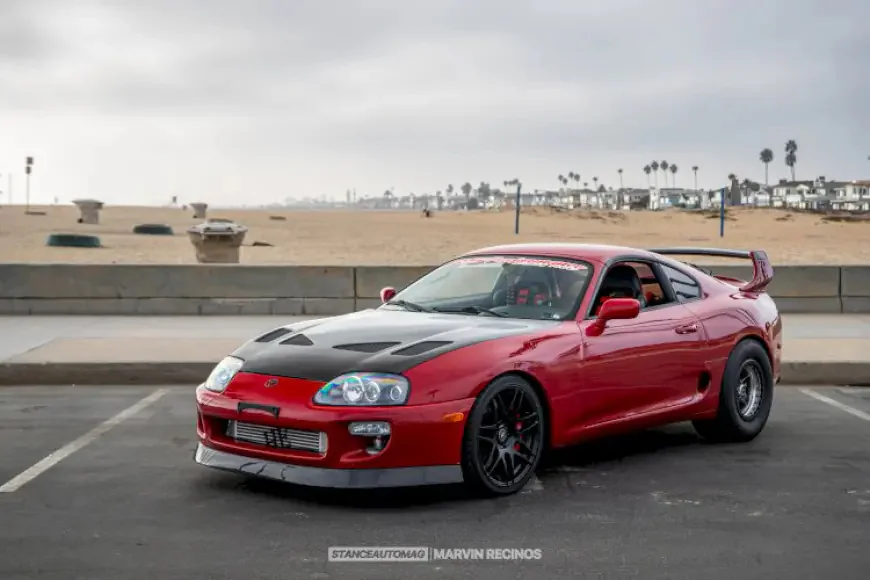
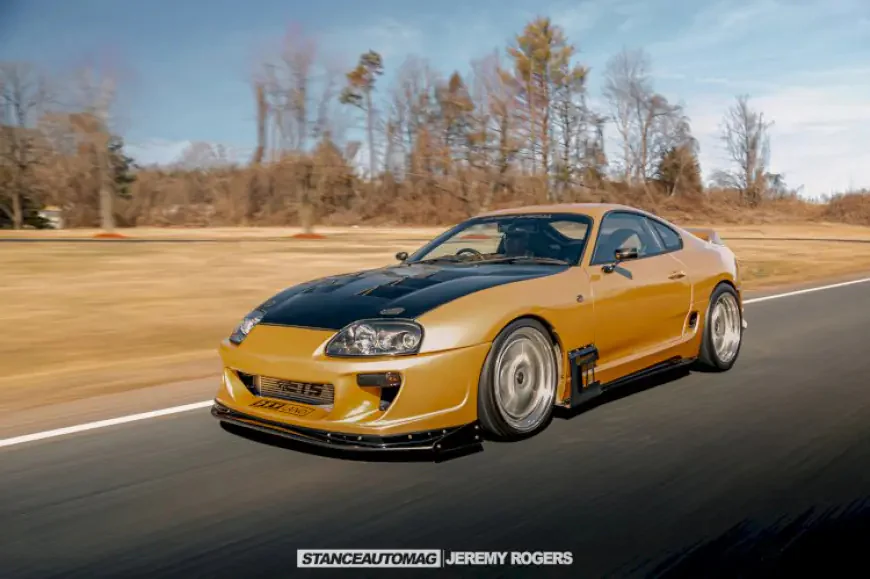
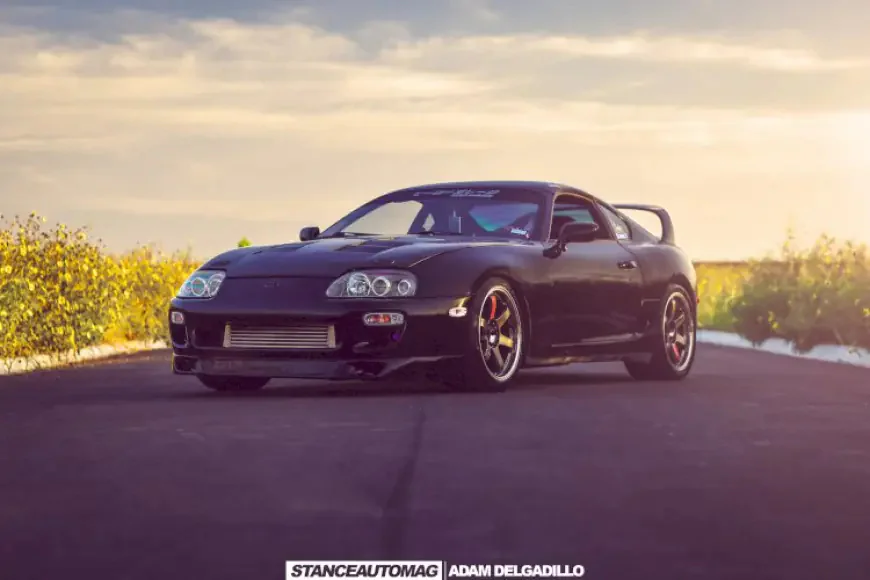

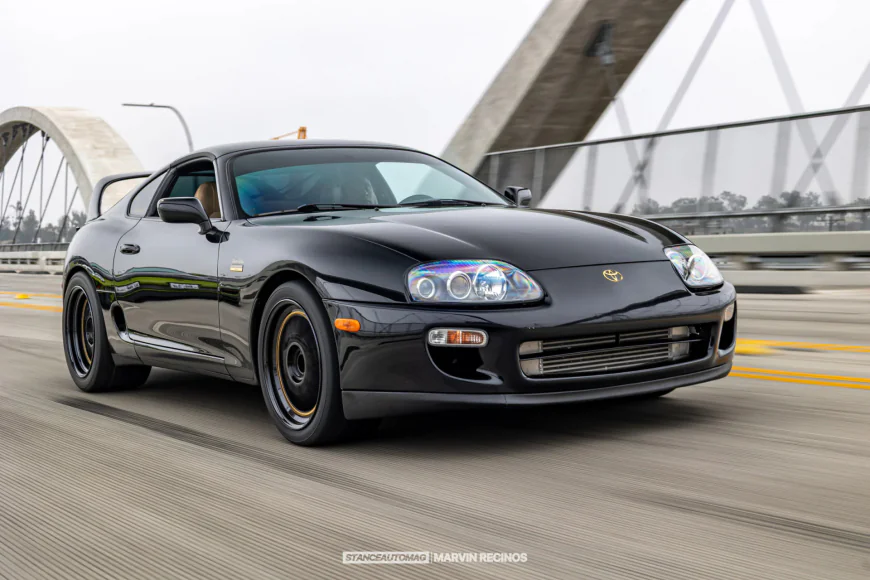
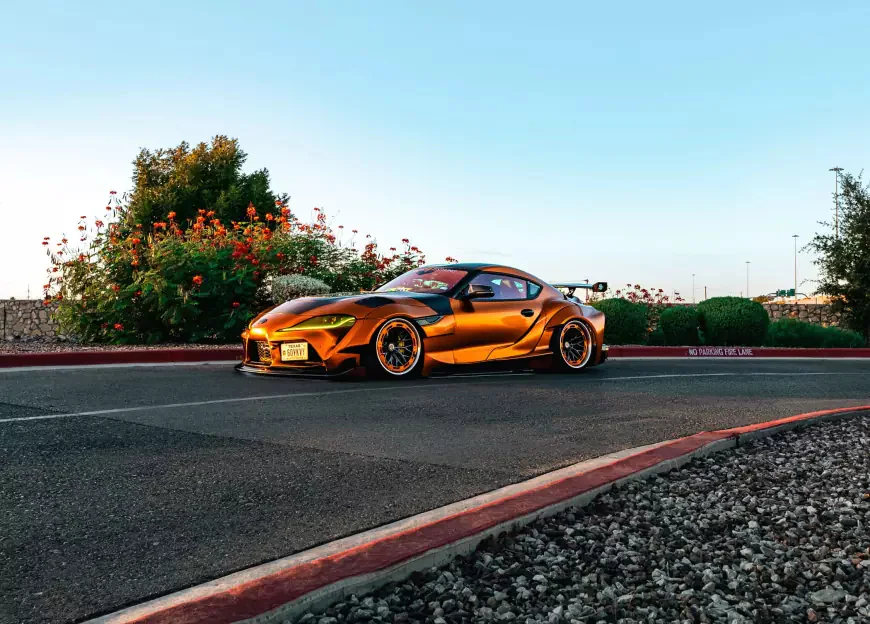
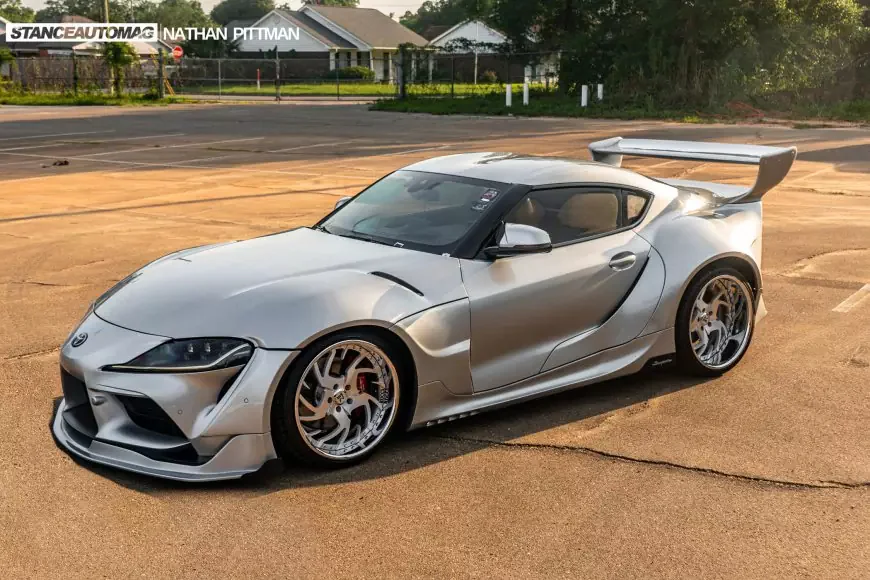
MKIV Supra Brake & Wheel Upgrades
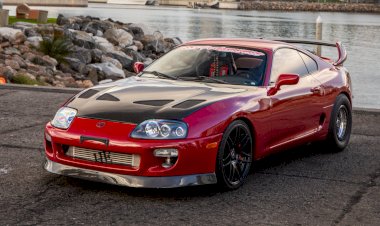
When you're adding serious power to a Supra, the inevitable conversation turns to brakes and wheels. Everyone wants to know if the factory brakes can handle 600 horsepower, what wheel sizes look right without requiring extensive fender work, and whether spending thousands on big brake kits actually improves stopping distances or just looks impressive through the spokes.
The truth is more nuanced than most forum posts suggest. The factory turbo Supra brake system is genuinely good—better than people give it credit for—and throwing money at oversized brake kits often doesn't deliver the improvements you'd expect. Meanwhile, wheel selection involves balancing aesthetics, performance, and practical concerns like fender clearance and brake caliper fitment. Getting both right requires understanding what these cars actually need rather than what looks cool in Instagram photos.
Understanding the Factory Brake System
Toyota equipped turbo Supras with a legitimate performance brake system that was advanced for its time. The front brakes use four-piston calipers gripping 323mm rotors that are 30mm thick. The rears feature single-piston calipers with 324mm rotors at 16mm thickness. Both front and rear rotors are vented for improved heat dissipation.
The front brake system provides 64.3 square centimeters of pad area with piston diameters of 42.85mm, while the rear delivers 35.8 square centimeters with 40.45mm pistons. These aren't small brakes—the rotor diameter exceeds what many modern performance cars use, and the four-piston front calipers provide excellent pad contact and heat management.
Naturally aspirated Supras received smaller brakes with two-piston front calipers and 296mm rotors. These are marginal for performance driving and represent a logical upgrade path, but they're not what we're focusing on here. If you have a turbo Supra with the factory big brakes, you're starting from a strong foundation.
When Factory Brakes Are Enough
For street-driven Supras making up to 600-700 wheel horsepower, the factory brake hardware is completely adequate with proper supporting modifications. The limitation isn't rotor size or caliper strength—it's pad compound and fluid boiling points under sustained hard use.
Quality performance brake pads transform how the factory system behaves. Street-oriented high-performance pads from Hawk, EBC, or Project Mu maintain good cold bite for daily driving while providing substantially better fade resistance and stopping power than worn factory pads. These cost two to four hundred dollars for a complete set and represent the single best brake upgrade most Supra owners can make.
Brake fluid matters more than most people realize. The factory DOT 3 fluid absorbs moisture over time, dropping its boiling point and creating that spongy pedal feel during hard stops. Upgrading to DOT 4 or DOT 5.1 fluid with higher dry and wet boiling points provides firm pedal feel and fade resistance. Motul RBF 600 is popular for good reason—it works, it's affordable, and it's available everywhere.
Stainless steel braided brake lines replace the factory rubber lines that expand under pressure. The result is firmer pedal feel and more immediate response. A complete set costs around two hundred dollars and installation is straightforward. The improvement in pedal communication alone justifies the upgrade.
With these three modifications—pads, fluid, and lines—the factory Supra brake system becomes genuinely capable for aggressive street driving and occasional track use. You'll be surprised how well it works before spending thousands on big brake kits.
Big Brake Kits: When They Make Sense
Big brake kits appeal to builders for several reasons. They look impressive behind aftermarket wheels, they provide bragging rights about rotor diameter, and companies marketing them promise dramatic improvements in stopping power. But the reality requires honest assessment of how you use the car.
For dedicated track use with sustained high-speed braking from 120+ mph multiple times per lap, big brake kits provide genuine advantages. Larger rotors dissipate heat better during repeated hard stops, and bigger calipers with more piston area allow larger brake pads that resist fade longer. Six-piston or eight-piston calipers also provide more even pad pressure distribution across larger rotors.
Companies like Brembo, StopTech, and various motorsports-focused manufacturers offer kits ranging from moderate 356mm setups to massive 380mm-plus systems with monoblock calipers. These kits typically cost between three thousand and eight thousand dollars depending on specifications and manufacturer.
However, for street use and occasional spirited driving, big brake kits rarely provide measurable improvements in stopping distances. The factory system already has enough grip to lock the tires or activate ABS—you're traction-limited, not brake-limited. Bigger rotors don't change that equation.
Where big brakes do help street cars is heat management during mountain driving or back-to-back hard stops. If you regularly drive roads with long descents and repeated heavy braking, or if you enjoy aggressive canyon carving, the improved heat capacity prevents fade. But if your driving consists mainly of highway cruising with occasional acceleration runs, factory brakes with good pads work fine.
Brake Pad Selection for Different Uses
The right brake pad makes enormous difference in how the system performs. Choosing pads requires understanding the trade-offs between street comfort and track performance.
For pure street driving on modified Supras, you want pads that work well cold, produce minimal noise and dust, and provide smooth, progressive bite. Hawk HPS, EBC Redstuff, or Akebono ProACT fit this description. They'll never fade during normal street use, they don't squeal constantly, and they don't cover your wheels in brake dust after one drive.
Street and occasional track use demands pads that handle wider temperature ranges. Hawk HP Plus, EBC Yellowstuff, or Project Mu B-Force balance reasonable street manners with track capability. They might produce more dust and noise than pure street pads, but they won't fade during track sessions. These represent the sweet spot for weekend warriors who drive their Supras hard but also use them regularly on public roads.
Dedicated track pads from Pagid, Carbotech, or Performance Friction operate at higher temperatures and provide consistent bite during sustained hard use. However, they perform poorly when cold, create terrible noise, and eat rotors faster than street pads. Unless you're trailer-queening your Supra to track events, these pads make street driving miserable.
Some builders run two sets of wheels and pads—one for street, one for track. This approach works well if you're actually tracking the car regularly and have storage space for spare wheels. Swapping wheels before track days gives you optimized performance for each use case.
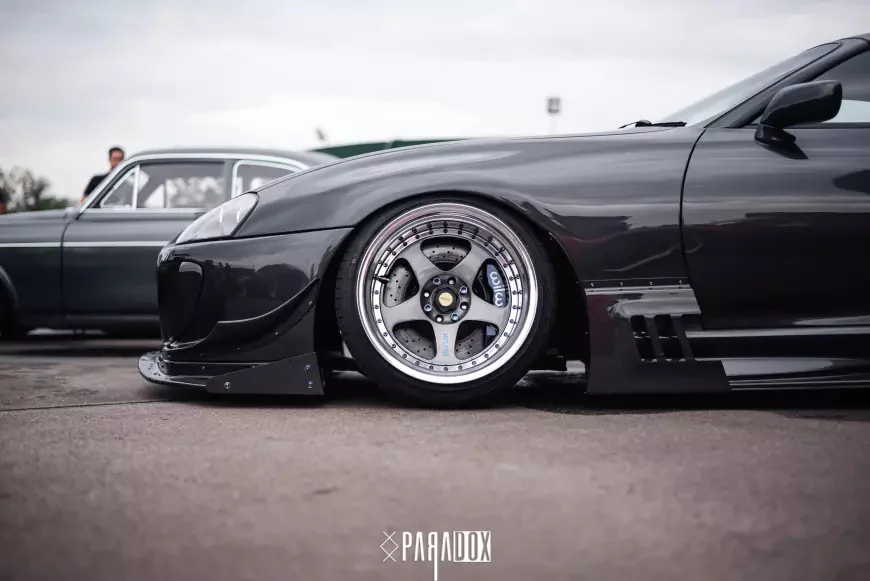
Wheel Selection: Balancing Form and Function
Choosing wheels for a Supra involves more variables than most people realize. You're balancing aesthetics, weight, brake clearance, tire fitment, and whether you want to modify fenders. Getting it right means understanding the factory specifications and how aftermarket options deviate from them.
Factory turbo Supra wheels from 1993-1997 weigh approximately 24.75 pounds in the front and 26.55 pounds in the rear, while the later 1998-1999 wheels without center ridges reduced weight to 23.6 pounds front and 25.4 pounds rear. These aren't particularly light wheels by modern standards, leaving substantial room for improvement with quality forged options.
The factory turbo wheels measure 17x8 inches in the front with 17x9.5 inches in the rear. This staggered setup works well for the Supra's weight distribution and provides good mechanical grip without requiring fender modifications. However, most builders want wider wheels for better tire contact and improved aesthetics.
Recommended Wheel Sizes for Stock Body
If you're keeping the factory fenders without rolling or pulling, these specifications work well based on real-world experience from thousands of Supra builds.
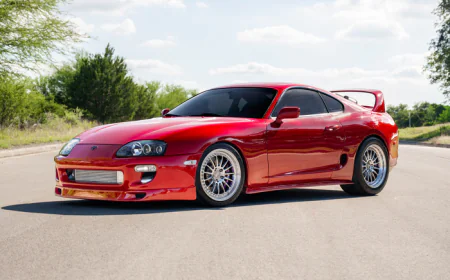
For 18-inch wheels, a setup of 18x9 to 18x9.5 inches in the front with 18x10 to 18x10.5 inches in the rear provides excellent fitment. Offset should be around +42 to +47mm in the front and +45 to +50mm in the rear for flush appearance without rubbing. Pair these with 265/35R18 front tires and 285/30R18 or 295/30R18 rear tires for proper grip and appearance.
For 19-inch wheels, 19x9.5 inches front and 19x10.5 to 19x11 inches rear work well with +38 to +45mm offset front and +40 to +47mm offset rear. Tire sizes of 275/30R19 front and 295/30R19 or 305/30R19 rear fill the wheels properly without excessive stretch. The larger diameter fills the wheel wells better and provides slightly sharper steering response.
Some builders prefer square setups with identical wheel widths front and rear, but the Supra's suspension geometry and weight distribution work better with staggered widths. The wider rear helps put power down while maintaining good front-end grip and steering feel.
Brake Clearance Considerations
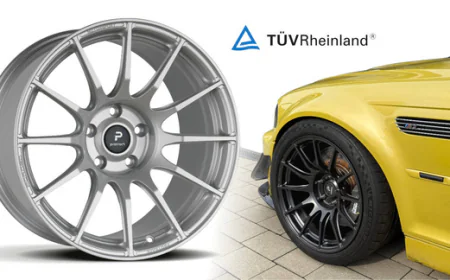
Aftermarket wheels must clear the factory brake calipers, and not all wheels designed for 5x114.3 bolt pattern actually fit. The four-piston front calipers extend fairly far from the hub, creating clearance challenges with some wheel designs.
Most 18-inch wheels clear the factory turbo brakes without issues if they're designed with appropriate spoke profiles. However, wheels with flat faces or aggressive spoke angles sometimes interfere with the caliper. Always verify fitment before purchasing—reputable wheel manufacturers provide fitment templates you can print and test-fit against your brakes.
If you're running big brake kits, clearance becomes even more critical. Many aftermarket brake kits require minimum 18-inch wheels, and some larger setups demand 19-inch or even 20-inch wheels for clearance. This is another reason to carefully consider whether you actually need big brakes—they can force you into wheel sizes you might not otherwise choose.
Weight Matters More Than People Think
Wheel weight affects more than acceleration—it impacts ride quality, suspension response, and how the car feels through corners. Every pound of rotational mass at the wheel has similar effect to several pounds of static weight in the chassis.
Quality forged wheels from manufacturers like Volk, Work, Rays, or BBS typically weigh 18-22 pounds for 18-inch Supra fitments and 20-24 pounds for 19-inch options. This represents substantial savings over factory wheels and most cast wheels from budget manufacturers.
Cheaper cast wheels often weigh more than factory wheels while providing none of the aesthetic benefits you're hoping for. If budget is tight, keep factory wheels with quality tires rather than buying heavy cast wheels that hurt performance to gain aesthetics.
Two-piece and three-piece forged wheels offer additional weight savings through lightweight aluminum barrels, but they cost significantly more than monoblock forgings. For street-driven Supras, the weight difference between good monoblock forgings and multi-piece wheels rarely justifies the price premium unless you're specifically building for track use.
Popular Wheel Choices That Actually Work
Certain wheel designs have proven themselves on thousands of Supras over decades. These aren't just popular because they look good—they're popular because they work.
Volk Racing TE37 represents the gold standard. These forged monoblock wheels are lightweight, strong, and timeless in appearance. They're available in appropriate sizes and offsets for Supras without fender modifications. Yes, they're expensive at fifteen hundred to two thousand dollars per wheel, but they hold value and deliver genuine performance benefits.
Work Emotion and Meister series wheels provide excellent alternatives with Japanese quality at slightly lower prices. The designs suit the Supra's aesthetic, and fitment options cover the range most builders need.
BBS LM and similar classic designs work beautifully on Supras and evoke the 1990s Japanese tuning scene aesthetic. They're multi-piece wheels, so expect higher costs, but the look is distinctive.
For budget-conscious builders, Enkei RPF1 wheels deliver legitimate forged construction at accessible prices. They're not as light as top-tier options and the design is polarizing, but they're strong, clear the brakes, and won't break the bank.
Tire Selection for Wheel Upgrades
Having perfect wheels means nothing if you mount inadequate tires. The Supra's power and weight demand quality rubber, and skimping here undermines every other modification.
For street-driven cars, max performance summer tires from Michelin Pilot Sport 4S, Continental ExtremeContact Sport, or Bridgestone Potenza S-04 Pole Position provide excellent grip in dry and wet conditions while maintaining reasonable tread life. These tires communicate well through the steering, handle power delivery smoothly, and won't betray you in sudden rain.
Track-focused street tires like Bridgestone RE-71RS or Yokohama A052 provide more ultimate grip at the expense of tread life and cold weather performance. If you're regularly attending track days or autocross events, these tires make sense. For pure street use, they're overkill.
Avoid stretching tires across wheels. Running 255mm tires on 10-inch wheels might create the hellaflush stance everyone thinks looks cool, but it compromises grip, stability, and safety. Match tire width appropriately to wheel width using manufacturer guidelines.
Making It Work Together
The best Supra builds match brake and wheel upgrades to actual usage rather than following trends or maximizing specifications that don't matter for how you drive. A street car making 550 wheel horsepower needs good pads, fresh fluid, quality wheels with appropriate tires, and nothing more. That setup delivers excellent performance while maintaining daily drivability.
Track-focused builds justify bigger brakes, lighter wheels optimized for your specific tire choice, and pad compounds that handle sustained abuse. But even then, incremental improvements often deliver better results than jumping straight to the most extreme options.
Start with the fundamentals—pads, fluid, lines—and see how the factory brake system performs before spending thousands on big brake kits. Choose wheels that fit properly without requiring extensive fender work unless you're specifically building a show car. Select tires appropriate for your power level and driving style.
Done right, brake and wheel upgrades transform how your Supra drives without creating compromises or maintenance headaches. Done wrong, you'll spend a fortune creating problems that didn't exist before.
This brake and wheel guide is brought to you by Stance Auto Magazine - your source for practical build advice and automotive culture.
Related Articles
- 2JZGTE Build Guide: Parts, Tuning, and Reliability - Engine power that requires proper brakes
- How to Choose the Right Turbo for a Street Supra - Matching power delivery to your setup
- V160 Manual Swap: Why and How for MKIV Owners - Transmission for serious builds
- Street vs Track: Tuning a Supra for Daily Use - Balancing performance for your use case
- Supra Generations: From A40 to A90
- Toyota Supra Mk4 Buying & Tuning Guide
- Toyota Supra Mk4 Reviewed
- The 2JZ-GTE: Japan’s Most Legendary Engine
 Like
0
Like
0
 Dislike
0
Dislike
0
 Love
0
Love
0
 Funny
0
Funny
0
 Angry
0
Angry
0
 Sad
0
Sad
0
 Wow
0
Wow
0