




























.png)





![[HOONIGAN] Ken Block's GYMKHANA NINE](https://img.youtube.com/vi/_bkX5VkZg8U/maxresdefault.jpg)








































![[HOONIGAN] KEN BLOCK'S GYMKHANA SEVEN: WILD IN THE STREETS OF LOS ANGELES](https://cdn.motor1.com/images/mgl/2KlO4/s1/ken-block-london-tour-directors-cut.jpg)





























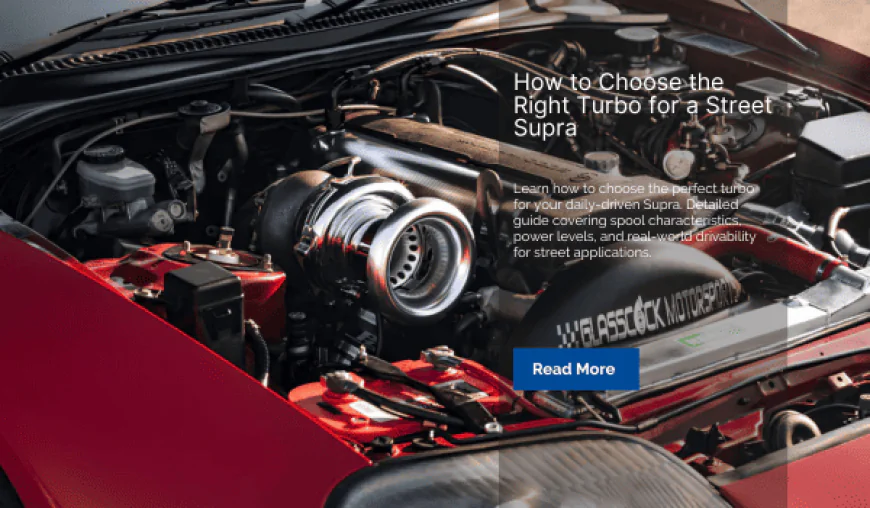
How to Choose the Right Turbo for a Street Supra
Learn how to choose the perfect turbo for your daily-driven Supra. Detailed guide covering spool characteristics, power levels, and real-world drivability for street applications.
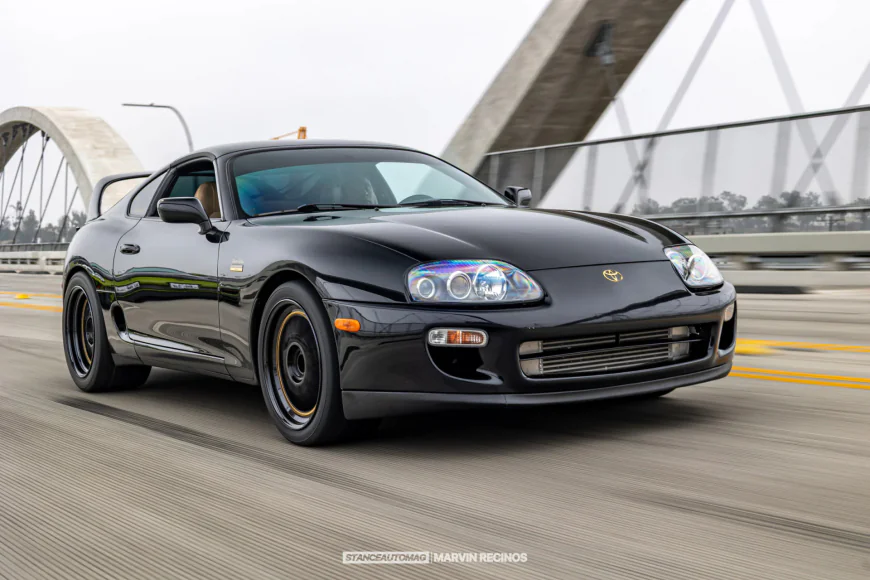
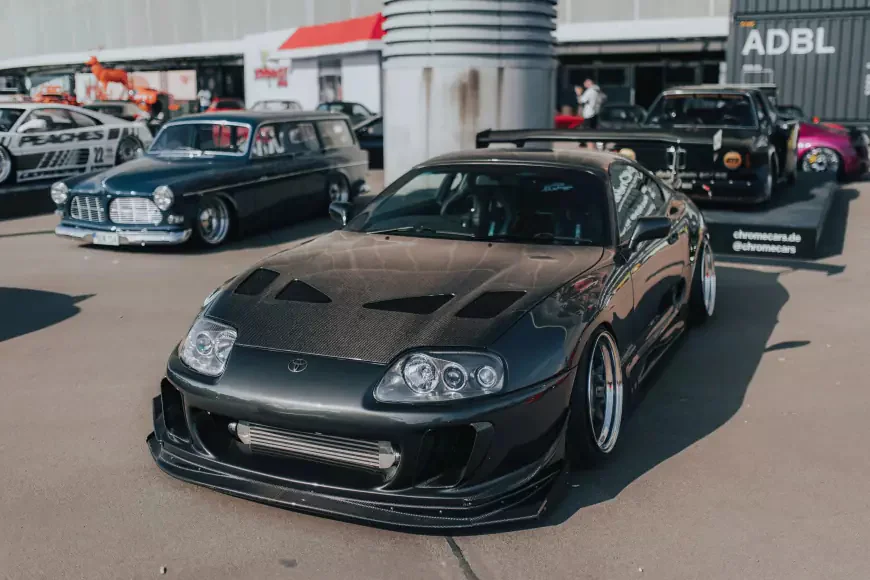
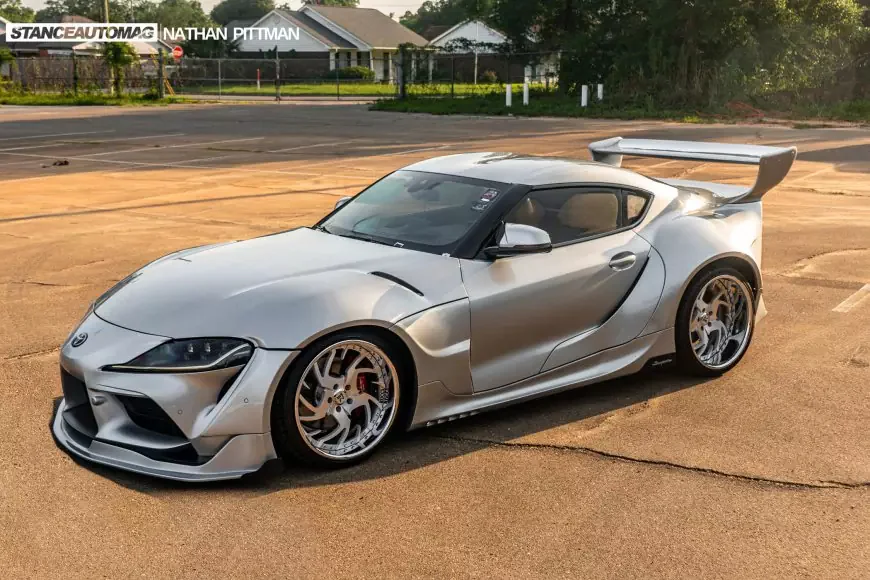
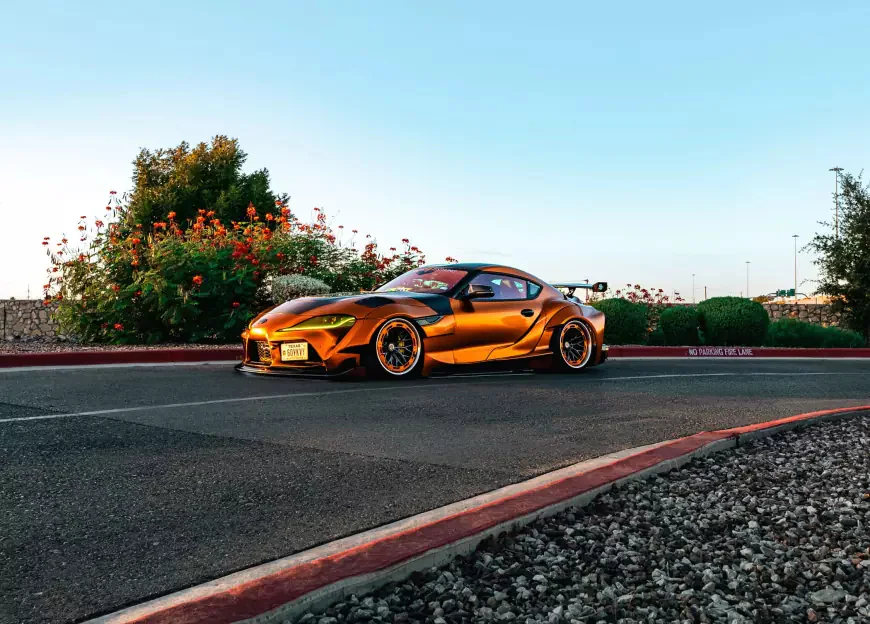
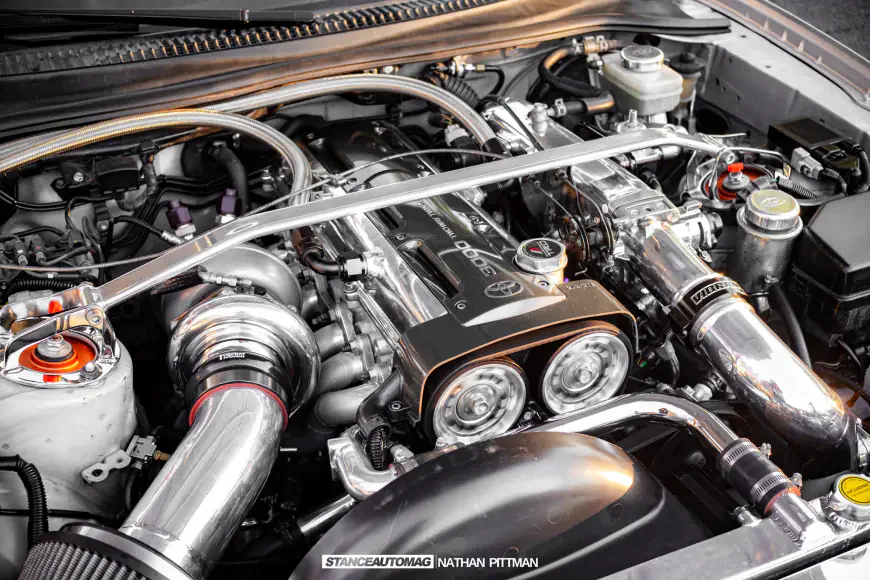
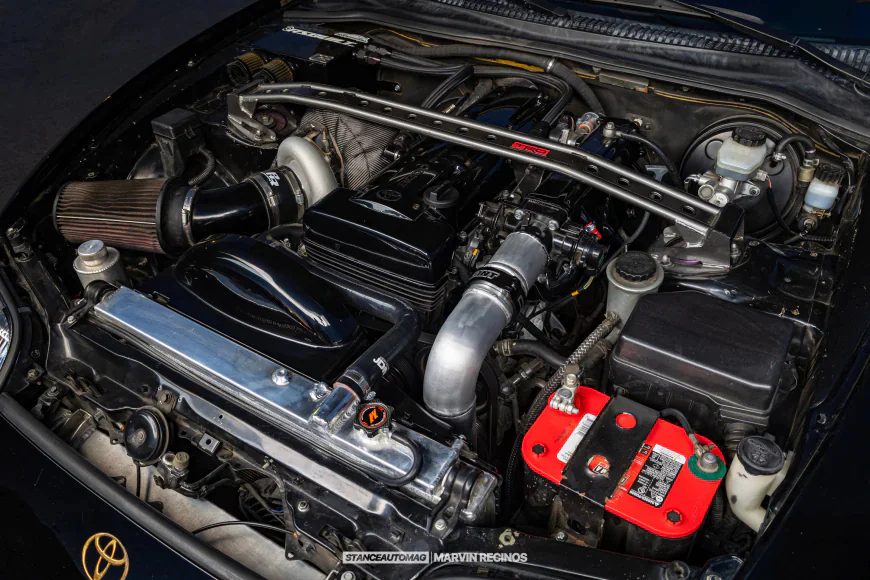
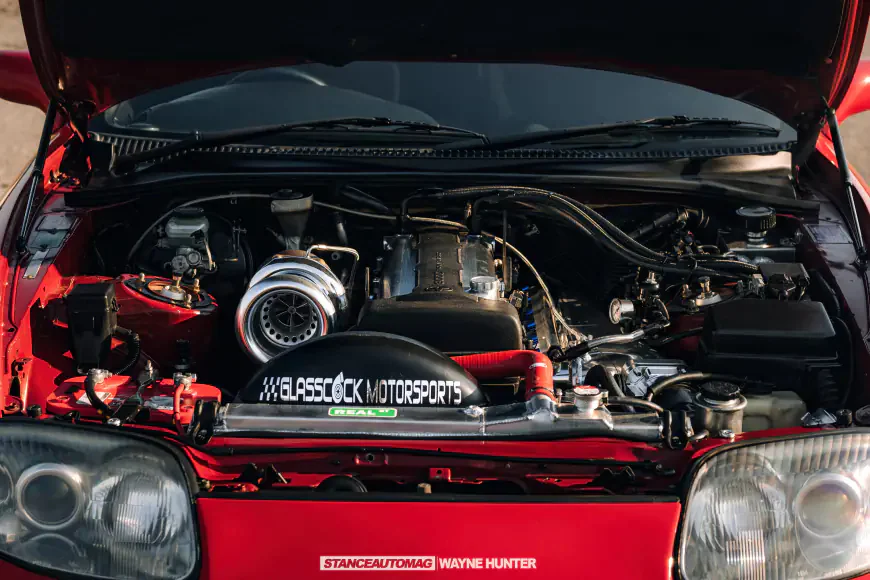
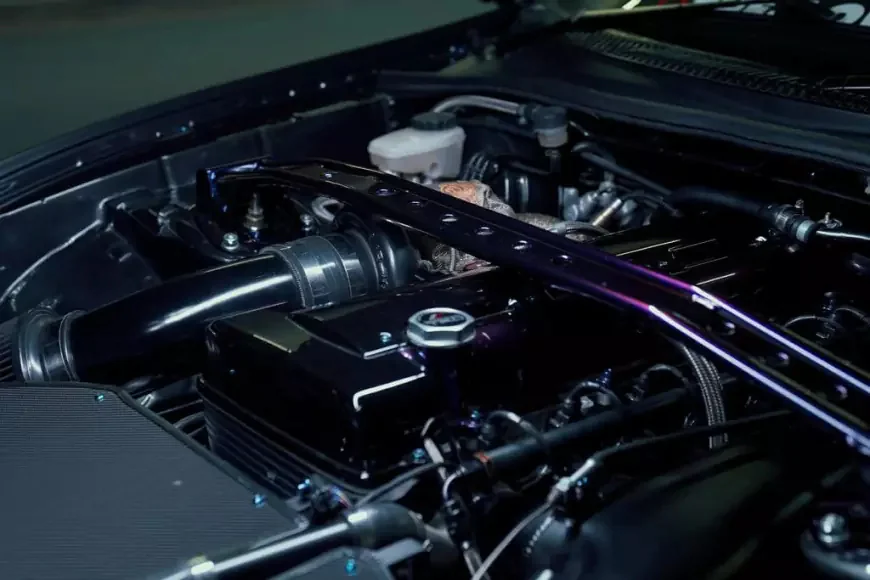
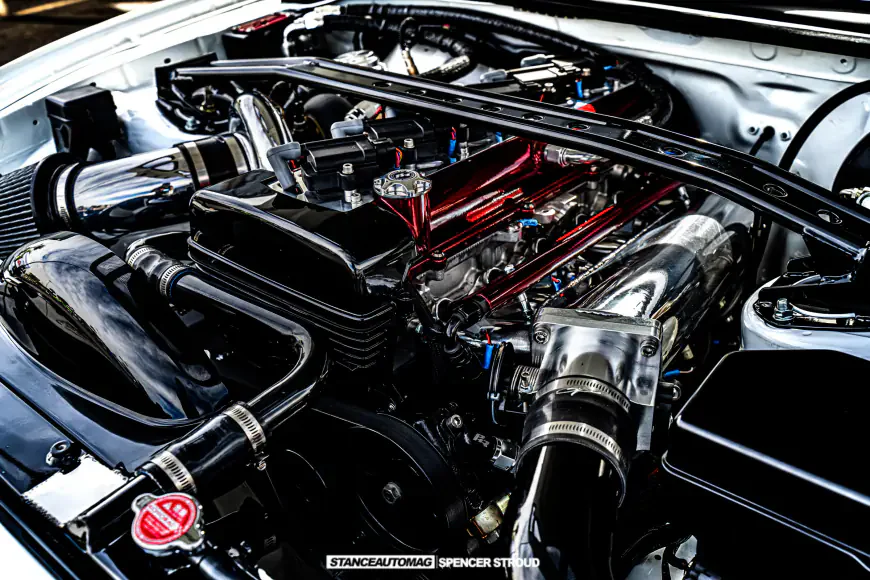
Choose the Right Turbo
Choosing a turbo for a street-driven Supra is one of the most important decisions you'll make during a build, and it's where most people get it wrong. The temptation is always to buy the biggest turbo that fits your power goal, thinking more flow capacity equals better performance. But on a car you drive regularly on public roads, spool characteristics and power delivery matter far more than peak horsepower numbers.
I've driven Supras with everything from conservative 500-wheel setups to laggy 900-wheel monsters. The difference in daily drivability is massive, and the sweet spot for street use is smaller than most people think. Understanding how different turbos behave in real-world driving—not just on the dyno—separates builds you'll actually enjoy from ones that spend most of their time frustrating you in traffic.
Understanding What "Street-Friendly" Actually Means
When we talk about street-friendly turbos, we're describing how the car behaves in situations dyno sheets never show. Can you merge onto the highway from a 35 mph onramp without waiting forever for boost to build? Does the turbo respond when you need to accelerate out of a slow corner on a backroad? Can you drive it in stop-and-go traffic without constantly managing throttle to keep the engine on-boost?
A properly sized street turbo should build positive boost pressure by 3,000 rpm and reach full boost somewhere between 3,500 and 4,500 rpm depending on the specific turbo and your power goals. More importantly, it should have good transient response—when you roll into the throttle, boost should build quickly and predictably without the drawn-out lag that makes passing maneuvers feel like a gamble.
The 2JZGTE's three-liter displacement helps enormously here. Smaller engines need more aggressive turbos to make the same power, which hurts response. The 2JZ can run relatively conservative turbos and still make serious power, giving you options that maintain excellent street manners while delivering numbers that would require laggy setups on two-liter engines.
The Sweet Spot: 500-550 Wheel Horsepower
For most street-driven Supras, this power range represents the ideal balance. It's genuinely fast—quick enough to surprise modern performance cars and make every highway onramp entertaining. Yet it's achievable with turbos that spool almost as quickly as the factory sequential setup, maintain smooth power delivery, and don't require race fuel or extreme tuning strategies.
The Garrett G25-660 and G30-660 dominate this category, and for good reason. The G30-660 particularly shines on the 2JZ platform. Real-world users report full boost around 4,000 rpm in fourth gear with positive pressure building as low as 2,000-2,500 rpm. That means the car feels responsive even at part throttle and doesn't require downshifting constantly to stay in the power band.
These turbos use modern aerodynamics and ball bearing technology to spool faster than older designs with similar flow capacity. A G30-660 will outperform the old GTX3076R in both spool and peak power while weighing less and running cooler. On pump gas with conservative tuning, expect 500-530 wheel horsepower. Add E85 and more aggressive boost levels, and 550-580 becomes realistic without stressing the turbo.
The BorgWarner EFR 7163 offers similar performance with slightly quicker spool in some configurations, though it costs less and uses different mounting. Some builders prefer the EFR's value proposition, while others want Garrett's motorsports pedigree and rebuild options. Either works excellently for this power level.
What makes these turbos special for street use is how linear and predictable the power delivery feels. There's no dramatic on-off switch where nothing happens, then suddenly all the power arrives at once. Instead, boost builds progressively, power increases smoothly, and the whole experience feels refined rather than brutal. Your passengers won't get whiplash, and you can actually use the power in more situations because it's controllable.
Stepping Up: 600-700 Wheel Horsepower
This range requires larger turbos with some compromises in responsiveness, but the right choices still maintain reasonable street manners for enthusiasts willing to adapt their driving style slightly. You're looking at turbos like the Garrett G30-770, BorgWarner EFR 7670, or Precision 6266 variants.
The G30-770 deserves special attention because it represents excellent middle ground. It flows significantly more than the G30-660—enough to support 650-700 wheel horsepower at reasonable boost levels. Yet because it uses the same G30 frame with a larger 71mm compressor wheel, it maintains better spool characteristics than jumping to a full G35 frame.
Real-world G30-770 users on 2JZ engines report full boost around 4,200-4,500 rpm depending on housing selection and tuning. That's maybe 300-500 rpm slower than a G30-660, which sounds minor on paper but is noticeable in daily driving. The trade-off is substantially more top-end power and better efficiency at higher boost levels, meaning you're not beating on the turbo as hard to achieve your power goals.
Housing selection matters more as turbo size increases. A 0.83 A/R housing provides quicker spool at the expense of some top-end flow, while a 1.01 or 1.06 A/R housing adds lag but breathes better at high RPM. For street applications, lean toward the smaller housing unless you're absolutely certain you need every last horsepower above 7,000 rpm.
The EFR 7670 takes a different approach with slightly different flow characteristics and compressor design. Some users find it more responsive in part-throttle situations, while others prefer the Garrett's peak power capability. Neither choice is wrong—they're different tools for slightly different applications, and personal preference plays a role.
At this power level, daily driving becomes more demanding. You'll need to keep the engine higher in the rev range to stay on-boost, highway passing requires more planning, and low-speed maneuvering can feel sluggish compared to smaller turbos. But the reward is genuine supercar-level acceleration when you're on boost, and for many enthusiasts, that trade-off is absolutely worth it.
The Track-Oriented Street Car: 700-900 Wheel Horsepower
We're now firmly in territory where "street car" requires qualification. These are vehicles driven on the street but optimized for track days, roll racing, or drag strip use. Daily commuting becomes tedious, and you'll spend significant time explaining to passengers why the car feels lazy until 5,000 rpm.
Turbos in this category include the Garrett G35-900, G35-1050, BorgWarner S366 and S372, and various Precision options in the 6466 to 6766 range. They're all capable turbos that make tremendous power, but they require the engine to be spinning fast before they wake up.
A G35-900 might not reach full boost until 4,800-5,200 rpm depending on configuration. That means in normal driving situations—accelerating from stoplights, merging into traffic, passing on two-lane roads—the car feels slower than the 550-wheel G30-660 setup because you're constantly operating below the turbo's efficient range. Only when you can wind the engine out fully does the true performance reveal itself.
This is where honest self-assessment matters. If you actually attend track days regularly, participate in roll racing events, or specifically enjoy high-RPM driving, these setups make sense. The rush when a 900-wheel Supra comes on boost is genuinely addictive, and on a road course or highway roll race, the additional power provides real advantages.
But if your "track use" consists of thinking you might go to a track day someday, you're building a car that's frustrating 95% of the time to access performance you rarely use. The smaller turbo that makes 200 less horsepower but delivers power you can actually use in real driving will be more rewarding.
Factors Beyond Peak Power
Turbo Technology Matters
Modern ball bearing turbos from Garrett's G-series, BorgWarner EFR line, and current Precision offerings dramatically outperform older journal bearing designs. The reduced rotational inertia and lower friction mean quicker spool, better transient response, and improved efficiency. If you're comparing old forum posts about turbos from 10-15 years ago to current options, understand that technology has improved substantially.
Housing Selection Changes Everything
The same turbo can behave very differently depending on exhaust housing A/R ratio. Smaller housings (0.61-0.83 A/R) improve spool and response but create more backpressure at high RPM. Larger housings (1.01-1.15 A/R) flow better at the top end but add lag and reduce low-end response.
For street applications, bias toward smaller housings unless you have specific reasons to choose larger ones. The response improvement at part-throttle and mid-range matters more in daily driving than peak flow at redline.
Wastegate Configuration
External wastegates provide better boost control and reduce backpressure compared to internal wastegate configurations. For turbos targeting 500+ wheel horsepower, a quality 44-50mm external wastegate becomes important for maintaining stable boost control and preventing creep issues.
Manifold Design
The manifold feeding your turbo dramatically impacts performance. Equal-length designs provide better cylinder-to-cylinder distribution and can improve spool slightly compared to log-style manifolds. Divided turbine housings paired with divided manifolds maintain exhaust pulse energy for improved response on larger turbos.
For street applications where low-end response matters, investing in a quality manifold designed specifically for your turbo pays dividends in how the car actually drives.
Real-World Recommendations by Use Case
Daily Driver With Occasional Spirited Driving
Power Goal: 450-550 wheel horsepower
Recommended Turbos: Garrett G30-660 (0.83 A/R), BorgWarner EFR 7163
Why: Near-stock spool characteristics, broad power band, excellent fuel economy when cruising, reliable on pump gas with conservative tuning.
Aggressive Street Car With Regular Enthusiast Driving
Power Goal: 600-700 wheel horsepower
Recommended Turbos: Garrett G30-770 (0.83-1.01 A/R), BorgWarner EFR 7670, Precision 6266
Why: Strong power delivery with manageable lag, can be daily driven if you're patient, excellent for backroad drives and highway pulls.
Track-Focused With Occasional Street Driving
Power Goal: 700-900 wheel horsepower
Recommended Turbos: Garrett G35-900, BorgWarner S366/S372, Precision 6766
Why: Serious power for track days and competition, still technically street driveable but optimized for high-RPM operation.
What About Factory Sequential Turbos?
The stock sequential twin turbo system maxes out around 400 wheel horsepower with supporting modifications. Beyond that, you're pushing the turbos into inefficient operating ranges where heat and stress become concerns.
For builds targeting 500+ wheel horsepower, single turbo conversions make more sense. You're eliminating complexity, improving reliability by removing aging actuators and vacuum components, and gaining access to modern turbo technology that simply wasn't available when these cars were designed.
Yes, you lose some of that instant low-end response the sequential system provides. But a properly sized modern single turbo comes surprisingly close while providing substantially more power potential and simpler operation.
The Mistake Everyone Makes
The biggest error in turbo selection is choosing based on peak power goals without considering how you'll actually drive the car. Someone targets 700 wheel horsepower because it sounds impressive, buys a turbo capable of that power, then realizes they rarely use it because the car is frustrating at normal driving speeds.
A better approach is honestly evaluating how you drive. If you're commuting regularly, driving in traffic, making grocery runs, and occasionally enjoying spirited backroad drives, optimize for drivability first. Choose a turbo that makes 80-90% of your peak power goal but delivers it in a usable way. You'll enjoy the car more, drive it more, and ultimately get more value from your investment.
Matching Turbos to Supporting Modifications
Bigger turbos demand better supporting infrastructure. A G30-660 on a 500-wheel build can work with moderately upgraded fuel pumps and 750-850cc injectors. A G35-900 chasing 850 wheel horsepower needs dual fuel pumps, 1,200+ cc injectors, larger intercooler core, upgraded oil system, and likely built internals for reliability.
Don't select a turbo that pushes your entire build into the next expense tier unless you're committed to those modifications. Choosing a slightly smaller turbo that works with your current infrastructure often provides better overall results than buying more turbo than your setup can properly support.
The Bottom Line on Street Turbo Selection
The perfect street Supra turbo balances three priorities: enough power to be exciting, responsive enough for real-world driving situations, and efficient enough to not require extreme tuning or exotic fuel. For most enthusiasts, that sweet spot sits between 500 and 650 wheel horsepower using turbos like the G30-660 or G30-770.
Yes, bigger turbos make bigger numbers. But numbers on a dyno sheet don't equal satisfaction on the street. The car that makes 550 wheel horsepower with a turbo that spools by 4,000 rpm will feel faster and more rewarding in daily driving than the car making 750 wheel horsepower with a turbo that doesn't wake up until 5,500 rpm.
Choose the turbo that matches how you actually drive, not the one that impresses forum users. Your right foot will thank you every time you accelerate onto an onramp or carve through a mountain road, and that's what building a street Supra is really about.
This turbo selection guide is brought to you by Stance Auto Magazine - your source for real-world build advice and automotive culture.
Related Articles
- 2JZGTE Build Guide: Parts, Tuning, and Reliability - Complete engine build information
- V160 Manual Swap: Why and How for MKIV Owners - Transmission to handle your power
- MKIV Supra Brake & Wheel Upgrades That Work - Stopping and handling upgrades
- Street vs Track: Tuning a Supra for Daily Use - Balancing performance and drivability
- Supra Generations: From A40 to A90
- Toyota Supra Mk4 Buying & Tuning Guide
- Toyota Supra Mk4 Reviewed
- The 2JZ-GTE: Japan’s Most Legendary Engine
Call to Action
Do you have a build story like this one? Got a build on a budget? We want to see it. Submit your story to Stance Auto Magazine, and you could be the next featured owner showing the world how to do it right—without breaking the bank.
 Like
0
Like
0
 Dislike
0
Dislike
0
 Love
0
Love
0
 Funny
0
Funny
0
 Angry
0
Angry
0
 Sad
0
Sad
0
 Wow
0
Wow
0