













































.png)







![[HOONIGAN] Ken Block's GYMKHANA NINE](https://img.youtube.com/vi/_bkX5VkZg8U/maxresdefault.jpg)





















































![[HOONIGAN] KEN BLOCK'S GYMKHANA SEVEN: WILD IN THE STREETS OF LOS ANGELES](https://cdn.motor1.com/images/mgl/2KlO4/s1/ken-block-london-tour-directors-cut.jpg)
































Turbo Conversion Cost: Complete Budget Breakdown 2026
Real costs for converting a naturally aspirated car to turbo. Parts, labor, tuning, and total investment required.
The Dream of Turbo Power: What Does It Actually Cost?
You're driving your naturally aspirated car — maybe a Honda Civic, BMW M3, MX-5, or BRZ — and every time you get on the throttle, you think "this would be perfect with a turbo." The linear power delivery is nice, but you want torque. You want that turbo whoosh. You want to surprise people at traffic lights.
So you start researching turbo conversions. The forum builds look incredible. YouTube videos make it seem straightforward. Turbo kits are advertised for £2,500-4,000. "I could do this," you think.
Then reality hits. That £3,000 turbo kit is just the beginning. By the time you add fuel system upgrades, ECU, clutch, cooling system improvements, professional installation, dyno tuning, and inevitable unexpected costs, you're looking at £8,000-15,000+ for a properly executed conversion. And that's if nothing goes wrong.
This guide breaks down the complete, realistic cost of turbocharging a naturally aspirated car in 2026. We cover every expense category, hidden costs that catch people off guard, what you can DIY vs what needs professionals, and whether turbo converting your specific platform actually makes financial sense. This isn't the YouTube "I turbo'd my car for £1,500" fantasy — this is reality.
As we've documented in guides like our E46 M3 Modification Guide, forced induction transforms cars — but it requires proper planning and realistic budgeting.
What You'll Learn:
- Complete parts breakdown with realistic pricing
- Labor costs if not doing it yourself
- Platform-specific cost differences
- Hidden expenses everyone underestimates
- DIY vs professional installation comparison
- Whether turbo conversion makes financial sense
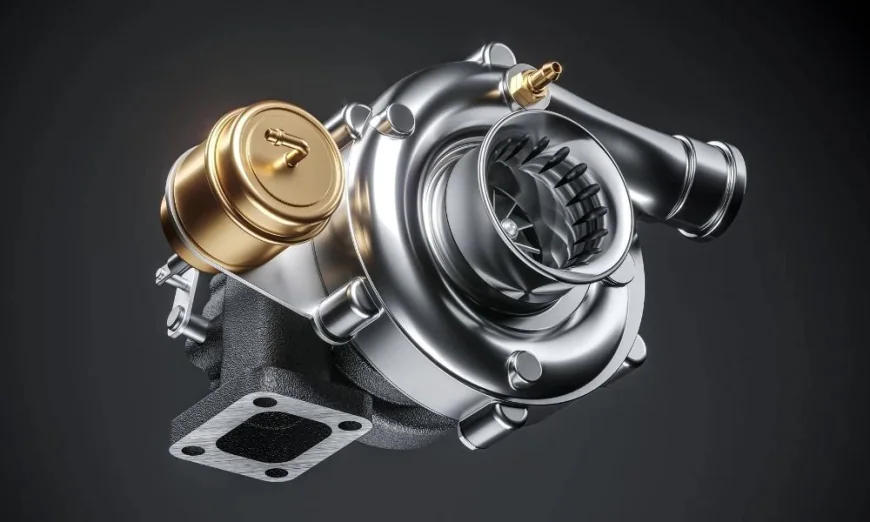
The Core Turbo Kit: What's Actually Included?
Most "turbo kits" advertise a headline price (£2,500-4,000) but this rarely includes everything needed.
What's USUALLY Included
Turbocharger:
- The actual turbo unit
- Usually journal bearing (ball-bearing costs more)
- Sized for claimed power level
Manifold:
- Cast iron or stainless steel
- Bolts to exhaust ports
- Feeds turbo
Downpipe:
- Pipe from turbo to mid-section
- May or may not include catalytic converter
Oil feed and drain lines:
- Feed line (from engine to turbo)
- Drain line (from turbo back to sump)
Wastegate:
- Internal (built into turbo housing), OR
- External (separate unit)
Basic hardware:
- Gaskets
- Bolts
- Basic clamps
What's USUALLY NOT Included
Intercooler system:
- Core
- Piping
- Couplers and clamps
- Cost: £600-2,000
Fuel system upgrades:
- Larger injectors
- Upgraded fuel pump
- Fuel pressure regulator
- Cost: £600-1,500
Engine management:
- Standalone ECU or piggyback
- Wiring
- Sensors
- Cost: £800-3,000
Clutch upgrade:
- Essential for any power increase
- Cost: £400-1,500
Cooling system:
- Oil cooler
- Upgraded radiator
- Additional cooling
- Cost: £500-1,500
Dyno tuning:
- Essential for reliability and performance
- Cost: £600-1,500
Installation labor:
- If not DIY
- Cost: £1,500-4,000+
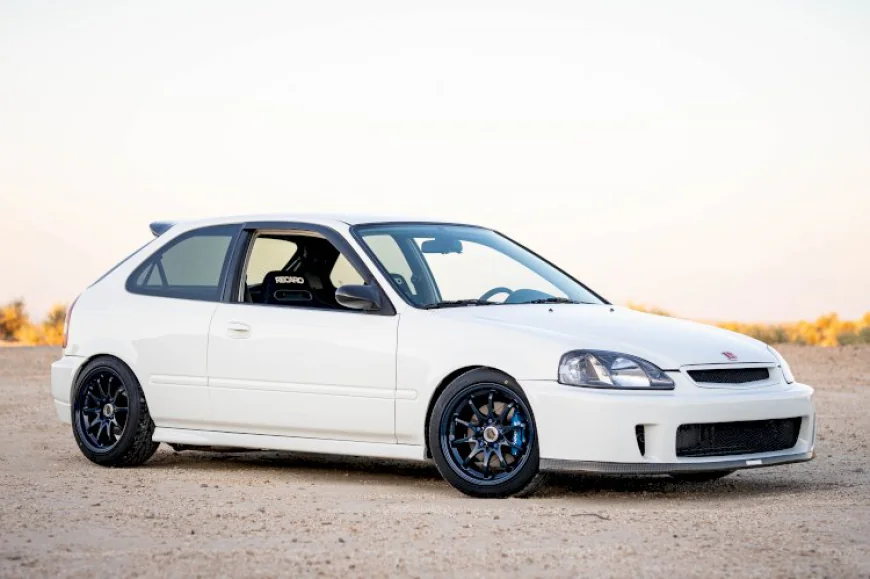
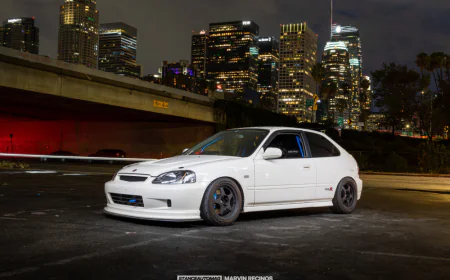
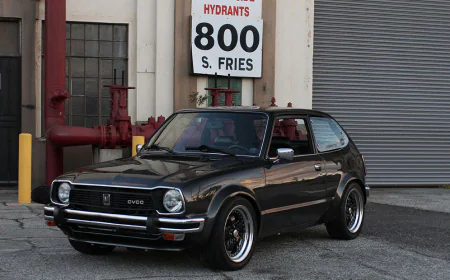
Don Vo - 2000 Honda Civic Hatchback EK
Complete Cost Breakdown by Platform
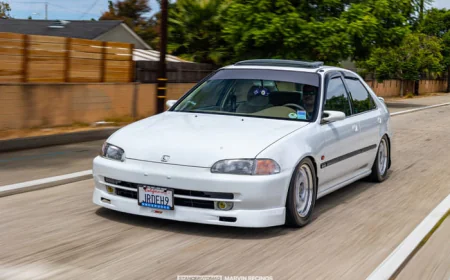
Example 1: Honda Civic EK/EG (B-series)
Base car: 1997 Civic EK with B16A engine (170bhp stock) Target: 250-280bhp
|
Item |
Cost |
|
Turbo kit (T3/T4 hybrid) |
£1,800-2,500 |
|
Intercooler and piping |
£600-900 |
|
550cc injectors |
£250-400 |
|
Walbro 255 fuel pump |
£90-150 |
|
AEM FIC or Hondata |
£600-900 |
|
Upgraded clutch (ACT, Exedy) |
£400-600 |
|
Oil cooler kit |
£300-500 |
|
Exhaust modification |
£200-400 |
|
Boost controller |
£150-300 |
|
Wideband O2 sensor |
£150-250 |
|
Miscellaneous (hoses, clamps, fittings) |
£200-400 |
|
Parts Total |
£4,740-7,300 |
|
Dyno tune (4-6 hours) |
£500-900 |
|
Labor (if not DIY) |
£1,200-2,500 |
|
TOTAL (DIY) |
£5,240-8,200 |
|
TOTAL (Professional) |
£6,940-11,600 |
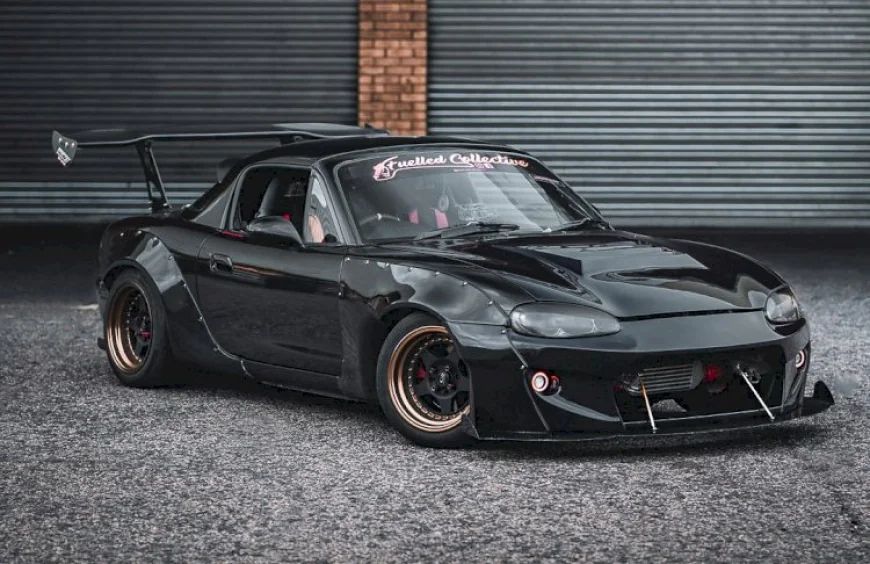
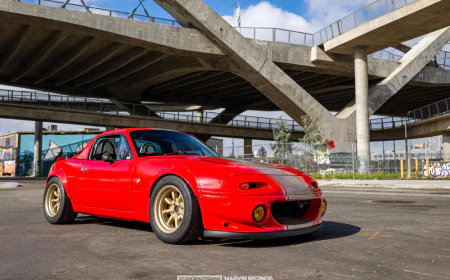
Nicks - mk2.5 1.8vvt Mazda mx5
Example 2: Mazda MX-5 NA/NB
Base car: 1999 MX-5 NB with 1.8L BP engine (140bhp stock) Target: 200-230bhp
|
Item |
Cost |
|
FM or BBR turbo kit |
£2,800-4,000 |
|
Intercooler (included in some kits) |
£0-800 |
|
440cc injectors |
£200-350 |
|
Walbro fuel pump |
£90-150 |
|
MegaSquirt or Haltech ECU |
£800-1,400 |
|
Upgraded clutch |
£400-700 |
|
Oil cooler |
£250-400 |
|
Radiator upgrade |
£200-400 |
|
Exhaust work |
£150-300 |
|
Boost controller |
£150-300 |
|
Wideband |
£150-250 |
|
Miscellaneous |
£300-500 |
|
Parts Total |
£5,490-9,550 |
|
Dyno tune |
£600-1,000 |
|
Labor (if not DIY) |
£1,500-3,000 |
|
TOTAL (DIY) |
£6,090-10,550 |
|
TOTAL (Professional) |
£7,590-13,550 |
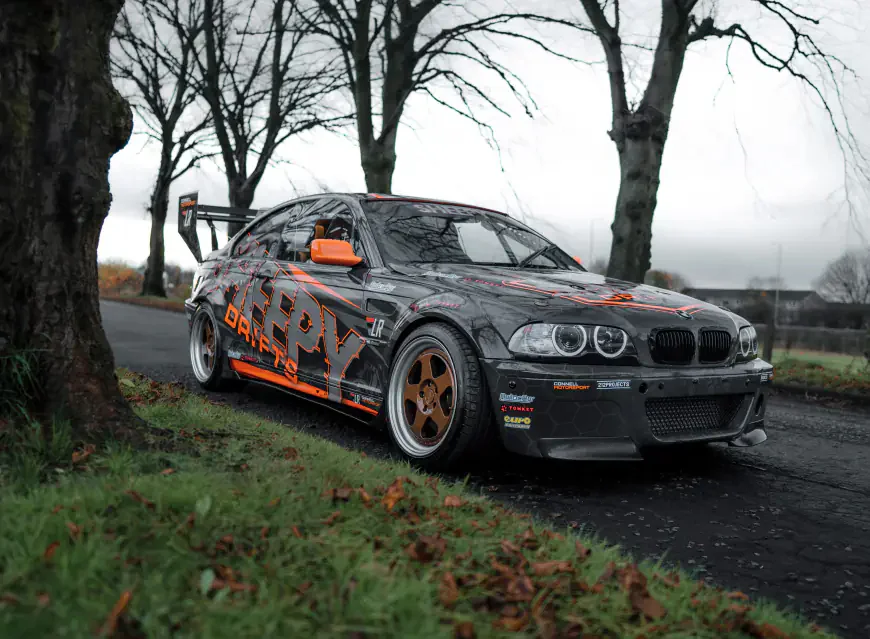
2001 BMW E46 330ci Drift Car Build: A Journey into Motorsport
Example 3: BMW E46 M3 (S54)
Base car: 2004 E46 M3 with S54 (343bhp stock) Target: 450-500bhp
|
Item |
Cost |
|
AR Engineering turbo kit |
£8,000-12,000 |
|
FMIC and piping |
£1,200-2,000 |
|
1000cc injectors |
£600-900 |
|
Upgraded fuel pump |
£250-400 |
|
Haltech or Motec ECU |
£2,500-4,000 |
|
Twin-disc clutch |
£1,800-2,800 |
|
Oil cooler |
£600-1,000 |
|
Cooling system upgrades |
£800-1,500 |
|
Exhaust modifications |
£400-800 |
|
Boost controller |
£200-400 |
|
Wideband |
£200-300 |
|
Miscellaneous |
£500-1,000 |
|
Parts Total |
£17,050-27,100 |
|
Dyno tune (8-12 hours) |
£1,200-2,000 |
|
Labor (professional essential) |
£3,000-6,000 |
|
TOTAL |
£21,250-35,100 |
For detailed M3 modification guidance, see our E46 M3 Modification Guide.
Hidden Costs Everyone Underestimates
1. Engine Preparation (£500-2,000)
Before turbocharging:
- Compression test: £80-150
- Leakdown test: £100-180
- Valve seal inspection: £150-300
- New head gasket (preventative): £300-800 (if replacing)
- New head bolts/studs: £100-300
- Timing belt/chain service: £300-600
2. Fabrication and Fitment (£300-1,500)
Turbo kits rarely fit perfectly:
- Custom exhaust work: £200-600
- Fabricated brackets: £100-300
- Custom piping modifications: £150-400
- Oil pan modifications (some cars): £200-500
3. The "While You're In There" Tax (£500-1,500)
Once engine bay is opened:
- New spark plugs (one step colder): £60-120
- Upgraded coil packs: £200-400
- New gaskets and seals: £150-300
- Vacuum line replacement: £50-100
- New coolant hoses: £100-200
- Engine bay cleaning/detailing: £50-150
4. Unexpected Failures (£200-2,000)
During or shortly after installation:
- Blown head gasket (from improper install): £800-1,500
- Wastegate failure: £200-500
- Injector failure: £300-600
- Sensor failures: £100-300
5. Consumables Increase (Ongoing)
After turbo installation:
- Oil changes more frequent (every 3k miles): +£120/year
- Premium fuel mandatory: +£300-600/year
- Spark plugs more frequently: +£80/year
- Brake wear increases: +£200/year
DIY vs Professional Installation
DIY Installation
Realistic for:
- Mechanically experienced enthusiasts
- Well-documented platforms (Civic, MX-5)
- Simple bolt-on kits
- Those with proper tools and workspace
Time required:
- Research and planning: 20-40 hours
- Physical installation: 40-80 hours (first time)
- Troubleshooting: 10-30 hours
Savings: £1,500-4,000 in labor
Risks:
- Mistakes can destroy engine
- No warranty on work
- Potentially unsafe if done wrong
- Learning curve is expensive
Professional Installation
Realistic for:
- Complex platforms (E46 M3, high-compression engines)
- First turbo build
- Lack of tools/workspace
- Want warranty and peace of mind
Time required:
-
Drop off car, pick up in 2-6 weeks
Benefits:
- Professional workmanship
- Warranty on work
- Proper tuning included
- Peace of mind
Cost: £1,500-6,000 depending on complexity
Platform-Specific Considerations
Good Turbo Platforms (Lower Cost)
Honda B/D/K series:
- Proven kits: £2,000-3,500
- Strong internals: Good to 300-350bhp
- Simple ECU solutions: Hondata, AEM FIC
- Total typical cost: £5,000-9,000
Mazda BP (MX-5):
- Proven kits: £2,500-4,000
- Strong bottom end: Good to 250bhp
- MegaSquirt support: Excellent
- Total typical cost: £6,000-11,000
Toyota 4A-GE (AE86):
- Proven kits: £3,000-5,000
- Moderate strength: Good to 200-250bhp
- Simple platform
- Total typical cost: £6,000-12,000
For detailed costs on building a specific platform, see our 500bhp Supra Build Cost.
Difficult Turbo Platforms (Higher Cost)
High-compression NA engines:
- BMW S54, Honda F20C, Toyota 2ZZ-GE
- Require: Lower compression (expensive)
- Or: Conservative boost (limiting power)
- Total typical cost: £15,000-30,000+
Modern direct-injection engines:
- Complex fuel systems
- Expensive ECU solutions
- Limited kit availability
- Total typical cost: £12,000-25,000+
When Does Turbo Conversion Make Sense?
Makes Financial Sense
When:
- You own the car outright (no finance)
- You plan to keep it long-term (5+ years)
- The base car was cheap (under £5,000)
- You can DIY most work
- Platform has proven, affordable kits
Example: Turbo converting a £3,000 Civic EK with £6,000 build = £9,000 total investment for 250-280bhp. Comparable factory turbo car (WRX, GTI) costs £12,000-18,000 used.
Doesn't Make Financial Sense
When:
- Base car is expensive/appreciating (E46 M3, RX-7 FD)
- You're paying finance on the car
- You'll sell within 2-3 years
- Platform lacks support/proven kits
- You're paying for all labor
Example: Turbo converting a £25,000 E46 M3 with £30,000 build = £55,000 total investment. Just buy an E92 M3 for £35,000 instead.
Alternatives to Turbo Conversion
Option 1: Buy Already Turbocharged
Pros:
- Factory engineering and warranty
- Better resale value
- Lower insurance risk
Cons:
- Higher initial cost
- Less personal to you
When it makes sense: If turbo conversion would cost more than 50% of the car's value.
Option 2: Engine Swap
Instead of turbo converting:
- Swap in factory turbocharged engine
- Often cheaper and more reliable
- Examples: K-series turbo into Civic, SR20DET into 240SX
Option 3: Supercharger
Pros:
- Often bolt-on
- More reliable
- Better for high-compression engines
Cons:
- Lower power ceiling than turbo
- More expensive kits
For supercharger considerations on the E46 M3, see our E46 M3 Modification Guide.

Frequently Asked Questions
Can I turbo my car for under £5,000?
Only on simple platforms (Honda B-series, Mazda BP) with DIY install and budget parts. Expect £6,000-10,000 realistically.
Will a turbo damage my engine?
Not if done properly with appropriate boost, tune, and supporting mods. But poor tuning or excessive boost will destroy any engine.
How much power can my stock engine handle?
Varies by platform:
- Honda B-series: 300-350bhp
- Mazda BP: 200-250bhp
- BMW S54: 450-500bhp (with proper tuning)
Beyond these, forged internals required.
Do I need to lower compression?
Not always. Many engines can run 6-10 psi boost on stock compression safely. Higher boost requires lower compression.
Will insurance cover a turbo conversion?
You must declare it. Most mainstream insurers will refuse. Use specialists. For insurance strategies, see our Modified Car Insurance Tips.
Can I daily drive a turbo-converted car?
Yes, if done properly. Expect slightly worse fuel economy and more maintenance but it's perfectly drivable.
How long does a turbo conversion take?
DIY: 1-3 months (weekends). Professional: 2-6 weeks (depending on shop workload).
Related Articles
 Like
0
Like
0
 Dislike
0
Dislike
0
 Love
0
Love
0
 Funny
0
Funny
0
 Angry
0
Angry
0
 Sad
0
Sad
0
 Wow
0
Wow
0