















































































.png)











![[HOONIGAN] Ken Block's GYMKHANA NINE](https://img.youtube.com/vi/_bkX5VkZg8U/maxresdefault.jpg)












































































![[HOONIGAN] KEN BLOCK'S GYMKHANA SEVEN: WILD IN THE STREETS OF LOS ANGELES](https://cdn.motor1.com/images/mgl/2KlO4/s1/ken-block-london-tour-directors-cut.jpg)







































UK EV Road Tax 2026: The New Costs Electric Car Owners Must Pay
EV road tax is no longer free in 2026. Find out exactly what electric car owners now pay in VED, luxury tax, Congestion Charge changes and what's coming in 2028.
EV Road Tax 2026: Electric Car Owners
For the best part of a decade, one of the most frequently cited perks of going electric was the complete exemption from Vehicle Excise Duty. No road tax. Zero. While petrol and diesel drivers forked out anywhere from £195 upwards per year depending on their emissions, EV owners simply didn't have to think about it. It was one of those clean, simple incentives that made the financial case for switching to electric feel genuinely compelling. That era is officially over. From April 2025, electric vehicles in the UK are no longer exempt from road tax, and 2026 marks the first full year in which EV owners are feeling the real financial weight of that change. If you own an electric car — or you're considering buying one — here is everything you need to know about what you're now paying, why it changed, and what's still coming down the road.
The shift has been coming for a while, and if you've been following the modified and performance car scene at all, you'll know that the government's relationship with electric vehicle taxation has been a slow creep rather than a sudden lurch. The exemptions are gone, the numbers are confirmed, and depending on the value and age of your EV, the annual bill has shifted considerably. Understanding the full picture — from standard VED rates to the luxury car supplement to the upcoming pay-per-mile EV charge planned for 2028 — is essential for anyone making ownership decisions right now.
What Are Electric Cars Paying in Road Tax in 2026?
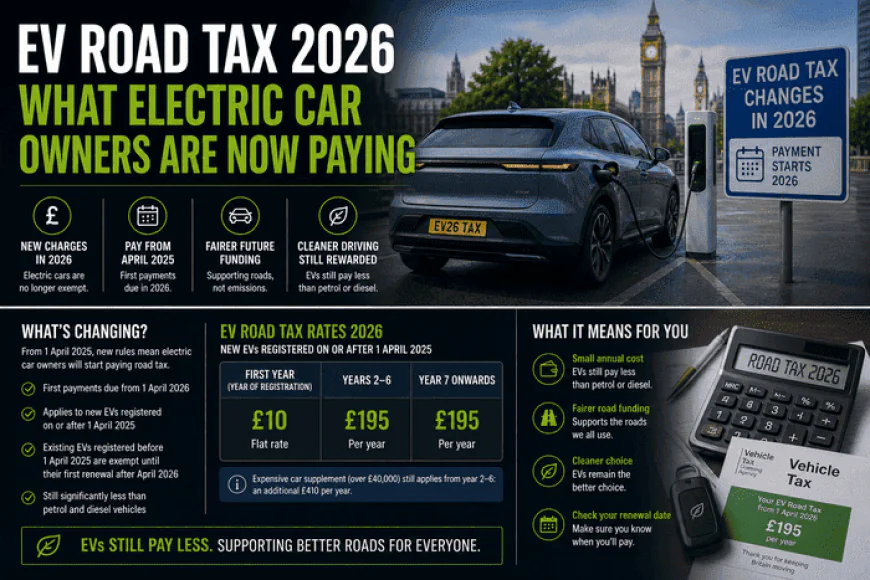
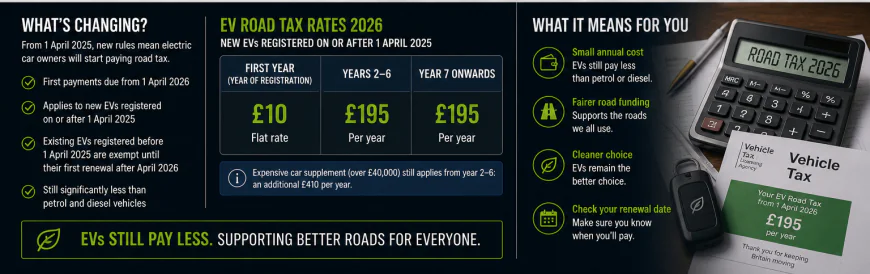
EV Road Tax 2026: The EV VED structure in 2026 breaks down based on when your car was registered, and the differences matter. If you bought a brand new electric car from 1 April 2025 onwards, the first year on the road costs a one-off payment of just £10 — essentially a token registration fee. From the second year onwards, you move onto the standard rate of £195 per year, which is the same flat rate the majority of petrol and diesel cars pay. That £195 figure applies regardless of your car's emissions — a quirk of the new system that EV drivers have noted with some frustration, given that the whole point of going electric was partly to escape emissions-based costs.
If your EV was registered between April 2017 and March 2025, you're also now paying the standard £195 per year. Running an older electric car registered between March 2001 and March 2017 puts you on £20 per year — still modest, but a departure from zero. The exemption has gone across the board, regardless of when your vehicle was made or purchased. The government's rationale is straightforward: as electric vehicle uptake grows and fuel duty revenue declines, the Treasury needs to replace that income from somewhere. VED on EVs is one significant part of that equation, and the only real surprise is that it didn't arrive sooner.
The Luxury Car Supplement — Does Your EV Qualify?
EV Road Tax 2026: This is where things get more complicated, and for a lot of EV owners, more expensive. The Expensive Car Supplement — also known as the luxury car tax — is an additional charge applied to cars with a list price over a certain threshold. It currently sits at £425 per year and is applied on top of the standard VED rate for the first five years after registration. From 1 April 2026, there is some good news here: the threshold for zero-emission vehicles has been raised from £40,000 to £50,000, meaning a wider range of EVs will avoid the supplement. The bad news is that if your electric car was listed above £40,000 when new, you've already been subject to this charge from April 2025 and will continue to be until your five-year period expires.
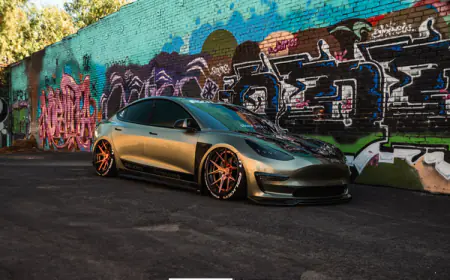
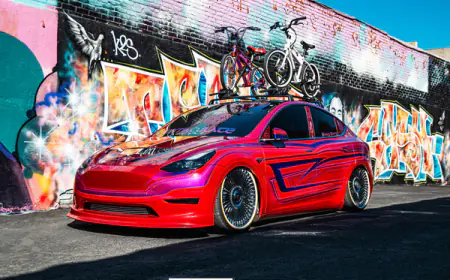
For context on what this means practically: a Tesla Model 3 Long Range, listed around £45,000 new, falls above the old £40,000 threshold and would have attracted the supplement under the old rules. Under the raised threshold from April 2026, vehicles priced between £40,000 and £50,000 benefit from the change — a meaningful saving over the five-year period. A Porsche Taycan or Audi e-tron GT, listed well above £80,000, was always going to attract the supplement regardless of where the threshold sits. It's the middle band of mid-range premium EVs that the raised threshold is designed to protect, and for buyers making purchasing decisions around that price point, it's a number worth factoring in carefully.
London's Congestion Charge — EVs Are No Longer Getting a Free Pass
EV Road Tax 2026: If you drive an electric car in London, the changes to the Congestion Charge represent another significant financial shift in 2026. From 2 January 2026, the daily Congestion Charge rose from £15 to £18 — the first increase since 2020. More significantly for EV owners, the 100% Cleaner Vehicle Discount that had previously given electric cars complete exemption from the charge officially ended on Christmas Day 2025. Where EV drivers were once waved through the zone at no cost, they now receive a 25% discount — paying £13.50 per day rather than the full £18. Electric vans, HGVs, and quadricycles get a more generous 50% discount at £9 per day, but only if the vehicle is registered on the Auto Pay scheme.
For regular London commuters who switched to electric partly because of the Congestion Charge exemption, this represents a meaningful ongoing cost. At £13.50 a day, five days a week for fifty weeks a year, you're looking at over £3,000 annually just in Congestion Charges alone. The exemption was always going to end eventually — it was an explicit temporary incentive to drive EV uptake in the capital — but the timing, landing in the same year as VED charges kicking in fully, has made 2026 feel like a genuine double hit for electric car owners in London. If you're running a modified EV build or a performance electric car and you're based in the capital, these numbers need to be part of your ownership calculation going forward.
Company Car BiK Rates Rising for EV Drivers
EV Road Tax 2026: For those running an electric company car through a salary sacrifice or fleet scheme, the Benefit-in-Kind tax picture is also shifting. From 6 April 2026, the BiK rate for electric vehicles moves from 3% to 4% — part of a gradual annual increase that has been signposted for several years. This follows the rise from 2% to 3% that took effect in April 2025. The rate is scheduled to reach 5% in 2027/28 and will continue climbing incrementally from there.
To put that in perspective, petrol and diesel company cars are taxed at BiK rates ranging from around 25% to 37% depending on their CO2 output. Even at 4%, electric company cars remain dramatically more tax-efficient than their combustion counterparts — the gap is still enormous. But the trend is clear: the government is gradually closing the BiK advantage to prevent the scheme becoming a significant drain on tax revenue as EV uptake in the fleet sector accelerates. For now the numbers firmly favour electric, but the days of 1% and 2% BiK are well behind us and the upward trajectory isn't stopping anytime soon.
What's Coming in 2028 — The Pay-Per-Mile EV Tax
EV Road Tax 2026: If the 2025 and 2026 changes felt significant, the proposal on the table for 2028 is arguably the most fundamental shift yet in how electric vehicle ownership is taxed in the UK. From April 2028, the government plans to introduce an Electric Vehicle Excise Duty charged on a pay-per-mile basis. The proposed rate is 3p per mile for fully electric cars and 1.5p per mile for plug-in hybrids, with both figures rising annually in line with inflation. Mileage will be checked each year, most likely at the annual MOT, and the charge will be collected through the existing VED payment infrastructure.
At 3p per mile, a typical driver covering 10,000 miles a year would pay an additional £300 on top of their standard £195 VED — taking the total annual road tax bill to £495. Cover 15,000 miles and you're looking at £645. The government has framed this as approximately half the fuel duty that an equivalent petrol car driver currently pays, positioning it as a fair and proportionate way to ensure EV drivers contribute to road funding as the national fleet electrifies. Critics argue it disproportionately penalises high-mileage drivers — typically lower-income workers and rural residents — and the consultation process is expected to generate significant debate. How the final rates and structure land will depend heavily on the public response.
Is Electric Still Worth It Despite the New Costs?
EV Road Tax 2026: The honest answer, for most drivers, remains yes — but the calculation has become more nuanced. The running cost advantage of electric cars over petrol and diesel remains substantial when you factor in home charging costs versus fuel prices, lower servicing bills, and the still-considerable BiK advantage for company car drivers. What has changed is that the tax advantage on ownership has been meaningfully eroded, particularly for high-mileage drivers and those operating in London.
For the modified and performance car community — the audience that knows the Stance Auto scene best — the shift matters in a slightly different way. Electric performance cars have been growing rapidly as a culture, from modified Teslas running at track days to EV drift builds pushing what the platform can do. Understanding the full cost of ownership, including these new EV tax obligations, is as important as knowing the 0-60 time when making a buying decision. Stay close to Stance Auto Magazine for ongoing coverage of how the UK's evolving motoring tax landscape is affecting the community — from modified builds to daily drivers. For the full official detail on current rates, the GOV.UK vehicle tax rates page has everything broken down clearly by registration date.
The End of the Free Ride — But Not the End of the Case for Electric
The EV road tax changes in 2026 mark the end of a specific chapter in the story of electric vehicle adoption in the UK. The free VED era served its purpose — it helped incentivise early adoption at a time when infrastructure was immature and the technology was expensive. That job is largely done. The network is growing, prices have come down considerably, and EVs now account for a meaningful share of new car registrations. Removing the exemption is the government's way of saying the training wheels are off. The fundamental financial and environmental case for electric remains intact. It's just a little more honest now about what ownership actually costs.
 Like
0
Like
0
 Dislike
0
Dislike
0
 Love
0
Love
0
 Funny
0
Funny
0
 Angry
0
Angry
0
 Sad
0
Sad
0
 Wow
0
Wow
0