























































.png)












![[HOONIGAN] Ken Block's GYMKHANA NINE](https://img.youtube.com/vi/_bkX5VkZg8U/maxresdefault.jpg)


































































![[HOONIGAN] KEN BLOCK'S GYMKHANA SEVEN: WILD IN THE STREETS OF LOS ANGELES](https://cdn.motor1.com/images/mgl/2KlO4/s1/ken-block-london-tour-directors-cut.jpg)


































Modified Car Insurance: 10 Tips for Cheaper Quotes in 2026 Guide
Get better insurance quotes for modified cars. What to declare, specialist insurers, and how to reduce premiums legally.

The Modified Car Insurance Problem
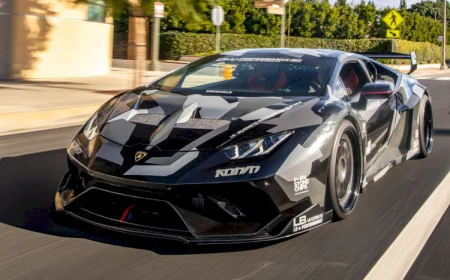
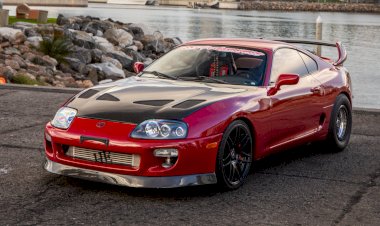
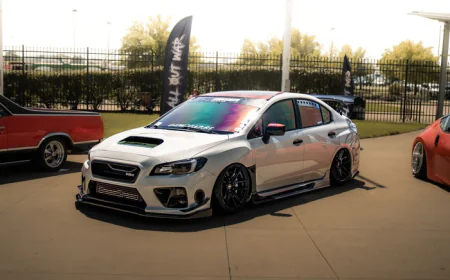
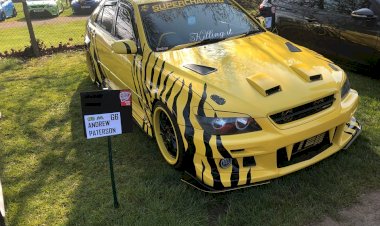
You've spent thousands building your dream car. The suspension is dialled in, the turbo spools perfectly, and the car looks exactly how you envisioned. Then insurance renewal arrives and the quote makes your eyes water — £2,500 for a car worth £8,000. Or worse, your mainstream insurer flat-out refuses to cover you once you declare the modifications.
Modified car insurance in 2026 is expensive and frustrating. Mainstream insurers either won't touch modified cars or charge premiums that make ownership financially painful. Young drivers face particularly brutal pricing — £3,000-5,000 annual premiums are common for enthusiasts under 25 driving anything remotely interesting.
But here's the reality: thousands of modified car owners pay reasonable insurance premiums. The difference isn't luck — it's knowledge. Understanding how modified car insurance works, which insurers to approach, what modifications actually increase premiums, and how to structure your policy correctly can save you hundreds or thousands per year.
In this complete guide, we're sharing the insider knowledge that makes modified car insurance affordable. These aren't tricks or loopholes — they're legitimate strategies that specialist insurers actually want you to know about. Whether you're insuring your first modified car or you've been getting ripped off by mainstream insurers for years, this guide will save you money.
As we've covered in guides like AE86 vs S13 Drift Car Comparison, the modifications are the fun part. Insurance shouldn't ruin the ownership experience.
What You'll Learn:
- Why mainstream insurers charge so much for modifications
- Specialist insurers who understand modified cars
- What you must declare and what you can skip
- How to structure policies to minimize cost
- Age and location strategies
- Modification choices that reduce premiums
- Common mistakes that void coverage
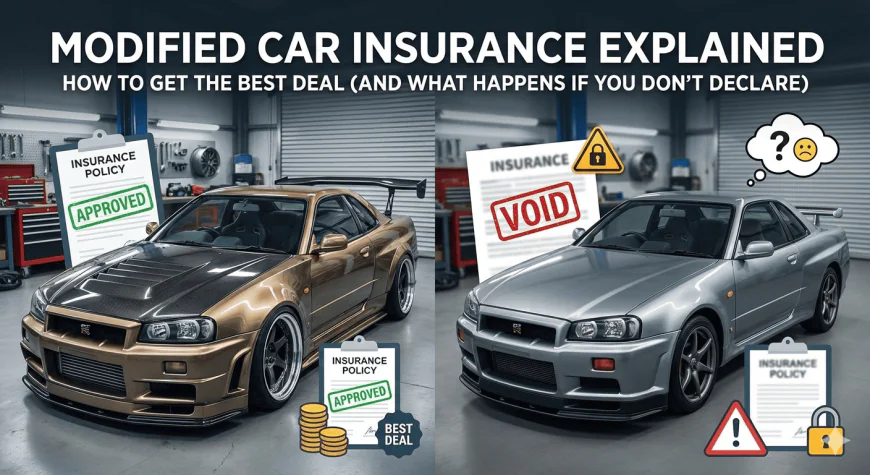
Why Mainstream Insurers Hate Modified Cars
Understanding the insurer's perspective helps you work with it rather than against it.
The Risk Perception Problem
Mainstream insurers use statistical models. Modified cars are statistically associated with:
- Higher claim frequency (more accidents)
- Higher claim severity (modified = faster = worse crashes)
- Younger drivers (higher risk demographic)
- Theft risk (desirable modifications)
- Fraudulent claims (inflated modification values)
The reality: A properly modified car driven by a responsible enthusiast is often safer than a stock car driven recklessly. But insurers can't assess individual cases — they use statistics, and the statistics make modified cars look like terrible risks.
The Valuation Problem
Mainstream insurers struggle to value modifications. A set of coilovers might cost £1,500 fitted, but add £50 to the car's resale value. An ECU remap costs £600 but is invisible. How do insurers handle this?
Answer: They don't. They either refuse cover or charge premiums based on worst-case scenarios.
The Claims Problem
When modified cars crash, claims are expensive:
- Standard parts don't fit
- Modified parts cost more
- Specialist labor is pricey
- Proving pre-accident condition is difficult
Mainstream insurers don't have networks of specialists to handle this. They see it as hassle and cost.
Tip 1: Use Specialist Modified Car Insurers
This is the single most important decision.
Specialist insurers understand modified cars. They have networks of specialist repairers. They can value modifications properly. And crucially, they compete for your business — modified car owners are their core market.
Top Specialist Insurers (UK, 2026)
Adrian Flux
- Largest specialist in UK
- Handles everything from mild to extreme modifications
- Agreed value policies available
- Typically competitive for under-30s
Greenlight Insurance
- Excellent for young drivers
- Track day cover available
- Modification-friendly
- Good for JDM imports
A-Plan Insurance
- Strong on modified hot hatches
- European cover included
- Flexible on mileage
- Competitive multi-car policies
Sky Insurance
- JDM specialist
- Understand imports
- Agreed value focus
- Good for rare/expensive cars
Keith Michaels
- Classic and modified specialist
- Excellent for older modified cars
- Limited mileage policies
- Show car cover
Competition Car Insurance
- Track day specialists
- Race car cover
- Stripped interior cars
- Trailer cover
How to Approach Quotes
Get at least 3 quotes from specialists. Pricing varies wildly between companies for identical cars.
Call, don't just use online forms. Speaking to an actual human who understands modifications produces better quotes than algorithm-driven online systems.
Be detailed and honest. Specialists appreciate detail. Tell them exactly what's modified and why.

Tip 2: Understand What You MUST Declare
UK law requires you to declare modifications that affect:
- Performance
- Appearance
- Safety
- Security
Failure to declare = voided insurance = you're driving uninsured.
Must Declare
Performance:
- Engine modifications (remap, turbo, exhaust, intake)
- Transmission changes (gear ratios, LSD)
- Forced induction additions
- Engine swaps
- ECU changes
Suspension:
- Coilovers
- Lowering springs (more than 30mm drop)
- Adjustable suspension components
- Roll cages
Brakes:
- Upgraded brake kits (different caliper/disc size)
- Brake line upgrades
Wheels and Tyres:
- Non-standard wheel sizes
- Significantly wider tyres
- Spacers
Exterior:
- Body kits
- Spoilers
- Wide arches
- Bonnet vents
- Wrap/respray
Interior:
- Racing seats
- Harnesses
- Stripped interior
- Roll cages
Other:
- Nitrous systems
- Methanol injection
- Non-standard ECU
- Anti-lag systems
Often Don't Need to Declare (Check Policy Wording)
- Upgraded stereo
- Phone mounts
- Dashcams
- Interior trim pieces
- Standard manufacturer options (e.g., factory sport seats)
- Maintenance items (upgraded spark plugs, braided lines as OEM replacement)
Grey area: Some insurers want brake pad changes declared. Others consider them maintenance. Always ask.

Tip 3: Choose Modifications That Reduce Premiums
Not all modifications increase premiums. Some actually reduce them.
Modifications That Can Reduce Premiums
Security:
- Tracker (Thatcham Category 5/6)
- Immobilizer upgrades
- Steering locks
- Wheel locks
- Garage storage
Safety:
- Roll cage (if properly installed)
- Harnesses (if combined with cage)
- Fire extinguisher
- Circuit breaker
Brakes:
-
Upgraded brakes (insurers like this)
Modifications That Always Increase Premiums
Power:
- Engine swaps
- Turbo upgrades
- Superchargers
- Nitrous
Extreme modifications:
- Stripped interiors
- Welded diffs
- Anti-lag
- Removed airbags
Tip 4: Age and Location Strategies
Age Matters More Than You Think
|
Age |
Typical Modified Car Premium Multiplier |
|
18-21 |
3-5x standard |
|
22-25 |
2-3x standard |
|
26-30 |
1.5-2x standard |
|
31-40 |
1.2-1.5x standard |
|
41+ |
1-1.3x standard |
Strategy: If you're under 25 and premiums are crippling, consider:
- Named driver on parent's policy (if they're willing and you live at same address)
- Buying a less modified car now, building it gradually as you age
- Taking advanced driving course (IAM, RoSPA) — 10-20% discount common
Location Impact
High-risk postcodes (London, Birmingham, Manchester city centers):
- 50-100% premium increase vs rural areas
- Theft risk drives this
Strategies:
- Garage storage (mention this explicitly)
- Driveway vs street parking (mention this)
- Tracker (essential in high-risk areas)
- Consider if you can register car at lower-risk address (but ONLY if you genuinely keep it there)
Tip 5: Mileage and Usage Declarations
Mileage
Lower declared mileage = lower premium.
Typical tiers:
- Under 3,000 miles: Classic/show car pricing
- 3,000-5,000: Weekend toy pricing
- 5,000-8,000: Enthusiast pricing
- 8,000-12,000: Daily driver pricing
- 12,000+: Standard pricing
Be honest. Excessive mileage claims void policies. But if you genuinely only do 5,000 miles, declare it.
Usage Types
Social, domestic, pleasure: Standard Commuting: Costs more Business use: Costs most
Strategy: If you WFH or have company car for commute, declare social/domestic only.
Track Day Cover
Most policies EXCLUDE track use. If you track your car:
- Declare it upfront
- Get track day cover (available from specialists)
- Or get separate track day insurance per event (£150-300/day)
Never track on road insurance. Claims will be denied and policy voided. For comprehensive track day guidance, see our Passing MOT with Modified Suspension which also covers track prep.
Tip 6: Policy Structure Optimisation
Agreed Value vs Market Value
Market value: Insurer decides what car is worth at claim time Agreed value: You and insurer agree value upfront
For modified cars, ALWAYS get agreed value.
Why? A stock Silvia S14 might be worth £8,000. Your modified S14 with £15,000 in parts might only be worth £10,000 on market value (most modifications don't add resale value).
Agreed value lets you set £20,000 (purchase + mods) as the insured amount. Total loss pays out £20,000.
Voluntary Excess Strategy
Higher voluntary excess = lower premium.
Example:
- £0 excess: £1,800 premium
- £250 excess: £1,500 premium
- £500 excess: £1,300 premium
- £1,000 excess: £1,150 premium
Strategy: If you have £1,000 emergency fund, set £1,000 excess. The premium savings over 3 years pays for one claim.
Warning: Don't set excess higher than you can afford. An accident when you can't pay excess is disastrous.
Multi-Car Policies
If you own multiple cars:
- Multi-car policies offer 10-20% discount
- Classic car as second vehicle often adds minimal cost
- Shows stability to insurers
Tip 7: No Claims Bonus Protection
NCB is gold for modified car owners. Protect it.
What happens without protection:
- One claim: Lose 2-3 years NCB
- Two claims: Back to zero
With protection:
- One claim: Keep full NCB
- Two claims: Usually capped at losing 2 years
Cost: Usually 10-15% of premium. Worth it.
Tip 8: Evidence and Documentation
Insurers love evidence. It reduces their risk and your premium.
Keep Records of:
- Receipts for all modifications
- Dyno sheets (proving power figures)
- MOT history (proving car is well-maintained)
- Service history
- Photos of car (before/after modifications)
- Professional installation certificates
Professional Installations
Key point: DIY modifications scare insurers. Professional installations reassure them.
If doing work yourself:
- Get invoices for parts
- Document process with photos
- Consider having specialist inspect/certify final result
Tip 9: Build Relationship with Broker
Specialist brokers are valuable.
- They know which insurers suit which cars
- They can negotiate on your behalf
- They help with claims
- They advise on modification impact before you do them
Treat your broker well:
- Be honest
- Be detailed
- Don't waste time
- Take their advice
A good broker can save you far more than their commission costs.
Tip 10: Gradual Modification Strategy
The sneaky approach that works:
Instead of buying a standard car and declaring £10,000 of modifications immediately, build gradually:
Year 1: Buy car, declare standard, get established Year 2: Add suspension, declare this, get renewal Year 3: Add exhaust/intake, declare, renew Year 4: Add power modifications, declare, renew
Each year your NCB grows, age increases, and insurer trusts you more. The same modifications that would have cost £3,000 premium in year 1 might only add £600 by year 4.
This approach also spreads modification costs, making builds more affordable overall.
What Voids Insurance (Don't Do This)
Undeclared Modifications
Most common mistake. If you crash and insurer discovers undeclared mods, claim denied and policy void.
Example: Claimed car is stock. Crash reveals remapped ECU. Insurer denies claim, refunds premium, voids policy. You're now driving uninsured and facing prosecution.
False Mileage
Claiming 3,000 miles/year but actually doing 15,000.
How caught: MOT history, service records, dashcam footage.
Wrong Main Driver
Fronting: Insuring car in parent's name when you're primary driver.
Illegal and fraud. Don't do it.
Track Use on Road Policy
As mentioned, track use usually voids road policies.
Driving Under Influence
Obviously illegal. Also voids insurance.
Real-World Cost Examples
Example 1: Golf GTI (Mk7), 28-Year-Old, Manchester
Modifications: Stage 1 remap, coilovers, exhaust Power: 300bhp (from 230bhp)
Mainstream insurer quote: Refused Specialist quote (Adrian Flux): £850/year Specialist quote (Greenlight): £920/year
Chosen: Adrian Flux
Example 2: Nissan Silvia S13, 23-Year-Old, London
Modifications: SR20DET 350bhp, coilovers, body kit, full cage Power: 350bhp
Mainstream insurer: Refused Specialist quote 1: £2,100/year Specialist quote 2: £2,450/year Specialist quote 3: £1,850/year (with tracker)
Chosen: Quote 3 with Thatcham tracker
Example 3: MX-5 NB, 35-Year-Old, Rural Devon
Modifications: Coilovers, rollbar, ECU, exhaust Power: 140bhp (stock)
Mainstream insurer: £650/year Specialist quote: £580/year
Chosen: Specialist (cheaper + better cover)
For detailed modification costs and realistic build budgets, see our SR20DET 400bhp Build.
Insurance for Specific Car Types
JDM Imports
Specialists essential. Mainstream won't touch grey imports.
Best insurers:
- Sky Insurance
- Greenlight
- Adrian Flux (JDM desk)
Tip: Mention import paperwork is complete and legitimate.
Classic Modified Cars
Age matters: Cars 20+ years old often get classic car rates even with modifications.
Best insurers:
- Keith Michaels
- Footman James
- Lancaster
Track Cars (Trailered)
Different category entirely.
Best insurers:
- Competition Car Insurance
- Reis Motorsport Insurance
- Lockton Motorsport
Kit Cars/Replicas
Complex: Each kit has different risk profile.
Best: Specialist kit car insurers or classic specialists.

Frequently Asked Questions
Can I insure a car with no MOT?
Generally no, unless it's a classic with an exemption or a project car with a "laid up" cover.
What if I modify after getting insurance?
You MUST notify the insurer immediately. Mid-term modification adjustments are common.
Can I get temporary cover for modifications while testing?
Some specialists offer this. Declare modifications as "being tested" and get short-term cover. For understanding MOT requirements after modifications, see our Passing MOT with Modified Suspension.
Does a remap void insurance if not declared?
Yes. Remaps must be declared. They're detectable (dyno, ECU read) and non-declaration voids policy.
Is it cheaper to insure multiple modified cars together?
Often yes. Multi-car discounts of 10-20% are common.
Can I insure a car I'm still building?
"Under construction" or "laid up" insurance exists. You can't drive it but it's protected in the garage.
What happens if I total my car — do I get modification costs back?
Only with an agreed-value policy. Market value pays book price (usually ignores modification costs).
Related Articles
- 500bhp Supra Build Cost
- SR20DET 400bhp Build
- Passing MOT with Modified Suspension
- True Cost of Owning a Skyline GT-R
- AE86 vs S13 Drift Car Comparison
 Like
0
Like
0
 Dislike
0
Dislike
0
 Love
0
Love
0
 Funny
0
Funny
0
 Angry
0
Angry
0
 Sad
0
Sad
0
 Wow
0
Wow
0