


































































.png)












![[HOONIGAN] Ken Block's GYMKHANA NINE](https://img.youtube.com/vi/_bkX5VkZg8U/maxresdefault.jpg)



































































![[HOONIGAN] KEN BLOCK'S GYMKHANA SEVEN: WILD IN THE STREETS OF LOS ANGELES](https://cdn.motor1.com/images/mgl/2KlO4/s1/ken-block-london-tour-directors-cut.jpg)































The 5 Most Common (And Expensive) Mistakes New Modders Make — And How to Avoid Them
Don't learn the hard way. Discover the 5 most expensive mistakes new modders make—from buying incompatible parts to skipping insurance—and how to avoid them all.
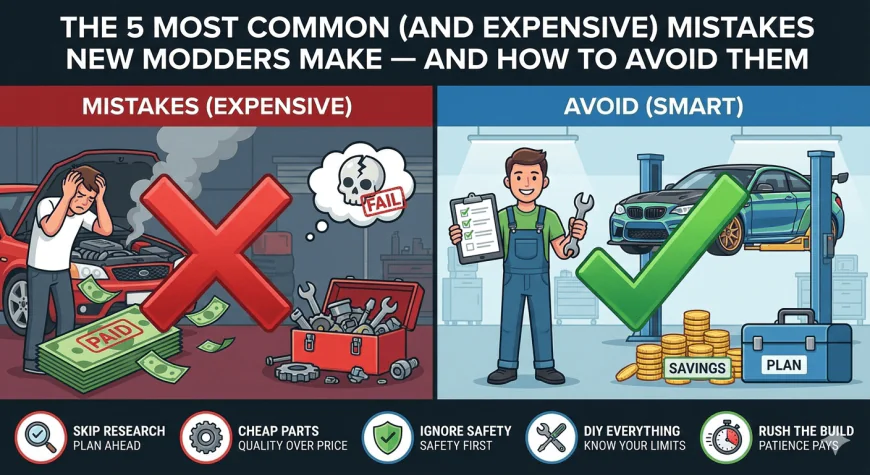
The Mistakes Nobody Warns You About Until It's Too Late
There's a reason experienced modders wince when they see certain builds. It's not because they're snobs or gatekeepers — it's because they've either made the same mistakes themselves or watched someone else make them, and they know exactly how expensive, frustrating, and avoidable those mistakes actually are. The problem is, nobody tells you about these pitfalls until after you've already fallen into them. You buy the wrong parts. You skip a crucial step. You cheap out on something critical. And suddenly you're £2,000 deep with a car that doesn't work properly and a problem you don't know how to fix.
This article exists to save you from that fate. We're going to walk through the five most common and most expensive mistakes that new modders make, explain exactly why they're such disasters, and give you the tools to avoid them entirely. This isn't theoretical. These are real mistakes we've seen happen over and over again in the UK modified car scene, and every single one of them is preventable if you know what to watch out for.
Over at Stance Auto Magazine, we've covered thousands of builds — the successful ones and the trainwrecks — and the difference between the two almost always comes down to avoiding these five mistakes. Let's get into it.

Mistake #1: Buying Parts Without Checking Compatibility
This is the number one mistake, and it's genuinely heartbreaking how often it happens. Someone sees a set of wheels they like on Instagram, finds them on eBay, buys them without checking fitment, and then discovers they're the wrong bolt pattern, the wrong offset, or too wide to fit under the arches. Or they buy an exhaust system designed for a different engine variant and it doesn't line up. Or they order coilovers that are made for the US-spec version of their car and don't fit the UK model. And now they're stuck with £500+ worth of parts they can't use and can't return.
Why This Happens
It happens because people get excited and impulsive. They see something they want, they've got the money burning a hole in their pocket, and they click "buy now" without doing the proper research. It also happens because sellers aren't always clear about fitment, and product listings on eBay or Facebook Marketplace often lack the detail you need to make an informed decision.
How to Avoid It
Always, always, always check the manufacturer's fitment guide before you buy anything. If you're buying wheels, check the bolt pattern (usually 4x100, 5x112, etc.), the offset (ET number), the centre bore, and the width. If any of those numbers don't match your car's specs, they won't fit properly. For exhausts, suspension, or any other part, use the manufacturer's online tool or call their customer service line and confirm fitment for your exact car.
Ask in forums and Facebook groups before you commit. Post the parts you're planning to buy and ask if they'll fit. Someone will have tried it before, and they'll tell you whether it works or not. It takes ten minutes and could save you hundreds of pounds.
Buy from retailers with good returns policies. If you're buying something expensive and you're not 100% certain about fitment, buy from somewhere that'll take it back if it doesn't fit. Yes, you might pay a bit more than eBay, but the peace of mind is worth it.
As we covered in our beginner's guide to your first mod, research is everything. Don't skip this step.

Mistake #2: Choosing Cheap Over Quality
Here's the harsh truth: cheap car parts are cheap for a reason. They're made from inferior materials, they're poorly engineered, they haven't been properly tested, and they will fail much sooner than quality parts from reputable brands. And when they fail, they don't just break — they can cause serious damage to your car, or worse, make it genuinely dangerous to drive.
The Most Common Examples
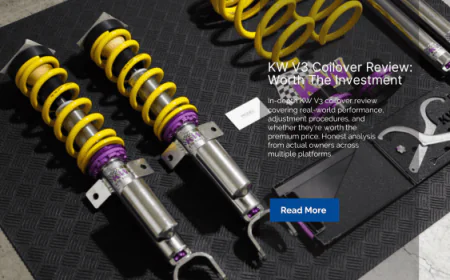
Cheap coilovers are the poster child for this mistake. You'll see kits on eBay for £200–£300 from brands you've never heard of, and they're tempting when a proper set from BC Racing or KW costs £800–£1,200. But those cheap coilovers ride like absolute rubbish, leak oil within months, and can actually make your car handle worse than the factory suspension. Some of them are genuinely unsafe — poorly machined threads, weak springs, inadequate damping — and fitting them to your car is asking for trouble.
Cheap exhausts are another classic. A stainless steel cat-back from Milltek or Scorpion costs £600–£1,000. A mild steel system from an unknown brand costs £200. The cheap one will rust through within two years, sound terrible, and might not even pass an MOT. The expensive one will last the lifetime of the car and actually deliver the performance and sound you're after.
Cheap wheels can be genuinely dangerous. Wheels are a safety-critical component — they have to withstand huge forces during acceleration, braking, and cornering. A cheap, poorly-made wheel can crack, buckle, or even shatter under stress, which at speed can cause a catastrophic accident. Stick with reputable brands that have proper testing and certifications.
How to Avoid It
Accept that modifying cars properly costs money, and budget accordingly. If you can't afford to do it right, wait until you can. Saving up for another few months to buy quality parts is always smarter than buying cheap rubbish now and having to replace it (or worse, fix the damage it caused) a year down the line.
Buy once, cry once is the mantra. Yes, spending £1,000 on coilovers hurts. But you'll only have to do it once, and they'll last for years. Buy the £300 set and you'll be buying them again in 18 months when they're blown.

Mistake #3: Not Planning the Build as a System
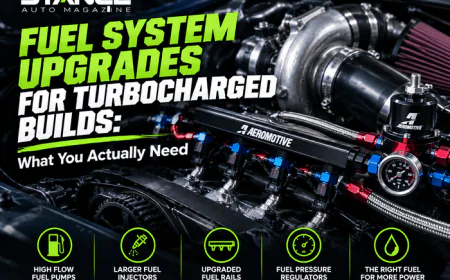
Cars are systems, not collections of individual parts. When you modify one thing, it affects something else. Fit a bigger turbo without upgrading your fuel system, and you'll run lean and blow your engine. Lower your car without adjusting your suspension geometry, and you'll destroy your tyres and create dangerous handling characteristics. Bolt on part after part without any cohesive plan, and you'll end up with a car that doesn't work properly and you've wasted thousands.
Why This Happens
It happens because people don't think holistically. They see a mod they want, they buy it, they fit it, and then they move on to the next thing without considering how it all fits together. They're building in isolation rather than building toward a cohesive goal.
How to Avoid It
Plan your build from the start. Sit down and map out what you want to achieve. Are you building a show car? A track car? A fast road car? A daily driver with a bit more presence? Once you know your goal, you can research which modifications work together to achieve that goal, and in what order you should do them.
Talk to people who've built similar cars. Join forums, Facebook groups, or local car clubs and ask for advice from people who've already done what you're trying to do. They'll tell you which parts work well together, which ones conflict, and what order to install things in.
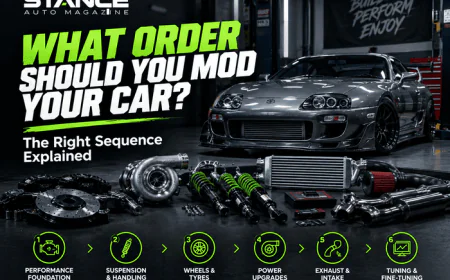
Don't just stack mods randomly. If you're going for performance, there's a logical progression: brakes and tyres first (so you can stop and grip), then suspension (so you can handle), then power (once you can actually use it safely). Doing it the other way around is dangerous and ineffective. Our guide to the best mods for horsepower covers this in detail.
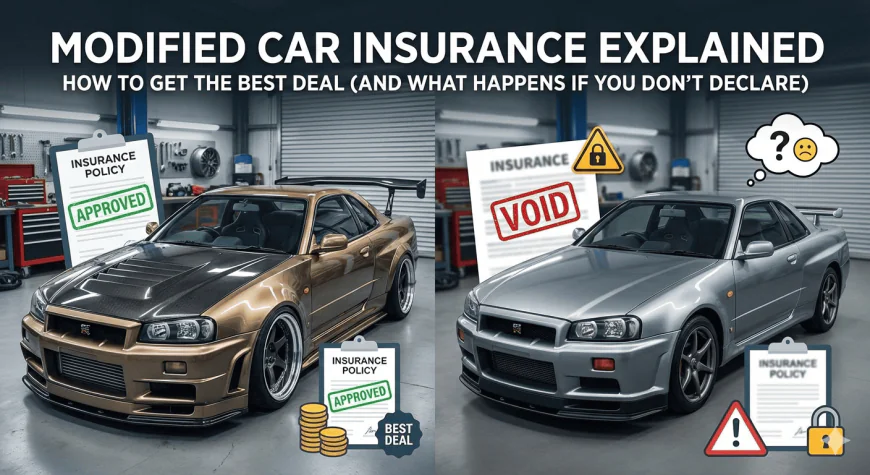
Mistake #4: Skipping Insurance or Failing to Declare Mods
We cannot stress this enough: if you modify your car and don't tell your insurance company, you are driving uninsured. And if you have an accident and your insurer discovers undeclared mods, they will void your policy, refuse to pay out, report you to the Insurance Fraud Bureau, and leave you personally liable for all costs. This is not a hypothetical risk. This happens all the time, and it ruins people financially.
Why This Happens
People skip it because they don't want to pay the extra premium, or they convince themselves that "it's only a small mod" and it won't matter, or they genuinely don't realise they're supposed to declare things like wheels or an exhaust. But ignorance isn't a defence, and trying to save £50 on your premium can cost you £50,000 if you crash.
How to Avoid It
Declare every single modification, no matter how small. Even if you think it won't affect your premium, tell your insurer. Let them decide whether it matters. Get it in writing. Keep a record of every modification you've declared and when.
Get quotes before you modify. Call your insurer and ask how much your premium will go up if you fit the mod you're planning. If it's affordable, go ahead. If it's going to double your premium, shop around for specialist insurers before you commit. Brokers like Adrian Flux, Brentacre, and Keith Michaels understand modified cars and often offer much better rates than mainstream insurers.
Don't lie or omit things on your insurance application. If they ask if your car is modified and you say no when you've got lowering springs and an exhaust, that's fraud. If they find out (and they will if you claim), you're screwed. Our complete guide to modified car insurance covers this in painful detail.

Mistake #5: Attempting Complex Mods Without the Right Skills or Tools
There's a fine line between "I can learn this" and "I'm genuinely out of my depth here," and knowing where that line is comes with experience. The problem is, beginners often don't know what they don't know, and they dive into projects that are way beyond their skill level or tool availability. And when it goes wrong, it goes expensively wrong.
The Most Common Examples
Engine swaps are the classic example. Swapping an engine requires fabrication, welding, custom mounts, wiring, ECU tuning, and a huge amount of mechanical knowledge. It's not a beginner job. But people watch YouTube videos of someone doing it and think "I can do that," and then they're six months in with a car in pieces in their garage and no idea how to finish it.
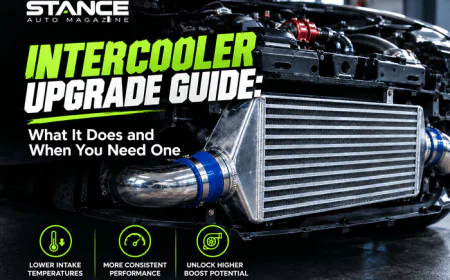
Turbo installations are similar. You're not just bolting on a turbo. You need to upgrade the fuel system, fit an intercooler, reroute piping, tune the ECU, strengthen the clutch — it's a massive undertaking. If you get any part of it wrong, you can blow your engine in seconds.
Suspension geometry work, brake line bleeding, and electrical wiring are all jobs that look simple but require specialist knowledge and tools to do safely. If you mess them up, you can make your car genuinely dangerous.
How to Avoid It
Be honest about your skill level. If you've never worked on a car before, don't make your first job a turbo install. Start small. Learn the basics. Build your skills progressively. There's no shame in knowing your limits.
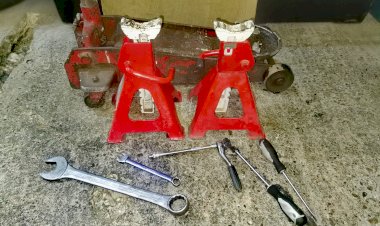
Don't cheap out on tools. If a job requires a specific tool (a torque wrench, a spring compressor, a proper jack and axle stands), buy or borrow it. Don't try to bodge it with the wrong tools — that's how you break things or hurt yourself.
Pay a professional for the complex stuff. Yes, it costs more. But the peace of mind, the warranty, and the knowledge that it's been done properly is worth every penny. Save your DIY energy for the jobs you can genuinely handle.

Final Thoughts: Learn From Others, Not From Experience
The best way to avoid these mistakes is simple: listen to people who've already made them. Join communities. Ask questions. Read build threads. Watch what works and what doesn't. The modified car scene is full of people who are happy to share their knowledge, and tapping into that collective experience will save you thousands of pounds and years of frustration.
Don't be the person who has to learn everything the hard way. Be the person who does their research, plans properly, buys quality, declares everything, and knows when to ask for help. That's how you build a car you're proud of without bankrupting yourself or ending up with a garage full of broken parts and regrets.
For more guidance, check out our complete beginner's guide to car modifications, our UK legal guide, and our insurance explainer.
Related Articles
- Car Guy Questions: Everything About Modifying Cars
- UK Car Modification Legal Guide
- Modified Car Insurance Explained
- Your First Car Mod: Step-by-Step Guide
- Common Car Modification Mistakes to Avoid
 Like
0
Like
0
 Dislike
0
Dislike
0
 Love
0
Love
0
 Funny
0
Funny
0
 Angry
0
Angry
0
 Sad
0
Sad
0
 Wow
0
Wow
0