











































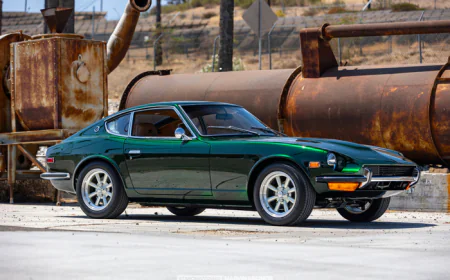
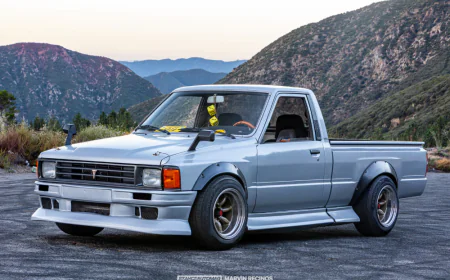
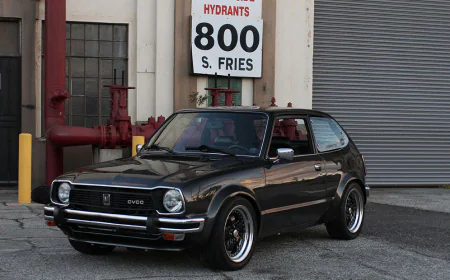

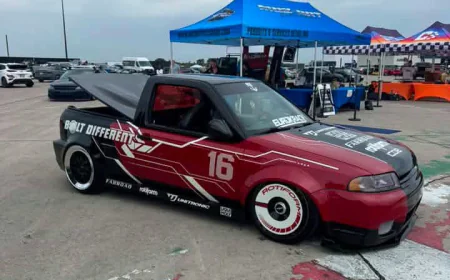




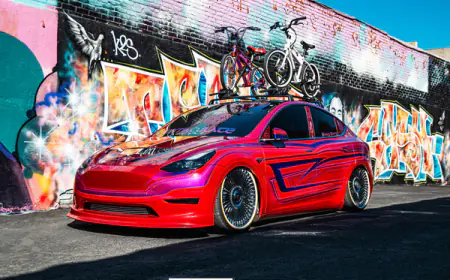









.png)












![[HOONIGAN] Ken Block's GYMKHANA NINE](https://img.youtube.com/vi/_bkX5VkZg8U/maxresdefault.jpg)
























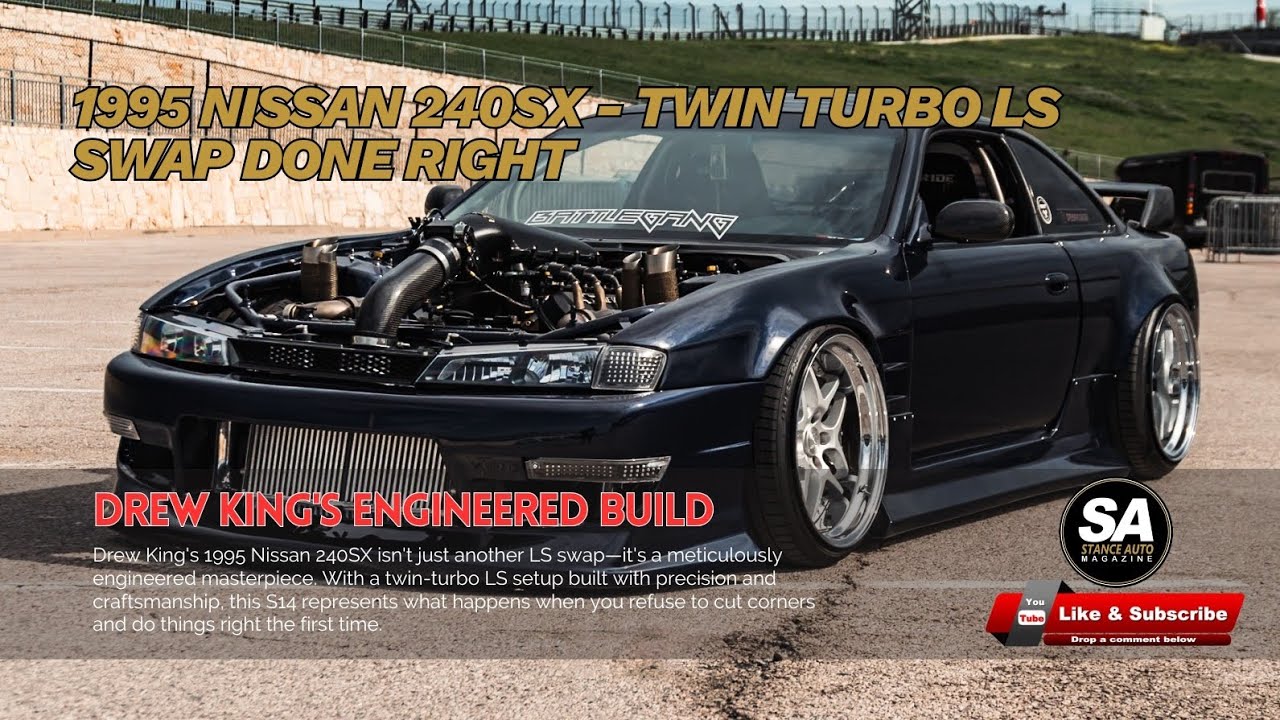

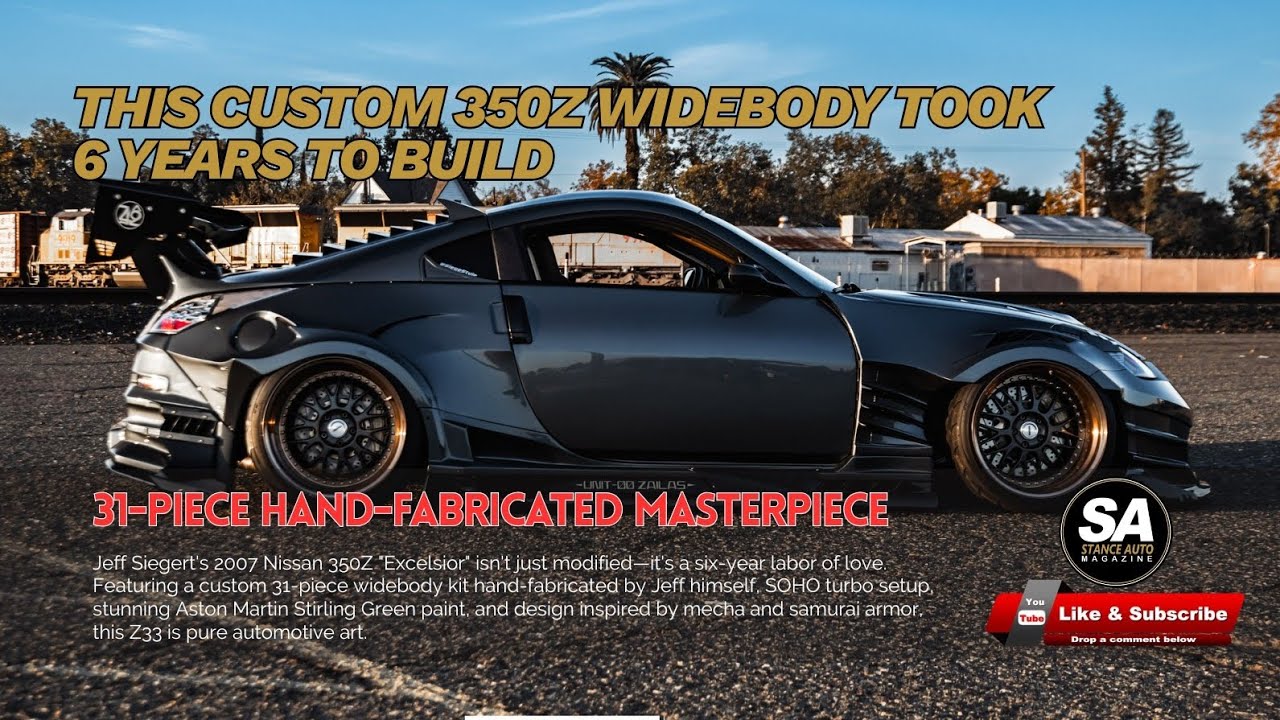
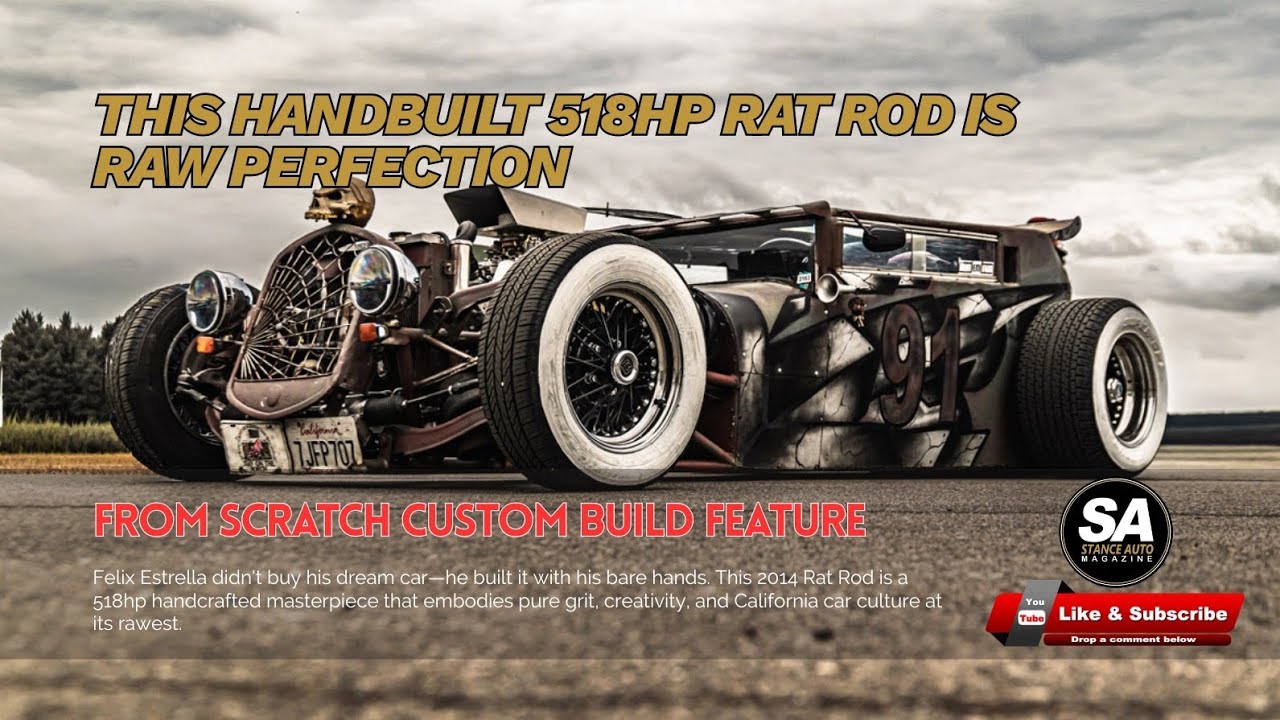








































![[HOONIGAN] KEN BLOCK'S GYMKHANA SEVEN: WILD IN THE STREETS OF LOS ANGELES](https://cdn.motor1.com/images/mgl/2KlO4/s1/ken-block-london-tour-directors-cut.jpg)

































Car Guy Questions: Everything You Need to Know About Modifying Cars
Got questions about modifying your car? We answer every car guy question—from legality and insurance to best first mods, costs, and how to avoid expensive mistakes.
So You Want to Modify Your Car — But You've Got Questions
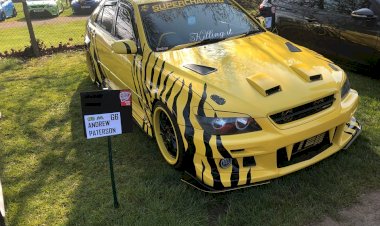
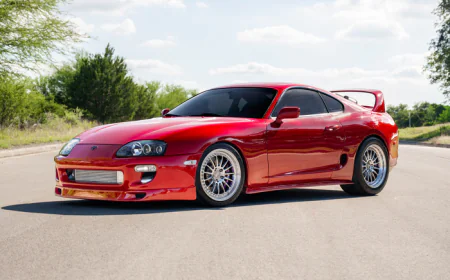
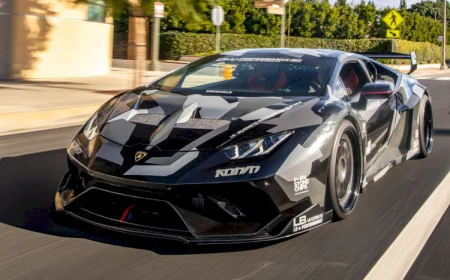
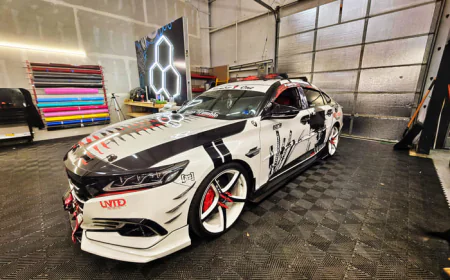
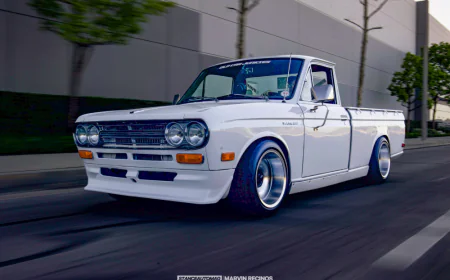
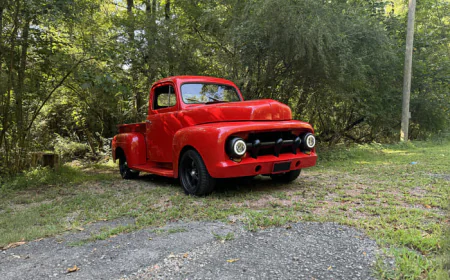
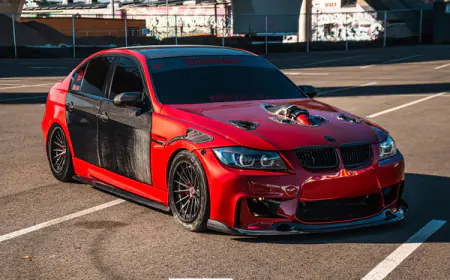
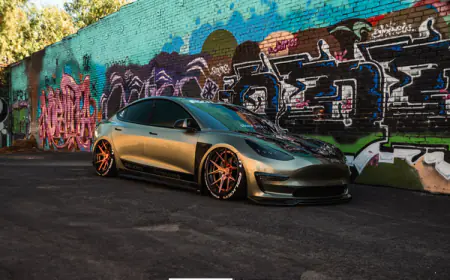
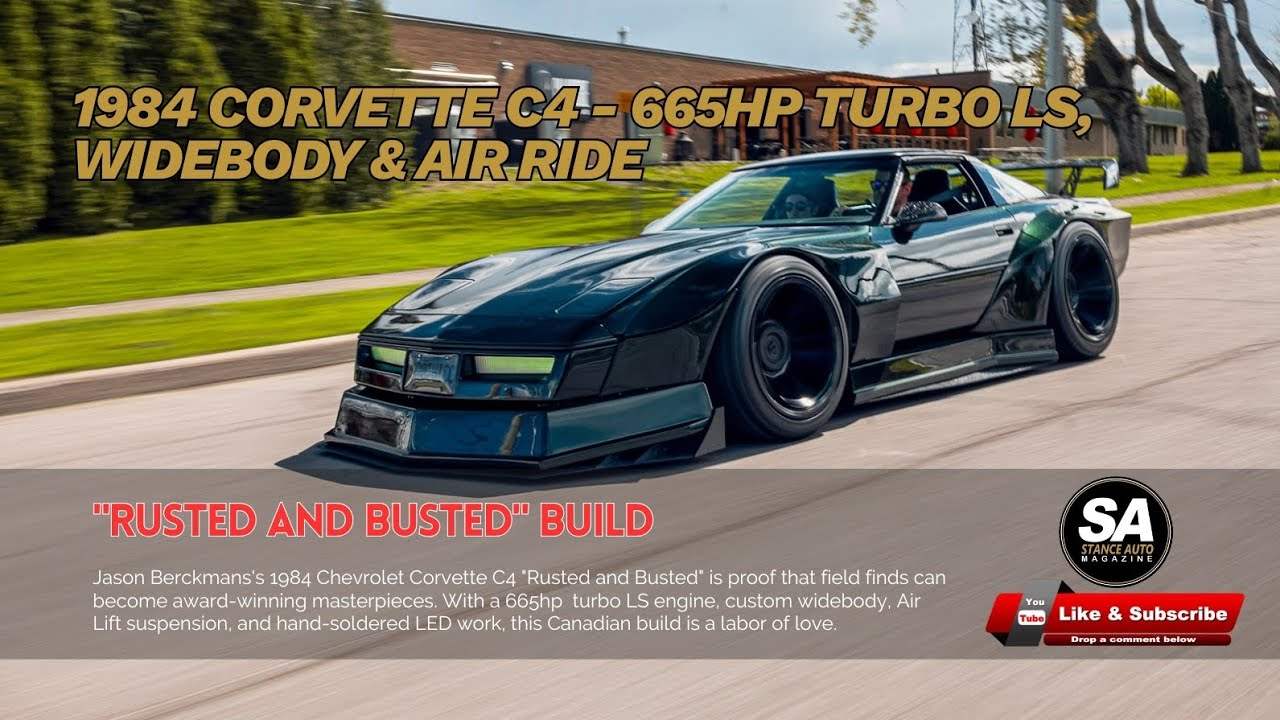
Let's be honest for a second. The moment you start thinking about modifying your car, your brain immediately goes into overdrive. You're lying in bed scrolling through Instagram, seeing absolutely mental builds — widebody kits, airbag setups, turbocharged sleepers — and you're thinking, "I want that. I want my car to look like that, or sound like that, or go that fast." And then reality hits. Because between the dream and the finished build sits an absolute minefield of questions, decisions, costs, and potential catastrophes that nobody really warns you about until it's too late.
This is the article nobody writes, but everybody needs. It's not a listicle of "10 best mods" or a surface-level guide that tells you to "do your research" without actually helping you do it. This is the comprehensive, no-BS answer to every single question that's been rattling around in your head since you first thought about dropping your car or fitting a bigger turbo. Whether you're a complete beginner who doesn't know a cold air intake from a cat-back exhaust, or you're a few mods deep and starting to wonder if you've made some expensive mistakes, this is for you.
We're going to cover legality, insurance, budgets, what mods actually work, what mods are a waste of money, how to avoid breaking your car, and — crucially — how to stop yourself from spending five grand on parts that don't work together. This is every car guy question about modifying cars, answered properly, in one place. Over at Stance Auto Magazine, we've seen thousands of builds, talked to hundreds of modders, and learned from a lot of very expensive mistakes. Let's get into it.
"Is Modifying My Car Actually Legal in the UK?"
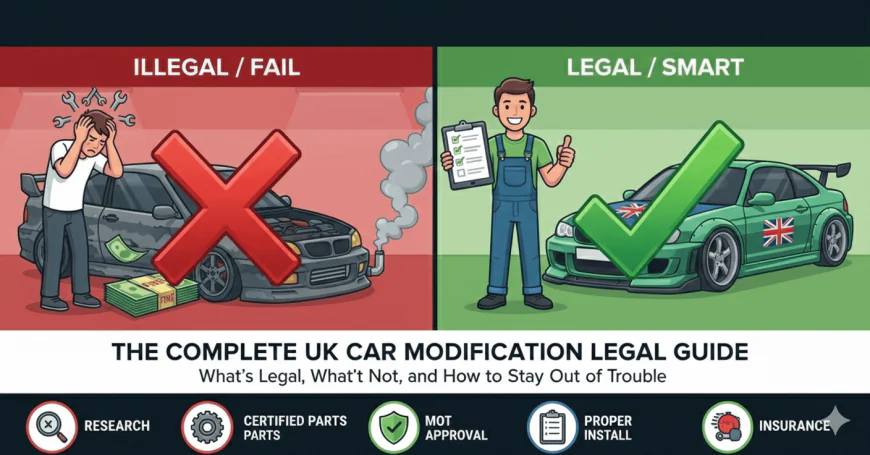
This is the big one, and it's the question that should come before literally everything else. Because here's the uncomfortable truth: a lot of modifications that look cool, sound cool, or make your car faster are either outright illegal or exist in a legal grey area that could land you with fines, points on your licence, or even your car being seized.
The UK has strict regulations around vehicle modifications, and they're enforced through a combination of MOT testing, roadside checks, and noise regulations. Let's break down what you can and can't do without ending up on the wrong side of the law.
What's Legal
The good news is that most cosmetic modifications are perfectly legal. You can change your wheels, lower your suspension (as long as it's done properly and the car still passes its MOT), fit a body kit, repaint your car, upgrade your interior, and fit aftermarket lights — as long as everything is done to a safe standard and doesn't compromise visibility or safety. Performance exhaust systems are also legal, but only if they don't exceed 74 decibels for cars made before 2016 or 72 decibels for newer models. That means cat-back and axle-back systems from reputable brands are usually fine, but straight pipes and decat setups will almost certainly get you pulled over and fined.
Window tints are allowed, but only on the rear windows and rear windscreen. The front windscreen must allow at least 75% light transmission, and the front side windows must allow 70% or more. Any darker than that, and you're breaking the law. Neon lights are legal if they're fitted underneath the car, not flashing, and not visible from outside — but honestly, unless you're parking up at a car show, it's probably best to avoid them altogether.
What's Illegal
Here's where it gets serious. Removing your catalytic converter (a decat) is illegal for road use in the UK. It will cause your car to fail its MOT on emissions alone, and if you're caught driving it on public roads, you can be fined £1,000. Straight pipes that delete all mufflers are also illegal if they make your car louder than the legal limit. Police have noise testing equipment, and if they pull you over and your exhaust is too loud, you're looking at an on-the-spot fine of £50 and an order to remove it. If you don't comply, the penalties get much steeper.
Tinted front windows beyond the legal limit will get you a Prohibition Notice, which means you can't drive your car until the tints are removed. Flashing or coloured lights (red, green, purple, or neon) on the exterior or interior of the car are illegal and will get you pulled over immediately. And if you've fitted a body kit with sharp edges or protruding components that could injure a pedestrian, that's also illegal under safety regulations.
The bottom line? Stick with modifications from reputable brands that are designed to be road-legal, and avoid anything that involves deleting emissions equipment, making your car excessively loud, or messing with lights and visibility. If you're unsure, check with your local MOT testing station or consult with a professional installer before you commit. As we covered in our guide to what counts as modifying a car, even small changes can have legal implications if you're not careful.

"Will Modifying My Car Destroy My Insurance?"
Short answer: it depends. Longer answer: it absolutely can, but it doesn't have to. Here's the deal. Any modification to your car — no matter how small — must be declared to your insurance company. And yes, that includes seat covers, aftermarket wheels, a new exhaust, lowered suspension, or a remap. If you don't declare it and you need to make a claim, your insurer can (and probably will) void your policy entirely, leaving you with a crashed car, no payout, and a huge bill to deal with on your own.
The problem is that a lot of modifications increase your insurance premium. Why? Because insurers see modified cars as higher risk. They're more likely to be driven enthusiastically, more likely to be stolen (especially if they're modified expensively), and more likely to be involved in accidents. Performance modifications — remaps, turbo upgrades, bigger brakes — tend to push premiums up the most, because they directly affect how fast the car can go. Cosmetic mods like body kits and wheels have less of an impact, but they still need to be declared.
That said, not all insurers treat modifications the same way. Specialist modified car insurance brokers — companies like Adrian Flux, Keith Michaels, and Performance Direct — understand the modified car scene and often offer much better rates than mainstream insurers. They know that someone who's spent thousands modifying their car is probably going to take better care of it, which actually makes them a lower risk in some cases. Some modifications, like dashcams, parking sensors, and upgraded security systems, can even lower your premium.
The key is to shop around. Get quotes from at least three or four different insurers, and be completely honest about every modification you've made. If you lie and get caught, it's game over. Also, consider adding an experienced driver as a named driver on your policy — it can bring the cost down significantly, as long as they genuinely do use the car from time to time. As we discussed in our article on modified cars and what you need to know, transparency with your insurer is everything.

"What Are the Best First Mods for a Beginner?"
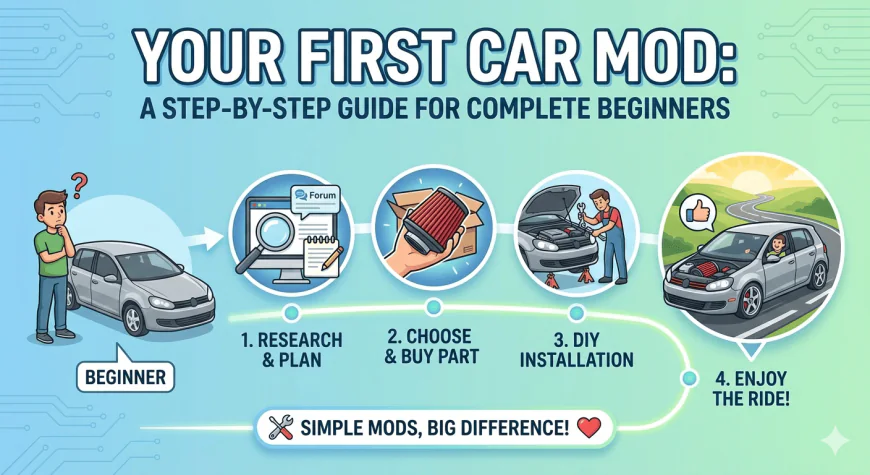
You've decided you want to start modifying your car, but you don't know where to begin. You've got a budget, a vision, and a lot of enthusiasm — but you're paralysed by choice. Should you go for wheels? Suspension? Exhaust? Remap? The truth is, the best first mod depends entirely on what you want from your car. But there are a few modifications that consistently deliver great results for beginners without requiring massive budgets or technical expertise.
Wheels and Tyres
This is the single most transformative modification you can make for the money. A set of quality aftermarket wheels with the right offset and width can completely change the stance and visual presence of your car. Pair them with some decent tyres, and you'll also notice improvements in grip, handling, and road feel. You can pick up a good set of second-hand alloys for a few hundred quid, or go brand new if your budget allows. Just make sure you're not going too wide or too low-profile — you still need to be able to drive the thing without destroying your suspension on every pothole.
Lowering Springs or Coilovers
If you want your car to sit lower and handle better, lowering springs are a great entry-level option. They're relatively cheap (£150–£400 for a decent set), easy to fit by a professional, and they'll give your car a much more aggressive stance without going overboard. If you've got a bigger budget and you want adjustability, coilovers are the way to go. They let you dial in exactly how low you want to sit and how stiff you want the ride to be. Just be aware that lowering your car too much can cause issues with speed bumps, driveways, and MOT testing.
Performance Air Filter or Cold Air Intake
A high-flow air filter (like a K&N drop-in) or a cold air intake system is one of the easiest performance mods you can do. It's cheap, it's reversible, and it'll give you a small bump in horsepower (usually around 5–10hp) plus a much nicer intake sound under acceleration. It's not going to transform your car, but it's a solid starting point that sets you up for bigger mods down the line. If you're planning to turbocharge or supercharge later, skip the intake for now — you'll be replacing it anyway when the forced induction goes in.
Cat-Back Exhaust System
If you want your car to sound better without breaking the bank or the law, a cat-back exhaust is the mod you're looking for. It replaces everything from the catalytic converter to the rear bumper, giving you a deeper, more aggressive tone without deleting any emissions equipment. Brands like Milltek, Scorpion, and Borla all make road-legal systems that sound fantastic and won't cause you any MOT headaches. Expect to pay anywhere from £400 to £1,500 depending on the brand and your car. For more on this, check out our guide to the best car exhaust systems for 2026.
The key with first mods is to start small, learn as you go, and don't rush. Every modification teaches you something about your car, and the knowledge you gain from fitting wheels or lowering springs will make the bigger, scarier mods much less intimidating later on. As we highlighted in our top 10 value-for-money car mods guide, you don't need to spend thousands to make a real difference.
"How Much Does It Actually Cost to Modify a Car?"
This is the question everyone asks, and the answer is genuinely, honestly: it depends. You can spend £500 and make a noticeable difference, or you can spend £50,000 and still not be finished. The cost of modifying a car is determined by a handful of key factors: the type of modifications you're making, the quality of the parts you're using, whether you're doing the work yourself or paying someone else, and how far down the rabbit hole you're willing to go.
Budget Builds (£500–£2,000)
If you're working with a tight budget, you can still make a big impact. A set of second-hand wheels, some lowering springs, a cat-back exhaust, and a good detail can transform the look and feel of your car for under two grand. The key is to be smart about where you spend your money. Buy second-hand wheels from trusted sellers, shop around for exhaust deals, and do as much of the work yourself as you can. At this budget level, cosmetic mods give you the most bang for your buck.
Mid-Range Builds (£2,000–£10,000)
This is where things start to get serious. You're looking at coilovers, upgraded brakes, a full exhaust system, an ECU remap, wider wheels and tyres, and possibly a body kit or wrap. You're also starting to factor in professional labour for more complex jobs like suspension fitting, brake upgrades, and tuning. This is the sweet spot for most enthusiasts — enough money to make real performance and aesthetic gains without going completely bankrupt.
High-End Builds (£10,000+)
Once you're spending five figures, you're in deep. Turbo or supercharger kits, forged engine internals, upgraded fuel systems, full custom interiors, air suspension, widebody kits — this is where the serious builds happen. You're also paying for professional fabrication, custom tuning, and potentially a lot of trial and error. At this level, it's not uncommon for builds to stretch into the £20,000–£50,000 range, especially if you're chasing big horsepower or show-car levels of finish. We explored this in much more detail in our article on how much it costs to modify a car.
The most important lesson? Set a realistic budget and stick to it. Modifying cars is addictive, and it's very easy to keep adding "just one more thing" until you've spent twice what you planned. Prioritise the mods that matter most to you, and accept that builds take time. You don't have to do everything at once.
"Can I Modify a Car I'm Still Paying Finance On?"
This is a surprisingly common question, and the short answer is: probably not, or at least not without permission. If you've bought your car on finance — whether that's PCP, HP, or a lease — you don't technically own the car until you've made the final payment. The finance company is the legal owner, and most finance agreements include clauses that restrict or outright prohibit modifications without written consent.
Why? Because modifications can affect the car's value, and if you default on the payments and the finance company has to repossess the car, they want to be able to sell it easily. A modified car is harder to sell, and it's often worth less on the used market (even though you've spent thousands on it). Some finance companies will allow minor cosmetic modifications like wheels or a wrap, but performance mods are almost always a no-go.
If you're determined to modify a financed car, contact your finance provider and ask for written permission before you start. Explain what you're planning to do, and get their approval in writing. If they say no and you do it anyway, you're breaching your contract, and they could repossess the car or hit you with penalties. It's not worth the risk.
The safest approach? Wait until you own the car outright, or buy a cheap second car specifically for modifying. That way, you're not putting your daily driver or your finance agreement at risk.
"What Mods Should I Avoid as a Beginner?"
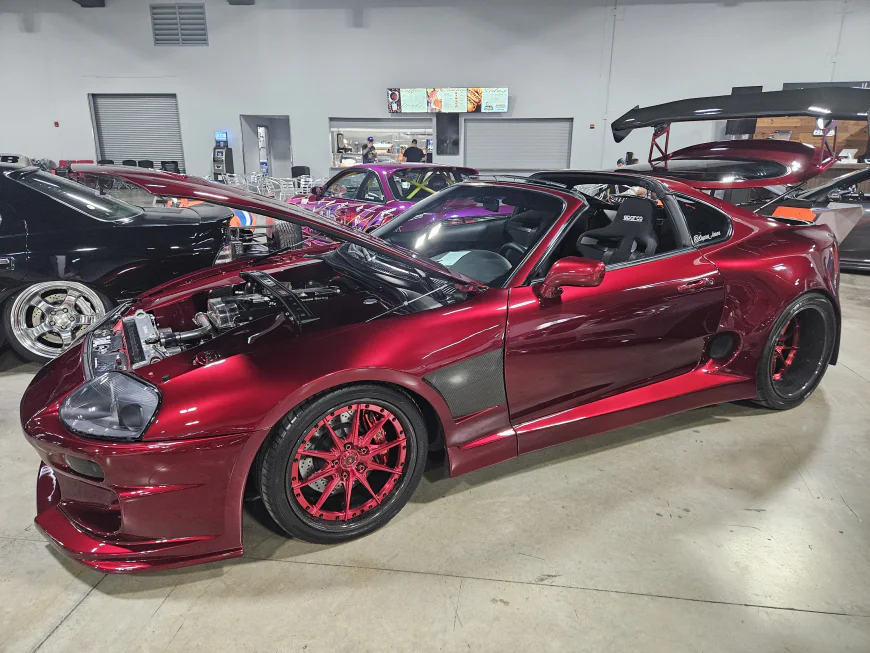
Not all modifications are created equal. Some are genuinely transformative and deliver real-world benefits. Others are expensive, complicated, unreliable, or just plain pointless. If you're new to modifying cars, there are a few mods you should steer well clear of until you've got more experience, a bigger budget, and a better understanding of what you're getting into.
Engine Internals and Forced Induction
Turbocharging or supercharging your car is the dream for a lot of people, but it's also one of the most expensive, complex, and risky modifications you can do. A proper turbo or supercharger kit can cost anywhere from £3,000 to £10,000+, and that's before you factor in the supporting mods you'll need — upgraded fuel system, forged engine internals, bigger brakes, stronger clutch, professional tuning — the list goes on. If you don't know what you're doing, you can easily end up with a car that's unreliable, undrivable, or blown to bits.
Cheap Coilovers and Suspension
There are a lot of ultra-cheap coilover kits on the market from brands you've never heard of, and they're tempting when you're on a budget. Don't do it. Cheap suspension is harsh, uncomfortable, leaks oil, and can genuinely make your car dangerous to drive. If you can't afford a decent set of coilovers from a reputable brand like BC Racing, Tein, or KW, stick with lowering springs for now. Your back, your wallet, and your passengers will thank you.
Nitrous Oxide Kits
Nitrous is cool in movies, but in real life, it's a recipe for disaster if you don't know what you're doing. A nitrous oxide kit adds a huge amount of stress to your engine, and if it's not set up perfectly with proper fueling and tuning, you can blow your engine to smithereens in seconds. It's also expensive to refill, and using it improperly can void your insurance and potentially land you in legal trouble. Save nitrous for when you've got a fully built engine and a professional tuner on speed dial.
Extreme Camber and Stretch
Yes, it looks cool on Instagram. No, it's not practical, safe, or legal in most cases. Extreme negative camber (where your wheels are angled so far inward that only the inside edge touches the road) destroys your tyres, ruins your handling, and can fail you on your MOT. Same goes for stretched tyres — fitting tyres that are far too narrow for your wheels. It's a style thing, and if you're building a show car that never sees the road, go wild. But for a daily driver? It's a terrible idea.
"How Do I Make Sure My Mods Actually Work Together?"
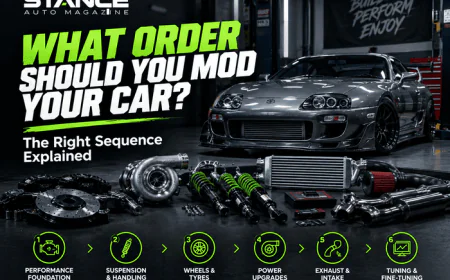
This is one of the most overlooked aspects of modifying cars, and it's where a lot of beginners go wrong. You can buy the best parts from the best brands, but if they don't work together as a system, you're wasting your money. A car is a carefully balanced machine, and every modification you make affects something else. Change your exhaust, and you might need a remap. Fit a bigger turbo, and you'll need a stronger fuel system. Lower your suspension, and you might need shorter drop links or adjustable arms.
The key is to plan your build as a whole, not as a series of individual purchases. Before you buy anything, sit down and map out exactly what you want to achieve. Are you building a track car? A show car? A fast road car? A daily driver with a bit more grunt? Once you know your goal, you can start researching which mods work well together and which ones conflict.
Talk to people who've already built similar cars. Join forums, Facebook groups, and car clubs dedicated to your make and model. Ask questions, share your plans, and listen to the advice you get. Experienced modders will tell you which parts are worth the money, which ones are garbage, and which ones you're going to regret buying six months down the line. Don't be afraid to admit you don't know something — everyone started as a beginner, and the car community is generally very helpful if you approach it with humility and a willingness to learn.
And for the love of all that is holy, don't just buy parts because they're cheap or because they look cool on someone else's car. Do your research. Read reviews. Watch YouTube videos. Make sure the parts you're buying are actually compatible with your car and will deliver the results you're after. As we explored in our guide to the best mods for more horsepower, stacking the right mods in the right order is what separates a successful build from an expensive disaster.
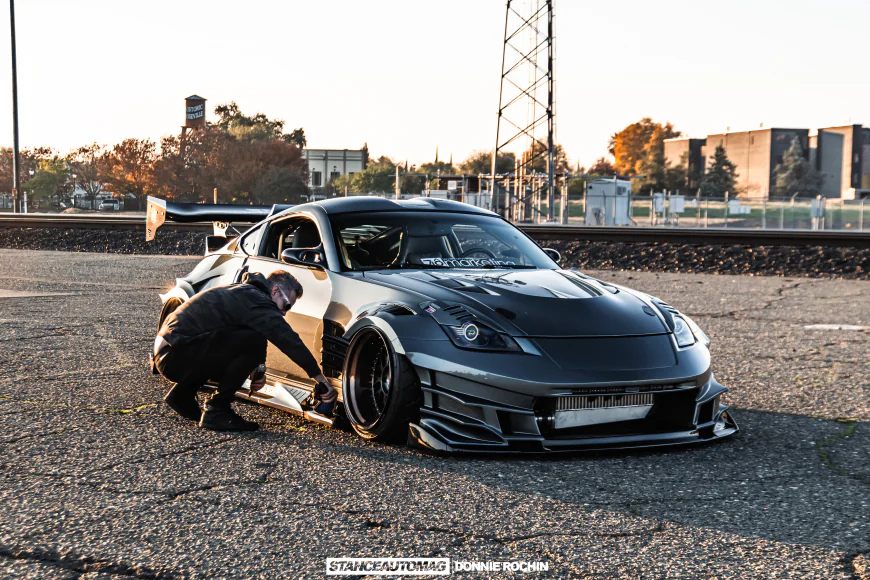
"Should I Do the Work Myself or Pay a Professional?"
This is the eternal dilemma, and the answer depends on your skill level, your budget, your tools, and the complexity of the modification. Some mods are genuinely beginner-friendly and can be tackled with basic hand tools and a YouTube tutorial. Others require specialist equipment, professional knowledge, and years of experience to do safely and correctly.
Mods You Can Do Yourself
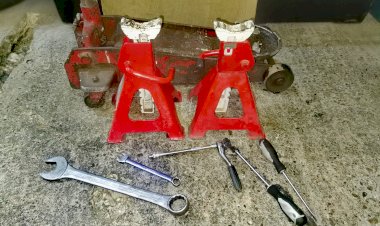
If you're reasonably handy with a spanner and you've got a weekend to spare, you can probably handle things like fitting a cold air intake, swapping out your air filter, installing seat covers, fitting aftermarket floor mats, or even changing your wheels and tyres (as long as you've got a jack, axle stands, and a torque wrench). These are low-risk, high-reward mods that don't require any specialist skills.
Slightly more advanced — but still achievable for a confident DIYer — are things like fitting an exhaust system (cat-back or axle-back), replacing spark plugs, upgrading brake pads, or fitting a short shifter. You'll need more tools, a bit more time, and a decent understanding of how your car works, but they're all doable with patience and the right guidance.
Mods You Should Leave to the Professionals
Anything involving suspension work, engine tuning, turbo installation, brake line bleeding, electrical work, or welding should be left to the professionals unless you really, genuinely know what you're doing. These are the mods that can go catastrophically wrong if they're done incorrectly, and the cost of fixing a botched DIY job is almost always higher than just paying a professional in the first place.
ECU remapping and tuning should always, always, always be done by a reputable specialist with a rolling road and the right software. A bad remap can destroy your engine, void your warranty, and leave you stranded at the side of the road with a car that won't start. Don't cheap out on tuning. Ever.
The bottom line? Know your limits. If you're not confident, don't risk it. A good mechanic or modification shop will do the job properly, safely, and with a warranty to back it up. That peace of mind is worth every penny.
Final Thoughts: Modify Smart, Not Fast
Modifying your car is one of the most rewarding hobbies you can have. It's creative, it's challenging, it teaches you about engineering and problem-solving, and it gives you a sense of ownership and pride in your vehicle that you just don't get from driving a bone-stock car off the forecourt. But it's also a hobby that can spiral out of control if you don't approach it with a clear head and a solid plan.
The best advice we can give you? Start small. Learn as you go. Don't rush. Every modification you make teaches you something, and the knowledge you gain from fitting a set of wheels or a new exhaust will make the bigger, scarier mods much less intimidating when the time comes. Talk to people who've been there before. Join the community. Share your build. Learn from other people's mistakes so you don't have to make them yourself.
And most importantly, enjoy it. This is supposed to be fun. Yes, it's expensive. Yes, it's frustrating at times. Yes, you'll probably make a few mistakes along the way. But when you're sitting behind the wheel of a car that you've built with your own hands, driving something that's uniquely yours and reflects your taste, your style, and your vision — that feeling is worth every penny, every hour, and every bit of effort you put into it.
For more inspiration and guidance, check out our collection of popular car modifications and our budget-friendly mods guide. Get out there, build something amazing, and don't forget to share it with us when you're done.
Related Articles
- Car Guy Questions: Everything About Modifying Cars
- UK Car Modification Legal Guide
- Modified Car Insurance Explained
- Your First Car Mod: Step-by-Step Guide
- Common Car Modification Mistakes to Avoid
 Like
0
Like
0
 Dislike
0
Dislike
0
 Love
0
Love
0
 Funny
0
Funny
0
 Angry
0
Angry
0
 Sad
0
Sad
0
 Wow
0
Wow
0