







































.png)








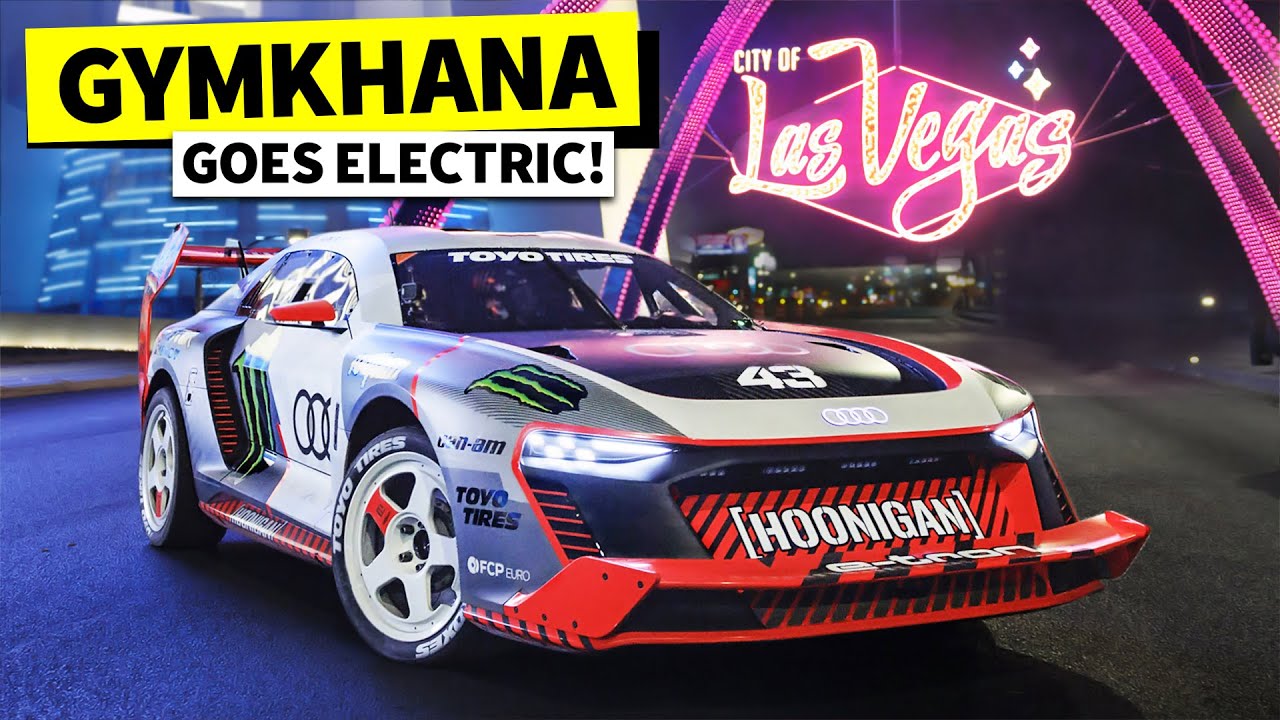
![[HOONIGAN] Ken Block's GYMKHANA NINE](https://img.youtube.com/vi/_bkX5VkZg8U/maxresdefault.jpg)





















































![[HOONIGAN] KEN BLOCK'S GYMKHANA SEVEN: WILD IN THE STREETS OF LOS ANGELES](https://cdn.motor1.com/images/mgl/2KlO4/s1/ken-block-london-tour-directors-cut.jpg)

































Best Track Day Cars Under £20k: Top 5 for 2026
Ultimate track day cars for under £20,000. Lap times, running costs, modification potential, and track-ready options.

The £20k Track Day Sweet Spot
Track days are addictive. Once you've experienced the thrill of pushing a car to its limits on circuit, canyon roads and motorway overtakes feel disappointingly tame. But here's the problem: buying the right track car is surprisingly difficult. Too cheap and you're constantly fixing breakdowns. Too expensive and you're terrified of binning it into a tire wall.
£20,000 is the sweet spot. At this budget, you can buy a genuinely capable track weapon that won't leave you stranded but won't make you cry if you damage it. You're buying proven platforms with massive aftermarket support, strong mechanicals that handle track abuse, and cars with enough performance to be genuinely exciting on circuit.
The best track cars under £20k aren't necessarily the fastest in a straight line. They're the ones that balance lap time capability, running costs, modification potential, and — critically — fun factor. A slightly slower car that's engaging to drive will keep you coming back to track days. A faster car that's boring won't.
In this guide, we break down the top 5 track day cars under £20k in 2026, covering lap time capability, consumables costs, modification potential, common issues, and which suits different types of drivers. Whether you're attending your first track day or you're a seasoned regular looking to upgrade, these are the platforms that deliver.
For broader guidance on choosing affordable performance platforms, see our Best First Car for Modifications — many of those principles scale up to track-focused builds.
What You'll Learn:
- Top 5 track cars with proven capability
- Real-world lap times and performance
- Running costs including consumables
- Modification potential and upgrade paths
- Common problems and reliability
- Which platform suits your driving style
What Makes a Great Track Day Car?
Before diving into specific models, understand what separates a good track car from a mediocre one:
1. Balanced Chassis
Power doesn't matter if the chassis can't put it down. The best track cars have:
- Near-50/50 weight distribution
- Responsive steering
- Predictable handling at the limit
- Adjustability through suspension setup
2. Strong Brakes
Brakes are everything on track. Stock brakes on many performance cars fade after 2-3 hard laps. Good track cars either:
- Have exceptional factory brakes, OR
- Have affordable brake upgrade options
3. Affordable Consumables
Track days eat consumables:
- Brake pads: Every 4-6 track days
- Brake fluid: Every 2-3 track days
- Tires: Every 8-12 track days (aggressive driving)
- Fuel: 15-25 litres per session
If consumables are expensive, track days become financially painful.
4. Modification Potential
Most serious track drivers modify. The best platforms have:
- Proven aftermarket support
- Clear upgrade paths
- Affordable parts
- Strong base to build from
5. Reliability
Breaking down on track ruins the day. Good track cars:
- Handle sustained abuse
- Have strong cooling systems
- Don't have fragile components
- Are easy to fix trackside
For detailed guidance on preparing cars for track use, see our Passing MOT with Modified Suspension which also covers track prep fundamentals.
Top 5 Track Day Cars Under £20k
1. Lotus Elise S2 (2001-2011) — £15,000-£20,000
Why It's Perfect:
The Elise is the purest track car experience under £20k. At just 860-930kg depending on spec, it's featherweight. The mid-mounted engine, double wishbone suspension, and telepathic steering create handling that embarrasses cars costing five times as much.
Performance:
- 0-60 mph: 4.9-5.5 seconds (depending on engine)
- Lap times: 1:10-1:15 at Bedford Autodrome
- Power: 111bhp (1.8 Toyota) to 192bhp (Supercharged)
The secret: The Elise doesn't need power. The standard 1.8 Toyota-powered version (111bhp) is fast enough because it weighs nothing and corners like it's on rails.
Track Capability:
The Elise is transformative on track. Turn-in is instant, mid-corner balance is adjustable with throttle, and corner exit traction is exceptional despite modest power. Brakes are adequate for track use with upgraded fluid and pads.
Consumables Costs:
|
Item |
Cost per Track Day |
|
Brake pads |
£20-30 (last 4-6 days) |
|
Brake fluid |
£15-25 (change every 2-3 days) |
|
Tires |
£40-60 (last 8-10 days) |
|
Fuel |
£30-45 |
|
Total per day |
£105-160 |
Modification Potential:
Power:
- 2ZZ-GE swap (190bhp): £4,000-7,000
- Supercharger (240-260bhp): £5,000-8,000
- K-series swap (220-300bhp): £8,000-15,000
Suspension:
- Nitron coilovers: £2,000-3,000
- Lotus Sport suspension: £1,500-2,500
- Geometry setup: Essential (£200-400)
Common Problems:
- Chassis corrosion (check thoroughly)
- Clamshell condition (replacement expensive)
- Oil starvation on track (baffled sump essential)
- Gearbox wear (especially on 111bhp models)
Verdict: The Elise is unbeatable for pure driving engagement. It teaches you to drive smoothly and precisely. Not the fastest on track, but the most fun and the best learning tool.
2. Honda Civic Type R EP3 (2001-2005) — £5,000-£9,000
Why It's Perfect:
The EP3 Type R proves you don't need rear-wheel drive or massive power to be quick on track. The K20A engine revs to 8,400rpm, the chassis is brilliantly balanced for FWD, and consumables are cheap. Most importantly, at £5-9k purchase price, you can spend £10k+ on modifications and still be under budget.
Performance:
- 0-60 mph: 6.2 seconds
- Lap times: 1:15-1:18 at Bedford (stock)
- Power: 200bhp @ 7,800rpm
Track Capability:
The EP3 is fast on track. Momentum-focused driving rewards smooth inputs. The K20A loves being revved, the gearbox is precise, and the LSD manages torque steer well. Brakes need upgrading for serious track use but pads and fluid are cheap.
Consumables Costs:
|
Item |
Cost per Track Day |
|
Brake pads |
£25-40 |
|
Brake fluid |
£15-20 |
|
Tires |
£30-50 |
|
Fuel |
£35-50 |
|
Total per day |
£105-160 |
Modification Potential:
The EP3 responds beautifully to modifications:
Stage 1 (£3,000-5,000):
- Coilovers (KW, Bilstein): £1,500-2,500
- Brake upgrade (4-pot kit): £1,000-1,800
- Lightweight wheels + R-compound: £1,500-2,500
- Result: 1:12-1:14 lap times
Stage 2 (£6,000-10,000):
- Add cams, header, tune: £2,000-3,500
- Stripped interior: £500-1,000
- Aero (splitter, wing): £800-1,500
- Result: 1:10-1:12 lap times, 220bhp
For detailed Type R modification guidance, see our Civic Type R Comparison.
Common Problems:
- Rust (sills, rear arches)
- 2nd gear synchro wear
- Clutch wear (especially modified)
- Suspension bushings
Verdict: The EP3 is the budget track weapon. Cheap to buy, cheap to run, massive aftermarket. Perfect for beginners or experienced drivers wanting affordable fun.
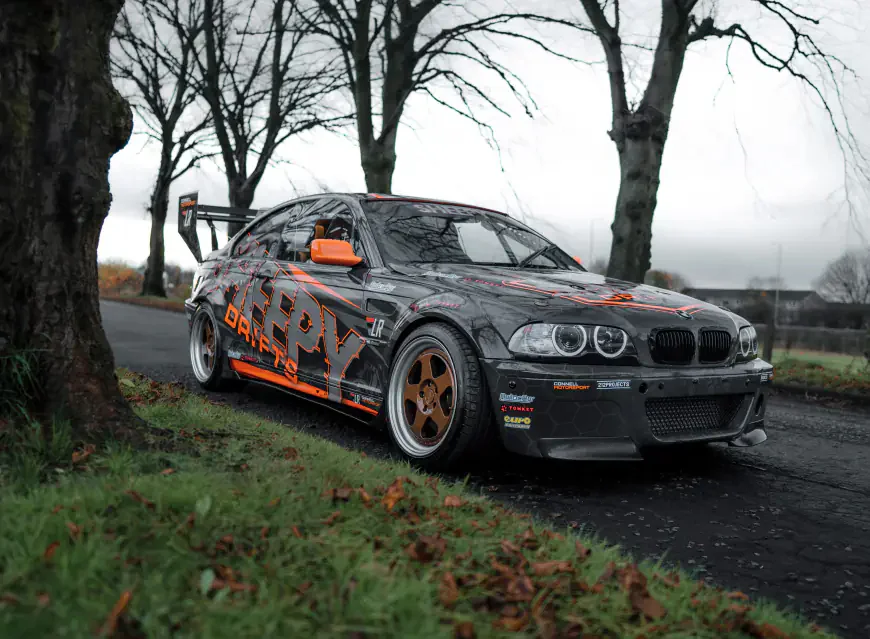
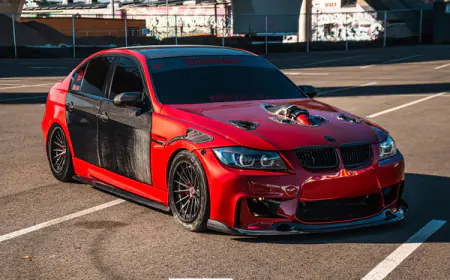
3. BMW E36 M3 (1992-1999) — £8,000-£15,000
Why It's Perfect:
The E36 M3 combines RWD dynamics, inline-six smoothness, and a chassis that professional drivers praise. The S50/S52 engine is reliable and responsive, the gearbox is bulletproof, and aftermarket support is enormous.
Performance:
- 0-60 mph: 5.5 seconds (UK 321bhp)
- Lap times: 1:12-1:16 at Bedford (stock)
- Power: 286-321bhp depending on market
Track Capability:
The E36 M3 is confidence-inspiring on track. The chassis balance is neutral, steering feel is excellent, and the car rewards smooth inputs. It's not as raw as an Elise or as tossable as a MX-5, but it's fast, stable, and predictable.
Consumables Costs:
|
Item |
Cost per Track Day |
|
Brake pads |
£40-70 |
|
Brake fluid |
£20-30 |
|
Tires |
£60-90 |
|
Fuel |
£45-65 |
|
Total per day |
£165-255 |
More expensive than EP3 or MX-5, but manageable.
Modification Potential:
Stage 1 (£4,000-7,000):
- Coilovers (KW, Bilstein): £1,500-2,500
- Big brake kit (4-pot): £1,500-2,500
- LSD (if not fitted): £1,000-1,800
- Result: Significantly improved lap times
Stage 2 (£8,000-15,000):
- Supercharger (450bhp): £6,000-10,000
- Suspension refresh: £2,000-3,000
- Weight reduction: £1,000-2,000
- Result: Sub-1:10 capable
Common Problems:
- Cooling system failures (track use makes this worse)
- Subframe cracks (inspect and reinforce)
- Rear shock mount rust
- Vanos seals
Verdict: The E36 M3 is the gentleman's track car. Refined, capable, and engaging. Consumables cost more than Japanese alternatives but the experience is worth it.
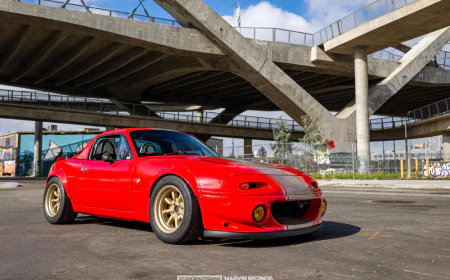
4. Mazda MX-5 NB (1998-2005) — £3,000-£7,000
Why It's Perfect:
The NB MX-5 is the default answer to "what's the best budget track car?" for good reason. Lightweight (1,100kg), balanced (50/50), reliable (it's a Mazda), and with consumables so cheap you can afford to track it monthly.
Performance:
- 0-60 mph: 7.8 seconds (1.8)
- Lap times: 1:18-1:22 at Bedford (stock)
- Power: 140bhp @ 6,500rpm
Track Capability:
The MX-5 isn't fast in a straight line, but it's quick everywhere else. Perfect balance, immediate steering response, and lightweight agility mean corner speed is exceptional. It teaches you to drive smoothly and maintain momentum.
Consumables Costs:
|
Item |
Cost per Track Day |
|
Brake pads |
£20-35 |
|
Brake fluid |
£15-20 |
|
Tires |
£25-40 |
|
Fuel |
£25-35 |
|
Total per day |
£85-130 |
Cheapest running costs of any serious track car.
Modification Potential:
NA build (£4,000-8,000):
- Coilovers: £800-1,500
- Roll bar: £400-700
- Brakes (4-pot): £800-1,500
- Wheels + R-compound: £1,200-2,000
- Result: 1:15-1:17 lap times
Turbo build (£7,000-12,000):
- BBR/FM turbo kit: £3,500-5,000
- Supporting mods: £2,000-3,500
- Suspension + brakes: £3,000-5,000
- Result: 200-230bhp, 1:12-1:14 lap times
For complete MX-5 suspension options, see our Best MX-5 Coilovers.
Common Problems:
- Rust (biggest killer)
- Soft top wear
- Oil leaks
Verdict: The MX-5 is perfect for anyone prioritizing fun and affordability over outright speed. Cheapest to run, most reliable, best learning tool.
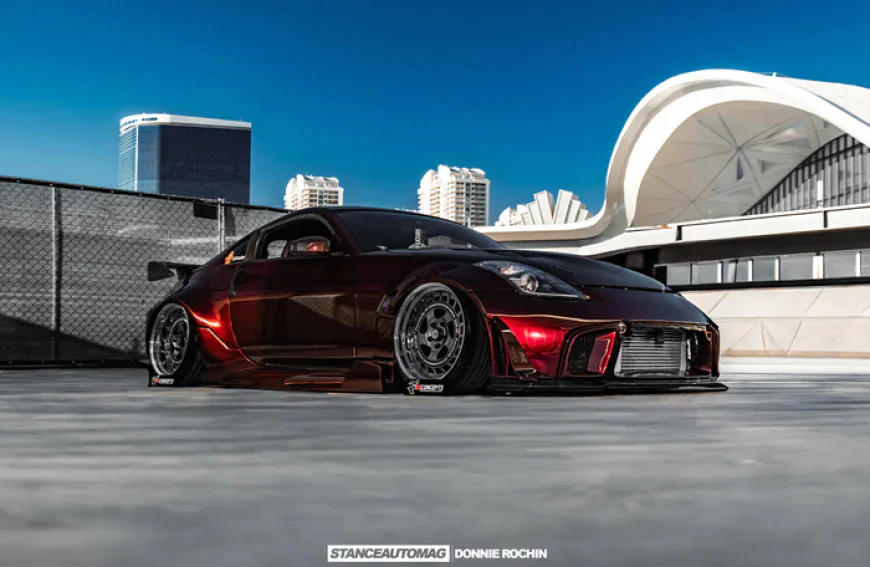
5. Nissan 350Z (2003-2009) — £8,000-£15,000
Why It's Perfect:
The 350Z brings V6 power and RWD dynamics to the track for reasonable money. The VQ35 engine makes 276-306bhp depending on year, the chassis is well-balanced, and the car looks fantastic.
Performance:
- 0-60 mph: 5.4 seconds
- Lap times: 1:12-1:15 at Bedford (stock)
- Power: 276-306bhp @ 6,200-6,800rpm
Track Capability:
The 350Z is fast and engaging. Power delivery is strong across the range, the chassis is neutral with a hint of oversteer on throttle lift, and the brakes are excellent from factory. Weight (1,495kg) is the enemy — it's heavier than ideal.
Consumables Costs:
|
Item |
Cost per Track Day |
|
Brake pads |
£50-80 |
|
Brake fluid |
£20-30 |
|
Tires |
£70-100 |
|
Fuel |
£50-70 |
|
Total per day |
£190-280 |
Most expensive consumables on this list, but manageable for the performance.
Modification Potential:
Stage 1 (£3,000-6,000):
- Coilovers: £1,000-2,000
- Sway bars + bushings: £600-1,200
- Big brake kit (optional): £1,500-3,000
Stage 2 (£6,000-12,000):
- Supercharger (400-450bhp): £5,000-8,000
- Supporting mods: £2,000-4,000
- Result: Genuinely fast
Common Problems:
- Front wheel bearings
- Tire wear (heavy car, RWD)
- Oil consumption (some VQ35s)
- Clutch wear
Verdict: The 350Z is the power option. If you want V6 grunt and don't mind higher consumables, this is your car.
Running Costs Comparison (Annual, 12 Track Days)
|
Car |
Consumables |
Insurance |
Maintenance |
Total/Year |
|
Lotus Elise |
£1,260-1,920 |
£800-1,200 |
£1,000-1,500 |
£3,060-4,620 |
|
Honda EP3 |
£1,260-1,920 |
£600-900 |
£600-1,000 |
£2,460-3,820 |
|
BMW E36 M3 |
£1,980-3,060 |
£800-1,200 |
£1,200-2,000 |
£3,980-6,260 |
|
Mazda MX-5 |
£1,020-1,560 |
£500-800 |
£400-800 |
£1,920-3,160 |
|
Nissan 350Z |
£2,280-3,360 |
£900-1,400 |
£800-1,500 |
£3,980-6,260 |
Which Should You Choose?
For Beginners: Mazda MX-5 NB
Cheapest to run, most forgiving, teaches proper technique. Start here.
For Pure Driving Feel: Lotus Elise
Unbeatable engagement. Every input matters. The best driver's car on this list.
For Value Performance: Honda Civic Type R EP3
Cheap to buy, cheap to modify, surprisingly fast. Best bang-for-buck.
For RWD Experience: BMW E36 M3 or Nissan 350Z
E36 M3 if you want refinement and balance. 350Z if you want power and V6 soundtrack.
For Competition: Lotus Elise (with mods)
With £10k in modifications, a properly set up Elise will beat everything else on this list.

Frequently Asked Questions
Do I need a roll cage for track days?
Not required by most track day organisers, but strongly recommended if you're serious. Cost: £800-2,000 depending on spec.
How often should I change brake fluid?
Every 2-3 track days minimum. Brake fluid absorbs moisture and boils under track use.
Can I use road tyres on track?
Yes, but you'll be slower and they'll wear faster. Semi-slicks or R-compounds are worth the investment for regular track use.
How much does track insurance cost?
£150-400 per track day depending on car value and track. Some people self-insure (risky but saves money).
What modifications should I do first?
Suspension and tyres. Then brakes if needed. Power is usually the last priority for track driving.
How many track days before I need to replace consumables?
Brake pads: 4-6 days. Tires: 8-12 days (aggressive). Brake fluid: Every 2-3 days.
Can I drive my track car to and from the track?
Absolutely. All cars on this list are road-legal and perfectly drivable to/from track days.
Related Articles
- Best MX-5 Coilovers
- Civic Type R Comparison
- Best First Car for Modifications
- Passing MOT with Modified Suspension
 Like
0
Like
0
 Dislike
0
Dislike
0
 Love
0
Love
0
 Funny
0
Funny
0
 Angry
0
Angry
0
 Sad
0
Sad
0
 Wow
0
Wow
0