












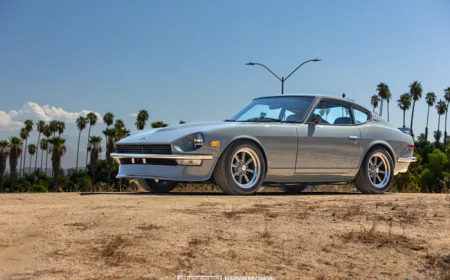
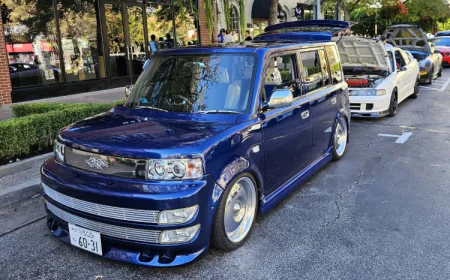
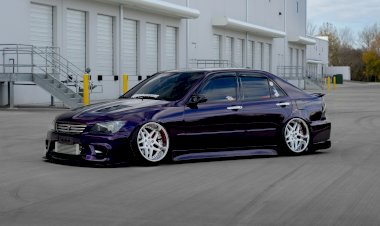
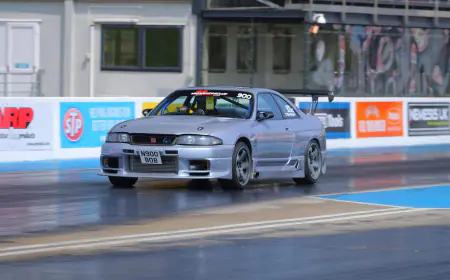











.png)






![[HOONIGAN] Ken Block's GYMKHANA NINE](https://img.youtube.com/vi/_bkX5VkZg8U/maxresdefault.jpg)










































![[HOONIGAN] KEN BLOCK'S GYMKHANA SEVEN: WILD IN THE STREETS OF LOS ANGELES](https://cdn.motor1.com/images/mgl/2KlO4/s1/ken-block-london-tour-directors-cut.jpg)



























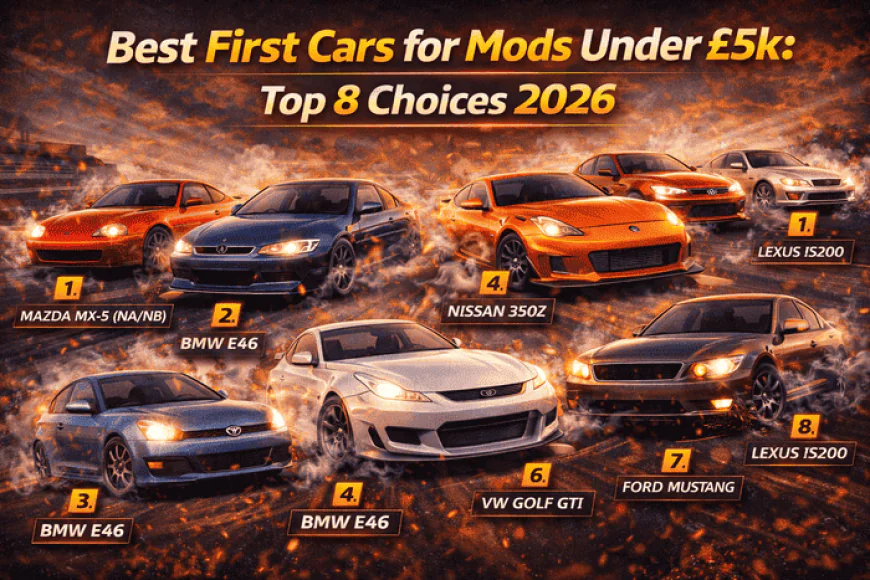
Best First Cars for Mods Under £5k: Top 8 Choices 2026
Best budget cars for modification projects. Affordable platforms with huge aftermarket support and modification potential.
Your First Modification Project: Choosing the Right Platform
Your first modified car is a rite of passage. It's where you learn what works, what doesn't, and — most importantly — where you discover what kind of modifications genuinely matter to you. Do you value straight-line speed or handling balance? Do you want something that looks aggressive or flies under the radar? Are you building for track days, street driving, or weekend meets?
The car you choose as your first modification platform will shape your entire automotive journey. Choose wisely and you'll learn valuable skills, have incredible experiences, and potentially make money when you sell. Choose poorly and you'll sink thousands into a platform with limited potential, expensive parts, and a tiny community to help when things go wrong.
The good news? In 2026, there are brilliant affordable platforms available for under £5,000 that offer huge modification potential, massive aftermarket support, and active communities ready to help beginners. These aren't compromised cars — they're genuinely good platforms that happen to be cheap.
In this guide, we're breaking down the top 8 first cars for modifications under £5k across different categories: hot hatches, drift cars, tuner cars, and track day weapons. As we've documented extensively in our beginner's guide to car modification at Stance Auto Magazine, your first platform matters more than any other decision in your build. Get it right.
What You'll Learn:
- Top 8 affordable platforms with huge modification potential
- What makes a good first project car
- Realistic modification budgets for each platform
- Common problems and what to watch for
- Which platforms suit different types of builds
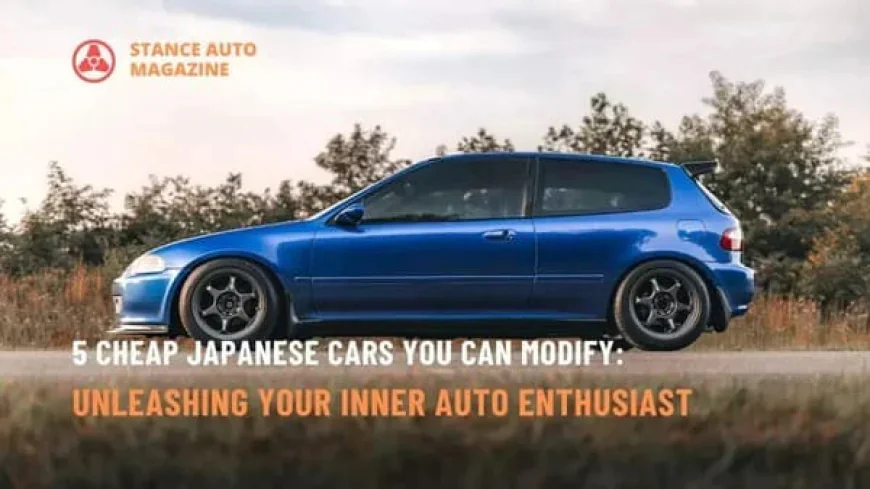
5 Cheap Japanese Cars You Can Modify: Unleashing Your Inner Auto Enthusiast
What Makes a Good First Project Car?
Before jumping into specific recommendations, let's establish what makes a car a good first modification platform:
1. Huge Aftermarket Support
Your first car needs readily available parts. Popular platforms have everything: suspension, engine parts, exhausts, styling components. Obscure cars mean expensive parts, long shipping times from overseas, and fabricating solutions for problems that have been solved a thousand times on more popular platforms.
2. Strong Community Support
You will need help. Forums, Facebook groups, YouTube channels, local meets — these resources are invaluable for first-time builders. Popular platforms have communities where someone has already encountered and solved every problem you'll face.
3. Affordable Parts and Insurance
Budget-friendly modification projects need affordable consumables. Brake pads, tyres, clutches, and service parts for German cars often cost double what Japanese or domestic equivalents cost. Insurance for first-time modified car owners can be eye-watering — choosing an insurance-friendly platform saves hundreds per year.
4. Learning-Friendly
Your first car should be mechanically simple enough that you can learn to work on it yourself. Modern turbocharged engines with complex electronics are amazing but intimidating for beginners. A naturally aspirated inline-four with basic fuel injection? Perfect.
5. Modification Potential
There's no point choosing a platform if it has limited potential. Your first car should be capable of genuine improvement through modifications — better handling, more power, improved aesthetics — without requiring extreme effort or expense.
As we detail in our complete beginner's modification guide, starting with the right platform is 80% of the battle. Choose well and modification becomes fun. Choose poorly and it becomes frustrating.
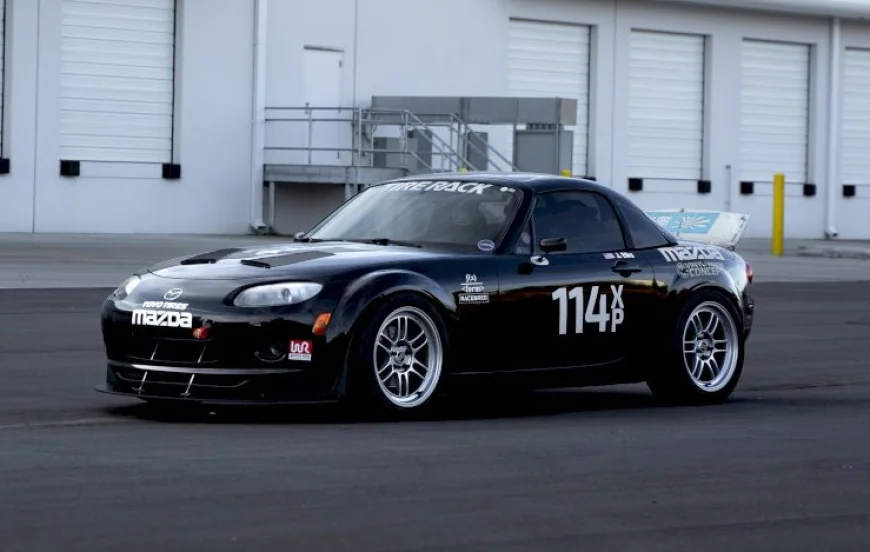
Joshua - 2006 Mazda MX-5 Base model “Ricercar”
The Top 8 First Cars for Modifications Under £5k
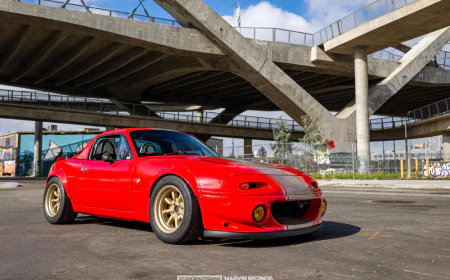
1. Mazda MX-5 NA/NB (1989-2005) — £2,000-£5,000
Best for: Track days, handling-focused builds, learning to drive properly
The Mazda MX-5 is the default answer to "what should my first project car be?" for good reason. It's brilliant out of the box, responds beautifully to modifications, has the largest aftermarket of any affordable sports car, and teaches you proper driving technique through perfect balance and communication.
Why it's perfect for first-time builders:
The MX-5 is mechanically simple. Four-cylinder naturally aspirated engine, rear-wheel drive, no turbo complexity, basic electronics. Everything is accessible — you can change spark plugs, brake pads, or suspension components with basic tools in a driveway. The chassis responds dramatically to suspension upgrades, making it the perfect platform to learn about handling setup, alignment, and corner weighting.
Most importantly, the MX-5 community is enormous and incredibly helpful. Whatever problem you're facing, someone has solved it and documented the fix online.
Realistic modification budget:
- Starter mods (£500-1,000): Intake, exhaust, lowering springs
- Handling setup (£1,000-2,000): Coilovers, sway bars, bushings, alignment
- Track-ready (£2,500-4,000): Add brake upgrade, sticky tyres, roll bar
Power gains: NA builds max out around 140-150bhp without forced induction. Turbo kits (£3-5k) unlock 180-250bhp.
What to watch for: Rust (sills, rear arches, chassis rails), worn soft top, oil leaks from valve cover
For detailed MX-5 suspension options, read our complete MX-5 coilovers guide.
Verdict: The perfect first project car. Cheap, reliable, huge aftermarket, teaches proper driving technique.
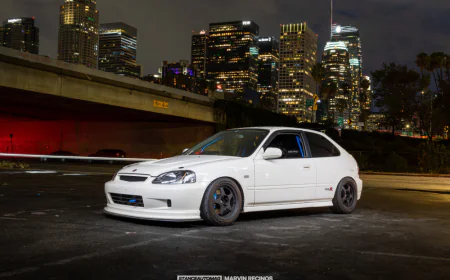
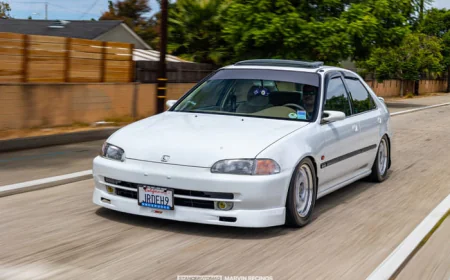
2. Honda Civic EK/EG (1992-2000) — £1,500-£4,000
Best for: Budget tuning, VTEC experience, track days
The sixth and seventh generation Honda Civics represent peak affordable Honda performance. Light, responsive, reliable, and home to the legendary B-series engines (B16, B18) that defined the golden era of VTEC. These are the Civics featured in countless modified car magazines and YouTube builds — proven platforms that deliver genuine fun without breaking the bank.
Why it's perfect for first-time builders:
Honda B-series engines are bulletproof and love to rev. Chassis responds brilliantly to suspension work. Parts are incredibly cheap (both OEM and aftermarket). The cars are light enough (under 1,100kg) that even 150bhp feels genuinely quick. And the community is vast — any problem you encounter has been solved a thousand times before.
The EG (1992-1995) is rawer and lighter. The EK (1996-2000) is more refined and arguably better looking. Both are excellent — choose based on preference and availability.
Realistic modification budget:
- Starter mods (£400-800): Intake, exhaust, springs
- Handling setup (£1,000-2,000): Coilovers, sway bars, strut brace
- Power upgrades (£1,500-3,000): Cams, header, ECU tune for 160-170bhp
- Engine swap (£3,000-6,000): B18C (Integra Type R motor) = 190bhp+
What to watch for: Rust (sills, rear arches), worn suspension bushings, previous owner modifications (quality varies wildly)
Verdict: Outstanding value, huge community, teaches you about VTEC and naturally aspirated tuning.
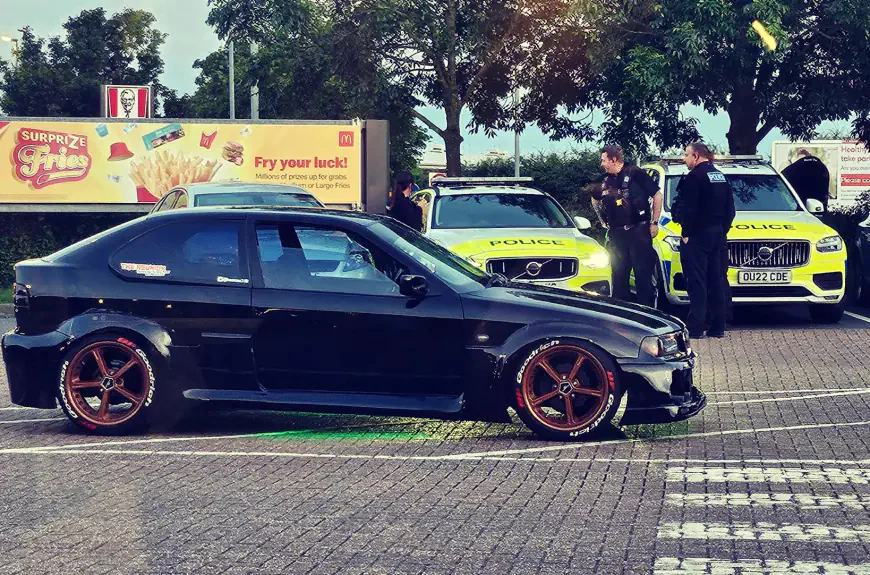
A Mad Max Power Revival: The BMW E36 316i Compact Reviving the Max Power Era
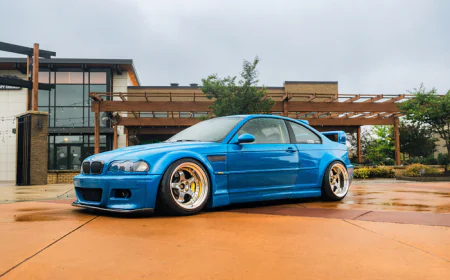
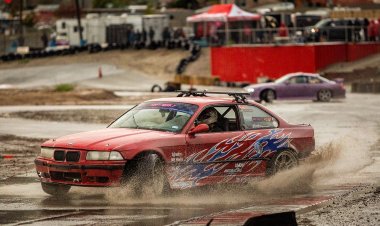
3. BMW E36 (1990-1999) — £1,000-£4,000
Best for: Drift builds, learning RWD dynamics, budget M-car feel
The E36 3-Series is the BMW that launched a thousand drift careers. Rear-wheel drive, available with inline-six power (328i = 193bhp), strong gearbox and diff, and a chassis that's beautifully balanced for learning car control. It's also dirt cheap now — E36s have depreciated to the point where clean examples trade for less than rusty hot hatches.
Why it's perfect for first-time builders:
The E36 teaches RWD dynamics better than almost any other affordable platform. The chassis balance is neutral, the steering feel is excellent, and the mechanical setup is simple and well-documented. Parts are surprisingly affordable (for BMW), and the drift community has developed the platform so thoroughly that every modification path is well-trodden.
Realistic modification budget:
- Starter mods (£500-1,000): Coilovers, welded diff (for drift), intake/exhaust
- Handling setup (£1,500-2,500): Quality coilovers, bushings, alignment, LSD
- Drift-ready (£2,000-3,500): Add angle kit, hydraulic handbrake, seat/harness
Power options:
- 328i (2.8L M52) = 193bhp stock, 210-220bhp with bolt-ons
- M3 (3.0L/3.2L) = 286-321bhp (usually above £5k budget)
- Turbo/supercharger kits available (£3-6k)
What to watch for: Rust (jacking points, floors, boot), cooling system failures, worn suspension, subframe cracks (inspect thoroughly)
Verdict: The budget drift king. Teaches RWD dynamics, huge parts support, dirt cheap to buy.
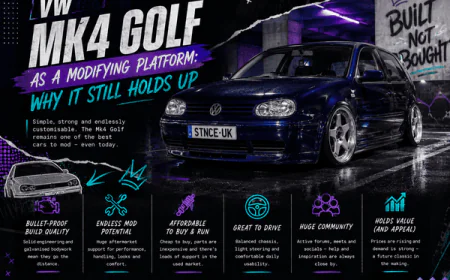
4. Volkswagen Golf Mk4 GTI (1998-2004) — £1,500-£4,500
Best for: Hot hatch builds, turbo tuning, practical daily driver
The Mk4 Golf GTI might not be as celebrated as the Mk2 or as powerful as the Mk5, but it occupies a sweet spot: genuinely quick (180bhp 1.8T engine), practical enough for daily use, and cheap enough that you won't cry when you scrape it on a kerb. The 1.8-liter turbocharged engine responds brilliantly to tuning — 240-260bhp is achievable with bolt-ons and a remap.
Why it's perfect for first-time builders:
The 1.8T engine is one of the most tuner-friendly four-cylinders VW ever built. A remap alone adds 30-40bhp. Combine that with an exhaust and intake, and you're looking at 220-230bhp reliably. The platform is well-supported by companies like Forge, APR, and Revo. And unlike older VWs, the Mk4 is modern enough to be livable as a daily driver.
Realistic modification budget:
- Stage 1 (£800-1,500): Remap, exhaust, intake = 220-240bhp
- Stage 2 (£2,000-3,500): Add intercooler, downpipe = 250-270bhp
- Suspension (£800-1,500): Coilovers, bushings, ARBs
What to watch for: Timing belt (change immediately if no history), coil pack failures, window regulator failures, rust (sills, arches)
For more on hot hatch tuning fundamentals, see our turbo car modification guide.
Verdict: Practical, tuneable, affordable. Perfect if you need a daily driver that's also fun.
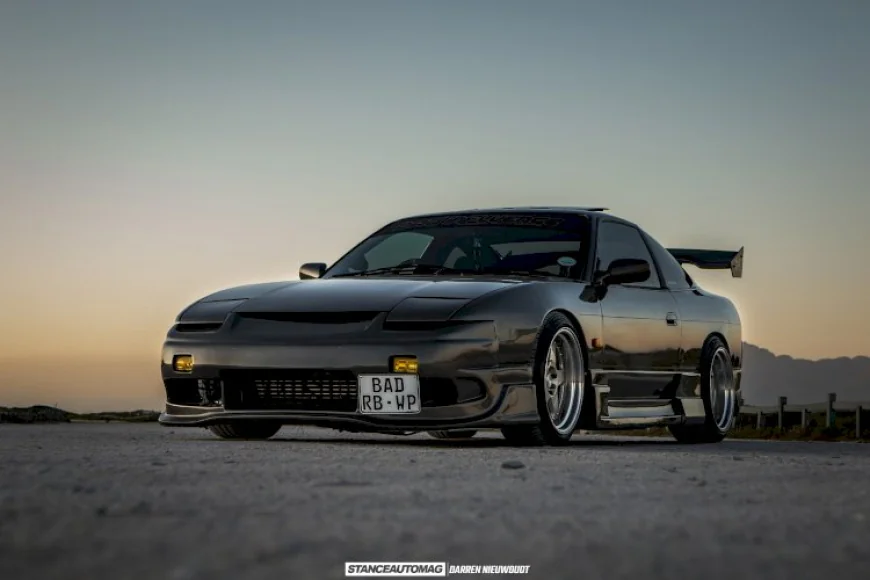
Nissan RB25 NEO 200SX - Ismail Mitchell
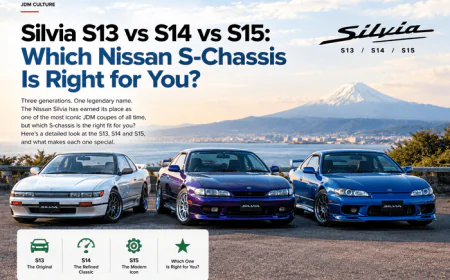
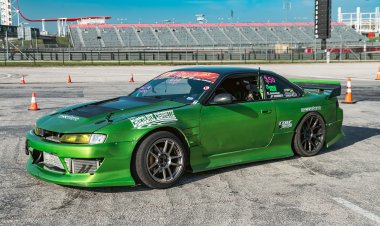
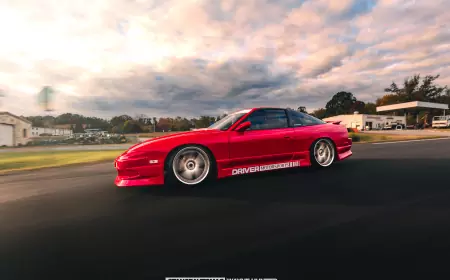
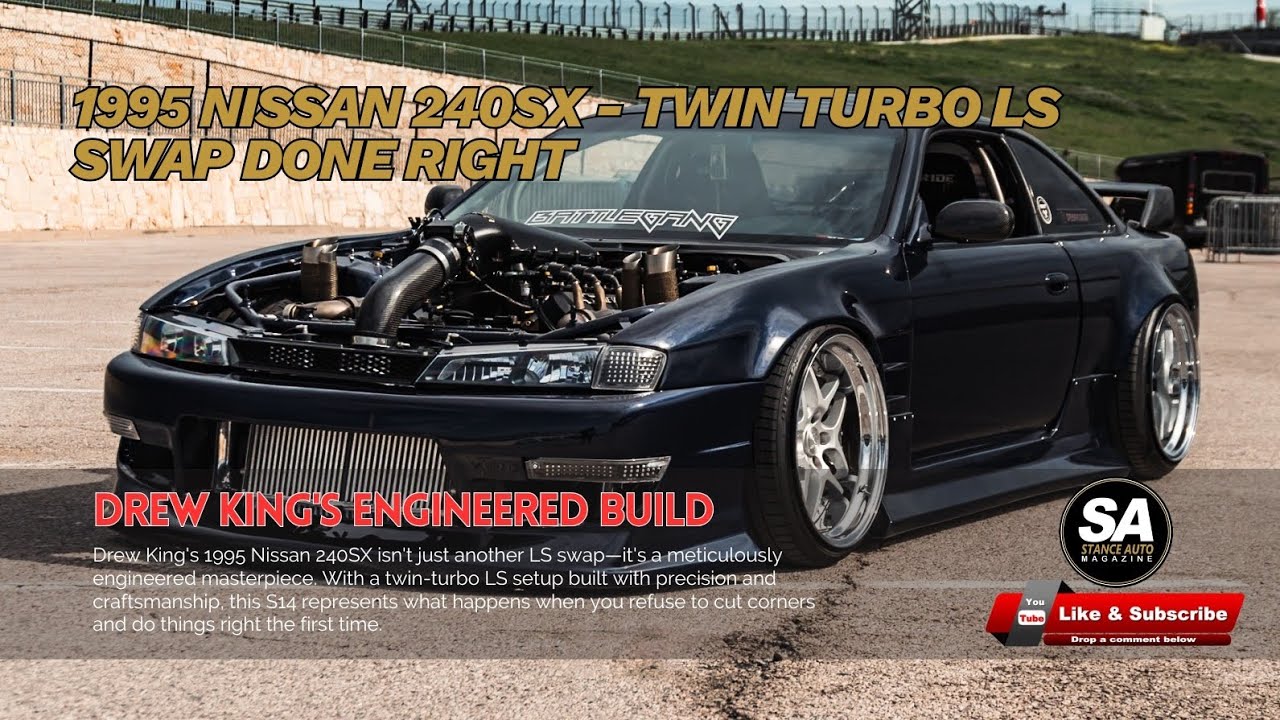
5. Nissan 200SX S14 (1995-1998) — £3,000-£8,000*
*£3-5k gets you a rough/high-mileage example; £5-8k buys cleaner cars
Best for: Drift, turbo tuning, proper JDM experience
The S14 (sold as 200SX in the UK, Silvia in Japan) is the drift car. Rear-wheel drive, SR20DET turbocharged engine, perfect weight distribution, and a chassis that was designed for balanced handling. It's more expensive than other options here — finding a solid S14 under £5k is difficult in 2025 — but if drift is your goal, nothing else on this list comes close.
Why it's perfect for first-time builders:
The SR20DET platform is one of the most documented engines in the tuning world. 300bhp is achievable on stock internals with bolt-ons and a remap. 400bhp is reliable with bigger turbo and supporting mods. The chassis is brilliantly balanced, and the drift community support is unmatched — every possible modification path has been explored and documented.
Realistic modification budget:
- Stage 1 (£1,000-2,000): Exhaust, intake, boost controller, remap = 250-280bhp
- Stage 2 (£3,000-5,000): Larger turbo, injectors, intercooler = 350-400bhp
- Drift setup (£2,000-3,500): Coilovers, LSD, angle kit, hydraulic handbrake
For complete SR20DET build guidance, read our 400bhp SR20DET tuning guide.
What to watch for: Rust (everywhere — these cars rust badly), turbo wear, modified examples with unknown history, accident damage
Verdict: The ultimate budget drift platform. More expensive than alternatives, but worth it if drifting is your passion.
6. Ford Focus Mk1 (1998-2004) — £800-£2,500
Best for: Budget track weapon, learning front-wheel drive handling
The Mk1 Focus is criminally underrated. Ford engineered this car's chassis to the highest standard — it was faster around a track than the contemporary Golf GTI and won multiple handling awards. Today, clean examples trade for pittance because they lack the badge prestige of German rivals. That makes them perfect for first-time builders on tight budgets.
Why it's perfect for first-time builders:
You can buy a solid Focus for £1,000-1,500 and spend the rest of your £5k budget on modifications. Parts are dirt cheap (it's a Ford), insurance is reasonable, and the chassis responds beautifully to suspension upgrades. The Zetec engine is reliable and simple to work on. And if you crash it, you're not out thousands — which gives you confidence to push harder when learning.
Realistic modification budget:
- Starter mods (£500-1,000): Springs, intake, exhaust
- Track setup (£1,500-2,500): Coilovers, ARBs, bushings, sticky tyres, brake pads
- Power upgrades (£1,000-2,000): Cams, remap = 140-150bhp (from 115-130bhp stock)
What to watch for: Rust (sills, rear arches), worn suspension, previous accident damage (check carefully — cheap Focuses are often crashed)
Verdict: Outstanding value. Brilliant chassis, cheap everything, teaches FWD dynamics properly.
7. Toyota Celica T-Sport (1999-2005) — £1,500-£4,000
Best for: Naturally aspirated tuning, learning VVTL-i, budget track car
The Celica T-Sport (or GT-S in the US) is powered by Toyota's legendary 2ZZ-GE engine — the same engine found in the Lotus Elise. 190bhp from a naturally aspirated 1.8-liter four-cylinder, revving to 8,200rpm with a VVTL-i system that engages at 6,200rpm. It sounds incredible, it's reliable, and it's affordable.
Why it's perfect for first-time builders:
The 2ZZ-GE engine is bulletproof and loves to rev. The chassis is well-balanced and responds beautifully to suspension work. Parts availability is excellent (it shares components with the Elise, MR2, Corolla, and more). And the car looks good — aggressive styling that still holds up today.
Realistic modification budget:
- Starter mods (£600-1,200): Intake, exhaust, lowering springs
- Handling setup (£1,200-2,000): Coilovers, ARBs, bushings
- Power upgrades (£2,000-4,000): Supercharger kit (TRD or aftermarket) = 240-260bhp
What to watch for: Lift bolt failure (engine mount, catastrophic if it fails), oil consumption (some 2ZZ engines burn oil), gearbox (6-speed can have synchro issues)
Verdict: Brilliant engine, great styling, excellent platform for learning high-RPM NA tuning.
8. Mini Cooper S R53 (2002-2006) — £2,000-£5,000
Best for: Go-kart handling, supercharger tuning, standing out at meets
The supercharged R53 Mini Cooper S is hilarious. It's tiny, it's quick (163bhp stock, 180-200bhp with simple mods), and it handles like a go-kart. The supercharger whine is addictive, the modifications are well-documented, and the car is just absurdly fun on twisty roads. It's also practical enough for daily use and won't get you pulled over.
Why it's perfect for first-time builders:
The Mini community is huge and supportive. Modification parts are readily available. The supercharger responds brilliantly to pulley changes and tuning. And the compact size means even modest power feels genuinely quick — 180bhp in a 1,100kg car is more than enough for fun.
Realistic modification budget:
- Stage 1 (£800-1,500): Pulley, intake, exhaust, remap = 180-200bhp
- Stage 2 (£2,000-3,000): Add intercooler, ported supercharger = 220-240bhp
- Suspension (£1,000-1,800): Coilovers, bushings, camber adjustment
What to watch for: Supercharger wear (listen for bearing noise), cooling system issues (thermostat housing leaks), power steering pump failure, rust (sills, subframes)
Verdict: Maximum fun per pound. Teaches you about forced induction tuning in a uniquely characterful package.
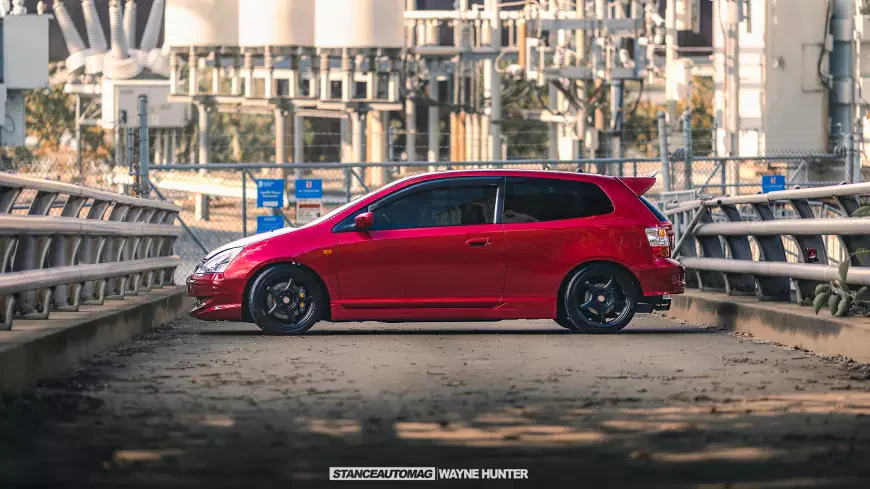
Building a Unique EP3: A Journey Through Passion and Gold Obsession
Which Platform Should You Choose?
For Track Days: Mazda MX-5 or Ford Focus Mk1
Lightweight, balanced chassis, massive aftermarket support. Perfect for learning proper driving technique.
For Drifting: BMW E36 or Nissan S14
Rear-wheel drive, strong mechanicals, huge drift community. The E36 is cheaper, the S14 is more capable.
For Daily Driving: VW Golf Mk4 GTI or Mini Cooper S R53
Practical, reliable, tuneable. You can live with these cars every day while still having fun.
For Engine Tuning: Honda Civic EK or Toyota Celica T-Sport
Brilliant naturally aspirated engines that love to rev. Perfect for learning about VTEC/VVTL-i systems.
For Budget-Conscious: Ford Focus Mk1 or Honda Civic EG
Cheap to buy, cheap to run, cheap to fix. Maximum modification budget left over for actual mods.
Final Advice for First-Time Builders
- Buy the best example you can afford — A well-maintained car beats a cheaper rough example every time
- Budget 50% of purchase price for immediate fixes — You'll always find things that need attention
- Join the community before buying — Forums and Facebook groups will save you thousands
- Start with handling mods, not power — Suspension upgrades teach you more than bolt-ons
- Keep records of everything — Documentation helps resale and helps you troubleshoot issues
- Don't cut corners on safety — Brakes, tyres, and seats/harnesses are not places to cheap out
- Learn to work on it yourself — Labor costs kill budgets; DIY is where you learn
Your first modified car is about the journey, not the destination. Choose a platform you're excited about, join the community, learn as you go, and enjoy every moment.

Frequently Asked Questions
Should I buy modified or standard?
For your first car, buy standard if possible. Previous owner modifications are often poorly done, undocumented, and create more problems than they solve. Better to start clean and build it yourself.
How much should I budget for modifications?
Rule of thumb: match your purchase price. If you spend £3k on the car, budget £3k for modifications over the first year.
Will modifications affect insurance?
Yes — declare everything. Use specialist insurers (Adrian Flux, Greenlight, A-Plan) who understand modified cars. Undeclared modifications void your insurance completely.
Should I modify before or after passing my test?
Wait until you've passed and have a year of driving experience. You'll be a better driver and have a clearer idea of what modifications actually matter.
Can I make money when I sell?
Rarely. Most modifications don't add value to resale. Buy a platform you love and plan to keep for years, not flip for profit.
What modifications should I do first?
Suspension (coilovers, bushings), then tyres, then brakes if upgrading power. Handling and safety before power.
 Like
0
Like
0
 Dislike
0
Dislike
0
 Love
0
Love
0
 Funny
0
Funny
0
 Angry
0
Angry
0
 Sad
0
Sad
0
 Wow
0
Wow
0