











































































.png)











![[HOONIGAN] Ken Block's GYMKHANA NINE](https://img.youtube.com/vi/_bkX5VkZg8U/maxresdefault.jpg)






























































![[HOONIGAN] KEN BLOCK'S GYMKHANA SEVEN: WILD IN THE STREETS OF LOS ANGELES](https://cdn.motor1.com/images/mgl/2KlO4/s1/ken-block-london-tour-directors-cut.jpg)

































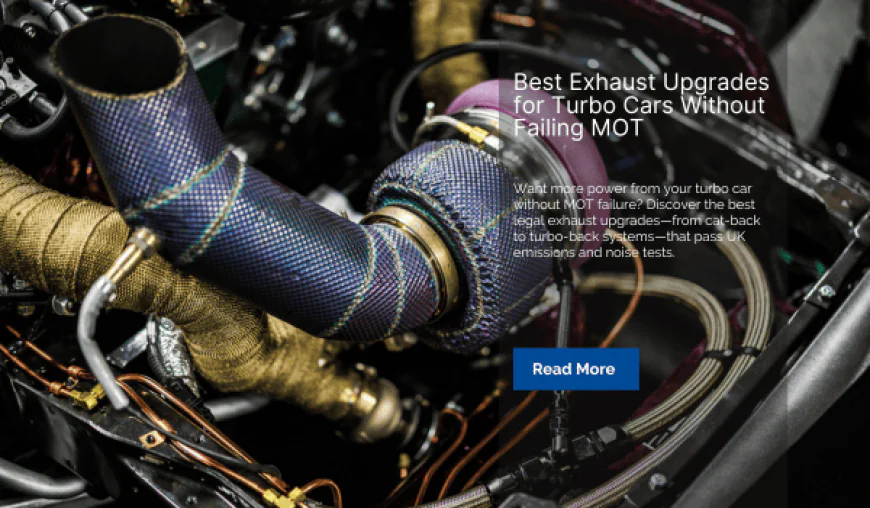
Best Exhaust Upgrades for Turbo Cars Without Failing MOT
Want more power from your turbo car without MOT failure? Discover the best legal exhaust upgrades—from cat-back to turbo-back systems—that pass UK emissions and noise tests.
The Turbo Car Owner's Dilemma
You've got a turbocharged car. Maybe it's a Golf GTI, a Focus ST, an Audi S3, or a Civic Type R. And every time you get on the throttle, you're painfully aware that your car is being strangled by the factory exhaust system. The turbo is working overtime to push exhaust gases through restrictive piping, tight bends, and over-muffled silencers that were designed to meet emissions regulations and keep noise levels at "pensioner-friendly" volumes. You know there's power trapped in there — proper, usable power that could be unlocked with a better exhaust. But you also know that one wrong move, one ill-advised mod, and you're looking at an MOT failure, a voided insurance policy, or a £1,000 fine for deleting your catalytic converter.
Want to see more affordable project cars? If you are planning your own custom build layout, check out our comprehensive guide to the best JDM cars under £15k in 2026 to find a high-value performance platform before prices jump.
This is the reality of modifying turbocharged cars in the UK in 2026. The performance gains from exhaust upgrades on turbo cars are genuinely substantial — we're talking 15 to 40+ horsepower depending on the system and supporting mods — but the legal landscape is tighter than it's ever been. Noise limits have dropped to 72 decibels for most cars, with new vehicles approved after July 2026 facing an even stricter 68-decibel limit. Police forces across the UK are trialling noise cameras in cities like Bradford, Bristol, and Birmingham, and MOT testers are under pressure to crack down on modified exhausts that breach regulations.
But here's the good news: it is absolutely possible to upgrade your turbo car's exhaust system, gain significant power and sound improvements, and still pass your MOT every single year. You just need to know which systems work, which brands to trust, and how to navigate the legal requirements without compromising on the performance you're chasing. This is the complete guide to MOT-legal exhaust upgrades for turbocharged cars in the UK — everything you need to know to make your car faster, louder, and better without ending up with a fail sheet or a fine.
Over at Stance Auto Magazine, we've covered hundreds of turbocharged builds, and the one constant is this: the right exhaust system is transformative. Let's get into it.
Why Turbo Cars Respond So Well to Exhaust Upgrades
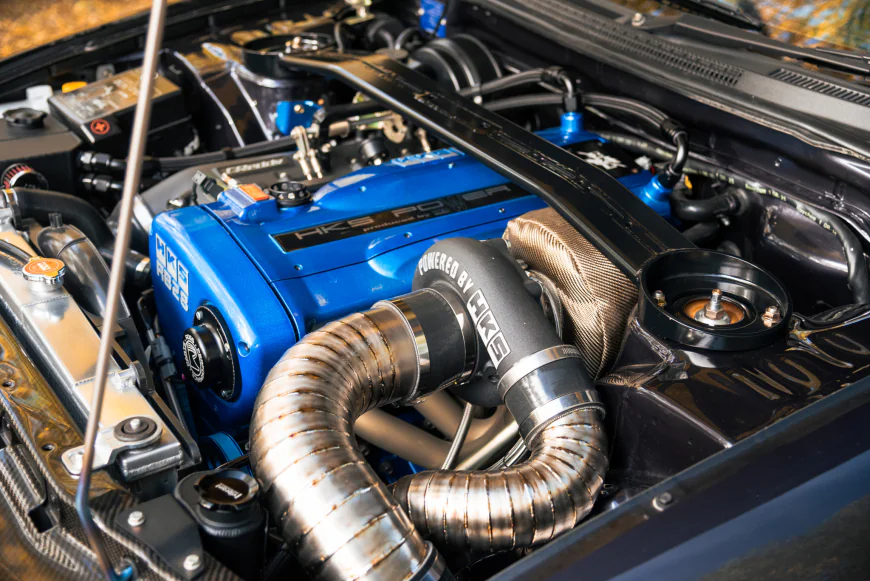
Before we get into specific systems and brands, it's worth understanding why turbocharged engines benefit from exhaust upgrades so much more dramatically than naturally aspirated engines. The difference comes down to one fundamental principle: backpressure.
In a turbocharged car, the exhaust gases leaving your engine cylinders are funnelled into the turbocharger's turbine housing, where they spin the turbine wheel at speeds exceeding 100,000 RPM. That turbine wheel is connected via a shaft to the compressor wheel on the intake side, which forces more air into the engine and creates boost. The faster the turbine spins, the more boost you make. The more boost you make, the more power you get. Simple.
But here's the problem: once those exhaust gases have passed through the turbo, they still need to exit the car via the exhaust system. And if that exhaust system is restrictive — small-diameter piping, tight bends, heavy mufflers, a restrictive catalytic converter — the gases can't escape quickly enough. This creates backpressure, which slows down the turbine, reduces boost, and chokes power. It's like trying to breathe through a straw while running a marathon. You're working harder for less benefit.
Factory exhaust systems are deliberately restrictive because manufacturers have to balance performance with emissions compliance, noise regulations, production costs, and durability across a massive range of driving conditions. For a turbocharged car, that means you're leaving power on the table from the moment you drive it off the forecourt. Replace that restrictive system with a properly engineered performance exhaust — larger diameter piping, mandrel bends, high-flow catalytic converters, and optimised mufflers — and the difference is immediate and substantial. The turbo spools faster, boost builds quicker, and power and torque increase across the entire rev range.
Naturally aspirated engines benefit from exhaust upgrades too, but the gains are much smaller — typically 5 to 15 horsepower. Turbo cars? You're looking at 15 to 40+ horsepower from an exhaust upgrade alone, and significantly more when paired with a remap. As we covered in our guide to the best mods for horsepower, exhausts are one of the most effective bang-for-buck performance modifications you can make on a turbocharged platform.
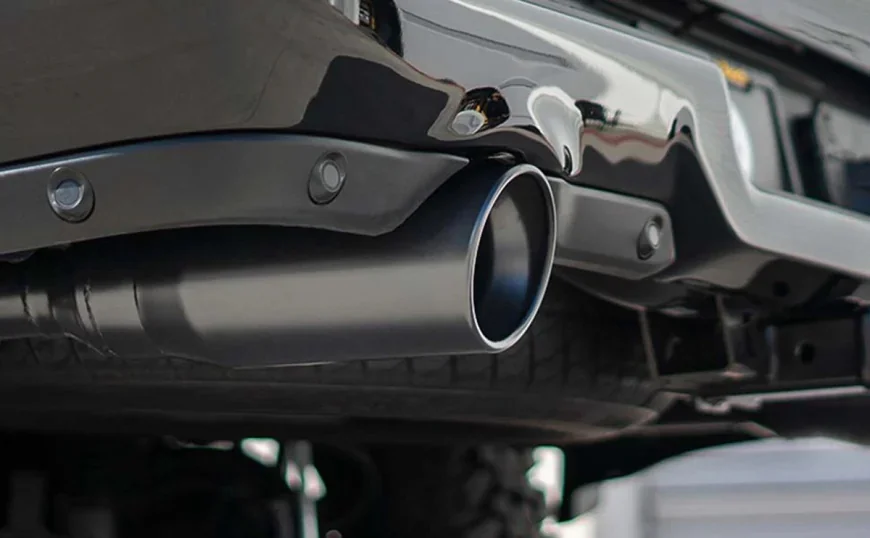
The UK Legal Landscape in 2026: What You Absolutely Must Know
Let's address the elephant in the room: what's actually legal in the UK when it comes to exhaust modifications? The answer is frustratingly vague in some areas and painfully strict in others, so let's break it down properly.
Emissions Equipment: Non-Negotiable
Your car's catalytic converter (and diesel particulate filter if you've got a diesel) are legally required emissions control devices. Removing them — fitting a "decat" pipe or "DPF delete" — is categorically illegal for road use in the UK. If you turn up to an MOT without your catalytic converter, you will fail immediately under the emissions test. If you're caught driving on public roads without one, you're looking at a £1,000 fine, prosecution, and your car potentially being seized under Section 59 of the Police Reform Act.
This is non-negotiable. Don't let anyone tell you otherwise. Don't convince yourself that "everyone's doing it" or that you'll swap it back before MOT. The risk is not worth the reward, no matter how much extra power a decat might unlock. Stick with your catalytic converter, or upgrade to a high-flow sports catalyst (which we'll cover shortly).
Noise Limits: The Grey Area
UK law states that your exhaust cannot be "excessively noisy" or "louder than the level recorded at type approval". For most passenger cars, the legal noise limit is 74 decibels when measured at 7.5 metres during an MOT test. For new vehicles type-approved after July 2026, that limit drops to 72 decibels, and by 2026 it's expected to drop further to 68 decibels for brand-new cars.
Here's the problem: "excessively noisy" is subjective. An MOT tester revs your car to around 2,500 RPM and judges whether it's "unreasonably louder" than a similar vehicle with a standard exhaust. Two different testers might have very different opinions. Police officers using roadside noise cameras or handheld decibel meters add another layer of unpredictability — if they think your car is too loud, they can issue an on-the-spot £50 fine and hand you a prohibition notice.
The safest approach is to stick with exhaust systems from reputable brands that are explicitly marketed as road-legal and designed to stay within noise limits. Cat-back and axle-back systems from companies like Milltek, Scorpion, Borla, and Remus are engineered to deliver better sound without crossing into illegal territory. Straight pipes, race exhausts, and systems with no silencers at all? Those will fail.
What Passes MOT
To pass your MOT, your exhaust system must:
- Retain all emissions control equipment (catalytic converter, DPF, oxygen sensors)
- Not exceed legal noise limits when tested
- Be free from leaks, corrosion, or loose components
- Not emit excessive visible smoke
If your exhaust meets all of those criteria, you're fine. For full details on UK exhaust laws, read our complete legal modification guide.
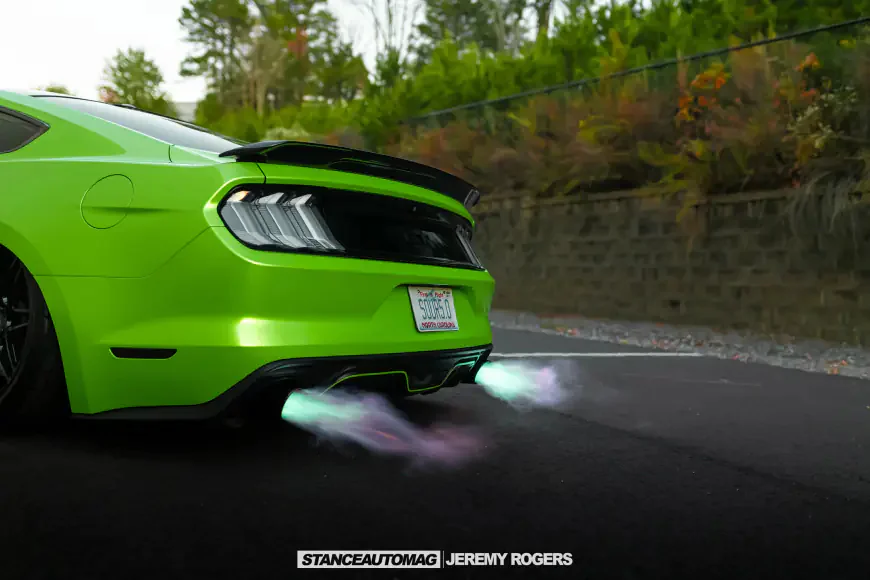
Cat-Back Exhaust Systems: The Sweet Spot for Most Turbo Cars
If you want a single exhaust upgrade that delivers genuine performance gains, a much better exhaust note, and zero legal headaches, a cat-back exhaust system is your answer. Cat-back systems replace everything from the catalytic converter backwards to the rear bumper — that includes the mid-pipe, resonator (if your car has one), rear muffler, and exhaust tips. Because you're leaving the catalytic converter in place, emissions equipment is untouched, which means you stay road-legal and pass your MOT without issue.
Performance Gains
On a turbocharged car, a quality cat-back system typically unlocks 10 to 25 horsepower depending on how restrictive the factory system was to begin with. German hot hatches (Golf GTI, Audi S3, BMW M135i) tend to see gains at the higher end of that range because their factory exhausts are particularly choked. Japanese turbo cars (Civic Type R, Impreza WRX) also respond very well. The gains come from reduced backpressure, faster turbo spool, and improved exhaust gas velocity.
Pair a cat-back exhaust with an ECU remap, and the gains multiply. The remap takes advantage of the improved flow to add more boost, adjust fueling, and optimise ignition timing. You're looking at combined gains of 40 to 60+ horsepower on most turbocharged platforms, which is genuinely transformative for everyday driving.
Sound Improvement
A good cat-back system gives you a deeper, more aggressive exhaust note under acceleration without being obnoxiously loud during normal driving. The trick is in the muffler design. Systems with resonated mid-pipes and chambered or straight-through mufflers strike the perfect balance — they sound fantastic when you're on it, but they don't drone on the motorway or wake up your neighbours when you start the car at 6am.
Best Brands for Cat-Back Systems
Milltek Sport is the go-to choice for European turbocharged cars. Their systems are meticulously engineered, fit perfectly, and deliver excellent sound without crossing legal noise limits. They offer both "Sport" and "Race" versions — stick with Sport for road use. Prices range from £700 to £1,500 depending on your car.
Scorpion is a UK-based brand that offers fantastic value for money. Their cat-back systems are made from stainless steel, sound great, and undercut Milltek on price by £200–£400 while delivering very similar performance. Perfect if you're on a budget but don't want to compromise on quality.
Borla is the American legend, and their systems are engineered for durability and performance. They're backed by a million-mile warranty, which tells you everything you need to know about build quality. Borla exhausts are on the pricier side (£1,000 to £2,000+), but they'll outlast the car.
Remus is the Austrian specialist, and their systems are works of art. If you want the absolute best sound quality and craftsmanship, Remus is the brand. Expect to pay premium prices, but you get what you pay for.
For installation advice and more brand recommendations, check out our complete exhaust systems guide.
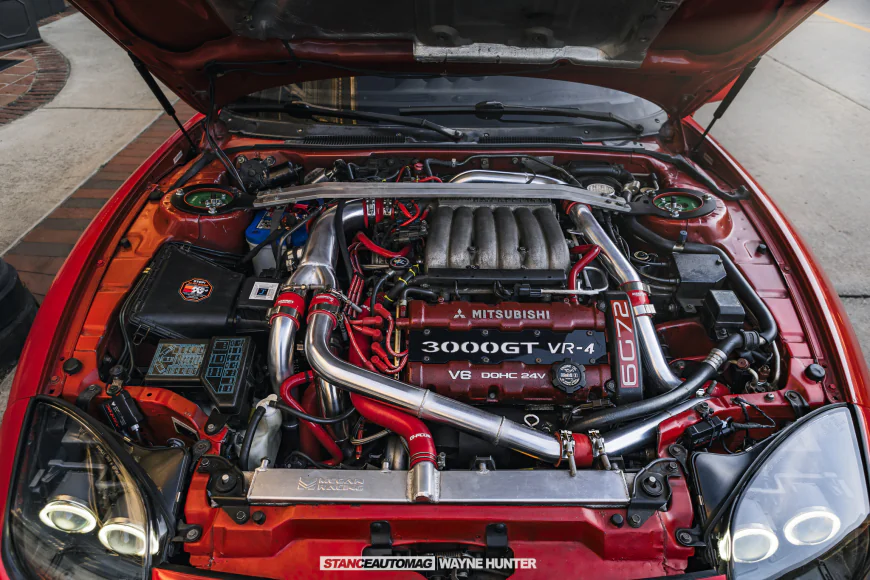
Turbo-Back Systems: Maximum Gains (With Extra Complexity)
If you're chasing every last drop of performance and you're willing to navigate some legal grey areas, turbo-back exhaust systems are where the big gains live. A turbo-back system replaces the entire exhaust from the turbocharger outlet all the way to the rear bumper — that includes the downpipe, catalytic converter, mid-pipe, and muffler. By eliminating the most restrictive parts of the factory system, you unlock significantly more power.
Performance Gains
A turbo-back system on a modern turbocharged car can deliver 25 to 50+ horsepower on its own, and when combined with a remap, you're looking at gains of 60 to 100+ horsepower depending on the platform. The biggest restriction in most turbo cars is the factory downpipe — it's usually small-diameter (2.5 inches or less), has tight bends, and feeds into a very restrictive catalytic converter. Replace that with a 3-inch or larger downpipe and a high-flow catalyst, and the difference is night and day. The turbo spools faster, boost builds quicker, and throttle response sharpens dramatically.
The Legality Question
Here's where things get tricky. If your turbo-back system includes a high-flow sports catalytic converter that meets UK emissions standards, it's technically road-legal and should pass an MOT. Brands like Milltek, Scorpion, and Cobra all make turbo-back systems with 200-cell or 300-cell high-flow sports cats that are designed to pass emissions tests while flowing much better than the factory unit.
However, if your turbo-back system uses a decat pipe (no catalytic converter at all), it's illegal for road use, and you'll fail your MOT immediately. Some people run decat pipes and swap back to a road-legal system before MOT time, but this is risky, expensive, and technically constitutes fraud if you're claiming the car is road-legal when it isn't.
Best Turbo-Back Systems
Milltek Sport makes excellent turbo-back systems with high-flow sports cats for most popular turbo cars (Golf R, S3, Focus ST, Civic Type R). They're expensive (£1,500 to £3,000+), but they're engineered to pass UK emissions tests while delivering massive performance gains.
Cobra Sport offers more affordable turbo-back systems (£1,000 to £2,000) with high-flow cats that are still road-legal. Quality is good, fitment is usually spot-on, and sound is aggressive without being illegal.
Scorpion also makes turbo-back systems for popular platforms, and they're typically £200–£400 cheaper than Milltek while still delivering excellent performance.
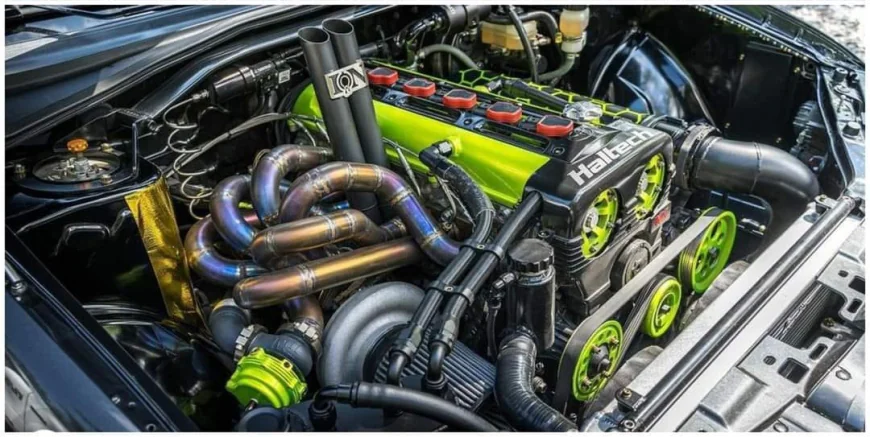
Axle-Back Systems: Budget-Friendly Sound Without MOT Risk
If you're primarily interested in improving your car's exhaust note rather than chasing big power gains, an axle-back exhaust system is a smart, low-risk option. Axle-back systems replace only the components from the rear axle to the exhaust tips — typically just the rear muffler and tips. Everything else (mid-pipe, resonator, catalytic converter) stays completely standard.
What You Get
The performance gains from an axle-back are minimal — maybe 5 to 10 horsepower at most. But the sound improvement is significant. You'll get a much deeper, more aggressive exhaust note under acceleration, and the car will sound much more purposeful without being obnoxiously loud. Because you're not touching any emissions equipment and you're only replacing the rear muffler, there's zero risk of MOT failure.
Best Brands
Milltek, Scorpion, Borla, and Remus all make axle-back systems for popular turbo cars. Prices range from £300 to £800, which makes them one of the most affordable exhaust upgrades you can make. Installation is straightforward — most people can do it themselves with basic tools in an afternoon.
Axle-back systems are perfect if you're on a tight budget, you don't want to risk any legal issues, or you're planning to upgrade to a full cat-back or turbo-back system later and you want to test the waters with something less committal first.
Final Thoughts: Performance, Legality, and Common Sense
Upgrading your turbo car's exhaust is one of the most rewarding modifications you can make. The performance gains are real, the sound is addictive, and when done properly, it's completely road-legal and MOT-compliant. The key is choosing the right system for your goals, your budget, and your tolerance for legal complexity.
For most people, a cat-back system from a reputable brand is the perfect sweet spot. You get genuine performance gains, a much better exhaust note, and zero legal headaches. If you're chasing maximum power and you're willing to invest more, a turbo-back system with a high-flow sports cat is the way to go — just make sure the cat meets UK emissions standards. And if you just want better sound without touching anything under the car, an axle-back system is cheap, easy, and completely risk-free.
Whatever you choose, declare it to your insurance company. Keep your receipts. Stick with reputable brands. And enjoy the transformation. Your turbo deserves to breathe properly.
For more advice on turbo car modifications, read our guides on remapping your car, building a reliable fast road car, and choosing between cat-back and axle-back systems.
 Like
0
Like
0
 Dislike
0
Dislike
0
 Love
0
Love
0
 Funny
0
Funny
0
 Angry
0
Angry
0
 Sad
0
Sad
0
 Wow
0
Wow
0