














































































.png)












![[HOONIGAN] Ken Block's GYMKHANA NINE](https://img.youtube.com/vi/_bkX5VkZg8U/maxresdefault.jpg)







































































![[HOONIGAN] KEN BLOCK'S GYMKHANA SEVEN: WILD IN THE STREETS OF LOS ANGELES](https://cdn.motor1.com/images/mgl/2KlO4/s1/ken-block-london-tour-directors-cut.jpg)




































Turbo Losing Boost? Complete Diagnosis Guide 2026
Diagnose boost loss in turbocharged cars. Common causes, testing methods, fixes, and when to worry about your turbo.

When Your Turbo Stops Making Boost
You know that feeling. You've been enjoying months of turbocharged bliss — every pull delivers that addictive surge of boost, the blow-off valve whooshes on gear changes, and overtaking is effortless. Then one day, you plant the throttle and... nothing. The power isn't there. The boost gauge barely moves. Your once-quick turbo car feels disappointingly sluggish, like someone unplugged half the engine.
Boost loss in turbocharged cars is frustrating because it can have dozens of potential causes — some trivial and cheap to fix, others catastrophic and wallet-destroying. A split intercooler hose costs £20 and takes 10 minutes to replace. A failed turbo costs £800-2,500 and requires significant labor. Diagnosing which problem you're dealing with before throwing parts at the car is essential.
This comprehensive guide walks through systematic diagnosis of boost loss. We cover the most common causes (split hoses, boost leaks, wastegate issues), less common causes (failing turbos, intake restrictions), and rare causes that catch people off-guard. For each, we explain symptoms, testing methods, and fix difficulty. By the end, you'll know exactly how to diagnose your boost loss and what it'll cost to fix.
For detailed context on how turbos work and common upgrade considerations, see our guides on Best 2JZ Turbos.
What You'll Learn:
- Systematic diagnostic process
- Most common boost loss causes
- How to find boost leaks
- Wastegate diagnosis and adjustment
- Turbo failure symptoms
- Fix costs and difficulty ratings
Understanding How Boost Works
Before diagnosing boost loss, understand the basics:
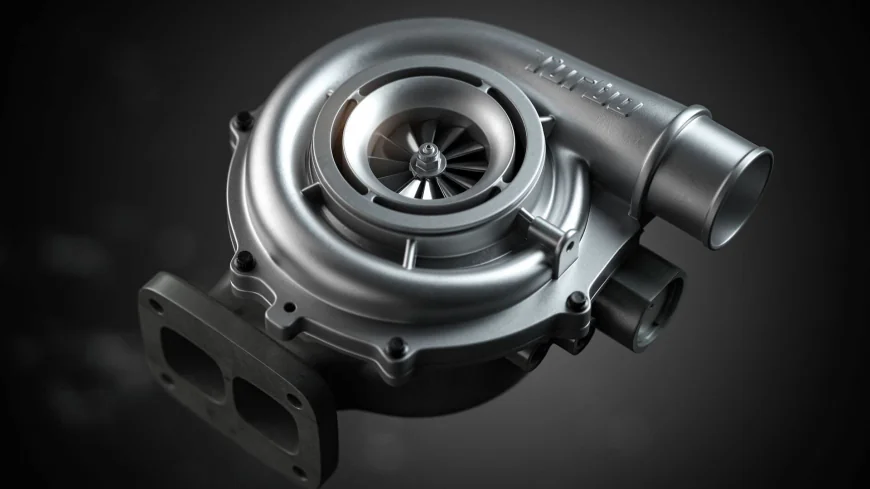
How turbos create boost:
- Exhaust gases spin turbine wheel
- Turbine wheel spins compressor wheel (via shaft)
- Compressor forces air into engine
- More air + more fuel = more power
What controls boost:
- Wastegate: Bypasses exhaust gases around turbine to limit boost
- ECU: Commands wastegate actuator based on boost targets
- Boost controller: Electronic or manual override of wastegate
What can go wrong:
- Boost leaks: Compressed air escapes before entering engine
- Wastegate issues: Opens too early/stays open
- Turbo failure: Mechanical damage prevents boost generation
- Intake restrictions: Air can't enter compressor efficiently
Systematic Diagnosis Process
Follow this order to diagnose efficiently:
Step 1: Verify Boost Loss (5 minutes)
Symptoms:
- Reduced power
- Boost gauge reading low/zero
- Extended turbo spool time
- No whoosh sound from turbo
Quick test:
- Drive car normally up to 3,000 rpm
- Apply full throttle in 2nd or 3rd gear
- Watch boost gauge and feel for power delivery
What's normal vs problematic:
- Normal: Boost builds progressively to target (typically 10-20 psi)
- Problem: Boost peaks low, drops off, or never builds properly
Step 2: Check for Obvious Visual Issues (15 minutes)
Inspect:
- Split or loose intercooler hoses
- Disconnected boost control vacuum lines
- Visible oil leaks around turbo
- Damaged intake piping
- Missing or loose clamps
Most common find: Split coupler or loose clamp on intercooler piping.
Fix difficulty: Easy (30 minutes, £20-100 parts)
Step 3: Perform Boost Leak Test (30-60 minutes)
This is the most important diagnostic step.
DIY boost leak tester:
- Remove turbo inlet or throttle body
- Block opening with plate/cap
- Connect air compressor via fitting
- Pressurize system to 15-20 psi
- Spray soapy water on all joints and hoses
- Look for bubbles indicating leaks
Common leak locations:
- Intercooler pipe couplers (70% of leaks)
- Charge pipe to throttle body (15%)
- Turbo outlet to downpipe (10%)
- BOV/BPV gasket (5%)
Fix difficulty: Easy to moderate (1-2 hours, £20-200)
For detailed FMIC installation and leak prevention, see our How to Install a Front Mount Intercooler.
Step 4: Test Wastegate Function (30 minutes)
External wastegate test:
- Locate wastegate (mounted on manifold or downpipe)
- Disconnect actuator rod
- Manually push actuator arm — should move smoothly
- Apply vacuum to actuator — should pull rod in
- Release vacuum — should spring back
Internal wastegate test:
- Remove turbo inlet
- Look into compressor housing with flashlight
- Have helper operate wastegate (vacuum pump or manual)
- Verify flapper/gate moves freely and seals properly
Common issues:
- Seized actuator (carbon buildup)
- Broken actuator spring
- Disconnected vacuum line
- Wastegate flapper not sealing
Fix difficulty: Easy to moderate (1-3 hours, £50-300)
Step 5: Check for Turbo Mechanical Failure (30 minutes)
Symptoms of failing turbo:
- Excessive shaft play (in/out or side-to-side)
- Grinding/whining noise from turbo
- Oil smoke from exhaust
- Metal fragments in intake or exhaust
Shaft play test:
- Remove intake pipe
- Grab compressor wheel with fingers
- Try to move wheel in/out — minimal play acceptable
- Try to move wheel side-to-side — almost no play acceptable
- Spin wheel — should spin freely, no grinding
What's acceptable:
- In/out play: Up to 1mm acceptable
- Side-to-side play: Almost none (0.1-0.2mm max)
- Sound: Smooth whooshing only
What's failure:
- Significant in/out play (>1mm)
- Side-to-side play (>0.5mm)
- Grinding, scraping, or metal-on-metal sounds
- Wheel touching housing
Fix difficulty: Major (turbo replacement, 4-8 hours, £800-2,500)
Common Causes of Boost Loss
1. Split Intercooler Hose/Coupler
Frequency: Very common (40% of boost loss cases)
Symptoms:
- Sudden boost loss
- Hissing sound under boost
- Possible check engine light
Cause: Silicone couplers crack or split from age, heat, or pressure. Clamps loosen from vibration.
Testing:
- Visual inspection (look for splits)
- Boost leak test (immediate confirmation)
Fix:
- Replace damaged coupler: £20-40
- Upgrade to 4-ply silicone: £30-60
- Replace all clamps with T-bolt: £40-80
- Labor: 30-60 minutes
Prevention: Inspect and retighten clamps every 6 months.
2. Wastegate Stuck Open
Frequency: Common (25% of cases)
Symptoms:
- Gradual or sudden boost loss
- Boost rises then drops suddenly
- Normal at low RPM, weak at high RPM
Cause:
- Carbon buildup seizes actuator
- Broken actuator spring
- Vacuum line disconnected/split
- Wastegate flapper not sealing
Testing:
- Manual actuator movement check
- Vacuum test on actuator
- Visual inspection of vacuum lines
Fix (external wastegate):
- Clean and lubricate actuator: £0-20 (DIY)
- Replace actuator: £150-350
- Replace vacuum line: £10-30
- Labor: 1-2 hours
Fix (internal wastegate):
- May require turbo removal: £400-800 labor
- Or wastegate delete/upgrade: £200-600 + labor
3. Turbo Inlet/Outlet Restriction
Frequency: Moderate (15% of cases)
Symptoms:
- Gradual power loss over time
- Reduced boost at high RPM
- Possible turbo whine/surge
Cause:
- Clogged air filter
- Collapsed intake pipe
- Exhaust restriction (blocked cat, damaged downpipe)
- Intercooler clogging (oil contamination)
Testing:
- Inspect air filter (black/oily = replace)
- Check intake piping for collapse
- Inspect downpipe for damage
- Measure backpressure if possible
Fix:
- Replace air filter: £20-50
- Replace damaged piping: £50-200
- Clean/replace intercooler: £300-800
- Replace downpipe: £300-600
4. Boost Control Solenoid Failure
Frequency: Moderate (10% of cases)
Symptoms:
- Inconsistent boost
- Boost oscillation (surging)
- Check engine light (sometimes)
Cause:
- Solenoid sticks or fails
- Vacuum line leak to solenoid
- ECU not commanding solenoid properly
Testing:
- Listen for clicking at solenoid during boost
- Apply 12V directly to solenoid (should click)
- Check vacuum lines for leaks
- Scan for fault codes
Fix:
- Replace solenoid: £40-120
- Replace vacuum lines: £20-40
- Labor: 30-90 minutes
5. Blown Head Gasket (Compression Loss)
Frequency: Less common (5% of cases)
Symptoms:
- Poor boost + misfiring
- White smoke from exhaust
- Coolant loss
- Overheating
Cause:
- Detonation from bad tune
- Overheating
- Excessive boost on weak head gasket
Testing:
- Compression test
- Leakdown test
- Coolant pressure test
- Look for oil in coolant/coolant in oil
Fix:
- Head gasket replacement: £800-2,000
- Head skimming if warped: +£200-400
- Labor: 8-16 hours
6. Compressor Wheel Damage
Frequency: Rare (3% of cases)
Symptoms:
- Gradual boost loss
- Unusual turbo sound
- Possible foreign object damage
Cause:
- Object ingested into intake (bolt, debris)
- Compressor wheel damage from age/stress
- Shaft bearing failure
Testing:
- Visual inspection of compressor wheel
- Check for bent/damaged blades
- Shaft play test
Fix:
- Turbo rebuild: £400-800
- Turbo replacement: £800-2,500
- Labor: 4-8 hours
For understanding when turbo replacement makes sense vs upgrade, see our Best 2JZ Turbos.
Advanced Diagnosis: When Simple Fixes Don't Work
Boost Creep
Symptom: Boost rises beyond target despite wastegate Cause: Inadequate wastegate flow for turbo size Fix: Larger wastegate or screamer pipe (£200-600)
Compressor Surge
Symptom: Flutter/chatter sound, inconsistent boost Cause: BOV not venting properly or turbo mismatched Fix: Adjust BOV, upgrade BOV, or resize turbo
Charge Air Cooling Issues
Symptom: Boost OK initially, drops after heat soak Cause: Undersized intercooler or poor airflow Fix: Upgrade intercooler or improve ducting (£600-2,000)
Cost Summary: What to Expect
|
Issue |
Parts Cost |
Labor Cost |
Total |
|
Split hose/coupler |
£20-60 |
£0-50 (DIY) |
£20-110 |
|
Boost leak (multiple) |
£50-200 |
£100-300 |
£150-500 |
|
Wastegate actuator |
£150-350 |
£100-200 |
£250-550 |
|
Boost solenoid |
£40-120 |
£50-150 |
£90-270 |
|
Air filter + hoses |
£30-100 |
£0-50 |
£30-150 |
|
Turbo replacement |
£800-2,500 |
£400-800 |
£1,200-3,300 |
|
Head gasket |
£400-800 |
£800-1,500 |
£1,200-2,300 |
When to DIY vs Professional Help
DIY-Friendly Fixes:
- Replacing hoses and couplers
- Tightening clamps
- Air filter replacement
- Boost leak testing
- Wastegate inspection
Professional Required:
- Turbo replacement
- Head gasket replacement
- Complex boost control tuning
- Internal wastegate work
Prevention: Avoiding Boost Loss
Maintenance schedule:
- Inspect intercooler piping every oil change
- Retighten all clamps every 6 months
- Replace air filter every 15,000 miles
- Clean intake system annually
- Check for boost leaks annually
Driving habits:
- Warm up engine before boost
- Cool down after hard driving
- Avoid lugging engine in high gear
- Monitor AFR if tuned
Quality parts matter:
- Use 4-ply silicone hoses minimum
- T-bolt clamps over worm-drive
- Quality BOV (Turbosmart, Tial, HKS)
- OEM or quality aftermarket turbos
For understanding supporting modifications needed for reliable turbo builds, see our Turbo Conversion Cost.

Frequently Asked Questions
Can I drive with boost loss?
Depends on cause. Split hose? No (risk of lean condition). Stuck wastegate? Carefully (less power but not dangerous). Failed turbo? No (risk of catastrophic failure).
Will boost loss damage my engine?
Not directly, but the underlying cause might. Boost leaks can cause lean AFR (dangerous). A failed turbo can send metal fragments into engine.
How long does boost leak testing take?
30-60 minutes if you have the equipment. Add 2 hours if you're building a DIY tester.
Can I increase boost if I find and fix leaks?
Only if previously tuned for higher boost. Fixing leaks restores target boost, doesn't add more.
My boost gauge is broken — does that mean no boost?
No. Gauge failure is common. Test: Does car feel fast? If yes, boost is probably fine. Replace gauge.
How much does professional boost leak testing cost?
£80-150 at specialist shops. Worth it if you can't DIY.
Can cold weather cause boost loss?
No, but it can make damaged components (split hoses) worse as they contract.
Related Articles
 Like
0
Like
0
 Dislike
0
Dislike
0
 Love
0
Love
0
 Funny
0
Funny
0
 Angry
0
Angry
0
 Sad
0
Sad
0
 Wow
0
Wow
0