



























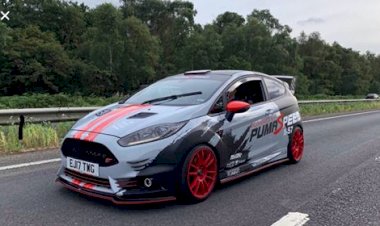
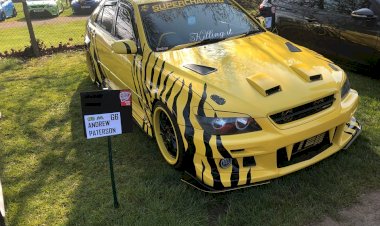
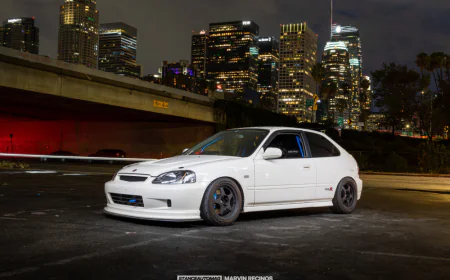
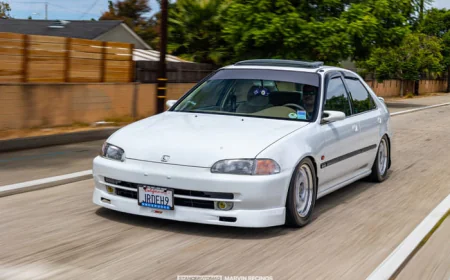


















.png)








![[HOONIGAN] Ken Block's GYMKHANA NINE](https://img.youtube.com/vi/_bkX5VkZg8U/maxresdefault.jpg)






















































![[HOONIGAN] KEN BLOCK'S GYMKHANA SEVEN: WILD IN THE STREETS OF LOS ANGELES](https://cdn.motor1.com/images/mgl/2KlO4/s1/ken-block-london-tour-directors-cut.jpg)

































Bagged vs Static: Which Is the Best Setup for Your Stance Build?
Complete bagged vs static stance comparison. Air suspension vs coilovers for show cars, costs, reliability, and achieving perfect stance in 2026.
The Great Stance Debate
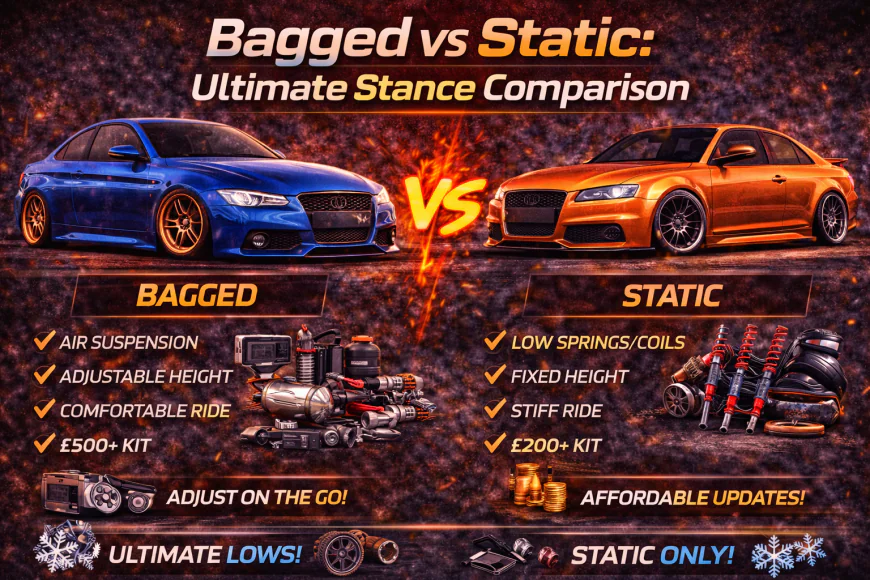
The stance community divides into two passionate camps: those who run air suspension ("bagged") and those committed to static coilovers. Both groups achieve the low, aggressive look that defines stance culture, but they reach it through fundamentally different approaches with distinct advantages and compromises. This isn't about which is objectively better—it's about understanding what each offers and which suits your priorities, budget, and intended use.
Air suspension delivers the ultimate party trick: press a button and watch your car drop from drivable height to frame-dragging slammed. Navigate a steep driveway by raising to clear, then slam it back down once parked. This adjustability makes extreme lows practical for daily use in ways static setups simply cannot match. The flip side is complexity, cost, and maintenance requirements that static coilovers avoid entirely.
Static coilovers take the pure approach—set your height once, accept the compromises, live with it. There's honesty in committing to a ride height and dealing with scraping, driveway angles, and speed bumps through careful driving rather than mechanical adjustment. Static also means simplicity, reliability, and lower costs, though it absolutely limits how low you can go while maintaining any degree of practicality.
This comparison covers the technical differences between air and static systems, real-world usability for different purposes, cost breakdowns from budget to premium setups, aesthetic considerations in stance culture, reliability and maintenance realities, and ultimately which approach suits different types of builds and builders.
For suspension setup guidance, see our lowering guide and air suspension comparison. For bagged and static builds, explore our magazines on Amazon.
Technical Fundamentals
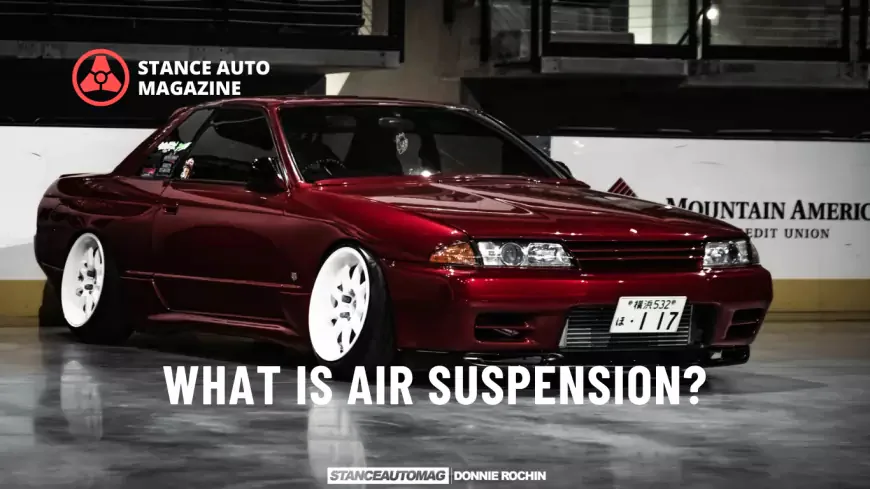
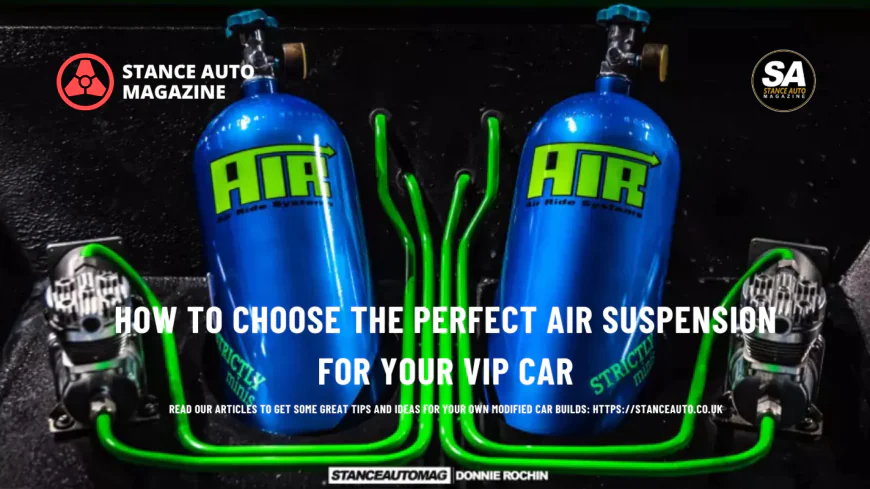
Air suspension replaces traditional coil springs with air bags (also called air springs or bellows) that inflate and deflate to adjust ride height. A compressor fills the bags to raise the car, while releasing air lowers it. The entire system includes the air bags at each corner, a compressor to generate air pressure, a tank to store compressed air for quick adjustments, management system controlling everything, and the airlines connecting components. Quality air setups also include pressure sensors and sophisticated electronics that maintain precise ride height even as load changes.
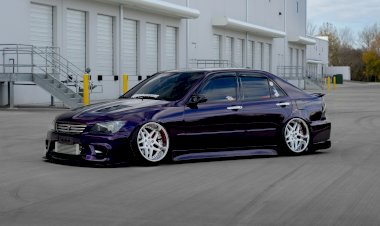
The adjustability is genuinely transformative for stance builds. You can slam completely to the ground for shows and photos, raise to reasonable height for driving, and fine-tune anywhere in between. Modern management systems remember preset heights, automatically level the car, and even offer features like self-leveling under braking or accelerating. This technology enables stance that would be completely impractical on static setups—cars that lay frame or tuck tire don't drive anywhere, but on air they raise for transport then drop for display.
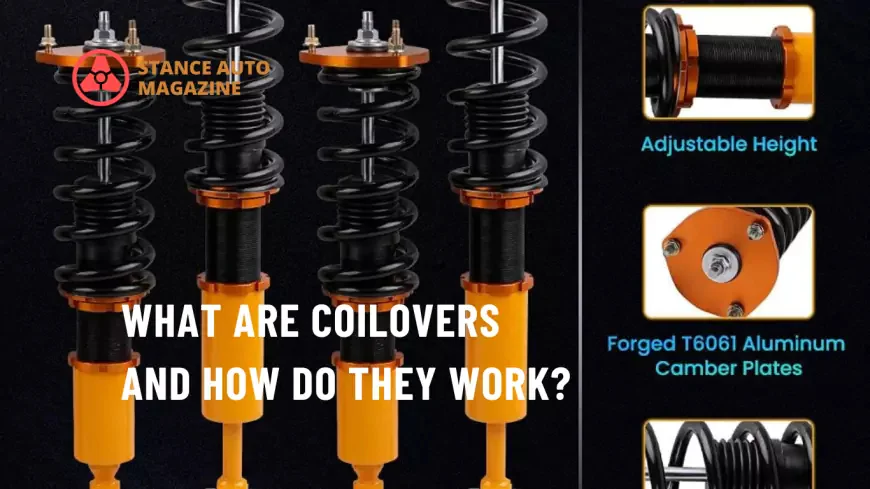
Static coilovers combine springs and dampers into single units with threaded bodies allowing height adjustment. You set your desired height by screwing the spring perch up or down the shock body, then lock it in place. That's your height until you physically adjust it again, which requires jacking the car up and making adjustments at each corner. There's no electronics, no compressor, no complexity—just mechanical simplicity that's been proven for decades.
The limitation is that your lowest practical height is constrained by what you can actually drive with. Go too low and you're constantly scraping, damaging expensive body kits, and creating dangerous driving situations. Most static builds compromise somewhere in the 60-80mm drop range to maintain some usability, while air suspension enables 100-140mm drops that simply aren't drivable on static setups.
Aesthetic Impact
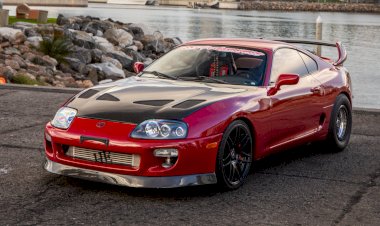
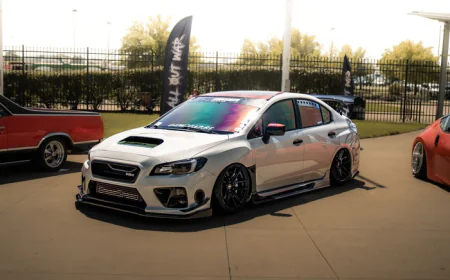
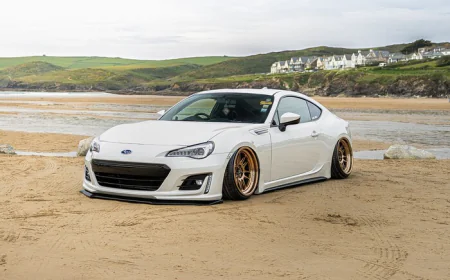
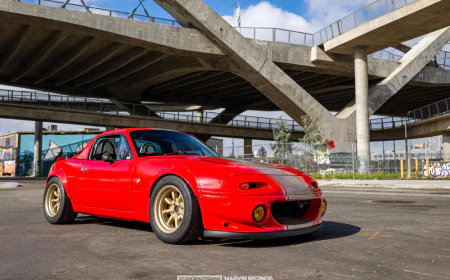
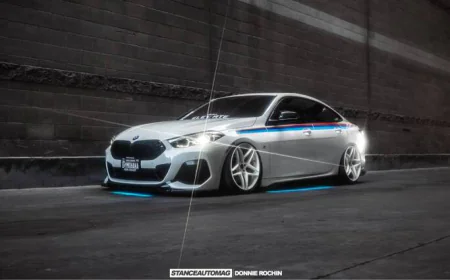
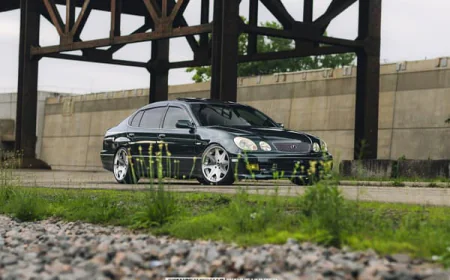
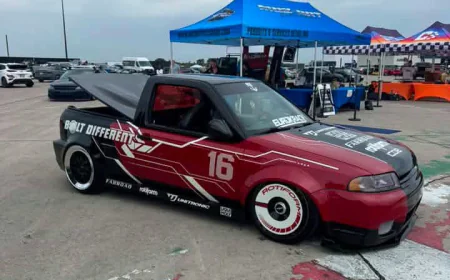
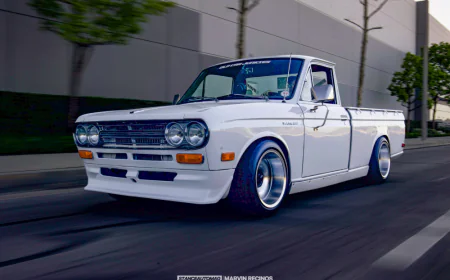
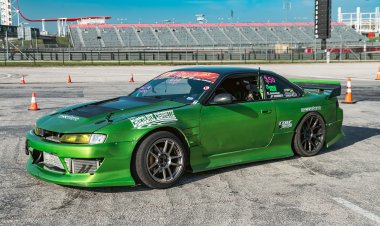
In stance culture, being bagged versus static carries social meaning beyond mere mechanical differences. Air suspension dominates show car culture because it enables the extreme lows that photograph so dramatically. When you see cars at shows sitting completely flat with wheels tucked deep into arches, they're almost certainly on air. That visual drama is what draws crowds and wins trophies at stance-focused shows.
Static setups claim authenticity in some enthusiast circles—the idea that you're committed to your stance rather than able to hide it when convenient. There's a badge of honor in driving daily at heights that challenge every speed bump and driveway entrance. The static community often views adjustable ride height as somehow less committed, though this perspective varies significantly by regional scene and individual preference.
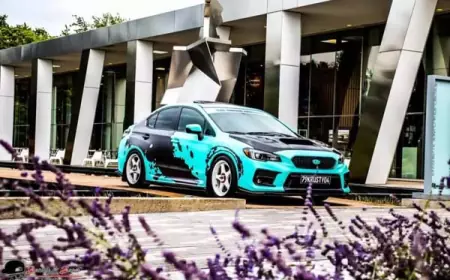
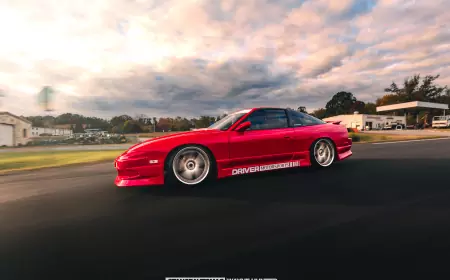
The reality is that both approaches can achieve stunning results within their constraints. An extremely well-executed static build at 60-70mm drop with perfect fitment, quality paint, and attention to detail will impress more than a poorly done air setup that drops to the ground but has mismatched wheels, cheap bags, and rough installation work. Conversely, a perfectly executed air setup with seamless integration, quality components, and dramatic drop capabilities will outshine a mediocre static build every time.
Photography particularly favors air suspension because you can pose the car at extreme lows for photos then raise it to move to different locations. Static builds must be photographed at their fixed height, which may not be as dramatic but can still look excellent with proper composition and location selection.
Real-World Usability
Daily driving on air suspension transforms what's possible with aggressive stance. You raise to normal height for your commute, navigating traffic and roads like any other car. Speed bumps? Raise slightly. Steep driveway? Full height. Once you're parked at your destination or at a show, drop completely for maximum impact. This flexibility makes air practical for people who want extreme stance without destroying their cars on every drive.
The caveat is that air suspension requires active management. You're constantly adjusting height based on road conditions, passenger load, and driving situations. Some find this engagement enjoyable while others consider it tedious. Modern management systems with GPS-based auto-adjustments can handle this automatically—the car remembers problem locations and raises preemptively—but these advanced systems command premium pricing.
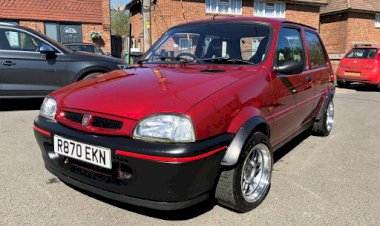
Static coilovers demand acceptance of consequences. Set at aggressive heights, you will scrape on speed bumps. You will carefully navigate angled driveways and car park entrances. You will occasionally damage your undertray or exhaust on road imperfections. Enthusiasts running serious static lows develop mental maps of their local roads, knowing which routes to avoid and which speed bumps require specific approach angles.
The trade-off for these hassles is consistency and simplicity. Your car handles identically every time because ride height never changes. You develop muscle memory for the exact clearances and learn to judge ground clearance instinctively. Some drivers appreciate this predictability compared to air's variable characteristics at different pressures.
Cost Reality
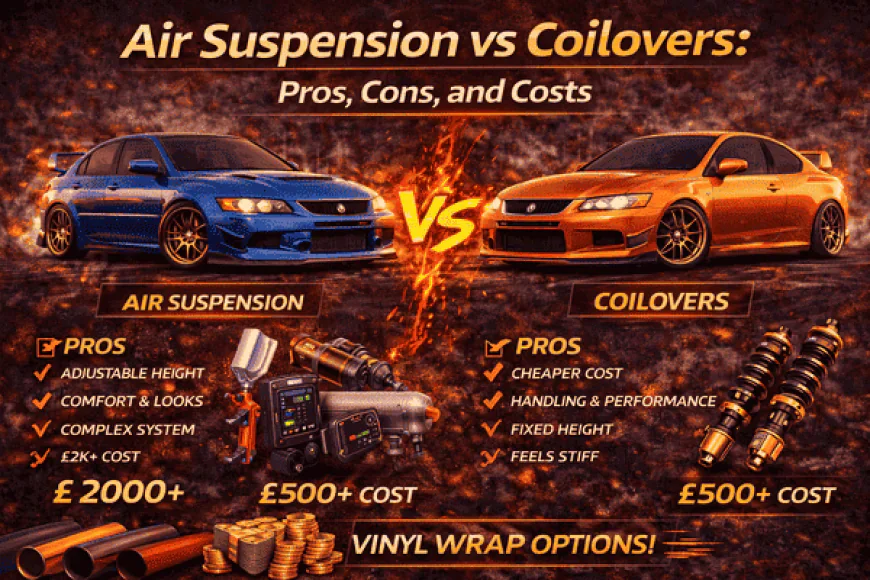
Budget air suspension kits start around £2,000-3,000 and include basic bags, simple manual management, small compressor, and minimal features. These entry-level systems get you into air suspension but lack the refinement and features that make air truly practical. They're suitable for show cars that get trailered or occasional-use vehicles where complexity isn't a concern.
Quality air setups run £3,500-5,500 and include better bags from established brands like Air Lift or AccuAir, electronic management with preset heights, larger compressors for faster response, and proper wiring with reliable components. This middle tier represents what most people should buy if going the air route—the performance and reliability improvements over budget kits justify the premium.
Premium air systems exceed £5,000 and can reach £8,000+ for the absolute best. These include advanced management like AccuAir's systems with smartphone apps, GPS functionality, multiple user profiles, extremely fast-fill capabilities, and bags engineered for specific vehicle applications. Professional installation adds £1,500-3,000 depending on complexity and whether the build requires custom fabrication.
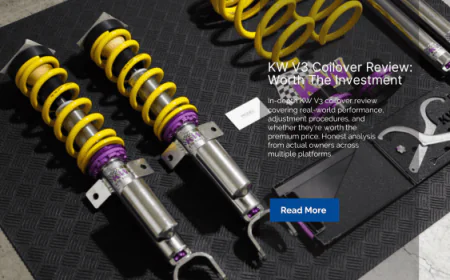
Static coilovers cost dramatically less across the board. Budget sets run £400-800, mid-range quality like BC Racing or KW V1 hits £800-1,800, and premium options like KW V3 or Ohlins reach £1,800-3,500. Even the most expensive static coilover setup costs less than mid-range air suspension. Installation runs £300-600 for static versus £1,500-3,000 for air, creating a total cost difference of £2,000-5,000 in air's premium over equivalent quality static.
Long-term costs favor static even more decisively. Air bags need replacement every 3-7 years depending on quality and use, costing £400-1,200 for a set. Compressors fail or require rebuild, adding £300-800. Air line fittings leak and need attention, management systems can develop faults, and complexity means more things that can break. Static coilovers might need rebuild after 60,000-100,000 miles (£400-800) but otherwise run essentially maintenance-free.
Reliability and Maintenance
Air suspension's complexity creates multiple failure points that don't exist on static setups. Air bags can leak from punctures, material fatigue, or mounting issues. Compressors fail from wear, contamination, or simply age. Air lines crack or fittings loosen, causing leaks that leave you stuck at dropped height unable to raise. Management system failures can strand you in various states of deployment, which is particularly problematic if it fails while you're slammed and can't raise to drive.
These aren't hypothetical problems—they happen with enough frequency that anyone considering air needs to understand the risks. Having a backup plan for getting home if the system fails is wise. Many air suspension users keep tools in the car for emergency repairs and know how to manually inflate bags if needed. The best insurance is buying quality components from reputable manufacturers and having professional installation rather than budget kits and DIY work.
Static coilovers by contrast have almost nothing to fail. The shock absorber might eventually wear out, requiring rebuild or replacement, but this happens over years and doesn't leave you stranded—worn shocks just perform poorly but still function. Springs essentially never fail in normal use. There's no electronics to malfunction, no air system to leak, no compressor to break down.
This reliability advantage makes static the default choice for daily drivers where dependability matters more than adjustability. Air makes more sense for vehicles that have backup transportation available if problems occur, or for builds where the aesthetic advantages justify accepting occasional maintenance and potential failures.
Installation Complexity
Installing static coilovers is straightforward enough for competent DIY enthusiasts—jack up the car, remove the old suspension, install the new coilovers, set initial height, get alignment. The process takes 6-12 hours for first-timers with basic tools and mechanical understanding. Professional installation costs £300-600 but ensures everything is torqued correctly and saves time and potential mistakes.
Air suspension installation is legitimately complex and generally requires professional work unless you have serious mechanical and electrical skills. Beyond mounting the bags, you're running air lines throughout the vehicle, mounting and wiring the compressor, installing the tank in locations that balance accessibility and safety, routing and protecting wiring for the management system, and integrating everything into a cohesive system that works reliably.
Poor air suspension installation creates problems that persist throughout ownership. Improperly routed air lines rub and fail. Badly mounted bags create uneven wear. Poorly located components interfere with other systems or become inaccessible for maintenance. The £1,500-3,000 cost of professional installation represents genuine value because experienced installers know the specific challenges of different vehicles and have developed solutions through experience.
Making the Decision
Choose air suspension if you want extreme lows for shows while maintaining drivability, can afford the £4,000-8,000 investment including installation, accept the complexity and maintenance requirements, have backup transportation for potential failures, and value the adjustability's convenience for daily use. Air makes sense for dedicated show cars, builds where visual impact is the primary goal, and situations where you need both slammed aesthetics and practical driving height.
Choose static coilovers if you prioritize simplicity and reliability, work with tighter budgets (£1,000-4,000 total), prefer mechanical systems over electronic ones, accept the compromise between low stance and usability, and want set-and-forget suspension that requires minimal maintenance. Static works for daily drivers where dependability matters, for people who prefer honest commitment to their chosen stance, and for builds where the budget needs to stretch across many other modifications.
The middle ground involves modest static drops of 40-60mm that look aggressive while maintaining complete practicality, saving the air suspension money for other modifications that provide equal or greater visual impact. Not every build needs to be slammed to the ground, and thoughtfully executed moderate lows with proper fitment and attention to detail create stunning results without the compromises of either extreme static or air suspension.
Frequently Asked Questions
Which looks better?
Air enables more dramatic lows that photograph incredibly, but exceptionally well-executed static builds can look equally stunning. Quality of execution matters more than air versus static.
Can I drive either daily?
Air: Absolutely, that's its advantage. Static at aggressive heights: challenging but possible with route planning and careful driving. Moderate static: completely practical.
Which is more reliable?
Static decisively. Fewer components, mechanical simplicity, essentially maintenance-free versus air's complexity and multiple failure points.
What's better for my first build?
Static. Lower cost, simpler installation, fewer things to go wrong. Learn the platform before adding air complexity.
Can I go as low on static as air?
Technically, yes, but not practically. Air's adjustability lets you run heights that would be undrivable static.
Which holds value better?
Quality air systems from reputable brands hold value well. Cheap air depreciates badly. Static coilovers depreciate less dramatically but have a lower initial value.
 Like
0
Like
0
 Dislike
0
Dislike
0
 Love
0
Love
0
 Funny
0
Funny
0
 Angry
0
Angry
0
 Sad
0
Sad
0
 Wow
0
Wow
0