













































.png)








![[HOONIGAN] Ken Block's GYMKHANA NINE](https://img.youtube.com/vi/_bkX5VkZg8U/maxresdefault.jpg)




















































![[HOONIGAN] KEN BLOCK'S GYMKHANA SEVEN: WILD IN THE STREETS OF LOS ANGELES](https://cdn.motor1.com/images/mgl/2KlO4/s1/ken-block-london-tour-directors-cut.jpg)


























The Ultimate Car Show Prep Guide: How to Stand Out at Meets
Complete car show preparation guide. Detailing, presentation, what to bring, show etiquette, and making your car stand out at meets in 2026.

First Impressions Matter
Car shows and meets separate the enthusiasts who've put in the work from those who've simply shown up. Walking into a show with a dirty car, half-finished modifications, or poor presentation immediately undermines months of build work. The difference between a car that draws crowds and one that people walk past often isn't the modifications themselves but how it's presented. A well-detailed, carefully prepared car with thoughtful presentation always trumps a more extensively modified but poorly presented build.
Preparation for a show starts days before the event, not the morning of. It's about more than just washing your car—it's eliminating every piece of dirt from every crevice, ensuring every panel gap is perfect, making sure nothing rattles or looks unfinished. It's about presenting your build story clearly, being ready to discuss your modifications intelligently, and creating an overall impression that reflects the care you've invested. This guide covers everything from the week-long preparation process to what to bring on the day and how to conduct yourself at shows.
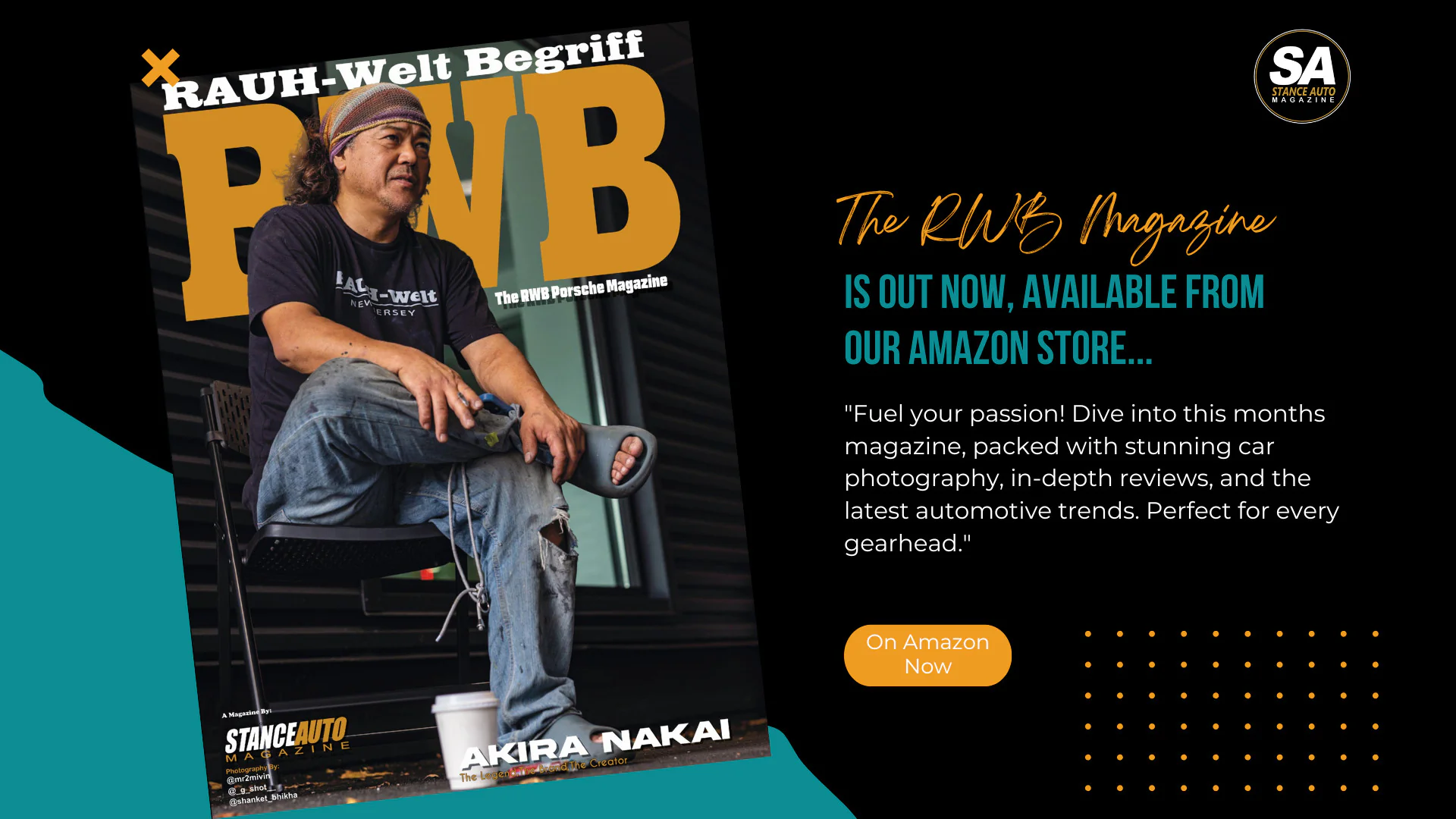
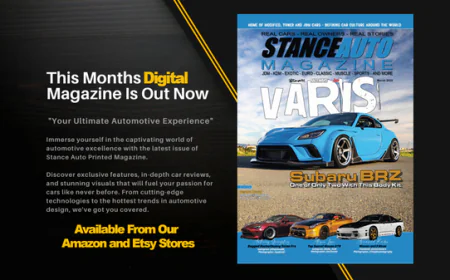
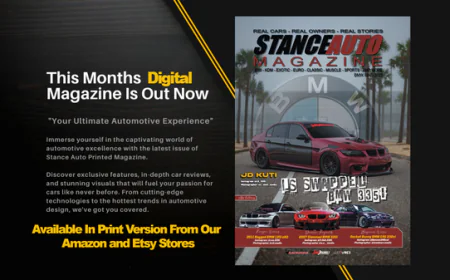
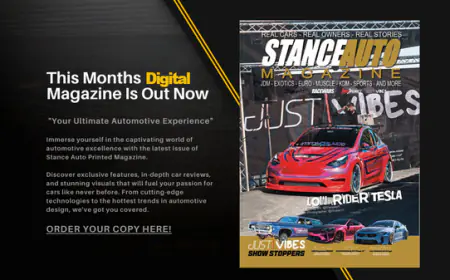
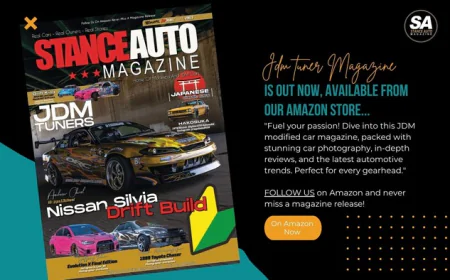
For complete show car costs and modifications, see our show car budget guide. For show-ready builds and presentation inspiration, explore our magazines on Amazon.
The Week Before: Deep Preparation
Serious show preparation doesn't start the day before—it starts a full week out, giving you time to identify and address any issues that would embarrass you on show day. Walk around your car with genuinely critical eyes, looking for things you've been ignoring because they're your car and you see them every day. That small scratch you barely notice? It'll be the first thing judges or other enthusiasts comment on. That slightly wonky panel gap you've been meaning to adjust? It screams unfinished build.
Mechanically, everything needs to work perfectly. All lights functioning correctly, no warning lights on the dash, no strange noises when you start the engine or drive. If your exhaust has been slightly loose and rattling for weeks, now's the time to fix it. If a body kit piece hasn't quite seated properly and has a small gap, address it now. Nothing damages your credibility faster than someone pointing out a basic issue you should have noticed and fixed.
Spend time under the car if it's lowered on coilovers or air suspension. Look for oil leaks, damaged components, loose bolts. Clean the underside as best you can—while most shows don't judge underneath, the attention to detail matters if you're showing in competition categories. For slammed cars on air, ensure the system is functioning flawlessly. The last thing you want is an air leak developing on show day, leaving your car stuck at dropped height or, worse, unable to raise for the drive home.
Take this week to photograph any unfinished areas or things you want to address long-term. Looking at your car through a camera lens often reveals imperfections your eyes skip over in person. These photos become your to-do list for the next show or for winter improvements.
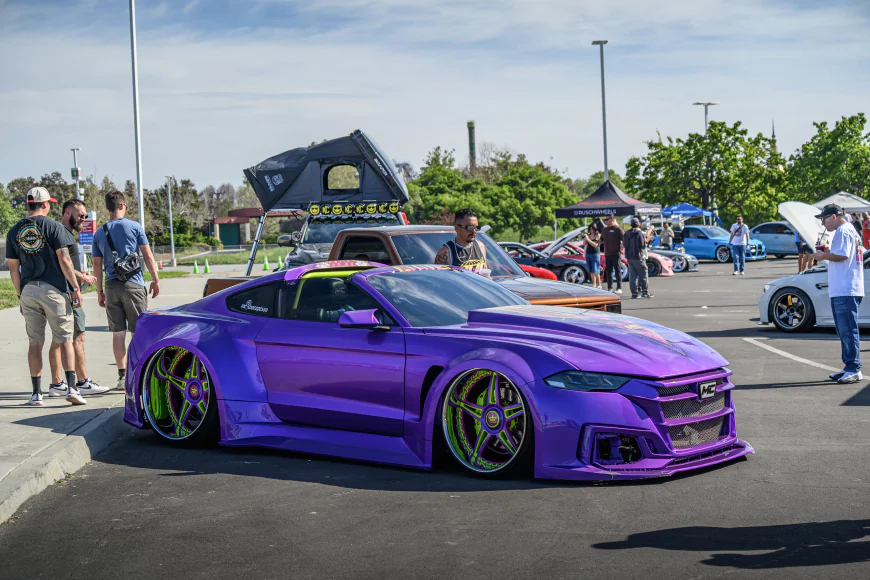
Detailing: The Foundation of Presentation
Proper detailing starts with the two-bucket wash method because nothing ruins paintwork faster than grinding dirt into it during washing. One bucket holds shampoo and water for washing, the other holds clean water for rinsing your wash mitt. After each panel, rinse your mitt thoroughly in the clean water bucket, wring it out, then reload it with shampoo from the wash bucket. This simple process prevents you from picking up dirt from previous panels and grinding it across your paint, creating the swirl marks and scratches that destroy that perfect reflective finish.
Wash from top to bottom because physics dictates that dirt flows downward, meaning the lower panels are always dirtiest. Roof first, then glass, then upper panels, doors, and finally the lower panels and wheels. Use a separate wash mitt for wheels because brake dust and road grime contain far more abrasive particles than anything on your paintwork. Quality car shampoo matters—avoid dishwashing liquid which strips wax and protection. Spend £10-20 on dedicated car shampoo that's pH-neutral and adds some protection as you wash.
Drying requires microfiber drying towels, not old bath towels that'll scratch your paint. Pat dry rather than wiping, and work panel by panel before water spots form. For cars with intricate details like body kits, vents, or complex wheel designs, compressed air blows water out of crevices that towels can't reach. A basic £30 electric air blower saves hours of frustration trying to dry around tight panel gaps.
Clay bar treatment before polishing removes embedded contaminants that washing can't touch—tree sap, industrial fallout, tar spots. Run your hand over supposedly clean paint and you'll feel roughness; that's what clay bar removes. Work in small sections with plenty of lubricant, and the clay literally pulls contamination out of the paint. This step is essential before polishing or applying wax because polishing over contaminated paint just grinds that contamination deeper into the clear coat.
Polishing brings out depth and gloss that washing alone never achieves. For show prep, hand polishing with a dual-action polisher gives you control and results that make paint look wet even when dry. Start with a cutting compound to remove minor scratches and imperfections, then finish with a fine polish to bring out maximum gloss. This process requires patience—rushing creates buffer trails, uneven results, and frustration. Take your time, work small sections, and the results justify the effort.
Protection comes last via wax or sealant. Wax gives that warm, deep glow that looks incredible on show cars, though it requires reapplication every few weeks. Synthetic sealants last months and offer excellent protection but lack wax's depth. For show day specifically, apply a thin coat of spray wax or quick detailer after arrival to eliminate any dust from the drive and add that final pop of gloss.
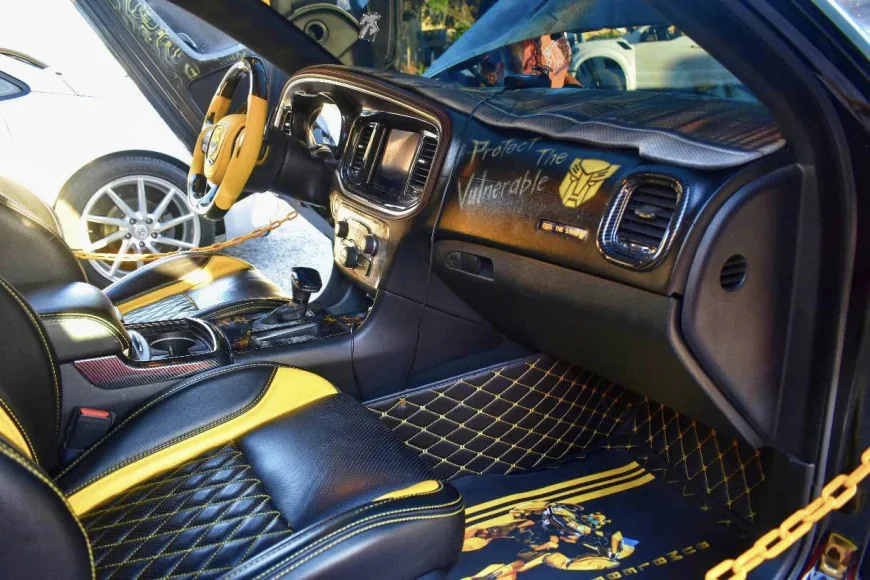
Interior Presentation: Don't Neglect the Inside
Judges and enthusiasts absolutely look inside, and a messy or dirty interior destroys the impression created by perfect exterior presentation. Start by removing absolutely everything that doesn't belong—receipts, random coins, charging cables, drink bottles. Your car should look like it's never been used despite being your daily driver. Center console and door bins should be empty. No air fresheners hanging from mirrors unless they're genuinely high-quality and match your build's aesthetic.
Vacuum thoroughly, including under seats and in crevices where dirt accumulates. Use compressed air to blow dust out of vents, around buttons, and from tight spaces. Dashboard and plastics need appropriate cleaner—not furniture polish which leaves greasy residue and attracts dust, but dedicated interior detailer that cleans and protects without shine. Matte finishes on modern interiors particularly show fingerprints and need regular cleaning to look their best.
Leather or alcantara seats require specific products. Leather needs conditioning to prevent cracking while maintaining the right level of sheen—not greasy but not completely matte. Alcantara demands careful cleaning because it shows every mark but can be ruined by wrong products. Use dedicated alcantara cleaner and a soft brush, working gently to avoid damaging the surface.
Windows inside and out need to be spotless because nothing looks worse than interior shots showing streaky glass. Use quality glass cleaner and microfiber cloths, and work in shade to prevent cleaner drying before you can buff it off. The final wipe with a clean, dry microfiber removes any streaks.
Modified interiors with custom trim, aftermarket seats, or unique touches should be highlighted clearly. If you've invested in Bride seats or custom alcantara work, make sure it's immediately visible and clean enough to photograph. These modifications represent significant investment and workmanship that deserves proper presentation.
Engine Bay: The Forgotten Detail
For shows that judge or appreciate engine bay presentation, cleanliness and organization matter enormously. A clean, well-organized engine bay suggests a car that's maintained properly and built with care. A dirty, messy engine bay suggests the opposite, regardless of how much money you've spent on performance modifications.
Degreasing should happen well before show day because it's messy and requires thorough rinsing. Cover sensitive components like alternators, intakes, and electrical connectors with plastic bags, then spray everything with engine degreaser. Let it sit for the recommended time, then rinse thoroughly with gentle water pressure. Avoid pressure washers that force water into electrical connections. After rinsing, remove plastic bags and let everything dry completely, using compressed air for speed.
Once clean, organize visible components thoughtfully. Cable ties should all point the same direction, wiring should be routed cleanly and secured properly, hoses should be routed sensibly without crossing or kinking. Aftermarket components like intake pipes, intercooler piping, and engine covers should be clean and free from oil residue or dirt.
For modified engine bays with polished or painted components, these elements need extra attention. Polished aluminum oxidizes and needs regular polishing to maintain that mirror finish. Painted or powder-coated parts should be spotless. If you've invested in aesthetic engine modifications like billet caps, custom covers, or unique components, ensure they're presented at their absolute best because they're conversation starters that draw people to your car.
The Night Before Checklist
The evening before a show is too late for major preparation, but it's the perfect time to ensure everything's ready for an early morning departure. Check the weather forecast and plan accordingly—if rain is forecast, prepare towels and quick detailer for arrival touch-ups. Fill your fuel tank because driving around looking for petrol the morning of a show wastes time and risks getting debris on your freshly cleaned car.
Pack your show day kit in a bag or box that stays with your car. This should include microfiber towels for quick touch-ups, quick detailer spray for dust removal, compressed air or air blower for water in crevices, tire shine for that last-minute touch, glass cleaner for smudges, and any tools needed if your car requires adjustment on site (air management controls, height adjustment tools if on coilovers).
If you're displaying printed materials like modification lists, build story boards, or photos of the build process, prepare these the night before. Laminate them if possible to protect from weather. Some shows appreciate builders who can clearly communicate their modification journey and costs, helping other enthusiasts learn from your experience.
Check one final time that everything works—lights, horn, wipers, all electrical components. There's nothing more embarrassing than a judge or fellow enthusiast noticing something doesn't work during the show. Make sure your car insurance and tax are current because show organizers occasionally check, and you absolutely cannot afford issues during the drive there.
Show Day Morning: Final Touches
Arrive early if the show allows it, giving you time to position your car carefully and make final adjustments before crowds arrive. The drive to the venue will have collected some dust and possibly bugs, so be prepared to spend 20-30 minutes on arrival doing final touches. Quick detailer and microfiber towels remove dust, while bug remover spray handles any unfortunate insects that found your windscreen during the drive.
Position your car thoughtfully if you have choice in placement. Consider lighting—avoid direct harsh sunlight if possible, which creates harsh shadows and makes photography difficult. Partial shade often works best, though be cautious of tree shade which can create dappled lighting that's unflattering. Think about background too; position your car against clean backgrounds rather than bins, portable toilets, or visual clutter.
Final check means walking completely around your car at least twice, looking from every angle. Wheels all aligned properly? Steering straight? Body panels all seated correctly? Windows spotless inside and out? Door gaps even? Tires at proper pressure and tire shine applied? Engine bay organized if bonnet will be open? Take a few photos on your phone from various angles; looking at your car through a camera often reveals imperfections you missed.
Air suspension users should set your ride height carefully, considering that slight slope many show venues have. You want level, not obviously wonky from one side being higher to compensate for venue topography. Static cars should be exactly at the height you've been running, emphasizing the dedication to your chosen setup.
Show Etiquette and Engagement
Presentation extends beyond your car to how you conduct yourself. Be present at your car as much as practically possible. People want to talk to builders, ask questions, learn about modifications. Wandering off for hours leaves your car as just another display without the story behind it. When people approach with questions, engage genuinely and enthusiastically. Share your modification process, challenges you overcame, costs if they ask, and suppliers you'd recommend.
Have answers ready for common questions: What wheels are those? What suspension? How much is it lowered? What power? How much have you spent? These questions come up repeatedly, so having concise, informative answers prepared makes you look knowledgeable and approachable rather than caught off guard.
Respect other displays by not touching their cars, sitting on bonnets for photos, or being generally disrespectful. The modified car community thrives on mutual respect and appreciation for others' work. Compliment builds that impress you genuinely and meaningfully rather than generic "nice car" comments. Specific appreciation for particular modifications or attention to detail shows you actually looked at their build rather than offering empty pleasantries.
Photography etiquette matters increasingly as shows become Instagram content opportunities. It's courteous to ask before photographing someone's car close-up or with specific details. Most people are flattered and will happily open bonnets or doors for better shots, but asking shows respect for their pride and joy.
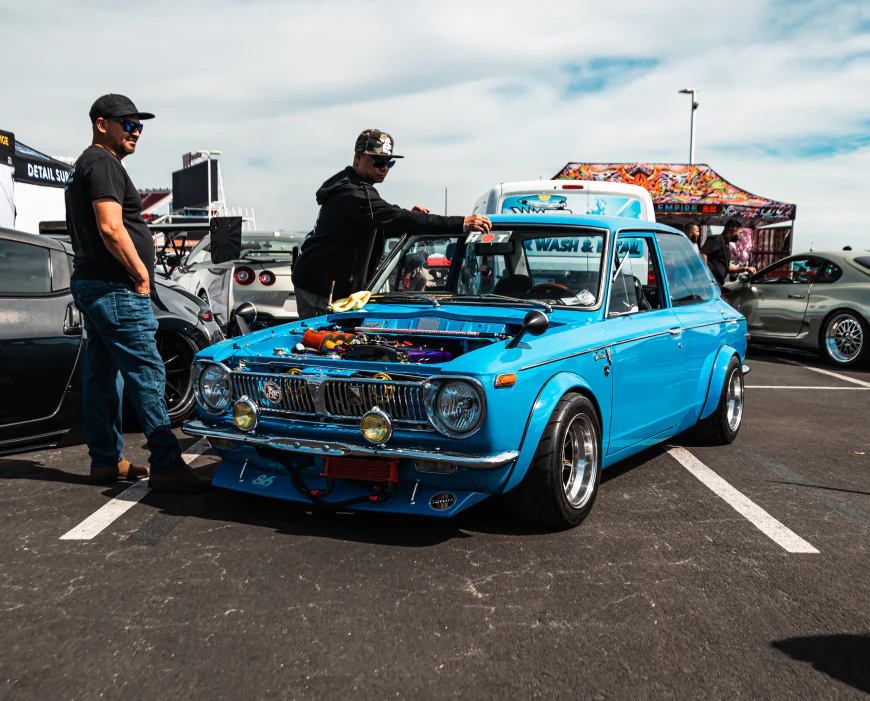
What to Bring: The Show Day Kit
Beyond the obvious (microfiber towels, quick detailer, compressed air), bring a comprehensive kit that handles the unexpected. Folding chairs mean you can sit comfortably near your car rather than standing all day or wandering off. A small canopy or umbrella provides shade on hot days or rain protection if weather turns, keeping you present at your car in comfort.
Documentation of your build proves authenticity of modifications and answers skeptics. Some builders create professional-looking boards with before/after photos, modification lists, and costs. This serves double duty as conversation starter and information source for people too shy to ask questions directly.
Business cards or social media details written clearly on a card help people follow your build ongoing. Many conversations end with "What's your Instagram?" and having this ready prevents the awkward "How do you spell that?" back-and-forth. Some builders include QR codes linking directly to their Instagram or YouTube, making following effortless.
Snacks and water keep you fed and hydrated without leaving your car unattended for food runs. Shows are often lengthy affairs, and maintaining energy and hydration keeps you engaged and enthusiastic rather than tired and ready to leave.
A small toolbox handles minor adjustments or fixes that become apparent during the show. Zip ties, screwdrivers, Allen keys, and basic tools mean you can address small issues immediately rather than living with them for the whole show.
Frequently Asked Questions
How early should I arrive at a show?
As early as the organisers allow. Early arrival gives you prime positioning, time for final touches, and preparation before crowds arrive. Aim for 30-60 minutes before official opening.
Should I leave my bonnet open?
If your engine bay is clean and well-presented, yes. If it's messy or you haven't prepared it, keep it closed. Never leave it open and walk away—be present to engage with people who want to look.
What if someone criticises my build?
Listen politely and respond maturely. Not everyone will like your choices, and that's fine. Explaining your reasoning often converts critics, but don't argue defensively.
How much should I spend on detailing products?
£100-150 buys quality washing supplies, polishes, wax, and interior cleaners. Invest in quality rather than budget products that don't work.
Can I attend shows with an unfinished build?
Local meets and casual shows, yes. Judged shows or competition categories require completed, polished builds. Know your venue.
How do I stand out among hundreds of cars?
Cleanliness and presentation matter more than modification extremes. A perfectly clean, well-presented car with moderate modifications beats a heavily modified but poorly presented car every time.
Related Articles
- Building a Show Car Budget
- Car Photography Guide
- Best Wrap Colors
- Custom Interior Builds
- Underglow and LED Lighting
 Like
0
Like
0
 Dislike
0
Dislike
0
 Love
0
Love
0
 Funny
0
Funny
0
 Angry
0
Angry
0
 Sad
0
Sad
0
 Wow
0
Wow
0