


























.png)






![[HOONIGAN] Ken Block's GYMKHANA NINE](https://img.youtube.com/vi/_bkX5VkZg8U/maxresdefault.jpg)












































![[HOONIGAN] KEN BLOCK'S GYMKHANA SEVEN: WILD IN THE STREETS OF LOS ANGELES](https://cdn.motor1.com/images/mgl/2KlO4/s1/ken-block-london-tour-directors-cut.jpg)






























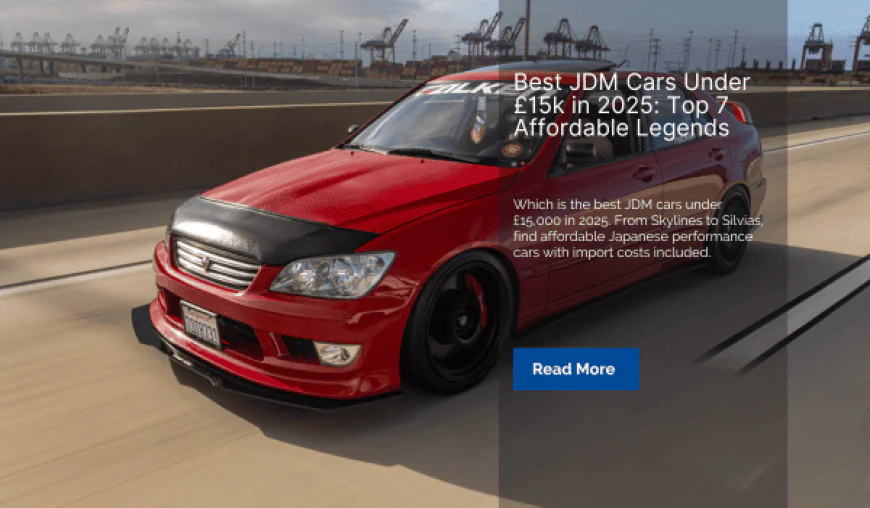
Best JDM Cars Under £15k in 2026 (That You Can Still Afford)
Which are the best JDM cars under £15,000 in 2026. From Skylines to Silvias, find affordable Japanese performance cars with import costs included.
The JDM Dream is More Affordable Than You Think
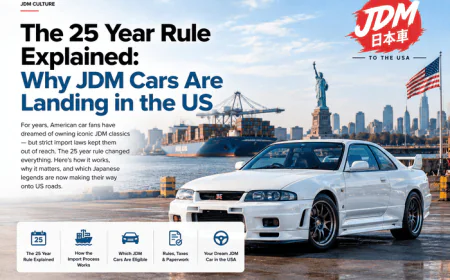
The dream of owning a genuine JDM car is more achievable than ever in 2026. With the 25-year import rule opening doors to iconic 90s Japanese performance cars and a thriving grey import market across the globe, enthusiasts can now get behind the wheel of legends without breaking the bank. But which JDM cars offer the best bang for your buck under £15,000?
In this comprehensive guide, we're breaking down the top 7 JDM cars you can import and register in 2026 for under £15k, complete with real-world pricing, import costs, modification potential, and what to watch for when buying. Whether you're after a Skyline, Silvia, or something more obscure, we've got you covered.
What You'll Learn:
- Actual landed costs including import fees and taxes
- Modification potential and aftermarket support
- Common issues and inspection points for each model
- Insurance and running costs you can expect
- Where to find quality examples and trusted importers
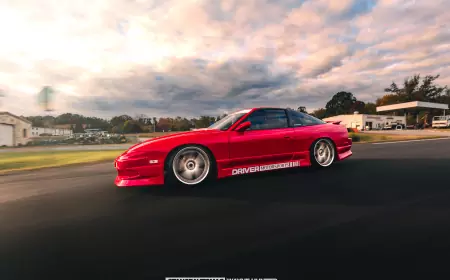
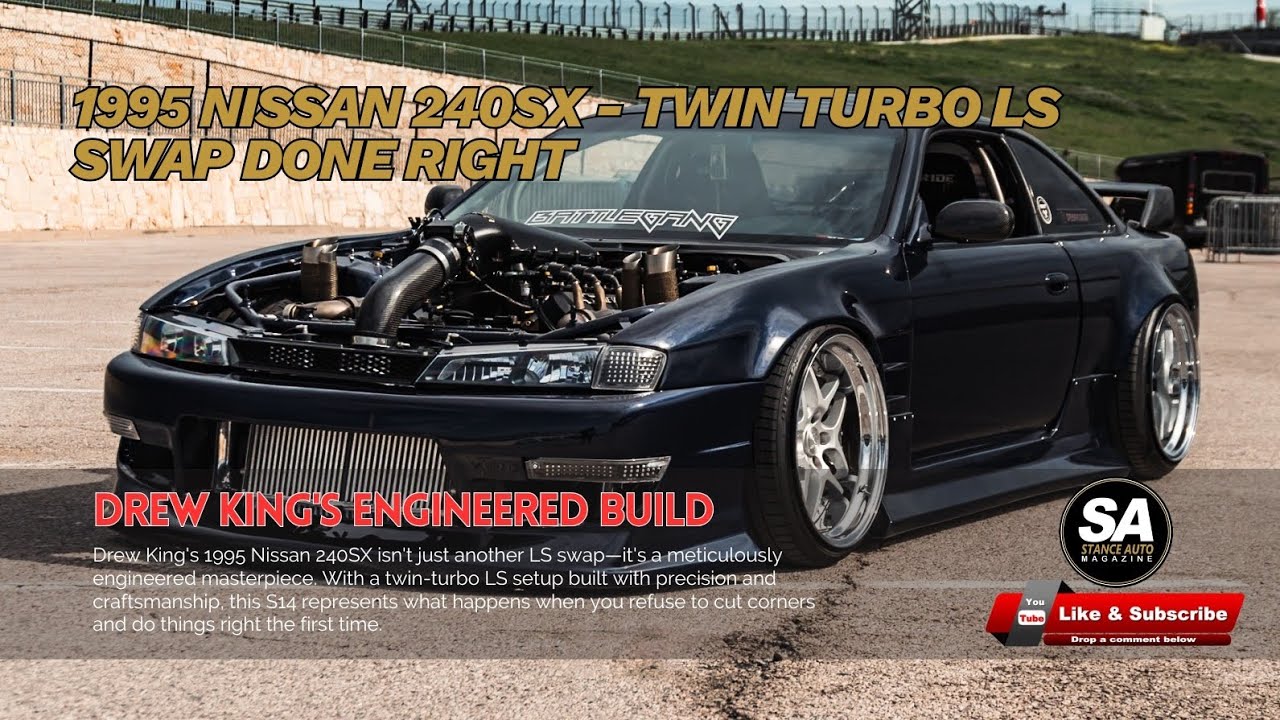
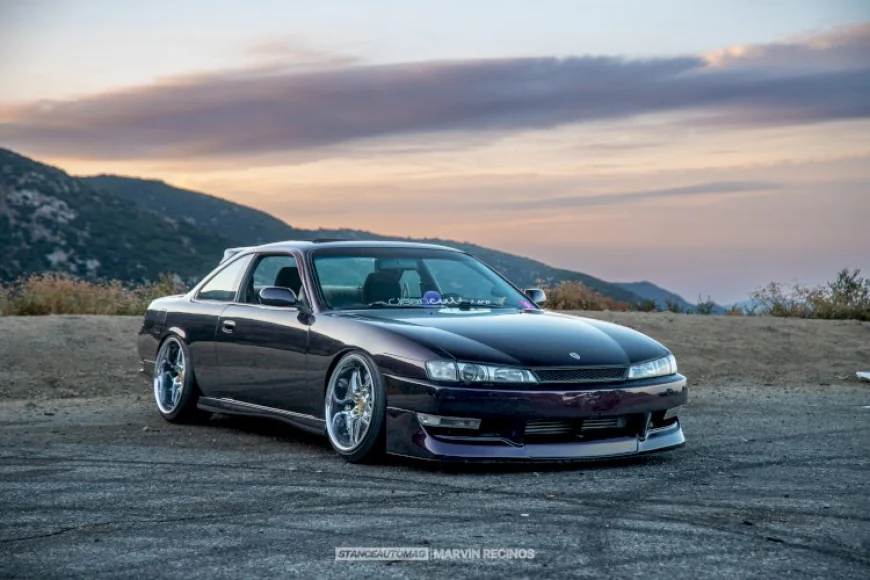
1. Nissan Silvia S14 (1995-1998) — £10,000-£14,000
The S14 Silvia represents the sweet spot in the Nissan drift car lineup. More refined than the S13, more affordable than the S15, and with the legendary SR20DET under the hood, this is the car that defined JDM car culture globally.
Why It Makes Our List
The S14 sits in a perfect position for 2026 buyers. Import prices have stabilized after the COVID surge, and you're now looking at £8-10k for a solid K's or Q's spec in Japan, landing at £10-14k after shipping, taxes, and compliance. The SR20DET responds brilliantly to modifications — 300bhp is achievable on stock internals with basic bolt-ons and a tune.
The aftermarket is enormous. From suspension components to body kits to engine parts, everything is available and affordable. You're never stuck hunting for parts, and there's a massive online community to help with any issues.
Real-World Costs Breakdown
|
Cost Item |
Price Range |
|
Purchase Price (Japan) |
£8,000 - £10,000 |
|
Shipping to your country |
£1,200 - £1,800 |
|
Import Duty & Tax |
£1,500 - £2,000 |
|
Compliance & Registration |
£400 - £800 |
|
Total Landed Cost |
£11,100 - £14,600 |
Modification Potential
The S14 is a tuner's dream with a clearly defined upgrade path:
- Stage 1 (£2-3k): Exhaust, intake, boost controller, ECU tune = 250-280bhp
- Stage 2 (£4-6k): Add larger turbo, injectors, fuel pump = 350-400bhp
- Stage 3 (£8k+): Built engine, big turbo, full supporting mods = 500bhp+
Common Issues to Watch For
Before purchasing, inspect for:
- Rust in the rear quarter panels and trunk floor — check thoroughly
- Turbo wear — look for smoke on startup and shaft play
- Modified cars with unknown history — demand service records
- Accident damage poorly repaired — magnet test for body filler
- Worn suspension bushings — common on cars over 20 years old
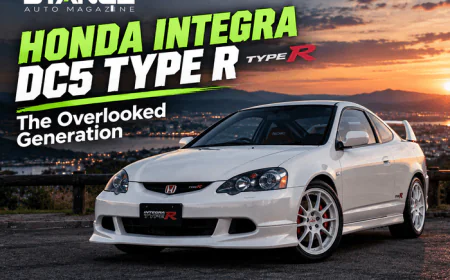
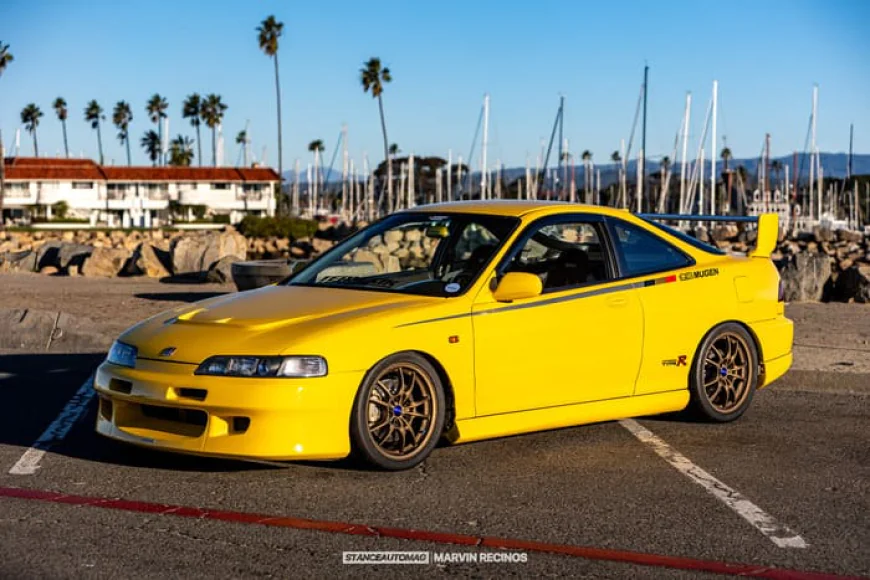
2. Honda Integra Type R DC2 (1995-2001) — £12,000-£15,000
The DC2 Integra Type R is the VTEC legend that needs no introduction. With Honda's screaming B18C engine revving to 8,400rpm and handling that embarrasses cars twice its price, this is pure driving joy in an affordable package.
Why It Makes Our List
While prices have climbed in recent years, you can still find quality DC2 Type Rs in the £12-15k range if you're patient. These are appreciating assets — buy a good one now and it'll likely be worth more in 5 years. The naturally aspirated B18C engine is bulletproof, and the car is reliable enough for daily driving.
What sets the DC2 apart is the driving experience. The high-revving VTEC motor, perfectly weighted steering, and telepathic chassis make every drive special. It's not about straight-line speed — it's about the joy of precision and involvement.
Real-World Costs
- Purchase in Japan: £10,000 - £12,000
- Shipping: £1,200 - £1,600
- Import/Compliance: £1,500 - £2,000
- Total Landed: £12,700 - £15,600
Modification Potential
Type R purists often keep these stock, but if you want more:
- Engine: ITBs, cams, port & polish = 220-240bhp
- Forced Induction: Turbo kit = 300-400bhp (expensive, £8k+)
- Suspension: Coilovers, sway bars, bushings = track weapon
- Weight reduction: Strip interior, carbon parts = faster than power
Common Issues
- Theft history — DC2 Type Rs are stolen frequently, check VIN carefully
- Rust in rear arches and floor pans
- Worn synchros (2nd and 3rd gear)
- Modified examples with cut harnesses
- Accident damage — these are often tracked hard
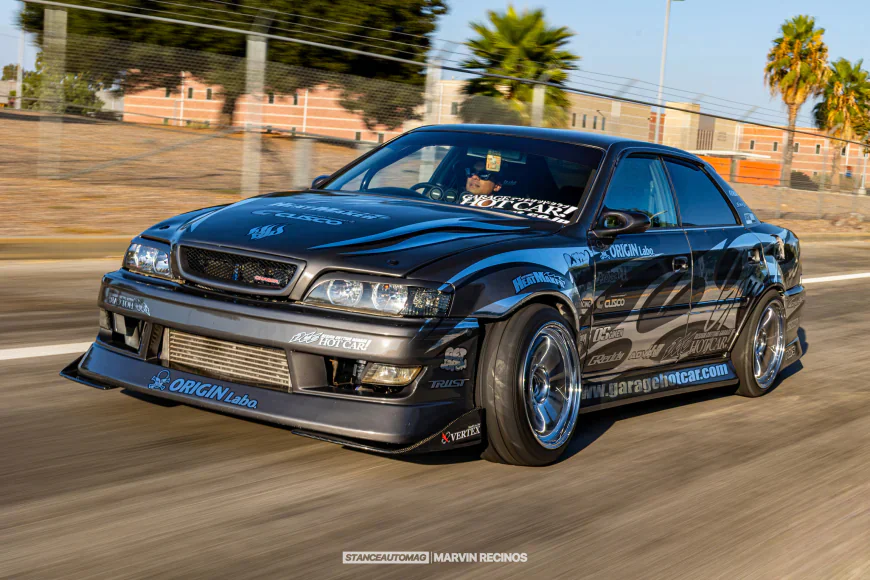
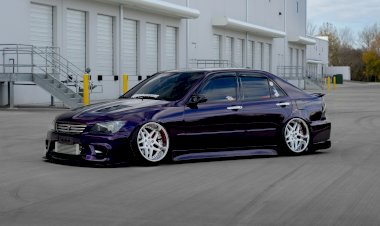
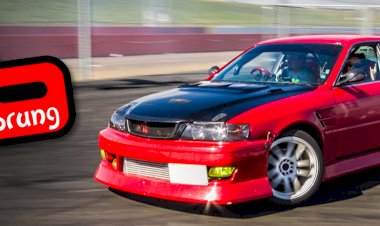
1999 Toyota Chaser JZX100 Build: 400HP Drift Monster
3. Toyota Chaser JZX100 (1996-2001) — £8,000-£13,000
Want Supra performance in a practical four-door saloon? The JZX100 Chaser is your answer. Powered by the same 1JZ-GTE inline-six as the Supra, this is the ultimate sleeper car that can embarrass supercars while carrying your family in comfort.
Why It Makes Our List
The Chaser offers incredible value. You're getting a twin-turbo inline-six, rear-wheel drive, and a bulletproof automatic transmission for less than half the price of a Supra. The 1JZ-GTE is legendary for reliability and responds amazingly well to modifications. 400bhp is easily achievable with basic upgrades, and the stock engine can handle 600bhp with proper supporting mods.
This is also practical. Four proper seats, a massive boot, comfortable ride, and it looks unassuming enough that nobody gives you a second glance. Perfect if you want performance without the attention.
Real-World Costs
- Purchase Price: £6,000 - £10,000
- Shipping: £1,500 - £2,000
- Import/Compliance: £1,500 - £2,000
- Total Landed: £9,000 - £14,000
Modification Potential
The 1JZ platform is massively popular:
- Basic mods: Exhaust, intake, boost controller = 320-350bhp
- Single turbo conversion: £4-6k = 450-550bhp
- Built motor: Forged internals = 700bhp+
- Manual swap: Popular modification (£2-3k) for more engagement
Common Issues
- Rust on rear subframe and floor
- Automatic transmission wear (manual swap recommended)
- Worn front suspension bushings
- Interior wear — these were daily drivers in Japan
- Oil leaks from valve cover gasket
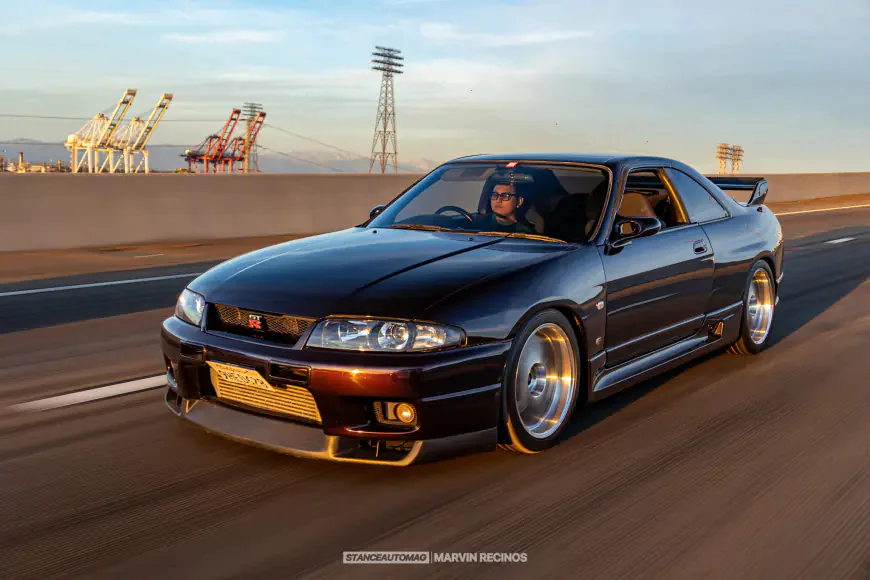
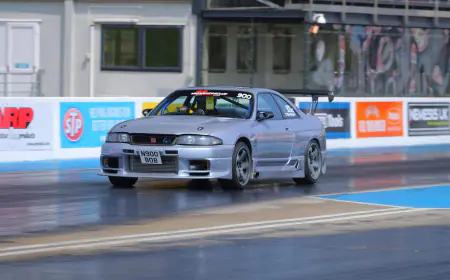
1995 Nissan Skyline R33 GT-R: The Dream Build
4. Nissan Skyline R33 GTS-t (1995-1998) — £8,000-£14,000
Can't afford an R33 GT-R? The GTS-t gives you 90% of the experience for 50% of the price. Same iconic Skyline looks, same RB25DET engine (just minus the AWD system), and an incredible platform for modifications.
Why It Makes Our List
The GTS-t is the smart buyer's Skyline. You get the legendary RB engine, the iconic Skyline styling, and a chassis that handles brilliantly (arguably better than the GT-R due to lighter weight). The RB25DET responds fantastically to modifications — 400bhp is very achievable and reliable on stock internals.
As a bonus, being rear-wheel drive makes it more engaging and easier to drift than the AWD GT-R. Insurance is also significantly cheaper, and parts are plentiful.
Real-World Costs
- Purchase Price: £7,000 - £11,000
- Shipping: £1,200 - £1,800
- Import/Compliance: £1,500 - £2,000
- Total Landed: £9,700 - £14,800
Modification Potential
RB25DET upgrade path:
- Stage 1: Exhaust, intake, boost up = 300-320bhp
- Stage 2: Larger turbo, injectors, fuel pump = 400-450bhp
- RB26 head swap: Popular mod for better flow = 500bhp+
- Coilover suspension: Essential for handling
Common Issues
- Turbo wear after 150k+ km
- Oil consumption (RB25 notorious for it)
- Rust in rear quarters and under car
- Worn clutch on modified examples
- Sagging headliner (interior degradation)
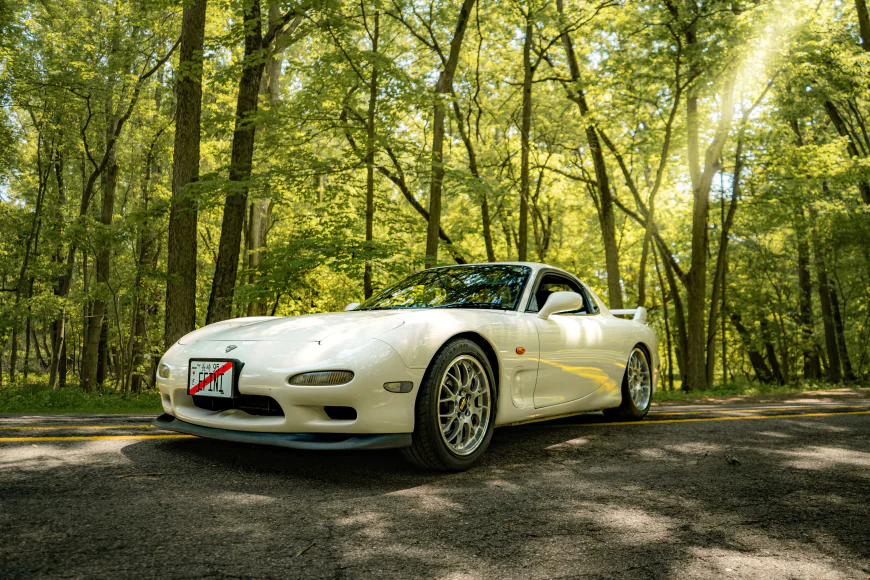
1995 Mazda RX7 FD Efini Stock Twin Turbo 13B-REW Build Michigan
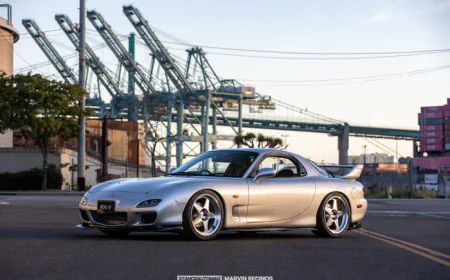
5. Mazda RX-7 FD3S Series 6/7 (1992-1996) — £13,000-£15,000
Just squeezing into our budget are early FD RX-7s. These rotary-powered legends are automotive icons, and while prices have climbed significantly, early Series 6 and 7 models can still be found around £15k if you're patient and willing to compromise on mileage.
Why It Makes Our List
The FD RX-7 is simply one of the most beautiful sports cars ever made. The 13B twin-turbo rotary is unique, sounds incredible, and with modifications can make serious power (600bhp+ is possible). The handling is legendary — this car was designed to compete with the NSX and Supra.
However, you need to know what you're getting into. Rotaries require specific maintenance, they're not as reliable as piston engines, and parts can be expensive. This is for the enthusiast who loves the rotary character and is willing to invest in proper maintenance.
Real-World Costs
- Purchase Price: £11,000 - £13,000 (Series 6/7)
- Shipping: £1,200 - £1,800
- Import/Compliance: £1,500 - £2,000
- Total Landed: £13,700 - £16,800
Note: Later Series 8 models start at £18k+ now
Modification Potential
13B-REW rotary upgrades:
- Single turbo conversion: Popular, £5-8k = 400-500bhp
- Porting: Improves flow dramatically
- Standalone ECU: Essential for serious power
- Cooling upgrades: Critical for reliability
- Coilovers + brakes: Make it a track weapon
Critical Considerations
- Rotary rebuild needed every 80-120k km (£3-5k)
- Must check compression (hot and cold)
- Oil consumption is normal (check level regularly)
- Cooling system must be perfect
- Avoid modified cars without documentation
- Budget £2k/year for maintenance
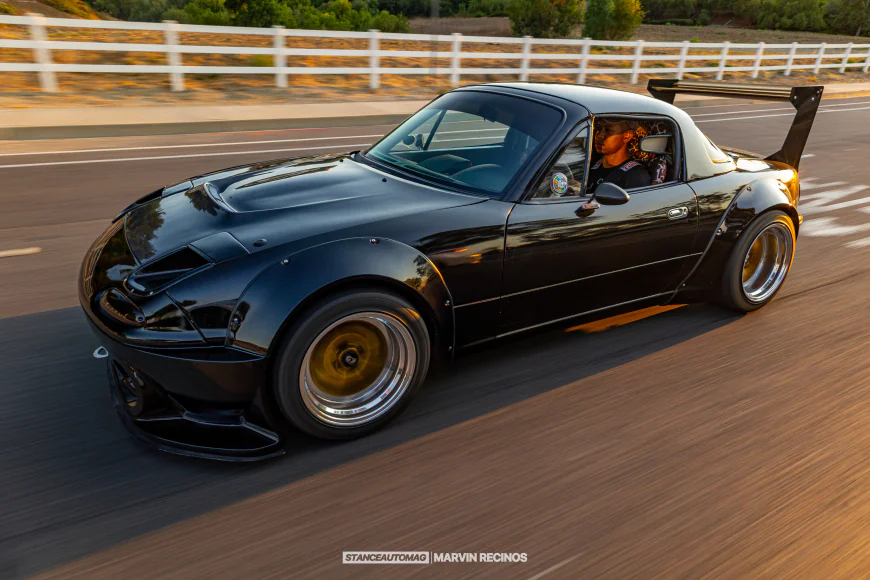
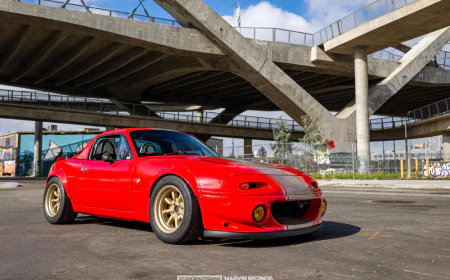
6. Mazda MX-5 NB (1998-2005) — £3,000-£8,000
Yes, the MX-5 is JDM! The Japanese Roadster specification offers unique features not found in export models, and it remains the best budget sports car you can buy. Reliable, fun, huge aftermarket, and cheap to run.
Why It Makes Our List
The MX-5 NB is the sweet spot of the MX-5 range. Better looking than the NA, more analog than the NC, and with enough power to be fun (especially in the 1.8 VVT models). You can buy, import, and insure one for less than any other car on this list, and it'll put a smile on your face every single time you drive it.
The handling is telepathic, the reliability is legendary (it's a Mazda), and the aftermarket is massive. Want to turbo it? Want to track it? Want to stance it? All easily achievable.
Real-World Costs
- Purchase Price: £2,000 - £5,000
- Shipping: £1,000 - £1,500
- Import/Compliance: £800 - £1,500
- Total Landed: £3,800 - £8,000
Modification Potential
Endless options:
- Turbo kit: £3-5k = 200-250bhp
- Suspension: Coilovers, sway bars = perfect handling
- Engine swap: K-series, LS, Duratec all popular
- Aero: Massive aftermarket for body kits
Common Issues
- Rust (sills, rear arches, chassis rails)
- Soft top wear
- Oil leaks from valve cover
- Worn synchros (5-speed gearbox)
- But overall very reliable!
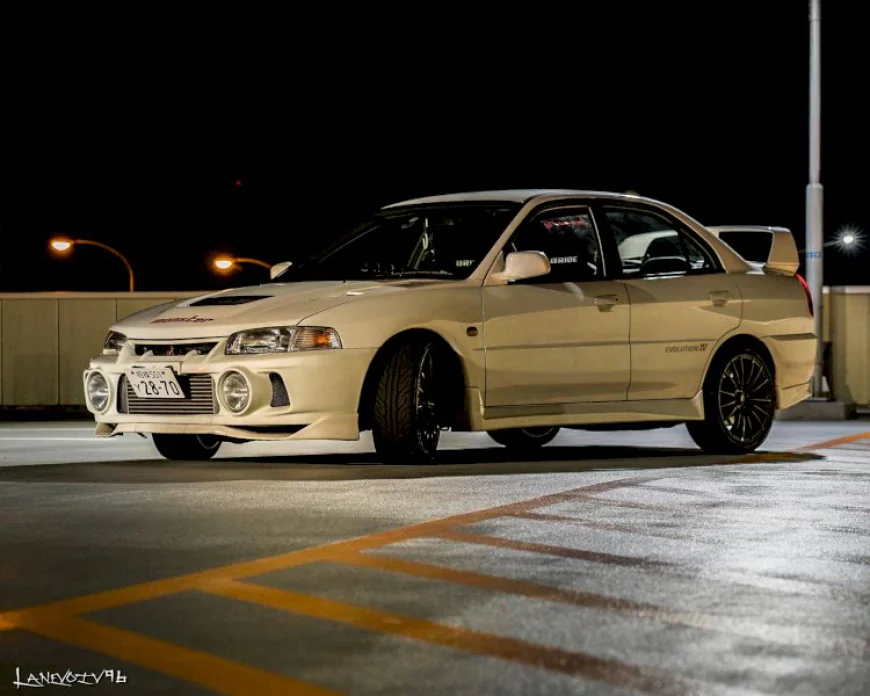
7. Mitsubishi Lancer Evolution IV/V (1996-1999) — £12,000-£15,000
The rally legend in civilian clothes. The Evo IV and V represent the peak of the "classic" Evo era before things got more refined. Raw, loud, capable, and with an engine that loves to make power.
Why It Makes Our List
If you want a proper rally weapon that's street legal, this is it. The 4G63 engine is legendary for reliability and tuning potential. The AWD system is incredibly capable. These cars were built to dominate rally stages, and that DNA shines through on every drive.
400bhp is easily achievable on the stock engine, and the chassis can handle it. The Evo has one of the most engaged enthusiast communities, so support and knowledge are plentiful.
Real-World Costs
- Purchase Price: £10,000 - £12,000
- Shipping: £1,200 - £1,800
- Import/Compliance: £1,500 - £2,000
- Total Landed: £12,700 - £15,800
Modification Potential
4G63 is a tuner favorite:
- Stage 1: Exhaust, intake, boost = 320-350bhp
- Stage 2: Bigger turbo, injectors = 400-450bhp
- Built motor: Forged internals = 600bhp+
- Transmission: Can handle big power stock
Common Issues
- Transfer case wear (expensive to replace)
- Rust everywhere (these were rally cars)
- Modified examples often thrashed
- Clutch wear
- Front differential wear
How to Buy: Complete Process
Step 1: Choose Your Import Method
You have three main options:
1. Specialist Import Company (Easiest): They handle everything from sourcing to delivery. Cost: Base price + £1,500-3,000
2. Independent Agent (Middle Ground): You find the car, they handle paperwork and shipping. Cost: Base + £1,000-2,000
3. DIY Import (Cheapest): You handle everything yourself. Cost: Base + fees only, but requires significant time/knowledge
For first-timers, we strongly recommend using a reputable specialist. The extra cost is worth the peace of mind.
Step 2: Research and Find Your Car
Popular auction sites:
- USS (United Sports System)
- JU (Japan Used)
- TAA (Toyota AA)
- HAA (Honda AA)
Your importer can access these and bid on your behalf. Look for:
- Auction grade 4.0 or higher (scale of 1-5)
- Complete service history
- Unmodified or tastefully modified
- Low mileage (under 100k km is ideal)
- Clean auction sheet (no accident history)
Step 3: Inspection and Purchase
Never buy without inspection! Options:
- Auction sheet inspection (included in most imports)
- Independent inspector in Japan (£150-300, worth it)
- Video inspection (some companies offer this)
Red flags:
- Modified engine with no documentation
- Accident history (even minor)
- Rust (killer for Japanese cars)
- Missing service records
- Suspiciously low price
Step 4: Shipping and Customs
Timeline: 6-12 weeks from purchase to delivery
- Ocean freight: 4-6 weeks
- Customs clearance: 1-2 weeks
- Compliance work: 1-2 weeks
- Final delivery: 1 week
Your importer handles all of this, but be patient. Delays happen, especially during peak seasons (September-November).
Step 5: Registration and First Drive
Once it arrives:
- Registration (your importer usually handles)
- Insurance (use specialist modified car insurers)
- MOT/Safety inspection (if required in your country)
- Immediate checks: All fluids, tire condition, brake function
First 1000 miles:
- Easy driving while you learn the car
- Check for leaks daily
- Monitor all gauges
- Get a full service done
Running Costs: What to Expect
Insurance
Expect to pay:
- Under 25: £1,500 - £3,000/year
- 25-30: £800 - £1,500/year
- 30+: £500 - £1,000/year
Specialist insurers (Greenlight, Adrian Flux, A-Plan) offer much better rates than mainstream companies. Declared modifications can actually reduce premiums if they improve safety.
Fuel
Most JDM performance cars need premium fuel (98+ octane):
- Turbocharged cars: 20-28 MPG
- NA cars: 25-35 MPG
- Track use: Halve the above numbers
Budget £200-300/month for regular driving, more if you drive hard or track frequently.
Maintenance
Annual maintenance budget:
- Oil changes (every 3-5k miles): £60-100 each
- General servicing: £300-500/year
- Tires: £400-800 (if you drive spiritedly)
- Unexpected repairs: Budget £500-1000 reserve
Older cars (20+ years) need more TLC. Plan for wear items: bushings, gaskets, seals.
Parts Availability
Good news: Popular models have excellent parts support:
- Silvia/Skyline: Huge aftermarket
- Integra: Honda parts still available new
- MX-5: Massive aftermarket
- Evo: Strong support from Mitsubishi and aftermarket
Less common models may require:
- Importing parts from Japan (2-4 week wait)
- Using generic/universal alternatives
- Fabricating solutions for rare items
Final Thoughts: Which One Should You Buy?
The sub-£15k JDM market in 2025 offers incredible opportunities. Each car on this list brings something unique to the table, and your choice depends on your priorities.
Our Recommendations by Use Case:
- Best All-Rounder: Nissan Silvia S14. Affordable, reliable, massive aftermarket, and endlessly modifiable.
- Best Investment: Honda Integra Type R DC2. Already appreciating, will likely be worth more in 5 years.
- Best Value Performance: Toyota Chaser JZX100. Supra power for half the money in a practical package.
- Best for Beginners: Mazda MX-5 NB. Cheap, reliable, easy to maintain, forgiving to drive.
- Best for Enthusiasts: Mazda RX-7 FD. Unique, beautiful, incredible to drive (if you can handle the maintenance).
- Best for Modification: Nissan Skyline R33 GTS-t. RB25DET platform with endless potential.
Remember: buy on condition, not just price. A well-maintained £14k car will cost you far less in the long run than a rough £9k example. Do your homework, use reputable importers, get thorough inspections, and don't rush the process.
The JDM dream is achievable. Start researching, set your budget, and join the community. These cars aren't just transportation — they're pieces of automotive history that you can own and enjoy every single day.
Frequently Asked Questions
Are JDM imports legal?
Yes, in most countries. In the UK, any car over 10 years old can be imported. In the US, the 25-year rule applies (1999 and older in 2025). In Australia, the SEVS scheme allows specific models. Canada has a 15-year rule. Always check your local regulations.
Will insurance be expensive?
It depends on your age and location. Use specialist modified car insurers like Greenlight, Adrian Flux, or A-Plan. Expect to pay 20-50% more than a standard car, but it's manageable. Full disclosure of modifications is crucial.
Can I daily drive a JDM import?
Absolutely! Many owners daily drive their imports. Cars like the Chaser, Skyline, and MX-5 are perfectly reliable daily drivers. Just ensure you buy a good example with solid maintenance history. The Integra and S14 are also excellent daily options.
Are parts expensive?
Not for popular models. Silvias, Skylines, MX-5s, and Integras have massive aftermarket support. Parts are often cheaper than European cars. Obscure models may require importing from Japan, which adds time and cost.
Should I buy one already imported or import myself?
For your first JDM car, buying one already imported and registered is safer. You can inspect it in person, test drive it, and avoid import hassles. Once you know the cars and process, importing yourself can save £1-2k.
What's the best way to finance a JDM import?
Personal loan or car finance from your bank is usually best. Many import companies don't offer financing. Budget for the full landed cost plus £1-2k for immediate consumables (tires, brakes, fluids, etc.).
How reliable are 20+ year old JDM cars?
Japanese cars are generally well-maintained. However, they're old now. Expect to replace wear items: bushings, gaskets, hoses. Budget £1-2k for deferred maintenance in the first year. Well-maintained examples are reliable, but they need care.
Call to Action
Do you have a build story like this one? Got a build on a budget? We want to see it. Submit your story to Stance Auto Magazine, and you could be the next featured owner showing the world how to do it right—without breaking the bank.
 Like
1
Like
1
 Dislike
0
Dislike
0
 Love
0
Love
0
 Funny
0
Funny
0
 Angry
0
Angry
0
 Sad
0
Sad
0
 Wow
0
Wow
0