






































.png)









![[HOONIGAN] Ken Block's GYMKHANA NINE](https://img.youtube.com/vi/_bkX5VkZg8U/maxresdefault.jpg)



















































![[HOONIGAN] KEN BLOCK'S GYMKHANA SEVEN: WILD IN THE STREETS OF LOS ANGELES](https://cdn.motor1.com/images/mgl/2KlO4/s1/ken-block-london-tour-directors-cut.jpg)


























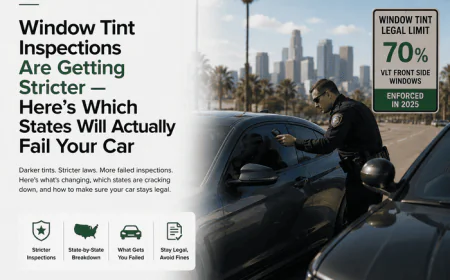
Window Tint Inspections Are Getting Stricter — Here's Which States Will Actually Fail Your Car
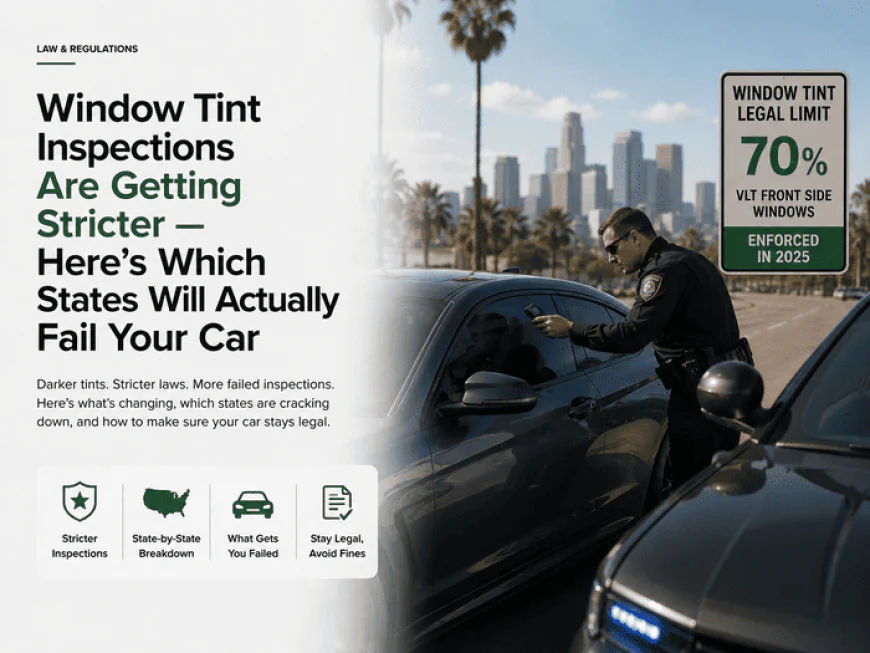
New York, Pennsylvania, and Rhode Island now enforce 70% VLT tint limits at annual inspection, blocking registration for failures. Full 2026 breakdown.
Window Tint Inspections Are Getting Stricter
VLT, or Visible Light Transmission, is the percentage of light that passes through a window after tint film is applied — a lower VLT number means darker glass — and it's the single number every state uses to decide whether your tint is legal, which makes it the number most likely to fail you at annual inspection.
In plain English: the darker your front windows, the lower your VLT percentage, and if that number drops below your state's minimum, you're looking at a citation or a failed inspection, not a warning.
The States Where 70% Basically Means No Aftermarket Tint at All
Some states have set their front-side-window minimum so high that it effectively eliminates any meaningful aftermarket darkness. California, New York, Pennsylvania, Rhode Island, New Hampshire, Delaware, and Washington D.C. all require 70% VLT on front side windows — essentially the same clarity as factory glass. New Jersey goes further still and bans front-side aftermarket film entirely, factory glass only, with narrow medical exceptions. At the other end of the spectrum, states like New Mexico allow front windows as dark as 20% VLT, which is the difference between barely tinted and genuinely hard to see through.
Why Annual Inspection States Are the Real Enforcement Story
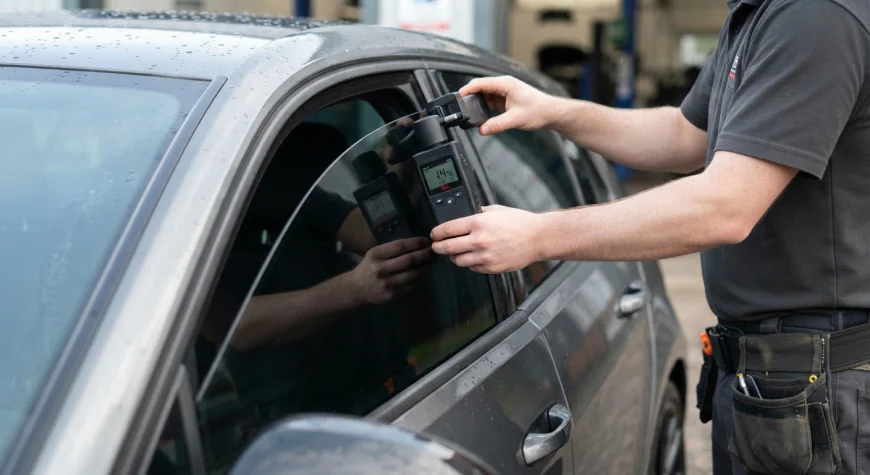
A tint law on paper is one thing; a tint law that's actually metered every single year is another. Pennsylvania, New York, Virginia, Massachusetts, and Rhode Island all combine a strict VLT floor with mandatory annual (or biennial, in Rhode Island's case) safety inspections, and inspection stations use the same calibrated tint meters — to the ANSI/SAE Z26.1 standard — that police use roadside. Every window gets metered, not just the driver's side, and a failing reading isn't a citation you can just pay and move on from. It's an inspection fail, which means the vehicle can't be registered until the tint is removed and the car is re-inspected. That structure is why Pennsylvania and New York function as de facto stricter tint jurisdictions than states with similar VLT numbers on the books but no routine inspection to enforce them.
What Enthusiasts Are Actually Up Against
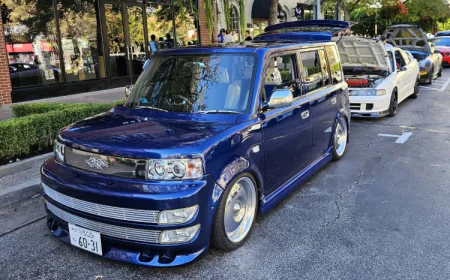
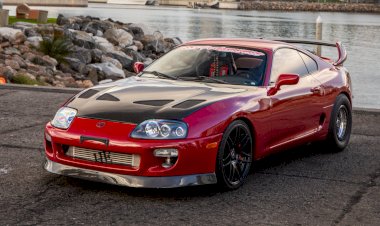
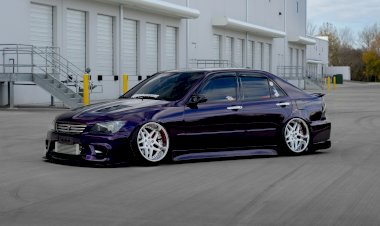
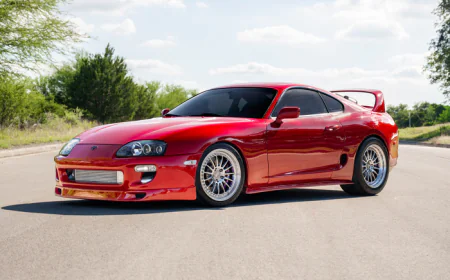
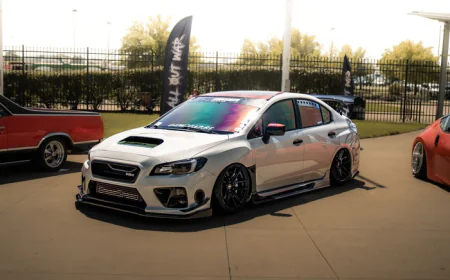
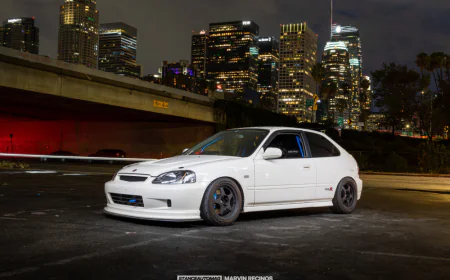
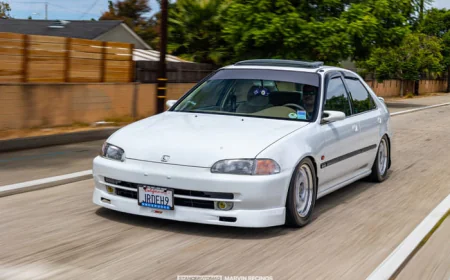
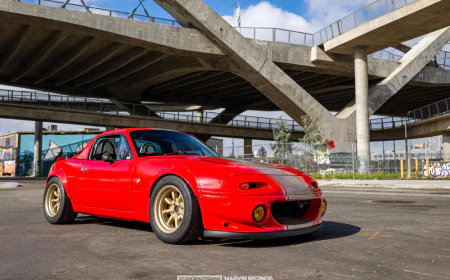
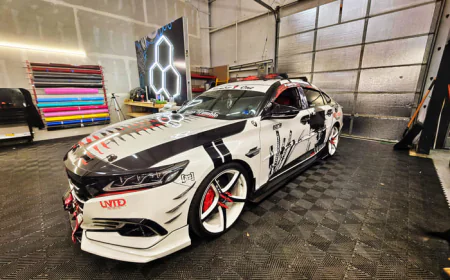
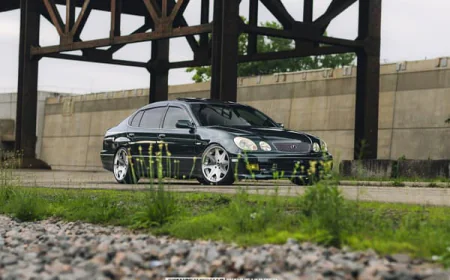
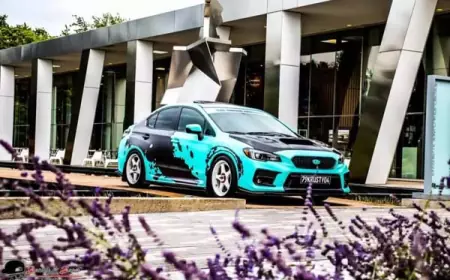
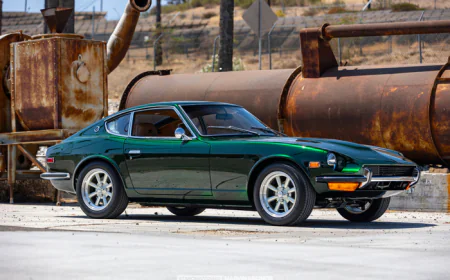
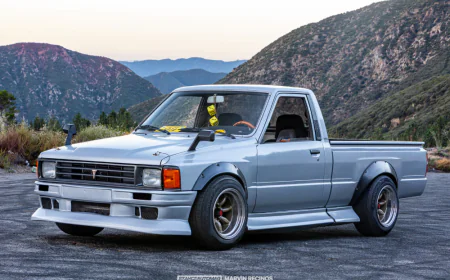
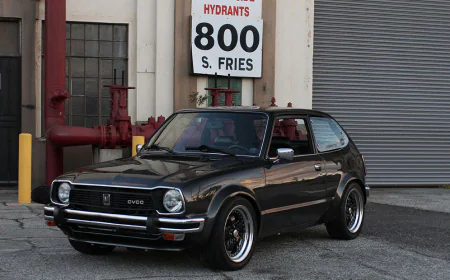
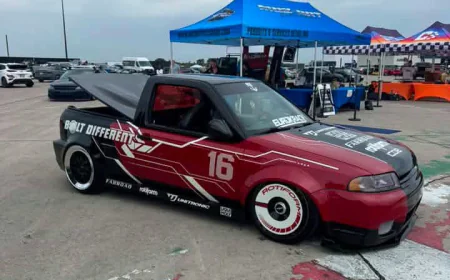
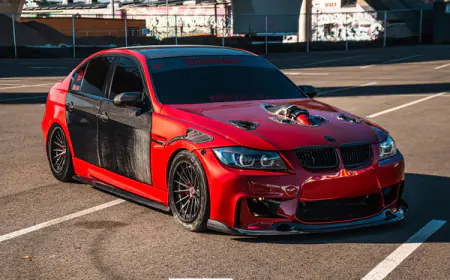
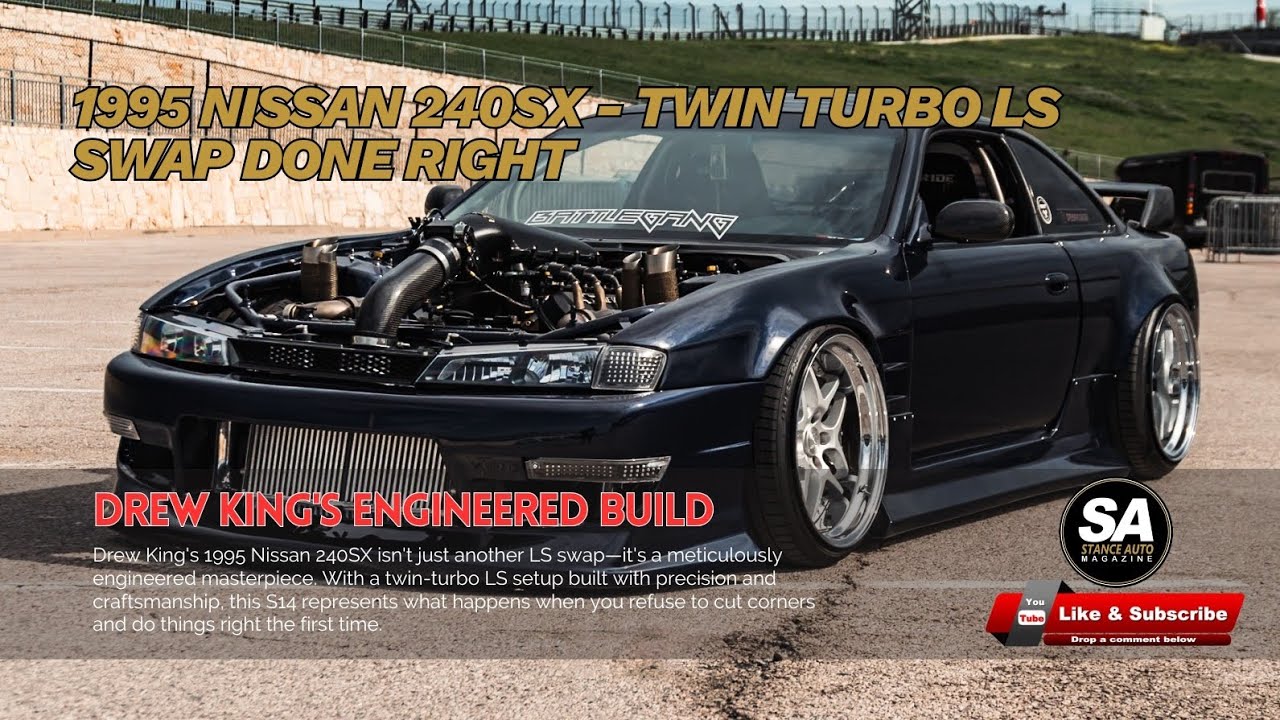
For the stance and JDM crowd specifically, this matters more than it might for the average commuter, because deep front tint is a core part of the look — and a 70% VLT requirement essentially removes that option entirely if you're registered in one of the strictest states. Builders in those states are increasingly limited to rear-window and rear-side tint, where most states are far more permissive, some allowing any darkness at all for SUVs with dual outside mirrors.
Cash Grab, or Legitimate Safety Standard?
The case for strict tint enforcement centers on officer safety and driver visibility — a dark front window makes it harder for an officer approaching during a traffic stop to see what's happening inside the vehicle, and reduced visibility at night is a real handling factor, not just a talking point. States that pair strict VLT limits with annual metered inspection argue they're simply applying an existing standard consistently rather than relying on subjective roadside judgment calls.
The counter-argument from tint shops and enthusiasts is more about proportionality and enforcement economics: failing a car over a few percentage points of VLT, in a state where the legal limit already sits near factory-glass clarity, produces more registration hassle and inspection-station revenue than any measurable safety gain, especially compared to states allowing much darker tint with no documented spike in officer-safety incidents. Whether that argument holds up depends heavily on which state you're in and what data you trust — but it's the debate playing out in state legislatures as inspection stations report tint-related sales and installs dropping in the strictest jurisdictions.
If you're planning a tint job and want to check your exact legal VLT before you book an install, do it before you buy the film — not after a failed inspection. If you're building out the rest of the car's audio and electronics setup while you're at it, our guide to buying subwoofers online in the UK covers trusted retailers. For everything else on your build list, the Mag store on Amazon is worth a browse.
Sources: International Window Film Association tint law database, state DMV and inspection guidance (NY, PA, RI, VA, MA), TintLaws.com 2026 state-by-state guide.
 Like
0
Like
0
 Dislike
0
Dislike
0
 Love
0
Love
0
 Funny
0
Funny
0
 Angry
0
Angry
0
 Sad
0
Sad
0
 Wow
0
Wow
0