









































.png)








![[HOONIGAN] Ken Block's GYMKHANA NINE](https://img.youtube.com/vi/_bkX5VkZg8U/maxresdefault.jpg)













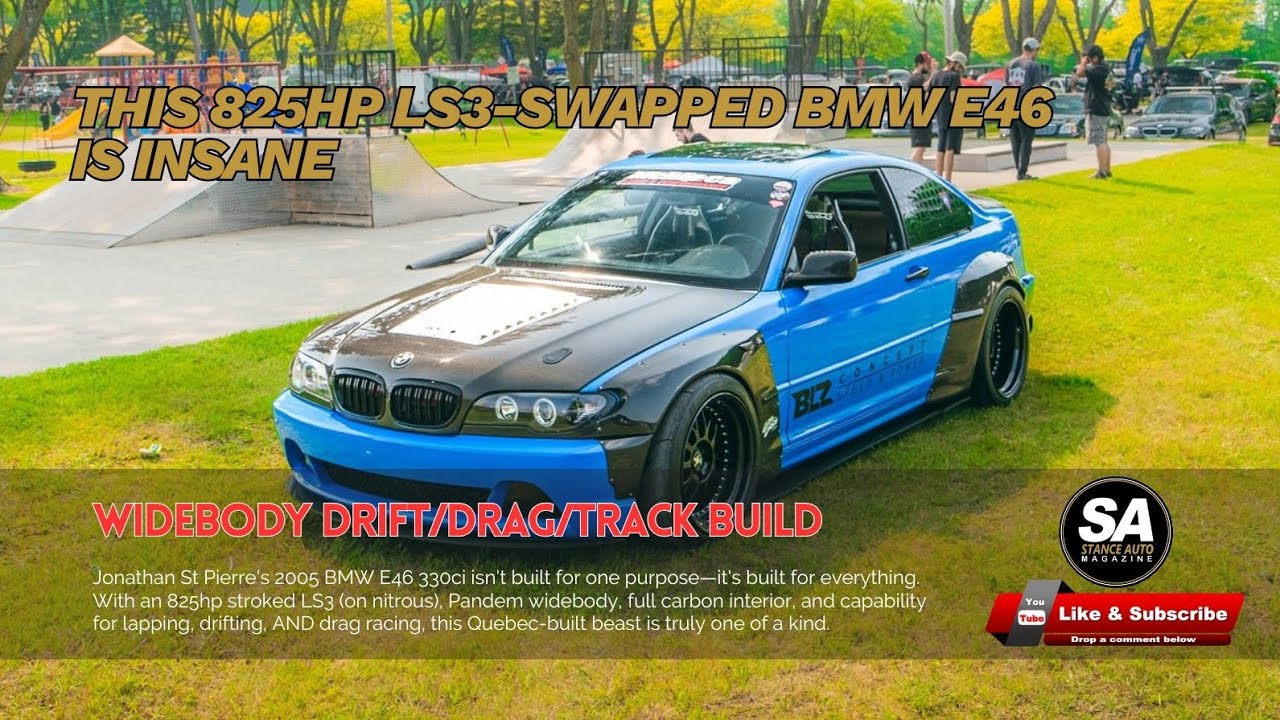
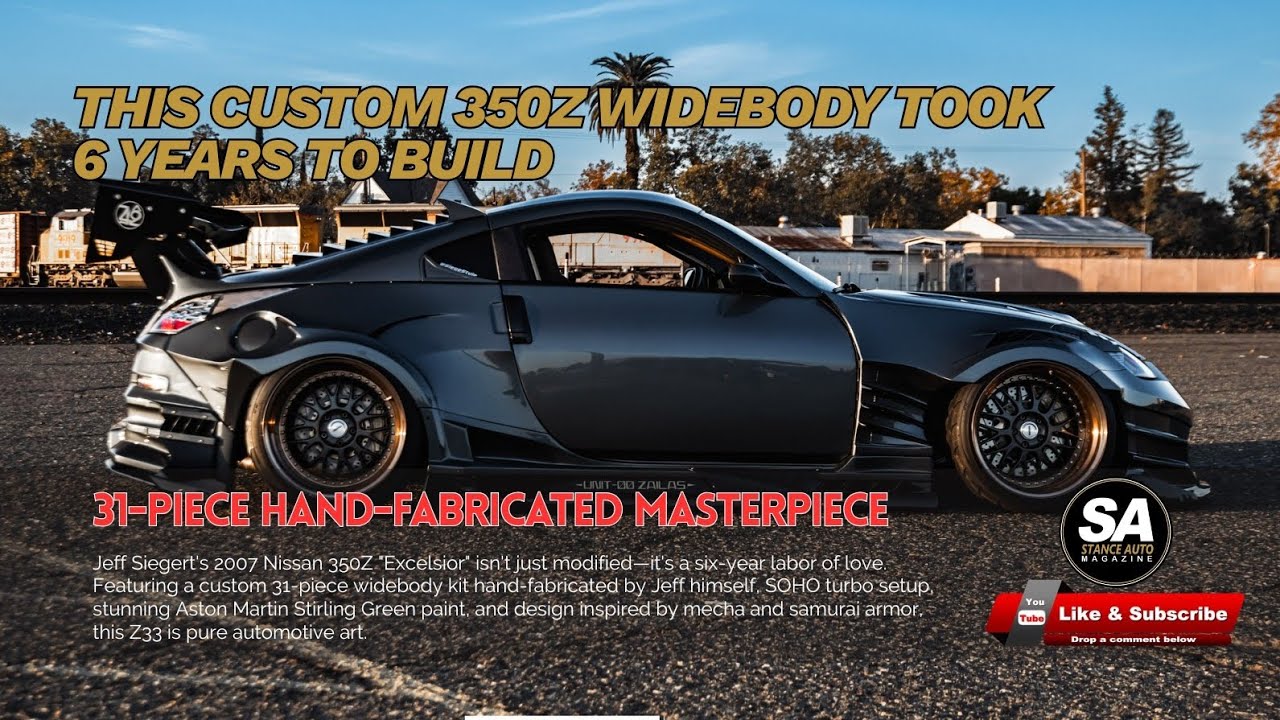
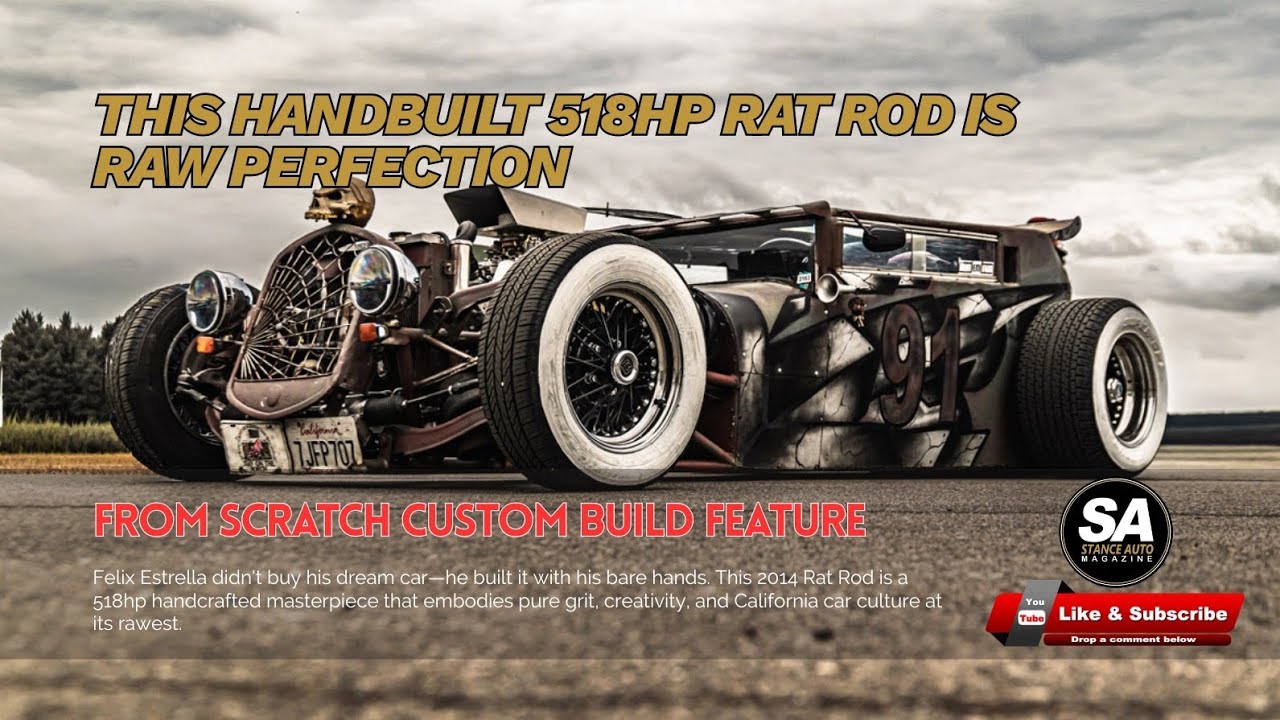


























![[HOONIGAN] KEN BLOCK'S GYMKHANA SEVEN: WILD IN THE STREETS OF LOS ANGELES](https://cdn.motor1.com/images/mgl/2KlO4/s1/ken-block-london-tour-directors-cut.jpg)

































Welcome to Max Power Cars
Max Power cars defined UK modified culture for a generation. Discover the magazine, the builds, the cruise nights and the legacy that never really went away.
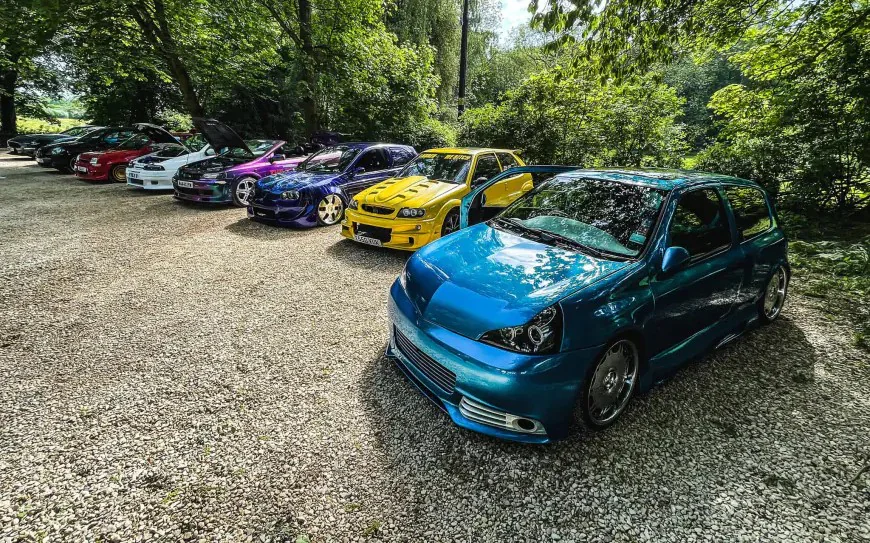
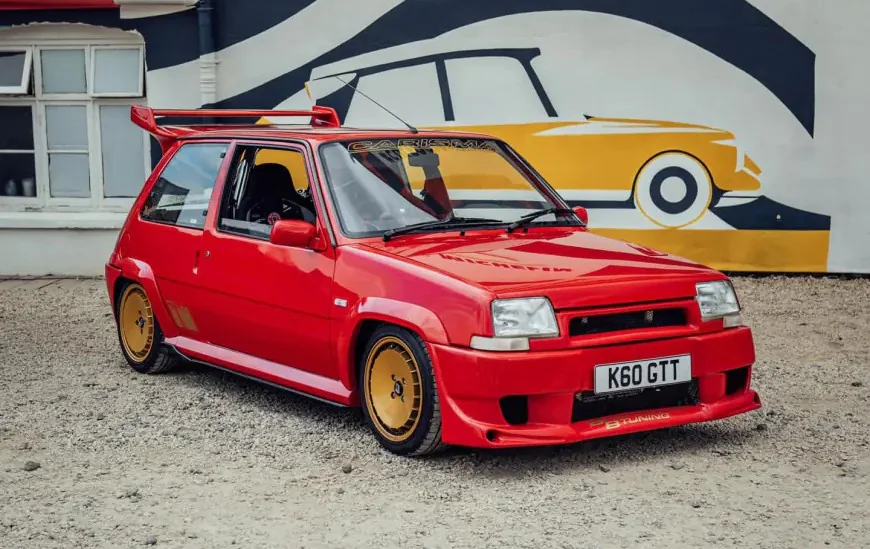
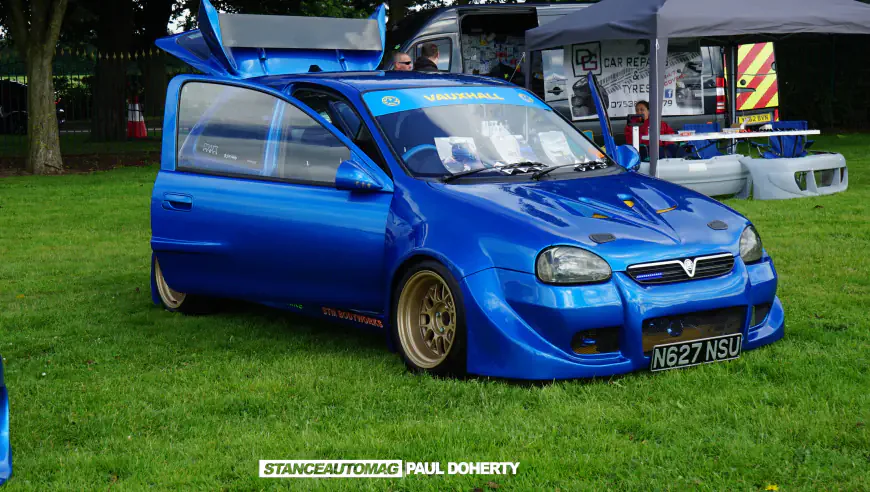
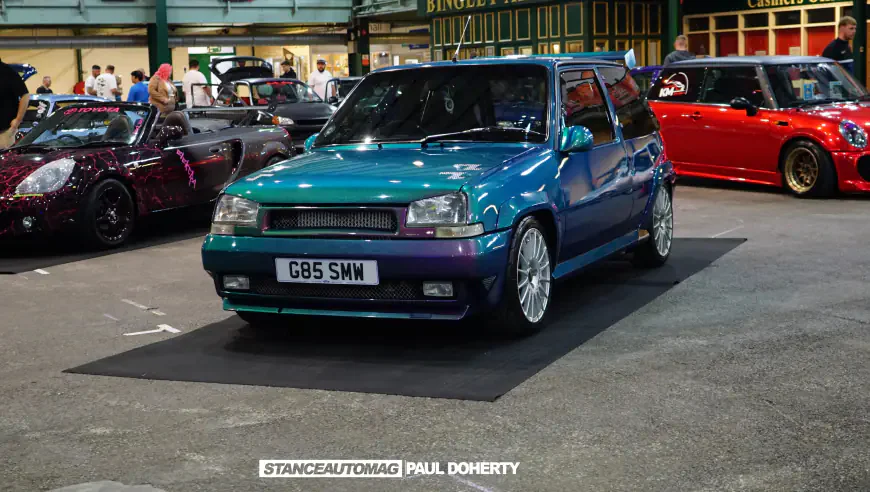
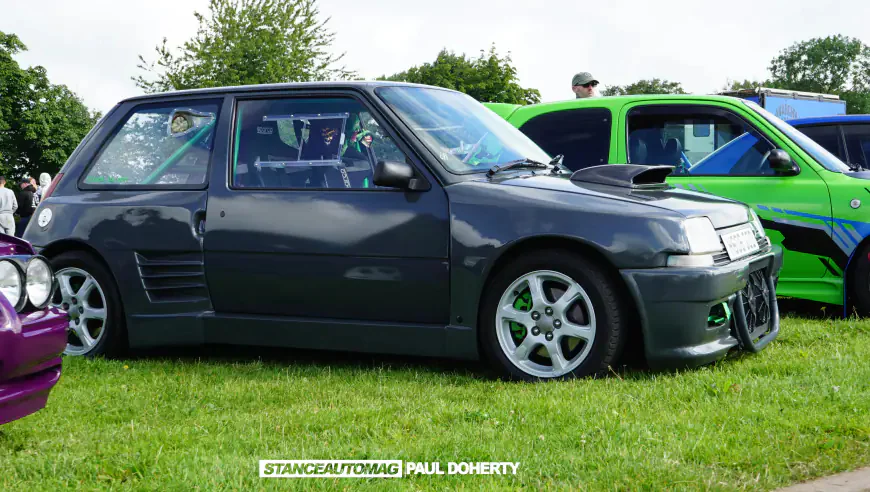
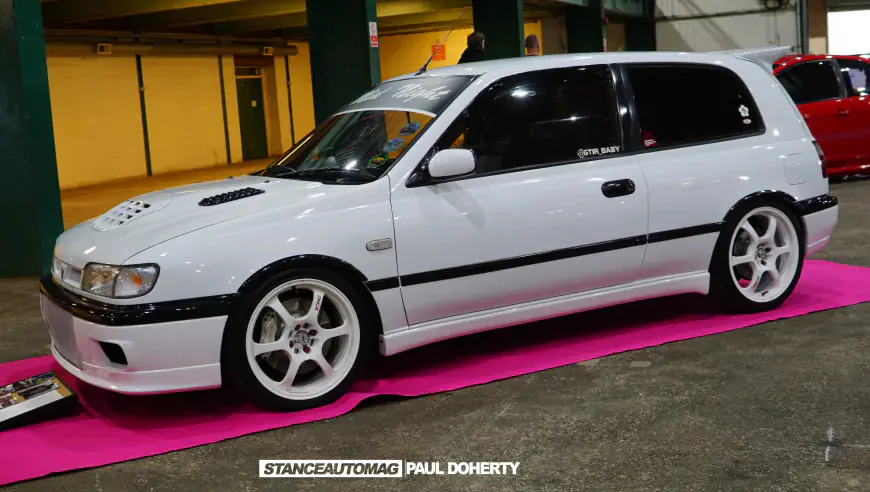
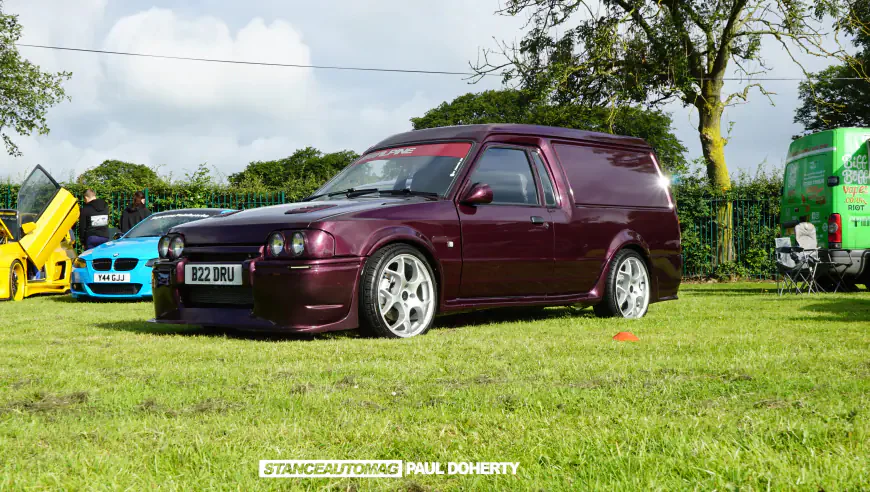
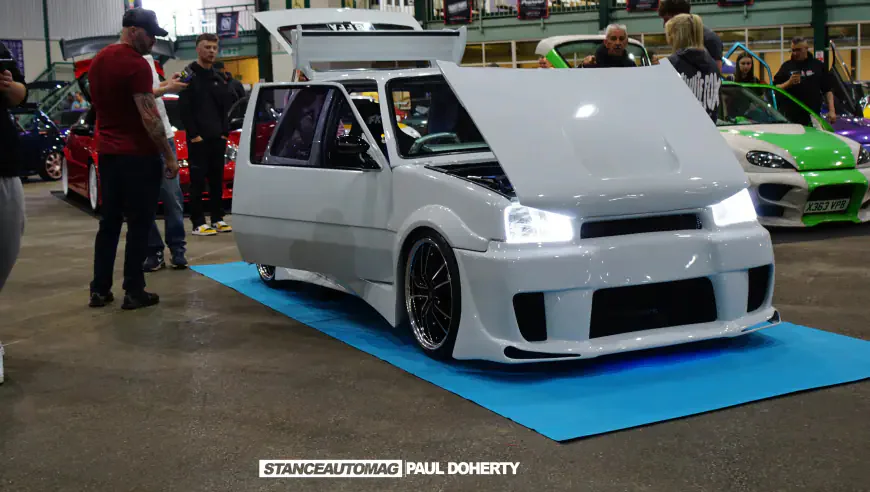
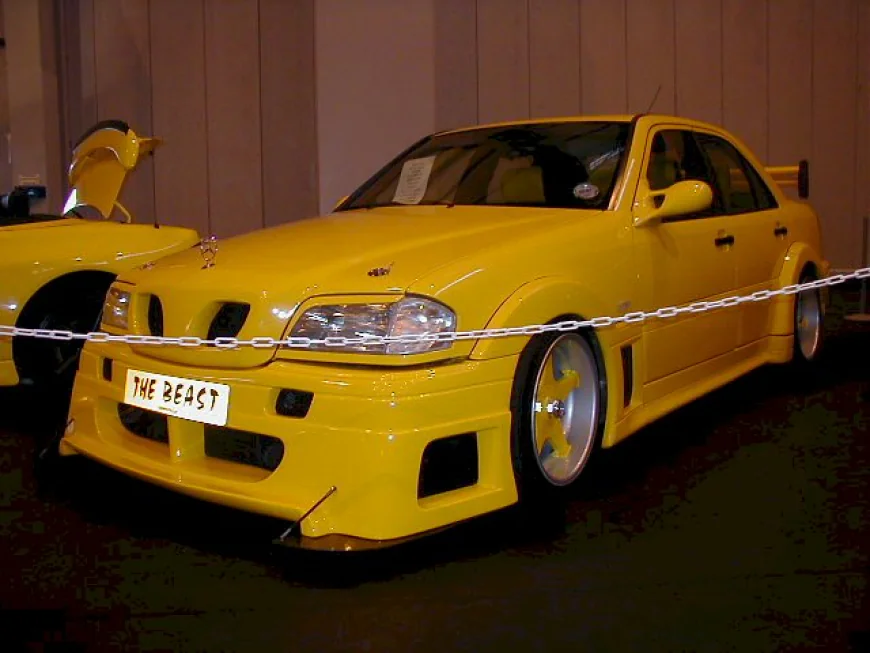
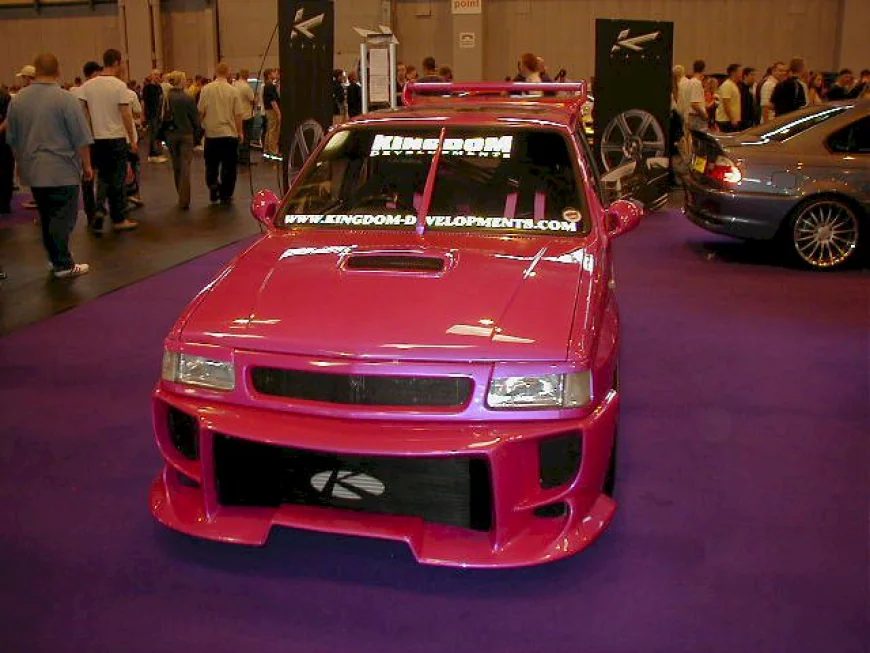
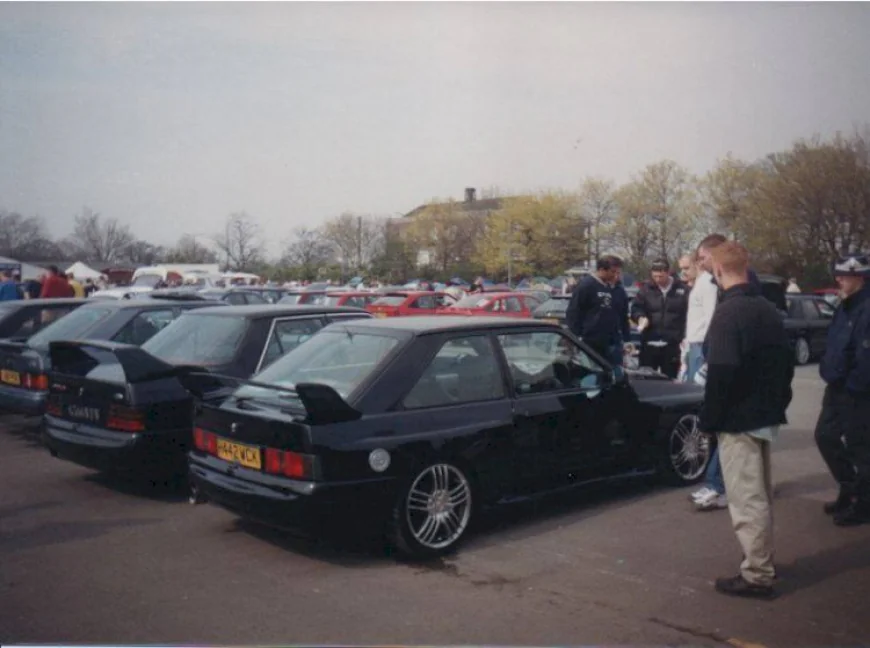
Max Power Cars: The Builds, the Culture and the Legacy That Never Died
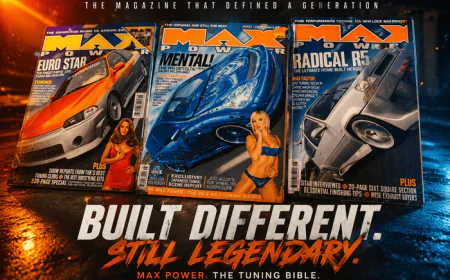
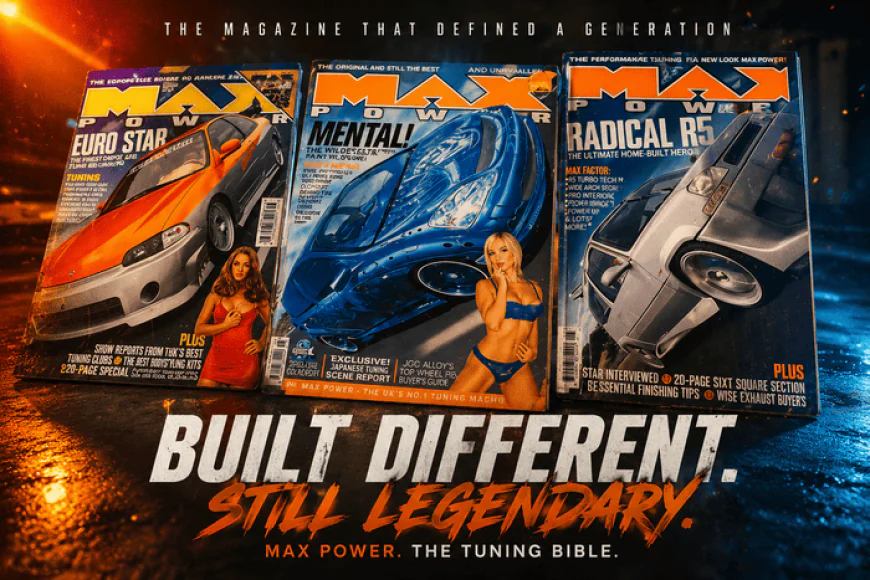
If you grew up in Britain in the nineties or early 2000s and had even a passing interest in cars, Max Power wasn't just a magazine — it was a lifestyle. It sat on the newsagent's shelf and practically vibrated with energy. Neon underlights, bodykit-clad Novas, Saxos with ICE installs worth more than the car itself. Max Power cars were a statement, and the magazine that documented them understood exactly who it was talking to. Not the press launch crowd. Not the Autocar reader with a company Audi. The kid saving his wages for a set of alloys and a Ripspeed head unit.
Launched in 1993 by EMAP, Max Power magazine arrived at precisely the right moment. The modified car scene in Britain was alive and growing, fed by Japanese imports, cheap insurance write-offs, and a generation who instinctively understood that the most interesting cars on British roads weren't coming out of showrooms. They were being built in driveways. The magazine didn't invent that culture but it gave it a platform, a voice, and a glossy front cover that made every reader feel like their build could be next.
The Cars That Filled Those Pages
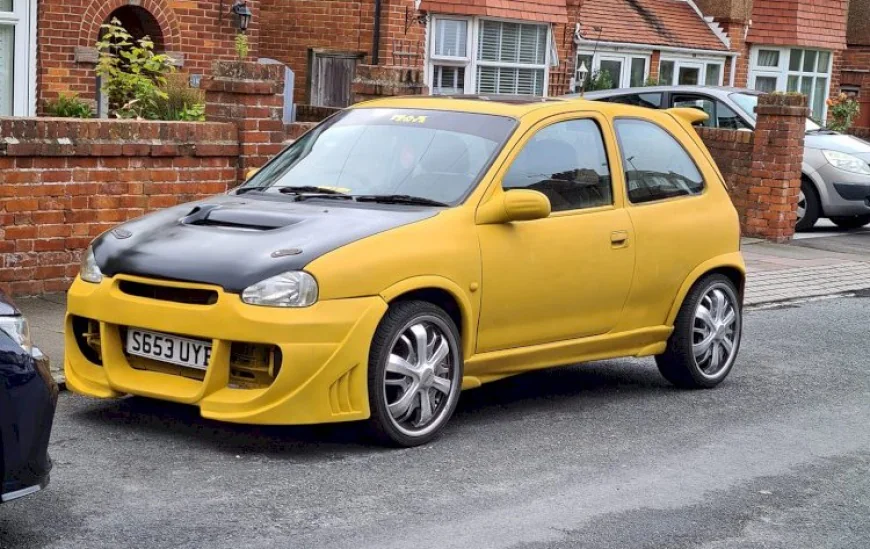
What made Max Power cars special wasn't the machinery itself — it was the attitude behind it. These weren't supercar features or manufacturer press days. They were real builds by real people, documented with the same reverence you'd usually reserve for a Ferrari. A modified Corsa with a full respray and a custom interior got the same treatment as anything else on those pages, because the effort that went into it deserved exactly that.
The builds got increasingly ambitious as the scene matured. Early issues were heavy on body styling — kits, spoilers, custom paint, wheels. As the decade wore on the engine bays got more serious. Turbocharged hot hatches, imported Japanese engines dropped into British shells, custom fabrication work that would hold up today. The UK tuning scene during that era was genuinely creative in a way that doesn't always get the credit it deserves, and Max Power was the primary record of it.
The magazine expanded internationally — licensed editions ran in Greece, Denmark, Norway, South Africa and France, where it published under the name ADDX. After EMAP acquired Petersen in 2000 a US edition launched, blending American and British builds under the existing MaxSpeed title. It folded in 2001 when the US arm was sold to Primedia, living on as Euro Tuner — but the fact it got that far tells you how universal the modified car culture formula actually was.
Cruise Nights, Controversy and the Police
You can't talk about Max Power cars without talking about the cruise events, and you can't talk about the cruise events without acknowledging how complicated that relationship was. The magazine didn't just cover cruises — it actively promoted them and rated them, with a scoring system that assessed everything from the number of burnouts to the police presence. It was exactly as provocative as it sounds, and it worked brilliantly as a circulation strategy right up until the consequences caught up with it.
Road safety groups went after the publication consistently, pointing to features on drifting on public roads and top speed runs on the A1 pushing beyond 200mph. The disclaimers satisfied nobody. Local councils and police forces saw the cruise coverage as direct encouragement of events that were generating genuine problems in towns across Britain. The criticism was sustained and some of it was entirely justified.
Then there was the glamour content, which attracted its own separate strand of criticism and gave the magazine a reputation that sat awkwardly between car tuning magazine and lads mag. A 2007 relaunch attempted to address this — toning down the shoots, refocusing on the builds — but the glamour content came back, the tension never resolved, and the magazine folded in 2011 after nearly two decades of never quite committing to what it wanted to be.
The People Behind It
The talent that worked on Max Power during its peak years went on to define British motoring media. Vicki Butler-Henderson — later of Fifth Gear — was one of the original 1993 staff, a significant presence in a publication that would later face criticism for how it represented women. Jonny Smith, also a Fifth Gear regular, came through the same setup. The editorial team understood cars deeply and that knowledge came through on the page even when the content around it was deliberately outrageous.
That combination — genuine car knowledge wrapped in provocative packaging — was actually what made the magazine work. The readers weren't fooled by posturing. They knew their stuff and they could tell when a writer did too. Max Power earned its credibility on the technical content even as it courted controversy everywhere else.
What Max Power Cars Actually Looked Like
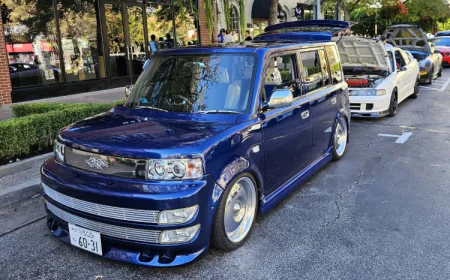
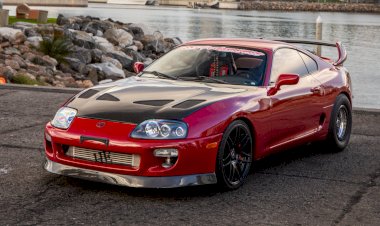
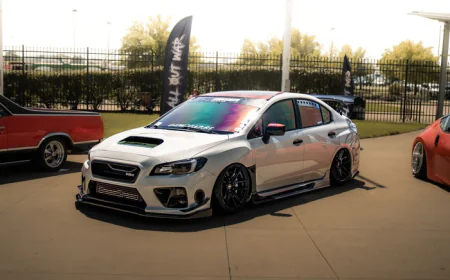
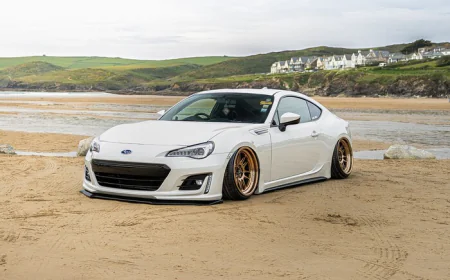
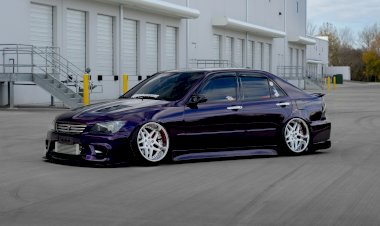
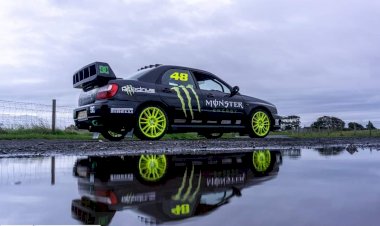
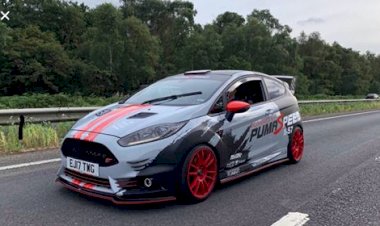
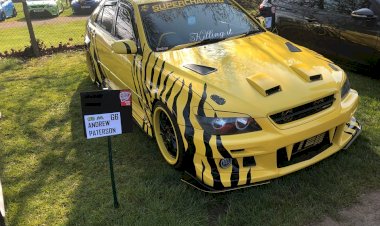
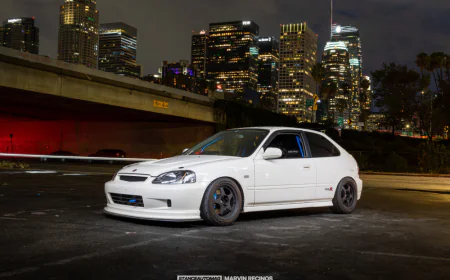
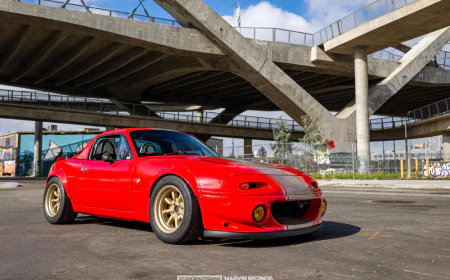
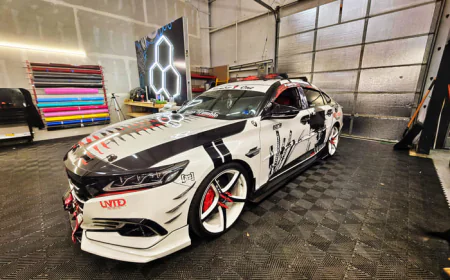
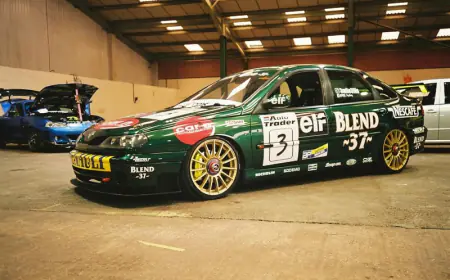
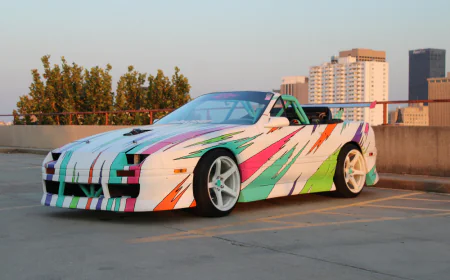
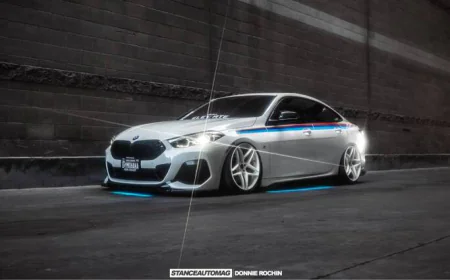
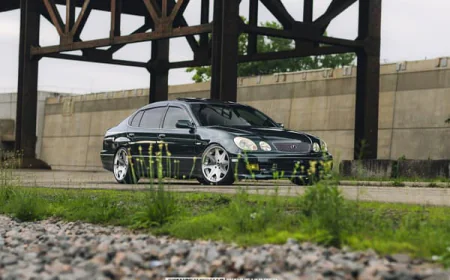
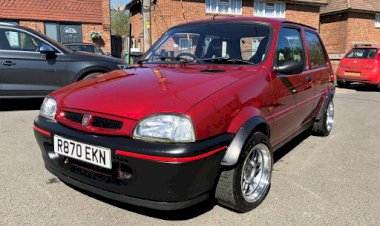
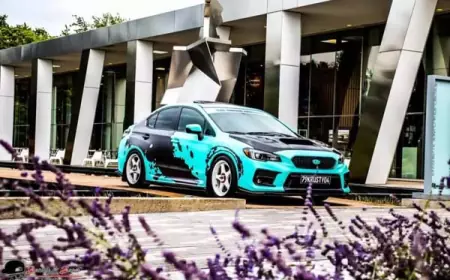
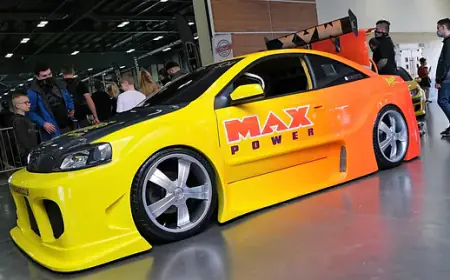
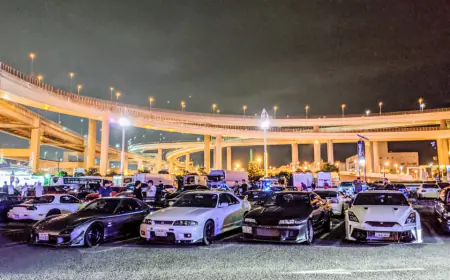
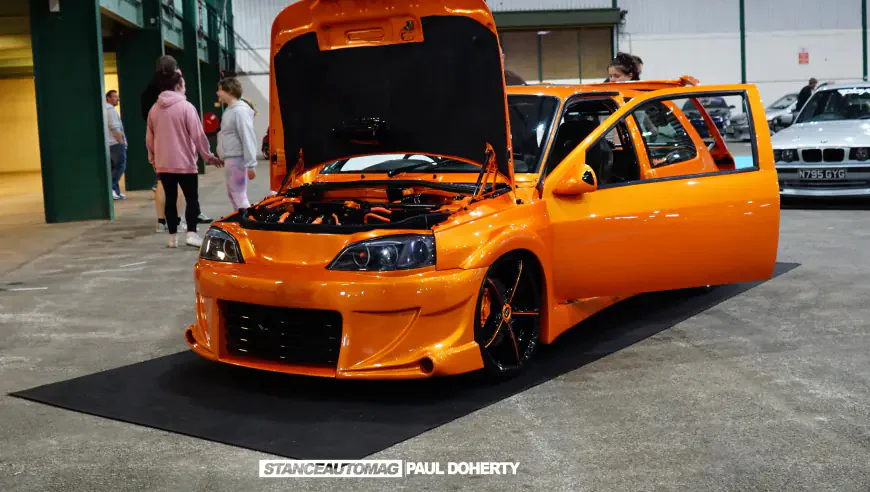
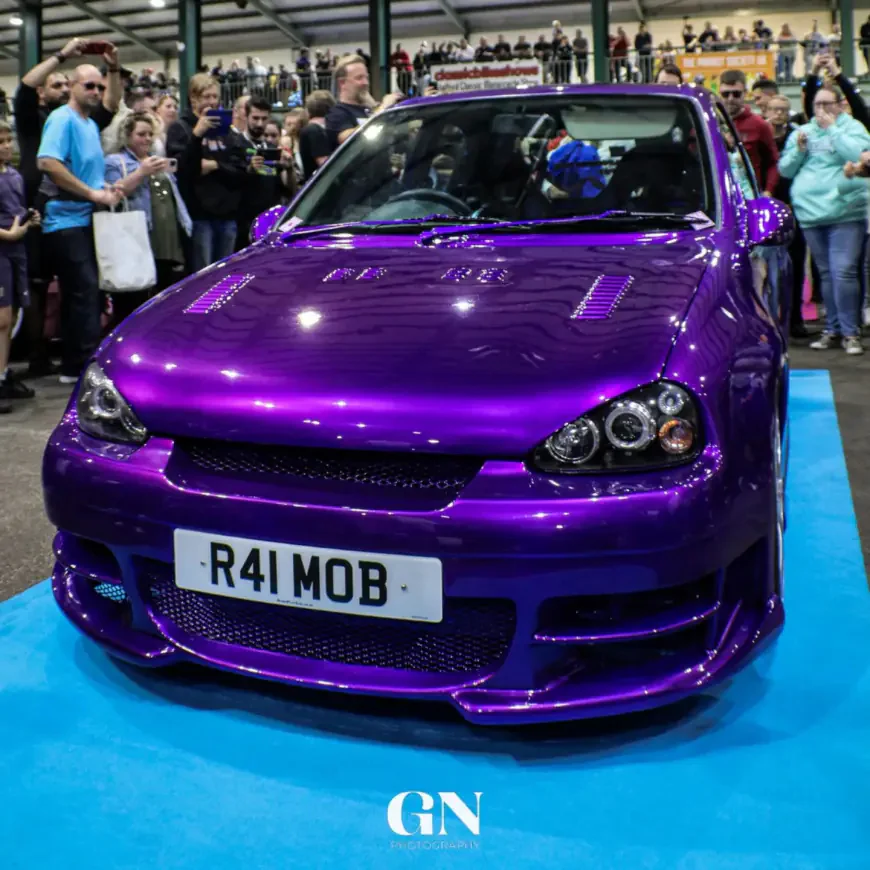
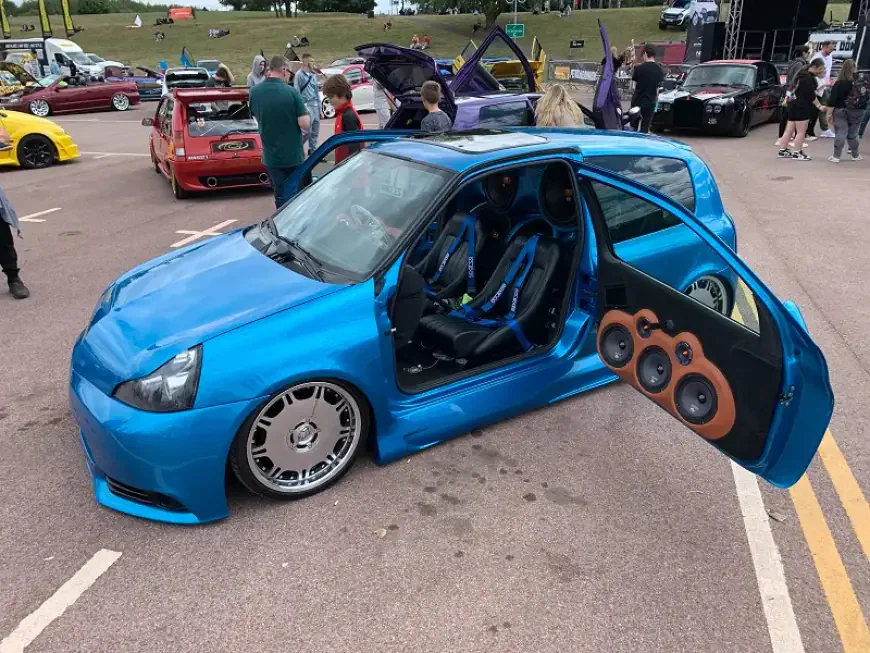
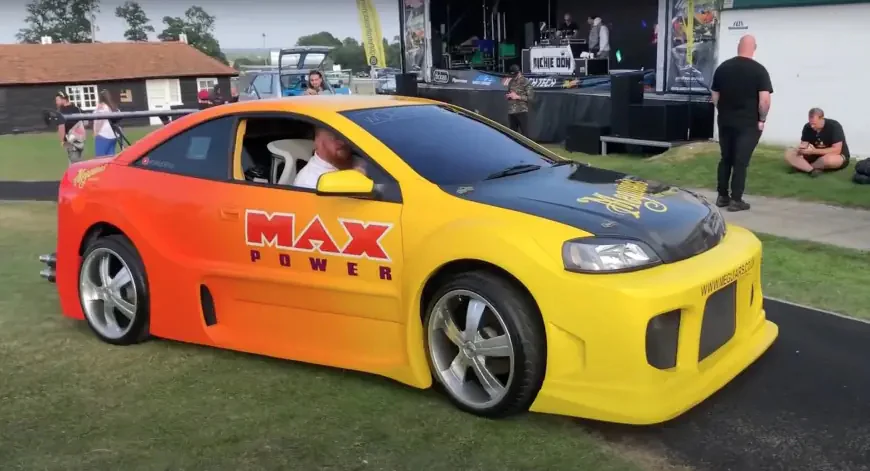
The visual language of Max Power cars was immediately recognisable and it's had a longer shelf life than anyone predicted. Bright colours, aggressive body styling, oversized spoilers, custom interior work, sound systems that could rearrange your organs. At the time it attracted mockery from the traditional motoring press — and some of that mockery reflected genuine class snobbery about who was building these cars and where they came from.
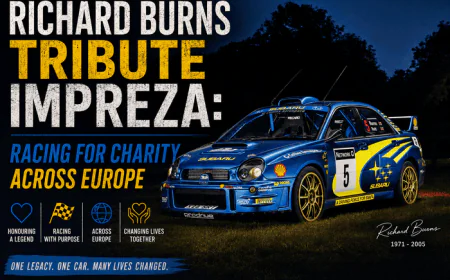
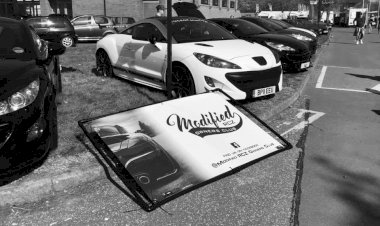
With hindsight, the builds hold up better than the criticism. Go back through the archive and you'll find fabrication work, custom paint jobs and engine conversions that were genuinely impressive by any standard. The 1995 Vauxhall Corsa B Max Power revival we featured captures exactly that spirit — a build that takes everything the era stood for and executes it properly, the way it was always meant to look.
The Legacy — Why the Culture Never Actually Died
Max Power folded in 2011 but the scene it documented didn't go anywhere. It shifted, evolved, found new platforms — but the fundamental impulse that drove someone to spend their weekends modifying a car in 1998 is exactly the same one driving the scene today. The cruise night became the car meet. The magazine became Instagram and YouTube and independent publications like this one.
The Max Power Reunion events have proven that the appetite is still very much there. Thousands of people turning up to celebrate an era the mainstream still doesn't quite know what to do with — pure enthusiasm for a style of British car culture that was never going to be respectable and never needed to be. We covered the Max Power Reunion 2024 and the energy was exactly right. The Neon Dreams to Reality feature captures the atmosphere better than any summary could.
The debate about whether Max Power helped or damaged the modified car scene in the long run is one that still runs in forums and at shows. It gave the culture mainstream visibility when that visibility mattered. It also attracted the regulatory and media attention that made life harder for the scene in real terms. Both things are true and probably always will be.
Max Power Cars in 2026
The cars that fill show fields today are cleaner, the builds more refined, the documentation more polished. But the conversations are the same. Who's running what setup. What the import scene looks like now. Which builds are worth watching. The modern versus old debate never gets old because it's really a debate about what the culture is for — and that question doesn't have a fixed answer.
Max Power magazine gave a generation of British car enthusiasts permission to take their hobby seriously. It told them their driveway build was worth documenting, worth celebrating, worth the same attention as anything wearing a prestige badge. That wasn't a small thing. For a lot of people it was the first time the thing they cared about most was reflected back at them with genuine enthusiasm.
The magazine is gone. The cars it celebrated are still out there — in garages, at shows, on the road. And the culture that built them is still very much alive, doing what it always did: building something worth looking at out of whatever's available, on whatever budget, with as much style as possible.
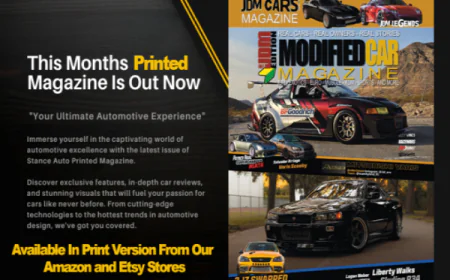
Explore more of the modified car culture that carries that spirit forward over at Stance Auto Magazine, and check out the full Max Power Britain's Modified Car Magazine feature for the deeper history.
 Like
1
Like
1
 Dislike
0
Dislike
0
 Love
1
Love
1
 Funny
1
Funny
1
 Angry
0
Angry
0
 Sad
0
Sad
0
 Wow
0
Wow
0