

































































.png)






![[HOONIGAN] Ken Block's GYMKHANA NINE](https://img.youtube.com/vi/_bkX5VkZg8U/maxresdefault.jpg)















































![[HOONIGAN] KEN BLOCK'S GYMKHANA SEVEN: WILD IN THE STREETS OF LOS ANGELES](https://cdn.motor1.com/images/mgl/2KlO4/s1/ken-block-london-tour-directors-cut.jpg)






































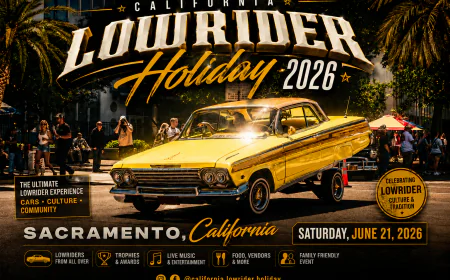
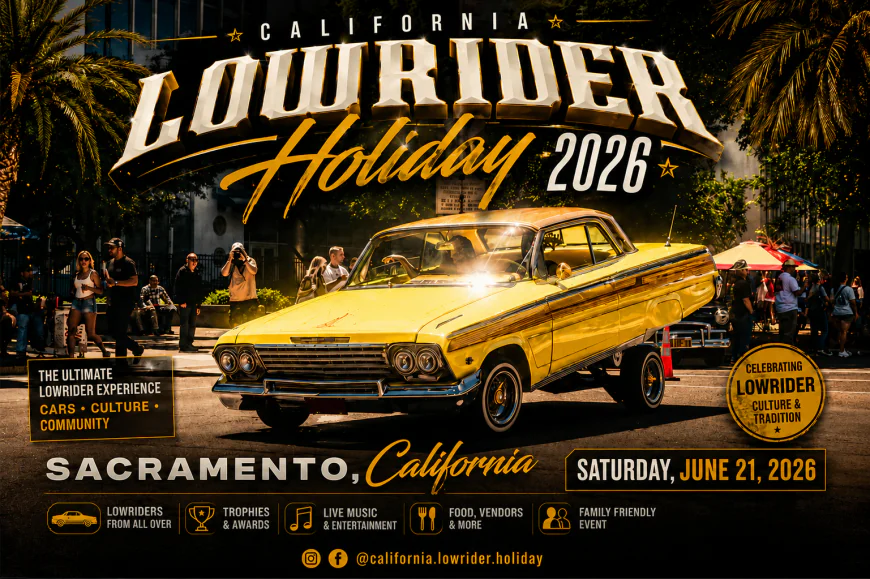
California Lowrider Holiday 2026 Rolling Through History on Sacramento's Capitol Mall
California Lowrider Holiday 2026 rolls through Sacramento's Capitol Mall, a deep dive into lowrider culture, history, craftsmanship, and the community keeping it alive.
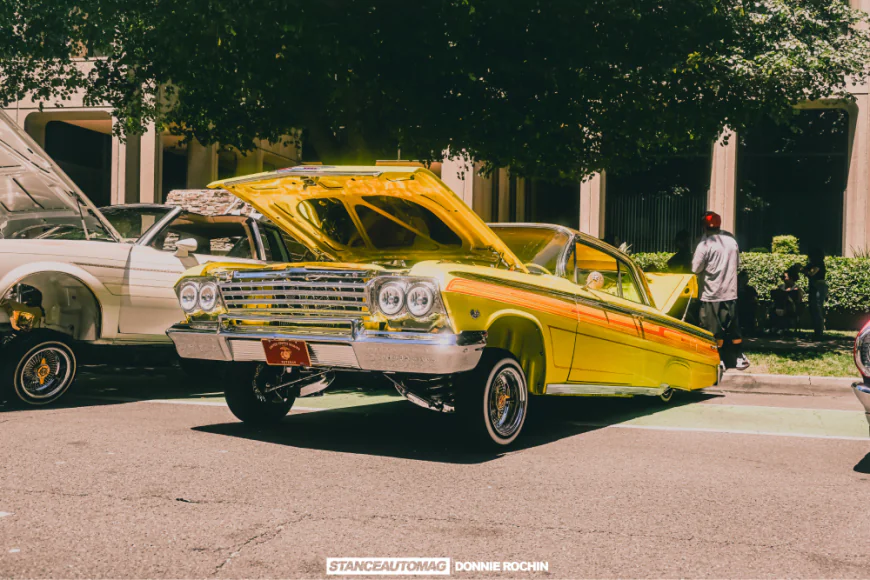
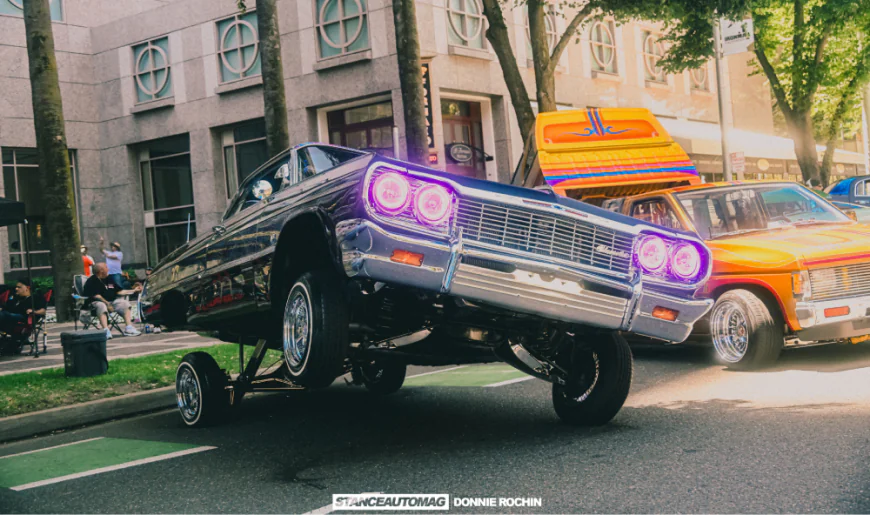
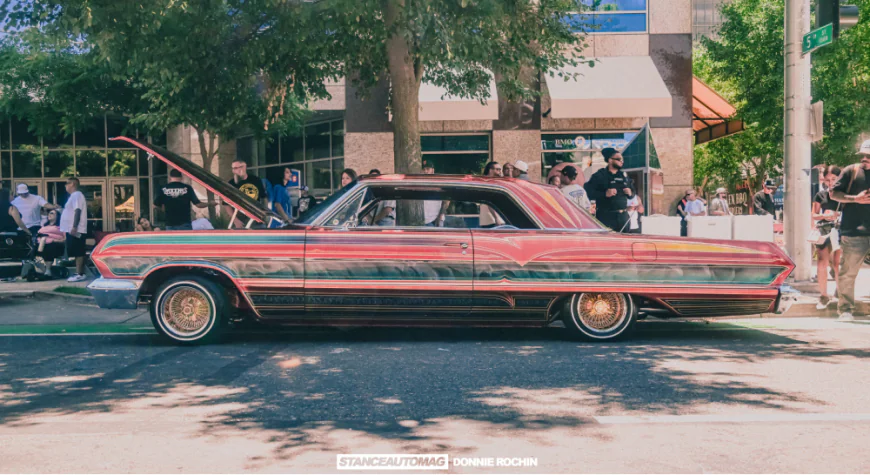
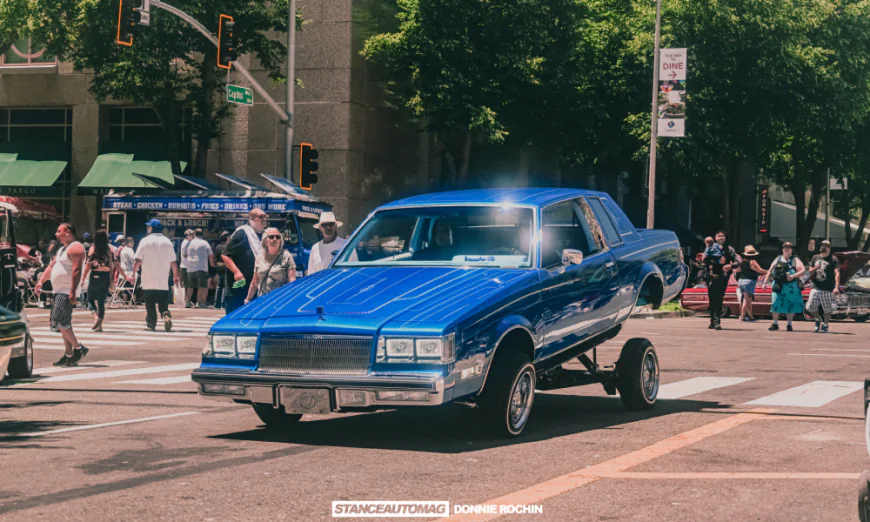
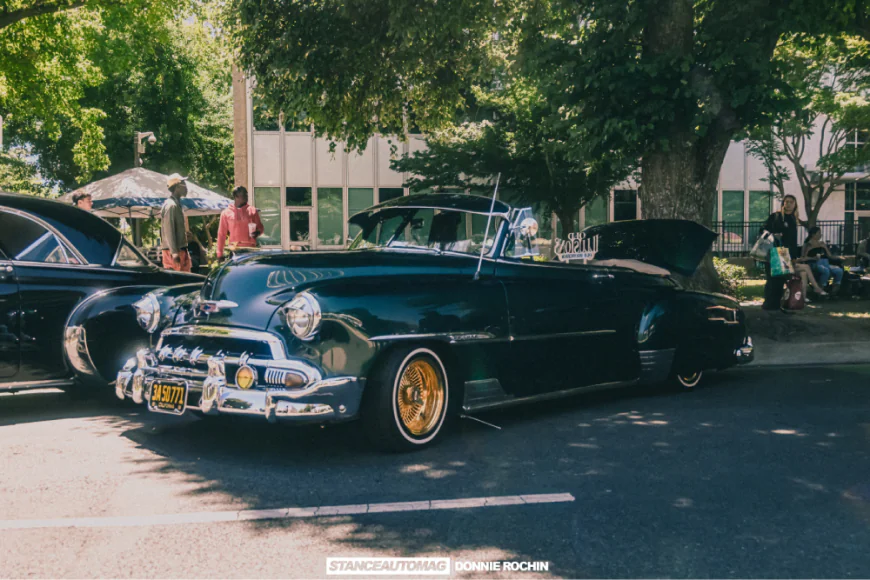
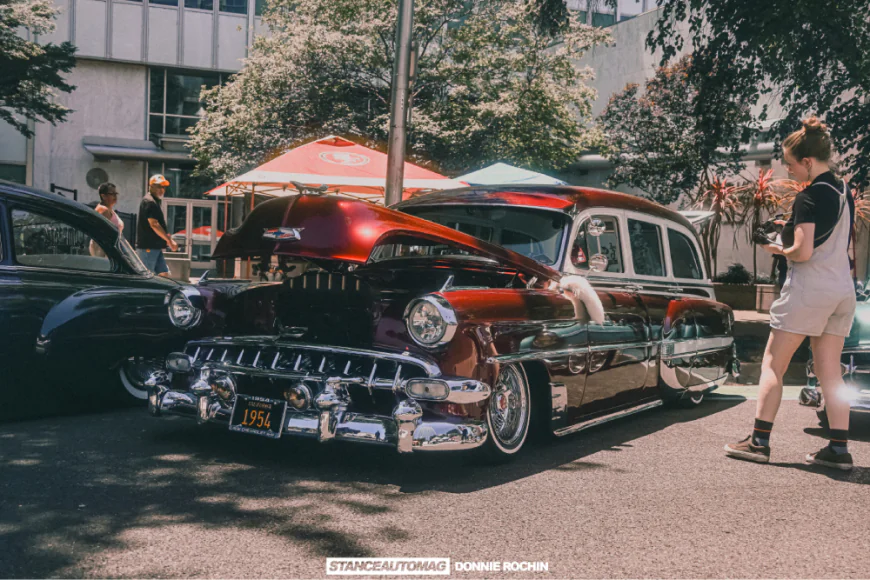
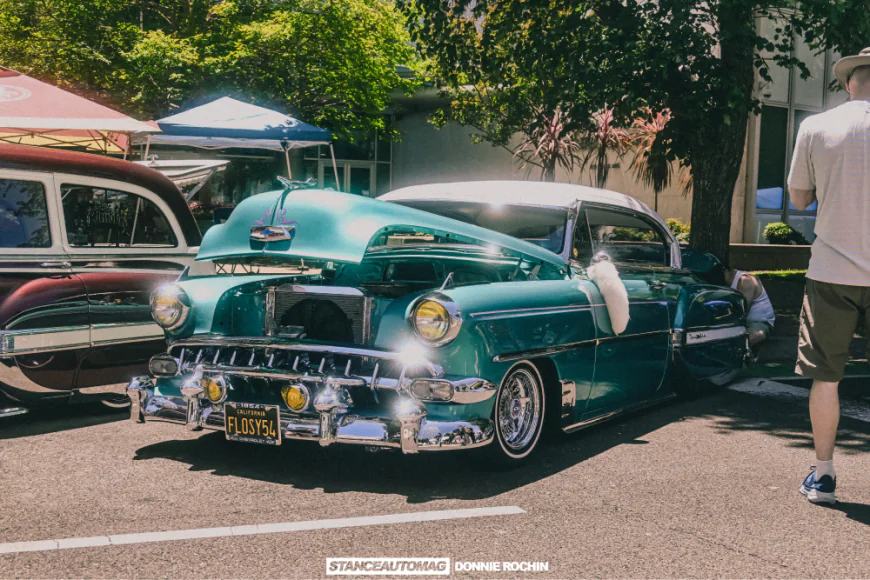
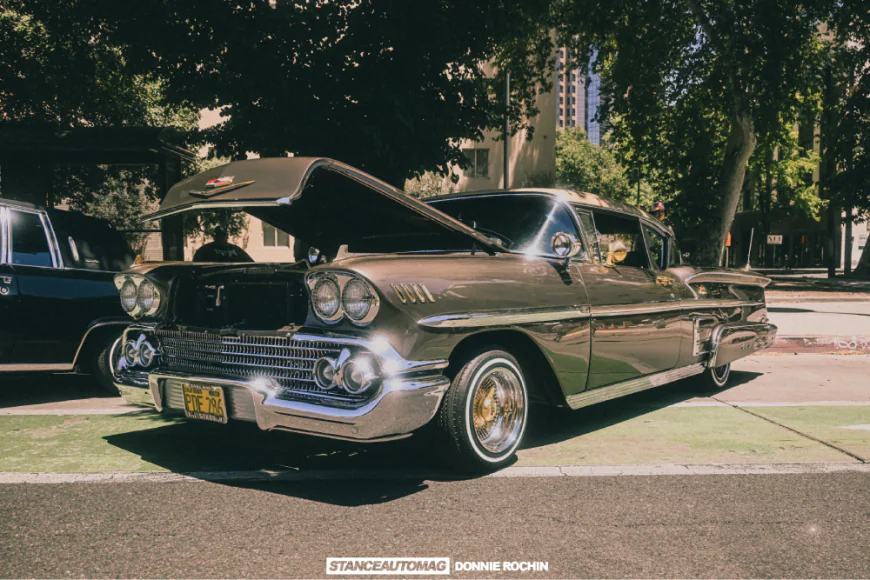
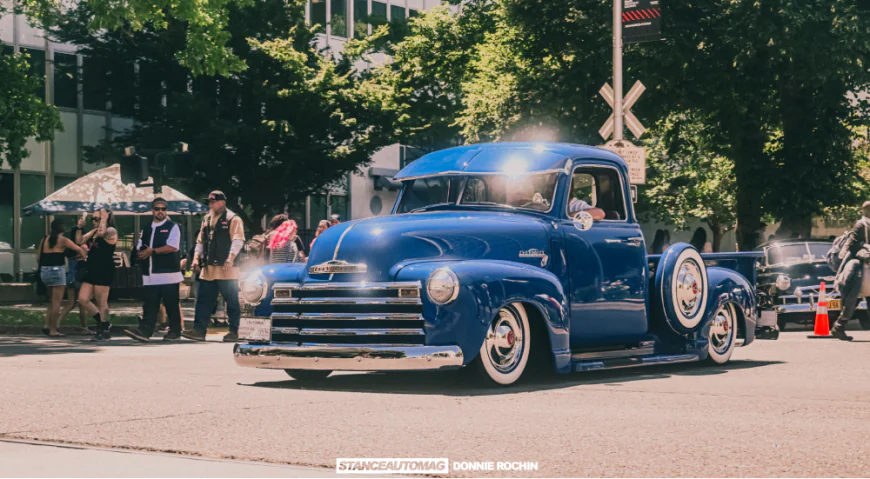
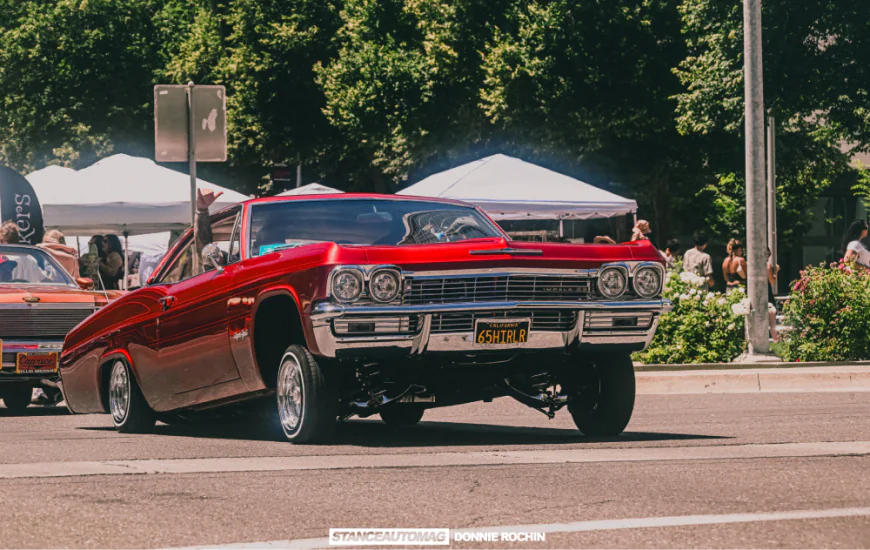
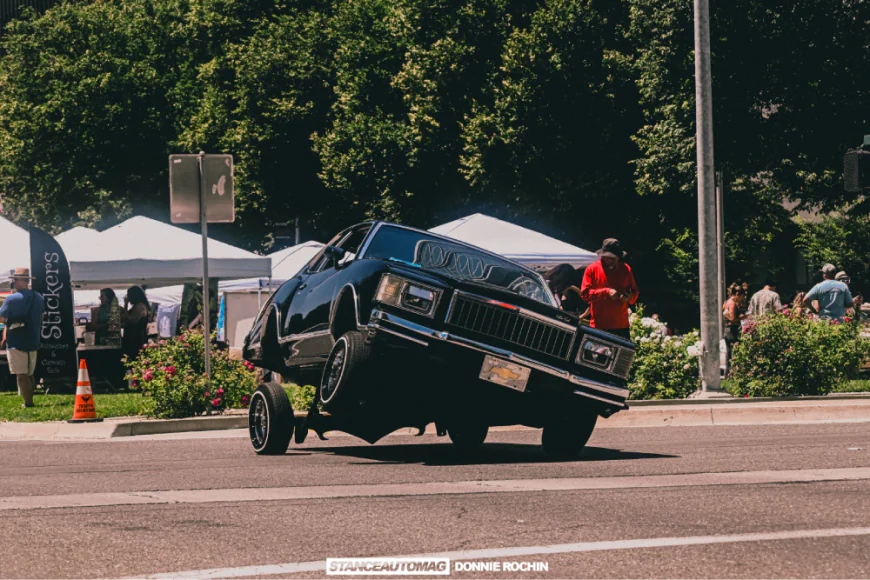
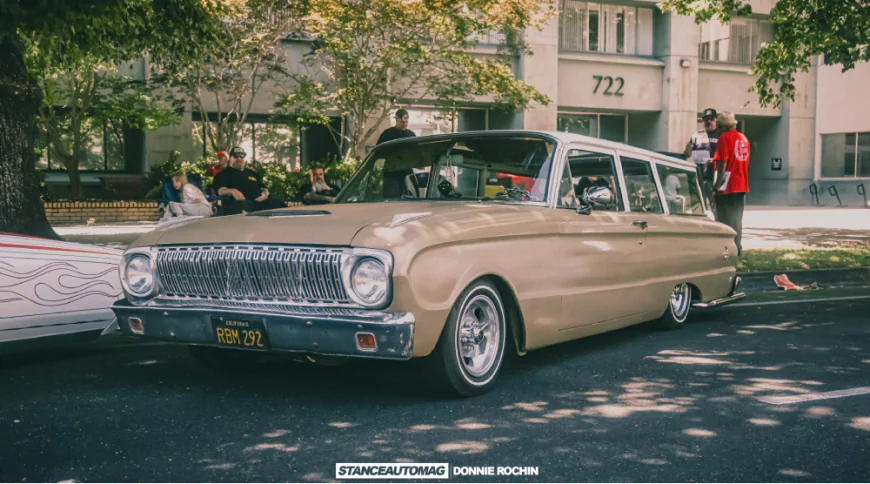
Photography & Words: Donnie Rochin | @r0cean11 | r0cean11.com
Hosted by: California Lowrider Holiday | @california.lowrider.holiday
June 21, 2026
Some automotive events are about competition. Some are about horsepower. Some are about seeing who can build the wildest car.
California Lowrider Holiday isn't any of those.
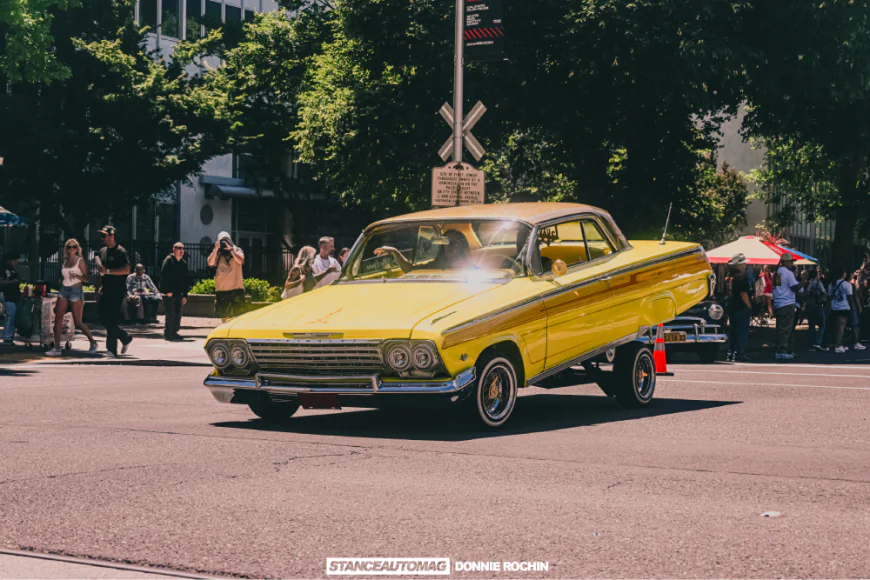
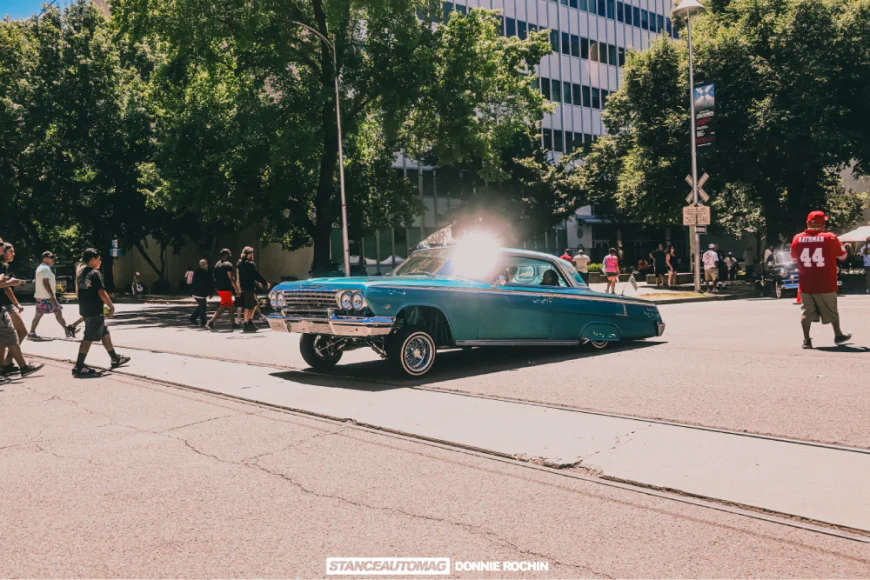
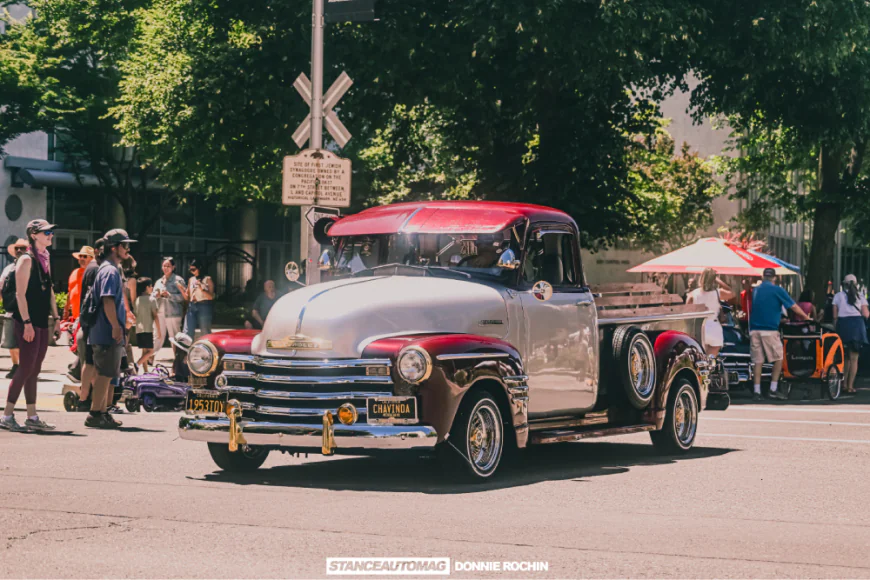
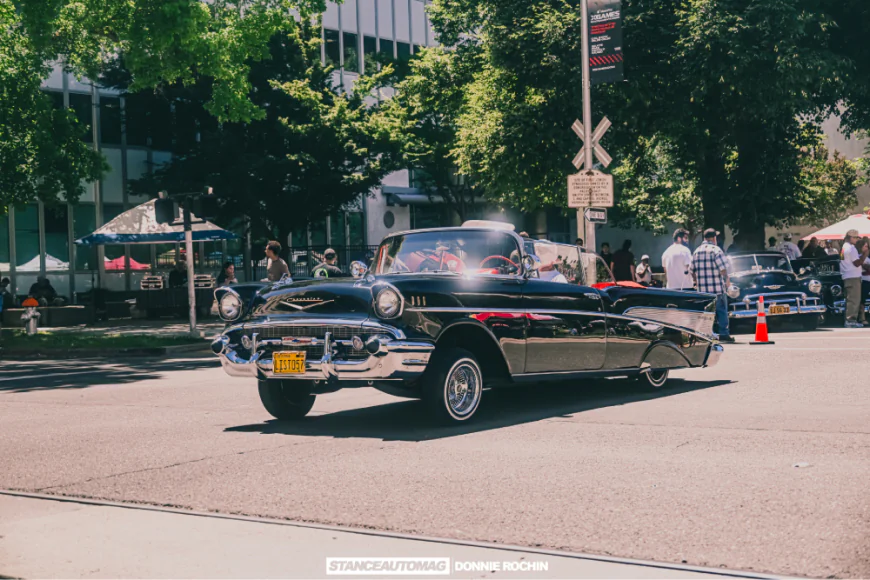
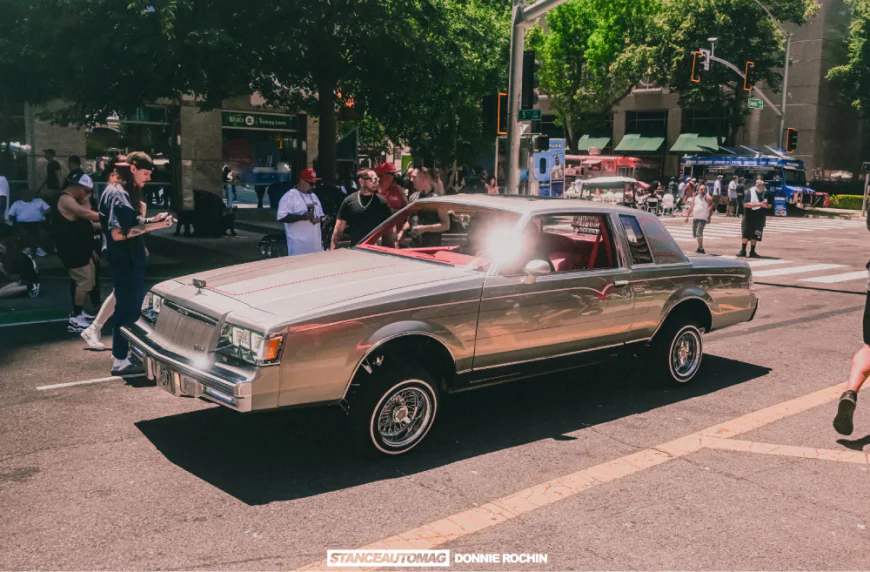
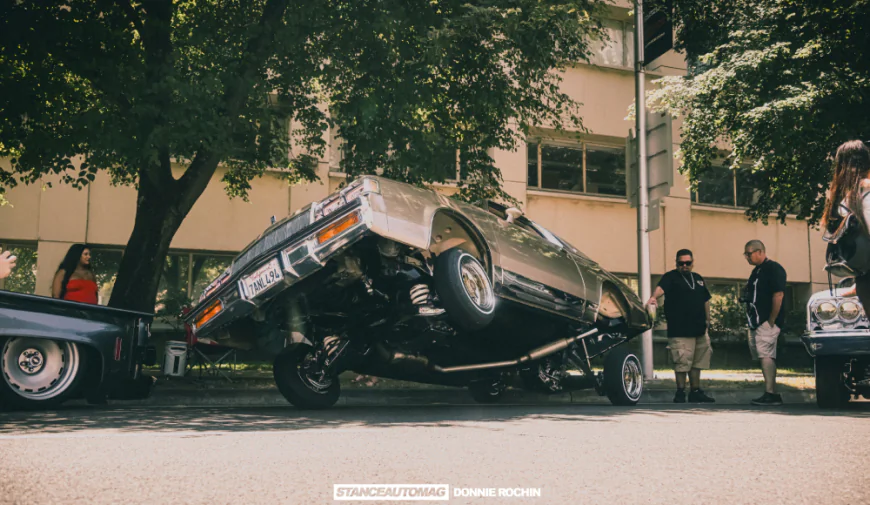
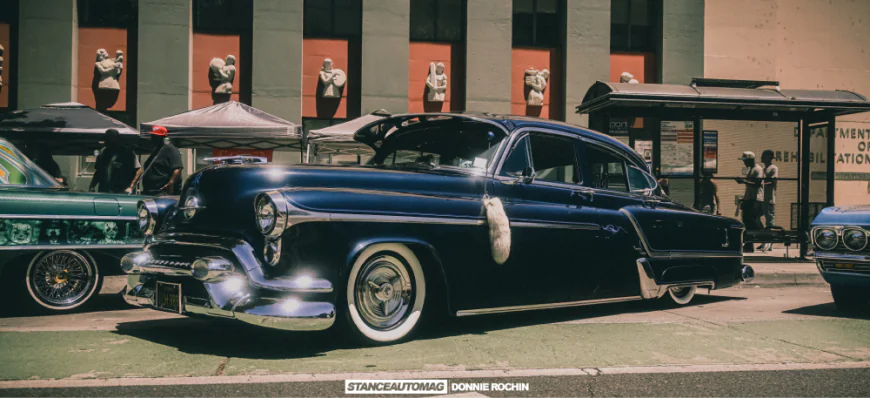
The moment I stepped onto Capitol Mall, I knew this wasn't just another car show. It felt more like a family reunion. Music echoed through downtown Sacramento while rows of polished classics stretched farther than I could see. Kids pointed excitedly at cars riding on three wheels. Parents stopped to explain details that only years of experience could teach, while grandparents smiled as they watched another generation fall in love with the same culture that captured their hearts decades ago.
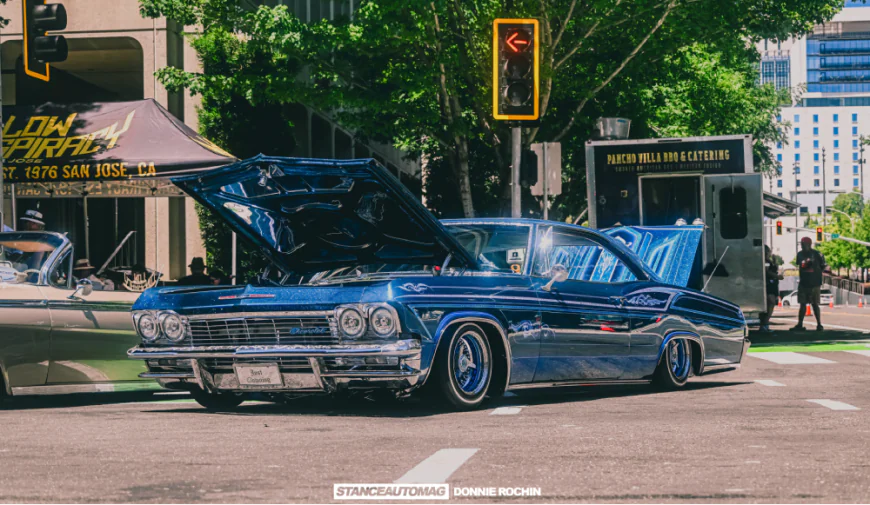
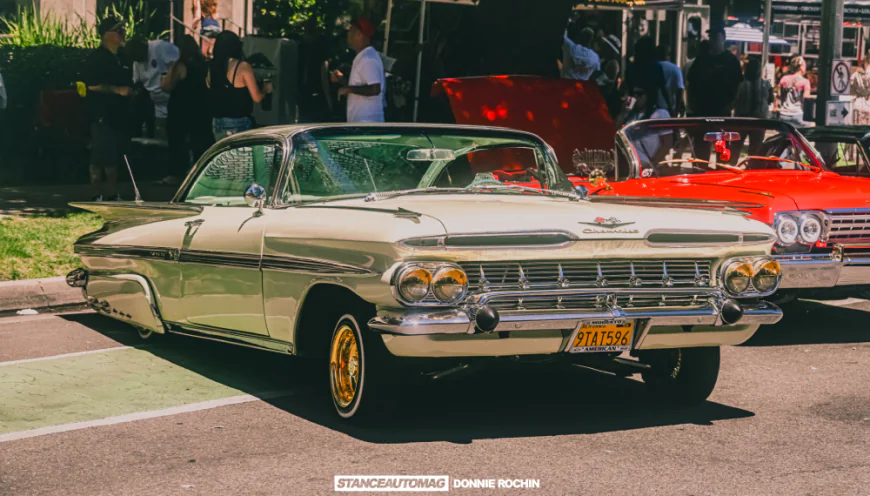
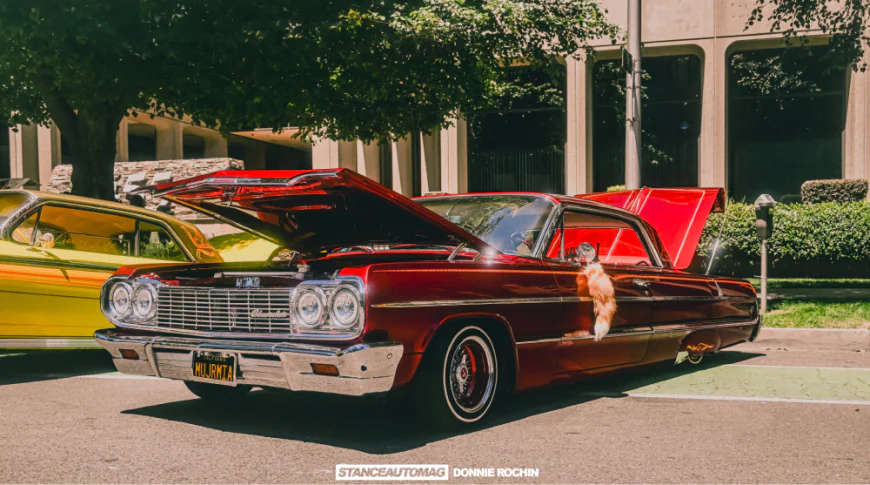
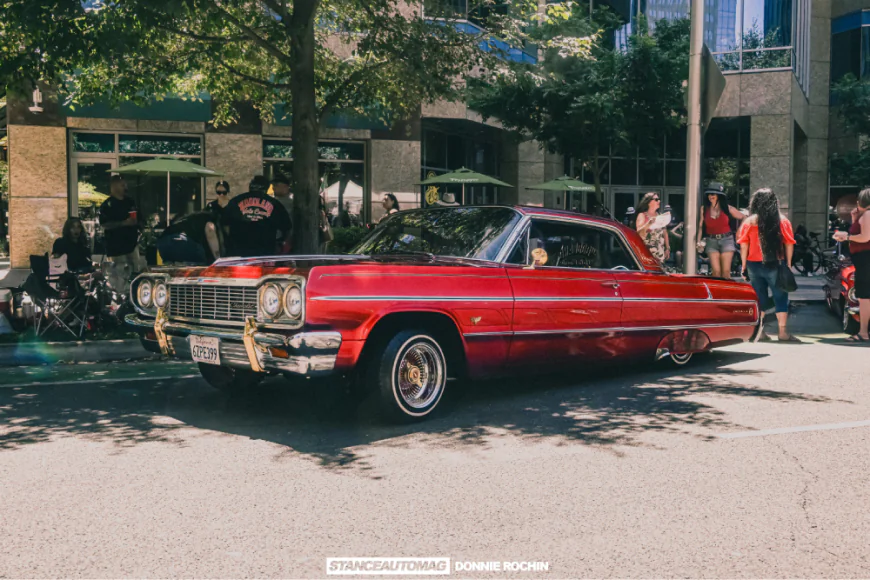
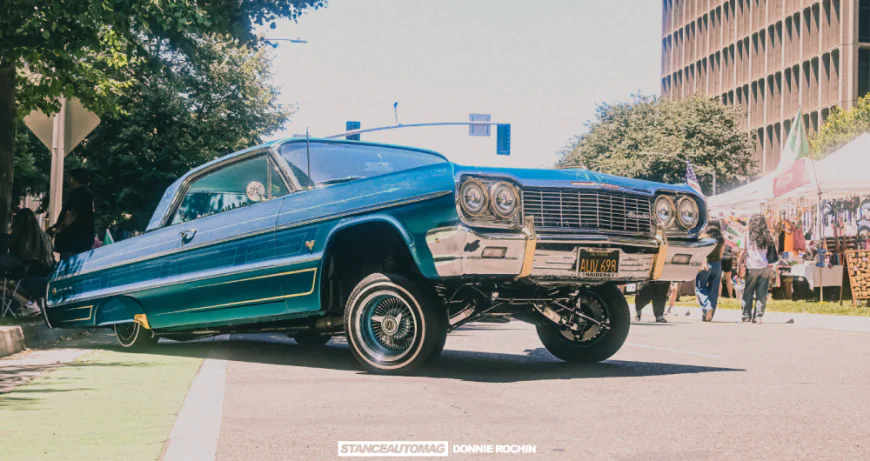
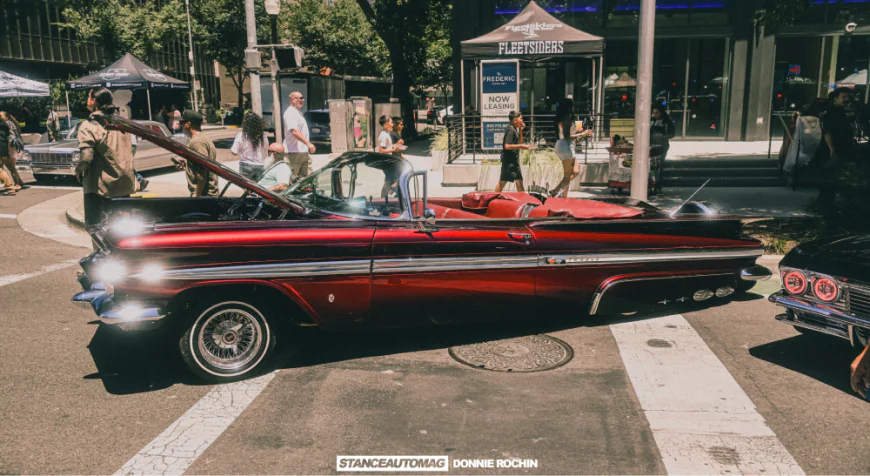
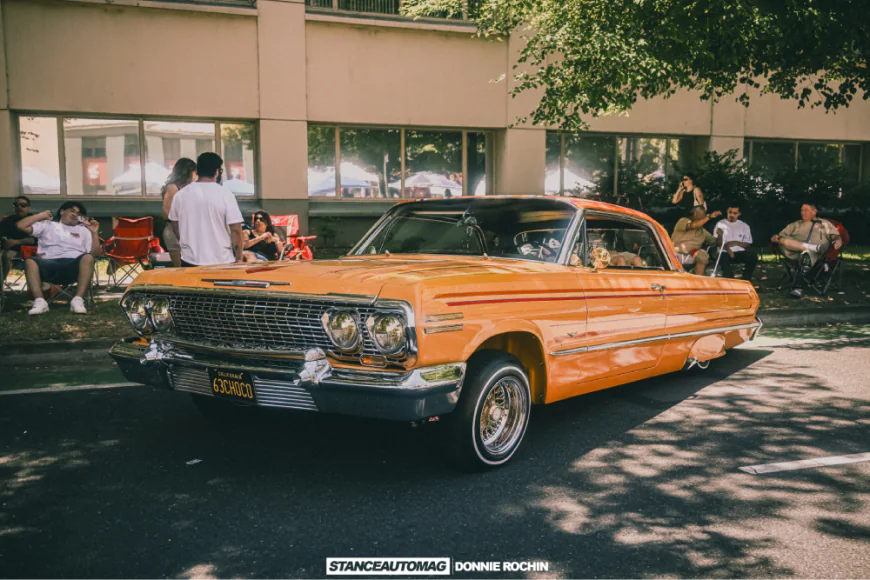
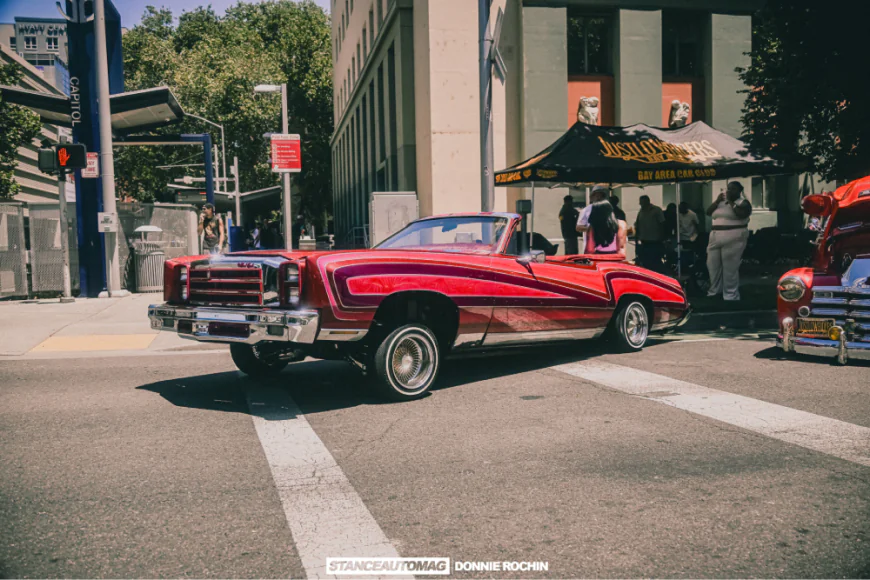
Everywhere you looked, there was color. Candy reds that seemed to glow in the afternoon sun. Deep blues that shifted every time the light hit them. Chrome polished so perfectly you could see the Sacramento skyline reflected right back at you.
But the longer I walked through the event, the more I realized something. The cars were incredible — the people were what made it unforgettable.
More Than Just a Car
Ask someone outside the automotive world what a lowrider is, and they'll probably tell you it's an old Chevrolet that sits close to the ground with hydraulics. Technically, they're not wrong. But that answer barely scratches the surface.
To the people who build them, these cars represent family history, culture, craftsmanship, and pride. They're rolling reminders of where they came from and the generations before them that laid the foundation for what we see today. That's something you can't appreciate from a photograph alone. You have to stand beside the owner. Listen to their story. Only then do you begin to understand what these cars truly mean.
Where It All Started — The Roots of Lowrider Culture
The story of lowriding begins in Southern California shortly after World War II. Like much of America's automotive culture, returning veterans brought home mechanical skills learned while serving overseas. Southern California was booming, new cars were everywhere, and young enthusiasts were finding creative ways to make their vehicles stand out.
For many Mexican American communities throughout East Los Angeles and the surrounding neighborhoods, standing out didn't mean building the fastest car on the street. It meant building the most beautiful one.
Instead of shedding weight and chasing speed like the hot rod community, lowrider builders took a different approach. They lowered their cars. They slowed down. And they cruised. That simple philosophy eventually became known around the world as "Low and Slow."
It wasn't about getting somewhere as quickly as possible — it was about enjoying every block along the way. Cruising became a way for families and friends to come together. Friday nights weren't measured in lap times or race results. They were measured in conversations, music, laughter, and the pride of showing something you'd spent months — sometimes years — building with your own hands. Long before social media gave people a platform to share their work, the boulevard became that platform.
Building Rolling Works of Art
One thing that has always set lowriders apart from many other corners of automotive culture is their attention to detail. Walk around one for five minutes, and you'll probably notice something new every time.
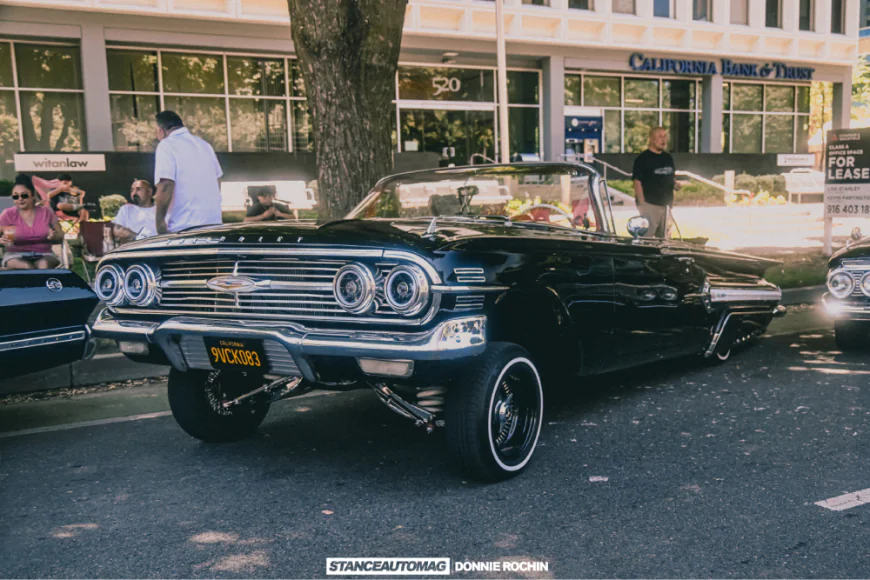
The paint isn't simply sprayed — it's layered. Candy colors create incredible depth, shifting as sunlight moves across the body. Pinstriping flows from one panel to the next with remarkable precision. Murals often tell deeply personal stories, honoring loved ones, neighborhoods, heritage, or faith. Chrome isn't added just because it shines; it's polished until it looks like a mirror.
Open the trunk, and you'll often find hydraulic pumps mounted cleaner than most engine bays. Look underneath, and you'll discover suspension components detailed just as carefully as the body above them. Very little is hidden. Everything is meant to be appreciated. The craftsmanship doesn't stop where people quit looking — it continues into every corner of the build.
When Innovation Came From Necessity
Building cars this low wasn't always welcomed. California eventually introduced regulations requiring vehicles to maintain a minimum ride height. For many enthusiasts, that could have been the end of lowriding.
Instead, builders adapted.
Early innovators experimented with hydraulic suspension systems that allowed a car to raise itself when needed, then settle back down once it reached the boulevard. What started as a practical solution eventually became one of the most recognizable parts of lowrider culture. Today, seeing an Impala effortlessly lift itself from the pavement isn't just entertaining — it's a reminder that some of the greatest innovations come from people determined to keep a tradition alive.
The Magazine That Inspired a Generation
Before Instagram. Before Facebook. Before YouTube. There was one place builders across the country looked for inspiration — Lowrider Magazine.
For decades, every new issue connected enthusiasts from California to Texas, Arizona, New Mexico, Colorado, and beyond. Builders studied every feature. They admired the paintwork. They learned new fabrication techniques. They discovered clubs they'd never heard of and found inspiration hundreds of miles from home.
For many enthusiasts, that magazine was more than reading material. It was motivation. It reminded an entire community that what they were building mattered. Many of today's most respected builders grew up flipping through those pages, dreaming about seeing one of their own cars featured someday. For some, that dream eventually became reality.
Legends Who Helped Shape a Culture
Every automotive movement has people whose influence stretches far beyond the vehicles they built. Lowriding is no different.
Names like Jesse Valadez continue to be spoken with tremendous respect because they didn't simply build beautiful cars — they helped define what lowriding could become. His legendary Gypsy Rose remains one of the most recognizable custom cars ever created, not because it followed trends, but because it ignored them. Covered in thousands of hand-painted roses, it challenged expectations and proved that creativity has no limits.
Builders like Ron Aguirre also pushed innovation forward, helping pioneer hydraulic suspension systems that forever changed the direction of custom car culture. Their work didn't just influence lowriders — it influenced automotive customization worldwide.
Sacramento's Turn
For years, cruising faced criticism and restrictions in cities across California. Many enthusiasts simply wanted a place to gather without being treated like they didn't belong. Today, Sacramento tells a different story.
Walking through California Lowrider Holiday 2026, it was impossible not to appreciate what this event represents. Families gathered without hesitation. Clubs proudly displayed decades of history. Builders shared ideas instead of keeping secrets. Young enthusiasts asked questions — veterans answered every single one with a smile.
That's how traditions survive. Not by locking knowledge away, but by passing it forward.
More Than Chrome and Paint
As photographers, we're naturally drawn to the details. The reflections. The paint. The stance. The perfect symmetry. Those things deserve to be admired — but after spending the day walking the California Lowrider Holiday, those weren't the images that stayed with me.
Instead, I remembered the father kneeling beside his son, explaining why a certain mural mattered. The older gentleman wiping fingerprints off his chrome before inviting complete strangers to look inside. The young builder stood quietly beside his first completed project, listening to compliments from people he'd never met.
Moments like those don't win trophies. They build community.
And that's something every corner of the automotive world can appreciate.
Why It Matters — Lowrider Culture Keeps Moving Forward
Automotive trends will always change. New platforms will come along. New technology will reshape the industry. Styles will evolve. But cultures built around people rarely disappear — they adapt.
Lowriding has survived because it was never built around popularity. It was built around family, pride, craftsmanship, and respect.
California Lowrider Holiday isn't simply a celebration of beautifully restored classics. It's a celebration of everyone who spent generations making sure this culture never disappeared.
As the afternoon sun slowly dipped behind the Sacramento skyline and the last cars began rolling toward home, one thing became clear. Lowriding has never been about driving fast. It's about taking your time. Taking pride in your work. Sharing it with others. And making sure the next generation understands why it matters.
Because long after the music fades and the streets empty, the culture keeps moving forward — one slow cruise at a time.
Want to see more features like this? Check out the full gallery and latest builds over at Stance Auto Magazine.
 Like
0
Like
0
 Dislike
0
Dislike
0
 Love
0
Love
0
 Funny
0
Funny
0
 Angry
0
Angry
0
 Sad
0
Sad
0
 Wow
0
Wow
0