










































































.png)












![[HOONIGAN] Ken Block's GYMKHANA NINE](https://img.youtube.com/vi/_bkX5VkZg8U/maxresdefault.jpg)








































































![[HOONIGAN] KEN BLOCK'S GYMKHANA SEVEN: WILD IN THE STREETS OF LOS ANGELES](https://cdn.motor1.com/images/mgl/2KlO4/s1/ken-block-london-tour-directors-cut.jpg)













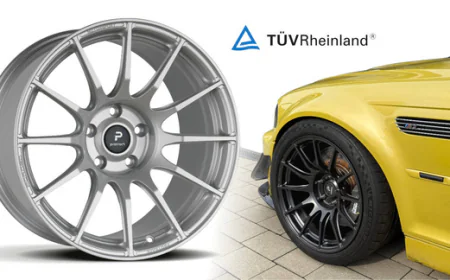





















Car Rims Guide: How to Choose the Best Wheels for Your Vehicle
Looking for the best car rims for your vehicle. This complete guide covers materials, sizing, style and budget so you can choose with confidence.
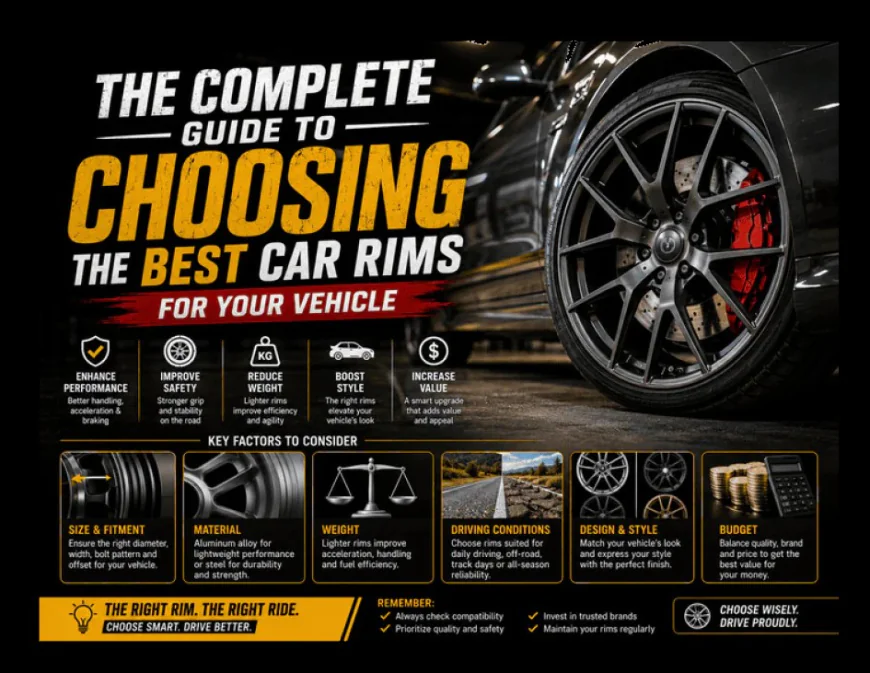
The Complete Guide to Choosing the Best Car Rims for Your Vehicle
Picking the right car rims for your vehicle is not only about looks, but way more than that, really. The right set can change how your car grips in corners, help with fuel efficiency, and somehow give your whole ride a different vibe on the road. Still, once you stare at all the finishes, the sizes and the materials, it gets confusing quickly, and a lot of drivers end up feeling kinda stuck, like they can't decide. This guide will walk you through what matters most, so you can choose your car rims with more confidence and understand what you're buying.
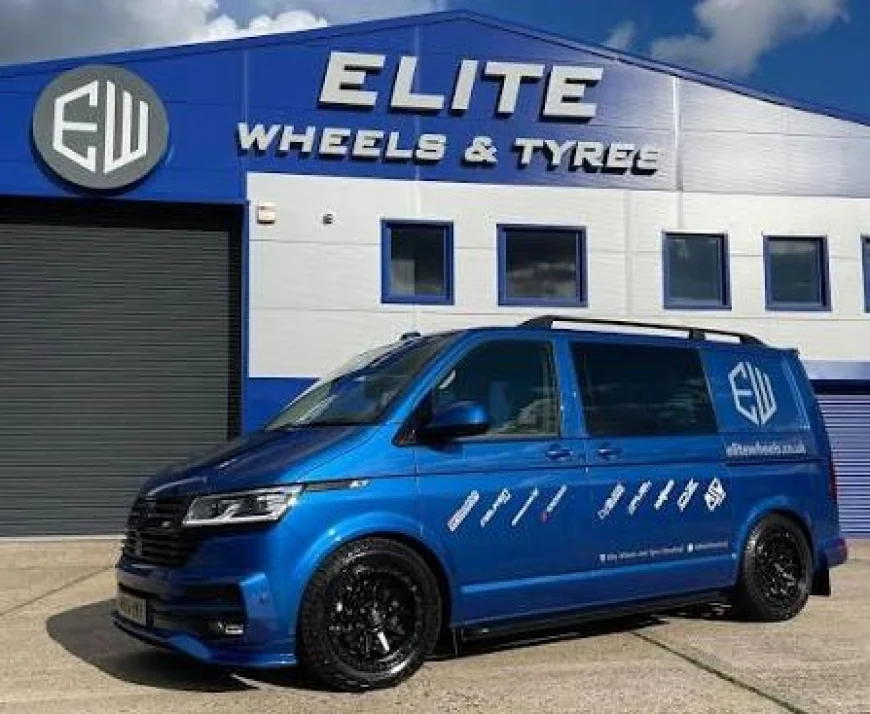
Whether you're upgrading for performance, restoring a classic, or simply want a fresh look, getting the fitment and finish right matters just as much as the design itself. If you're ready to browse options, you can explore car rims at Elite Wheels & Tyres and choose from premium designs built for durability, safety and style.
Before you buy, it's a good idea to know what makes a good purchase versus one you might regret. We'll go over materials, size, style, cost and upkeep, so you'll be much clearer when it's time to upgrade.
What Exactly Are Car Rims?
People often use wheels and rims to mean the same thing. But really, the rim is just the outer part of the wheel where the tyre sits. In everyday talk, though, most drivers use the word to mean the whole wheel. No matter what you call it, the main point is the same: this is one of the few things you can change that affects both how your car looks and how it drives.
Why Your Wheels Matter More Than You Think
Most motorists think that wheels are just for looks, design and marketing hype. But in reality, they perform well beyond just the visual aspects by impacting the unsprung weight of the vehicle. Unsprung weight is a contributing factor in the overall performance of the vehicle in terms of acceleration, braking and cornering. The heavier the wheels are, the less responsive the vehicle will be. Light wheels improve the driving experience. Besides performance, wheels must be durable enough, since they bear the brunt of the car encountering everyday hazards, such as potholes and kerbs.
Understanding Wheel Materials
The material used in construction has an immense impact on weight, strength and price.
Alloy wheels remain the most general choice for ordinary drivers. Made from a mix of aluminium and different metals, they offer a good balance of strength and lightweight, while also being more resistant to corrosion than steel. They're available in an enormous range of finishes, from gloss black to brushed silver, making them a versatile option for most vehicles.
Steel wheels are heavier and less visually appealing but tend to be more affordable and tougher against impact damage. They're often chosen for winter tyres, where durability matters more than appearance, since harsh road conditions and grit can be unforgiving.
Forged wheels sit at the premium end of the market. Manufactured under intense pressure rather than being cast, forged options are significantly stronger and lighter than standard alloys. This makes them popular with performance and track day enthusiasts who need every advantage they can get, though the price reflects the advanced manufacturing process.
Getting the Size and Fitment Right
When you upgrade a vehicle, you might choose a size that is not compatible with the car. Larger diameters are visually prominent, but they cause the ride to feel less smooth and make tyres more expensive to purchase. Then again, smaller sizes are more comfortable for the driver, but they do not match the visual design of every vehicle's body.
It is necessary that you measure the diameter, width, offset and bolt pattern, which is also called the pitch circle diameter. If the sizing is incorrect, the wheels are likely to touch the wheel arches, the suspension components or the brake callipers. To choose a size correctly, you should read your vehicle handbook or talk to someone with specialised knowledge. An improper fit can reduce comfort and compromise safety, and you should remember that your speedometer becomes less accurate if the new tyre diameter differs from the original size. By contacting a trusted supplier, you can find the correct combination for your specific make and model.
Choosing a Style That Suits Your Vehicle
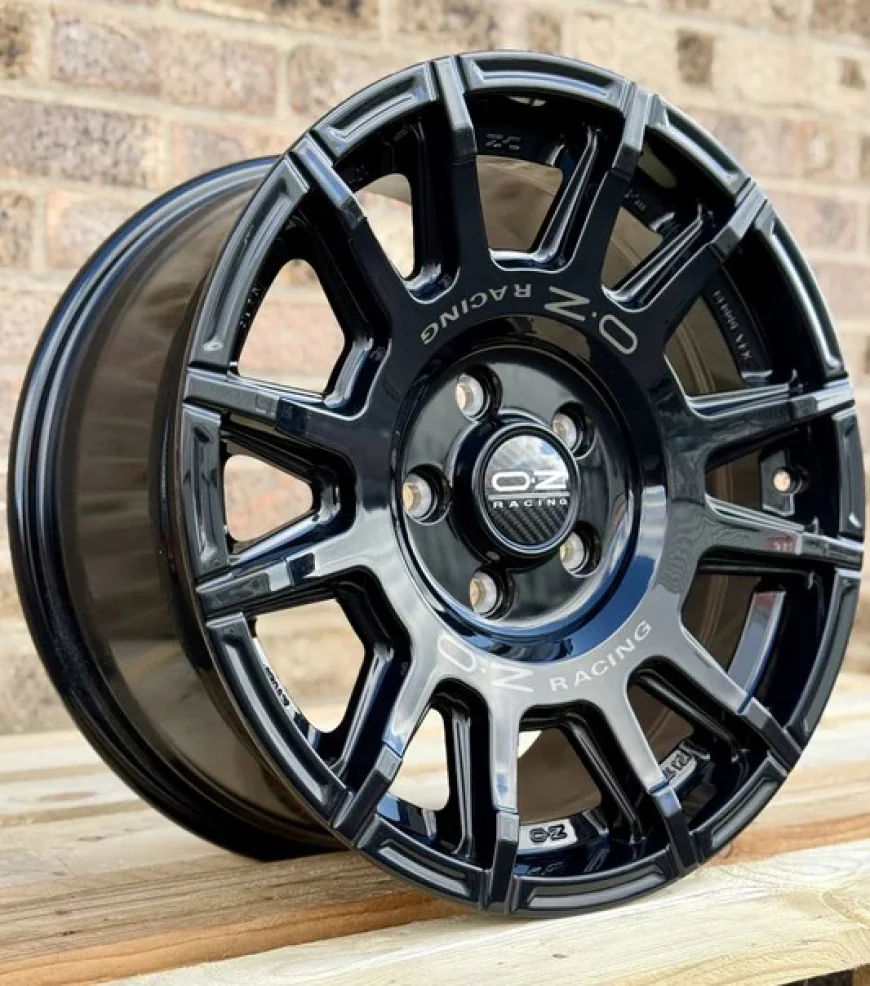
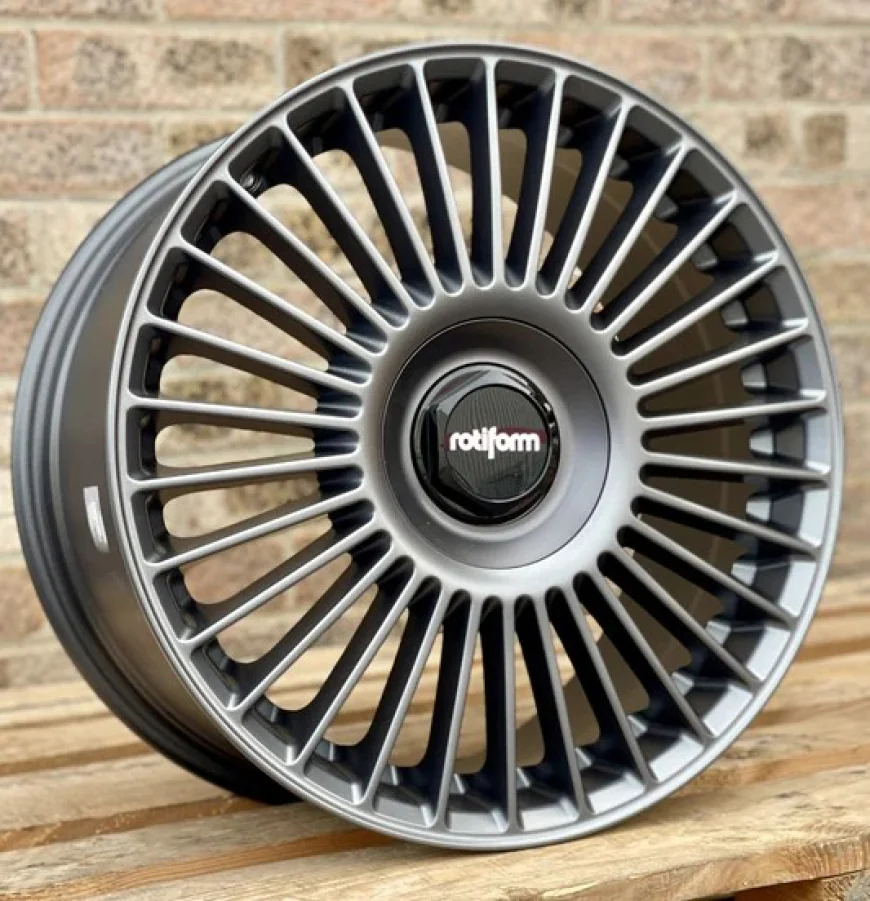
Style is probably one of the main reasons most people choose new car rims. There are plenty of design options, from multi-spoke looks to mesh and deep dish styles, each giving your car its own unique personality.
Think about your vehicle's overall look before choosing a wheel design. A sleek saloon works well with a minimalist multi-spoke pattern, while an SUV often suits a bolder, chunkier style that matches its stance. Finish matters too: matte black gives a modern, understated vibe, while polished or chrome finishes catch the eye.
Setting a Realistic Budget
Depending on material, brand and size, differences in prices can be huge. Prices of performance options start from a few hundred pounds for affordable alloy sets and go up to several thousand pounds for a full set of forged wheels or branded tyres.
If you choose the lowest-priced option, you may be making a mistake, because skipping on such an essential item as wheels can be a false economy. Why? Cheap, unbranded wheels, besides costing you less initially, can crack or become damaged sooner than they are really worn out, which could lead to the need to replace them sooner than planned, or even pose a dangerous risk while you're driving. For goods so closely tied to your car's control and stability, it makes better sense to choose reliable manufacturers and check their product reviews.
When setting your budget, remember that besides the cost of the wheels, you may also have to pay for tyres, valves, wheel nuts or bolts, as well as fitting and balancing charges.
Maintenance Tips for Long Life
Choosing your car rims with care can keep both the exterior and performance high for a long time.
- Keep them clean. Brake dust and road grime can attack finishes if left too long, particularly on lighter alloys.
- Select suitable cleaning products. Harsh chemicals can wear down the protective coatings, so always opt for pH-neutral cleaners specifically made for wheels.
- Check for damage. Inspect regularly for cracks, dents or kerb damage, since even a small dent can grow and become a concern later down the line.
- Rotate your tyres. This helps to distribute wear more evenly, which can prolong the life of both your tyres and wheels.
- Use a protectant. Many ceramic coatings or wheel sealants create a protective barrier against dirt, making cleaning much easier in the future.
By following these steps, you will keep the look and maintain your investment for years to come.
Common Mistakes to Avoid
Even experienced drivers can slip up when upgrading. Here are a few pitfalls worth avoiding:
- Not paying attention to load ratings. Each wheel has a maximum load it can carry. Going over this may cause the wheel to buckle or crack.
- Neglecting offset. An unsuitable offset can cause rubbing or stress on other suspension parts.
- Opting for looks rather than quality. An attractive design is meaningless if the manufacturing quality is inferior, so do some homework into the brand and check out authentic customer reviews.
- Forgetting about tyre compatibility. Some rim widths are only compatible with certain tyre profiles, so make sure your choice is suitable.
- Skipping professional fitting. Poor fitting can cause vibration and uneven wear, or in the worst case be unsafe, so always use a professional.
Steering clear of these errors will save you time, money and hassle in the future.
Making the Right Choice for Your Car Rims
Picking the right car rims is all about finding the right balance between performance, style and practicality. Start by familiarising yourself with your vehicle's specifications, decide on a budget you can realistically stick to, and choose quality over the lowest-priced option. The right set of car rims can completely change how your car looks and feels to drive, while the wrong choice may bring expensive issues later on.
Caring for your car should never stop at regular servicing. When it's time to choose new wheels, it helps to weigh up several things to make sure you end up with a great set that also complements the style of your car. Beyond being aesthetically pleasing, you want your choice to withstand various driving conditions and suit your particular vehicle and driving style for years to come.
In the end, finding new car rims for your car can be exciting if you go about it the right way. Having accurate information about different metals, wheel sizes, designs and how to maintain your wheels after purchase can save you money by avoiding unnecessary mistakes, and help you make a proper selection that not only looks good but functions correctly too. If at any point you're not quite sure, it pays to consult a reliable seller or dealer who's well-informed on the subject. Getting professional advice from the outset will save you a lot of money and trouble down the line.
Frequently Asked Questions
Can I fit any size wheel to my car? No. Every vehicle has a manufacturer-recommended range for diameter, width and offset. Straying too far outside this range can cause rubbing, handling issues, or damage to suspension components.
Do larger wheels automatically offer more performance? No. Larger diameter wheels can enhance grip and cornering, especially at high speeds, but generally, they'll only make the wheel heavier and less comfortable to drive because of the stiffer suspension needed.
When do I need to change my wheels? There's no fixed lifespan for wheels. It depends on how often you drive, the road conditions, and the kind of environment you mostly drive through. But if a wheel has cracks, severe kerb damage or constant vibration no matter where you go, it's advised that you have the wheel inspected by a specialist and replaced if necessary for safety.
Should I pay extra for forged wheels? If you demand the highest degree of strength coupled with the lowest weight to enhance your performance driving, then investing in forged wheels can be worth it. However, if you're just doing everyday driving, a good quality alloy set is more than enough.
For more inspiration, check out some of our other featured builds, including this modified Mazda RX-7 build and this Honda Accord Sport Special Edition feature, or browse the full Stance Auto featured archive for more owner stories.
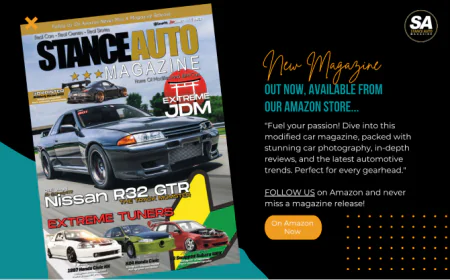
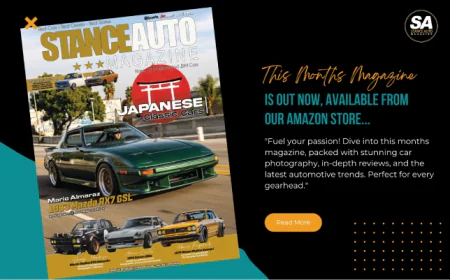
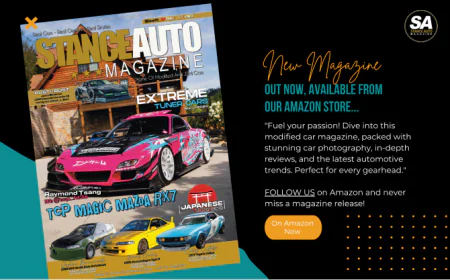
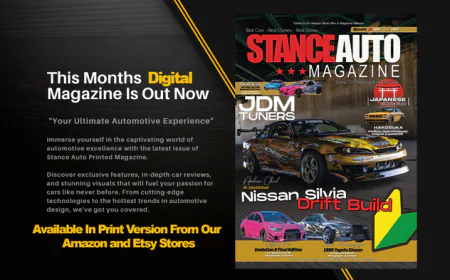
You can also grab a copy of Stance Auto Magazine from our Stance Auto Amazon store.
 Like
0
Like
0
 Dislike
0
Dislike
0
 Love
0
Love
0
 Funny
0
Funny
0
 Angry
0
Angry
0
 Sad
0
Sad
0
 Wow
0
Wow
0