



























































.png)










![[HOONIGAN] Ken Block's GYMKHANA NINE](https://img.youtube.com/vi/_bkX5VkZg8U/maxresdefault.jpg)































































![[HOONIGAN] KEN BLOCK'S GYMKHANA SEVEN: WILD IN THE STREETS OF LOS ANGELES](https://cdn.motor1.com/images/mgl/2KlO4/s1/ken-block-london-tour-directors-cut.jpg)



































Lexus IS300 vs IS200: Which Is the Better JDM Sleeper?
Lexus IS300 vs IS200: we compare the 2JZ-GE engine, chassis and sleeper potential to help you pick the better base for a JDM sleeper build.
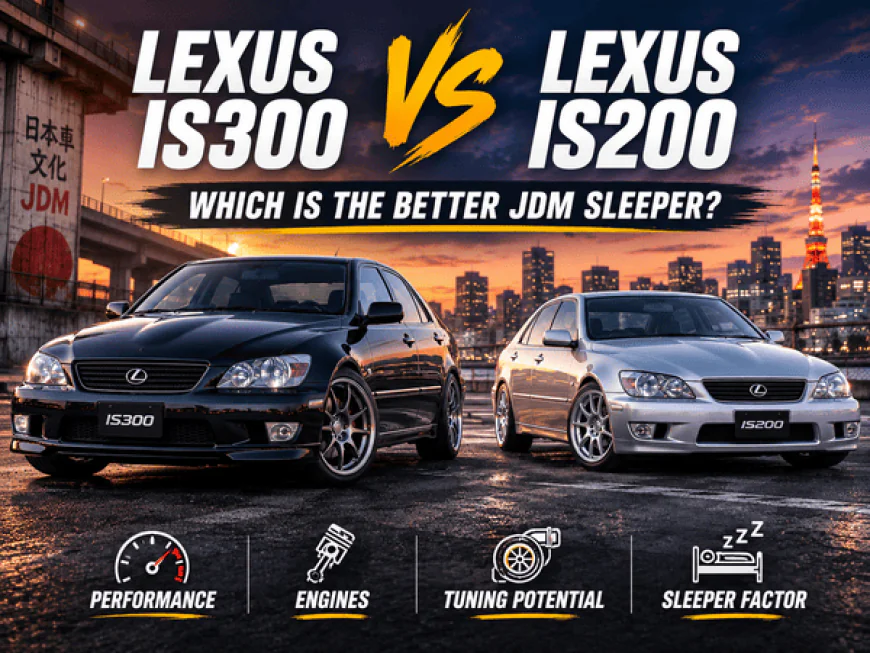
Which Is the Better JDM Sleeper?
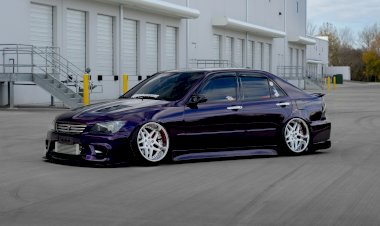
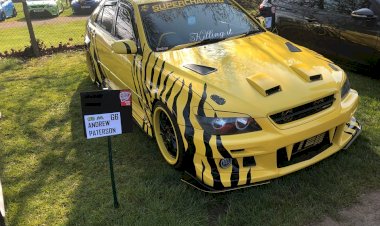
Badged Altezza in Japan, the Lexus IS became one of the most quietly respected sleeper platforms in JDM culture, and the IS300 vs IS200 debate comes down to one core question: how much do you value the engine underneath the badge versus everything else the car offers.
The Core Difference: Engine
This is genuinely the deciding factor for most buyers. The IS300 runs the 2JZ-GE, the naturally aspirated version of the same legendary engine family as the Supra MK4's 2JZ-GTE, covered in more depth in our 1JZ vs 2JZ comparison. The IS200 runs a smaller, less tuning-friendly engine with a fraction of the aftermarket support and forced-induction potential, although they can have a supercharger fitted, giving them that extra punch. If a serious future build is even a possibility, this single difference makes the decision for most buyers before anything else is considered.
Why the 2JZ-GE Matters So Much for Sleeper Builds
The 2JZ-GE shares the same fundamentally strong cast-iron block architecture as its turbocharged 2JZ-GTE sibling, meaning it responds exceptionally well to forced induction conversion, a genuinely popular route for IS300 owners chasing serious power from what looks, from the outside, like an unassuming Japanese executive saloon. This is the entire appeal of the sleeper philosophy, real performance potential hiding behind styling nobody would suspect, and the IS300's engine bay makes that potential genuinely achievable rather than aspirational.

Chassis and Handling: Are They Actually Different?
Beyond the engine swap, the two share broadly similar chassis architecture and factory handling characteristics, meaning the driving experience difference between them mostly comes down to the extra weight and different power delivery of the two engines rather than any fundamental suspension geometry change. Neither is a dramatically different driving experience in stock form, the story here is really about ceiling and potential rather than day-one character.
Manual vs Automatic: Does It Matter for Which You Choose?
Both the IS300 and IS200 were offered with manual gearbox options in various markets, and finding a genuine manual example, particularly on the IS300, has become a real point of value for enthusiast buyers specifically hunting for the strongest possible sleeper base. A manual IS300 with the 2JZ-GE is considered by many serious builders to be about as complete a sleeper starting point as this platform offers.
IS300 Pros and Cons
- Pros: 2JZ-GE engine with genuine forced-induction potential, strong sleeper reputation, shares parts knowledge with the wider 2JZ scene
- Cons: Commands a real price premium over the IS200 specifically because of engine desirability
IS200 Pros and Cons
- Pros: Generally cheaper to buy, still a genuinely well-built, solid Lexus platform
- Cons: Smaller engine with far less tuning potential and aftermarket support
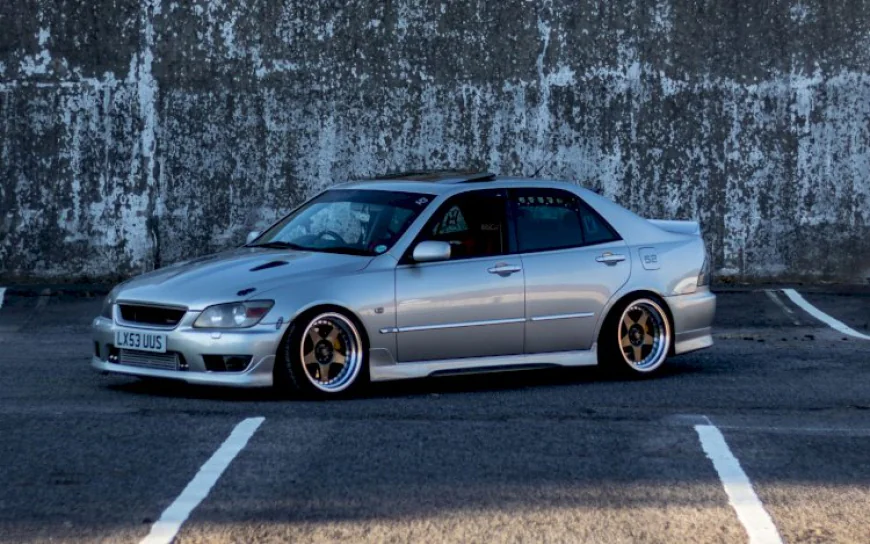
Modifying Either Platform
An IS300 heading toward a turbo build follows a very similar parts path to the wider 2JZ scene, upgraded turbos from Garrett, standalone ECUs, and supporting fuel system upgrades once you're past what the factory naturally aspirated setup can handle. An IS200 build path looks meaningfully different, engine swap territory (commonly a 2JZ swap to effectively create your own IS300) becomes a genuinely common route for owners who bought an IS200 and later wished they'd started with the 2JZ-equipped car.
Reliability: Is Either More Trustworthy?
Both share Lexus and Toyota's well-earned reputation for genuine long-term reliability, arguably one of the biggest underrated appeals of the whole IS/Altezza platform compared to some flashier JDM alternatives. The 2JZ-GE specifically carries the same fundamental reliability strengths as its more famous turbocharged sibling, well-documented, well-understood, and genuinely capable of high mileage with proper maintenance, whether left naturally aspirated or built up into something with serious power.
Availability and What to Watch For
IS300s with the desirable manual gearbox specifically are becoming harder to find as their sleeper reputation has grown and more examples get snapped up by serious builders, worth acting on a genuinely clean, manual example if you find one rather than assuming another will turn up easily. IS200s remain comparatively easy to source, reflecting the platform's lower profile among performance-focused buyers, which keeps pricing accessible for anyone specifically wanting the cheaper, non-2JZ variant.
So, Which Should You Actually Buy?
If a serious future build is even a possibility, the IS300 is the obvious, sensible choice, the 2JZ-GE's tuning potential alone justifies the price premium over an IS200 for anyone with genuine performance ambitions. If you simply want a solid, well-built Japanese executive saloon with sleeper styling and no real intention of chasing serious power, the IS200 remains a genuinely capable, cheaper alternative that shouldn't be dismissed purely for running the smaller engine.
See It Done: Real IS300 Builds on Stance Auto
Andrew Do's 1,400+ horsepower 2JZ-swapped IS300 Wagon is about as extreme a proof of this platform's potential as you'll find anywhere. For the other end of the spectrum, Carlos Torres' 218,000-mile IS300, running TEIN coilovers and a Brembo big brake kit without ever needing a turbo, shows the same platform built for genuine longevity instead. And on the IS200 side, our IS200 1GFE turbo build feature (referenced in our IS300 vs BMW 3 Series comparison) shows the smaller-engined variant can still be built into something genuinely quick.
For more Lexus and Toyota comparisons, and everything else modified car culture, head back over to Stance Auto Mag. You can also grab the latest print issue through our Amazon magazine store.
 Like
0
Like
0
 Dislike
0
Dislike
0
 Love
0
Love
0
 Funny
0
Funny
0
 Angry
0
Angry
0
 Sad
0
Sad
0
 Wow
0
Wow
0