















































































































































































OEM Parts: What They Are, When They're Worth It and How to Buy Them Safely
OEM parts are made by or for your car's manufacturer. Learn how they differ from OES and aftermarket parts, when they are worth the money and how to buy genuine JDM parts safely.
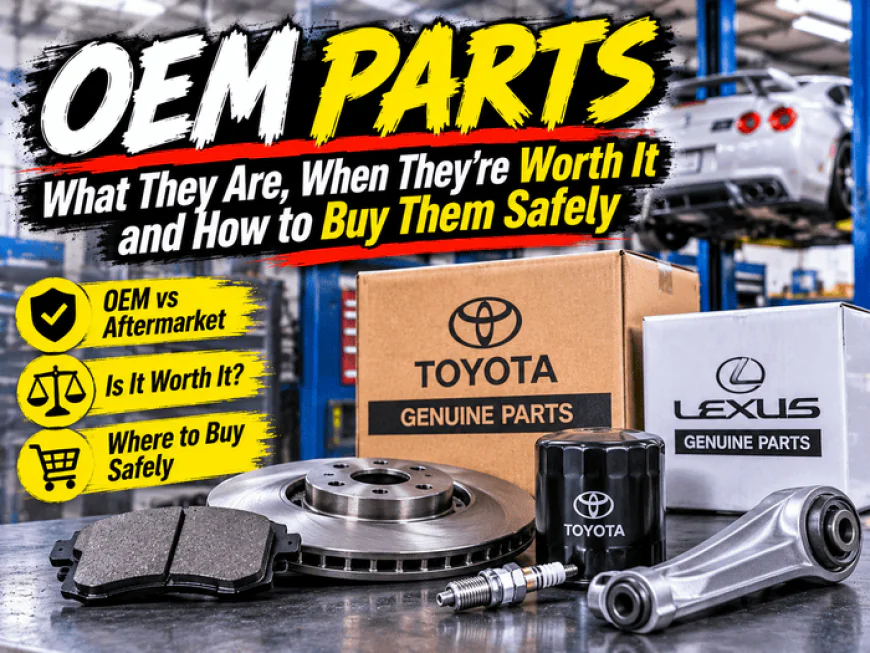
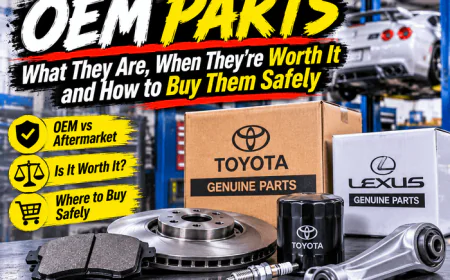
OEM parts, short for original equipment manufacturer parts, are components made by or for the carmaker to the same specification as the parts the car left the factory with. When a dealer says "genuine part", they usually mean OEM. The idea is simple. The part fits properly, performs as the engineers intended and carries the maker's backing. The catch is that it often costs more, and the labels get confusing quickly, with terms like OES, OEM equivalent and aftermarket all floating around.
This guide breaks down what OEM parts really are, how they compare with other options, when they make sense on a modified car and how to buy them without getting burned.
What Are OEM Parts?
OEM parts are components produced by the original manufacturer or its approved supplier, built to the exact specification of the part fitted in the factory. That can mean something made in the carmaker's own plant, but more often it's a part from a supplier like Denso, Aisin or Bosch, who build parts for many brands. The part might come in the manufacturer's branded box with a part number and a dealer price tag, which is the true "genuine" version.
The key point is consistency. An OEM part is built to the same tolerances, materials and standards as the original, so it should fit without modification and last about as long as the part it replaces. That's the main reason people choose them, particularly for critical components like sensors, fuel and ignition parts.
What Is the Difference Between OEM, OES and Aftermarket Parts?
OEM is the part in the carmaker's box, OES is the same part from the same supplier in the supplier's own packaging, and aftermarket is a part made by a third party to fit the car. OES stands for original equipment supplier, and it's often the sweet spot. You get the same factory part for a lower price, because you aren't paying for the carmaker's logo. A Denso or Aisin part in a plain box can be identical to the one in the Toyota box.
Aftermarket parts cover everything else. Quality ranges from excellent to dangerous. Some aftermarket brands make parts that are better than factory, particularly in performance, brakes and suspension. Others are cheap copies that fit poorly and fail early. The brand and the supplier matter far more than the label.
Are OEM Parts Worth the Extra Cost?
OEM parts are worth the extra cost for safety-critical, sensor-related and hard-to-diagnose components, but not always for simple wear items. Think about what happens if the part fails. A cheap oxygen sensor or crank sensor can cause hours of frustrating diagnosis. A dodgy ball joint or brake part is a safety risk. For those, paying for OEM or OES is sensible. For filters, bulbs, wipers and many fluids, a good aftermarket brand is perfectly fine.
OEM parts also help with resale. A car with a history of genuine parts is easier to sell, particularly for collectable models. It's one reason the JDM community holds on to original parts, and the idea runs through our piece on OEM plus build philosophy, where the goal is to improve a car without losing its factory character.
How Much Do OEM Parts Cost?
OEM parts typically cost 20 to 100 percent more than aftermarket equivalents, and genuine dealer prices can be much higher for rare or discontinued items. A set of genuine brake pads or a thermostat might cost only a little more. A body panel, a trim piece or a sensor for an older Japanese car can cost a surprising amount, particularly if stock is limited. Dealer markups are real, and the same OEM part is often cheaper from an online parts supplier or a specialist.
Compare prices by part number, not just the name. The same OEM component can vary widely in price between sellers, and a few minutes of searching can save a lot. Check shipping and import duties too, especially if the part is coming from overseas.
Why Do JDM Owners Care About OEM Parts?
JDM owners care about OEM parts because many Japanese performance cars are now classics, and original parts keep them reliable, correct and valuable. Parts for cars like the Skyline, Supra, RX-7 and Silvia are getting harder to find. Manufacturers have discontinued some, and prices on others have climbed fast. When you find a genuine part in good condition, it often beats a cheap copy.
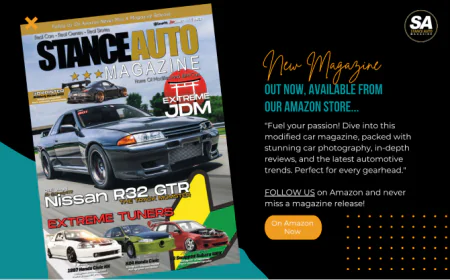
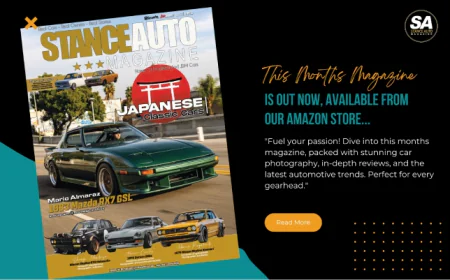
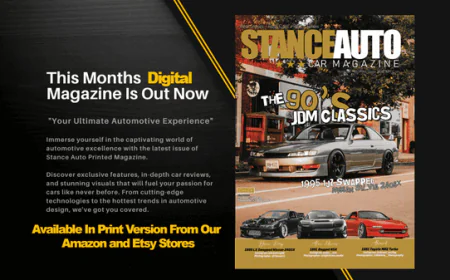
If you're buying a car from Japan, it's worth understanding how the supply side works. Our JDM import guide covers importing, and the piece on which JDM car has the most aftermarket support helps you plan for parts before you buy. For the cars that started this whole scene, the Stance Auto 90s JDM Classics issue is worth a look at our magazine page.
How Do You Buy OEM Parts Online Safely?
To buy OEM parts online safely, use the part number from your car's catalog, buy from an established seller and be wary of prices that look too good to be true. Start with your VIN or chassis number and look up the correct part number through an official or reputable parts catalog. Then search for that exact number. Many sellers list parts as "fits" a model while actually selling something different.
Counterfeit parts are a real problem, particularly for popular items like filters, brake parts, spark plugs and sensors. Warning signs include poor packaging, spelling mistakes, no part number and a very low price. Buy from authorized dealers, known specialists or sellers with solid reviews, and keep the receipt. If a deal looks suspicious, it probably is.
Do OEM Parts Affect Your Warranty or Insurance?
Using OEM parts is the simplest way to keep a manufacturer warranty intact, but in many places an aftermarket part doesn't automatically void the warranty unless it causes the failure. In the US, consumer protection law generally prevents a manufacturer from refusing warranty cover just because you used an aftermarket part, and similar principles apply in the UK for independent servicing with parts of equivalent quality. The details vary, so check your warranty terms and don't assume.
Insurance is a different matter. Modified cars should be declared, and a policy may treat non-standard parts differently. Our UK modified car insurance explainer covers how insurers see modifications. Whatever you fit, keep records of what and where it came from, because they help with claims, with resale and with proving the part was a genuine one.
When Should You Choose Aftermarket Over OEM?
Choose aftermarket parts when you want better-than-factory performance, a lower price on non-critical items or a part that the manufacturer no longer makes. Performance brakes, suspension, intercoolers, exhausts and clutches often outperform OEM, and that's the whole point of tuning. Quality aftermarket brands also fill gaps when genuine parts are discontinued or priced out of reach.
The best approach for most builds is a mix. Use OEM or OES for the sensitive, everyday parts that need to work perfectly, and use quality aftermarket parts where you want an upgrade. That's the sensible middle ground between a purely stock car and a pile of cheap parts. Our guide to the best mods for more horsepower will help you decide where aftermarket upgrades make sense.
How Can You Tell If a Part Is Genuine OEM?
You can tell a genuine OEM part by the manufacturer's part number, consistent packaging, quality markings on the part itself and a price in line with the market. Genuine parts carry the carmaker's or supplier's logo, a part number that matches the catalog and often a date code or batch mark stamped into the metal or printed on the box. The packaging should be crisp, with clean printing and a proper label. Blurry text, mismatched fonts or a missing barcode are red flags.
Feel and fit tell you a lot too. A genuine part has clean machining, correct weight and tidy finish, while a copy often looks rough or feels lighter than it should. If you're unsure, compare it with the old part you're replacing, check the number against the catalog and ask the seller for proof of supply. For anything safety-critical or expensive, buying through an authorized dealer is worth the extra few pounds, because OEM parts are only valuable when they're actually genuine. That's also why it pays to keep invoices and packaging for the parts you fit, since a documented OEM history adds real confidence for the next owner.
Final Word on OEM Parts
OEM parts aren't always the right answer, but they're often the safest one for parts that matter. Know the difference between OEM, OES and aftermarket, buy by part number from trusted sellers and save your money for the parts where quality counts. Do that and you'll keep your car reliable, correct and ready for whatever you plan next.
If you enjoy practical guides and JDM culture, find Stance Auto Magazine on Amazon.
Related Reads
- OEM Plus Build Philosophy: Enhancing Character
- How to Import a JDM Car: The Complete Guide
- Which JDM Car Has the Most Aftermarket Support?
- Modified Car Insurance Explained: UK 2026
Find more builds, guides and car culture at Stance Auto Magazine.
 Like
0
 Dislike
0
 Love
0
 Funny
0
 Angry
0
 Sad
0
 Wow
0