

























































.png)











![[HOONIGAN] Ken Block's GYMKHANA NINE](https://img.youtube.com/vi/_bkX5VkZg8U/maxresdefault.jpg)






































































![[HOONIGAN] KEN BLOCK'S GYMKHANA SEVEN: WILD IN THE STREETS OF LOS ANGELES](https://cdn.motor1.com/images/mgl/2KlO4/s1/ken-block-london-tour-directors-cut.jpg)































How to Import a JDM Car: Complete Guide for 2026
Step-by-step guide to importing JDM cars globally. Learn about compliance, shipping costs, customs, paperwork, and registration requirements.
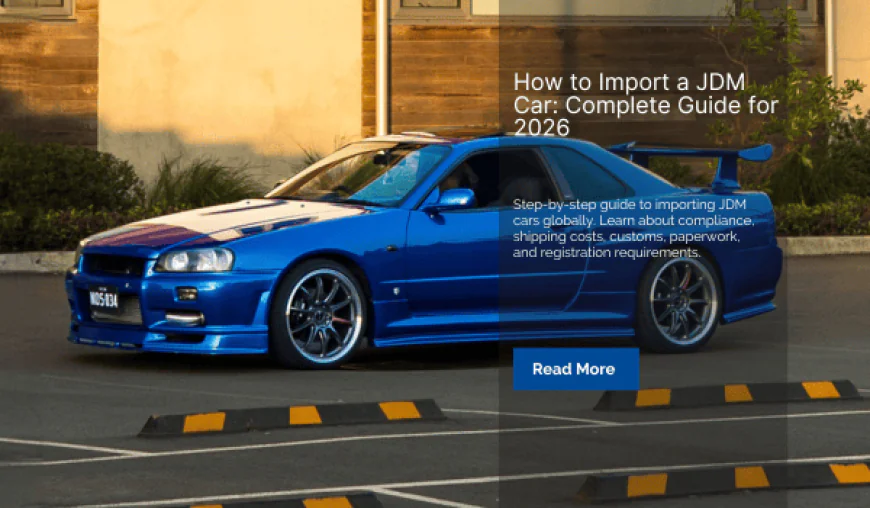
Your Complete Roadmap to Importing a Japanese Legend
Importing a JDM car might seem daunting, but it's more straightforward than you think. Thousands of enthusiasts successfully import Japanese performance cars every year, and in 2026, the process is better established than ever. Whether you're in the UK, US, Australia, or anywhere else in the world, this complete guide walks you through every step of importing your dream JDM car.
From understanding import regulations to navigating Japanese auctions, handling shipping, clearing customs, and getting your car registered — we cover it all with real-world costs, timelines, and insider tips from experienced importers.
What You'll Learn:
- Import regulations for major countries (UK, US, Australia, Canada, EU)
- Finding and purchasing cars in Japan
- Shipping and freight forwarding
- Customs clearance and compliance
- Registration and first drive preparation
- Realistic costs breakdown
- Common mistakes to avoid
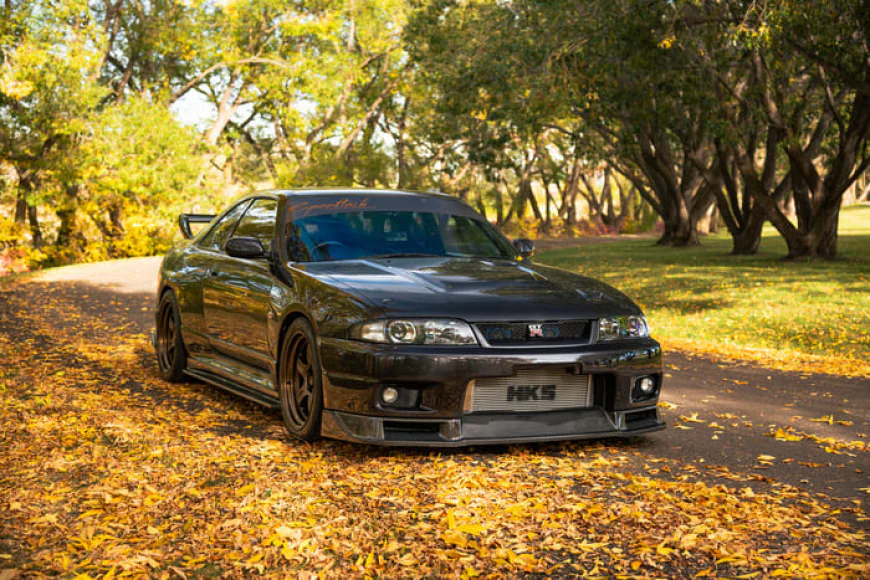
Step 1: Understanding Import Regulations by Country
Before you buy anything, understand your country's rules. Import regulations vary significantly:
United Kingdom
The UK has relatively simple import rules:
- Any car over 10 years old can be imported
- No age restrictions for most vehicles
- Must pass MOT and IVA (Individual Vehicle Approval) if under 10 years
- Right-hand drive is standard (bonus!)
- VAT and duty apply: 20% VAT + 10% import duty on vehicles
- Brexit has added some paperwork but process remains straightforward
Cost implications:
- Import duty: 10% of vehicle value
- VAT: 20% of (vehicle value + shipping + duty)
- Example: £10k car costs £10k + £1k duty + £2.2k VAT = £13.2k total
United States
The 25-year rule governs US imports:
- Cars must be 25+ years old (1999 and older in 2025)
- Exemptions exist for some models on the "Show or Display" list
- Must comply with EPA and DOT standards
- Left-hand drive conversions are expensive (stick with RHD)
- Import duty: 2.5% for cars, 25% for light trucks
- Each state has different registration requirements
Popular import-friendly states:
- California (if it passes emissions)
- Florida (straightforward registration)
- Texas (imported car friendly)
- Pennsylvania (relatively easy process)
Australia
Australia uses the SEVS (Specialist and Enthusiast Vehicle Scheme):
- Only pre-approved models can be imported
- Check the SEVS register before buying
- Cars must be 15+ years old
- Must pass compliance with a RAWS workshop
- Right-hand drive (perfect for Japan imports)
- Compliance costs: £3,000-5,000 typically
Duty and taxes:
- Import duty: 5%
- GST: 10%
- Luxury Car Tax: 33% (if over luxury threshold, currently ~£70k AUD)
Canada
Canada has the 15-year rule:
- Cars must be 15+ years old (2010 and older in 2025)
- Must meet federal safety standards
- RIV (Registrar of Imported Vehicles) inspection required
- Provincial inspection after RIV clearance
- Import duty: 6.1% for cars
- GST/HST applies (varies by province, 5-15%)
Compliance typically includes:
- Daytime running lights
- KM/H speedometer labels
- Child tether anchors (if applicable)
European Union
EU import rules vary by member state but generally:
- No age restrictions but emissions standards matter
- Must meet EU safety and emissions standards
- Individual country registration requirements
- Import duty: 10%
- VAT: 19-27% depending on country
- Some countries offer classic car exemptions (typically 30+ years)
Note: Brexit has complicated UK-EU vehicle movements. Check current rules carefully.
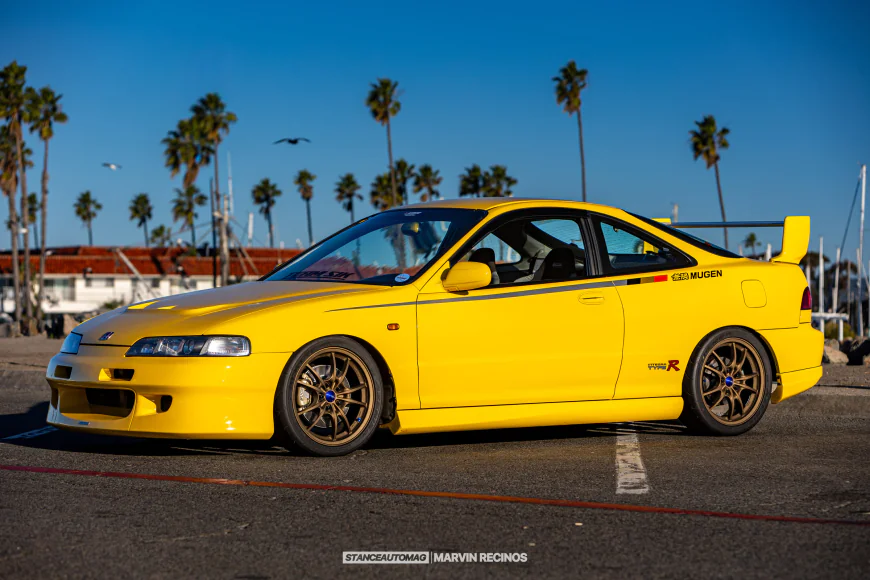
Step 2: Finding Your Car in Japan
Import Company vs DIY
You have three main approaches:
Option 1: Full-Service Import Company
They handle everything from sourcing to delivery.
Pros:
- Zero hassle — they do all the work
- Expertise in finding good cars
- Handle all paperwork and customs
- Usually offer warranty/guarantee
- Best for first-time importers
Cons:
- Most expensive option (add £2,000-4,000)
- Less control over specific car selection
- Markup on purchase price
Cost: Base price + £2,000-4,000
Option 2: Independent Agent
You find the car, they handle logistics.
Pros:
- More control over car selection
- Cheaper than full-service
- Expert help with tricky parts
- Good middle ground
Cons:
- You need to monitor auctions
- Some paperwork involvement
- Need to understand auction sheets
Cost: Base price + £1,000-2,000
Option 3: Complete DIY
You handle everything yourself.
Pros:
- Cheapest option
- Full control
- Learn the entire process
- Rewarding when successful
Cons:
- Extremely time-consuming
- Requires Japanese contacts
- High risk if you make mistakes
- Not recommended for first import
Cost: Base price + shipping + fees only
Recommendation: Use a full-service importer for your first car. The extra cost is worth the education and peace of mind.
Understanding Japanese Auction Houses
Most imported cars come from Japanese auction houses:
| Auction House | Focus | Notes |
|---|---|---|
| USS Tokyo | General | Largest volume, good variety |
| USS Osaka | General | High-quality stock |
| TAA (Toyota) | Toyota vehicles | Best for Supras, Chasers, etc. |
| HAA (Honda) | Honda vehicles | Best for Integras, NSX, etc. |
| JU (Japan Used) | General | Good for cheaper cars |
| Bayauc | Online | Easy to browse online |
Reading Auction Sheets
Auction sheets are in Japanese but follow a standard format:
Auction Grade (Most Important):
- Grade R: Accident-repaired (avoid unless you know what you're doing)
- Grade 1-2: Poor condition, visible issues
- Grade 3-3.5: Average condition, some wear
- Grade 4-4.5: Good condition, minor imperfections
- Grade 5: Excellent, like new
- Grade 6: Brand new/unused
Target: Grade 4.0 or higher for best value
Condition Marks:
- A1-A3: Small scratches
- U1-U3: Dents
- W1-W3: Repair work
- B1-B3: Bumper damage
- S1-S3: Rust
- X: Needs replacement
Interior Grade:
- A: Excellent
- B: Good
- C: Average
- D: Poor
Red Flags to Avoid
Never buy if you see:
- Grade R or any accident history
- Rust marks (S ratings) — rust kills
- Modified with no documentation
- Suspiciously low bid prices
- Missing service records
- Engine modifications without supporting mods
- Flood damage indicators
- Odometer discrepancies

Step 3: Making the Purchase
Setting Your Budget
Calculate your total landed cost BEFORE bidding:
| Cost Item | Typical Range |
|---|---|
| Auction purchase price | Varies |
| Auction fees | £30-50 |
| Inspection (optional) | £150-300 |
| Shipping to port | £100-200 |
| Ocean freight | £1,000-2,000 |
| Import duty | 2.5-10% of value |
| VAT/GST/Tax | 5-20% of value |
| Compliance work | £500-5,000 |
| Registration fees | £100-500 |
The Bidding Process
How auction bidding works:
- Find a car you like 3-7 days before auction
- Send details to your importer for inspection report
- Review report and decide maximum bid
- Your importer bids on your behalf (or you bid if DIY)
- Auction runs for ~30 seconds per car
- If you win, you must complete purchase
- Payment typically due within 3-5 business days
Important: Setting a maximum bid is crucial. Don't get caught up in auction fever. Stick to your budget.
Payment and Deposit
Payment process:
- Deposit: Usually £500-1,000 to secure your bid
- Balance: Due before shipping (wire transfer most common)
- Full payment: Required before car leaves Japan
Use bank wire transfer for best rates. PayPal/credit cards add 3-5% fees.

Step 4: Shipping and Logistics
Shipping Methods
Two main options:
Container Shipping (RORO - Roll On/Roll Off)
Car is driven onto ship, secured on deck.
Pros: Cheapest option (£800-1,200)
Cons: Exposed to elements, can't ship personal items, less secure
Best for: Standard imports in good condition
Container Shipping (20ft/40ft)
Car loaded into sealed shipping container.
Pros: Protected from weather, can ship parts/wheels, very secure
Cons: More expensive (£1,500-2,500 for sole use)
Best for: High-value cars, modified cars, shipping multiple vehicles
Money-saving tip: Share a container with other importers to split costs.
Shipping Timeline
Typical timeline from purchase to arrival:
- Day 0: Win auction
- Day 3-7: Payment cleared, car collected
- Day 7-14: Car arrives at port (Yokohama, Osaka, or Nagoya)
- Day 14-21: Export customs clearance
- Day 21-51: Ocean voyage (4-6 weeks)
- Day 51-58: Import customs clearance
- Day 58-65: Compliance work
- Day 65-72: Final delivery or collection
Total: 10-12 weeks on average
Peak season delays (September-November): Add 2-4 weeks
Marine Insurance
CRITICAL: Always insure your car during shipping!
- Cost: £150-300 typically
- Covers: Loss, damage, theft during transit
- Worth: Could save you tens of thousands
Your importer usually arranges this, but verify it's included in your quote.
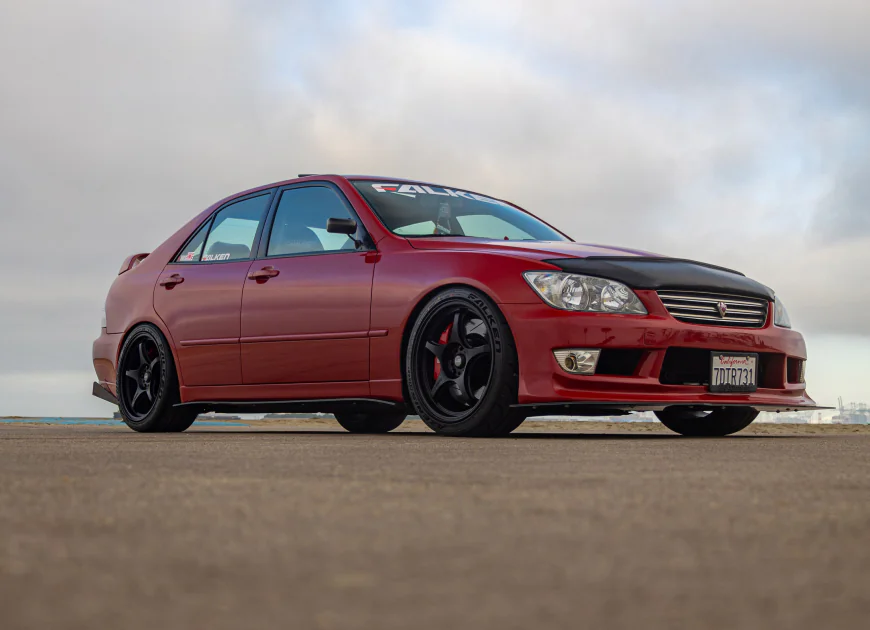
Step 5: Customs Clearance and Compliance
Required Documentation
You'll need:
- Original export certificate from Japan
- Bill of lading
- Commercial invoice
- Proof of payment
- VIN verification
- Emission compliance certificate (if required)
- Insurance documents
- Import permit (country specific)
Your importer typically handles gathering these documents.
Customs Inspection
What customs inspectors check:
- VIN matches paperwork
- Car matches description
- No prohibited modifications
- Value assessment for duty calculation
- Emissions equipment present
Be honest on all declarations. Customs fraud carries serious penalties including vehicle seizure.
Compliance Requirements by Country
UK IVA (if under 10 years old):
- Safety inspection
- Emissions test
- Lighting compliance
- Cost: £200-500
US DOT/EPA:
- Usually satisfied by 25-year rule
- Some paperwork still required
- State-specific inspections vary
Australia RAWS:
- Most comprehensive compliance
- Requires approved workshop
- Can include seatbelt upgrades, emissions work
- Cost: £3,000-5,000
Canada RIV:
- Federal inspection
- Daytime running lights installation
- Speedometer labeling
- Cost: £500-1,500

Step 6: Registration and First Drive
Registration Process
Once compliant, you can register:
- Obtain compliance certificate
- Get insurance quote (use specialists!)
- Submit registration application
- Pay registration fees
- Receive plates/registration documents
- Install plates
- Complete safety inspection if required
Timeline: 1-2 weeks typically
Cost: £100-500 depending on country/state
Pre-Delivery Inspection Checklist
Before your first drive:
- ☐ All fluids (oil, coolant, brake fluid, PS fluid)
- ☐ Tire condition and pressure
- ☐ Brake function and feel
- ☐ All lights working
- ☐ Windscreen wipers and washers
- ☐ No leaks underneath
- ☐ Clean air filter
- ☐ Battery condition
- ☐ Check for loose items in engine bay
- ☐ Test all electronics
The First 1000 Miles
Break-in period recommendations:
- Drive gently while learning the car
- Check for leaks daily
- Monitor all gauges closely
- Avoid extended highway cruising initially
- Don't exceed 4,000rpm
- Vary your speed (don't cruise at constant RPM)
- Get a full service done at 500 miles
- Re-torque all wheel nuts after 100 miles
These cars just traveled across an ocean and may need time to settle.
Complete Cost Breakdown Example
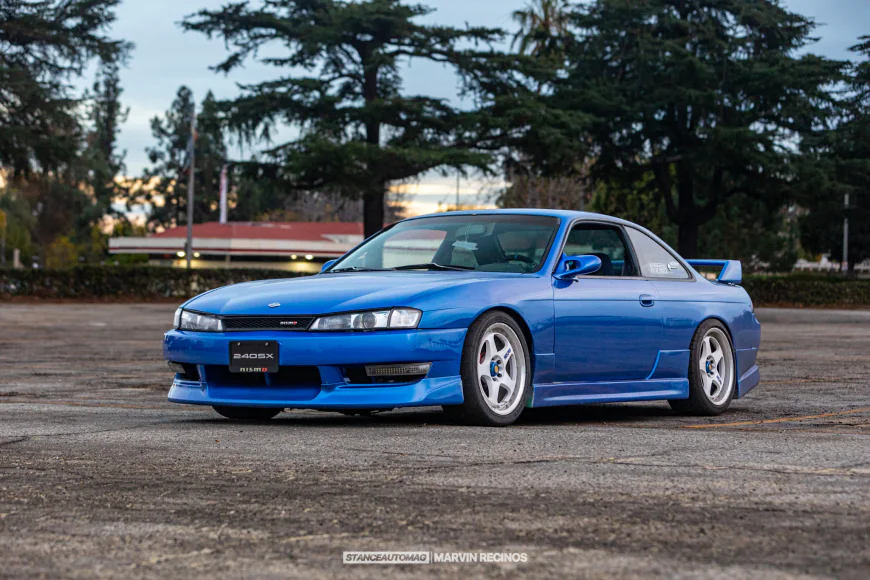
Let's walk through a real example: 1997 Nissan Silvia S14 importing to the UK
| Cost Item | Amount |
|---|---|
| Auction purchase price | ¥1,200,000 (£8,000) |
| Auction fees | £40 |
| Pre-ship inspection | £200 |
| Inland transport to port | £150 |
| Ocean freight (RORO) | £1,100 |
| Marine insurance | £200 |
| UK import duty (10%) | £800 |
| UK VAT (20%) | £2,050 |
| Customs agent fees | £150 |
| UK delivery | £100 |
| TOTAL LANDED COST | £12,790 |
Immediate additional costs:
- MOT test: £54.85
- Insurance: £800-1,500/year
- Road tax: £325/year
- Initial service/fluids: £300
- New tires (if needed): £400-600
Realistic total to get on the road: £14,500-15,500
Common Mistakes to Avoid
1. Not Budgeting for Total Costs
Many first-time importers only budget for the purchase price and forget about duties, shipping, compliance, and initial maintenance. Always calculate your TOTAL landed cost before bidding.
2. Buying Without Inspection
Never buy based on auction sheet alone. Always get a professional inspection or use a trusted importer who physically inspects cars. Photos can hide major issues.
3. Ignoring Auction Grade
A Grade R or low grade (1-2) car will need significant work. Unless you're experienced and have a budget for repairs, stick to Grade 4.0 or higher.
4. Not Understanding Import Laws
Different countries have different rules. In the US, you can't import a 2000 Skyline GT-R yet (needs to be 25 years). In Australia, only SEVS-approved models are allowed. Do your research FIRST.
5. Using Cheap Shipping
The cheapest shipping option isn't always best. Damaged cars during transport can cost thousands to repair. Adequate insurance is essential.
6. Forgetting About Ongoing Costs
Insurance, maintenance, premium fuel, and parts add up. Budget £2-3k per year minimum for keeping a JDM car on the road.
7. Not Joining Owner Communities
The best knowledge comes from owners who've done it before. Join Facebook groups, forums, and Discord servers for your specific model before buying.
Insider Tips for Success
- Be patient — don't rush into the first car you see. The right one will come along.
- Build relationships with importers — they remember good customers and will alert you to special finds.
- Avoid peak season (September-November) — shipping is slower and more expensive.
- Consider less popular models — similar performance, lower prices, easier to import.
- Join the community BEFORE buying — learn from others' experiences and mistakes.
- Budget 20% extra for unexpected costs — there are always surprises.
- Buy in winter (Japan time) — auction prices are typically lower.
- Document everything — keep all paperwork forever (helps with resale).
- Get a pre-purchase inspection in person if possible — worth traveling for.
- Start small — your first import shouldn't be a £30k GT-R. Learn the process with a cheaper car first.
Final Thoughts
Importing a JDM car is an adventure. Yes, there's paperwork. Yes, there are costs beyond the purchase price. Yes, you need patience. But the reward — owning an authentic piece of Japanese automotive history that would otherwise be impossible to obtain — makes it all worthwhile.
Thousands of enthusiasts successfully complete imports every year. With proper research, realistic budgeting, and help from experienced importers, you can too. The process is well-established, and in 2025, it's easier than ever thanks to better information, more import companies, and streamlined logistics.
Start by joining owner communities for your dream car. Learn from their experiences. Budget realistically for the total costs. Use a reputable importer for your first car. And most importantly — enjoy the journey. The anticipation of waiting for your car to arrive is half the fun!
Frequently Asked Questions
How long does the whole process take?
10-12 weeks on average from auction win to driving on your roads. This can extend to 14-16 weeks during peak season or if compliance work is complex. Budget 3-4 months to be safe.
Can I import a car myself without an importer?
Yes, but it's not recommended for first-timers. You'll need: contacts in Japan for inspection and export paperwork, a freight forwarder, a customs broker in your country, knowledge of compliance requirements, and lots of time. Most people save £1-2k doing it themselves but risk costly mistakes. Use a professional for your first import.
What's the best month to import?
January-March and May-July are best. Avoid September-November (peak season - longer shipping times and higher costs). Also, auction prices tend to be lower in Japanese winter (December-February).
Do I need to speak Japanese?
Not if you use an import company — they handle all Japanese communication. DIY importers either learn basic Japanese, use translation tools, or hire bilingual agents. The auction sheets can be read with a translation guide.
Are auction sheet translations accurate?
Auction sheets use standardised codes and grading, but condition marks can be subjective. This is why physical inspections by trusted people are crucial. Don't rely solely on the auction house's grading.
What happens if my car arrives damaged?
This is why marine insurance is essential. With proper insurance, damage claims are filed with the shipping company. Document everything with photos immediately upon delivery. Most reputable importers include insurance in their quotes.
Can I cancel after winning an auction?
No — auction wins are binding. You must complete the purchase. This is why setting realistic maximum bids and doing thorough research before bidding is crucial. If you win, you buy.
 Like
0
Like
0
 Dislike
0
Dislike
0
 Love
0
Love
0
 Funny
0
Funny
0
 Angry
0
Angry
0
 Sad
0
Sad
0
 Wow
0
Wow
0