































































































































































































Japanese Import Cars: Best Models, Real Costs and What to Check Before You Buy
Japanese import cars are Japanese-market vehicles brought into the UK or the US. Learn which models are popular, how the 25-year rule works, what they really cost and what to check before buying.

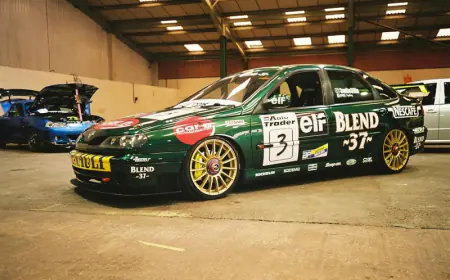
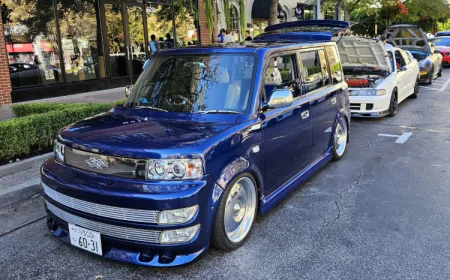
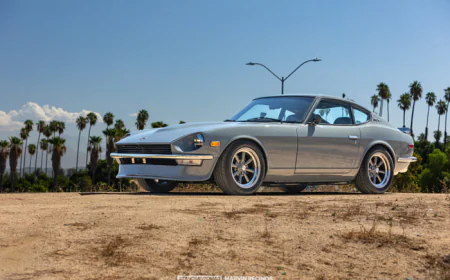
Japanese imported cars are vehicles built for the Japanese domestic market, or JDM, that are shipped abroad and registered in another country, usually the UK, the US, Australia or Europe. They matter because Japan sold things the rest of the world never got. Twin turbo coupes with more power than the brochure admitted, tiny kei trucks, VIP sedans with lounge-level interiors and special editions you'd only see in a Tokyo car park. That's the appeal, and it's why the scene around these cars keeps growing.
But buying one isn't as simple as clicking a button on an auction site. There are rules, fees, inspections and traps. This guide gives you an overview of what Japan import cars are, which ones people actually buy, what they cost and where buyers go wrong. For the step-by-step process, our full JDM import guide goes deeper, and this article is the buyer's view.
Why Do People Buy Japan Import Cars?
People buy Japan import cars because they offer models, styling and engines that were never sold locally, often at lower prices than equivalent cars at home. Japan has a huge used car market with strict inspections, so many cars come out of the country in remarkable condition. Low mileage, full service records and rust-free bodies are common, which isn't something you can say about the average ten-year-old car in a wet climate.
There's culture too. Japanese tuning, from widebody kits to VIP luxury builds, is a world of its own, and owning an import is a way into it. If you want to understand where that comes from, our JDM culture explainer is a good place to start.
What Are the Most Popular Japan Import Cars?
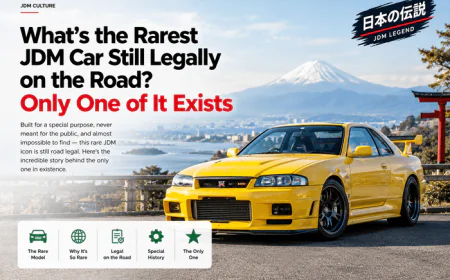
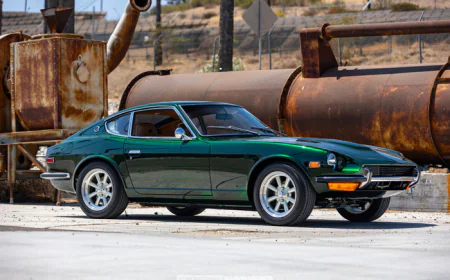
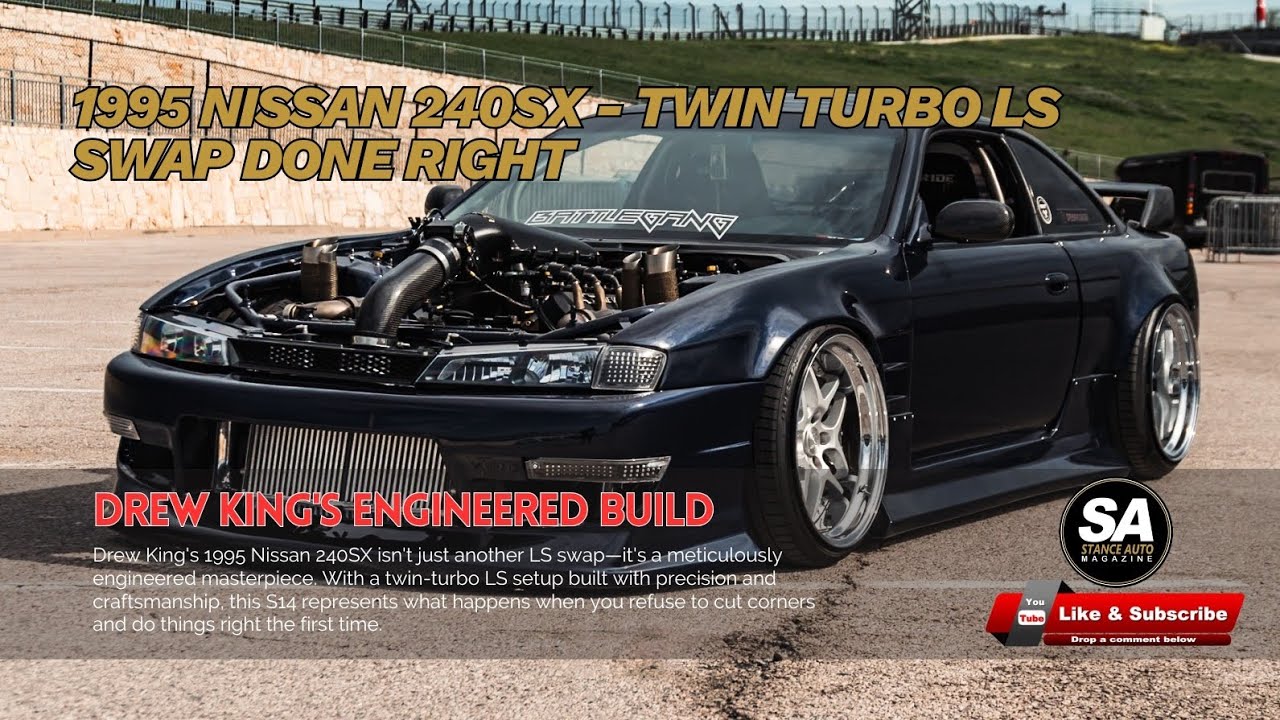
The most popular Japan import cars are the Nissan Skyline GT-R, Toyota Supra, Mazda RX-7, Nissan Silvia, Toyota Chaser, Mitsubishi Lancer Evolution, Subaru Impreza STI and Honda NSX. These are the cars that defined the 90s and early 2000s performance scene. Behind them are great everyday options like Honda Civic Type Rs, Toyota Altezza and Lexus IS models, as well as an enormous kei car market, with tiny turbo trucks and vans that suit crowded cities.
Prices vary wildly. The Skyline GT-R and Supra have become collector territory, while others like the Silvia, Chaser and many Hondas remain more affordable. For budget ideas, our guides to the best JDM cars under £15k and the best JDM cars under £20k show what's realistic, and the list of rare JDM imports under £25k is great for finding something unusual.
How Does the 25 Year Rule Work for Japan Import Cars?
In the US, the 25 year rule allows you to import a vehicle that's at least 25 years old without it needing to meet US safety and emissions standards for new cars. That's why cars like the R32 Skyline became legal years ago and why the R34 is becoming available model by model as each year ticks over. Rules are enforced by agencies like the NHTSA and US Customs and Border Protection, and getting the paperwork wrong can lead to a seized car.
The UK doesn't have a 25 year rule. Cars of a certain age can generally be registered with fewer approvals, but there are still taxes, checks and registration steps, so always read the latest official guidance on GOV.UK before you commit. If you're waiting for a specific model, our article on when the R34 Skyline GT-R will be legal in the US explains how the eligibility dates work. Always check current eligibility for the exact production month, because the rule is measured from the date of manufacture.
How Much Do Japan Import Cars Really Cost?
The real cost of Japan import cars is the purchase price plus shipping, import duty, taxes, registration, inspection and often repairs, which together can add thousands to the sticker price. The car itself is only the start. Add auction or dealer fees, inland transport in Japan, shipping to your port, customs duty, VAT or sales tax where relevant, port handling, compliance work and registration. Depending on the car and where it's going, those extras can add up to a major chunk of the total.
Be careful with quotes that only show the car price. Ask for an "all in" or "landed" figure and break down every line. Also budget a repair fund. Even a good import may need servicing, tires, brake work and minor fixes after a long sea voyage, and parts for rarer models can be expensive. Is it worth it? For the right car, often yes, and our piece on whether buying a JDM car is a good investment looks at that side honestly.
How Do Japanese Car Auctions and Grades Work?
Japanese car auctions grade vehicles on a numbered scale with separate marks for interior and exterior, and an auction sheet records the condition, repairs and mileage. The grades are usually from 1 to 5 with half points, and letters like A to D for the interior and exterior. A car with a high number and clean marks is typically in the best condition, while an "R" or "RA" grade often means it has a repaired accident history. The inspector's notes and a diagram show scratches, dents and repairs.
The sheet is in Japanese, so most buyers use an importer or agent who can translate it, check the car and handle the paperwork. Never buy at auction without the sheet translated, and ask an agent for extra photos. Pay attention to the odometer, too. Japanese cars show kilometers, so convert it, and make sure the figure is backed up by the sheet and the service history.
What Should You Check Before Buying Japan Import Cars?
Before buying Japan import cars, check the auction sheet, the chassis number, the service history, signs of rust or accident repair, and whether the car has been modified or has aftermarket parts. Compare the chassis number on the car with the paperwork, and check the build date and the specification. Some imports have been modified before shipping, and that can affect insurance and compliance.
Inspect for underbody rust, especially on older cars or those from snowy regions where roads are salted. Look at the engine bay for leaks, mismatched parts and signs of tuning that wasn't declared. Take it for a test drive if you can, and listen for noises from the gearbox, differential and turbo. If you're buying remotely, an independent inspection by someone you trust is worth the cost.
Are Right Hand Drive Japan Import Cars a Problem?
Right hand drive isn't a problem in the UK, where it's standard, but in the US and other left hand drive countries it brings some practical challenges. Japan drives on the left, so its cars are right hand drive. In the UK that's a huge advantage, because the car is already set up for the road, apart from things like the speedometer in mph, which may need converting. In the US, RHD cars are legal when they meet the age rule, but things like drive-through windows, toll booths and overtaking take some getting used to, and some states have their own rules.
Headlight pattern is a classic issue too. Japanese headlights are aimed for left-hand traffic, so they may dazzle oncoming drivers in a country that drives on the other side. Many owners fit adjusted units or beam converters, and it's worth sorting before an inspection.
Can You Insure and Run a Japan Import Car Easily?
You can insure and run most Japan import cars, but you'll need a specialist or a broker who understands imports, and you should expect higher premiums than for a standard car. Insurers often ask for the chassis number and the car's history, and some won't cover certain imports at all. Declare any modifications. Our guide to modified car insurance in the UK explains how insurers treat them.
Running costs are about parts availability. For popular models, there's strong support from specialists and aftermarket suppliers. For rare ones, you may have to order from Japan, and delivery takes time. Check the emissions rules in your area too. In London, for example, an older petrol or diesel import may face charges, and our article on ULEZ and clean air zones for JDM classics explains what to expect.
What About Kei Cars and Other Small Japan Import Cars?
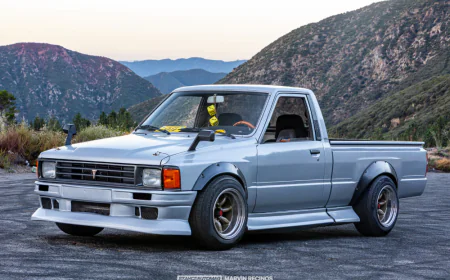
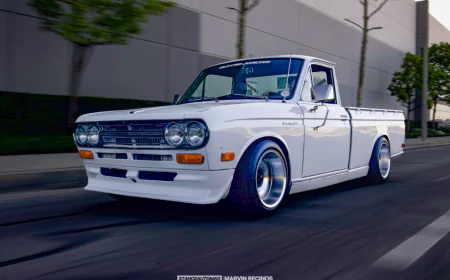
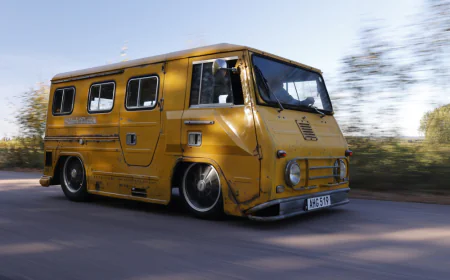
Kei cars are tiny Japanese vehicles limited by size and engine capacity, and they've become a hugely popular type of Japan import car because they're cheap, quirky and fun. The engines are small, but the cars are light, packed with personality and often turbocharged, which means they punch well above their weight. Kei trucks and vans are used by farmers, small businesses and enthusiasts who want something unusual.
Check what your region allows, because some places restrict road use or limit them to private land. Our kei cars explained guide goes through the culture, and if you want inspiration for the stylish side, take a look at the Honda Acty kei truck build.
How Do You Find a Trustworthy Importer?
A trustworthy importer gives you a transparent all-in price, shows real photos and the translated auction sheet, and has a track record with verifiable reviews. Ask how long they've been importing, what happens if the car arrives not as described and whether they handle compliance and registration. Avoid anyone who pressures you to pay quickly or won't put terms in writing.
Look for local specialists too. Some importers have showrooms where you can see cars in person, and if you're in Scotland, for instance, there's a Japanese car importer that opened a showroom in Elgin which shows how the scene is spreading beyond the usual hubs. Talking to owners' clubs and forums is also useful for finding out who the community trusts.
Final Word on Japan Import Cars
Japan import cars are one of the most rewarding ways to get into car culture, as long as you treat the purchase seriously and budget for the whole process, not just the car. Do your research on the model, understand the rules in your country, insist on an all-in price and get an independent check where you can. Do that and you'll end up with something special that most people have never seen on the road.
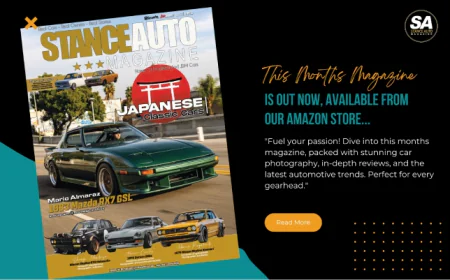
If you want more stories and inspiration, the Stance Auto 90s JDM Classics issue is worth a read at our magazine page, and you can find Stance Auto Magazine on Amazon.
Related Reads
- How to Import a JDM Car: The Complete Guide
- Best JDM Cars Under £15k (2026)
- Is Buying a JDM Car a Good Investment?
- Kei Cars Explained: The Tiny JDM Legends
Find more builds, guides and car culture at Stance Auto Magazine.
 Like
0
 Dislike
0
 Love
0
 Funny
0
 Angry
0
 Sad
0
 Wow
0