















































































.png)











![[HOONIGAN] Ken Block's GYMKHANA NINE](https://img.youtube.com/vi/_bkX5VkZg8U/maxresdefault.jpg)




































































![[HOONIGAN] KEN BLOCK'S GYMKHANA SEVEN: WILD IN THE STREETS OF LOS ANGELES](https://cdn.motor1.com/images/mgl/2KlO4/s1/ken-block-london-tour-directors-cut.jpg)





































Volvo Valp: Nine Years, 2,000 Hours, and the Most Gloriously Idiotic Build in Sweden
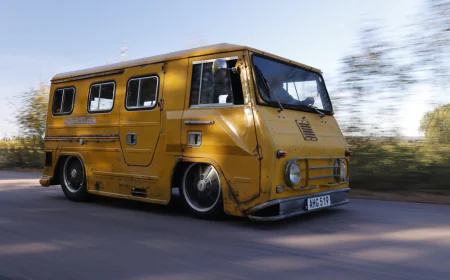
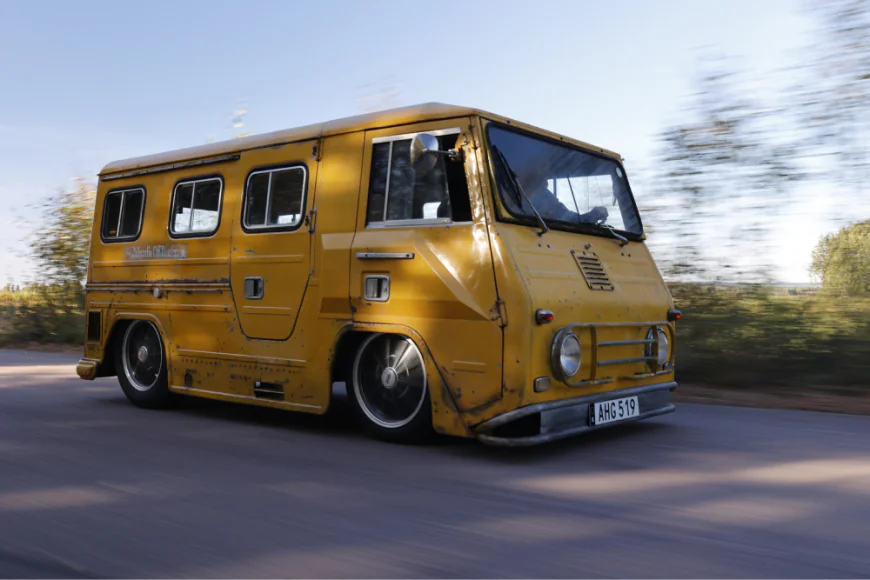
Demian's slammed Volvo Valp on a VW Beetle chassis is nine years and 2,000 hours of pure madness, and one of the coolest builds to ever roll into Spa.
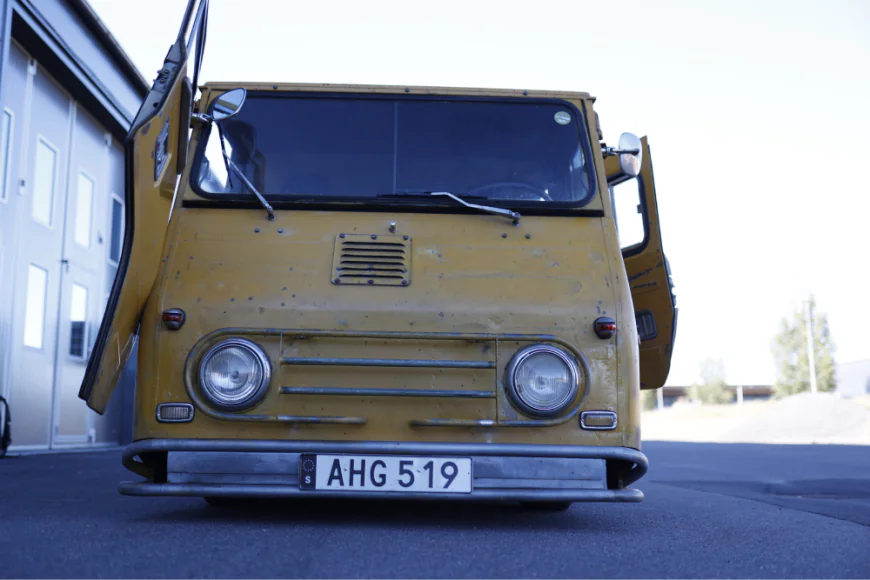
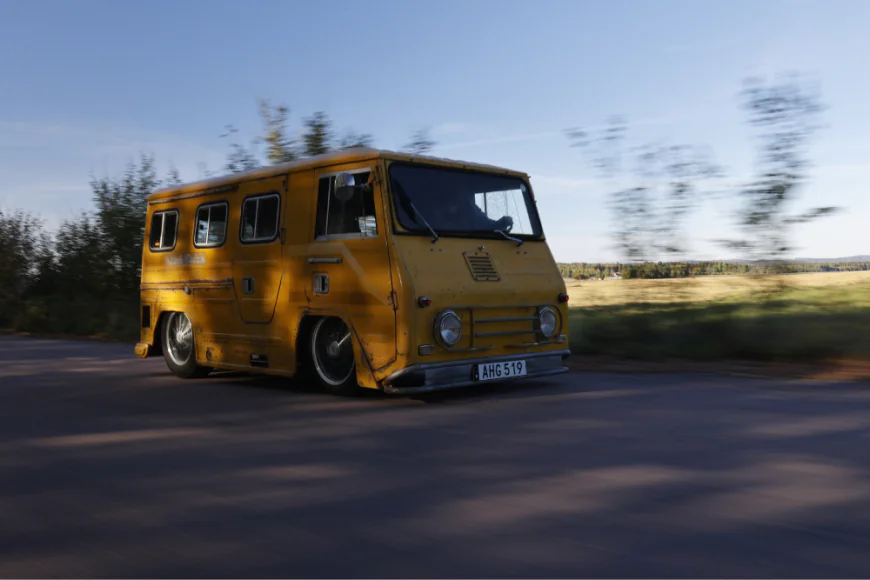
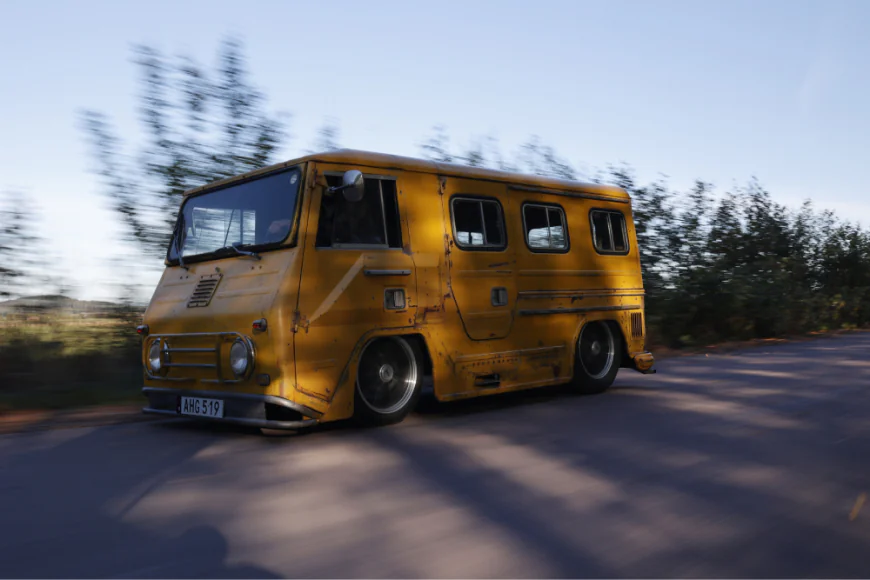
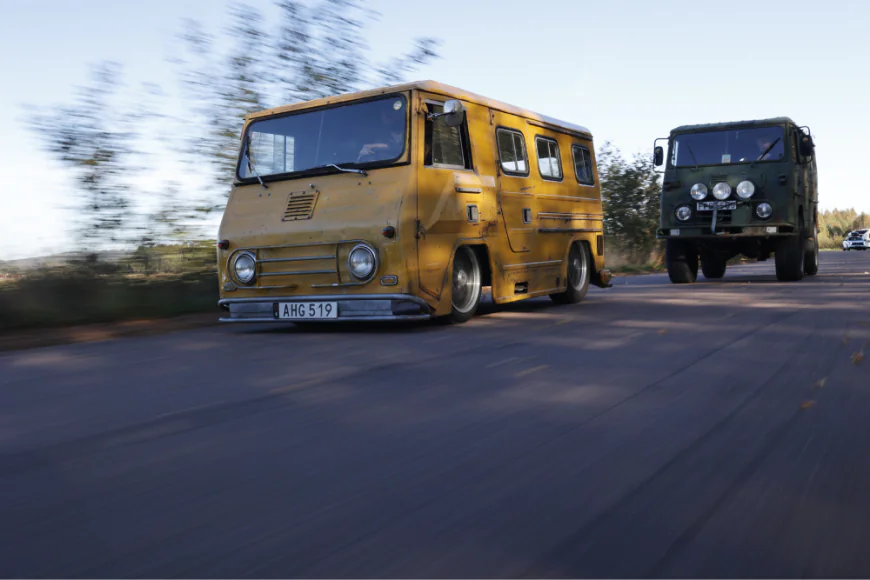
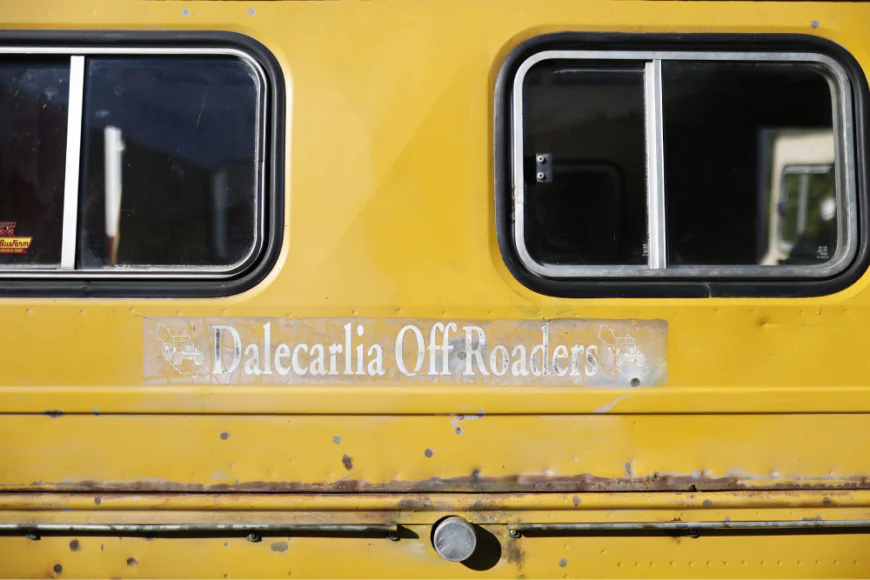
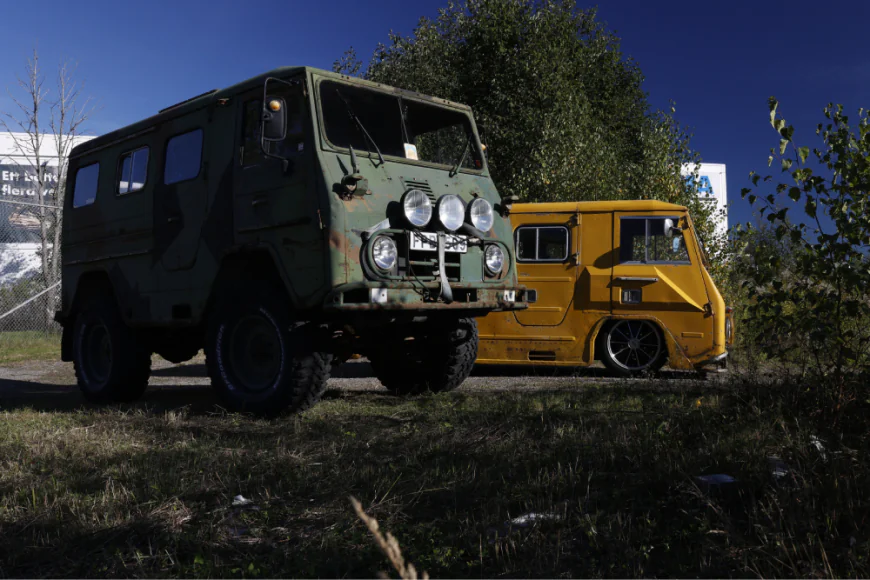
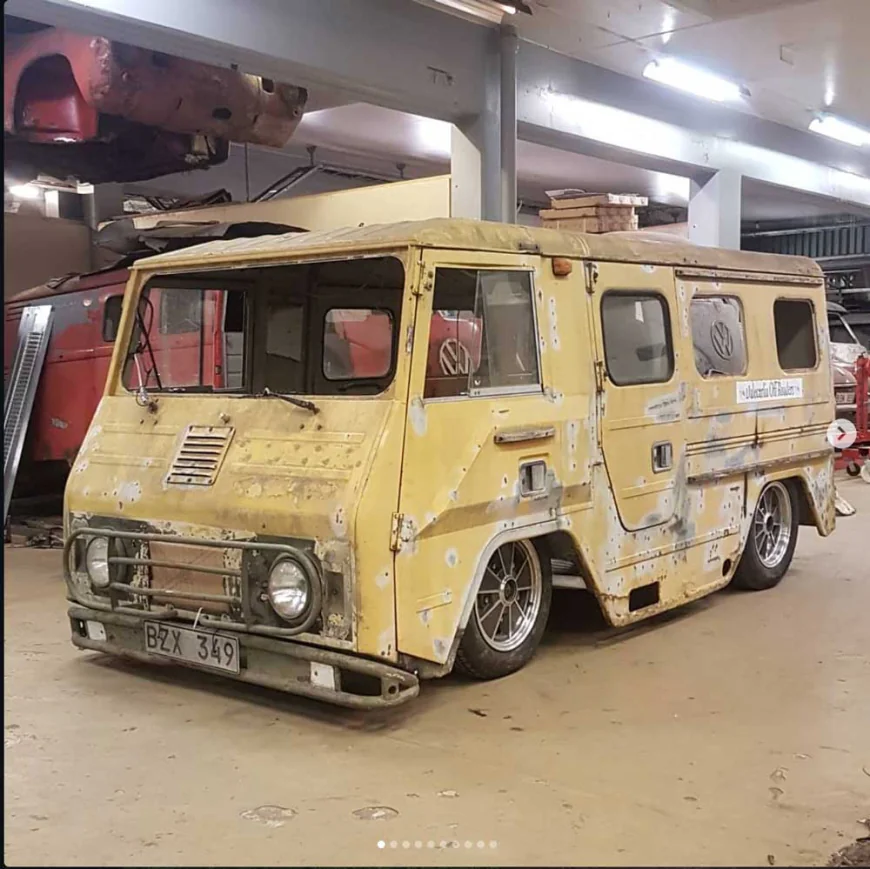
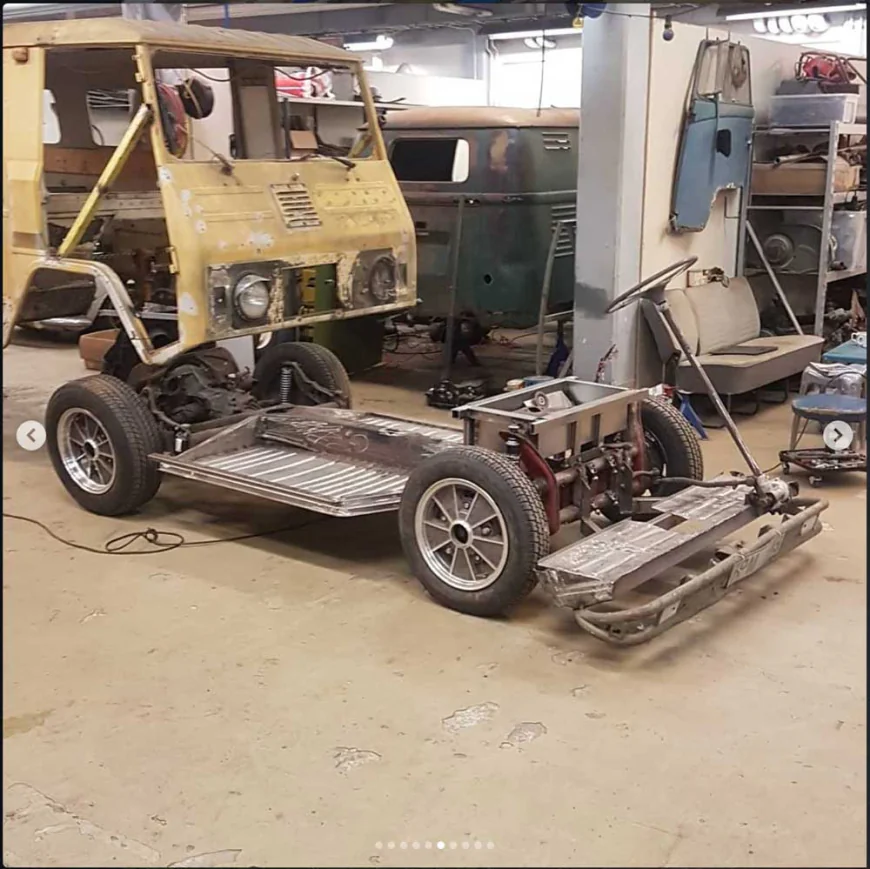
Original story and photography by Peter Edenberg, Instagram: @thefascinatingcars, first published at Fascinating Cars reproduced here with reference and acknowledgement to the original source and author. Builder/Owner: Demian | Instagram: @nils_demian | Location: Borlänge, Sweden
The Valp and Me
When I did my military service — ten months at Väddö Firing Range out in the Stockholm archipelago back in 1995 — the Volvo Valp was one of our daily vehicles. We drove it through forests, across meadows, and into town to pick up beer, snacks, and whatever else we could find to enjoy while the summer heat settled in around us.
Behind the wheel, it felt like the whole thing might pitch forward onto its nose if you braked too hard — just like a real puppy tripping over its own ears. Rough, bouncy, uncomfortable, it pushed its way over anything. Driving it felt like a full-time job.
Muddy forest trails we didn't need to take. Meadows full of sticky ditches we forced our way through anyway. Everywhere we went, we drove the Valp flat out, making sure everyone in the car had to hold on tight — because we were rarely on anything you'd call a road.
On the day the captain ordered us to touch up the paint on the old 1970s vehicle, we grabbed house paint, a couple of rough brushes, and filled in the camouflage by hand. Were the lines straight? No. Did we care? Not a chance — we were too busy getting over muddy stumps.
The Valp has held a special place in my heart ever since.
What Is a Valp, Exactly?
In the late 1950s, the Swedish military ordered an off-road vehicle from Volvo. After several prototypes in 1959, production of the Volvo L3314 began in 1962 — though the nickname "Valp" (which simply means "puppy" in Swedish) was already in use during the prototype stage. The name suits it. Short wheelbase, big off-road wheels, a slightly goofy stance that somehow still looks purposeful.
Volvo produced both military and civilian versions over the years, building around 10,000 in total before wrapping up the original run in 1970. Demand for a compact off-roader didn't disappear, so production restarted in 1977 under the updated name C202, with a revised front end and new door handles. That final run produced 3,222 units before Volvo closed the chapter for good in 1981.
This Puppy Is Not for the Woods
Then in February 2019, Demian posted ten photographs that stopped the internet — or at least stopped me.
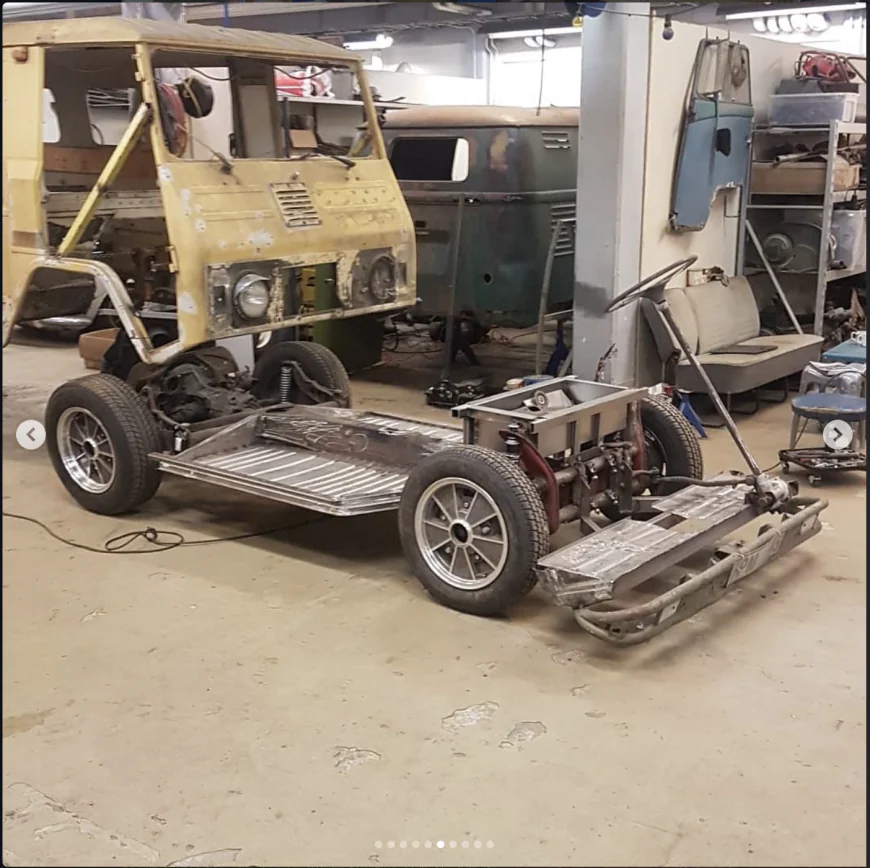
A yellow Volvo Valp body sitting in a VW garage just outside Borlänge, Sweden. In the early shots, the body is sitting on a chassis with cavernous gaps around the wheels. A few images later, it's hanging from the ceiling — battered, faded, one headlight missing, patches of rust showing through the sun-bleached yellow paint. In the background, the rear ends of several VW buses are visible. And then, in the next frame, a fresh Beetle chassis is being rolled in underneath.
Six years later, in autumn 2025, we finally meet to see how it turned out.
"It's pure madness to build something like this — this is completely idiotic," Demian says, barely ten minutes after we shake hands.
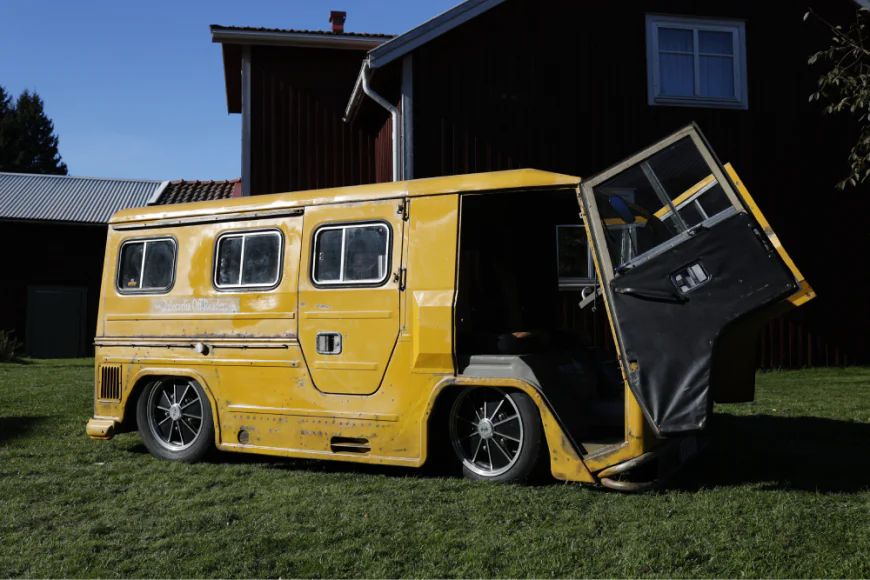
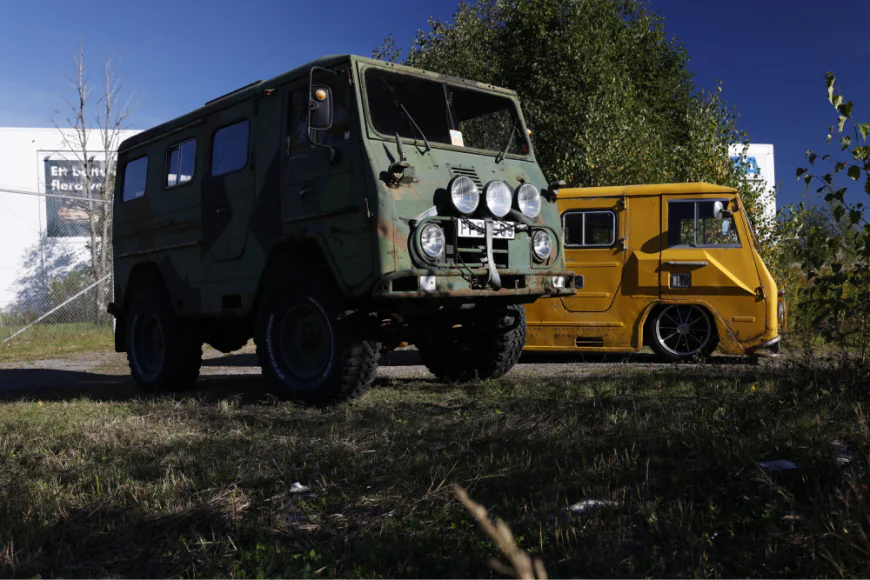
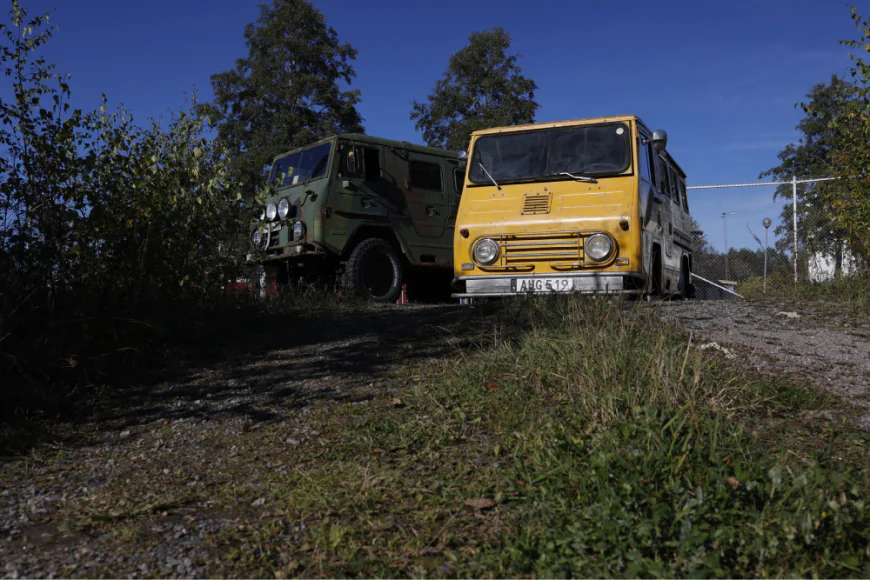
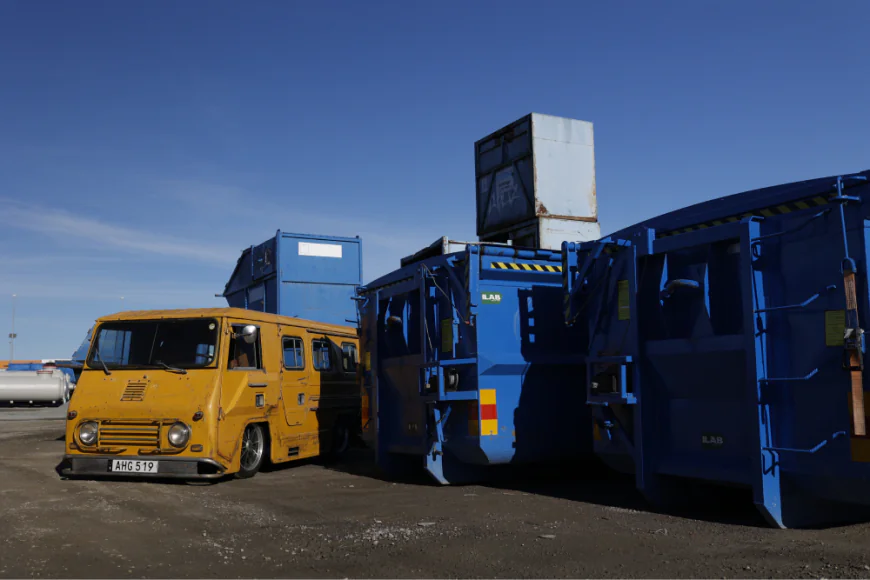
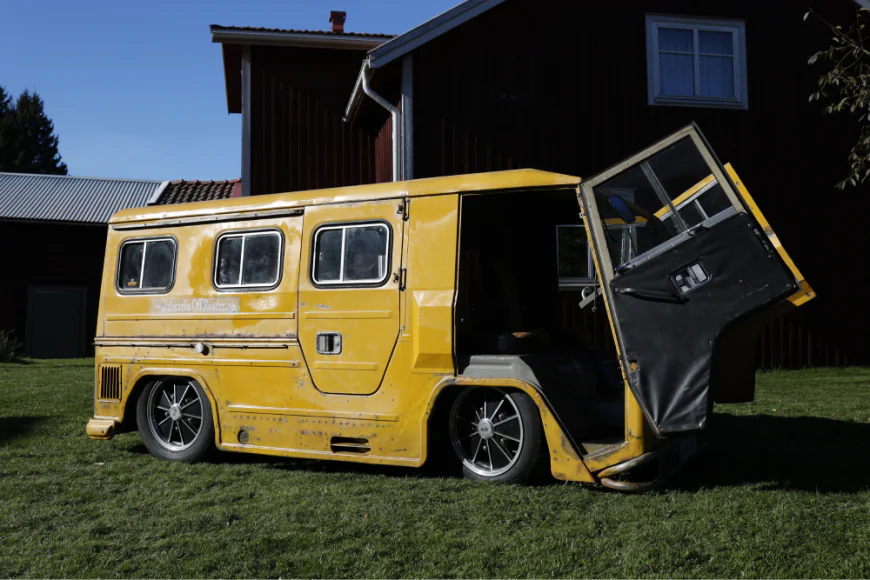
He's right. The Valp's towering ground clearance — the same clearance that took us over stumps and through ditches at Väddö — has been completely eliminated. This yellow box now sits at lawn level. It would have lasted about two metres on those muddy forest roads. And it looks absolutely incredible.
Standing next to it, it's hard to process. Your brain knows it's a Valp, but the whole thing feels AI-generated — like something that couldn't exist but clearly does. The doors swing open barn-hatch style, standing wide. The stance is impossible. Every centimetre of it has been touched by Demian's hands.
How the Build Actually Works
"I got a rusty 1967 Beetle chassis from my friend Artur, and since the Volvo has a wheelbase that's 30 centimetres shorter, it was just a matter of starting to modify it," Demian explains.
That 30cm gap between a Beetle's wheelbase and the Valp's is one of those facts that takes a moment to sink in — the Valp looks enormous, but it's actually shorter between the axles than a standard Beetle. Working from there, Demian had to decide how low to drop the body over the chassis, ultimately keeping the chassis close to its original height to maintain straight rear wheels.
Moving the steering to the front of the front axle took another creative solution — a barndoor-style steering setup built from a mix of Beetle and Bay Window parts, with help from his friend Franke.
"It sounds simple, but I think I spent around 100 hours just figuring out the solution and building it."
The Volvo body turned out to be too heavy for the Beetle's torsion suspension, so coilovers from the rear of a Golf Mk1 went in at the front, while gas-charged coilovers from an American snowmobile handle the rear. The fuel tank came from a Type 3. The front seats are out of a Datsun 240Z. The rear bench is from a VW T3 Double Cab.
None of it should work together. All of it does.
Where the Idea Started
Demian was driving home from Gothenburg in 2016 — a five-hour journey — when he ended up behind a Valp on the motorway. That was enough. The "what if" thoughts started spinning and, by his own admission, never really stopped.
"When I was a kid, a plumber in my village had a really cool car. I was just as fascinated by it as I was by the VW Splitbus and the Porsche 911. It was a Volvo Valp — or Laplander, as it's called outside Sweden. I looked for one for a long time but never took the step to buy one, and the deeper I got into the VW air-cooled scene, the more the thought faded away."
Demian is well known within the VW world, involved in the community for years. Mention his name at any VW meet in Sweden and the chances are high that people will know exactly who you're talking about.
A week after that Gothenburg drive, he sat down with his friend Johan and shared the idea. A few weeks later, Johan sent over a rough Photoshop sketch of a slammed Valp. That was all the push Demian needed. He spent that evening searching Volvo Valps online with the kind of intensity that makes routers nervous — until a friend called and asked what he was up to. Within ten minutes, that friend had connected him to a seller, and Demian had a Valp body for €150.
Bodies, Rust, and Starting Over
The original plan was a two-week Monster Garage-style sprint — gather the friends, build the coolest Valp in Sweden, trailer it to a Swedish VW show, done. That plan lasted about five minutes of reality.
The project quickly consumed the entire winter. And then the next one.
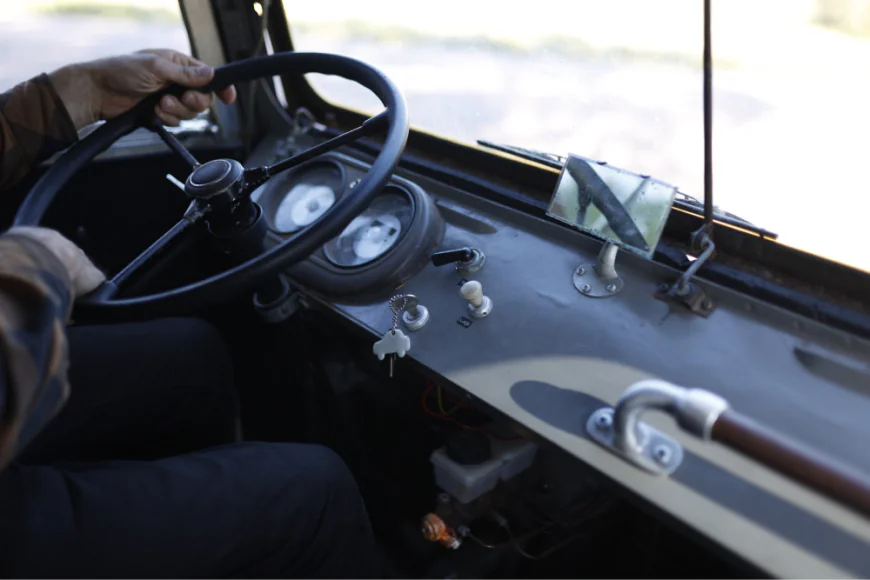
At first, Demian tried to keep as much of the original Volvo interior as possible. That idea fell apart quickly too. In the end, he rebuilt virtually everything — the front floor, gas pedal, handbrake, steering, gear lever. The only Volvo components that survived were the hydraulic clutch and the brake pedal.
After two years of building, it became clear the body itself was in far too poor condition to match the quality of the chassis work underneath. The shell was originally a factory cabriolet that someone had converted by welding on a hardtop — without measuring. There was a one-centimetre gap above the front doors. The rear doors were homemade.
Then, almost conveniently, a second Valp body turned up just 45 minutes from home. The chassis had already sold, but Demian only wanted the body anyway.
"The body I found was from the facelift version. I didn't like the front, so I rebuilt it to match the earlier design. I also changed the dashboard and instruments to the older style."
The newer door handles — the same type found on American Freightliner trucks — initially bothered him, but he came around. "After a while I changed my mind and kept them, since I felt they actually looked pretty cool."
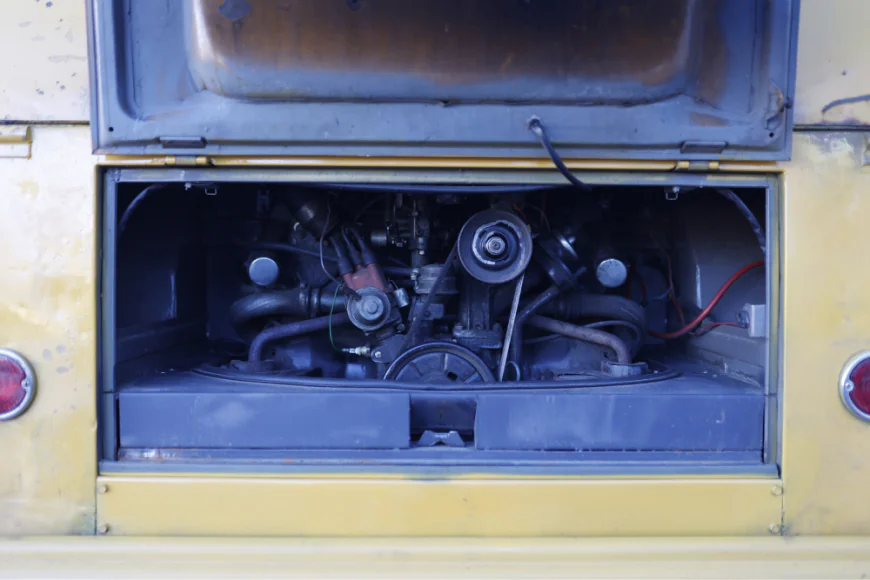
With the better body on the chassis, the build accelerated. At the front, Demian added two extra ventilation panels sourced from eBay, mounting them on the rear side panels to improve airflow to the engine. The steps beneath the cargo doors, now pointless at this ride height, were converted into air intakes for the oil cooler and engine. The rear hatch hinges were relocated from the sides to the top edge, with the lower section cut away and replaced with a narrowed engine lid from an early Bay Window bus. A pair of 1958–1961 VW Bus taillights completed the rear end.
The Engine Problem
Engine choice on a build like this is never straightforward.
"I didn't know which engine I wanted to use in the Volvo. But when I built it, I had a 2.5-litre Type 4 engine with a Porsche fan, so I built the engine bay around it."
That turned out to be a mistake. When he later tried to fit a Type 1 engine, the fan shroud was too tall. A lower shroud from a Brasilia solved that — until the dual Weber carburettors fouled on the bodywork instead. The engine bay was simply too narrow for the air filter to clear.
So to get the car through its roadworthiness inspection in 2024, Demian installed a tired, oil-leaking 1300cc Type 1 with a single carburettor and no air filter. It fit. It passed. It wasn't the vision — but it was on the road, and that was what mattered at the time.
Wheels, Arches, and Starting Again
With the car legal and driveable, Demian realised pretty quickly that it wasn't right. The engine leaked oil. And the look of the car — specifically those enormous original wheel arches — bothered him constantly.
He'd started the wheel journey on 15-inch rims. The Valp's arches swallowed them completely, making the wheels look like peas in a bowl. Moving to 17-inch BRM wheels with 175/55 R17 at the front and 215/60 R17 at the rear helped, but the arches were still too large for the overall proportion. Even upsizing to 225/65 R17 at the rear and 175/65 R17 at the front didn't fix it.
Back to the garage. Out with the angle grinder and the welder.
"I decided to build smaller wheel arches — but in a style that would still look original."
And somehow, as with everything else on this car, he nailed it. The reshaped arches look like they came from the factory that way. A rear bumper from a 1950s VW Bus was fitted at the same time, tying the back end together.
"I like odd wide-five wheels, but on the Volvo I wanted a more classic Volkswagen look, so I chose BRMs. I'm using an adapter from 4-bolt disc brakes to a 205x5 bolt pattern."
Belgium or Bust
By summer 2025, with Le Bug Show at the Spa circuit in Belgium suddenly just weeks away, Demian and his friends Göran and Leif committed to making the trip. The original dream — stated in that first Instagram post back in 2019 — was finally within reach.
The catch: one week left on the clock, a 1600cc engine to swap out of his Barndoor and into the Valp, all the sheet metal for engine cooling to fabricate from scratch, and 11-hour work shifts running through the entire week.
"Before the trip to Belgium, my friends Göran and Leif were going with me in the Volvo. They offered to help blend the paint, which I'm very grateful for. There were only two days left when Leif and Göran started the paintwork. But I wasn't worried — Leif is Sweden's own master of blending patina and knows exactly what he's doing."
On the Sunday before the show, the three of them set off on a 2,800-kilometre drive through Europe in an untested, home-built VWolvo.
"I was incredibly nervous about driving this homemade build that far. I didn't know if it would hold together. Was the cooling sufficient? Was the engine too weak?"
Three days in, rolling alongside the waterways through the forests of the Moselle Valley, Demian started to relax. Nine years, 2,000 hours, and a €150 body later — they rolled into Spa and straight into the show. Winners among the VW buses, in a car that isn't really a VW bus at all.
Spec Sheet
Engine & Drivetrain
- 1600cc Type 1 air-cooled VW engine (current)
- Single carburettor
- Brasilia fan shroud
- All engine cooling sheet metal — custom fabricated
Chassis
- 1967 VW Beetle chassis — modified to fit Valp body (30cm wheelbase difference)
- Barndoor-style front steering — Beetle and Bay Window parts mix
- Fabricated by Demian and friend Franke
Suspension
- Front: Golf Mk1 rear coilovers
- Rear: Gas-charged coilovers (American snowmobile sourced)
Wheels & Tyres
- BRM 17" wheels
- Front: 175/65 R17
- Rear: 225/65 R17
- 4-bolt disc brake to 205x5 wide-five adapter
Exterior
- Volvo C202 (facelift) body — front end rebuilt to earlier L3314 style
- Custom smaller wheel arches — fabricated by Demian
- Rear bumper from 1950s VW Bus
- Bay Window engine lid — narrowed to fit
- VW Bus taillights (1958–1961)
- Freightliner-style door handles (factory C202)
- Additional Valp ventilation panels — eBay sourced, fitted to rear side panels
- Step panels converted to oil cooler and engine air intakes
- Patina paint blend — Leif Göransson
Interior
- Front seats: Datsun 240Z
- Rear seat: VW T3 Double Cab
- Hydraulic clutch and brake pedal — original Volvo
- All other interior components fabricated or sourced from VW parts
Spec Sheet
What Demian has created here is the kind of build that makes you question the rules of what's possible in a home garage. Nine years. 2,000 hours. A body found for €150. And a finished car that draws a crowd at one of Europe's biggest VW shows.
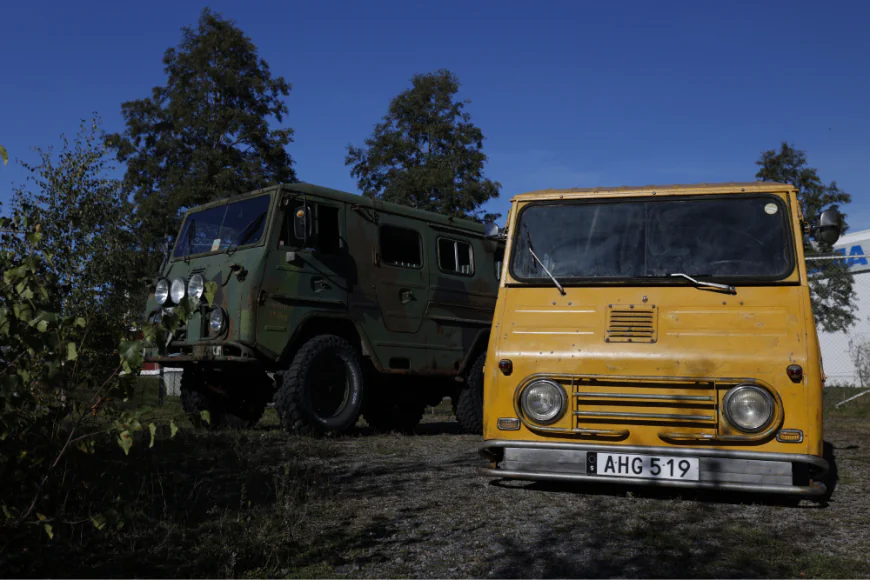
When we park the slammed yellow Valp next to an original unmodified example, the contrast is almost funny — nearly 50cm of height difference between the two, the original ploughing straight through three bushes to get into position while Demian's carefully picks its way up a gravel slope. The chunky off-road tyres on the original make it look like it's floating. Demian's sits centimetres from the earth, scraping at anything that dares get in the way.
Every bang and scrape through the drive sends a jolt through your spine — because a car isn't supposed to sound like that. But in a slammed VWolvo, it's completely natural. And less than a metre in front of you, the air-cooled VW ticks away, doing exactly what it was designed to do — just somewhere it was never designed to be.
Hats off, Demian.
This feature is based on original reporting and photography by Peter Edenberg, first published at Fascinating Cars. Reproduced here with reference and acknowledgement to the original source and author.
For more build features and stories from across the automotive world, visit Stance Auto Magazine.
 Like
0
Like
0
 Dislike
0
Dislike
0
 Love
0
Love
0
 Funny
0
Funny
0
 Angry
0
Angry
0
 Sad
0
Sad
0
 Wow
0
Wow
0