

























.png)





![[HOONIGAN] Ken Block's GYMKHANA NINE](https://img.youtube.com/vi/_bkX5VkZg8U/maxresdefault.jpg)


































![[HOONIGAN] KEN BLOCK'S GYMKHANA SEVEN: WILD IN THE STREETS OF LOS ANGELES](https://cdn.motor1.com/images/mgl/2KlO4/s1/ken-block-london-tour-directors-cut.jpg)

























RWB vs Rocket Bunny: How Two Japanese Widebody Styles Compare
RWB vs Rocket Bunny: RWB hand-builds one-off Porsches with Akira Nakai, while Rocket Bunny sells bolt-on kits for JDM icons designed by Kei Miura at TRA Kyoto.
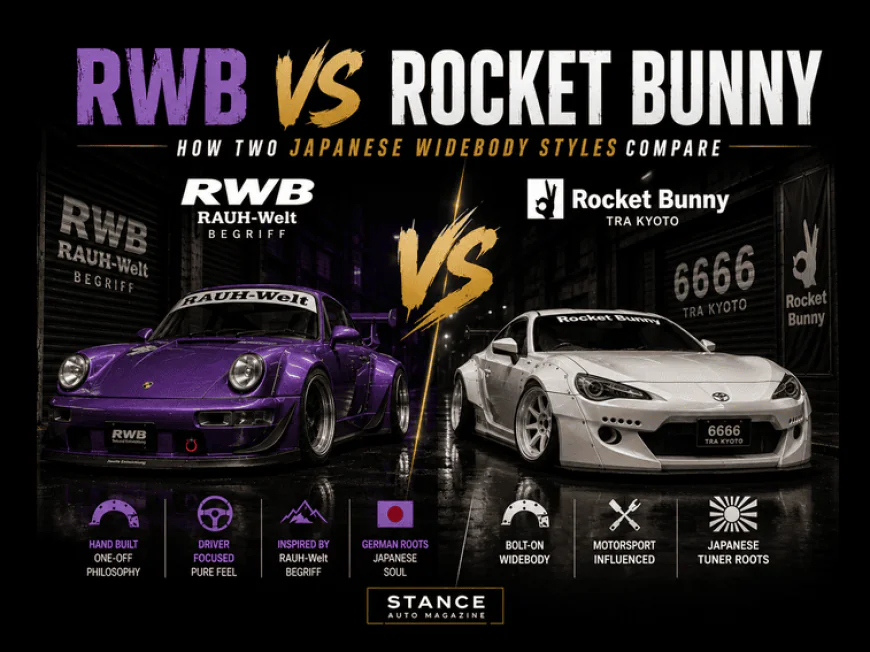
How Two Japanese Widebody Styles Compare
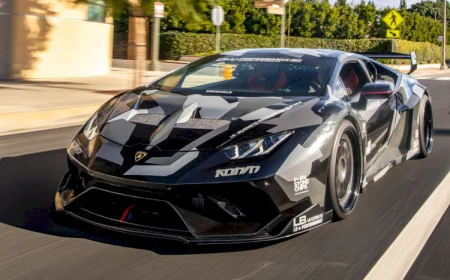
RWB vs Rocket Bunny sounds like it should be a straightforward comparison, two Japanese widebody brands, both instantly recognisable, both born out of the same underground scene. In practice though, they barely compete for the same customer. One is built around a single Porsche obsessive who fabricates every car with his own hands. The other is a design house that's dressed everything from drift-spec S13s to Lamborghinis in some of the most copied bolt-on kits in modified car culture. Understanding the RWB vs Rocket Bunny split really comes down to understanding what each brand is actually trying to sell you, because it isn't the same thing at all. Once you see the RWB vs Rocket Bunny comparison in those terms, the rest of the decision gets a lot easier.
We get asked about this one a lot, usually from someone who's seen a widebody Porsche at a meet next to a widebody S15 and assumed they came from the same place. They didn't, and the differences matter if you're planning your own build around either style.
What Is RWB, and How Does It Differ From a Production Widebody Brand?
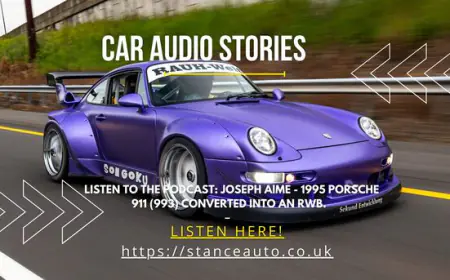
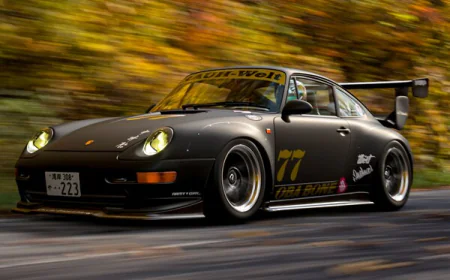
RWB, short for Rauh-Welt Begriff, is the creation of Akira Nakai, a former Tokyo street racer who builds every single car himself. There's no catalogue, no off-the-shelf parts and no production run. Nakai travels to the car, fabricates the fender flares by hand over a couple of days, and every RWB Porsche ends up genuinely unique. It's an incredibly personal process, and that's really the whole point of the brand. You're not buying a part number, you're commissioning a build from the man who created the style.
That approach means RWB builds carry serious weight in Porsche and JDM circles, but it also means they're slow to come by and expensive once you factor in the donor car, paint and suspension work that typically goes alongside the widebody itself. Builds regularly run into six figures, and there's a genuine waiting list behind every completed car.
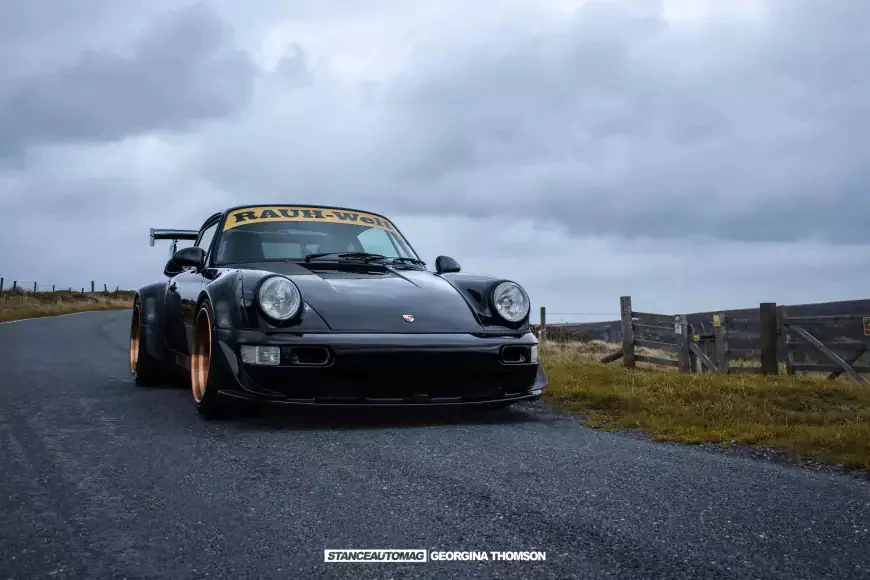
What Is an RWB Porsche? Who created it.
What Is Rocket Bunny, and Why Is It So Different to RWB?
Rocket Bunny is the widebody brand created by Kei Miura through his company TRA Kyoto, and it takes a completely opposite approach to Nakai's one-man operation. Rather than fabricating each car individually, Miura designs bolt-on aero kits, complete with fender flares, splitters and side skirts, that are engineered to fit specific platforms and can be produced repeatedly. That's why you'll see the same Rocket Bunny 86 or Rocket Bunny S13 kit turning up on cars all over the world, all sharing a near-identical silhouette.
That repeatability is a strength rather than a weakness, and it's central to the RWB vs Rocket Bunny comparison. Rocket Bunny kits get you a genuinely aggressive, motorsport-inspired look at a fraction of an RWB commission, and because they're engineered as a product rather than fabricated on the fly, fitment tends to be more predictable if you go through a proper distributor. Miura's design language leans on exposed hardware, boxed fenders and aero that looks like it belongs on a race car, and it's shaped drift, time attack and street builds just as much as RWB has shaped Porsche culture.
RWB vs Rocket Bunny: Quick Verdict
| RWB | Rocket Bunny | |
|---|---|---|
| Founder | Akira Nakai | Kei Miura (TRA Kyoto) |
| Build type | Hand-fabricated, one-off | Engineered bolt-on kit |
| Platform focus | Porsche 911 | JDM icons, drift cars, some Euro and supercar platforms |
| Typical cost | £80,000+ once painted and built | Kit price plus fitment, far more accessible |
| Availability | Book a slot, wait for Nakai | Order through official distributors |
| Uniqueness | No two builds identical | Consistent look across the same kit |
RWB: The Good Stuff
- Genuinely one-off fabrication, built by hand on your car
- Deep credibility and history in Porsche and JDM culture
- Personal connection to Nakai-san's process
- Strong resale value thanks to the exclusivity
RWB: The Trade-Offs
- Very expensive by the time the full build is finished
- Long waits, since it's one man building every car
- Limited to Porsche, mostly the 911 platform
Rocket Bunny: The Good Stuff
- Far more accessible pricing than a full RWB commission
- Fits a huge range of JDM and drift-focused platforms
- Consistent, repeatable fitment when sourced from a genuine distributor
- Backed by decades of motorsport-inspired design work from Kei Miura
Rocket Bunny: The Trade-Offs
- Widely copied, so genuine kits need buying through an authorised distributor
- Less exclusive since many owners run the same kit on the same platform
- Quality depends heavily on who fits and paints the kit, not just the parts themselves
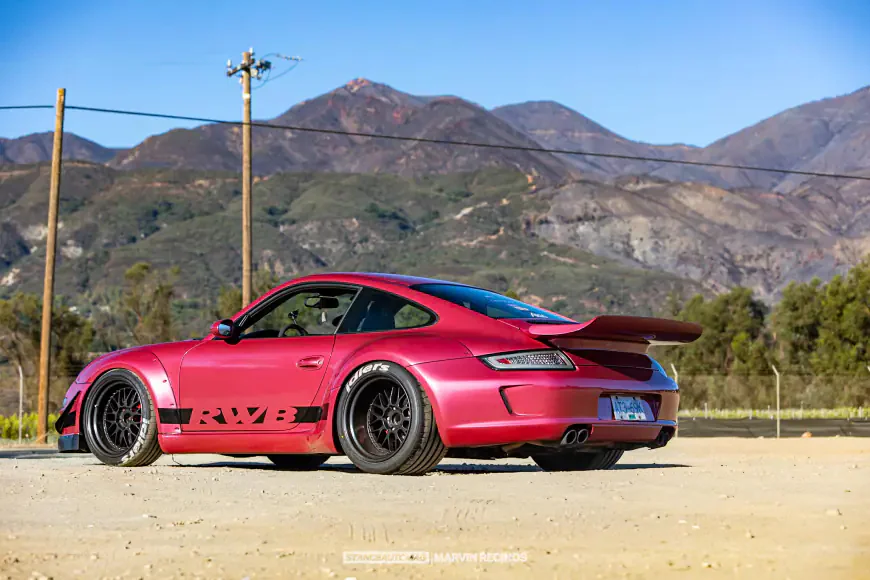
RWB Porsche 997 C4S Rashomon: The Artistry Of Nakai San
Where Did Each Style Actually Come From?
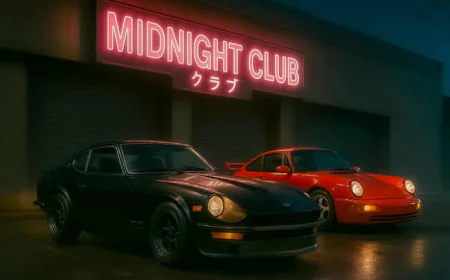
Nakai's story starts in Tokyo's underground racing scene, where he ran with the Mid Night Club before turning his attention full time to widening air-cooled 911s. There was no business plan in the traditional sense, just a very specific vision for what a Porsche should look like and the stubbornness to keep building it his way regardless of what the purists thought. That background is a big part of why RWB still feels more like a movement than a company, even decades later.
Miura's path started differently, cutting his teeth in Japan's bosozoku and street scene before founding TRA Kyoto and eventually launching Rocket Bunny as a dedicated widebody line. His background in fabrication and 3D design meant he could take that same rebellious energy and translate it into kits that could be reproduced accurately, which is exactly the skillset RWB never needed to develop given Nakai builds everything in person. Both men came from the same rough-edged corner of Japanese car culture, they just built completely different businesses out of it.
Why Do People Keep Comparing RWB vs Rocket Bunny Anyway?
Mostly because both brands came out of the same era of Japanese street and drift culture and share a similar visual attitude, even if the business models are worlds apart. Both lean into exposed fasteners, aggressive wheel fitment and a refusal to make the modification look subtle. Where RWB stays completely bespoke, Rocket Bunny turned that same rebellious energy into something that could actually scale to a global audience, which is arguably why you see so many more Rocket Bunny cars at any given meet than RWB Porsches.
There's also a lot of overlap in who ends up owning each. Plenty of RWB customers have a Rocket Bunny or Pandem kit sitting on another car in the garage, because the two styles aren't mutually exclusive, they're just built for different platforms and different budgets. It's less a rivalry and more two different answers to the same underlying question: how do you make a car look meaner without hiding the fact it's been modified.
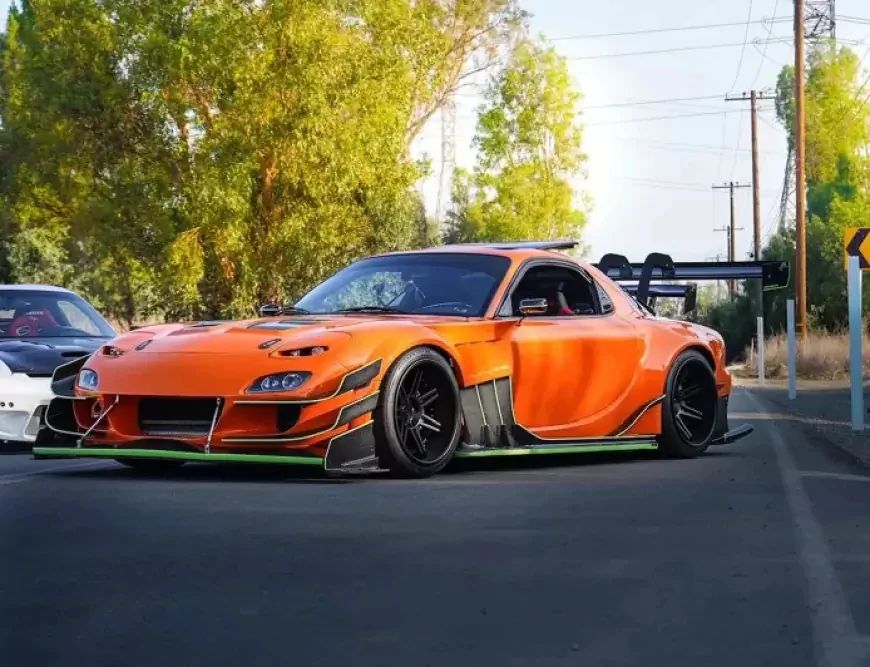
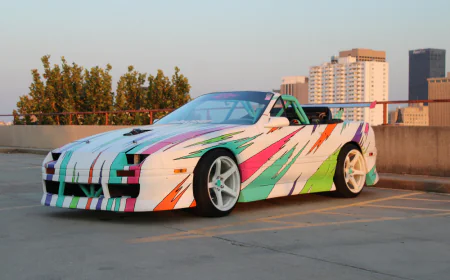
1994 TCPMagic x RocketBunny Mazda RX7 FD3S
Which One Fits Your Build?
If you're working with a Porsche and you've got the budget and patience for a genuine commission, RWB gives you an ownership experience nothing else can replicate, right down to Nakai-san personally shaping the panels on your car. If you're building a JDM platform, a drift car, or just want a proven widebody look without a six-figure spend, Rocket Bunny gets you into the same aesthetic family without the wait list, provided you buy through a genuine distributor rather than a cheap replica.
Neither answer is wrong. The RWB vs Rocket Bunny question really just comes down to what you're driving and how much of the process you want to hand over versus keep control of yourself.
Budget tends to make the decision for a lot of people before style preference even gets a look in. An RWB commission is a serious financial undertaking once you add the donor car, paint, suspension and the widebody work itself, and that's before you've thought about wheels or running costs. A Rocket Bunny build, sourced properly, can be planned out kit by kit over a season or two, which makes it a far more realistic entry point if you're building up a project car gradually rather than writing one enormous cheque. That's really the practical side of the RWB vs Rocket Bunny debate that doesn't get talked about enough on forums, where the conversation usually stays fixated on which look is more aggressive rather than which build is actually achievable.
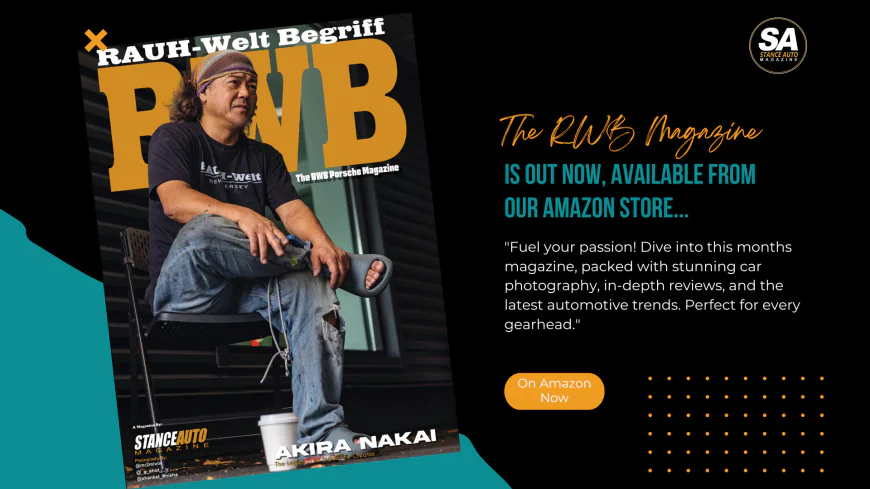
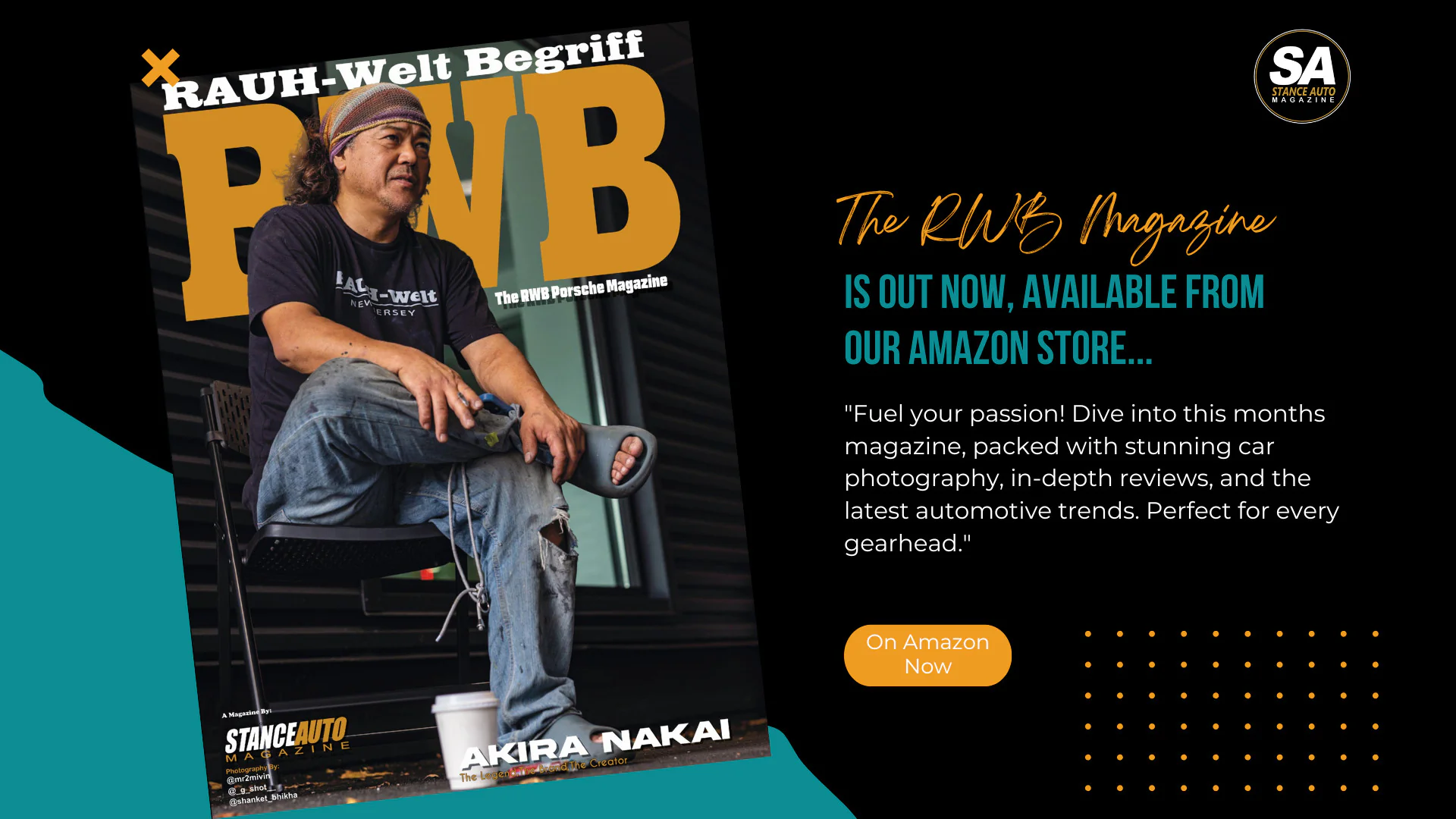
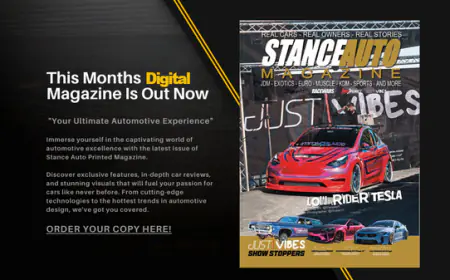
The RWB Magazine from Stance Auto Magazine
It's also worth thinking about the platform you already own, or the one you're planning to buy, before picking a side. RWB simply isn't an option outside the Porsche world, so if you're not starting with a 911, the comparison is somewhat academic. Rocket Bunny, on the other hand, covers a huge spread of JDM classics, modern drift platforms and even a handful of European and American cars, which makes it the more realistic choice for most builders regardless of how the RWB vs Rocket Bunny argument plays out online.
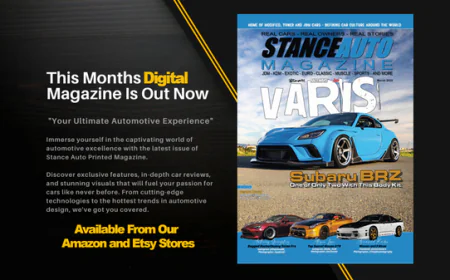
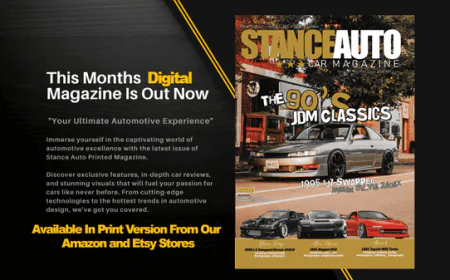
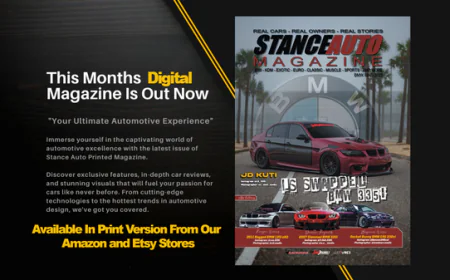
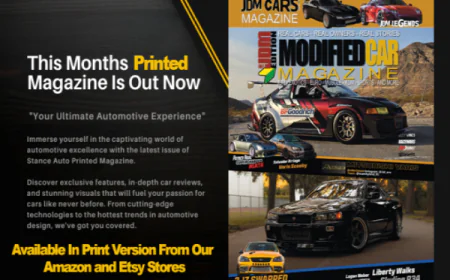
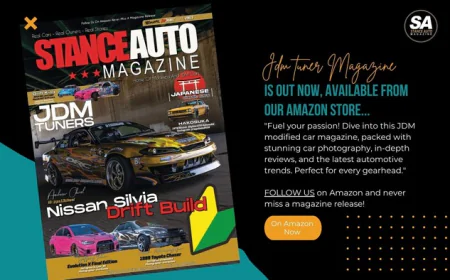
If you want more detail on where these styles actually came from, have a read of our piece on what a widebody kit actually is over on Stance Auto Magazine. If it's the RWB side of things you want to dig into further, our RWB Magazine showcases genuine reader builds from around the world, real owners, real cars, real build stories, free to read as a digital edition on the site or available as a print copy on Amazon. And don't forget you can grab the latest print issue of the magazine through our Amazon store.
 Like
0
Like
0
 Dislike
0
Dislike
0
 Love
0
Love
0
 Funny
0
Funny
0
 Angry
0
Angry
0
 Sad
0
Sad
0
 Wow
0
Wow
0