










































.png)








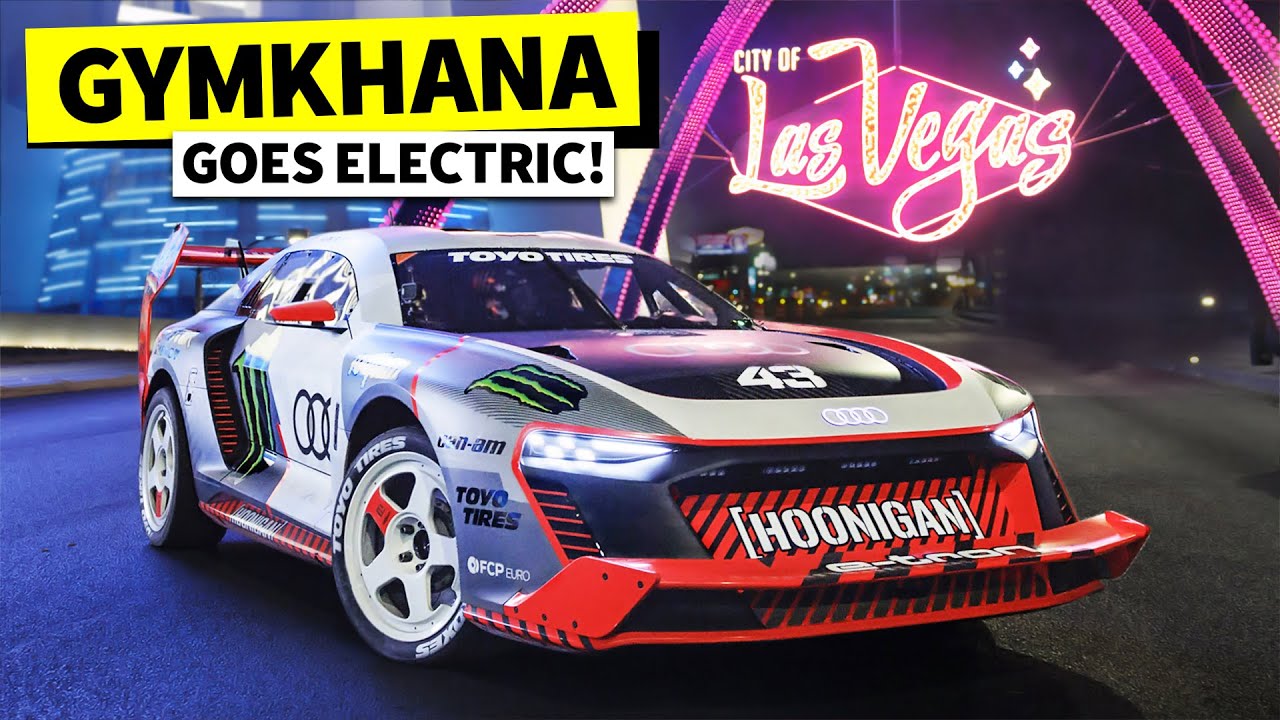
![[HOONIGAN] Ken Block's GYMKHANA NINE](https://img.youtube.com/vi/_bkX5VkZg8U/maxresdefault.jpg)









































![[HOONIGAN] KEN BLOCK'S GYMKHANA SEVEN: WILD IN THE STREETS OF LOS ANGELES](https://cdn.motor1.com/images/mgl/2KlO4/s1/ken-block-london-tour-directors-cut.jpg)





















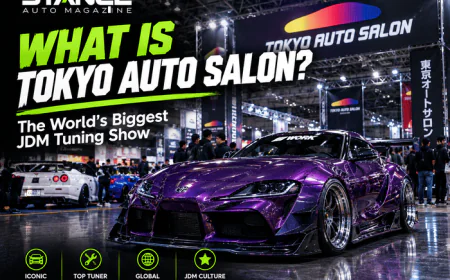
What Is Tokyo Auto Salon? The World's Biggest JDM Tuning Show
Tokyo Auto Salon is the world's largest JDM tuning and modified car show here's what it is, why it matters and what makes it different from any other event.
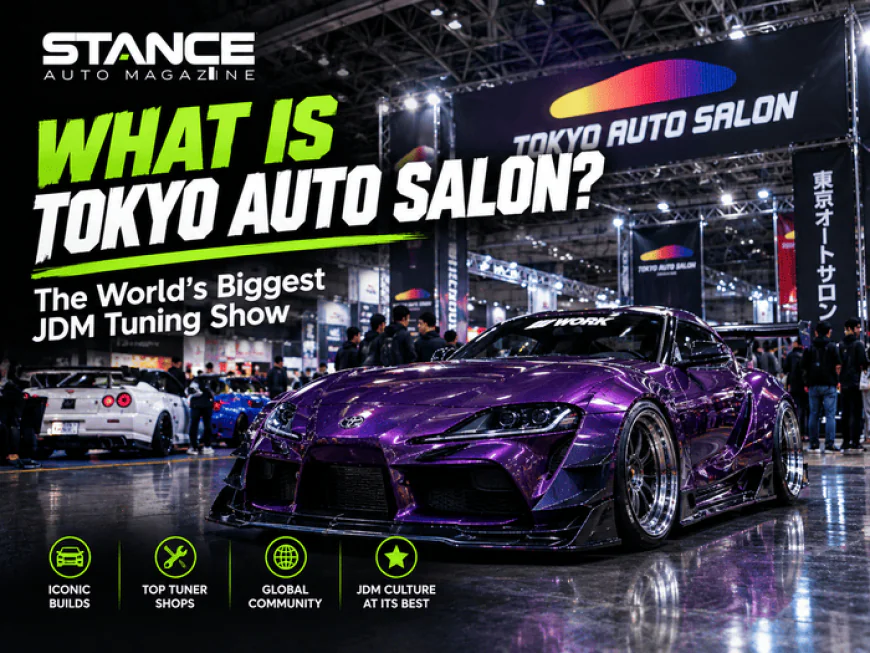
If SEMA is America's biggest modified car show, what's the Japanese equivalent — and why do international enthusiasts care so much about what gets revealed there every January? Tokyo Auto Salon is the answer, and it's arguably the single most important annual event in global JDM and modified car culture.
Tokyo Auto Salon at a Glance
- Held every January at Makuhari Messe in Chiba, Japan, just outside Tokyo
- First held in 1983, making it one of the world's longest-running modified car events
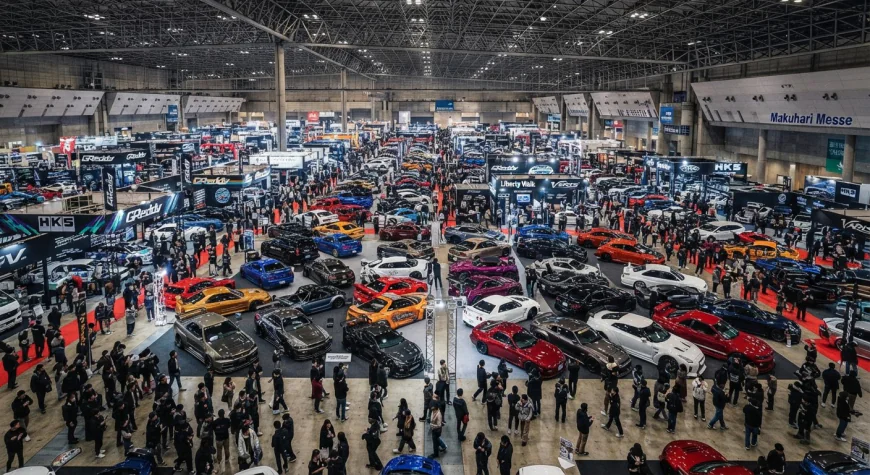
- Typically attracts over 300,000 visitors across its three-day run
- Covers everything from professional race cars and concept builds to aftermarket part reveals and manufacturer announcements
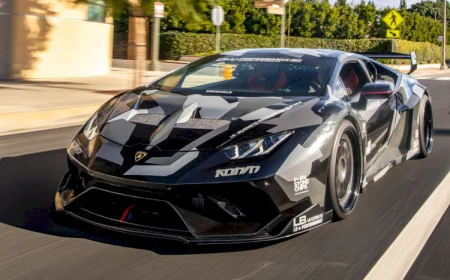
- Consistently where the biggest JDM tuning brands, Rocket Bunny, Liberty Walk, Top Secret, TRA Kyoto, choose to debut their most significant new work
How Is It Different From a Regular Car Show?
Most car shows are primarily a display — you come, you look at the builds, you leave. Tokyo Auto Salon functions simultaneously as a trade show, a product launch platform, a motorsport display, and a genuine cultural moment for the entire JDM tuning industry. Parts manufacturers use it to debut new product lines, tuning houses use it to reveal their most ambitious builds of the year, and manufacturers themselves sometimes use it to tease production models or confirm special versions that the mainstream press then picks up globally.
Why Does What Happens at TAS Matter Outside Japan?
Because the builds and products revealed at Tokyo Auto Salon tend to define what the broader JDM aftermarket looks like for the following twelve months. A widebody kit debuted at TAS in January typically starts shipping to international markets by mid-year. A concept build revealed there shapes what builders worldwide are chasing by summer. The event has more influence on global JDM modification culture per square metre of floor space than any other single event in the calendar, including SEMA, because the specific aesthetic and technical direction of JDM tuning gets set here in ways that ripple outward for the rest of the year.
What Kind of Cars Actually Appear at TAS?
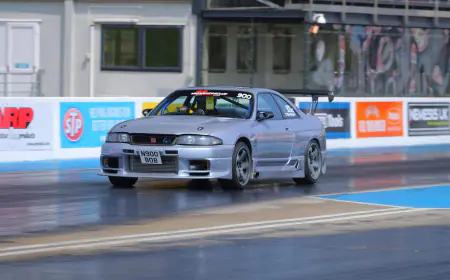
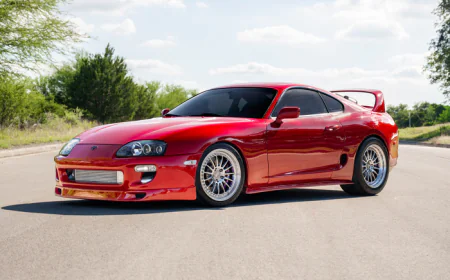
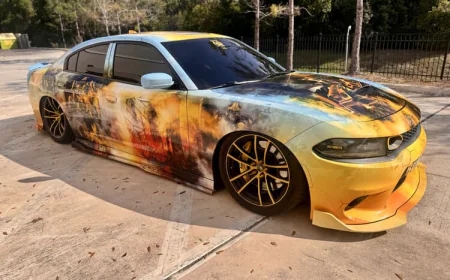
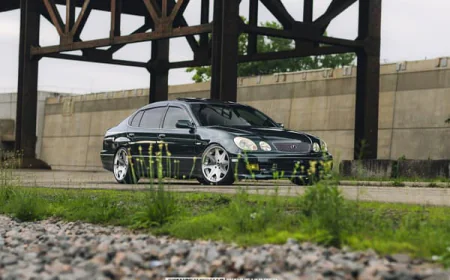
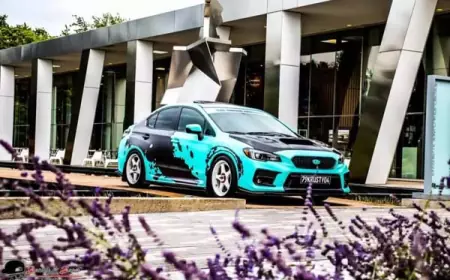
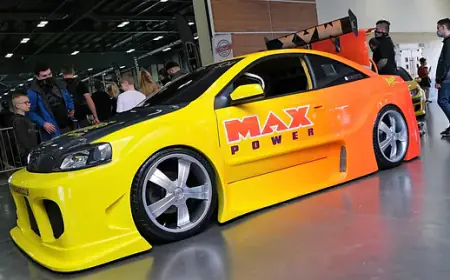
Everything from lightly modified daily drivers entered by private owners through to multi-million yen, full custom builds from Japan's most prestigious tuning houses. The show covers race cars, drift cars, stance builds, VIP style, bosozoku, kaido racer, itasha, and everything between — it's genuinely the most diverse cross-section of Japanese car culture you'll find in one place at one time, which is part of why images from TAS floor time get shared so widely internationally each year.
Who Are the Key Players You'll Recognise?
Rocket Bunny and Pandem (both from TRA Kyoto), Liberty Walk, Top Secret, RE Amemiya for Mazda rotary builds, and HKS as a major parts manufacturer are among the most internationally recognised names who use TAS as a primary debut platform. The builds these houses bring to the show floor each January are typically the most ambitious of their year, since the global audience and media attention makes it the most high-profile launch opportunity available to a Japanese aftermarket brand.
Is Tokyo Auto Salon the Same as the Tokyo Motor Show?
No, and it's worth knowing the difference since they get confused frequently outside Japan. The Tokyo Motor Show (now rebranded as Japan Mobility Show) is a mainstream automotive industry event focused on new production vehicles and future mobility — think manufacturer concept cars and next-generation EVs. Tokyo Auto Salon is specifically about modified, tuned, and customised vehicles — the aftermarket, the tuning scene, the culture. Completely different event, different audience, different purpose.
How Does TAS Connect to 90s JDM Culture?
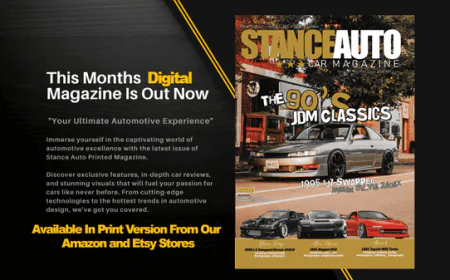
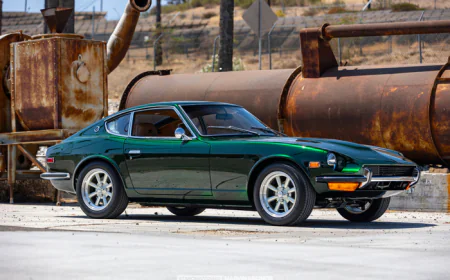
The cars and builds that define Tokyo Auto Salon's heritage, particularly from the 1990s peak, are exactly the machines covered in depth in our Stance Auto 90s JDM Classics magazine — the Supras, Skylines, NSXs and RX-7s that were being built in Japan's most creative tuning era and displayed at early TAS events that international audiences are only now fully appreciating. It's our hottest-selling issue on Amazon for exactly that reason.
Related Reads
- What Is Bippu? Japan's Luxury Lowered Culture
- What Is a Kaido Racer? Japan's Retro Racer Style Explained
- What Is Bosozoku? Japan's Outlaw Car Culture Explained
- USDM, JDM, EDM, ADM, CHDM, MEDM: What Does It Mean?
For more JDM culture and everything else modified car culture, head back over to Stance Auto Mag.
 Like
0
Like
0
 Dislike
0
Dislike
0
 Love
0
Love
0
 Funny
0
Funny
0
 Angry
0
Angry
0
 Sad
0
Sad
0
 Wow
0
Wow
0