
















































.png)







![[HOONIGAN] Ken Block's GYMKHANA NINE](https://img.youtube.com/vi/_bkX5VkZg8U/maxresdefault.jpg)







































![[HOONIGAN] KEN BLOCK'S GYMKHANA SEVEN: WILD IN THE STREETS OF LOS ANGELES](https://cdn.motor1.com/images/mgl/2KlO4/s1/ken-block-london-tour-directors-cut.jpg)




























What Is a Kaido Racer? Japan's Retro Racer Style Explained
Kaido racer is Japan's retro race-replica car style, born from 70s touring car racing — here's what defines the look and where it came from.
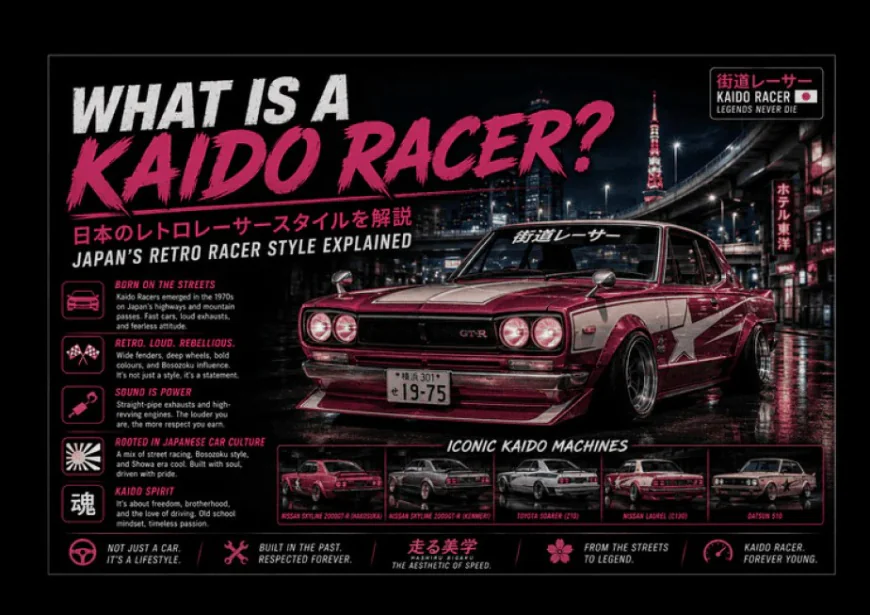
Japan's Retro Racer Style Explained
Why do some Japanese street cars look like they've driven straight off a 1970s touring car grid, wings, flares and all? That's kaido racer style, and it's one of the most visually dramatic branches of Japan's lowered-car culture, built entirely around recreating the look of an era of racing most of its builders never actually saw live.
Kaido Racer at a Glance
- Kaido racer roughly translates to "street racer" or "highway racer"
- Draws direct visual inspiration from 1970s and 80s Japanese touring car and Super Silhouette racing
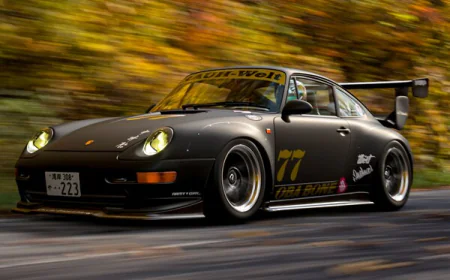
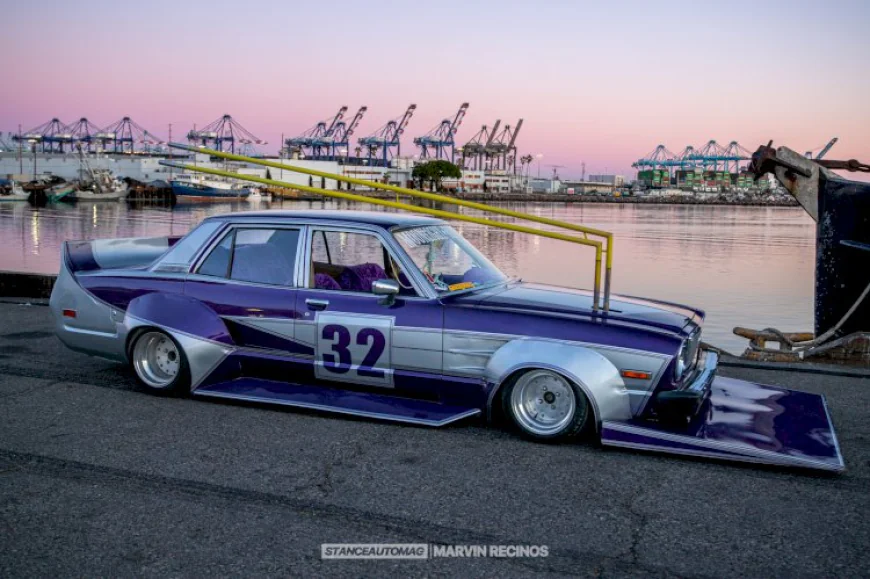
- Characterised by oversized wings, wide box flares, and aggressive aero on otherwise ordinary road cars
- Closely related to, but visually distinct from, shakotan and bosozoku styling
- Still an active, dedicated builder scene in Japan today, far from a purely historical curiosity
It sits alongside shakotan as one of the foundational Japanese lowered-car styling movements worth understanding together.
Where Does Kaido Racer Style Actually Come From?
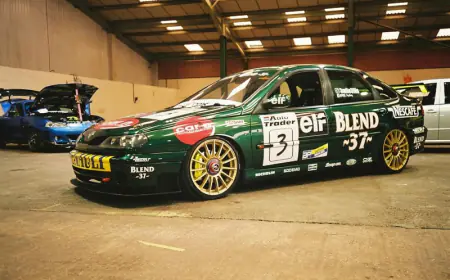
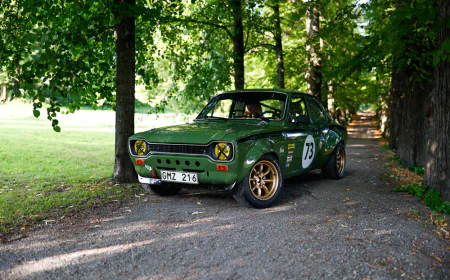
The look is a direct homage to Japanese Super Silhouette racing, a wildly extravagant touring car category from the late 1970s and early 80s where genuinely outrageous aerodynamic bodywork, huge wings, dramatically flared arches, was bolted onto otherwise recognisable road car silhouettes for maximum spectacle. That racing series never lasted long in its original form, but its visual language left a permanent mark on Japanese street car culture, and kaido racer builders have spent decades since recreating that exact race-car aesthetic on road-going cars that will never see a circuit.
What Actually Defines the Kaido Racer Look?
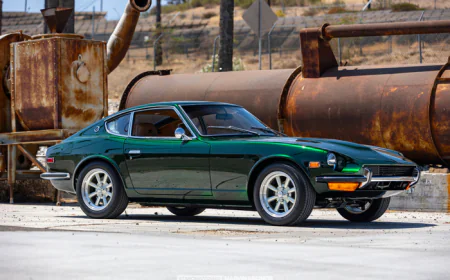
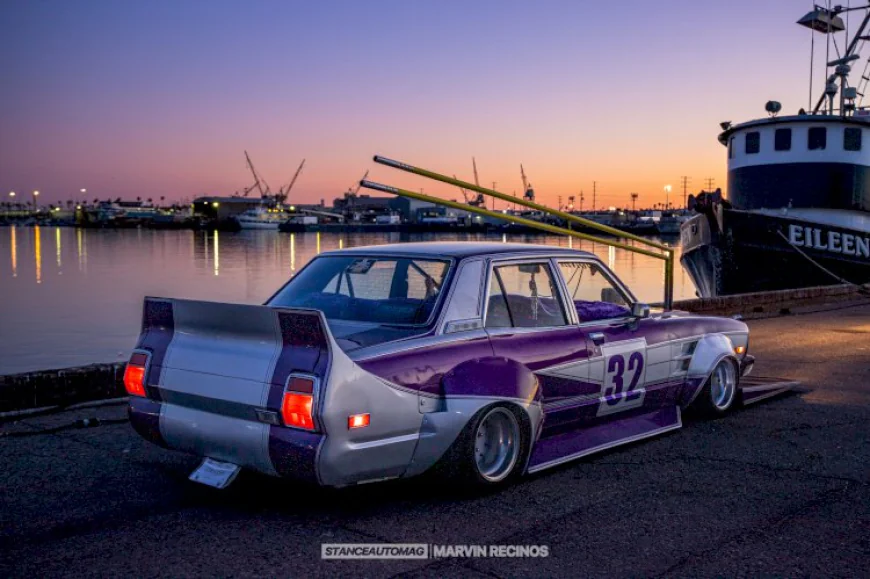
Oversized rear wings, often mounted high on long struts in a deliberate homage to period race cars, are probably the most immediately recognisable trait, alongside wide box-flare arches that dramatically extend a car's factory bodywork to cover much wider wheels and tyres than it ever wore from the factory. Deep-dish wheels, aggressive lowering shared with shakotan style, and often deliberately period-correct paint schemes or livery-style graphics complete the look, all working together to recreate the visual drama of a genuine period race car rather than a modern aftermarket aesthetic.
Kaido Racer vs Shakotan: What's the Difference?
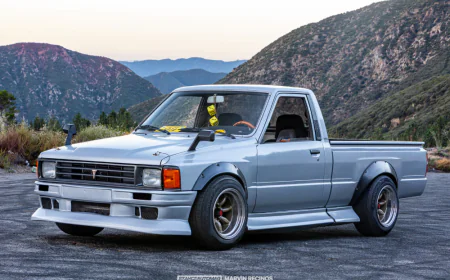
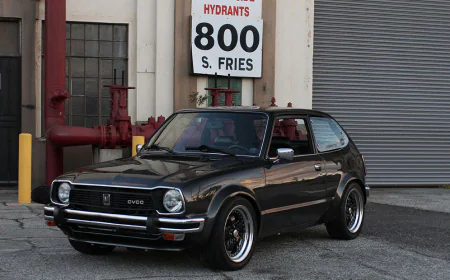
Shakotan is the broader lowered-car foundation, low stance, deep-dish wheels, aggressive fitment, that both kaido racer and bosozoku styles build on top of in different directions. Kaido racer specifically leans into circuit-racing aesthetics, wings, flares, race-inspired bodywork, where shakotan on its own doesn't necessarily include any of that motorsport-inspired aero at all, staying closer to a clean, simply lowered look.
Kaido Racer vs Bosozoku: What's the Difference?
Bosozoku styling shares some visual DNA with kaido racer, particularly around exaggerated bodywork, but it's rooted in outlaw biker and street gang culture rather than motorsport homage specifically, and tends toward even more extreme, provocative styling choices, dramatic paint, huge exhaust stacks, deliberately confrontational aesthetics. Kaido racer stays more grounded in genuinely recreating a specific historical racing look, even when the execution gets visually loud, the reference point is always motorsport rather than outlaw culture.
Which Cars Suit Kaido Racer Style?
Classic Japanese coupes and saloons from the 1970s and 80s that share silhouettes with genuine period Super Silhouette race cars are the natural canvas, Toyota Celicas, Nissan Skylines and Fairladys, and Mazda RX-3s and RX-7s among the most commonly built. The style works best on cars whose factory proportions already echo the boxy, purposeful lines of the era it's paying homage to, which is part of why it's stayed a fairly specific, era-locked style rather than spreading broadly across every generation of Japanese car.
Is Kaido Racer Style Still Being Built Today?
Very much so, and it remains one of the more dedicated, craft-focused corners of Japanese car culture, since a genuine kaido racer build typically demands real custom bodywork fabrication rather than bolt-on parts, unlike more accessible modern styling trends. Builders committed to the style often spend years sourcing period-correct parts and hand-fabricating flares and aero to get the look genuinely right, which has helped keep kaido racer building a smaller, more specialist scene than broader stance or drift culture.
How Kaido Racer Style Spread Beyond Japan
Japanese car magazines and, more recently, social media and dedicated YouTube coverage have carried kaido racer style to an international audience who never experienced Japanese street car culture firsthand, and a small but genuinely dedicated international builder scene has grown around recreating the look outside Japan. Sourcing genuinely period-correct parts outside Japan is a real challenge for these international builders, which has driven a small but active grey-market trade in original 70s and 80s Japanese aero parts and wheels specifically for kaido racer projects.
Common Misconceptions About Kaido Racer Style
A common mistake is assuming any car with a big wing and wide arches counts as kaido racer, when the style specifically references a particular era and aesthetic of Japanese touring car racing rather than being a generic label for aggressive aero. A modern, track-focused aero package on a contemporary car, however dramatic, isn't kaido racer unless it's deliberately drawing on that specific period visual language, the distinction matters to builders genuinely working within the style even if it looks like a small technicality to outsiders.
Related Reads
- What Is Touge? The Mountain Pass Culture Explained
- What Is Shakotan? Japan's Original Lowered Car Style
- What Is Itasha? Anime Car Culture Explained
- USDM, JDM, EDM, ADM, CHDM, MEDM: What Does It Mean?
For more JDM culture and styling explainers, and everything else modified car culture, head back over to Stance Auto Mag. You can also grab the latest print issue through our Amazon magazine store.
 Like
0
Like
0
 Dislike
0
Dislike
0
 Love
0
Love
0
 Funny
0
Funny
0
 Angry
0
Angry
0
 Sad
0
Sad
0
 Wow
0
Wow
0