

















































.png)









![[HOONIGAN] Ken Block's GYMKHANA NINE](https://img.youtube.com/vi/_bkX5VkZg8U/maxresdefault.jpg)












































![[HOONIGAN] KEN BLOCK'S GYMKHANA SEVEN: WILD IN THE STREETS OF LOS ANGELES](https://cdn.motor1.com/images/mgl/2KlO4/s1/ken-block-london-tour-directors-cut.jpg)

























What Is Itasha? Anime Car Culture Explained
Itasha is Japan's anime and character-wrapped car culture, born from cosplay and fandom crossover — here's what it actually means and where it started.
Anime Car Culture Explained
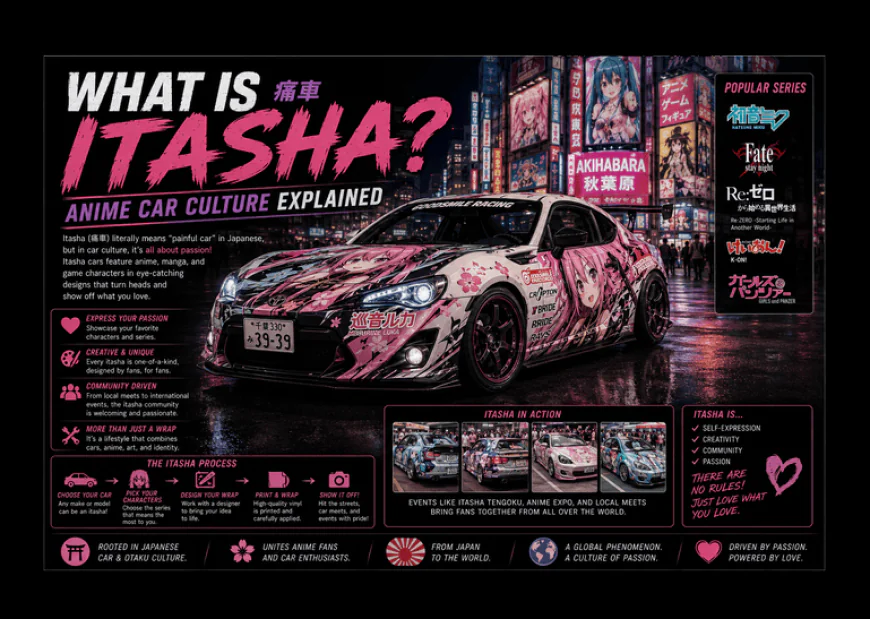
Why do some cars in Japan look like a rolling anime poster, and is there a real culture behind it or is it just a novelty? Itasha (痛車) is a genuine, decades-old subculture with its own community, its own etiquette, and its own dedicated meets, not a passing internet joke.
Itasha at a Glance
- Itasha roughly translates to "painful car," a self-deprecating nod to how eye-catching (and to some, embarrassing) the style is
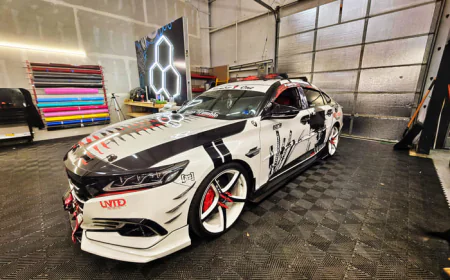
- Cars are wrapped or painted with large-scale anime, manga or video game character artwork
- Grew out of otaku (dedicated fan) culture in Japan, closely tied to cosplay and fandom events
- Distinct from general car wrapping, itasha specifically centres on character-based fan artwork, not abstract designs
- Has spread into a genuine international community, with dedicated itasha meets held outside Japan too
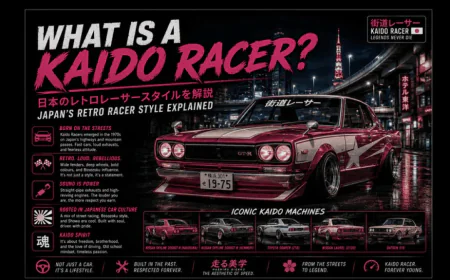
Unlike shakotan or kaido racer styling, itasha's roots sit in fandom rather than motorsport, which is worth understanding before diving in.
Where Does the Word Itasha Actually Come From?
The name is a play on words, combining a term for "painful" or "embarrassing" with the word for "car," reflecting the culture's own self-aware humour about how attention-grabbing the style is. It emerged from Japan's broader otaku community, dedicated fans of anime, manga and video games, as an extension of the same passionate, visible fandom expression that drives cosplay and character merchandise collecting, just applied to a car instead of an outfit.
What Actually Makes a Car Itasha?
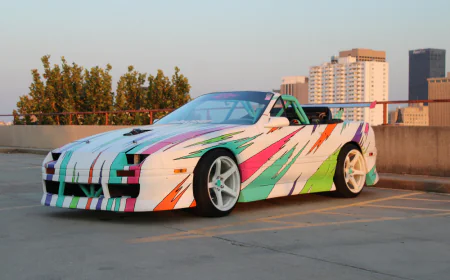
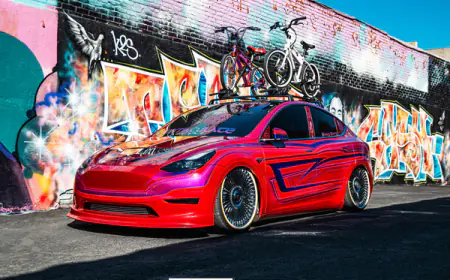
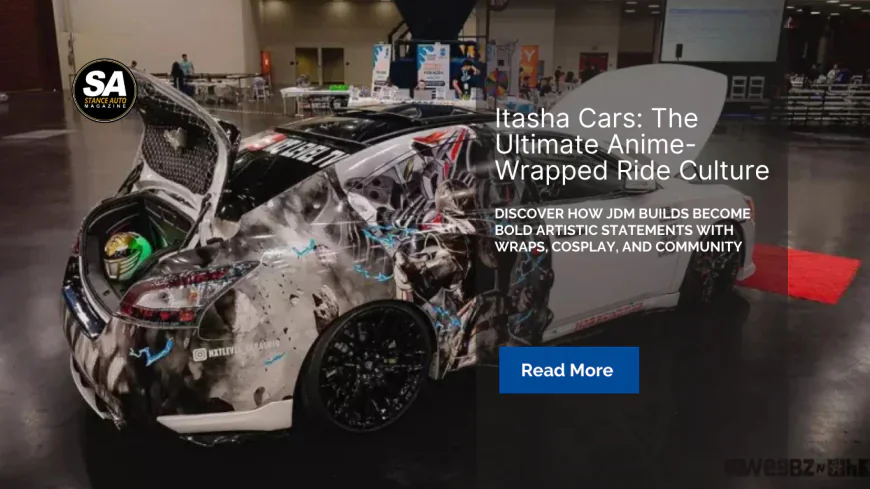
The defining trait is large-scale, high-quality character artwork, typically applied as a full or partial vinyl wrap, though painted itasha builds exist too, most often at conventions or dedicated fan events where the artwork is the entire point of the car. This distinguishes itasha clearly from general custom car wrapping, an abstract pattern or a brand livery isn't itasha, the artwork specifically needs to be recognisable characters from anime, manga, or games, tied to genuine fandom rather than generic decoration.
Is Itasha Just About the Wrap, or Is There More to the Culture?
There's a genuine community layer beyond the visual style itself. Dedicated itasha meets and conventions bring builders together specifically to show off their cars, often tied to the same events where cosplay and fan merchandise are celebrated, reinforcing itasha's roots as an extension of fandom expression rather than a standalone car modification trend. Builders frequently form real friendships and community connections through shared fandom interests as much as through car culture itself, which sets itasha apart from styling movements built purely around automotive aesthetics.
How Did Itasha Spread Internationally?
As anime and gaming fandom grew globally, itasha followed a similar path, spreading through international convention culture and, more recently, social media, where dedicated itasha builders outside Japan now maintain active communities of their own. Countries with strong anime convention scenes, including the US, parts of Europe, and other parts of Asia, have developed genuine local itasha communities, complete with their own meets, distinct from but clearly inspired by the original Japanese scene.
Is Itasha the Same as Bosozoku or Shakotan Styling?
No, and this is a common point of confusion for newcomers to Japanese car culture terminology. Bosozoku and shakotan are both fundamentally about the car's physical modification, lowering, bodywork, mechanical changes. Itasha is almost entirely about the visual artwork applied to an otherwise often lightly modified or even completely standard car. It's entirely possible, and common, for an itasha build to have no meaningful mechanical modification at all, the wrap itself is the build.
What Does It Actually Cost to Build an Itasha Car?
Costs vary enormously depending on the quality and complexity of the artwork and whether a builder commissions original character art or licenses existing official artwork for the wrap. A simple partial wrap with a single character can be relatively affordable, while a full-body wrap featuring detailed, multi-character artwork commissioned from a professional illustrator and printed by a specialist wrap shop represents a genuinely significant investment, often comparable to or exceeding what many owners spend on performance modifications elsewhere in car culture.
Etiquette Within the Itasha Community
Respecting intellectual property and licensing is taken seriously within genuine itasha circles, with many dedicated builders either commissioning original fan art specifically for their build or ensuring proper licensing for official artwork, rather than simply printing unlicensed copyrighted images without a second thought. This matters both legally and culturally within the community, itasha at its best is a celebration of fandom that respects the creators behind the characters being showcased, not just free advertising wallpaper slapped onto a car.
Why Does Itasha Matter to Wider Car Culture?
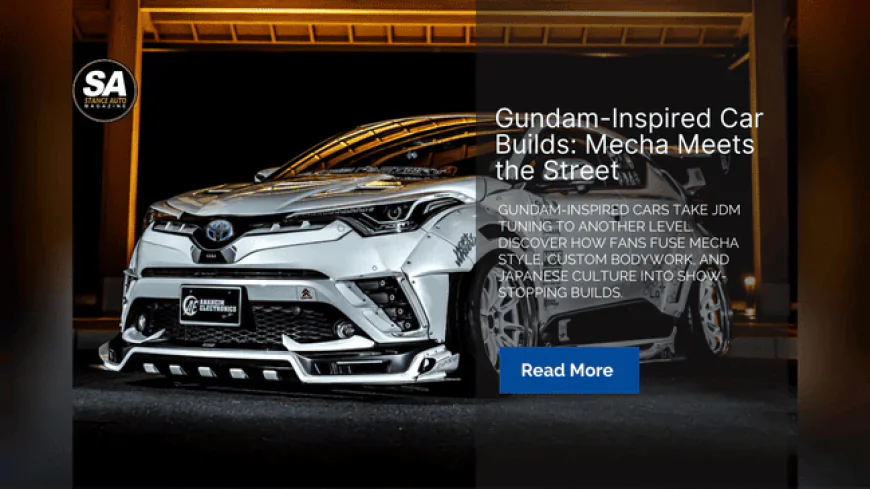
Itasha represents a genuinely different motivation for building a standout car, driven by fandom and personal passion for specific characters or franchises rather than performance or handling, and it's a useful reminder that car culture globally is broader than just performance-focused modification. Understanding itasha properly gives context to a style that's often dismissed by outsiders as a novelty, when it actually represents a genuine, community-driven subculture with its own decades-long history and dedicated builder base.
Related Reads
- What Is Touge? The Mountain Pass Culture Explained
- What Is Shakotan? Japan's Original Lowered Car Style
- What Is a Kaido Racer? Japan's Retro Racer Style Explained
- USDM, JDM, EDM, ADM, CHDM, MEDM: What Does It Mean?
For more JDM culture and styling explainers, and everything else modified car culture, head back over to Stance Auto Mag. You can also grab the latest print issue through our Amazon magazine store.
 Like
0
Like
0
 Dislike
0
Dislike
0
 Love
0
Love
0
 Funny
0
Funny
0
 Angry
0
Angry
0
 Sad
0
Sad
0
 Wow
0
Wow
0