
































































.png)









![[HOONIGAN] Ken Block's GYMKHANA NINE](https://img.youtube.com/vi/_bkX5VkZg8U/maxresdefault.jpg)
















































![[HOONIGAN] KEN BLOCK'S GYMKHANA SEVEN: WILD IN THE STREETS OF LOS ANGELES](https://cdn.motor1.com/images/mgl/2KlO4/s1/ken-block-london-tour-directors-cut.jpg)




































What Is Shakotan? Japan's Original Lowered Car Style
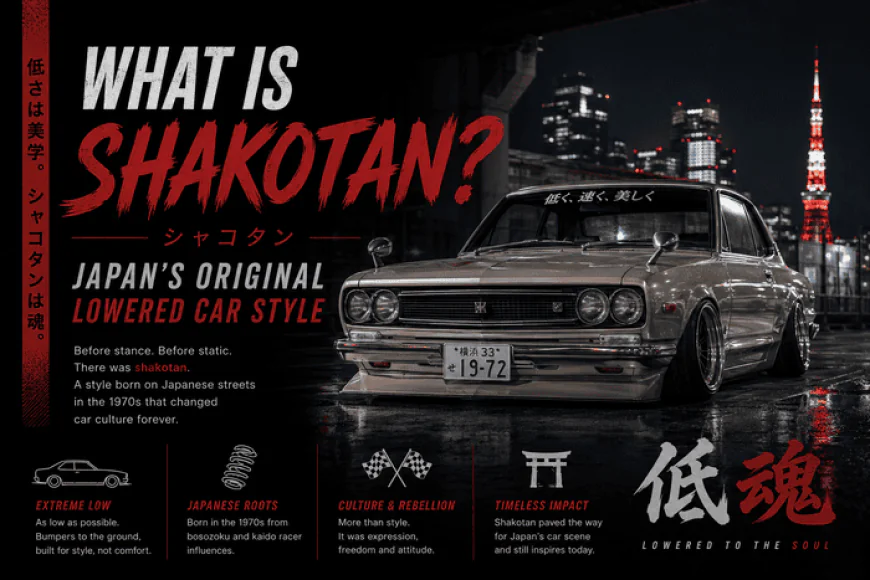
Shakotan is Japan's original lowered car style, born decades before stance culture existed — here's what it actually means and where it started.
Japan's Original Lowered Car Style
Long before "stance" was a word car enthusiasts used, Japan already had a name for slamming a car to the ground. Shakotan (シャコタン) is that original term, and understanding it properly means understanding a style that predates most of the modern lowered-car movement by decades.
Shakotan at a Glance
- Shakotan translates roughly to "lowered car" or "car with a low chassis"
- Emerged in Japan in the 1970s and 80s, well before Western stance culture existed
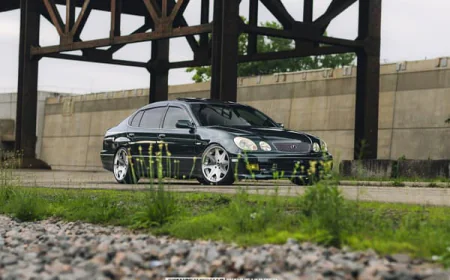
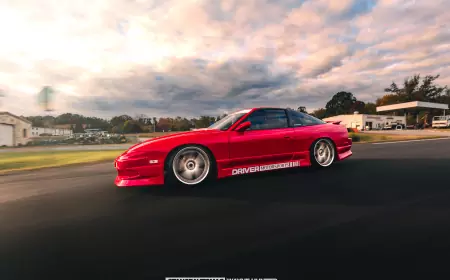
- Characterised by extreme lowering, deep-dish wheels and often extended exhaust tips
- Closely linked to, but distinct from, bosozoku and kaido racer styling
- A direct cultural ancestor of much of what modern stance and hellaflush culture borrows from
It's one of several foundational Japanese styling terms worth knowing alongside touge mountain pass culture and the broader JDM terminology explained.
Where Does the Term Shakotan Come From?
Shakotan combines Japanese words roughly translating to "chassis" and "low," a literal, functional description that became a full styling movement in its own right. It grew up alongside Japan's wider street car culture in the 1970s and 80s, when lowering a car dramatically, often well past anything a factory suspension was designed for, became a way of visually declaring a car had been built, not just bought.
What Makes a Car Genuinely Shakotan?
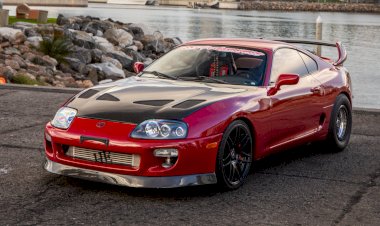
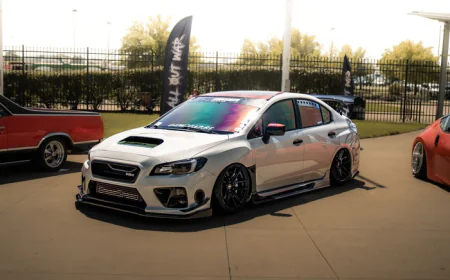
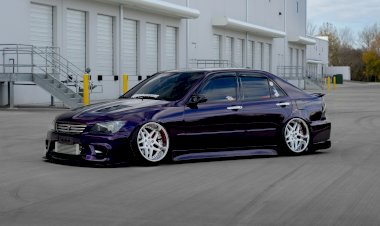
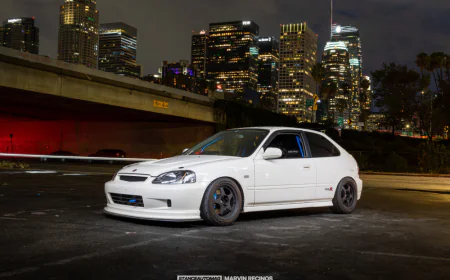
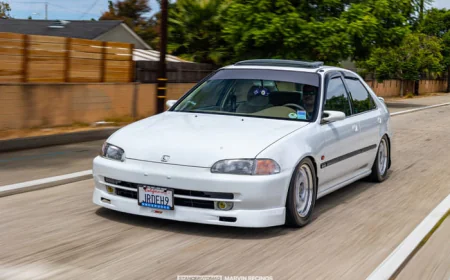
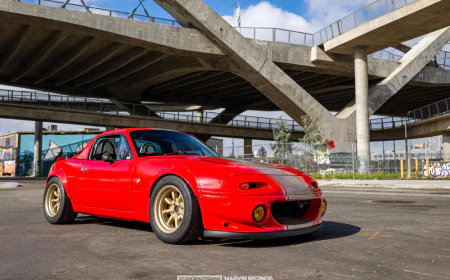
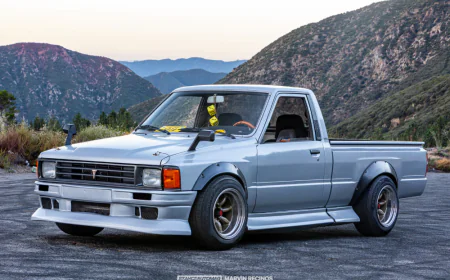
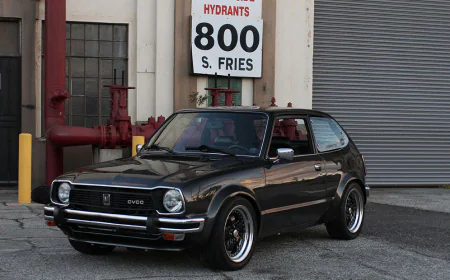
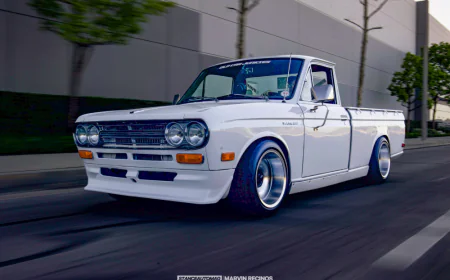
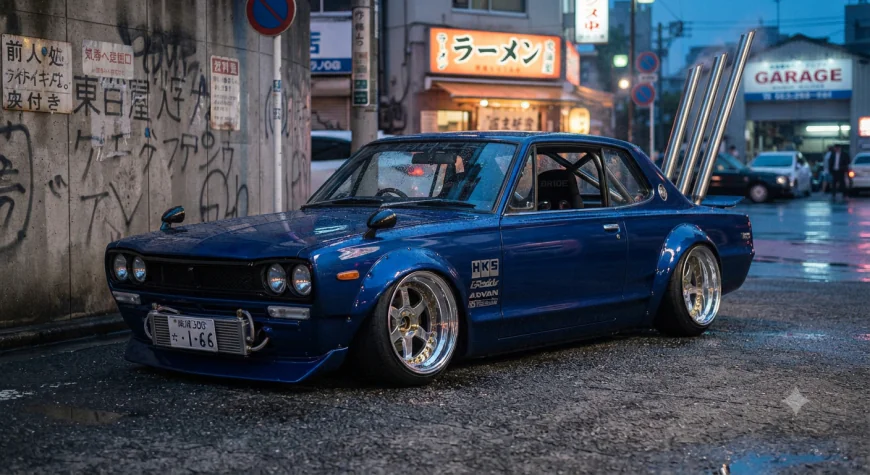
Extreme ride height reduction is the defining trait, often achieved through cut springs or heavily modified suspension rather than the adjustable coilover setups modern builders take for granted. Deep-dish wheels, aggressive negative camber, and wide wheel arches are common companions to the low stance, alongside styling details like extended, often theatrically loud exhaust tips that became a genre signature of their own. The overall look prioritises an aggressive, road-hugging visual statement over outright function, a car built to look like it means business at a standstill as much as in motion.
Shakotan vs Bosozoku: What's the Difference?
These two terms get confused constantly, and the honest answer is that they overlap but aren't the same thing. Bosozoku refers specifically to the outlaw biker and street gang subculture, and its car styling borrowed heavily from shakotan's lowered aesthetic while adding its own extreme elements, loud paint, huge aero, and deliberately provocative styling tied to gang identity. Shakotan is the broader lowered-car style itself, which bosozoku culture adopted and pushed further, rather than shakotan being a subset of bosozoku specifically.
Shakotan vs Kaido Racer: How Do They Relate?
Kaido racer ("street racer") style shares shakotan's low stance but leans harder into circuit-inspired aero, big wings, canards, and race-replica bodywork inspired by Japanese touring car racing of the era. Think of shakotan as the foundational low-stance philosophy, with kaido racer and bosozoku as two different, more extreme stylistic branches that grew from the same lowered-car root.
Why Does This Matter to Modern Stance Culture?
A huge amount of what's now marketed globally as "stance culture," extreme negative camber, deep-dish wheels, aggressive fitment, was doing exactly this in Japan decades before the word "stance" entered the wider car culture vocabulary. Understanding shakotan properly gives real historical context to a look that's often presented as a recent Western trend, when it's really a modern reinterpretation of a genuinely old Japanese styling movement, with its own history, its own regional variations, and its own dedicated builders long before international car culture caught on.
Shakotan's Influence Beyond Japan
As Japanese car culture media spread internationally through magazines, video games and later social media, shakotan's visual language filtered into car scenes worldwide long before most Western enthusiasts knew the term itself. Builders in Europe, North America and beyond absorbed the low-and-aggressive aesthetic through Japanese imports and photography without necessarily knowing they were drawing on a decades-old, named Japanese subculture, which is a big part of why the style feels both familiar and slightly mysterious to newer enthusiasts encountering the actual term for the first time.
Is Shakotan Still a Living Style in Japan?
Yes, shakotan has never really gone away in Japan, and dedicated builders and meets keep the original style alive alongside its more extreme bosozoku and kaido racer offshoots. It's evolved with modern parts availability, coilovers instead of cut springs, more precise camber adjustment, but the fundamental visual philosophy, low, aggressive, deliberately theatrical, remains largely unchanged from its 1970s and 80s roots.
Common Cars Associated With Shakotan Style
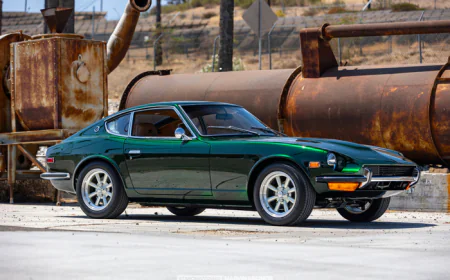
Classic Japanese saloons and coupes from the 70s and 80s, Toyota Crowns, Nissan Cedrics, Skylines and Corollas among them, became popular canvases for shakotan builds, partly because their factory proportions suited the low, wide look and partly because they were simply the affordable, plentiful cars of the era for young builders to work with. Many of these same models remain popular shakotan platforms in Japan today, with dedicated parts still produced specifically for the style decades after those cars left production.
How to Spot Genuine Shakotan Influence vs a Generic "Stance" Build
A build genuinely drawing on shakotan roots tends to pair the low stance with period-correct or period-inspired details, specific deep-dish wheel styles, exhaust tip shapes, and often a deliberately understated paint or trim choice that lets the stance and wheels do the talking rather than loud modern aero. A generic modern stance build can achieve a visually similar low-and-wide look using entirely contemporary parts and influences without any real connection to shakotan's specific Japanese lineage, which isn't wrong, it's just a different starting point reaching a superficially similar destination.
Related Reads
- What Is Touge? The Mountain Pass Culture Explained
- What Is a Kaido Racer? Japan's Retro Racer Style Explained
- What Is Itasha? Anime Car Culture Explained
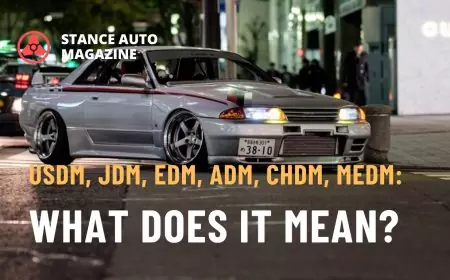
- USDM, JDM, EDM, ADM, CHDM, MEDM: What Does It Mean?
For more JDM culture and styling explainers, and everything else modified car culture, head back over to Stance Auto Mag. You can also grab the latest print issue through our Amazon magazine store.
 Like
0
Like
0
 Dislike
0
Dislike
0
 Love
0
Love
0
 Funny
0
Funny
0
 Angry
0
Angry
0
 Sad
0
Sad
0
 Wow
0
Wow
0