














































.png)






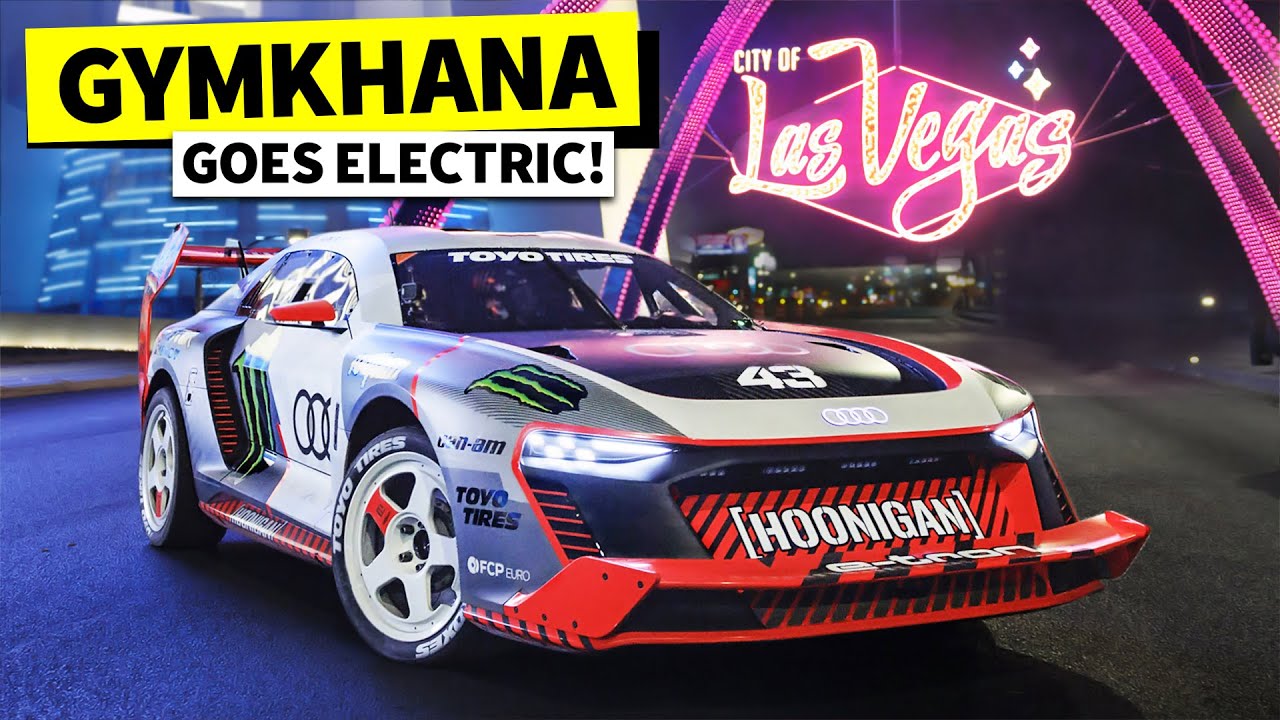
![[HOONIGAN] Ken Block's GYMKHANA NINE](https://img.youtube.com/vi/_bkX5VkZg8U/maxresdefault.jpg)









































![[HOONIGAN] KEN BLOCK'S GYMKHANA SEVEN: WILD IN THE STREETS OF LOS ANGELES](https://cdn.motor1.com/images/mgl/2KlO4/s1/ken-block-london-tour-directors-cut.jpg)






























What Is Touge? The Mountain Pass Culture Explained
Touge is Japan's mountain pass driving culture made famous by Initial D — here's what it actually means and where the term comes from.
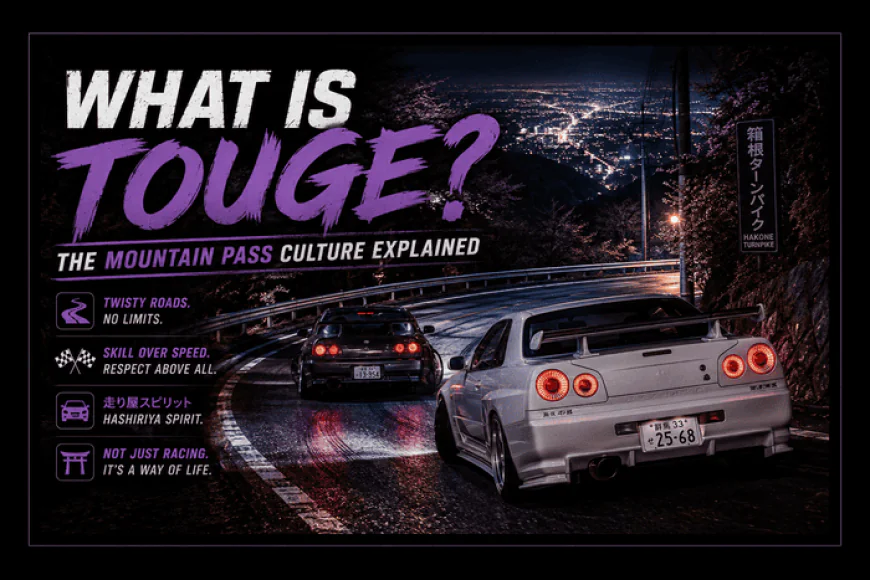
The Mountain Pass Culture Explained
Every fan of Initial D knows the word, but what does touge actually mean, and is it still a real thing happening on real mountain roads today? Touge (峠), pronounced roughly "toh-geh," is the Japanese word for a mountain pass, and it's become shorthand across car culture worldwide for a very specific style of driving that grew up on those exact roads.
Touge at a Glance
- Touge literally translates to "mountain pass" in Japanese
- Refers to both the roads themselves and the driving culture built around them
- Popularised globally through Initial D, though the culture predates the manga and anime by decades
- Involves navigating tight, technical, elevation-changing corners rather than straight-line speed
- Distinct from circuit racing and from drifting, though the three cultures overlap heavily in practice
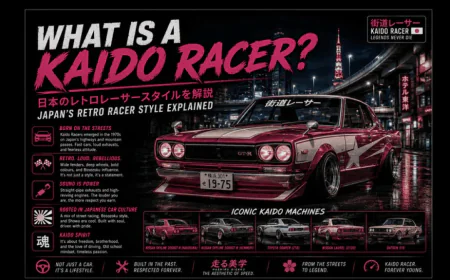
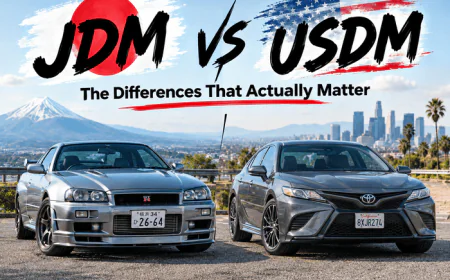
It sits alongside other named JDM styling and driving terms worth knowing, including shakotan and the wider JDM terminology explained, all part of the same broader Japanese car culture vocabulary.
What Makes a Touge Road Different From a Racetrack?
A touge road wasn't built for racing, and that's precisely what makes the culture what it is. These are genuine public mountain roads, narrow, twisting, often with a sheer drop on one side and a rock face on the other, originally built for practical mountain access rather than motorsport. That real-world unpredictability- blind corners, changing surface grip, the occasional oncoming vehicle, is central to what makes touge driving a fundamentally different skill from lapping a closed circuit, where every corner is known and consistent lap after lap.
Where Did Touge Culture Actually Come From?
Long before Initial D existed, Japanese drivers were using mountain passes around cities like Tokyo and Osaka as informal proving grounds, partly because Japan's dense urban road network left few other options for spirited driving, and partly because the technical, elevation-shifting nature of these roads rewards genuine car control over raw horsepower. The culture built its own informal rules and rivalries between specific mountains long before the manga brought it to a global audience in the 1990s, with certain passes developing reputations the way certain circuits do in Western motorsport culture.
Touge vs Drifting: What's the Actual Difference?
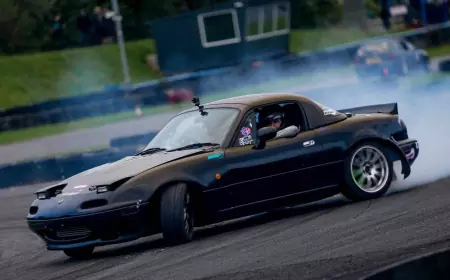
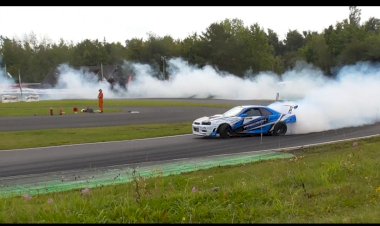
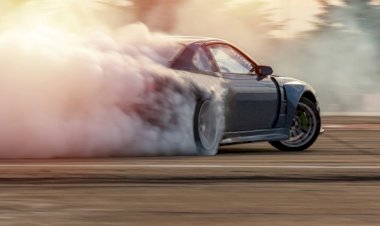
This is one of the most common points of confusion, and the honest answer is that the two overlap heavily rather than being cleanly separate. Drifting is a driving technique — deliberately breaking traction through a corner. Touge is the setting and the culture built around driving mountain passes, often at pace, sometimes involving drift technique, sometimes not. A touge run can be driven on the limit of grip without ever breaking traction, and plenty of serious touge drivers prioritise grip-based cornering speed over the visual spectacle of a drift. Initial D leaned heavily into drift-style touge battles for dramatic effect, which is a big part of why the two terms get conflated by newer fans of the culture.
Is Touge Driving Legal?
This is worth being direct about: driving at speed on public mountain roads, whether it involves drifting or not, is illegal in most jurisdictions, including Japan, where it falls under the same reckless and dangerous driving laws that apply to any public road. The culture's outlaw reputation isn't manga exaggeration; genuine touge racing has always existed in a legal grey-to-black area, and Japanese authorities have cracked down on known touge hotspots repeatedly over the decades. Anyone drawn to the culture through Initial D should understand that the version depicted is dramatised motorsport fiction layered over a genuinely illegal activity, not a lifestyle to replicate on public roads.
Where Can You Experience Touge-Style Driving Legally?
If the appeal is the technical, elevation-changing driving style rather than the illegality, the honest answer is track days and hillclimb events specifically designed to recreate that kind of technical, flowing corner sequence in a controlled, legal environment. Many circuits now run dedicated hillclimb or technical-course layouts that scratch the same itch as touge driving without the legal and safety risks of doing it on a public mountain road with real traffic and no run-off.
What Cars Are Associated With Touge Culture?
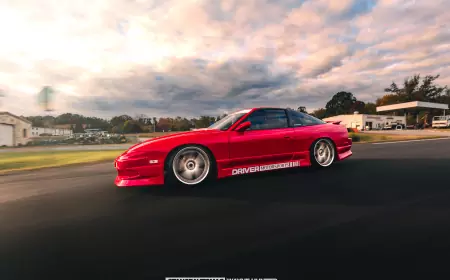
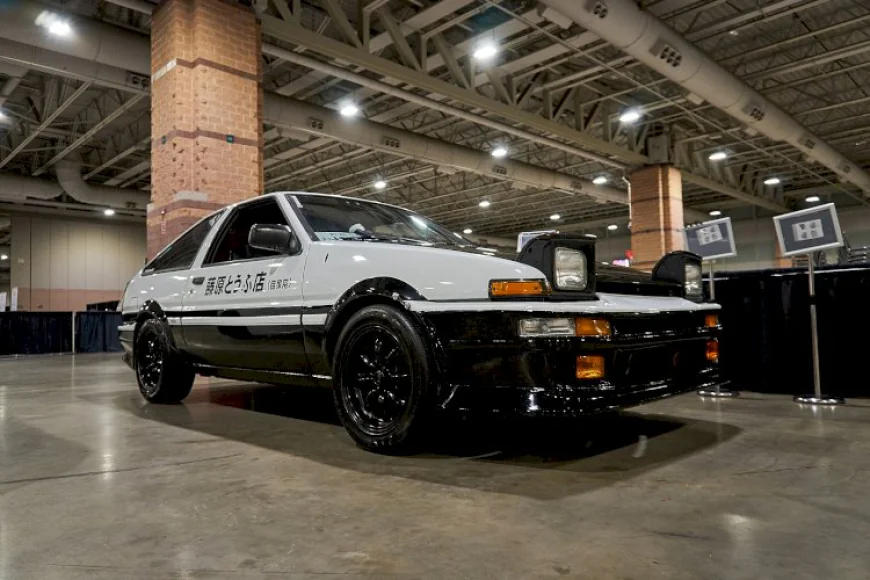
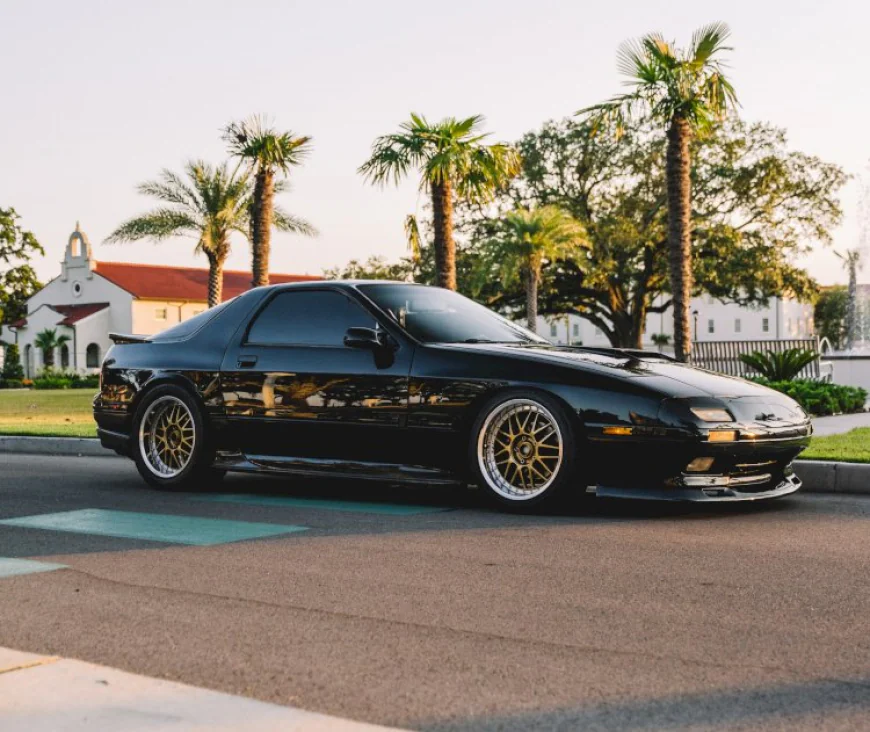
Lightweight, well-balanced rear-wheel-drive cars have historically dominated touge culture, since raw power matters far less on a tight, technical mountain road than a car's ability to change direction and put power down cleanly out of a corner. The AE86 Corolla became the genre's defining car largely through Initial D, but the wider culture has always included Silvias, RX-7s, and various lightweight Japanese coupes that share the same fundamental trait: a chassis that rewards a skilled driver more than a big engine does.
Touge in Modern Motorsport
Some of that mountain-pass spirit has been legitimately absorbed into sanctioned motorsport, particularly hillclimb events and technical time-attack formats that borrow the same elevation changes and tight, flowing corners without the legal and safety issues of running on live public roads. Several drivers who cut their teeth on unofficial touge culture in decades past went on to genuine professional motorsport careers, using the car control skills built on mountain roads as a foundation for circuit and rally disciplines where that same feel for weight transfer and quick direction changes translates directly.
Why the Culture Still Resonates Globally
Part of touge's lasting appeal outside Japan is exactly what made it distinctive in the first place, it's built around driver skill and car control on a genuinely challenging, unpredictable road, rather than raw horsepower or a closed, sanitised circuit environment. That romantic notion of mastering a specific stretch of mountain road has translated well into car culture worldwide, even in places with no mountain passes remotely resembling the Japanese originals, which says something about how much of the appeal is really about the underlying driving philosophy rather than the specific geography.
Famous Touge Locations in Japan
Certain mountain passes built genuine reputations within the culture long before global audiences knew their names. Mount Haruna, the real-world inspiration for Initial D's fictional Akina, is probably the most recognisable to fans outside Japan, drawing visitors specifically because of the anime's influence even though the road itself predates the franchise by decades. Other passes across the Gunma, Saitama and Kanagawa regions built their own local reputations among Japanese enthusiasts through the same informal rivalries and word-of-mouth culture that eventually inspired the wider genre, most of which never received the same international spotlight.
How Touge Culture Influenced Car Modification Trends
The specific demands of touge driving, quick direction changes, confidence-inspiring turn-in, predictable weight transfer, shaped a distinct modification philosophy that prioritises chassis balance and driver feedback over straight-line power. This is part of why the wider JDM scene has such a strong tradition of coilover setups, weight reduction, and careful suspension geometry work, even on cars that will never see an actual mountain pass, the underlying philosophy migrated into general car culture long after the specific driving context that created it.
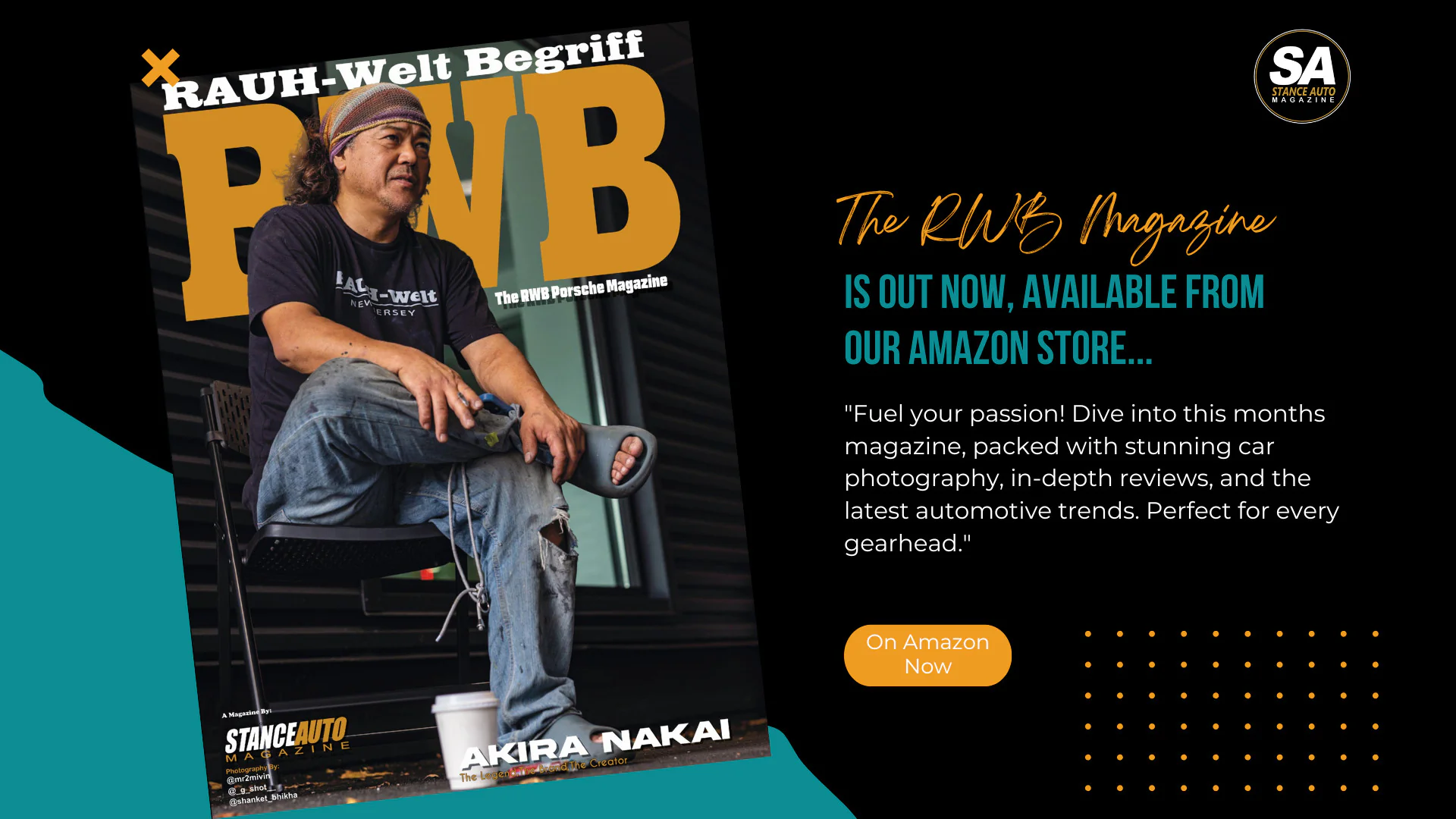
For more explainers on JDM and car culture terminology, and everything else modified car culture, head back over to Stance Auto Mag. You can also grab the latest print issue through our Amazon magazine store.
 Like
0
Like
0
 Dislike
0
Dislike
0
 Love
0
Love
0
 Funny
0
Funny
0
 Angry
0
Angry
0
 Sad
0
Sad
0
 Wow
0
Wow
0