






























































































Mitsubishi Lancer Evolution Generations Explained: Evo I to Evo X
Mitsubishi Lancer Evolution generations explained: Evo I to Evo X, what changed each time, which is best to buy and which to avoid. A clear guide to all ten.
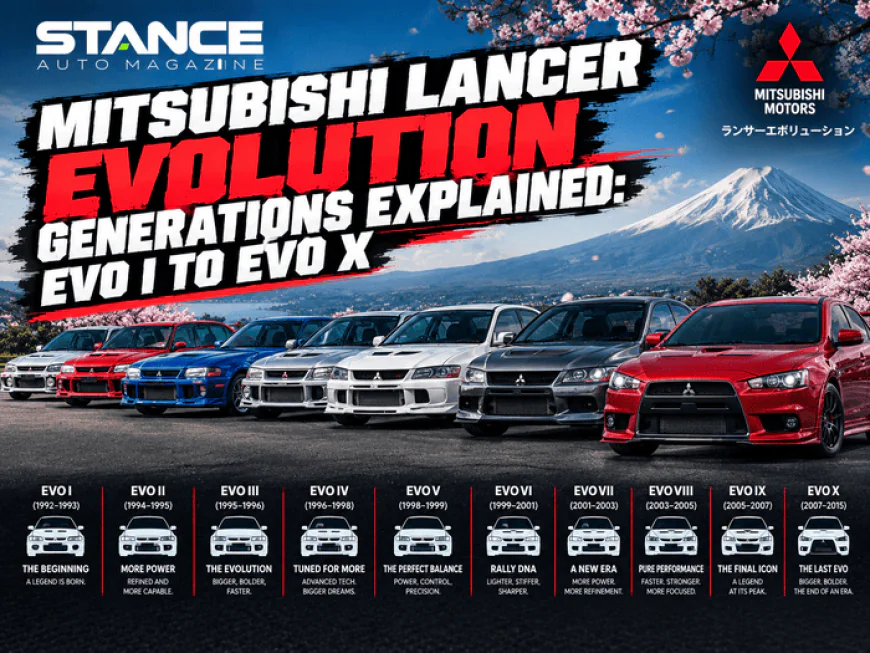
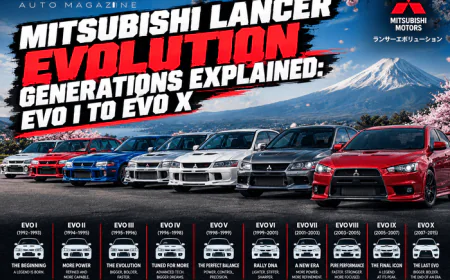
How many Mitsubishi Lancer Evolution generations are there? There are ten, from the Evolution I in 1992 to the Evolution X, which ended in 2015, and each one is a progressive upgrade of a rally-bred, turbocharged, four-wheel-drive Lancer. The first nine used the legendary 4G63 engine, while the Evo X switched to the all-aluminium 4B11. This guide to the Mitsubishi Lancer Evolution generations explains what changed each time and which ones are worth your money.
If you're already comparing specific cars, our Evo 8 vs Evo 9 guide and our Evo vs WRX STI rivalry piece go deeper on the later cars.
Quick Verdict: Which Evo Is Best?
- Evo I to III (1992 to 1996): 4G63 engine. Raw, light, collectable.
- Evo IV (1996): 4G63 engine. First big redesign, AYC.
- Evo V and VI (1998 to 2001): 4G63 engine. Wide arches, peak rally homologation era.
- Evo VII (2001): 4G63 engine. Active Centre Differential.
- Evo VIII (2003): 4G63 engine. Sharper looks and handling.
- Evo IX (2005): 4G63 MIVEC engine. The most refined 4G63.
- Evo X (2007 to 2015): 4B11 engine. Modern, fast, usable.
What Were the Early Evos (Evolution I, II and III)?
The first three Evos were small, light, homologation specials built so Mitsubishi could go rallying, and they're the rawest and rarest of the family. They arrived in the early 1990s with the 4G63 turbo engine and all-wheel drive in a compact Lancer body. Each version gave small updates in power, aero and suspension. They're mostly Japan-only cars, so they're collectable and getting expensive.
What Changed With the Evo IV?
The Evo IV was the first Evo on a new Lancer body, and it added Active Yaw Control to improve cornering. It also rotated the engine to improve packaging. Many people see it as the car that turned the Evo from a rally special into a serious performance saloon, and it's still a great classic today. Read our story on owning a 1996 Evo to see what it's like.
What Are the Evo V and Evo VI?
The Evo V and Evo VI are the wide-bodied rally-era cars, with big arches, stronger brakes and aggressive aero. The Evo VI, including the Tommi Mäkinen Edition, is one of the most desirable cars in the whole line. Official sales in the UK began around this period, which is part of why they're so popular with UK buyers. Prices have risen, so good ones are no longer cheap.
What Was New on the Evo VII?
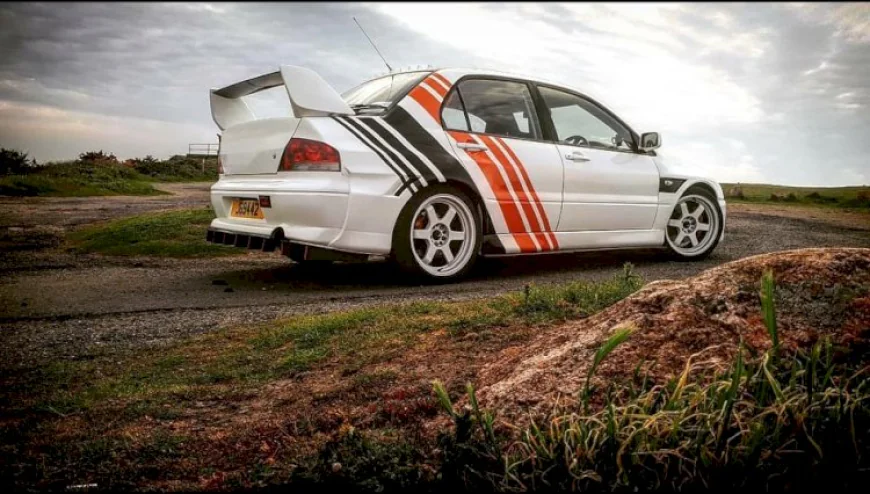
The Evo VII added the Active Centre Differential, which improved traction and made the car more stable and faster out of corners. It also gained a bigger, more refined body and a smoother ride. Many enthusiasts consider it a sweet spot, with the classic feel of the older cars and a bit more polish. See our feature on a fully forged Evo 7.
What Made the Evo VIII Special?
The Evo VIII sharpened the looks and handling, with a more aggressive front end and improved chassis tuning. It brought updates to the AWD system and, later in its life, a six-speed gearbox on some versions. The MR and FQ models are the highlights, and the car remains a favorite for modifying. Check out Scott's Evo 8 MR FQ320.
Is the Evo IX the Best Evo?
Many enthusiasts argue the Evo IX is the best because it added MIVEC variable valve timing to the 4G63 for more response and power. It's the most refined and complete version of the original engine, with strong aftermarket support. If you want the classic Evo experience with the fewest compromises, the IX is hard to beat. Our Evo 8 vs Evo 9 buyer's guide helps you decide between the two.
How Is the Evo X Different?
The Evo X is the biggest change in the family, with a new all-aluminium 4B11 engine, a modern chassis and the option of a twin-clutch gearbox. It's quicker, safer and more comfortable than its predecessors, but some purists miss the old 4G63's character. It's also the cheapest way into a modern Evo, and it has a strong tuning scene. See our 2010 Evo X 1000hp build for how far it can go.
Which Evo Should You Buy?
For most buyers, the Evo IX is the best all-rounder, the Evo VIII is the best value, and the Evo X is the easiest to live with. If you want a classic rally legend, look at a VI Tommi Mäkinen. If you want the cheapest sensible entry, a well-kept VIII is hard to beat. Condition and service history matter more than the badge, and a modified or abused car can cost a fortune to fix. For import advice, see our JDM import guide.
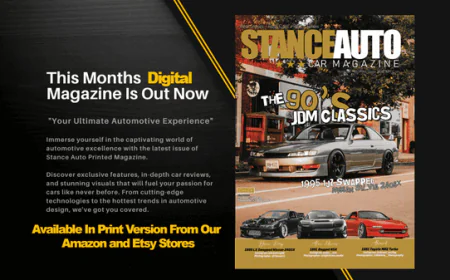
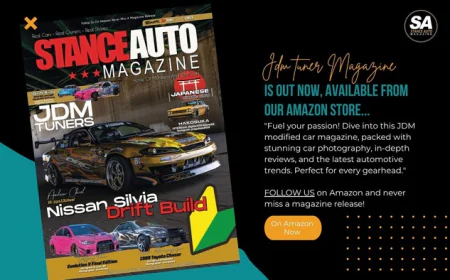
If you love this era, the Stance Auto 90s JDM Classics magazine is our hottest-selling issue, and it features many of the cars that defined the decade. You can find it in our Amazon magazine store. You can also learn more about the brand's history at Mitsubishi Motors.
Want the Full Story Behind the Evo?
If you want the complete history of the Evo, from the first rally homologation special to the last Evo X, we've written a whole book on it. It goes far deeper than a single article can, with the engineering reasons behind each generation, the 4G63 story, buying advice for every model and real owner builds. You can find it on Amazon here.
See It Done: Real Evo Builds
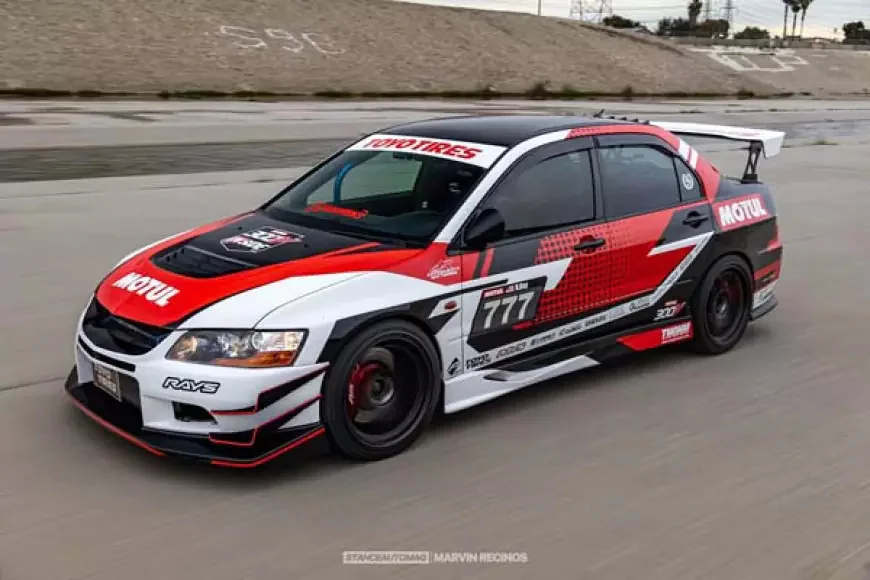
- A 2004 Mitsubishi Lancer Evolution build
- A 2010 Evo X MR Touring build
- An Evo X Final Edition Varis widebody build
So, Which Mitsubishi Lancer Evolution Generation Is Best?
The best of the Mitsubishi Lancer Evolution generations depends on what you want, but the Evo IX is the classic all-round favorite. The early cars are for collectors, the VI Tommi Makinen is the icon, the VIII is the value pick and the X is the modern one. Buy the best-maintained example you can afford and always check for signs of abuse.
Related Reads
- Evo 8 vs Evo 9: which to buy and modify
- Mitsubishi Evo vs Subaru WRX STI
- Subaru Impreza generations explained
- Best JDM cars under £15k
- Best Japanese engines to tune
Want more real builds and honest buying advice? Dive into Stance Auto Magazine.
 Like
0
 Dislike
0
 Love
0
 Funny
0
 Angry
0
 Sad
0
 Wow
0