



















































.png)






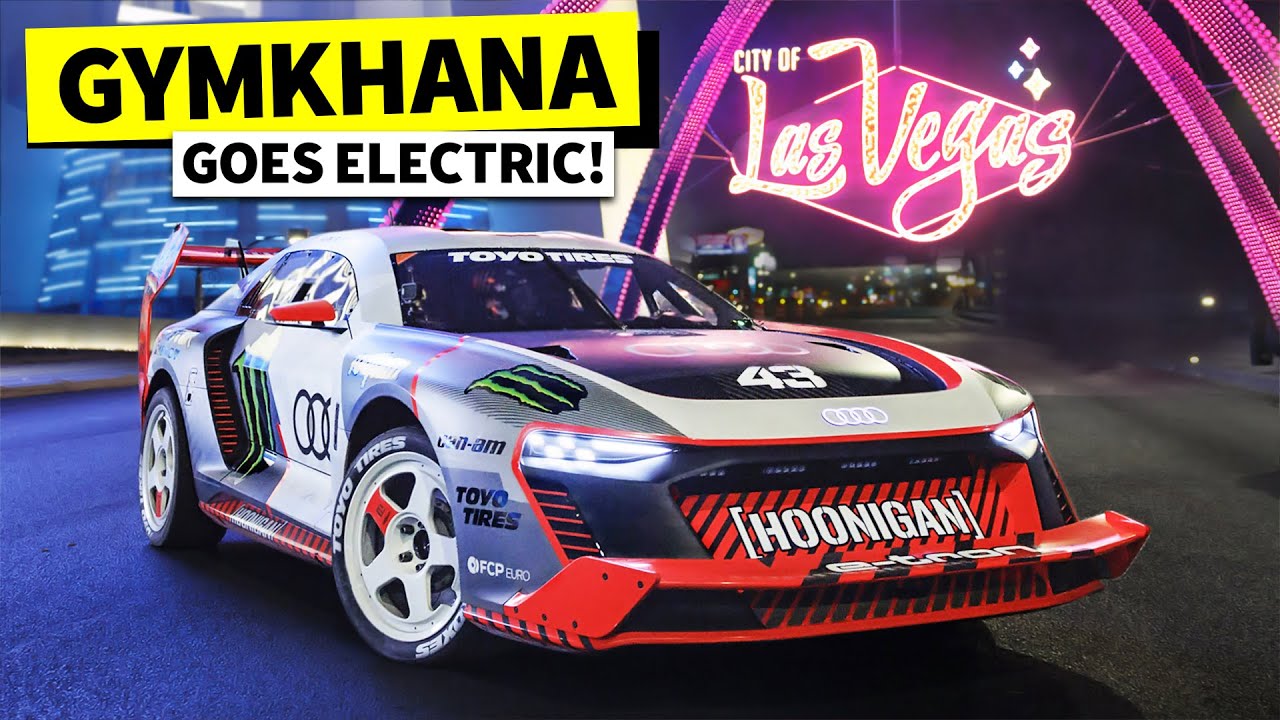
![[HOONIGAN] Ken Block's GYMKHANA NINE](https://img.youtube.com/vi/_bkX5VkZg8U/maxresdefault.jpg)
















































![[HOONIGAN] KEN BLOCK'S GYMKHANA SEVEN: WILD IN THE STREETS OF LOS ANGELES](https://cdn.motor1.com/images/mgl/2KlO4/s1/ken-block-london-tour-directors-cut.jpg)































Mitsubishi Evo vs Subaru WRX STI: The Ultimate Rivalry
Evo vs STI: we compare Mitsubishi's Lancer Evolution and Subaru's WRX STI on power, AWD system, reliability and value in JDM's biggest rivalry.
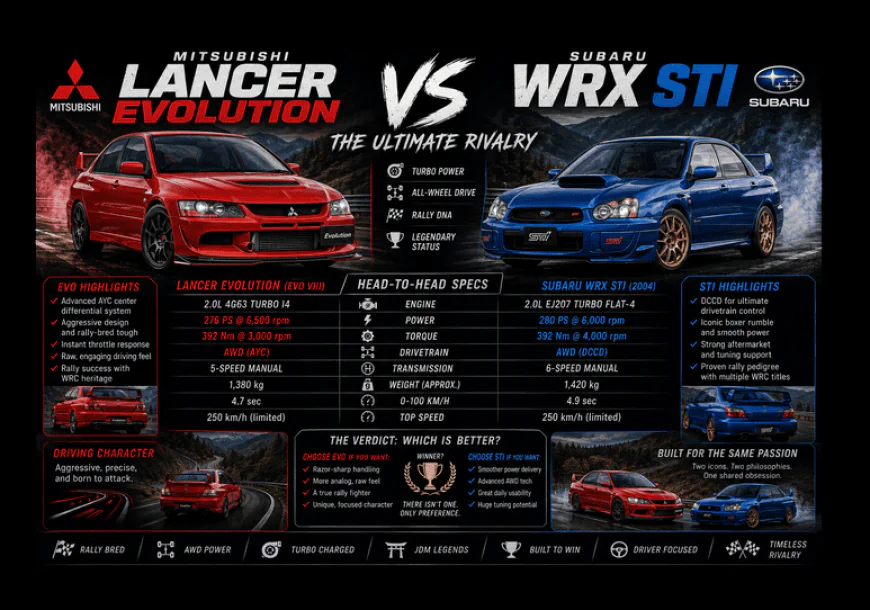
Mitsubishi Evo vs Subaru WRX STI
No JDM rivalry runs deeper or gets more heated than Evo vs STI. Born out of real Group A and WRC rallying battles between Mitsubishi and Subaru through the 1990s and 2000s, this argument has outlived both cars' original production runs and still splits enthusiast forums right down the middle today.
Where the Rivalry Actually Comes From
Both the Lancer Evolution and the Impreza WRX STI exist because of homologation rules, road-going versions built specifically to allow Mitsubishi and Subaru to compete in World Rally Championship and Group A racing. That shared motorsport origin is exactly why both ended up as turbocharged, all-wheel-drive four-doors with a level of engineering ambition wildly disproportionate to their humble saloon-car starting points, and why the on-track rivalry translated so directly into a road-car rivalry that fans have kept alive ever since.
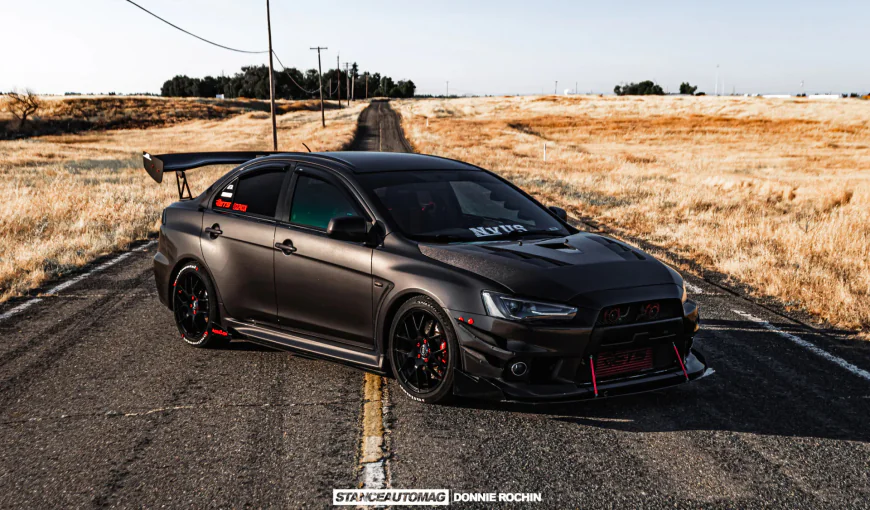
AWD System: Where the Real Technical Difference Lives
This is genuinely where the two cars differ most, and it's the detail serious enthusiasts actually argue about rather than just headline power figures. The Evo's AWD system, particularly with Active Yaw Control (AYC) on higher trims, actively distributes torque to sharpen turn-in and rotate the car through a corner, giving it a noticeably more eager, tuck-in character that rewards aggressive driving. The Subaru's symmetrical AWD system is generally viewed as more planted and predictable, prioritising stability and traction over the Evo's more actively rotational character. Neither approach is objectively better, they represent genuinely different engineering philosophies, and which you prefer usually comes down to whether you want a car that helps rotate for you or one that simply puts power down with total confidence.
Power and Performance Compared
Across their respective generations, power figures traded the lead back and forth between the two manufacturers as each responded to the other's latest release, making direct comparisons generation-dependent rather than a simple universal answer. Broadly, both delivered comparable real-world performance throughout their overlapping production years, with the actual driving experience differing more through chassis character and AWD behaviour than through any consistent, meaningful power advantage for either side.
Reliability: The Uncomfortable Truth for Both
Neither car has a spotless reliability reputation, and pretending otherwise does a disservice to anyone shopping seriously. Evo 4Gs and 4G6x engines are known for ringland failure under sustained high boost, a well-documented weak point that responsible tuners account for. Subaru's EJ-series engines carry their own well-known concerns, particularly around head gaskets and, on certain generations, ringland issues under aggressive tuning as well. Buying either car well-maintained with a documented service history matters far more than which badge is on the boot, a neglected example of either will cause problems, and a well cared for example of either will generally serve you well.
Evo Pros and Cons
- Pros: Sharper, more rotational AWD character, strong motorsport pedigree, active torque vectoring on higher trims
- Cons: Known ringland weakness under high boost, production ended earlier than STI's continued run
STI Pros and Cons
- Pros: More planted, confidence-inspiring AWD feel, longer continuous production run, strong aftermarket support
- Cons: EJ-series head gasket concerns, own ringland issues under aggressive tuning
Value and Running Costs
Both have seen real appreciation as genuinely special, homologation-bred performance cars have become harder to find in unmolested condition, and prices for clean, low-mileage examples of either have climbed meaningfully in recent years. Running costs sit in similar territory too, insurance, fuel economy and maintenance are broadly comparable between equivalent-generation Evos and STIs, meaning the choice rarely comes down to which is cheaper to actually own day to day.
Which Generations Should You Actually Shop For?
Not every generation of either car carries the same reputation, and this matters more than the broad Evo-vs-STI debate for anyone actually shopping right now. Among Evo generations, the Evo VI and Evo IX are particularly well regarded by enthusiasts for hitting a strong balance of tunability and factory refinement, while later Evo X models moved to a different platform and drivetrain philosophy that split opinion among longtime fans. On the Subaru side, early bugeye and hawkeye-generation STIs remain popular for their raw, less electronically-assisted character, while later generations added more refinement and stability control at the cost of some of that rawer feel purists prize.
Modifying an Evo vs Modifying an STI
Both platforms have deep aftermarket support, including well-known suspension specialists like Whiteline, built up over decades of dedicated tuning culture, but the specific character of each shows through even after modification. Evo builds tend to lean into the AYC system's rotational tendencies, with suspension and diff tuning aimed at sharpening that already-eager turn-in further. STI builds more commonly focus on maximising traction and power delivery through the symmetrical AWD system's inherent stability, playing to the platform's existing strengths rather than fighting its character.
So, Which One Should You Actually Buy?
If you want a car that feels like it's actively helping you rotate through a corner, and you're prepared to respect the ringland limitations under hard tuning, the Evo is the more engaging, more motorsport-flavoured choice. If you want total AWD confidence and a slightly more forgiving, planted character, the STI is the more approachable of the two without sacrificing serious performance. Honestly, the "right" answer to Evo vs STI has always been more about which philosophy suits your driving style than either car being definitively superior, which is exactly why this rivalry has never actually been settled.
See a Genuine STI Build
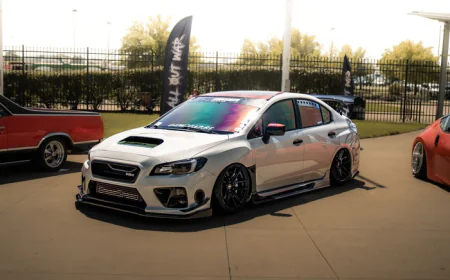
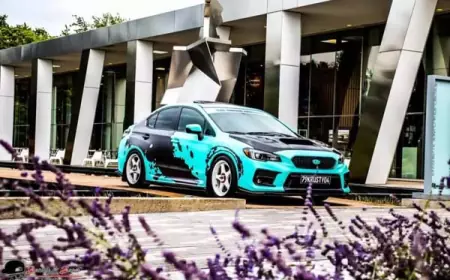
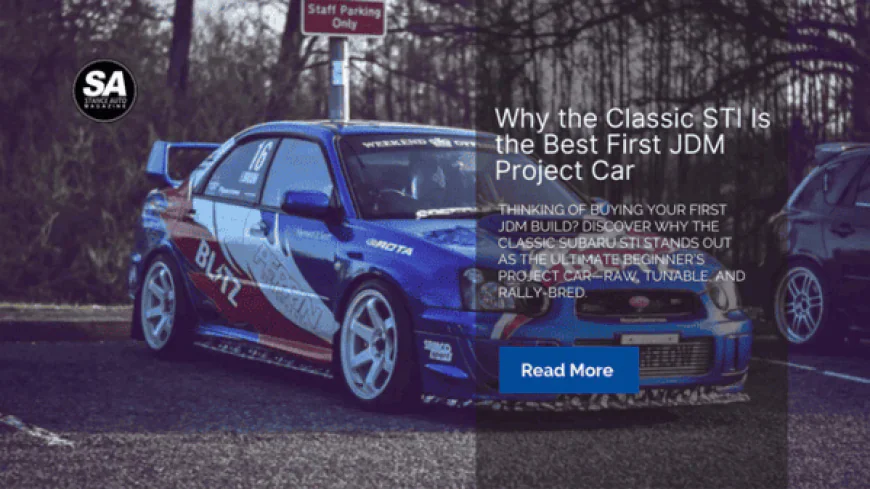
Rory Mcewing's Hawkeye STI on air suspension, running SSR SP1 wheels and a properly clean stance-driven evolution, is worth a look if you want to see the STI side of this rivalry built with real intent rather than just spec-sheet bragging rights. We've also gone deeper on the WRX-specific side of the Subaru range in our WRX vs STI modification comparison, and on the Mitsubishi side in our Evo 8 vs 9 buyer's guide.
For more JDM comparisons and buyer's guides, and everything else modified car culture, head back over to Stance Auto Mag. You can also grab the latest print issue through our Amazon magazine store.
 Like
0
Like
0
 Dislike
0
Dislike
0
 Love
0
Love
0
 Funny
0
Funny
0
 Angry
0
Angry
0
 Sad
0
Sad
0
 Wow
0
Wow
0