














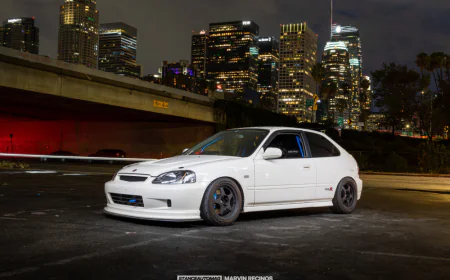
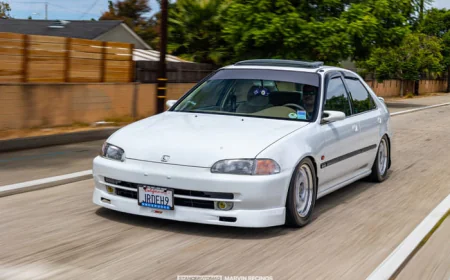
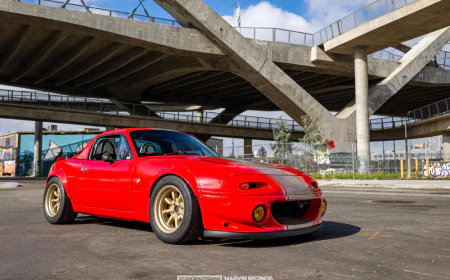
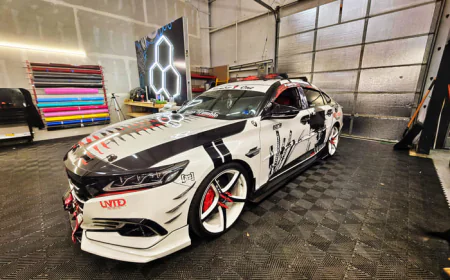













.png)




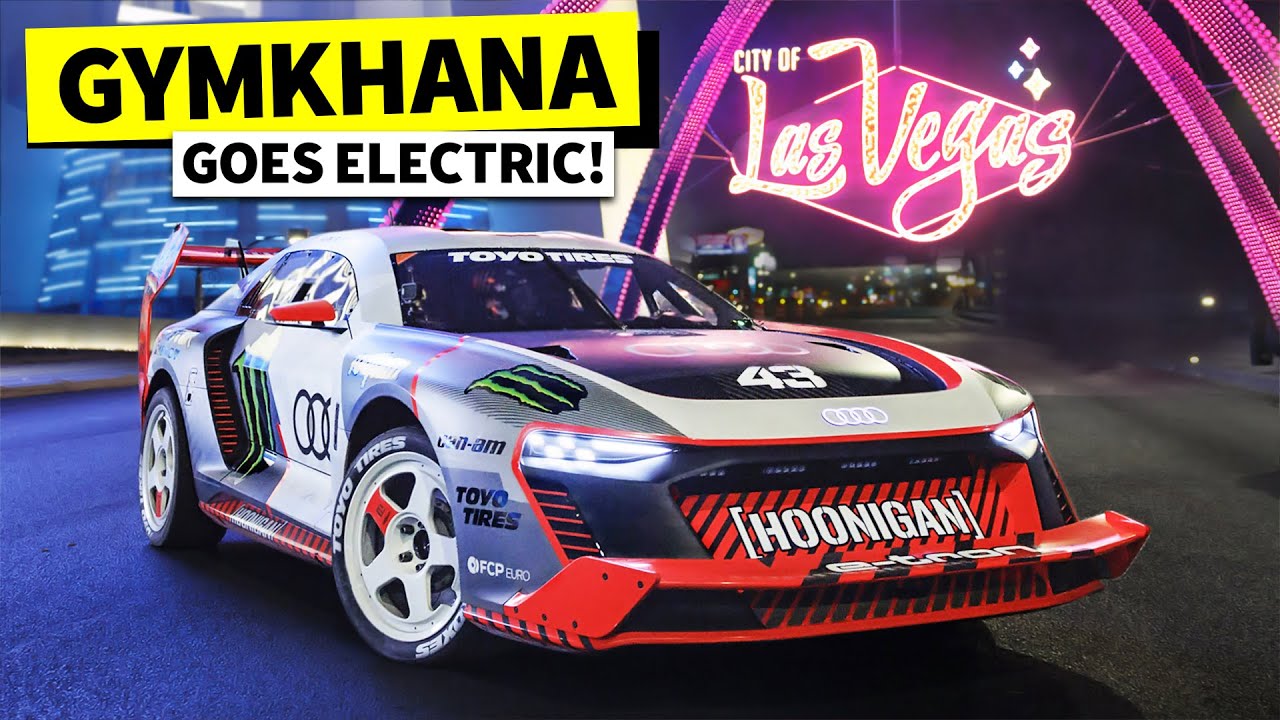
![[HOONIGAN] Ken Block's GYMKHANA NINE](https://img.youtube.com/vi/_bkX5VkZg8U/maxresdefault.jpg)































![[HOONIGAN] KEN BLOCK'S GYMKHANA SEVEN: WILD IN THE STREETS OF LOS ANGELES](https://cdn.motor1.com/images/mgl/2KlO4/s1/ken-block-london-tour-directors-cut.jpg)



























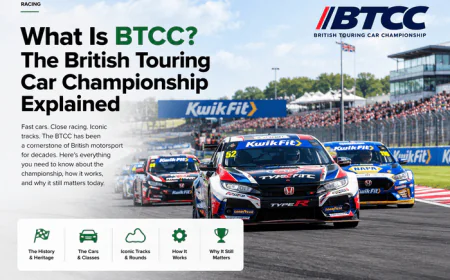
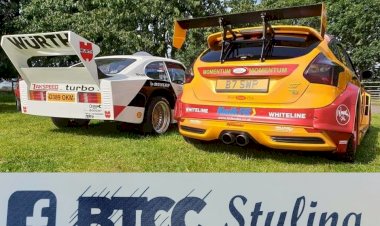
What Is BTCC? The British Touring Car Championship Explained
BTCC is the UK's longest-running tin-top race series, famous for door-to-door contact racing - here's what it actually is and why car culture loves it.
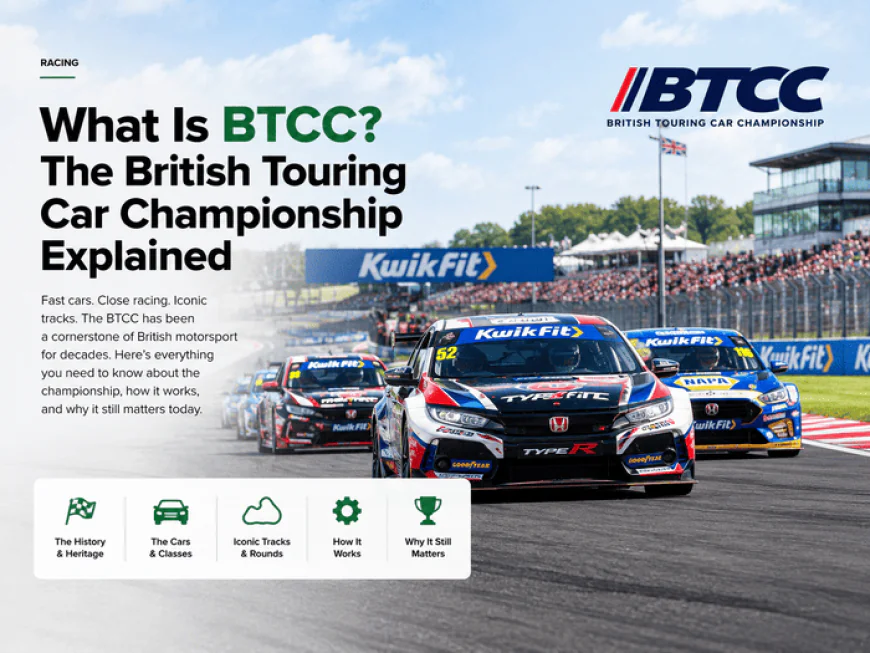
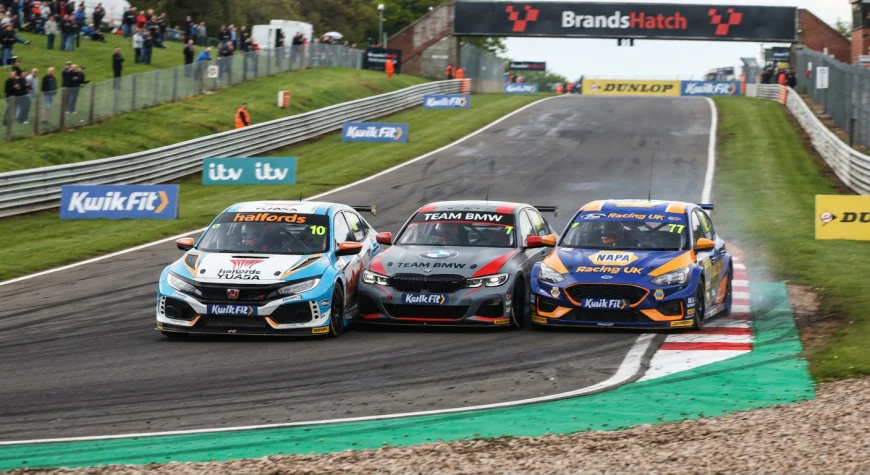
What exactly is BTCC, and why does a race series built around modified saloon cars consistently produce more wheel-to-wheel action than most single-seater championships combined? BTCC — the British Touring Car Championship — is the UK's premier domestic circuit racing series, built around production-derived saloon and hatchback cars and running continuously since 1958. It's one of the longest-established domestic race series in the world, and it's earned a reputation for producing genuinely unpredictable, contact-heavy racing that pulls in car culture audiences who'd never normally watch motorsport.
BTCC at a Glance
- Running since 1958, making it older than most international racing series
- Based around production-derived saloons and hatchbacks — cars you'd recognise from a dealer forecourt
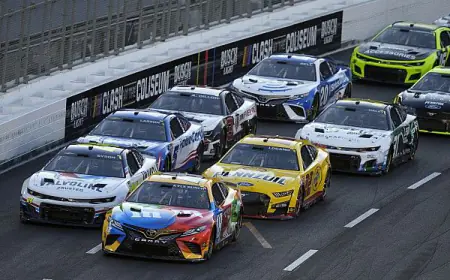
- Famous for close, door-to-door racing with more overtaking passes per race than almost any other series
- Uses a reversed-grid format for race two that creates genuine unpredictability throughout each round
- Multiple manufacturers field full factory-backed or manufacturer-supported teams each season
- Most rounds broadcast free-to-air on ITV — one of the most accessible premium motorsport broadcasts in the UK
What Kind of Cars Actually Race in BTCC?
BTCC cars start life as road-going production vehicles — you'll see Hyundais, BMWs, Toyotas, Vauxhalls, Hondas on the grid in any given season, wearing recognisable production bodywork over a highly regulated race car underneath. The technical rules are designed to produce near-parity between cars regardless of manufacturer, which means the result is decided by driver skill and team strategy far more than raw budget. That parity is the entire foundation of why BTCC racing is as close as it consistently is.
How Does the Championship Format Work?
Each race weekend runs three separate races at the same circuit. Race one starts from a qualifying-order grid. Race two uses a reversed grid for the top ten championship runners — the championship leader starts from tenth position, meaning the fastest drivers in the series are fighting through traffic from the moment the lights go out. Race three takes the finishing order from race two as its starting grid, rewarding consistent performance across the whole weekend. The reversed grid is genuinely controversial — plenty of purists hate it — but it creates the kind of midfield battles and dive-bomb overtakes that fill every BTCC highlight reel.
Why Is BTCC Famous for Overtaking?
Three things combine to make it consistently one of the most entertaining series to watch live. Closely matched cars mean nobody can simply drive away from the field, so races stay genuinely contested throughout. The reversed grid ensures the fastest cars spend at least one race fighting through traffic, creating situations where a championship contender has to pass five or six cars in ten laps. And the circuits on the calendar — Brands Hatch Indy, Knockhill, Thruxton — are tight and technical, where mechanical grip and driver bravery matter more than aerodynamic efficiency. Rubbing is also more visible and more accepted in BTCC than in most series, which adds a physical dimension to battles that you simply don't get elsewhere.
How Does BTCC Connect to Modified Car Culture?
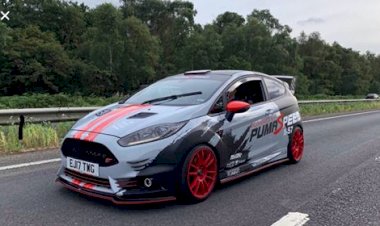
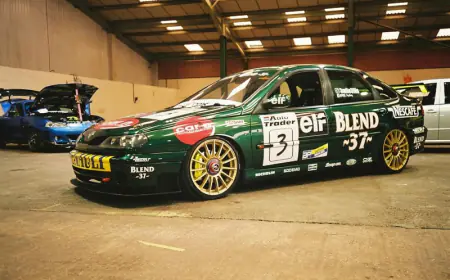
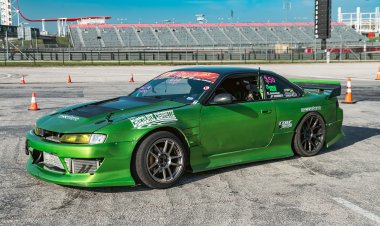
More directly than most people outside the UK scene realise. Many of the platforms that became popular modified car bases — Honda Civic, BMW 3 Series, Toyota Corolla, Vauxhall Astra — carry BTCC heritage that runs through the wider culture even when the connection isn't made explicitly. The series' whole philosophy, taking recognisable road cars and extracting maximum performance within strict technical rules — is a different expression of exactly the same instinct that drives the modified car scene. And the 1990s Super Touring era in particular, when Honda, Renault, Ford, Vauxhall and others all ran fully factory-backed programmes, produced some of the closest racing and most iconic liveries in British motorsport history.
Can You Actually Go and Watch?
Yes, and it's one of the most accessible forms of live motorsport in the country. BTCC rounds take place across most of the major UK circuits with generally affordable general admission pricing, pit lane walk access between sessions, and an atmosphere that's genuinely family-friendly without feeling sanitised. Most rounds are also fully live on ITV and ITVX, which means if you've never watched a round before, it costs you nothing to find out what the fuss is about.
The 1990s Super Touring Era: Why Old-School Fans Get Nostalgic
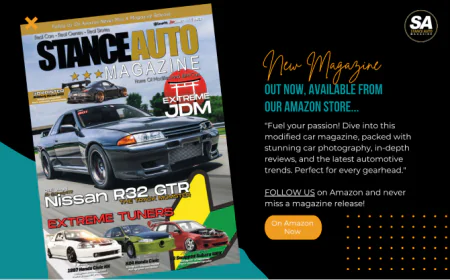
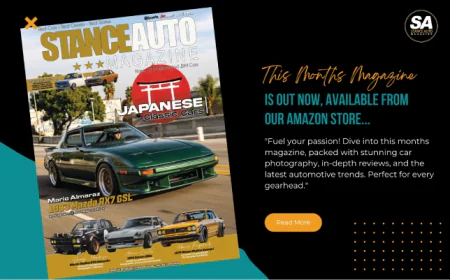
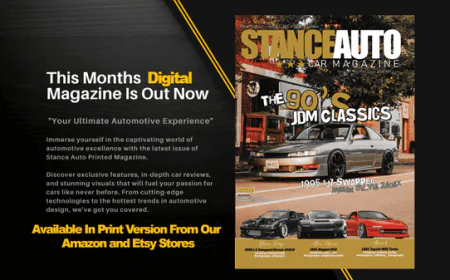
The 1990s is when BTCC became genuinely world-class. Full works programmes from multiple manufacturers, cars producing around 290bhp from 2.0-litre naturally aspirated engines, razor-thin championship margins, and some of the most aggressive driving seen in any series produced a period that many fans still regard as the championship's peak. The cars from that era — Renault Laguna, Honda Accord, Vauxhall Cavalier, Nissan Primera — have become cult objects in their own right, referenced in the same breath as the JDM icons that were being built in Japan during exactly the same period. If the cultural crossover between touring car racing and Japanese car culture from the 1990s is your thing, our Stance Auto 90s JDM Classics magazine covers the era from the Japanese side — it's the best-selling issue in our store and the most popular JDM magazine on Amazon right now.
Related Reads
- What Is Touge? The Mountain Pass Culture Explained
- Hashiriya Explained: The Street Racing Culture of Japan
- What Is Tokyo Auto Salon? The World's Biggest JDM Tuning Show
- USDM, JDM, EDM, ADM: What Does It Mean?
For more motorsport and modified car culture, head back over to Stance Auto Mag
 Like
0
Like
0
 Dislike
0
Dislike
0
 Love
0
Love
0
 Funny
0
Funny
0
 Angry
0
Angry
0
 Sad
0
Sad
0
 Wow
0
Wow
0