





















.png)



![[HOONIGAN] Ken Block's GYMKHANA NINE](https://img.youtube.com/vi/_bkX5VkZg8U/maxresdefault.jpg)

































![[HOONIGAN] KEN BLOCK'S GYMKHANA SEVEN: WILD IN THE STREETS OF LOS ANGELES](https://cdn.motor1.com/images/mgl/2KlO4/s1/ken-block-london-tour-directors-cut.jpg)
























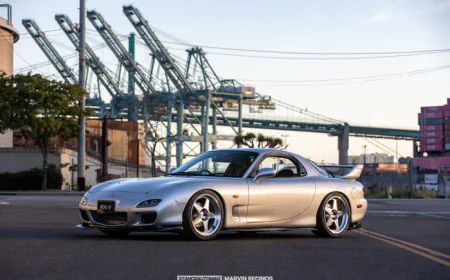
1995 Mazda RX-7 FD Efini: A Period-Correct JDM Build From UncommonXcollective
A 1995 Mazda RX-7 FD Efini built to stay true to the factory twin-turbo 13B-REW, with 99-spec styling, Regamasters and a Haltech Elite 2500 setup.

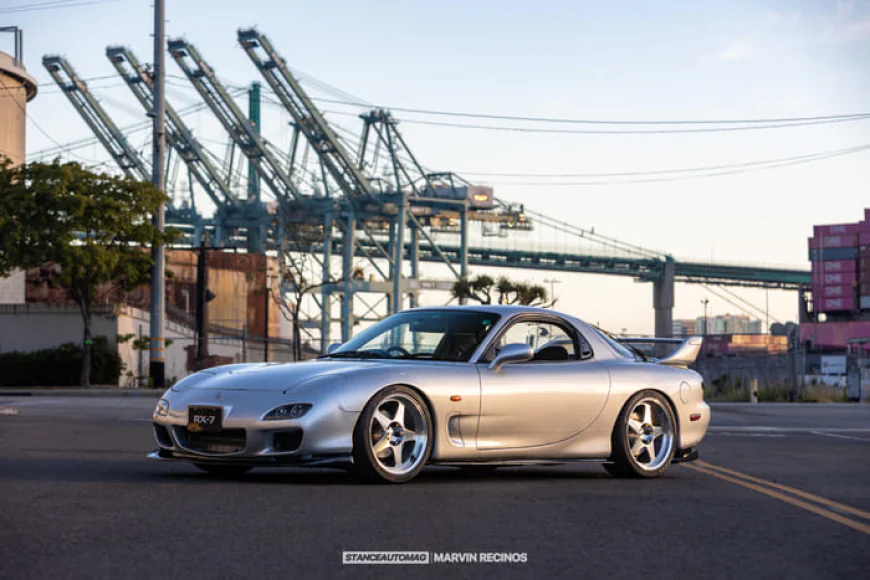
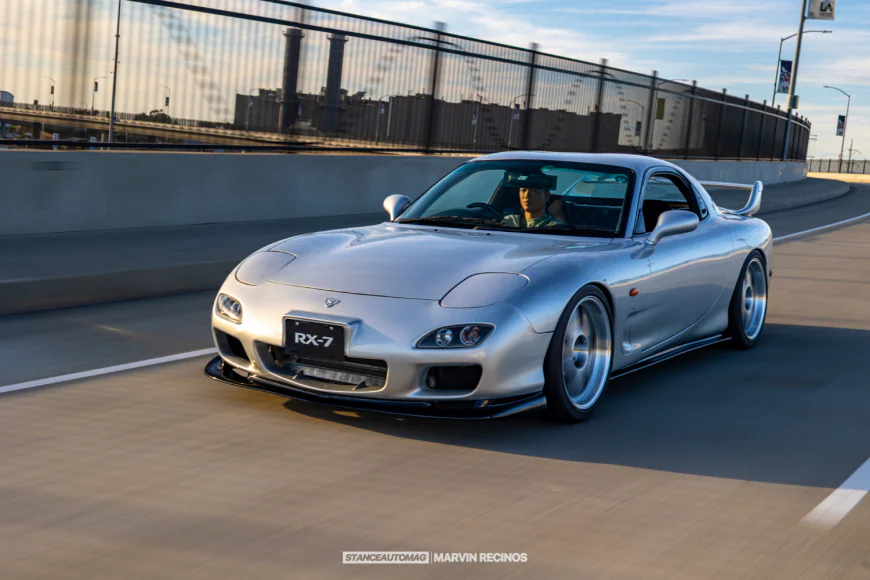
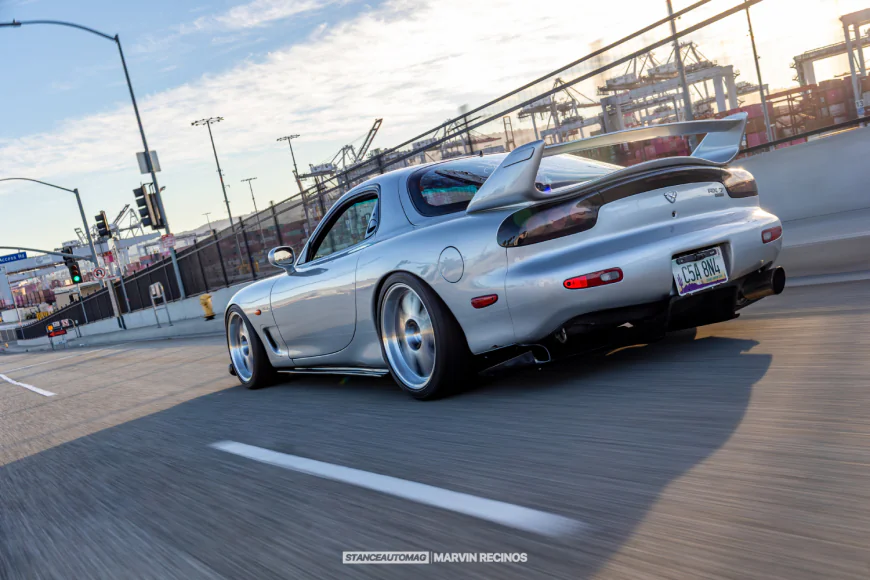
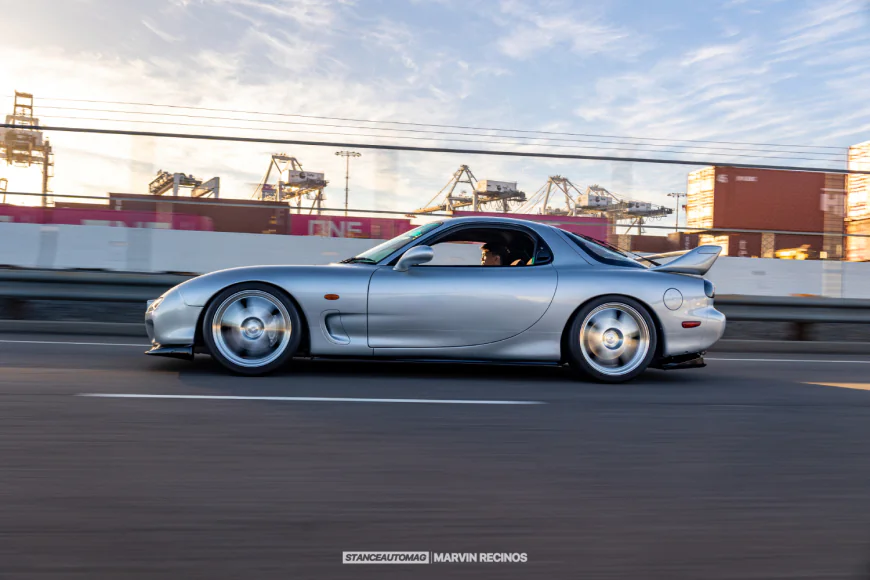
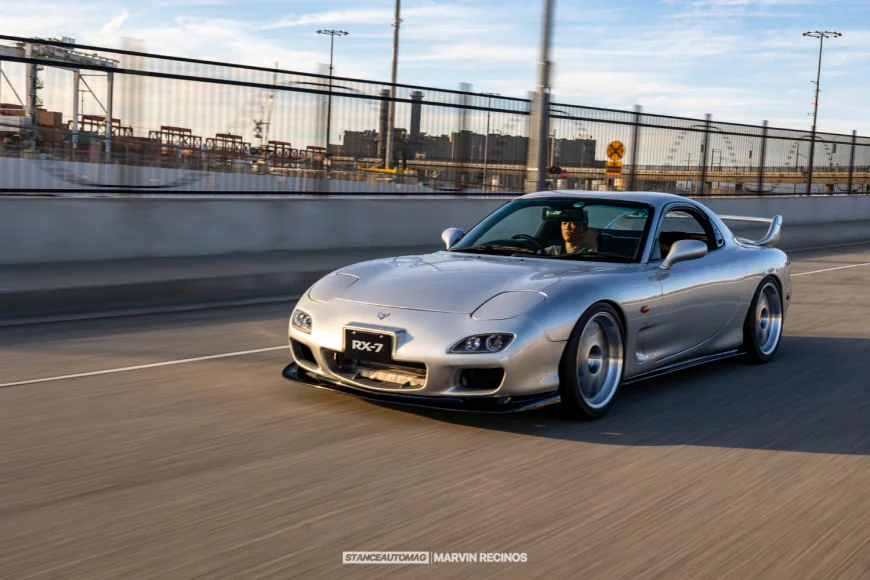
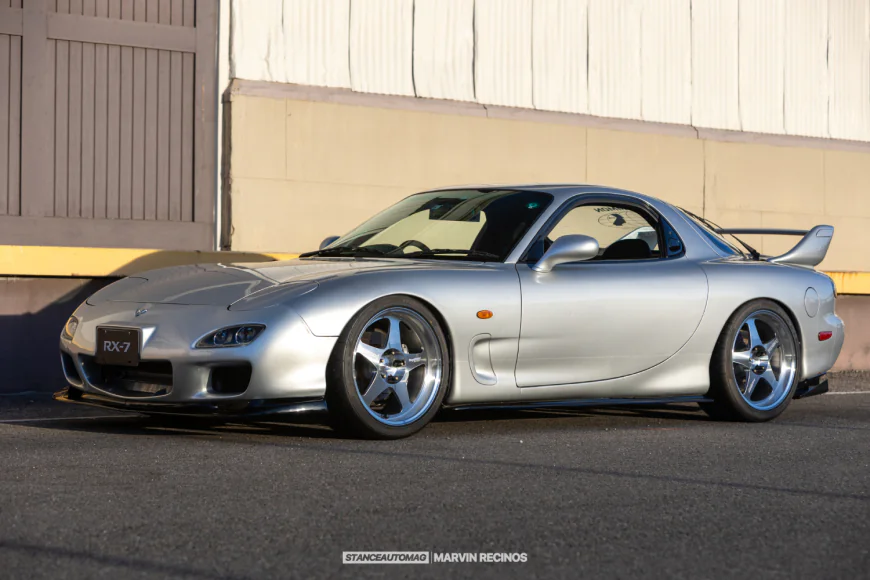
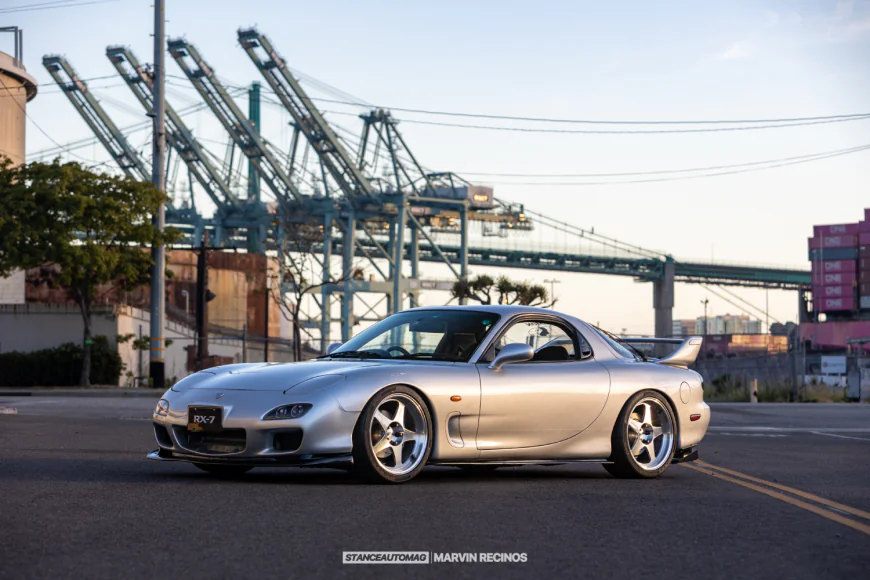
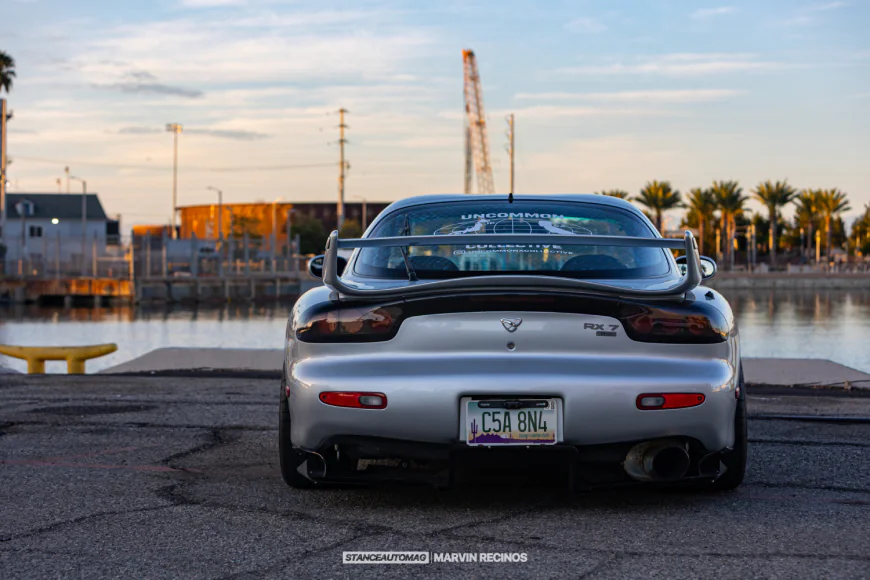
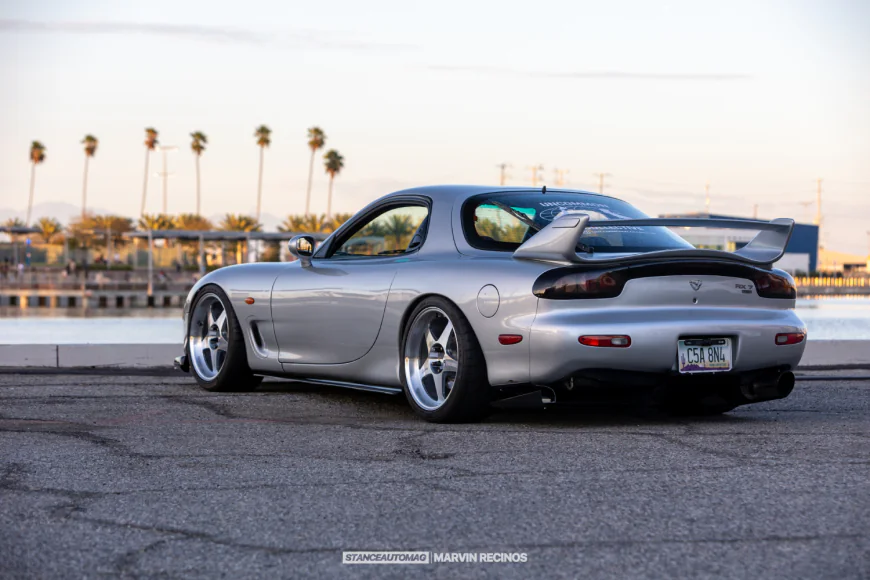
1995 Mazda RX-7 FD Efini - Chris Pech - Instagram: @UncommonXcollective
Photographer: Marvin Recinos - Instagram: @mr2mivin
A 1995 Mazda RX-7 FD is one of those cars that doesn't need much introduction if you grew up on Japanese car culture — and for Chris Pech, owner of UncommonXcollective in Orange County, California, this one has been a dream car since he first saw an FD on screen in The Fast and the Furious. There was something about the shape of the FD that stuck with him immediately, and he knew eventually he'd own one.
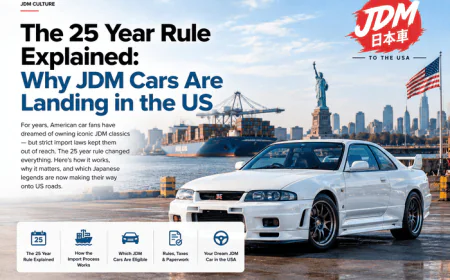
I'm Chris, I'm 30, and cars have genuinely been a part of my life for as long as I can remember. I run UncommonXcollective, where we specialise in importing vehicles from Japan that qualify under the US 25-year import rule — a law we've covered in detail if you want to understand exactly how it works and why it matters so much to builds like this one.
How a Kid With a Flashlight Became an Importer
My interest in cars started young — the usual toy-car-obsessed-kid stuff, except that interest never really faded the way it does for most people. As I got older I started watching anything car-related I could get my hands on. Initial D and other automotive shows and movies introduced me to a whole side of Japanese car culture I didn't know existed yet, and it stuck.
The biggest influence, though, was my dad. He had a Honda Civic EK hatchback and did his own maintenance on it, and I was always around while he worked — which at that age mostly meant being told to hold the flashlight steady. Looking back, those moments shaped more than I realised at the time. Being around him while he worked on that Civic made cars feel like more than transportation. I started appreciating the mechanical side of things, and the experience of working on something yourself. Between that, the toy cars, and growing up watching Japanese car culture play out on screen, cars became a genuinely huge part of my life.
My first car in high school was a 1999 BMW 528i, and like a lot of young enthusiasts, I immediately wanted to make it my own — slammed it to the ground, put it on three-piece wheels. That car was really the start of me expressing myself through what I drove. From there I moved to a 1989 Toyota MK3 Supra Turbo with a five-speed manual, which is what made me fall in love with turbocharged cars in the first place. I've owned a wide spread since then, from a roughly 200 HP Honda Integra to a 500 HP Lexus SC300, but my appreciation for Japanese cars kept growing the whole time. That path eventually led me to the RX-7, and it's also a big part of why I started UncommonXcollective.
Why the Rotary Almost Held Me Back
The one thing that kept me from buying an FD for a long time was the rotary engine itself. The 13B-REW has a reputation that makes people nervous — you hear all the stories about rebuilds and reliability, and it's enough to make anyone think twice. I knew that if I bought one, I wanted to be financially prepared to actually take care of it properly, not just own it and hope for the best. Once I reached a point where I could comfortably afford the car and had money set aside for a potential rebuild down the line, I started seriously searching.
I looked everywhere until I found the right example. I wanted something clean that I could build around, rather than starting with a car someone had already heavily modified before me.
Keeping the FD's Factory Twin-Turbo Setup
The direction of this build has always been to keep the FD's timeless appearance while improving it with period-correct Japanese styling and genuinely functional upgrades — not modifying the car just to add parts for the sake of it.
Engine & Management
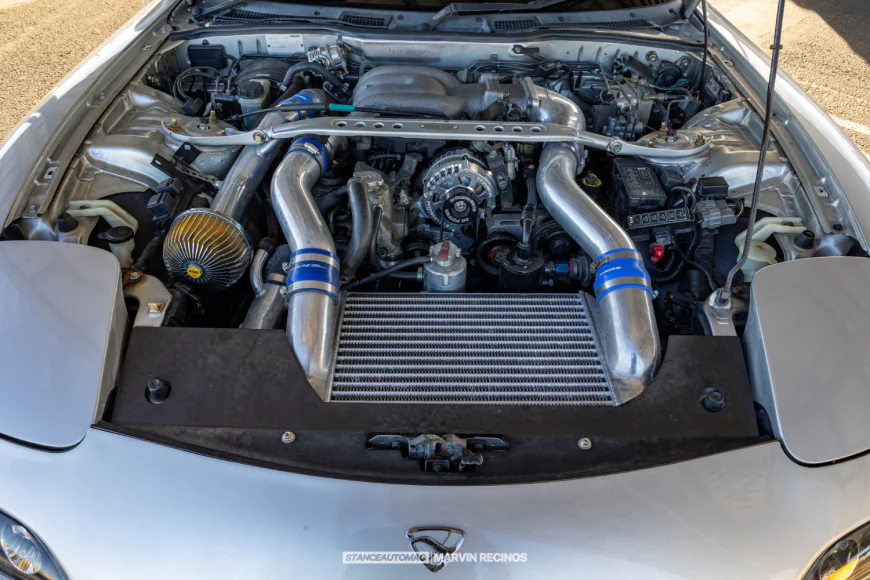
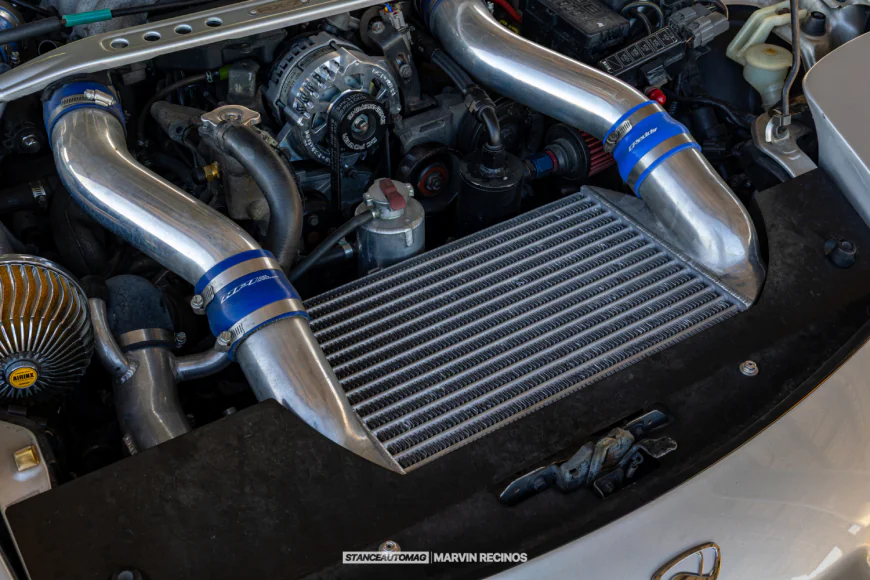
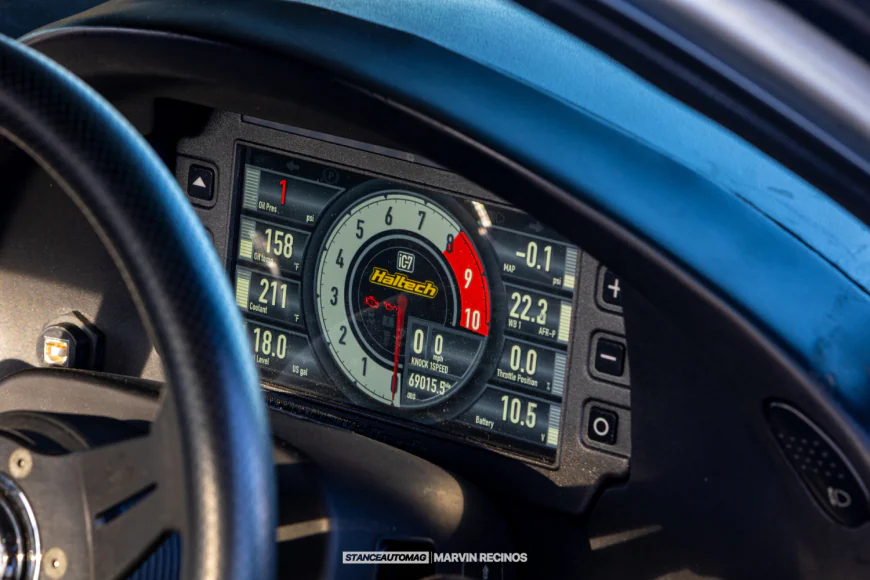
- Factory 13B-REW twin-turbo rotary, kept internally stock with supporting bolt-ons
- Haltech Elite 2500 ECU with IC-7 display
- GReddy V-mount intercooler
- GReddy dual intake
- Dual Setrab oil coolers
- DC Power alternator
- Blitz blow-off valve
I've intentionally kept the factory twin-turbo setup for now, and honestly, the longer I've owned and driven the car with the factory sequential twins, the more I've grown to appreciate it exactly how it is. The car doesn't need huge horsepower numbers for me to enjoy it. The Haltech Elite 2500 and supporting bolt-ons are there to keep the stock setup running right, not to chase a number.
The Look: Silver, Diamond-Cut Regamasters, and 99-Spec Styling
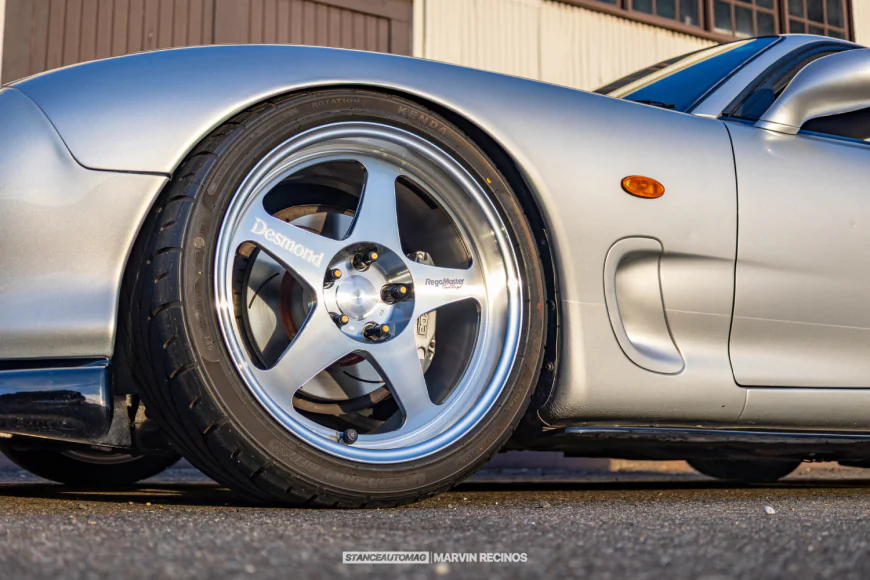
The car is finished in factory silver and sits on 18x9.5 +30 factory diamond-cut Regamaster wheels over BC Racing coilovers — a combination that gives it a clean, almost OEM-plus look before you even get to the body pieces.
Suspension & Wheels
- 18x9.5 +30 factory diamond-cut Regamaster wheels
- BC Racing coilovers
Exterior
- Facelift 99-spec front bumper and lip
- FEED side skirts
- RE Amemiya rear diffuser
- Mazdaspeed rear wing
There are a lot of modified FDs out there, so rather than trying to completely reinvent the car, I wanted to build one that still respects what made the FD look so good from the factory. The diamond-cut finish on the Regamasters against the silver paint gives it that clean, almost OEM-plus appearance, while the FEED side skirts, RE Amemiya diffuser, Mazdaspeed wing, lowered ride height and 99-spec front end give it enough presence to stand out immediately to anyone who actually knows these cars.
Is Keeping an FD Mostly Stock Actually the Right Call?
With a car like the FD, there's a real temptation to chase big single-turbo power the moment you own one — but keeping the factory sequential twin-turbo setup isn't a compromise, it's a build philosophy. The factory twins are a huge part of what gives the FD its personality, and a car this balanced doesn't need enormous horsepower to be genuinely rewarding to drive. Supporting mods like a stand-alone ECU and better cooling let the stock architecture run reliably and consistently, without changing what made the car special in the first place.
The Interior
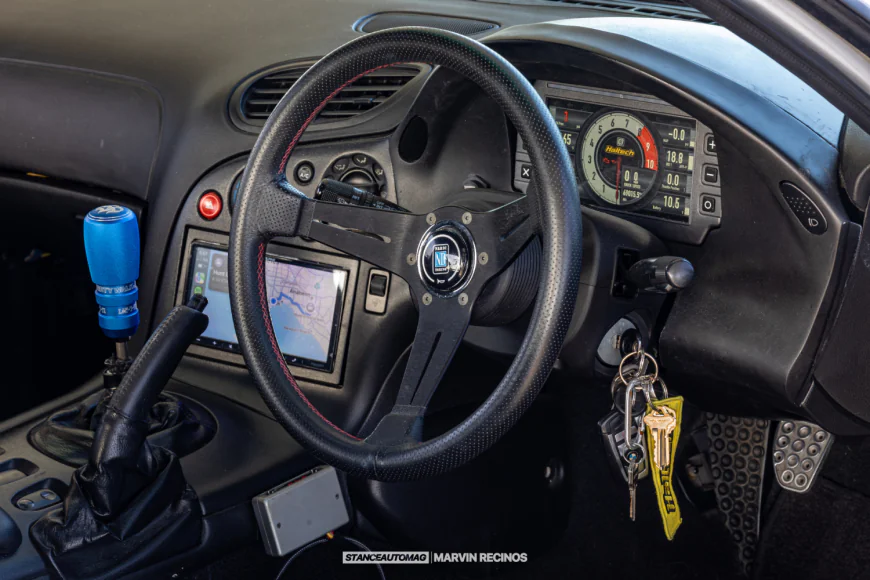
Inside, things are kept relatively simple: a Nardi steering wheel and a Liberty Walk shift knob. I never wanted to modify the car just for the sake of adding parts — everything has been chosen to fit the overall look and driving experience I wanted.
Interior
- Nardi steering wheel
- Liberty Walk shift knob
Who Actually Built It
When it comes to anything involving the rotary engine, I trust @garagerx_neptunespeed and @luckysevenracing — they're the only people I let touch anything engine-related on this car. With a rotary, having people you genuinely trust, who understand these engines inside and out, matters more than with almost any other platform.
For most of the rest of the work, I like doing it myself whenever I can. Working on my own cars has always been part of the experience for me, going all the way back to being a kid helping my dad with his Civic. There's something satisfying about installing a part yourself and watching the car change over time because of work you put in with your own hands.
What's Next for This FD
I actually already have a complete single-turbo kit and the supporting mods ready to go, originally planned to push the car toward 450–500 HP. But the longer I've driven it on the factory twins, the more I've come around to leaving it exactly as it is for now. Eventually, when I'm ready to make the switch, I'll install the single-turbo setup and aim for that 450–500 HP range while keeping the car usable and enjoyable — but there's no rush.
More than anything, my plan is simply to keep this car. Owning an FD was one of my childhood dreams, and now that I have one, I don't see myself letting it go. I want to keep refining the build over time rather than ever calling it finished.
Why This Build Matters
Out of every car I've owned — from a roughly 200 HP Integra to a 500 HP SC300 — the FD is hands down the best driver's car I've had. It isn't the fastest car I've owned, and that's actually part of why I appreciate it so much. The seating position, lightweight chassis, manual gearbox, rotary engine and twin turbos all work together to give it a personality that's genuinely difficult to replicate. The FD is becoming a car you just don't see very often anymore, especially a clean one, and I love the reactions it gets — I've had some of my best conversations with other enthusiasts purely because they saw the car and wanted to talk about it. That's one of my favourite parts of car culture.
If you're into clean, period-correct rotary builds, our feature on an LS-swapped 1988 Mazda RX-7 FC drift build is worth a look for a very different take on the same badge. And if you're curious how cars like this FD get into the US legally in the first place, our breakdown of the 25-year import rule covers exactly that.
My own next dream car goal is a Porsche or a Ferrari — I haven't narrowed it down to one specific model yet, but owning something from either brand would be the next big one for me.
For more build inspiration and JDM import reading, check out the Mag store on Amazon.
 Like
0
Like
0
 Dislike
0
Dislike
0
 Love
0
Love
0
 Funny
0
Funny
0
 Angry
0
Angry
0
 Sad
0
Sad
0
 Wow
0
Wow
0