



































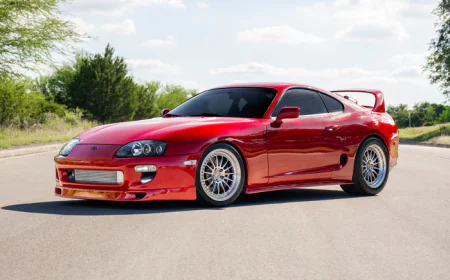
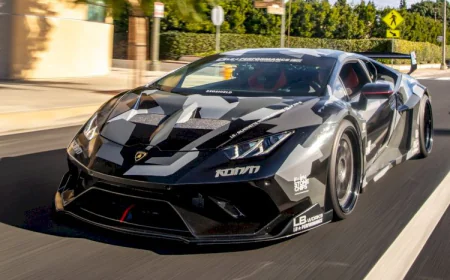
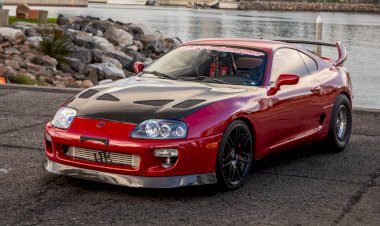
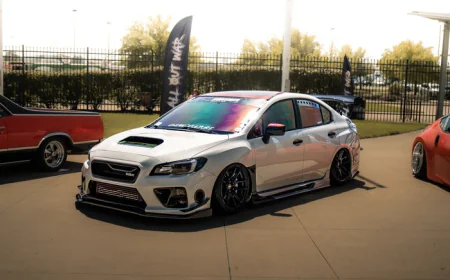















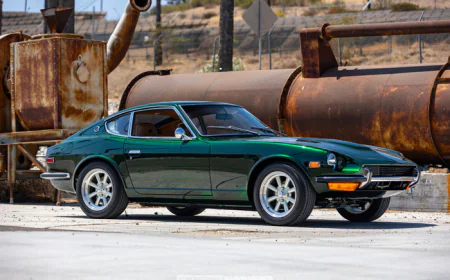
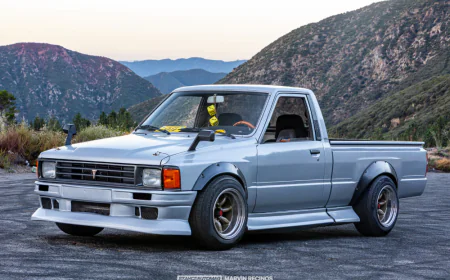
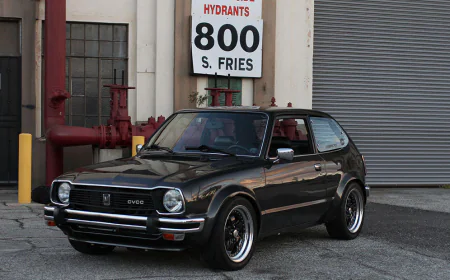
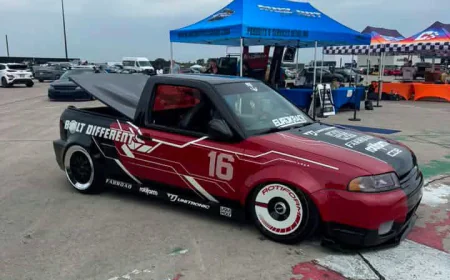
































































































































The 25 Year Rule Explained: Why JDM Cars Are Landing in the US
The 25 year rule explained: how US import law lets JDM cars in once they turn 25, what the EPA 21 year rule adds and what to check first.
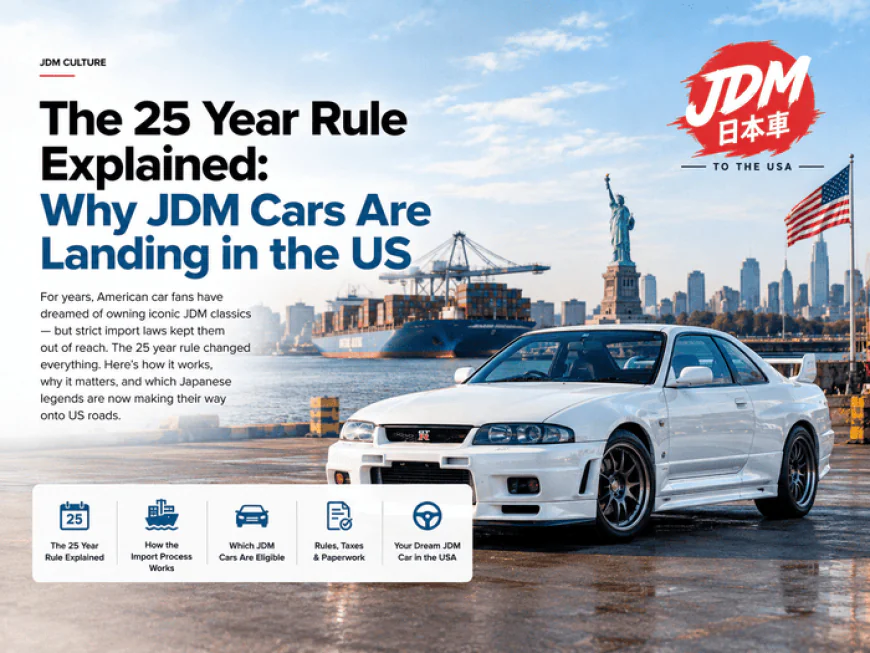
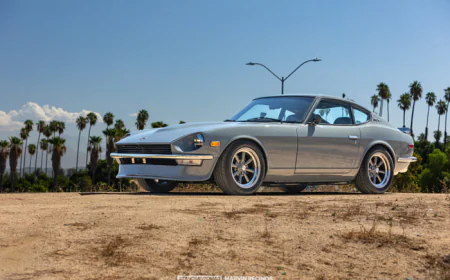
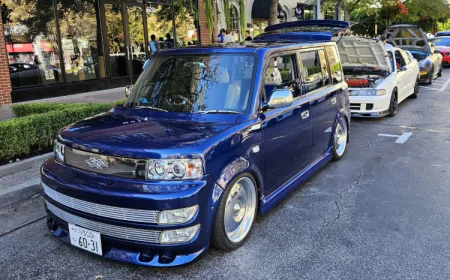
Every year a new batch of Japanese legends becomes legal to own in America, and the headlines all say the same thing: the 25 year rule. If you have ever wondered why you could not buy a Skyline GT-R new in the US, or why so many people suddenly started importing nineties cars, this is the reason. This guide explains how the 25 year rule works, what the EPA adds on top, and what you need to check before you buy. It is a general guide, not legal advice, so always confirm the current rules before you spend money. If you are new to the term JDM, start with our guide to what USDM, JDM, EDM and the other codes mean.
What Is the 25 Year Rule?
The 25-year rule is the common name for an exemption in US federal law. Cars that were not built to meet American Federal Motor Vehicle Safety Standards, known as FMVSS, cannot normally be imported. Most Japanese Domestic Market cars were never built to those standards, so they were blocked. But a car that is at least 25 years old is exempt from the safety standards, so it can be imported. The 25 year rule counts from the date of manufacture, by month and year, not from the model year. That is why enthusiasts watch the build date on the plate so closely. The authority on all of this is the National Highway Traffic Safety Administration, and its page on importing a vehicle is where you should check the current rules.

The EPA 21 Year Rule
Safety is only one half. The Environmental Protection Agency has its own rule about emissions. Under it, a vehicle that is at least 21 years old and still in its original configuration is exempt from EPA requirements. The word original matters. If the engine has been replaced, the car is only exempt if it has an equivalent or newer EPA-certified engine and emissions system. So when people talk about the 25 year rule, they are usually talking about the combination of the safety exemption at 25 years and the emissions exemption at 21 years. A car has to satisfy both to come in without being modified.
The Paperwork
Two forms come up again and again. The NHTSA form is the HS-7 declaration, and a car that is 25 or more years old is declared in box 1 of it. The EPA form is the 3520-1, and the code for a vehicle over 21 years old in original configuration is E. You also need proof of ownership, the bill of lading and customs paperwork. Many importers use a customs broker to deal with all of it, and that is usually worth the money, because mistakes at the port can be expensive.
Why the R34 GT-R Made Headlines
The best example is the Nissan Skyline GT-R R34. Production began in January 1999, so the earliest cars became eligible in January 2024, and the news ran for weeks. The same thing happens to every model as each build month passes the 25-year mark. Cars built in 2001 are becoming eligible through 2026, one month at a time, so there is always another batch of legends reaching legal age. If you want to see what happens at the extreme end of JDM rarity, have a look at the rarest JDM car still legally on the road.
What the 25 Year Rule Does Not Do
The rule does not fix everything. It waives the federal safety and emissions requirements, but it does not exempt a car from state registration rules, and those vary. California is the best-known example because it sets its own emissions standards, so a federally exempt car can still face state-level checks depending on where you live. The rule also does not make it simple to resell imports as a business. Dealers importing for resale generally have to comply with the full safety rules or work through a Registered Importer. Check your state's DMV rules before you buy, and ask the importer to confirm the car's eligibility in writing.
Canada and the UK
Canada has a similar but shorter rule, with a 15-year exemption from its motor vehicle safety standards, which is one reason JDM imports became popular there sooner. The UK works differently, with no equivalent age-based rule for most Japanese imports. Instead, you tell HMRC within 14 days of the car arriving, pay any VAT and duty, get vehicle approval, and register and tax it with DVLA. Our main guide has the official link and the full steps, and our UK car modification legal guide covers what you can do to the car afterwards.
Frequently Asked Questions
What is the 25 year rule in simple terms?
The 25 year rule says a car that is at least 25 years old, counted from its date of manufacture, is exempt from US federal safety standards and can be imported. The EPA has a matching 21 year emissions exemption for cars in original configuration.
Is the 25-year rule calculated by model year?
No. It is counted from the actual date of manufacture, by month and year. A car built in December of a year does not become eligible until 25 years later in December.
Can I import a car younger than 25 years old?
Generally only if it was built to US standards or is brought into compliance through a Registered Importer, which is expensive and complicated. Most people wait until the car reaches the right age.
Does the 25-year rule guarantee I can register the car in my state?
No. State rules differ, and some states, including California, have their own emissions requirements. Check with your local DMV before you buy.
Final Thoughts
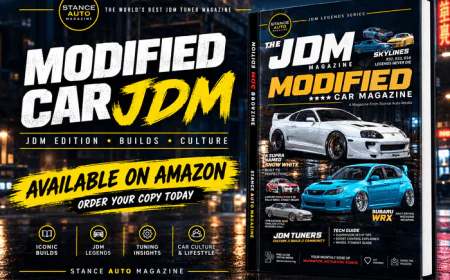
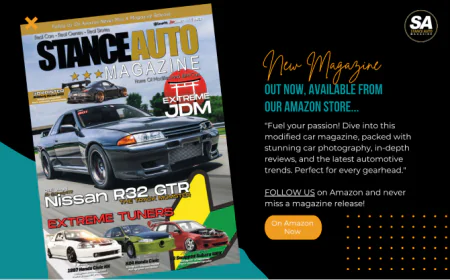
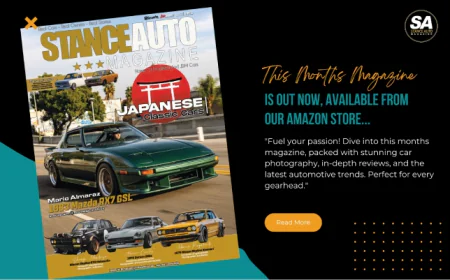
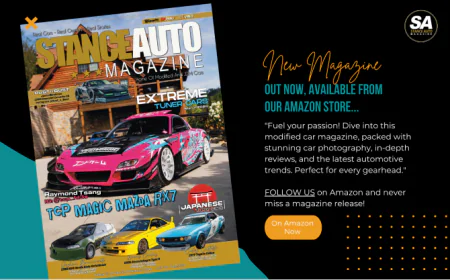
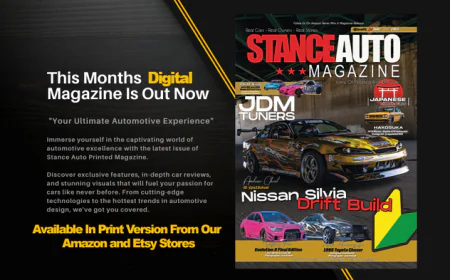
The 25-year rule explains why so many Japanese legends are suddenly turning up in American driveways, and why every new year brings another wave of interest. Know the rule, check the build date, confirm the paperwork and talk to your state before you commit. If you are ready to start shopping, our list of the best JDM cars under 15k is a good place to begin. Then pick up the latest issue of Modified Car Magazine, browse our printed magazines or visit the Stance Auto Magazine store and the home of Stance Auto Magazine.
 Like
0
 Dislike
0
 Love
0
 Funny
0
 Angry
0
 Sad
0
 Wow
0