



































































































































Ceramic Coating: What It Is, What It Costs and Whether It's Worth It
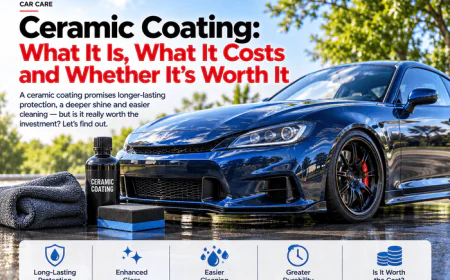
Is ceramic coating worth it? It is a liquid polymer that cures into a hard, glossy layer on your paint. Here is what it does, what it costs, how long it lasts and how to apply it.
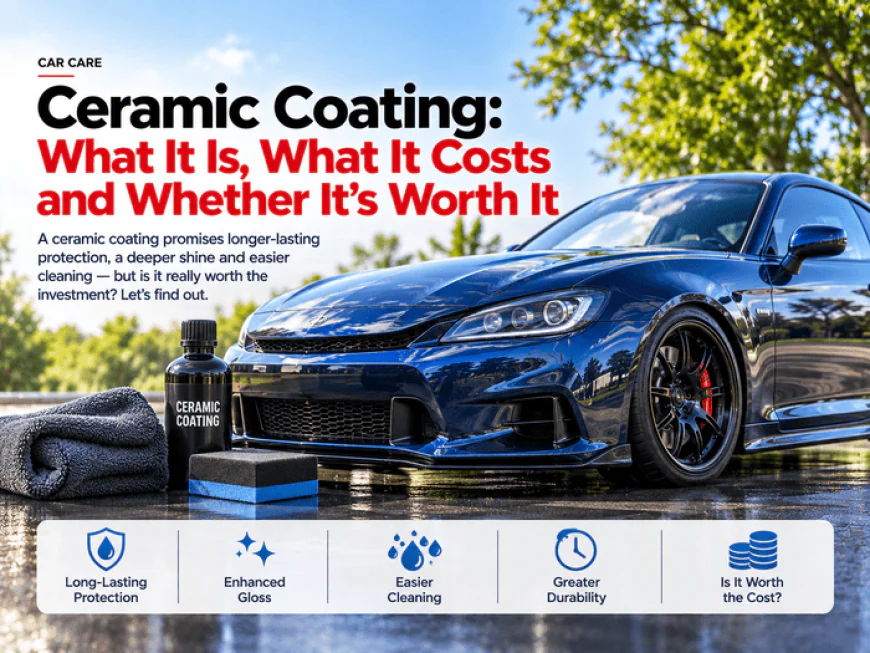
A ceramic coating is a liquid polymer, usually based on silicon dioxide, that you apply to your paint and it cures into a thin, hard, glossy layer that bonds to the surface. Unlike wax, which sits on top and wears away in weeks, a ceramic coating chemically bonds to the clear coat and can last years. It makes the paint slick, it beads water into tight little drops and it makes washing the car dramatically easier. It will not make the car scratch-proof or stone chip-proof, whatever the ads say, and that's the first thing worth knowing.
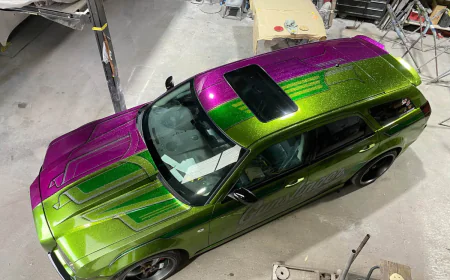
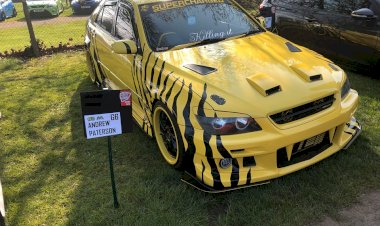
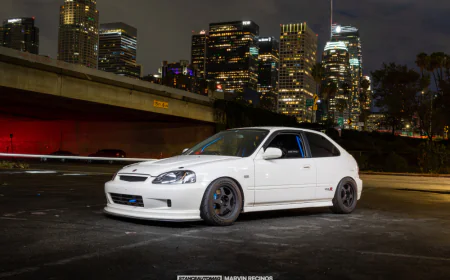
If you've spent time and money on paint, a wrap or a show finish, you've probably been tempted. This guide covers how a ceramic coating works, whether it's worth the price, how long it really lasts and how to apply it without wasting a weekend.
What Is a Ceramic Coating and How Does It Work?
A ceramic coating works by forming a semi-permanent, cross-linked layer on top of your clear coat that repels water, dirt and contaminants. The liquid is wiped on, flashes off as the carrier solvent evaporates, and then cures into a glass-like film a few microns thick. That layer is harder than the paint beneath it, so it resists light marring and chemical etching better than bare clear coat does. It also has a very low surface energy, which is why water slides off and dirt struggles to stick.
The coating also blocks a good amount of UV, which slows oxidation and fading, and it makes bird droppings, tree sap and bug splatter easier to remove before they etch into the paint. Popular brands include Gtechniq, Gyeon and Autoglym, and the range goes from cheap bottles you apply yourself to professional-only products that need certified installers.
Is a Ceramic Coating Worth It?
A ceramic coating is worth it if you care about long-term gloss, you wash the car yourself and you're willing to pay for proper prep, but it's not a miracle shield. The real benefits are ease of cleaning, deeper gloss and years of protection with the right upkeep. If you drive a car that's constantly outside in all weathers, being able to hose off road film and wipe off bugs without scrubbing is a big deal. If you show the car, the extra depth and reflectivity on dark colors is hard to beat.
It's less worth it if the paint is already tired and you're not planning to correct it, because the coating will lock in whatever is underneath. It's also not worth it if you expect it to stop scratches, stone chips or a careless valet from damaging the car. For that, you need paint protection film. Our guide to prepping your car for shows shows how much of a good finish comes from the prep, and ceramic coating is simply the final layer that keeps that work looking sharp.
How Long Does Ceramic Coating Last?
Most ceramic coatings last between two and five years, depending on the product, the prep and how the car is maintained. Consumer bottles are typically rated for one to three years, and professional-grade coatings are claimed to last five years or more. Those numbers are best case. A garage-kept car washed with the right shampoo will get the full life. A daily driver parked outside, hit with road salt and washed in an automatic brush wash will see the coating degrade much faster.
You'll know it's wearing out when the water stops beading and starts to sheet or sit in flat patches, and when the car gets dirty quicker than it used to. Most coatings can be topped up with a maintenance spray every few months, which extends the life and refreshes the hydrophobic effect. A ceramic coating isn't a permanent finish, and anyone who tells you it is, is selling something.
How Much Does Ceramic Coating Cost?
A DIY ceramic coating kit costs roughly £30 to £100 or $40 to $120, while a professional application typically runs from about £300 to £1,500 or more depending on the car and paint correction. A small hatchback with light prep sits at the lower end. A big SUV or a car that needs serious paint correction before coating is at the top. Multi-layer packages, wheels, glass and interior add to the bill.
Most of that price is labour. A good installer will wash, decontaminate, clay, polish and wipe down the panels before the coating goes on, and that takes a day or two. That's why a cheap professional quote is often a warning sign, because it means the prep has been skipped. The coating itself is the cheap bit; the paint correction is where the skill is.
There are easy-apply versions on Amazon like this one: SHINE ARMOR Ceramic Coating!
How Do You Apply a Ceramic Coating?
To apply a ceramic coating, wash and decontaminate the paint, polish out defects, wipe the panels with an isopropyl alcohol solution, then apply the coating in thin even sections and buff off the residue. Prep matters more than the coating. Start with a proper wash, then use an iron remover and a clay bar or clay mitt to pull out the bonded contamination that washing leaves behind. Next, polish the paint to remove swirls and light scratches. The coating will magnify whatever is there, so any flaw you leave in will stay under it.
Before you apply the product, wipe each panel with an IPA panel wipe to strip polishing oils so the coating can bond. Work in a garage or shade, in small sections, following the instructions for flash time. Wipe with a short-pile microfiber, then level with a clean towel before the coating hardens, because high spots are the number one DIY mistake. Keep the car dry for at least 24 hours and avoid washing for a week or two while it fully cures. Take your time. It's a tricky job the first time, but not a difficult one.
Ceramic Coating vs Wax vs PPF: What's the Difference?
Ceramic coating gives you longer-lasting chemical protection than wax, while paint protection film (PPF) is the only one that physically stops stone chips and scratches. Wax adds warm gloss and is cheap and easy, but it lasts weeks to a few months. A ceramic coating lasts years and is far more resistant to chemicals and UV, but it's only a thin film. PPF is a clear urethane layer that absorbs impact and even self-heals light marks, but it costs far more.
Plenty of owners combine the two. They put PPF on the high-impact areas like the bumper, bonnet and mirrors, then coat the whole car over the top for easy cleaning. If your budget is limited, the best value is usually a proper polish and a good coating, and then a PPF upgrade to the front end later.
Can You Ceramic Coat a Wrap, Wheels or Matte Paint?
You can ceramic coat wheels, glass and wraps, but you need products made for those surfaces, and matte paint needs a matte-specific coating. Wheels benefit a lot, because a coating makes brake dust and road grime slide off and makes them easier to clean. Special wrap coatings are made for vinyl and keep the finish clean without changing its look, and our guide on the best wrap colors and finishes is worth reading if you're planning a wrap and thinking about long-term care.
Matte and satin finishes are the tricky ones. A standard gloss coating will add shine and ruin the look, so use a matte-safe product and test it on a hidden spot first. The same goes for headlights. Our headlight restoration kit review shows how a ceramic-based protective layer can keep restored lenses clear for longer.
How Do You Maintain a Ceramic Coating?
To maintain a ceramic coating, wash the car regularly with a pH-neutral shampoo using the two-bucket method, avoid brush car washes and top up with a ceramic maintenance spray every few months. That's really all there is to it. Harsh chemicals and abrasive brushes strip or scratch the layer, so steer clear of cheap automatic washes and strong degreasers. Dry with a soft microfiber or a blower and never rub dirt across the surface.
An occasional decontamination wash with an iron remover helps keep the coating performing, and a spray sealant every three to four months keeps the slickness fresh. If you do this, the coating should stay near its peak for most of its life. If you're putting together a show car or a build budget, our complete show car budget breakdown puts finishing and protection costs in context.
Final Word on Ceramic Coating
A ceramic coating is one of the best protection upgrades you can buy for a modified car, as long as you treat it as a long-term finish and put the work in on prep. It won't replace PPF or good habits, but it makes the car easier to keep clean and keeps the paint looking sharp for years. Decide whether you're doing it yourself or paying a pro, budget for the paint correction and avoid the cheap shortcuts.
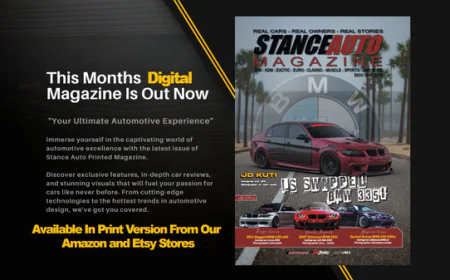
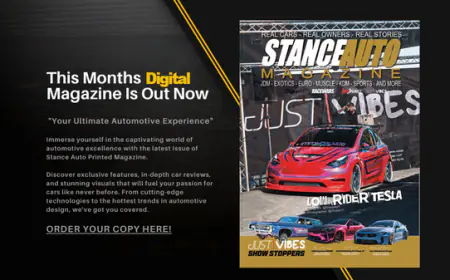
If you love detailed builds and show-quality cars, find Stance Auto Magazine on Amazon.
Related Reads
- How to Prep Your Car for Shows
- Best Wrap Colors and Finishes for Modified Cars
- Building a Show Car: Complete Budget Breakdown
- What Judges Look for at Car Shows
Find more builds, guides and car culture at Stance Auto Magazine.
 Like
0
 Dislike
0
 Love
0
 Funny
0
 Angry
0
 Sad
0
 Wow
0