




































































































































































































Regular Vehicle Inspections: How They Prevent Unexpected Road Problems
Regular vehicle inspections catch tyre, brake, suspension and engine problems early. See what to check, the warning signs to watch for and why it matters before long journeys.
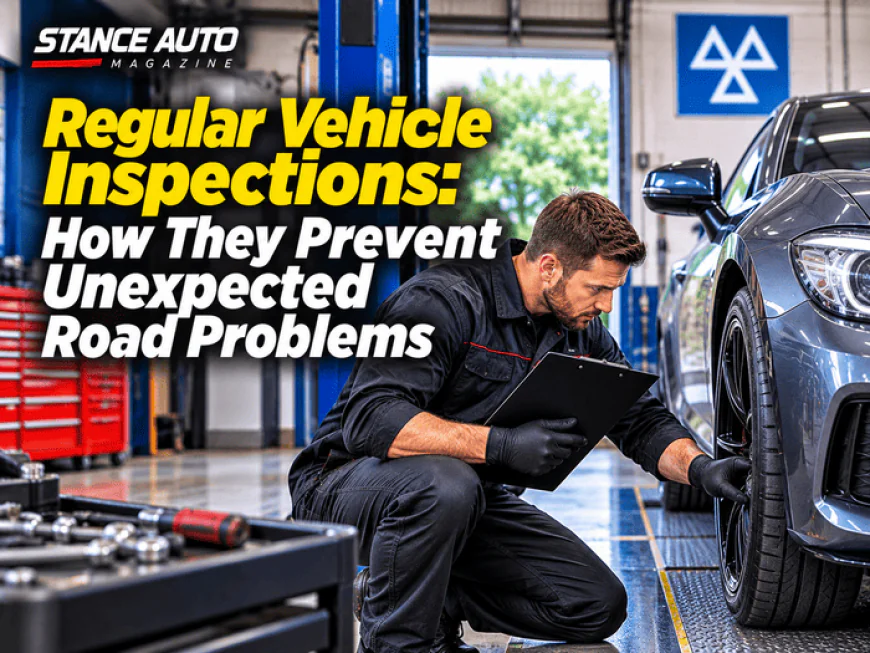
Vehicle maintenance is not something most car owners bother about, even if they depend on their vehicles for their daily commute. In the UK, component degradation is a bigger problem for rural car owners. Garage Matters notes that higher daily transit distances accelerate issues with suspension assemblies, drive belts, wheel bearings, and braking systems.
Retail Director at HiQ Tyres & Autocare Craig Sprigmore highlights that geographical location dictates maintenance necessity. "Our regional data suggests that those living in rural and coastal communities may find themselves travelling further to reach work, family members and essential amenities, making proper vehicle maintenance even more important."
Wherever you live and drive, unexpected vehicle problems can turn an ordinary commute or family road trip into a stressful experience. It can even quickly become a safety hazard or an expensive repair. Regular vehicle inspections help identify potential issues early, maintain reliability, and reduce the likelihood of roadside breakdowns. They also provide peace of mind when travelling long distances.
Identify Tyre Problems Early
Tyres affect braking, steering, fuel efficiency, and overall stability, making them one of the most important parts to inspect. However, Drive Magazine shares alarming data from a Bridgestone survey. Recent research reveals that 47% of motorists in the UK only check their tyres when their MOT is due. In fact, 31% continue to drive on them until they are warned that their car would fail its test.
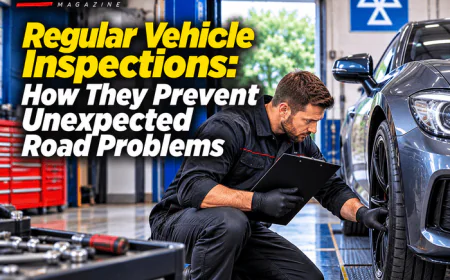
Commit to checking tyre pressure at least monthly and before long trips, including the spare. For an accurate reading, check pressure when they are cold. This should ideally be done after the car has been parked for at least three hours. Inspect tread depth and look for uneven wear, cracks, bulges, cuts, punctures, and embedded objects. Uneven tread wear can indicate that the tyres need rotation or that the wheels require alignment.
Underinflated or worn tyres can increase blowout risk, reduce fuel economy, and make handling less predictable. Regular vehicle inspections are important before a highway journey because higher speeds, heavy loads, heat, and long driving hours place extra stress on the tyres. Confirm that the spare is properly inflated and that you have the jack and lug wrench needed to change it.
Detect Brake and Suspension Issues
Brakes and suspension components determine how a vehicle stops, turns, and remains stable on the road. Have brake pads, rotors, brake fluid, and braking performance checked according to the manufacturer's schedule. You may need to seek service sooner if something feels unusual, so do not ignore the red flags.
Warning signs include squealing or grinding noises and vibrations while braking. Also, watch out for a soft or spongy brake pedal, pulling to one side, or longer stopping distances. These symptoms should never be overlooked, particularly before a long trip or when carrying a full family load.
Suspension parts such as shocks, struts, and steering components also deserve attention because they affect control. Worn suspension can make the car bounce excessively, feel unstable around corners, or respond poorly to bumps. Delaying repairs may increase safety risks and eventual repair costs, so early inspection is the practical choice.
Reduce Accident Risks
Faulty brakes, tyre blowouts, steering problems, and malfunctioning lights can increase the risk of road accidents. Regular inspections can be a saviour, as they help identify mechanical defects before they create dangerous situations on busy roads or in poor weather. While preventive maintenance cannot remove every risk, it complements defensive driving by ensuring the vehicle responds as expected.
There are times when even the best drivers and most well-maintained cars can get hit due to someone else’s negligence. Recently, WTVG reported a horrible accident in Toledo, Ohio, USA. The head-on crash claimed three lives and left three people hospitalised with injuries. A Toledo car accident lawyer can step in to help the victims claim compensation and justice.
When collisions occur, the consequences may include medical expenses, vehicle damage, lost income, and emotional distress, notes Zoll & Kranz, LLC. If negligence or a vehicle-related defect is involved, those affected need to understand their legal options.
Prevent Engine Breakdowns
Engine-related problems often begin with small warning signs. You may notice a slow start, unusual noise, fluid leak, overheating, or an illuminated dashboard light. Regular checks of engine oil, coolant, transmission fluid, brake fluid, and windshield-washer fluid can keep the vehicle operating safely and efficiently.
You must also inspect belts, hoses, filters, and battery connections for cracks, swelling, corrosion, or looseness. Early detection of leaks, overheating, or electrical issues can prevent major repairs and unexpected roadside failures. If you notice more than a few drops of fluid beneath the car, a professional inspection is warranted rather than assuming it is harmless.
Follow the maintenance and inspection schedule in the owner's manual even if you don't notice anything unusual. A regular service routine is especially valuable before summer heat, monsoon conditions, winter travel, or a long-distance family trip.
Improve Visibility and Readiness
According to The Guardian, a warning for thick fog was issued in early November 2026 for much of the southern half of England. Most of Northern Ireland and the eastern half of Wales received the same forecast. Commuters were told to expect delays. In such situations, visibility can be a major concern for drivers.
Clear visibility is essential in rain, fog, darkness, glare, and dusty conditions. As part of car inspection, you must check headlights, brake lights, indicators, fog lights, windshield wipers, and mirrors before seasonal journeys. Replace wiper blades that streak, chatter, crack, or leave unclear areas on the glass.
Check the air-conditioning and defogging systems as well, since they help maintain comfort and clear windows in inclement weather. A functional defogger can be a good investment when temperature changes cause condensation on the windshield. Keep an emergency roadside kit handy for unexpected breakdowns or delays. These supplies do not replace maintenance, but they make a surprise stop safer and more manageable.
Frequently Asked Questions About Regular Vehicle Inspections
How often should you get your vehicle inspected?
Follow the manufacturer's maintenance schedule for routine inspections. Arrange an additional inspection before long-distance trips or whenever warning signs appear. Regular checks of tyres, brakes, fluids, battery health, belts, and hoses can reduce the risk of unexpected trouble.
What signs mean a car needs immediate inspection?
Dashboard warning lights, unusual engine noises, brake vibrations, fluid leaks, repeated tyre-pressure loss, steering difficulty, and overheating warrant prompt attention. Do not delay service if braking feels weak or the vehicle pulls to one side.
Can regular vehicle inspections help prevent accidents?
Yes. Identifying tyre damage, brake wear, steering defects, and faulty lights early can reduce accident risks linked to mechanical failure. Still, inspections work best alongside safe driving, appropriate speed, and attention to weather and road conditions.
Vehicle Maintenance: Key UK Statistics
Infrequent tyre checks are the first concern, with 47% of UK motorists checking their tyres only when their MOT is due, which points to delayed detection of tyre problems. MOT-dependent tyre checks come next, with 31% continuing to drive until they are warned their car may fail its MOT, which indicates reactive rather than preventive maintenance. Finally, rural and coastal driving means longer journeys to work and essential amenities, which makes routine vehicle checks even more important.
Final Thoughts on Regular Vehicle Inspections
Regular vehicle inspections are one of the simplest ways to prevent unexpected road problems. These checks do not require advanced mechanical knowledge. A monthly tyre-pressure check, a walk-around inspection of lights, and attention to dashboard warnings are a good start. Additionally, a professional service before major trips can make a meaningful difference. Preventive maintenance supports safer driving, better vehicle reliability, and greater confidence on every journey.
Further Reading
If you want to go deeper on keeping your car in shape, have a look at our car maintenance guide, our explainer on TPMS and tyre pressure monitoring and our advice on how to choose the right car tyres for your vehicle. You can also pick up the latest issues from the Stance Auto Magazine store on Amazon.
 Like
0
 Dislike
0
 Love
0
 Funny
0
 Angry
0
 Sad
0
 Wow
0