






















































































































































































































TPMS Explained: How Tire Pressure Monitoring Works and What Changes on Modified Cars
TPMS is the tyre pressure monitoring system behind that dashboard warning light. Learn how direct and indirect systems work, sensor costs, and what happens when you fit aftermarket wheels.
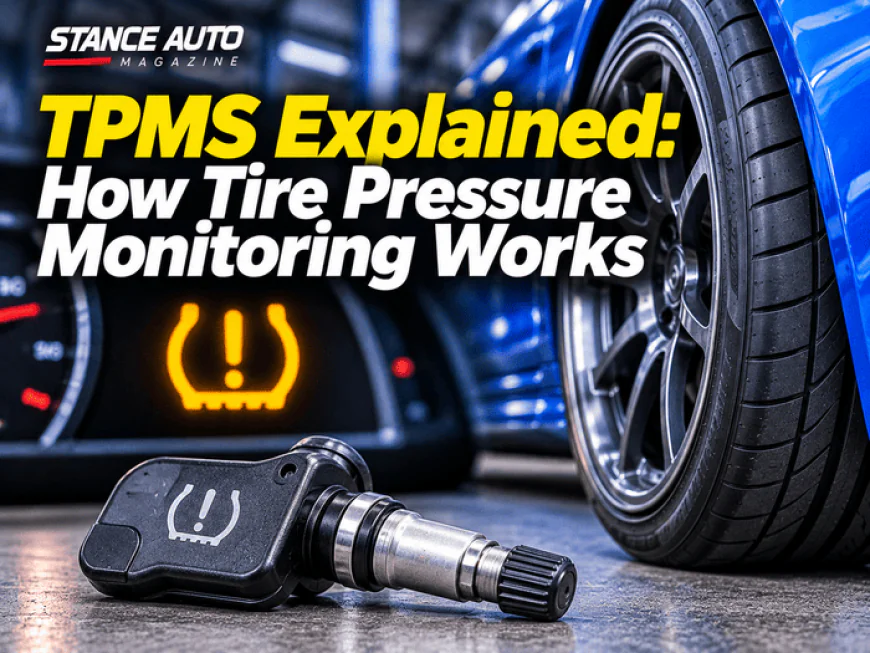
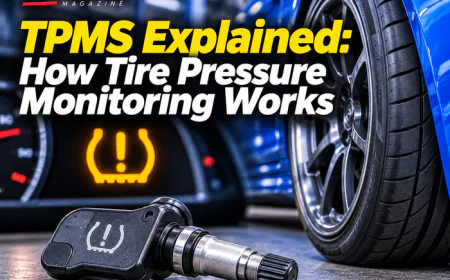
TPMS stands for tyre pressure monitoring system, an electronic setup that warns you when one or more of your tyres is dangerously underinflated. It's the little yellow light shaped like a flat tire with an exclamation mark, and for most people it's the only time they think about it. If you run stock wheels on a stock car, that's fine. If you've bought aftermarket wheels, imported a car, fitted winter tires or gone for a wider setup, TPMS is suddenly a thing you have to deal with, and it's more complicated than plugging in a valve.
This guide covers how TPMS works, the two types, what sensors cost, why the light comes on and what to do when you change wheels.
What Is TPMS and Why Does Your Car Have It?
TPMS is a safety system that monitors tyre pressure and alerts the driver when pressure drops below a safe level, normally about 25 percent under the recommended figure. Underinflated tyres overheat, wear unevenly, increase stopping distances and can fail suddenly. Regulators decided drivers weren't checking pressures often enough, so TPMS became mandatory. In the US it has been required on new passenger vehicles since the 2008 model year following the TREAD Act, and the NHTSA oversees the rules. In Europe and the UK it became mandatory on new cars from late 2014.
That means almost any car built in the last decade or so has some form of it. Older cars and many Japanese domestic market imports don't, because the rules and equipment differ by region, which matters if you're buying one.
What Is the Difference Between Direct and Indirect TPMS?
Direct TPMS uses a pressure sensor inside each wheel, while indirect TPMS estimates pressure using the wheel speed sensors from the ABS. A direct system sends actual pressure and often temperature readings from a battery-powered sensor on each wheel to the car's computer. It's accurate, can show you each tire's number on the dash and can tell you which tire is low. Indirect systems have no sensors in the wheels at all. Instead they notice that an underinflated tire has a slightly smaller rolling diameter, so it spins faster than the others. It's cheaper, but less precise, and you usually have to reset it after changing pressures or rotating tires.
Both warn you, but they behave differently when you change wheels. Direct TPMS means moving or replacing sensors, and indirect TPMS means recalibrating the system. Check which type your car has before you buy anything.
Why Is Your TPMS Light On?
The TPMS light comes on when a tire is low, when the temperature has dropped sharply, when a sensor battery has died or when the system has a fault. A steady light normally means pressure is low, so check all four tires with a gauge and inflate them to the figure on the door jamb sticker. Cold weather is a classic trigger, since pressure drops roughly 1 psi for every 10 degrees Fahrenheit of temperature drop. Top them up and the light often clears after a short drive.
A light that flashes for about a minute at startup and then stays on usually signals a fault in the system rather than low pressure. That's typically a dead sensor battery, a damaged sensor or a missing one. Sensor batteries are sealed in and normally last about five to ten years, so on an older car it's very common. Don't ignore a flashing TPMS light. It means the system is no longer protecting you.
How Much Does TPMS Sensor Replacement Cost?
TPMS sensor replacement usually costs around £30 to £80 or $40 to $100 per sensor, plus fitting and programming. Because the battery is sealed inside, a dead sensor means replacing the whole unit. Many shops will do it while the tire is off the rim, so labor is modest, but programming adds to the price on some cars. Replace all four at once on an older vehicle, because if one battery has died, the others are close behind and you'll pay for the tire to be dismounted again.
Universal programmable sensors from makers like Autel can be set up to copy a wide range of cars, which keeps costs and stock down for shops. If you're doing it yourself, you'll need a tool to program or relearn them, so ask whether your garage can do it before you buy sensors online.
What Happens to TPMS When You Fit Aftermarket Wheels?
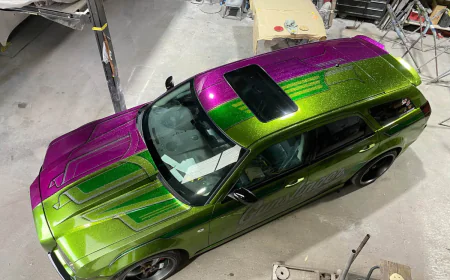
When you fit aftermarket wheels, you must either move the original sensors across or buy new ones, and the car will usually need to relearn them. The most common mistake is buying a set of nice wheels and forgetting TPMS entirely. Then the dash is lit up and the car fails an inspection. Sensors are made to fit specific valves and rim designs, and some aftermarket wheels don't have the right valve hole or clearance, so check before you commit.
You've got three real options. Transfer the factory sensors to the new wheels, which is cheapest if the wheels are compatible. Buy new sensors for each wheel, ideally universal ones. Or in some cases, disable the system, which isn't recommended and can be illegal depending on where you live. Our guides to choosing the best car rims and what aftermarket wheels actually are are worth reading first, and the JDM wheel fitment guide helps with offset and clearance, so you don't discover a problem when the tire shop is already mounting.
Is TPMS Checked in an MOT or Inspection?
In the UK, a TPMS fault can cause an MOT failure on cars where the system is a legal requirement, and many US states fail cars with an active warning light. Rules vary and testers differ, so it's worth checking the latest guidance on GOV.UK before your test. For cars that came with TPMS from the factory, a lit warning light or a missing sensor is an easy fail, and it's an annoying one because it's usually avoidable.
If you've modified the car, it's worth running through the rest of the checklist too. Our guide to passing the MOT with modified suspension shows what testers pay attention to, and a working TPMS is a sensible thing to confirm beforehand.
Does TPMS Work on a JDM Import?
Many JDM imports, especially older ones, don't have TPMS, and newer ones may use a system that doesn't match UK or US specifications. That's usually fine legally on an older import, because the rules apply based on when the car was first registered and what it was required to have. But newer imports with TPMS can throw errors if the sensors don't match your local frequency or if the system was never calibrated for your region.
If you're thinking about bringing one in, our JDM import guide explains what to check, and TPMS is worth asking about before you buy. For newer cars, a specialist can often reprogram or replace the system so the light stays off.
Do You Need TPMS Sensors for Winter Tires?
Yes, if your car has direct TPMS you'll need sensors on your winter wheels, and the cheapest approach is a second set of wheels with their own sensors. Swapping tires on the same wheels every season wears the tire beads and the sensors, and a shop may charge for reprogramming each time. Having a dedicated winter set means you just swap the whole wheel, and the car recognizes the right sensors automatically on many models.
It's a bigger up-front cost, but it saves hassle and money over a few seasons. Remember to also keep pressures right on the spare set when they're in storage.
How Do You Reset or Relearn TPMS?
You reset or relearn TPMS by setting all four tires to the recommended pressure and then following your car's procedure, which might be a menu setting, a reset button or a drive cycle. Direct systems often relearn automatically after driving at speed for ten to twenty minutes, while others need a scan tool to register the sensors' IDs. Indirect systems usually have a reset button or a menu entry, and you have to press it after the pressures are correct.
Check the handbook for the exact steps. If the light won't clear after resetting, it's probably a faulty sensor or a missing one, and no amount of button pressing will fix it.
Final Word on TPMS
TPMS is easy to ignore until you change your wheels, and then it becomes the part that catches people out. Know whether your car has a direct or indirect system, budget for sensors with any new wheels and don't treat a flashing light as a nuisance. It's a small system that can stop a big problem, and sorting it properly keeps your build legal, safe and annoyance-free.
For more practical builds and guides, find Stance Auto Magazine on Amazon.
Related Reads
- Choosing the Best Car Rims: Guide
- What Are Aftermarket Wheels?
- JDM Wheel Fitment Guide: Offset, Width and Stance
- How to Pass the MOT with Modified Suspension
Find more builds, guides and car culture at Stance Auto Magazine.
 Like
0
 Dislike
0
 Love
0
 Funny
0
 Angry
0
 Sad
0
 Wow
0