




































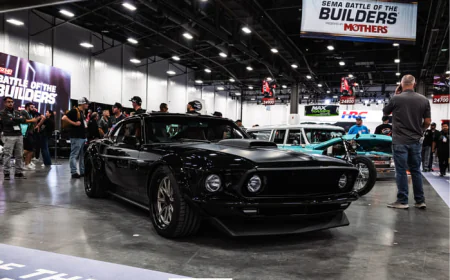















































































































Widebody 1969 Mustang Fastback: Jesse Rieger's One-Off Build for SEMA 2026 Young Guns
Widebody 1969 Mustang Fastback built by Jesse Rieger: 3D-scanned flares, scratch-built C7 chassis, Aluminator 52XS power and a Battle of the Builders Golden Ticket. Read more.
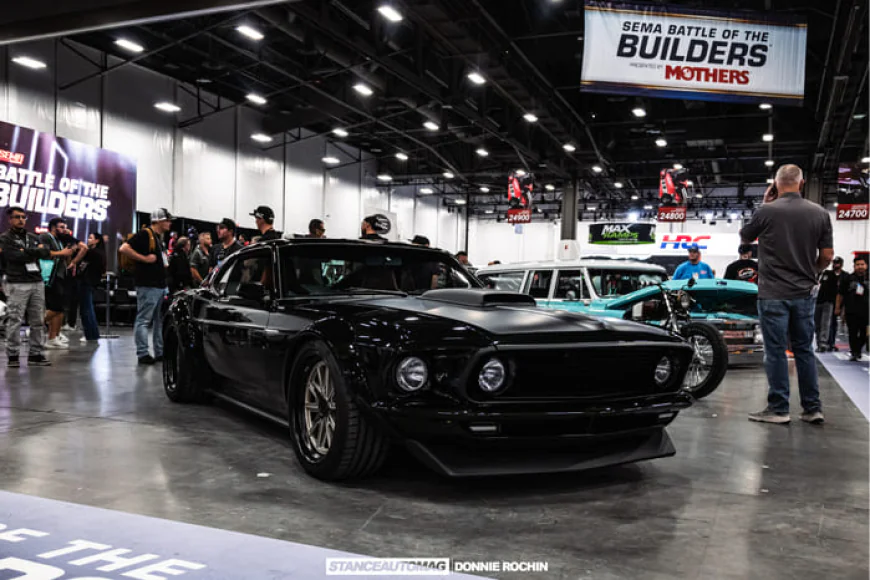
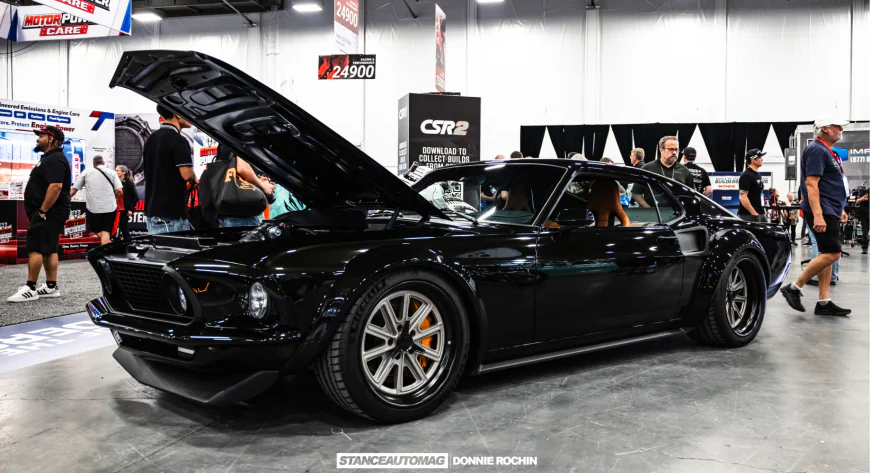
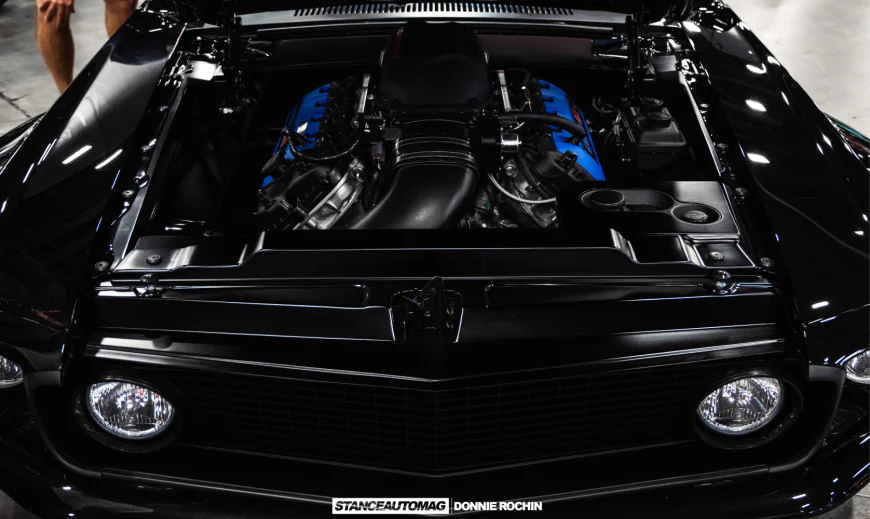
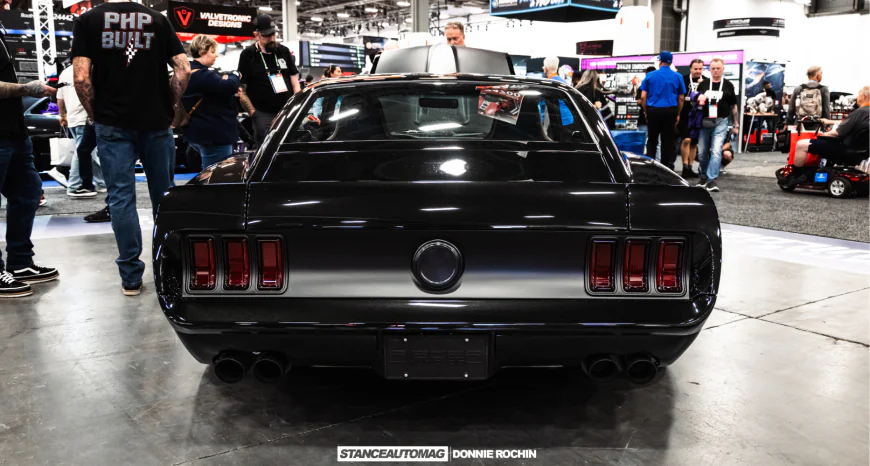
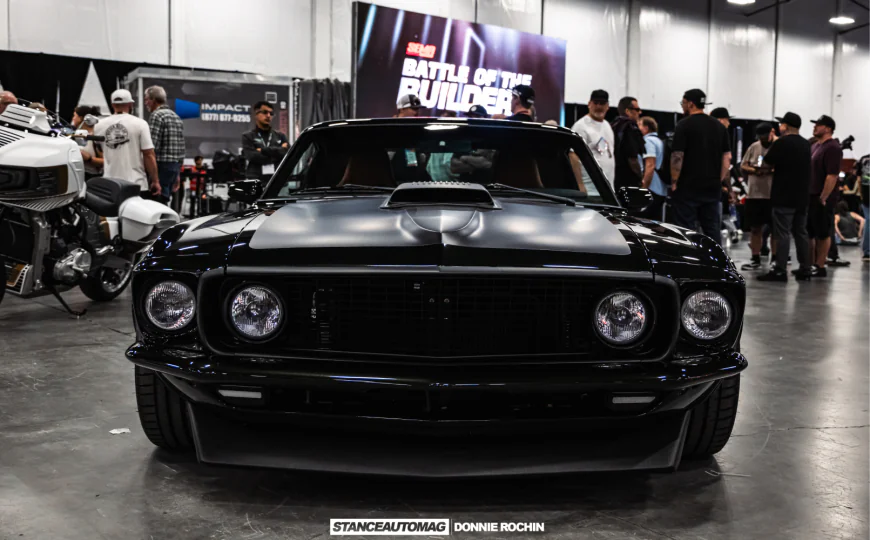
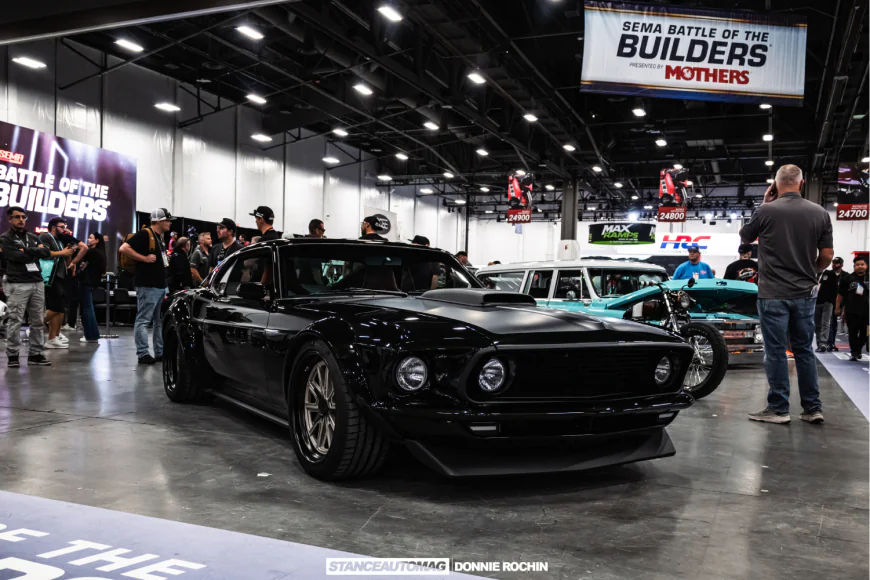
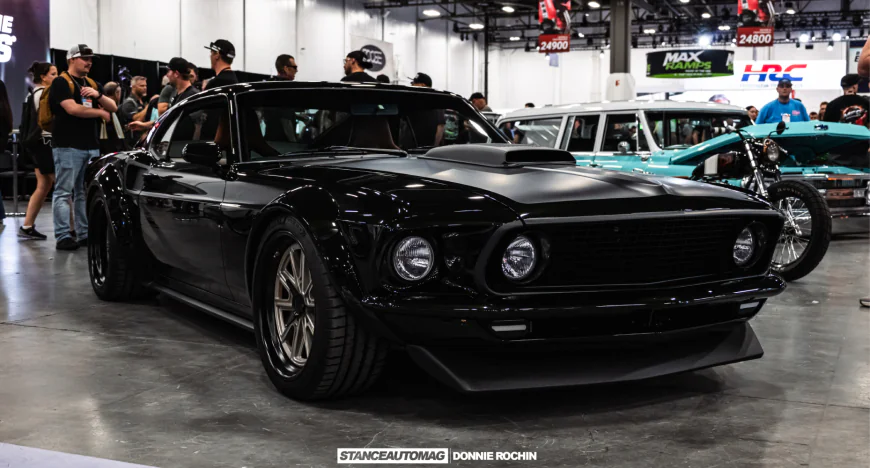
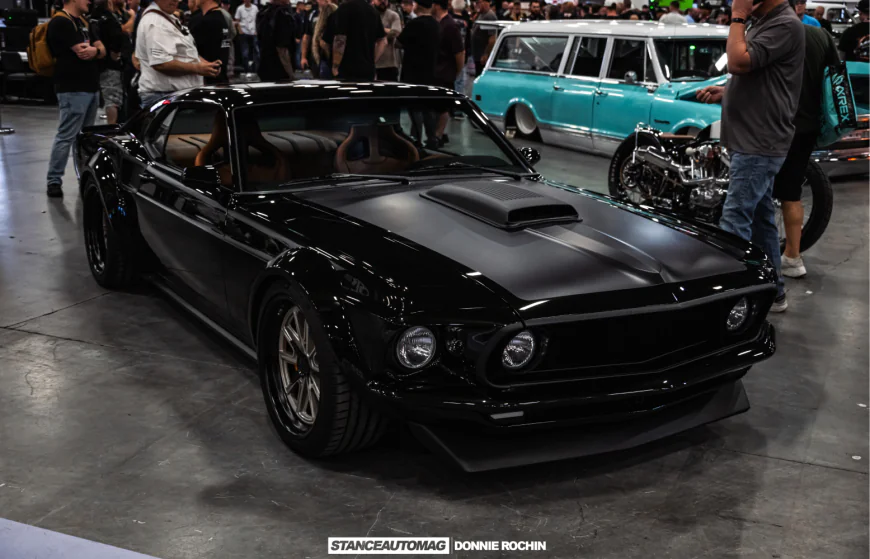
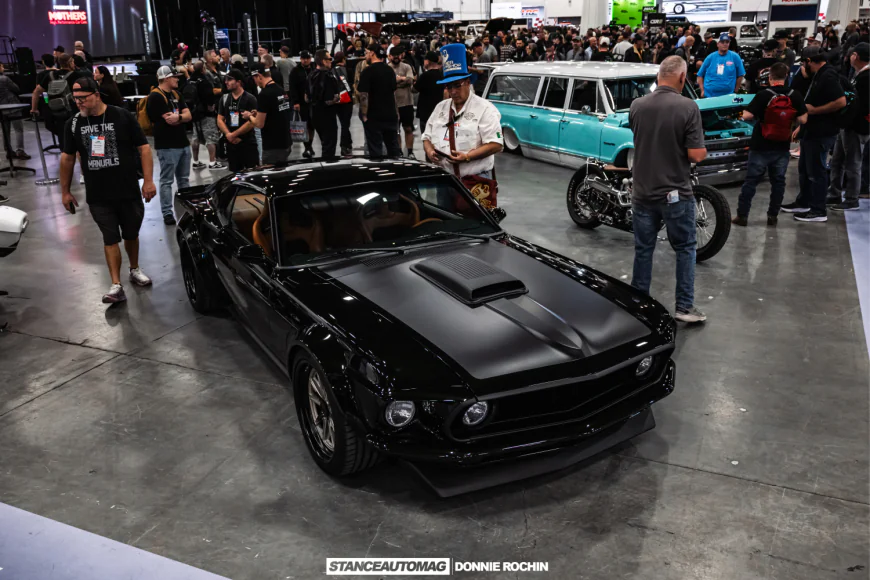
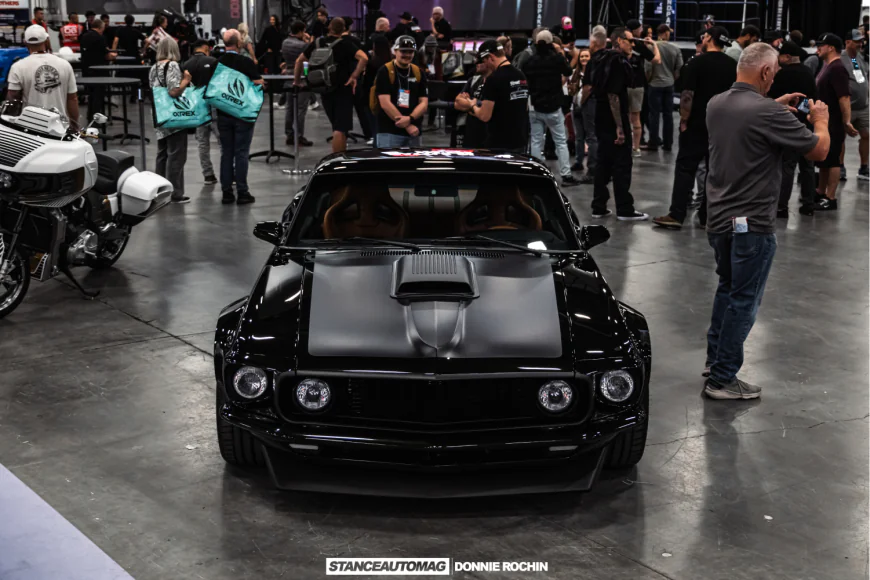
Some custom cars turn heads for their paint, horsepower or aggressive styling. Then there are builds that make you look twice because almost every part has a story behind it. Jesse Rieger's widebody 1969 Mustang Fastback is firmly in that second group. From the one-off flares and custom chassis to the machined billet parts and fabricated interior, it's a rolling demonstration of what happens when traditional craftsmanship meets modern engineering and a young builder who refuses to settle.
Jesse is 29 and works out of Saskatchewan, Canada, where he's turned a childhood love of making things into a full-time career and a growing business, Rieger Auto Co. (@riegerautoco | riegerautoco.com). The Mustang was built for customer Josh Ens and has a scratch-built chassis with C7 Corvette suspension, a Ford Performance Aluminator 52XS engine, a T56 Magnum XL gearbox, custom-designed widebody flares and a completely bespoke interior. It also took Jesse from a small Canadian workshop to the SEMA 2026 floor and the Battle of the Builders Young Guns.
Photography and words come from Donnie Rochin (@r0cean11 | r0cean11.com).
A Childhood Built Around Creativity
Long before he designed chassis or machined one-off parts, Jesse was a kid who loved making things. LEGO, artwork and projects in the family shop all pulled him towards turning an idea into something real, and his dad's side woodworking business meant tools and machinery were part of everyday life. As he neared driving age, that curiosity started heading towards vehicles.
The 1976 GMC That Started Everything
Jesse's grandfather owned a 1976 GMC step-side short-box pickup. As Jesse got closer to driving age he started dropping hints, and eventually his grandfather made him an offer. He could have it, on one condition: fix it up and keep it in the family.
At 15, Jesse, his dad and his brother started tearing into the GMC with plenty of enthusiasm and not much experience. It was the golden age of online build forums, which became a huge help, and he learned by getting stuck in. He made mistakes, solved problems and kept going. Somewhere in that project something clicked: building vehicles brought together the two things he loved most, art and functional engineering. That balance became the foundation of his career. He still owns the GMC, and hopes to revisit it one day with the skills he's picked up since.
Turning Passion Into a Profession
After high school Jesse carried on in automotive fabrication full time, learning the techniques and discipline needed for high-quality custom work alongside other professionals. Around three years ago he went out on his own. It isn't easy, with long hours, financial risk and projects that eat far more time than expected, and the Mustang was his first customer build.
A Customer With a Vision
The project started when Josh Ens asked Jesse to build him a 1969 Ford Mustang. His inspiration was Eleanor from Gone in 60 Seconds, but he didn't want a straight recreation. He wanted the later 1969 body style, a more timeless look and an aggressive widebody design.
That gave Jesse the chance to create something new rather than copy an existing design. The brief was to reinterpret the classic Mustang with modern proportions and advanced engineering while keeping the identity of a '69 Fastback. It was exactly the kind of challenge he wanted, and a big responsibility too. Josh was trusting a young builder with an ambitious, highly customised project, and Jesse was determined to deliver.
Designing a Widebody From Scratch
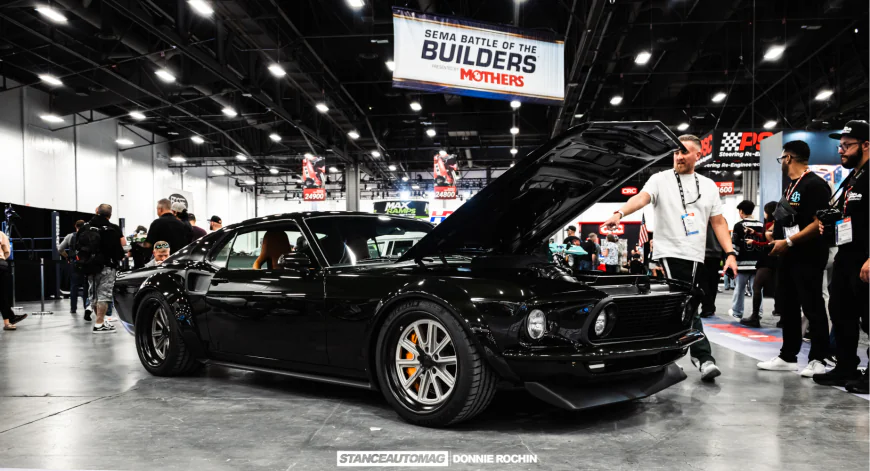
The most visually distinctive part of the Mustang is its custom widebody, and these aren't catalogue flares. Jesse designed them from the ground up, knowing they could make or break the whole car. Too aggressive and the Mustang could lose its classic proportions, too subtle and it wouldn't have the presence Josh wanted.
He started with a 3D scan of the body, then developed the flare design through CAD surface modelling, which let him study the lines and refine the shapes before committing to fabrication. He produced multiple test prints and adjusted each time, and only once he was happy with the final shape did he move on to mould-making and production of the finished flares. The result is a completely one-off widebody that suits the Mustang's original styling while giving it a far more aggressive stance. It's traditional craftsmanship backed by modern technology, and a willingness to invest the time to get the details right.
If you like widebody Mustangs, take a look at this 9-second widebody Mustang GT and Caleb Allison's Roush S550 Mustang.
Engineering an Entirely New Foundation
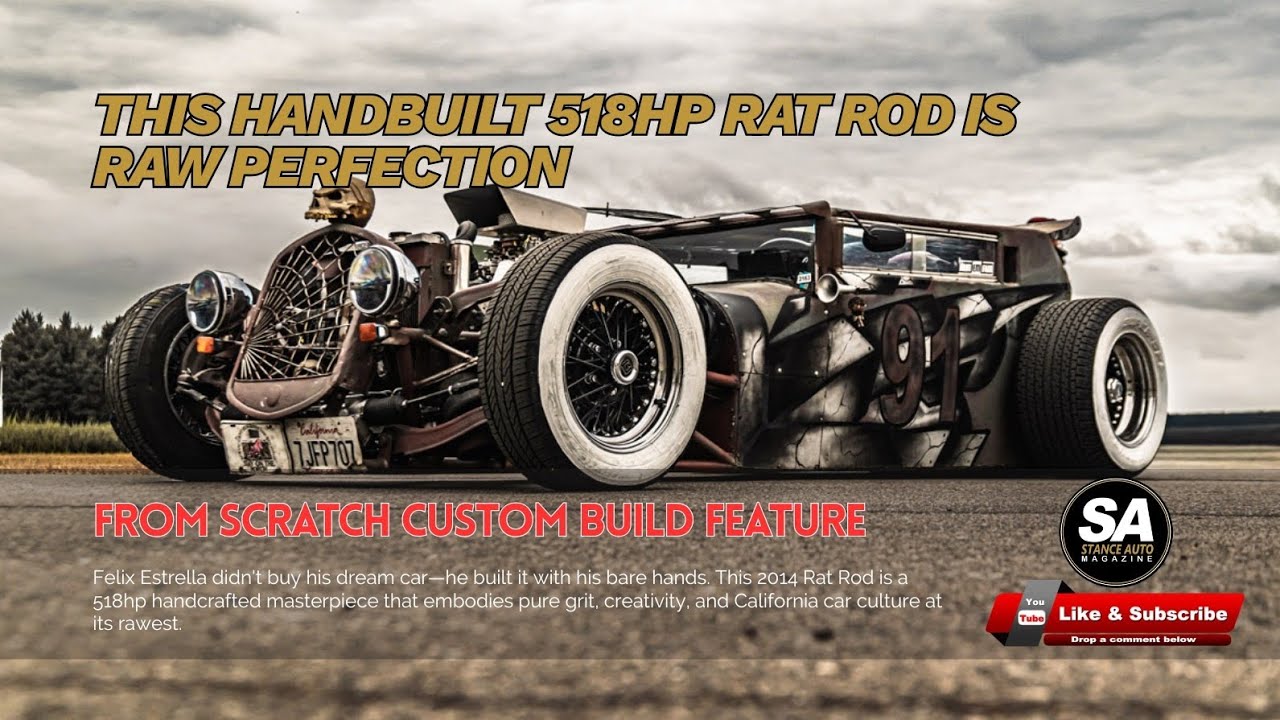
Under the body is an equally impressive piece of engineering. Jesse designed and fabricated a completely scratch-built chassis. Instead of relying on the original 1969 suspension layout, it uses C7 Corvette control arms and independent rear suspension, bringing modern suspension design into a classic muscle car. Building a chassis like this means careful thought about component placement, geometry, structure and how the drivetrain and body fit together, plus a lot of fabrication. It isn't a pile of upgraded parts. It's a custom-engineered foundation made specifically for this Mustang, and it's key to the stance and proportions of the finished car. For another scratch-built machine on the site, see Felix Estrella's handcrafted 518HP rat rod.
Modern Ford Performance Under the Bonnet
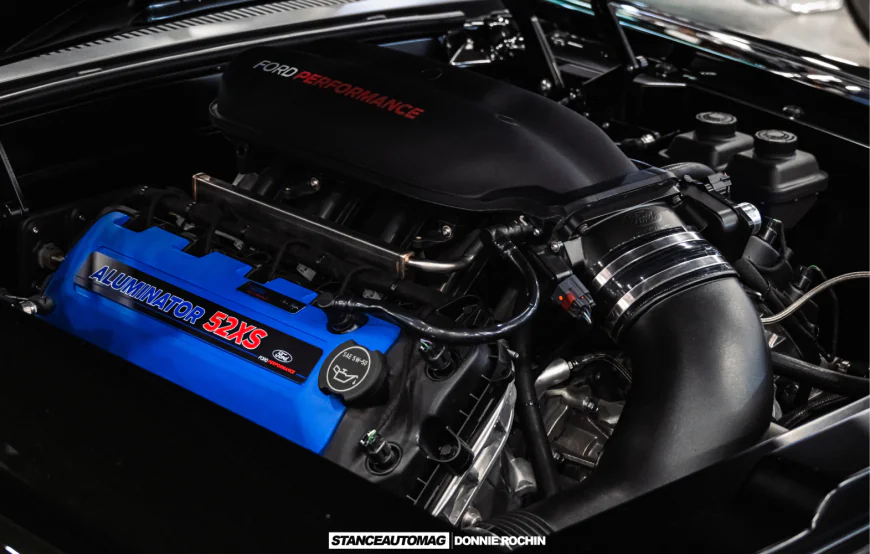
A Mustang with this much custom engineering needs a powertrain to match. Jesse went with a Ford Performance Aluminator 52XS engine paired to a Tremec T56 Magnum XL transmission, bringing modern Ford V8 performance and manual engagement to the classic Fastback. The goal wasn't just a beautiful car but a complete package, with engine, gearbox, chassis, suspension, brakes and exterior all supporting the same vision.
The Perfect Stance
With any widebody, the wheels, tyres and bodywork have to work together, and Jesse spent a lot of time refining those proportions. The Mustang rides on Forgeline HL3X wheels in Performance Gold, wrapped in Michelin Pilot Sport 4S tyres. The gold stands out against the car's Porsche Dark Olive Metallic paint and gives a modern performance look without overpowering the classic design. Behind them sit 15-inch Wilwood brakes at all four corners. Flares, wheels, suspension geometry and big brakes all combine for a purposeful stance.
An Interior Built From Nothing
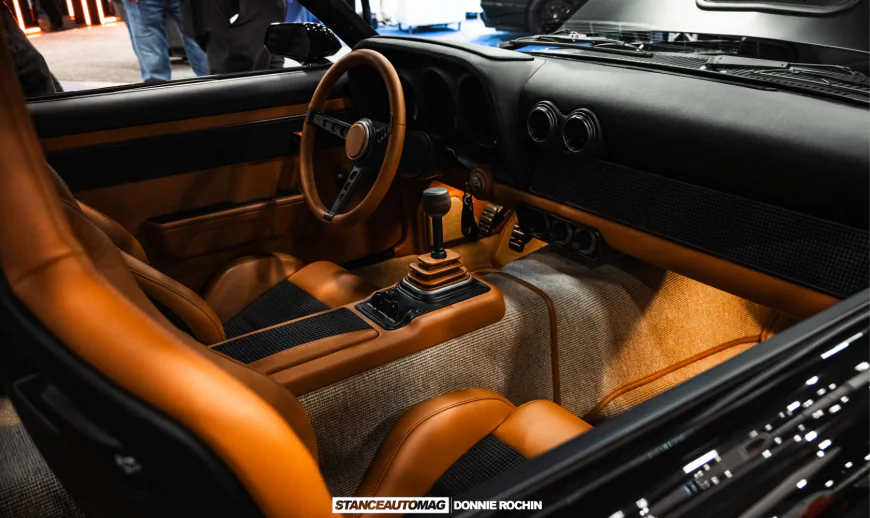
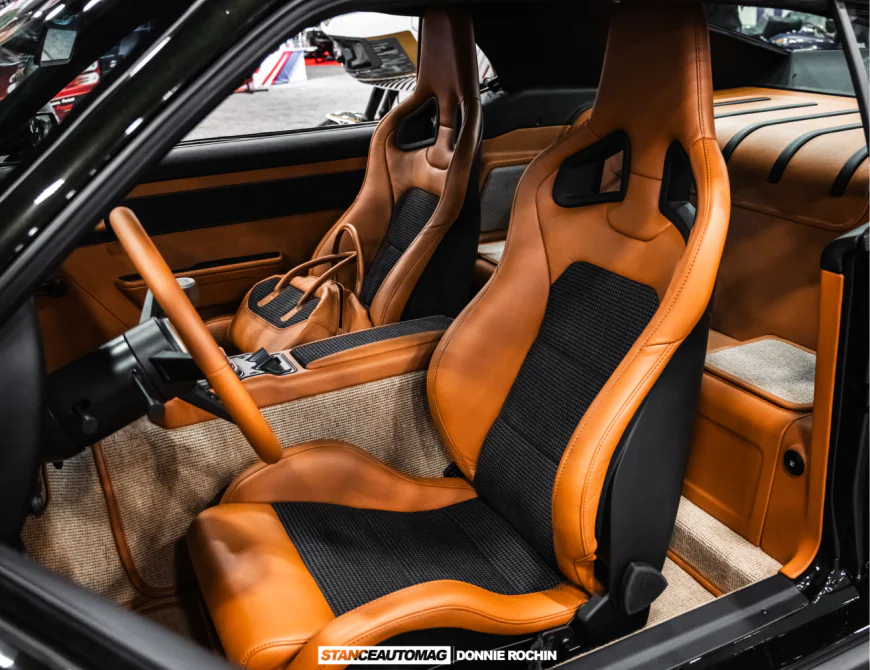
The custom work carries on when the doors open. Jesse and his team built the interior from scratch, using a mix of fabrication, 3D printing and CNC machining rather than simply recovering factory parts or fitting aftermarket pieces. That let him create components specifically for the car, combining modern manufacturing with traditional craftsmanship.
One of the most important contributors was someone who's been part of Jesse's creative journey from the start: his dad. Ron Rieger (@rdsign_MFG) handled the interior wrapping and stitching. Having his father in the business is a big advantage, because it lets the shop do highly customised interior work in-house, and it continues the family link that got Jesse building things as a kid. He learned to use tools in his dad's shop, and now they're building cars for an international stage together.
The Details That Separate Good From Exceptional
The Mustang is full of details casual spectators might miss. Jesse designed and machined completely custom taillights and a rear bumper made from a single piece of billet. The quarter panel vents were made with aluminium 3D printing and sit flush with the body, and a custom billet fuel filler uses a modern filler neck. Flush-fit glass gives a clean look. None of it is there just to attract attention, and that's what separates a cohesive custom car from a collection of unrelated mods.
Porsche Dark Olive Metallic: A Different Take on a Classic
For the exterior Jesse and the team chose Porsche Dark Olive Metallic, a sophisticated colour that changes character depending on the light. With the Performance Gold wheels it gives a mix of classic elegance and modern aggression. It's an unconventional choice for a '69 Mustang, and that's part of why it works, because it suits the bespoke design instead of falling back on a traditional muscle car palette.
Byron Thiessen and Wes Moskwa, two of Jesse's mentors from the shop where he used to work, handled the bodywork and paint. Working with the people who shaped his career made the result even more meaningful.
Widebody 1969 Mustang Fastback Build Specifications
Engine and Drivetrain
- Ford Performance Aluminator 52XS engine
- Tremec T56 Magnum XL transmission
Chassis and Suspension
- Completely scratch-built custom chassis
- C7 Corvette control arms
- C7 Corvette independent rear suspension
Wheels, Tyres and Brakes
- Forgeline HL3X wheels
- Performance Gold wheel finish
- Michelin Pilot Sport 4S tyres
- 15-inch Wilwood brakes, front and rear
Interior
- Entirely scratch-built custom interior
- Custom fabricated components
- Custom 3D-printed components
- Custom CNC-machined components
- In-house upholstery, wrapping and stitching by Ron Rieger
Exterior and Body
- Custom-designed one-off widebody flares
- 3D-scanned body used for flare development
- CAD surface-modelled flare design
- Multiple 3D-printed test iterations
- Custom flare moulds and final composite components
- Various subtle body modifications
- One-off designed and machined taillights
- Fully billet-machined rear bumper
- Aluminium 3D-printed flush quarter vents
- Custom billet fuel filler with integrated modern filler neck
- Flush-fit glass
- Porsche Dark Olive Metallic paint
Primary Build Contributors
- Jesse Rieger (@riegerautoco): metal fabrication, chassis construction, CAD design, CNC machining, composite work and overall build execution
- Ron Rieger (@rdsign_MFG): interior wrapping and stitching
- Byron Thiessen: bodywork and paint
- Wes Moskwa: bodywork and paint
A Ten-Year Dream Comes Full Circle
Jesse's SEMA story started long before this Mustang was finished. In 2016, at just 19, he attended the show for the first time, and coming from a small community in Saskatchewan it was almost overwhelming. That same year SEMA introduced the Young Guns category in the Battle of the Builders program, and he knew straight away he wanted to compete, with something that would make an impression. Over the next decade he kept learning and building his reputation, and eventually Josh Ens and the '69 Mustang gave him the platform. Ten years after his first visit he was heading back, this time as a builder.
The Road to SEMA 2026
Getting a car into SEMA isn't as simple as finishing a build and turning up, and for an independent builder without major sponsorship, securing a display spot can be one of the hardest parts. In July Jesse started contacting brands and organisations, but had little luck with vendors at first. Rather than give up, he applied for a feature-vehicle spot through HRIA, the Hot Rod Industry Alliance, and the Mustang was picked as one of eight feature vehicles.
He was also chasing the Battle of the Builders Young Guns competition. According to Jesse, around 20 to 30 standout applicants went into a virtual judging round for the Golden Ticket, and he was named one of six recipients. The prize was a fully funded trip to SEMA and an indoor display spot in Central Hall. For a young, self-employed builder with no major sponsor, that removed a big financial obstacle and put his work in one of the most prominent areas of the show.
The SEMA Thrash
Anyone who has prepped a serious custom car for SEMA knows how intense the final weeks are. Jesse had hoped to take the Mustang to the show from the start of the build, and that ambition shaped many of his decisions. He put his own time and money into taking it beyond what might have been expected, because he wanted it to show the kind of work Rieger Auto Co. hoped to be known for. As the deadline closed in he found himself sleeping at the shop and working long stretches on little rest. The Mustang came together at the last moment, and he was still finishing it just before it went on the trailer.
The Moment It All Became Real
Near the end of a long build, Jesse admits, it got hard to imagine the project ever being finished. Then came SEMA. The Mustang was complete, it was on display and people were seeing it for the first time. It brought an enormous sense of pride, not just because the car looked how he wanted but because he knew how much work went into it. The Mustang had become more than a customer project. It showed what Jesse can do and introduced what Rieger Auto Co. has to offer.
The Real Cost of Building a Reputation
Jesse is open about the business side. As a fairly new business owner, he knows that building a reputation takes more than finishing the work in an estimate. He admits he put a lot of unpaid time and personal money into the Mustang and sees it as a marketing expense. Instead of spending it on advertising, he put it into the quality and ambition of the finished car, a portfolio piece no ad could match. His advice to others heading down the same path is simple: there are no shortcuts, and the best way to build a reputation is to consistently go above and beyond for clients.
The People Who Made It Possible
Jesse did most of the fabrication, design, machining and composite work himself, but he's quick to say a project like this can't happen without support. First, he credits Josh Ens, who trusted him with the project and gave him the creative freedom to make it distinctive. He also thanks his parents and brother, his dad Ron for the upholstery work and his girlfriend, whom he jokingly thanks for sticking with him through their first intense SEMA prep. Special thanks go to Zach Straits of HRIA, who gave him the first chance to display the Mustang at SEMA and stayed supportive when Jesse later moved to the Golden Ticket spot, and to the Battle of the Builders program for helping young builders establish themselves.
More Than a Competition
One of the most unexpected rewards was the community Jesse found among the other builders. Saskatchewan doesn't have many formal car clubs, so he's always seen the wider scene as one big community, and many of his closest friendships have come through cars. At SEMA he met builders and enthusiasts from all over the world and came away with new friends and contacts. What stood out most was the attitude in the Battle of the Builders competition. Instead of treating each other as rivals, the participants were interested in each other's work and happy to celebrate each other's wins.
Perfection Is the Thief of Progress
Jesse wants every project to be better than the last, but chasing perfection can make it hard to move forward. He knows that struggle well, and a phrase he reminds himself of sums up his advice to other builders: "Perfection is the thief of progress." Knowing when to stop refining and start executing is one of the hardest lessons. Make the cut, build the part, try the idea, and if something has to change, adjust and keep moving. It's the same philosophy that got him through his grandfather's GMC at 15 and the Mustang's final SEMA push.
The Dream Car That Defines the Standard
Ask Jesse about his ultimate dream car and he doesn't hesitate: the Singer DLS. For him it's an extraordinary mix of design, engineering and attention to detail, the standard he hopes to keep chasing. Not by copying its looks, but by embracing the idea that every component should serve a purpose and the finished car should feel like a complete expression of the builder's vision. That's exactly how he approached the Mustang.
What's Next for Rieger Auto Co.?
With the Mustang finished and SEMA 2026 behind him, Jesse is already looking at the next project. He wants to keep growing Rieger Auto Co. and build cars that push his skills further, and he hopes to get back to SEMA one day with another car capable of competing for a Battle of the Builders trophy.
Final Word: Make the Cut
Jesse's story is a reminder that extraordinary craftsmanship doesn't happen overnight. It comes from years of learning, plenty of mistakes and a willingness to keep improving. He started as a teenager working on a 1976 GMC with his dad and brother, and today he's designing one-off widebody components, engineering custom chassis and showing his work on one of the biggest stages in the industry. He sees the Mustang as another step in a much bigger journey.
Sometimes the most important thing a builder can do is stop imagining the perfect result and start creating it. Make the cut. Do the work. Keep moving forward.
Want more builds like this in print? Grab a copy of our magazine on Amazon.
 Like
0
 Dislike
0
 Love
0
 Funny
0
 Angry
0
 Sad
0
 Wow
0