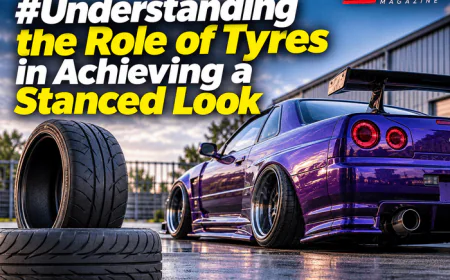




































































































































































































Understanding the Role of Tyres in Achieving a Stanced Look
How tyre size, stretch, sidewall profile and pressures shape a stanced look, plus the safety and MOT checks that keep your build road legal.
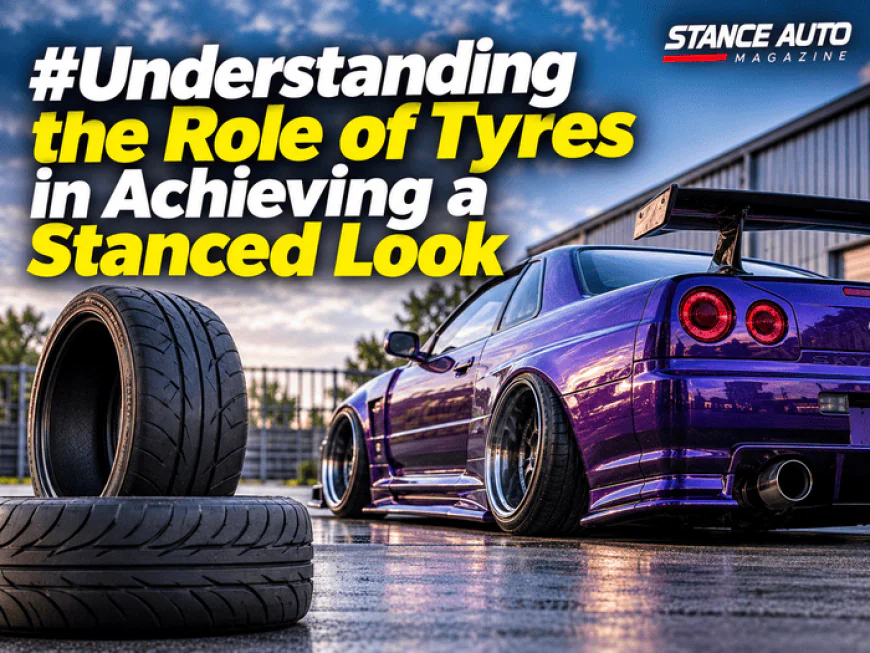
The stance scene is as much about precision as it is about aesthetics, and no element is more central to both than your choice of tyres. From aggressive fitment to daily drivability, the balance you strike with your tyres will determine not just the look, but also how safe and enjoyable your stanced build is on the road, particularly when meeting MOT and safety requirements.
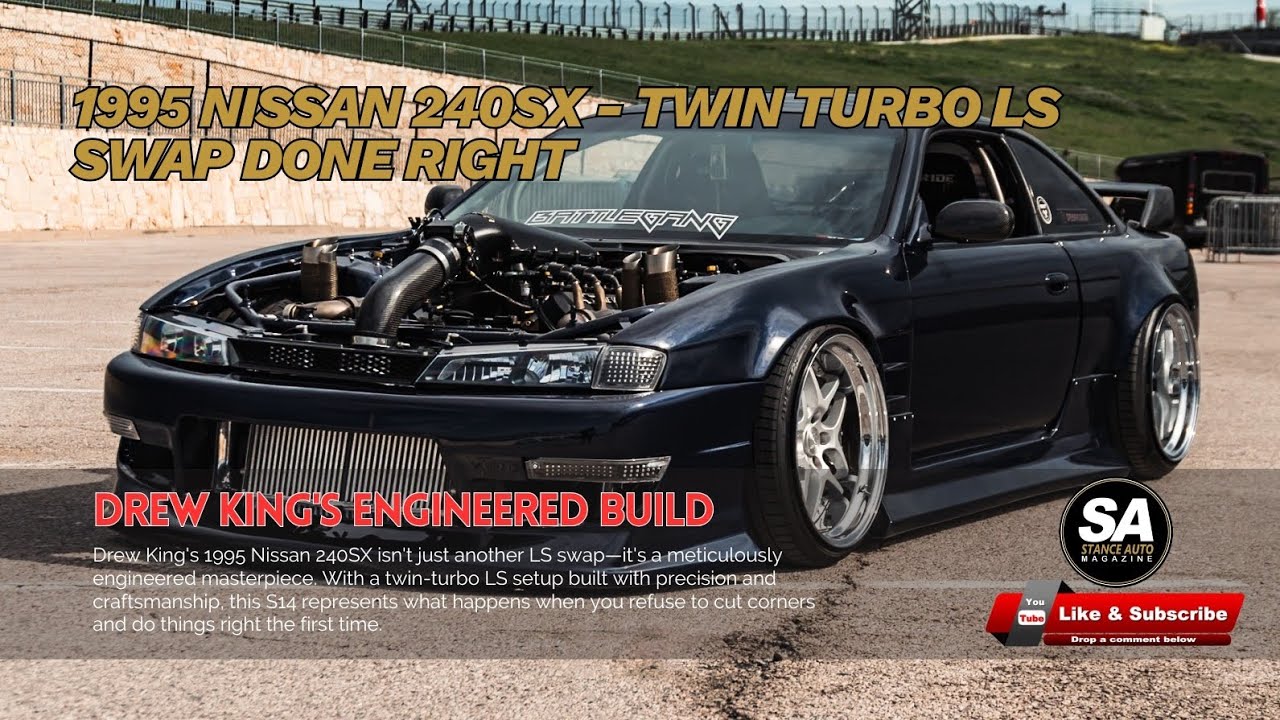
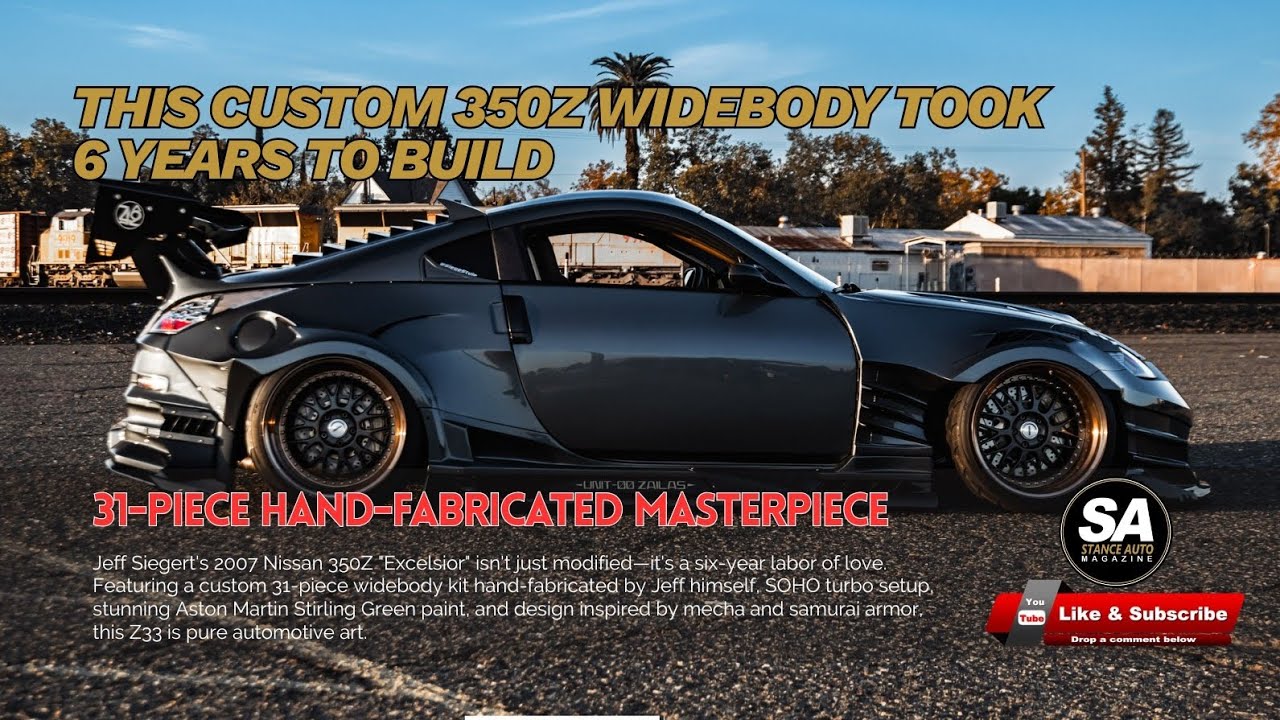
While wheels draw plenty of attention in stance culture, tyres are often what make or break the impact of any build for modified cars and JDM enthusiasts—especially if you want that tucked, flush, or stretched appearance. The way you size and specify your tyres affects everything from the lines of your arch gap to steering feedback, wheel alignment, and ride comfort.
Tyre selection becomes even more critical when you consider that stanced cars often push the boundaries of standard fitment. For those sourcing Tyres in St Helens or anywhere with specialist fitment shops, knowing the technicalities—including load index, speed rating, and suspension geometry—is essential for both style and legality.
Key stance terms you need to know
In the context of stance, you will encounter several crucial terms relevant for those modifying cars or pursuing JDM style:
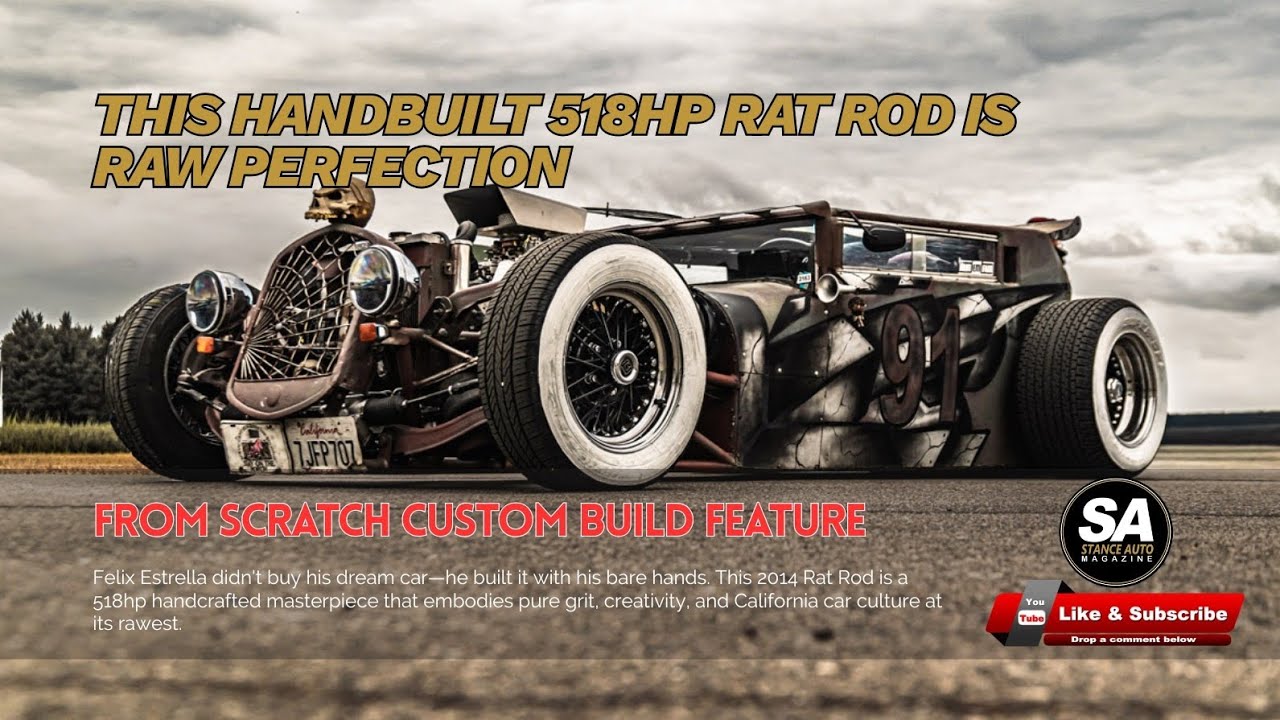
- Stretch: Running a tyre that is narrower than the wheel, resulting in sidewalls that angle towards the bead seat. Common in more extreme stanced builds.
- Sidewall profile: The height of the tyre’s sidewall. Lower profiles can enhance the visual “sit” and make arch gaps more pronounced.
- Load rating/Load index: Indicates how much weight each tyre can safely support. Going too low can compromise safety and is a factor during MOT checks.
- Camber interaction: Negative camber is typical for stance, but increases inner shoulder wear and affects handling and grip.
- Clearance and rubbing: Refers to whether the tyre contacts arches or suspension parts, a common risk when fitment is aggressive.
- Wheel alignment: Involves camber and toe adjustments, especially important in the stance community for handling and even wear.

Choosing tyre size for your stance goals
Tyre sizing for modified and JDM cars isn’t just about diameter or width. It’s a careful calculation that changes the whole personality of a build. Opting for a narrower tyre allows you to achieve more stretch, while a shorter sidewall emphasises wheel-to-arch proximity. The overall diameter plays a role in filling out the arches without excessive “poke.”
If you’re aiming for a flush or tucked fitment, keep your measurements tight, but check how changes in tyre size can affect speedometer accuracy or ABS operation, especially if you stray far from the manufacturer’s specifications. While the visual “sit” matters, choosing the right dimensions also helps you avoid issues like arch rub under compression or turning, and helps maintain proper wheel alignment and safe driving characteristics.
Stretch, sidewall, and the risks they bring
The “stretched tyre” look is a stance hallmark. It gives you sharper fender-to-tyre alignment but also introduces trade-offs in daily driving. Stretched tyres generally offer less rim protection and can sometimes unseat from the bead during hard cornering or impacts. Ride quality typically suffers as the sidewall is less able to absorb bumps, and contact patch area is reduced compared to a standard fitment.
A low sidewall can sharpen steering response, but you might notice more vibration, especially on uneven roads. Overdoing stretch or running ultra-low profiles also raises the risk of impact damage from kerbs or potholes that can damage both wheel and tyre.
Contact patch and grip changes
Everything about the stance setup, from camber to stretch, directly changes the contact patch—the actual area where your tyre meets the road. By reducing contact area or increasing negative camber, you typically reduce traction and may also compromise braking and wet weather performance.
This means that while the look is important, you need to understand how hard you can actually push your car without compromising safety, for yourself and others on the road.
Pressures and accelerated wear
Tyre pressures play a bigger role in stanced setups than many realise. Setting pressures too low or too high can accelerate edge and shoulder wear, especially when combined with aggressive camber and toe settings. You might see tyres wearing out on the inside edge far quicker than the rest, so frequent checks are important for maintaining grip and meeting roadworthiness requirements.
Watch for signs of abnormal wear, including uneven tread depth or feathering, as these can signal that adjustments to your alignment or pressures are needed. In the long run, getting this right will help you avoid disruptive tyre issues and unexpected replacement costs, ensuring your car remains stable and compliant.
Compatibility, safety and fitment checks
Before you commit to any tyre, check the load index and speed rating. These must be suitable for the car’s intended use and legal for road driving. Measure clearance against suspension arms, spring perches, and wheel arches, especially if running wider wheels or unusual offsets. Avoid mixing different tyre types or sizes on the same axle, as this can create unpredictable handling and braking characteristics—something scrutinised during MOT inspections.
Meeting legal and inspection rules
Many builds that succeed visually can struggle at annual inspections or roadside checks, particularly if tyres are worn, have exposed cords, or fail to meet minimum tread depth. Excessive stretch, visible damage, or incorrect fitment are also common reasons for failure.
For anyone modifying their car in the stance community, it’s essential to keep a close eye on the legal status of your tyres—such as tread depth and sidewall mark compliance—and be prepared for scrutiny, especially if your vehicle draws attention for its stance setup.
Checklist for stance-friendly yet safe tyre choices
- Confirm tyre load ratings and speed specs match or exceed your car’s requirements
- Double-check fitment for clearance under full suspension compression and steering lock
- Use matching tyres on each axle
- Maintain correct tyre pressures to avoid rapid and uneven wear
- Regularly check for uneven tread depth and signs of camber wear
- Ensure tread depth meets legal minimums and MOT standards
- Balance your visual goals with ride quality, grip, and safety considerations
Final note
A smart approach to tyre selection enables a stanced aesthetic while respecting safety, legal, and daily usability concerns. Within stance culture, understanding both the technical aspects and appearance of tyres gives your build a better chance of achieving its look, while also remaining safe and compliant for the road.
For more straight-talking guides, builds and car culture, you can pick up Stance Auto Magazine on Amazon.
Related Reads
- Turbo Car Losing Boost? How to Diagnose It
- BMW N54 vs N55 Engine Guide
- What Is the Best Oil for My Car?
- How to Choose the Right Engine Oil
Find more builds, guides and car culture at Stance Auto Magazine.
 Like
0
 Dislike
0
 Love
0
 Funny
0
 Angry
0
 Sad
0
 Wow
0