
































.png)





![[HOONIGAN] Ken Block's GYMKHANA NINE](https://img.youtube.com/vi/_bkX5VkZg8U/maxresdefault.jpg)












































![[HOONIGAN] KEN BLOCK'S GYMKHANA SEVEN: WILD IN THE STREETS OF LOS ANGELES](https://cdn.motor1.com/images/mgl/2KlO4/s1/ken-block-london-tour-directors-cut.jpg)





























Civic Type R as a Modifying Platform: The Aftermarket Scene
The Civic Type R has one of the deepest aftermarket scenes in modifying culture - here's what actually makes it such a rewarding build platform.
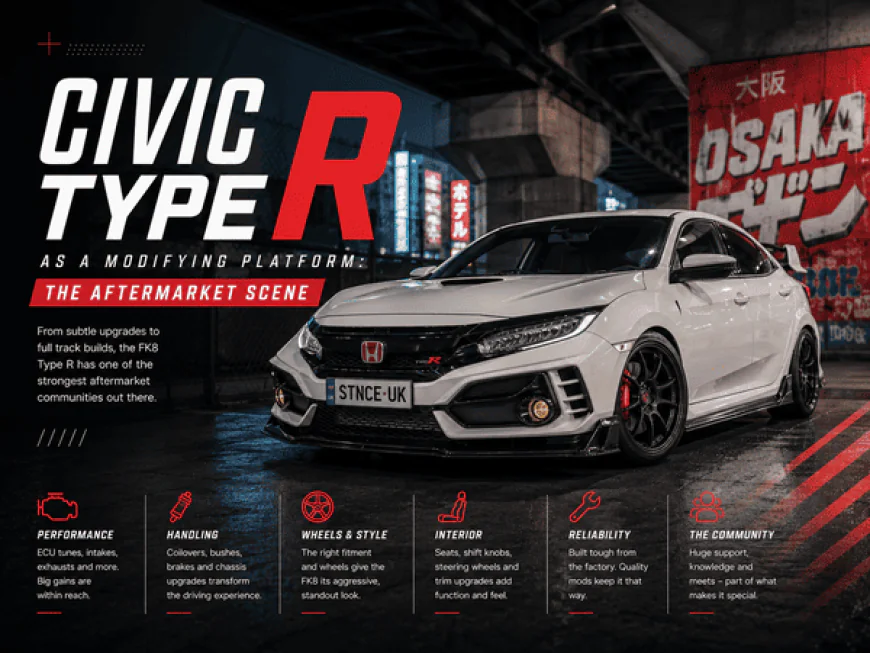
Civic Type R as a Modifying Platform
We've already broken down which generation of Civic Type R to actually buy. This one's about what happens after you've bought it, because few hot hatches reward the modifying process quite as thoroughly, or come with quite as deep a support network, as this one.
Honda built the Type R badge on a specific promise, that the engineering underneath would be good enough to reward a driver who actually pushed it, and that same philosophy is exactly why the aftermarket scene around every generation of this car has grown so deep. This isn't a platform where modifying means fighting a mediocre factory foundation; it's one where the factory foundation was already good enough that the aftermarket's job is mostly about sharpening what's already there.
Why the Aftermarket Scene Runs So Deep
Decades of continuous production across five distinct generations, each with genuine enthusiast followings, have given the Civic Type R one of the most mature aftermarket ecosystems of any hot hatch on the market. Suspension, aero, exhaust and engine management options exist in genuine depth for every generation, not just the newest, meaning whichever Type R you've actually bought, you're stepping into a scene with real accumulated knowledge behind it rather than having to figure everything out from scratch.
The K-Series Engine Makes Tuning Genuinely Accessible
Whichever generation you're building, you're working with some variant of Honda's K-series engine family, covered in more depth in our K20 vs K24 comparison, an engine family with genuinely deep tuning knowledge built up across the wider Honda scene, not just Type R owners specifically. This cross-pollination matters practically, parts, tuning shops and accumulated dyno knowledge developed for K-series swaps elsewhere often applies directly or with minimal adaptation to a Type R build, a genuinely broader knowledge base than a more isolated platform would offer.
Suspension and Chassis Response Reward Real Investment
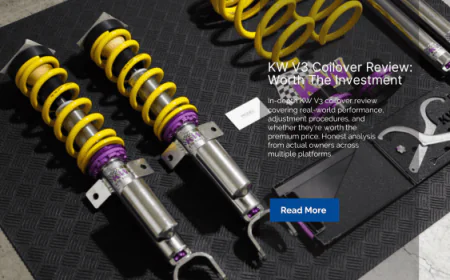
The Type R's factory chassis is already tuned with genuine seriousness, which means aftermarket suspension work here isn't about fixing a mediocre foundation, it's about sharpening an already capable platform further. Builders consistently report that quality coilovers and alignment work on a Type R produce results that feel proportionally bigger than the same investment on a less naturally talented chassis, the car was clearly engineered with a ceiling well above its factory setup, and modifying is largely about reaching toward that ceiling rather than fighting the car's fundamental limitations.
Aero Is a Genuinely Functional Modification Here, Not Just Styling
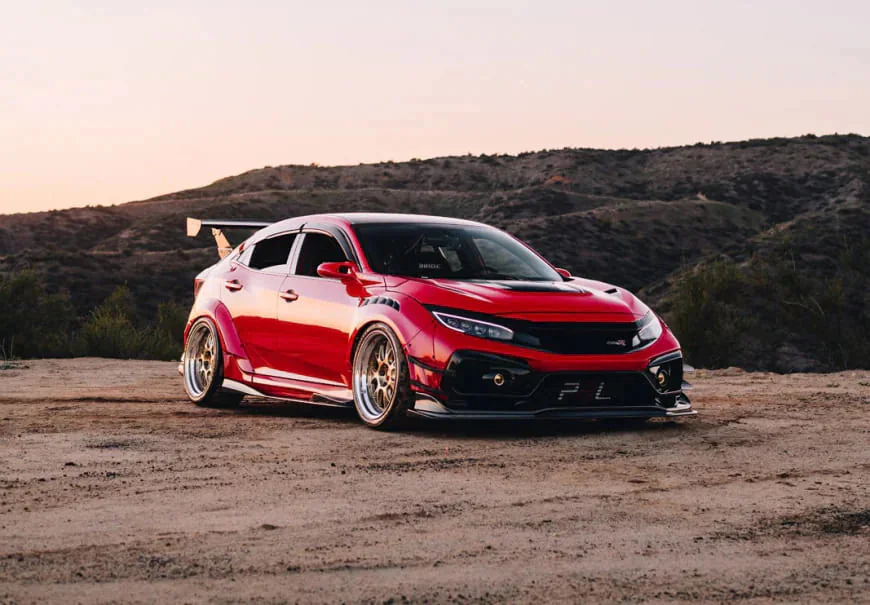
Later generations specifically, the FK8 and FL5 in particular, were developed with real aerodynamic engineering behind their already aggressive factory styling, which means aftermarket aero additions on these cars are working with, rather than against, genuine functional design intent. This is a meaningfully different starting point to bolting aero onto a car that was never aerodynamically considered in the first place, aftermarket splitters, wings and diffusers on a later Type R tend to genuinely function as intended rather than existing purely for visual effect.
What Kind of Builds Does This Platform Suit Best?
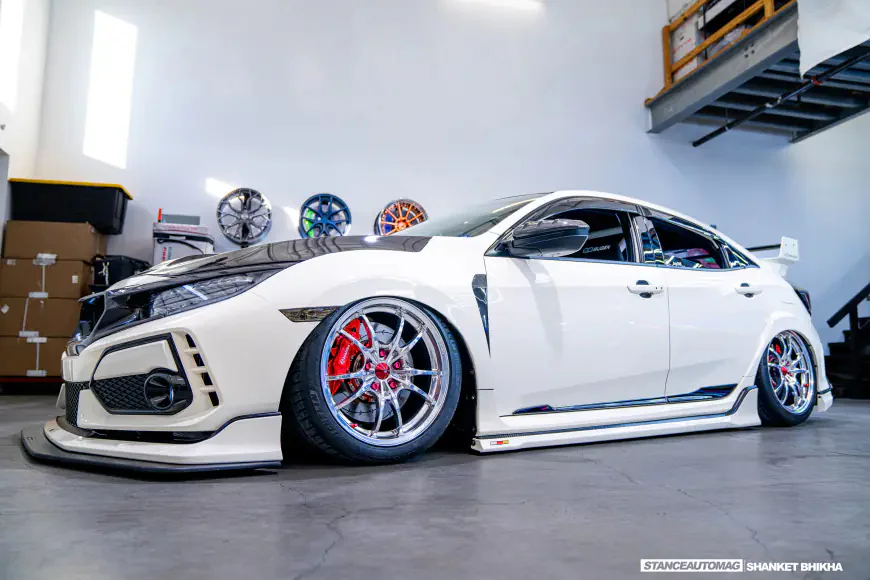
The Type R's factory character, sharp, precise, genuinely track-capable from the showroom floor, means it suits track-focused and fast road builds particularly well, playing to strengths that are already present rather than requiring a fundamental character change. That's not to say show-focused or stance builds don't exist within the scene, they absolutely do, but the platform's deepest, most respected modifying community has always centred on genuinely extracting more track and road performance from a car that already does that job better than most out of the factory.
Why This Platform Rewards Patience
Because the factory foundation is already so strong, the Type R modifying community tends to favour a measured, deliberate approach, proper supporting modifications before chasing bigger numbers, rather than the more scattergun approach sometimes seen on platforms that need more fundamental work just to become genuinely capable. This patience pays off specifically because the car responds so proportionally well to a properly sequenced build, throwing money at parts in the wrong order tends to waste more of that potential here than it would on a platform with a lower factory ceiling to begin with.
Turbo vs Naturally Aspirated: A Different Build Conversation
Depending on which generation you're building, you're either working with a naturally aspirated engine on the earlier EP3 and FN2, or a turbocharged K20C1 from the FK2 onward, and this genuinely changes the modifying conversation rather than just the numbers. Naturally aspirated builds tend to chase incremental gains through intake, exhaust and ECU tuning within the engine's existing character, where the turbocharged generations open up a much bigger power ceiling through boost and supporting hardware, a meaningfully different build philosophy depending on which generation ended up in your driveway.
The Community Itself Is Part of the Appeal
Beyond parts and knowledge, the sheer scale and enthusiasm of the wider Civic Type R community adds real value to owning one specifically for modifying purposes, active forums, dedicated meets, and a genuinely deep well of build logs documenting exactly what worked and what didn't across every generation. Few platforms offer this much accumulated, freely shared community knowledge, which makes the whole process of planning and executing a build genuinely easier than tackling a more obscure or less-documented platform.
See It Done: Real Type R Builds on Stance Auto
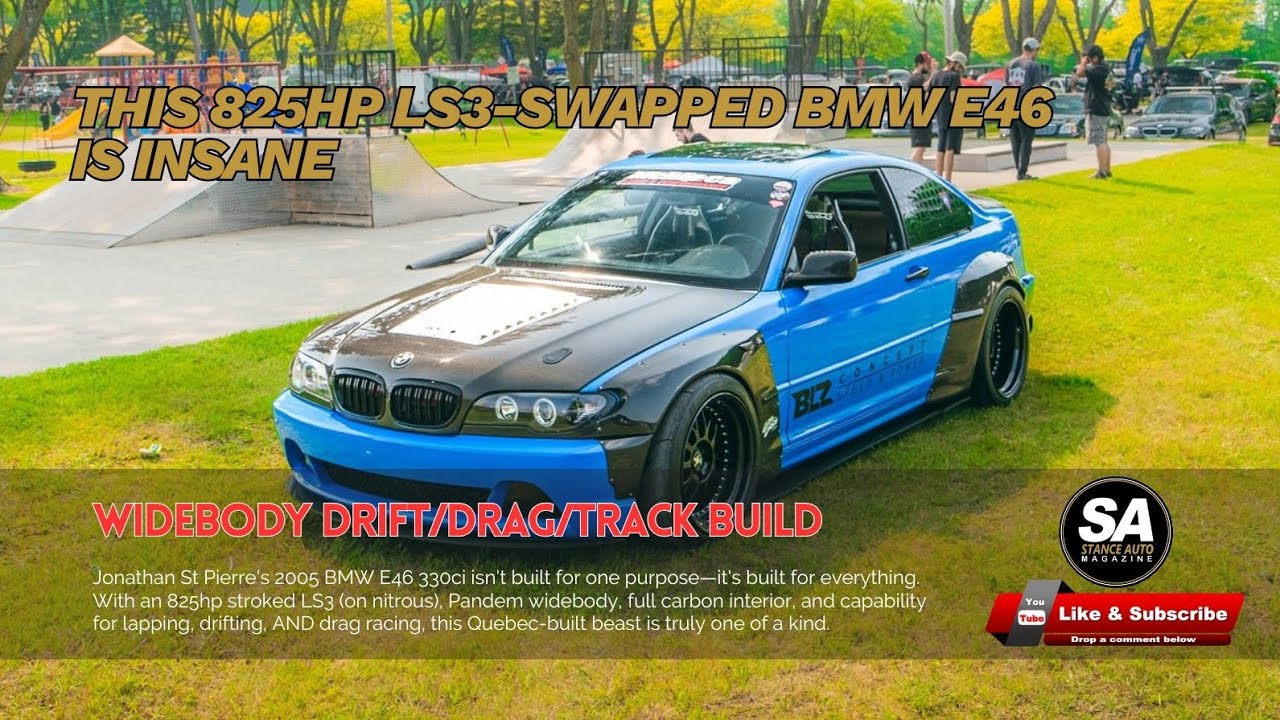
The range of what's actually being built proves the point better than any spec sheet. Kevin Martinez's Varis Arising widebody FK8 shows the show-car end of the scene, full widebody, carbon roof, custom paint. For the budget-conscious builder, our own budget 300bhp EP3 build guide proves serious power doesn't need a serious bank balance on this platform. And for the newest generation, James Dolan's bagged FL5 on AirRex air suspension shows the aftermarket has caught up with even Honda's latest and most track-focused Type R almost immediately.
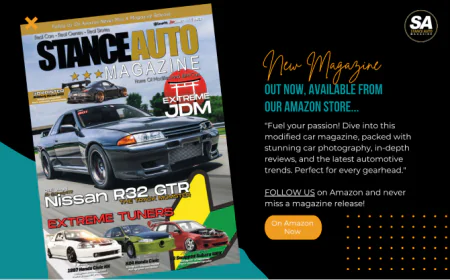
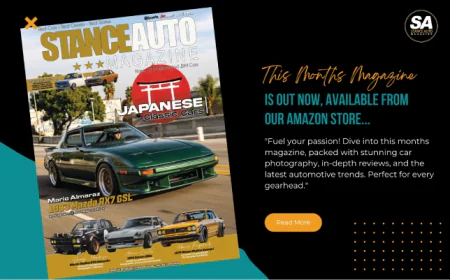
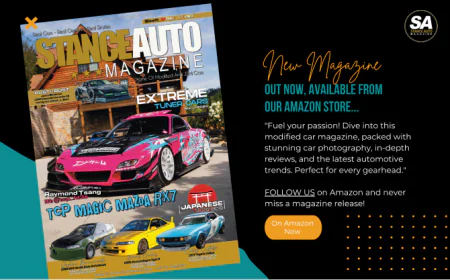
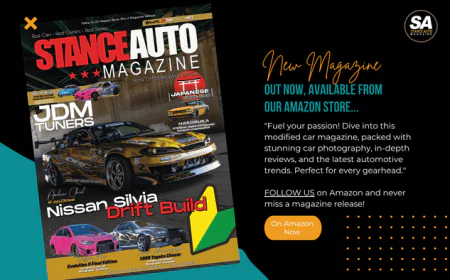
For more platform reviews and buyer's guides, and everything else modified car culture, head back over to Stance Auto Mag. You can also grab the latest print issue through our Amazon magazine store.
 Like
0
Like
0
 Dislike
0
Dislike
0
 Love
0
Love
0
 Funny
0
Funny
0
 Angry
0
Angry
0
 Sad
0
Sad
0
 Wow
0
Wow
0