











































.png)









![[HOONIGAN] Ken Block's GYMKHANA NINE](https://img.youtube.com/vi/_bkX5VkZg8U/maxresdefault.jpg)
























































![[HOONIGAN] KEN BLOCK'S GYMKHANA SEVEN: WILD IN THE STREETS OF LOS ANGELES](https://cdn.motor1.com/images/mgl/2KlO4/s1/ken-block-london-tour-directors-cut.jpg)

































Why Are RWB Porsches So Wide? The Philosophy Behind the Style
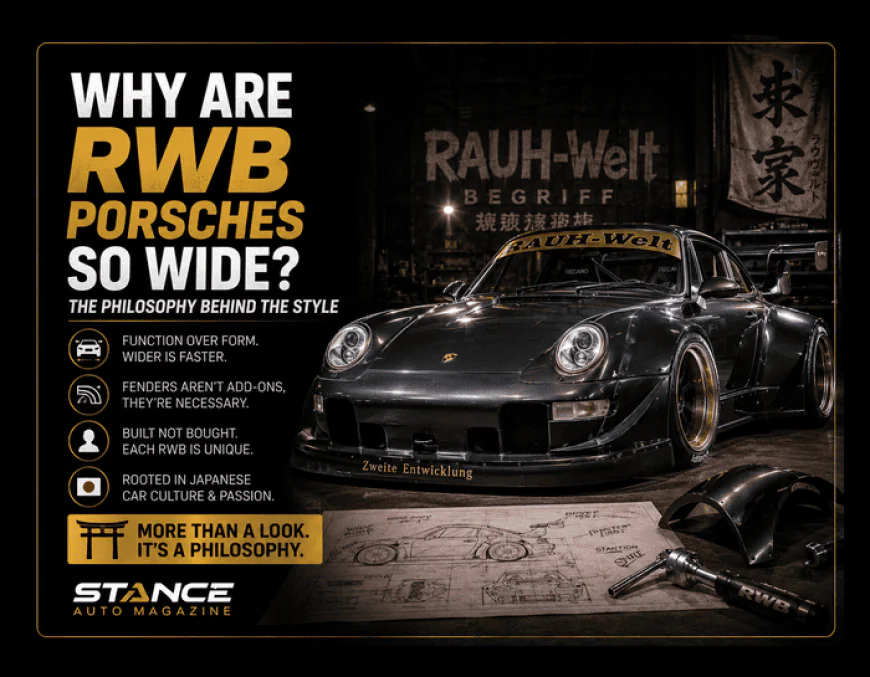
RWB Porsches are so wide because Akira Nakai widens the arches to fit deep-dish wheels and huge tyres, chasing stance and grip over factory subtlety.
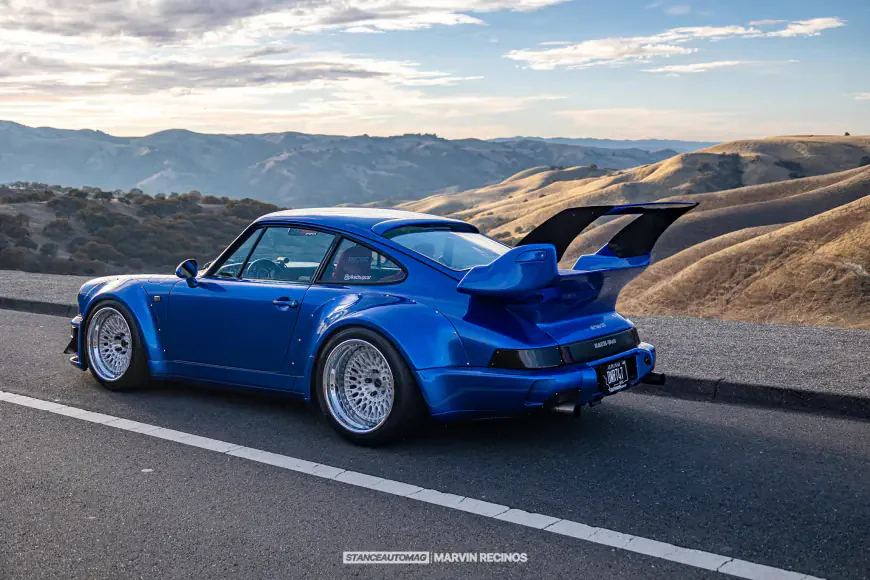
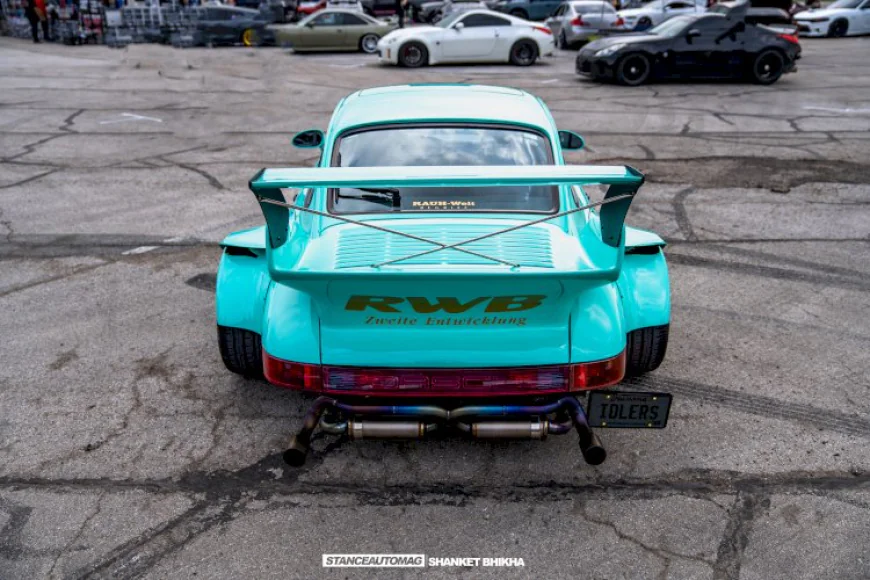
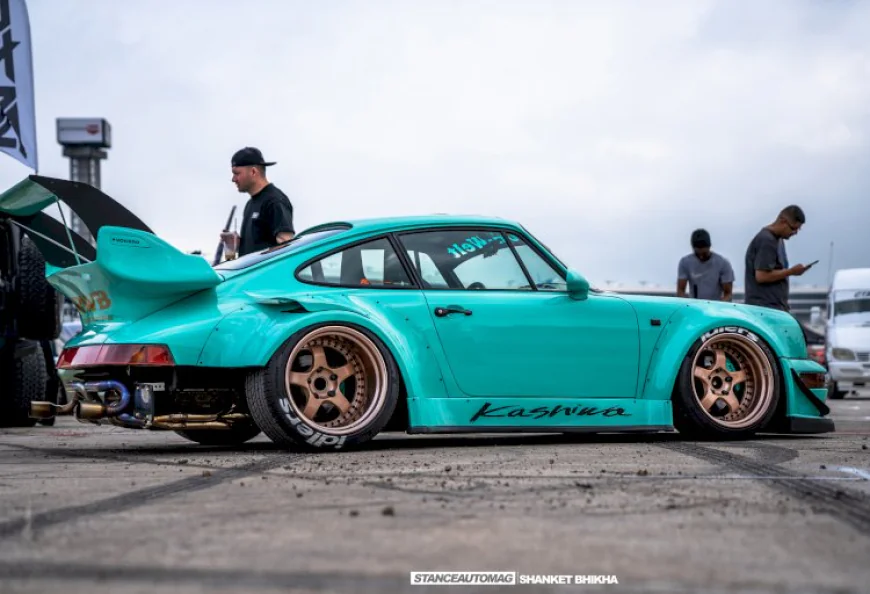
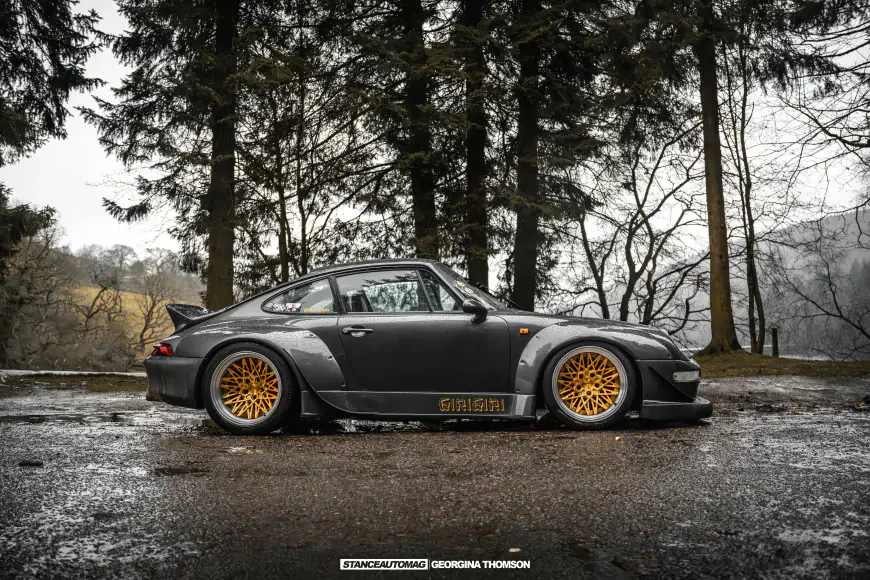
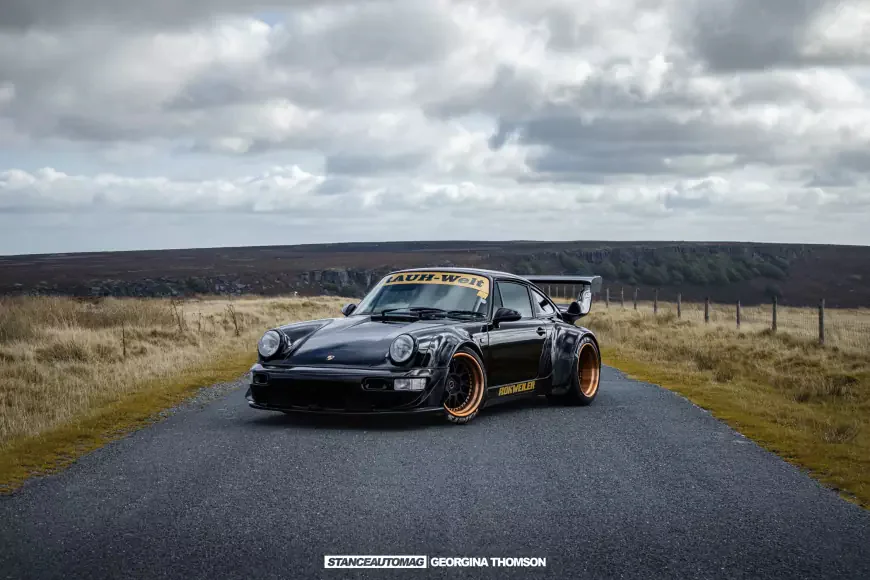
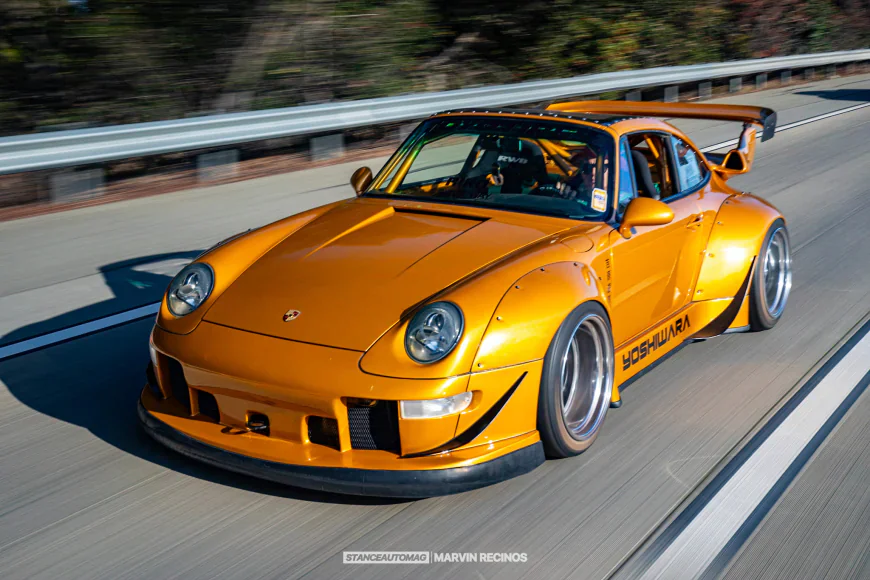
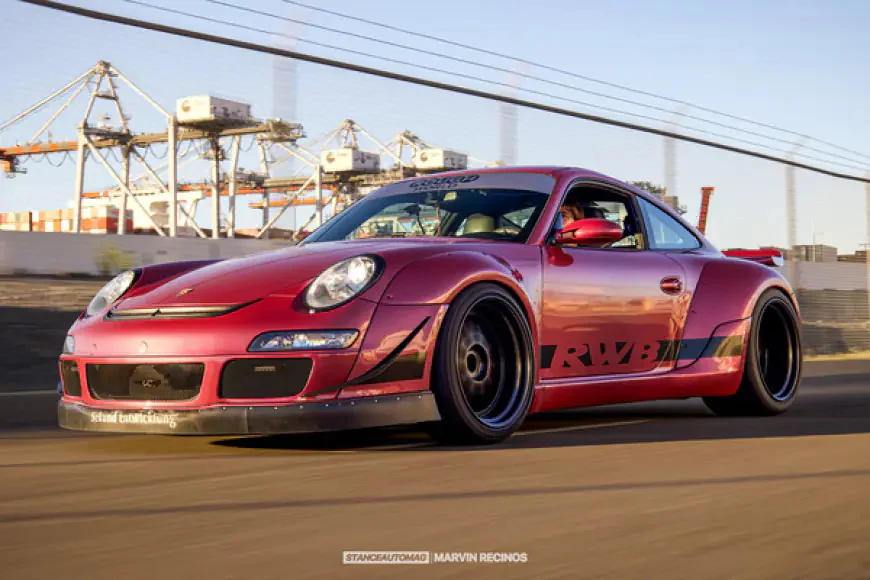
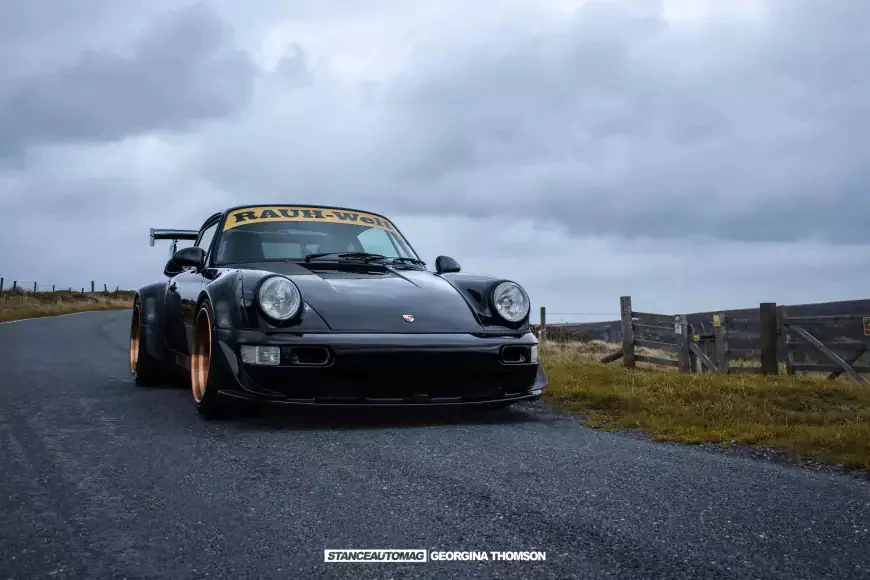
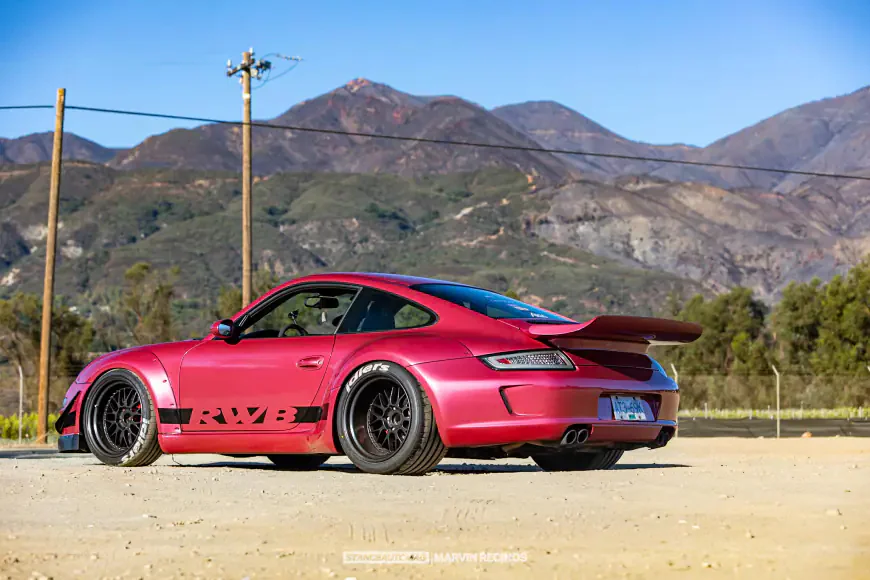
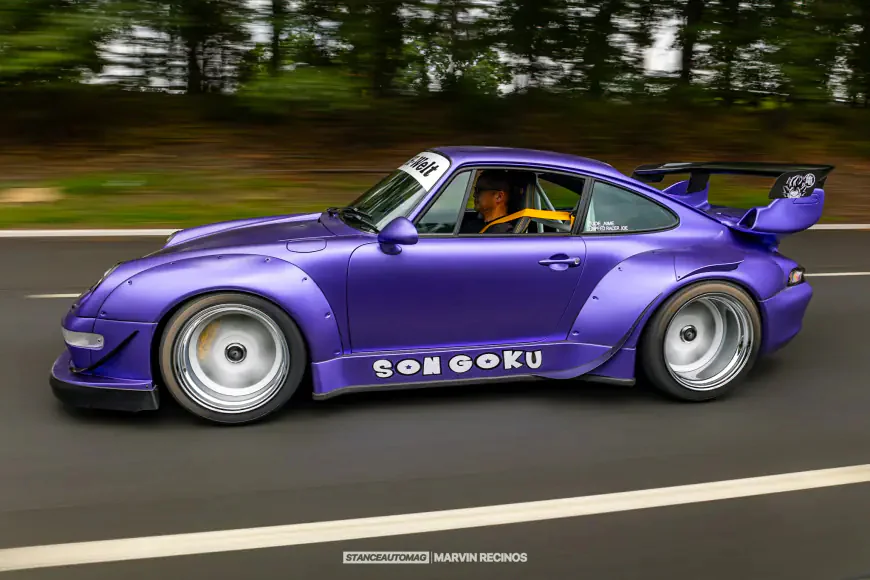
Why Are RWB Porsches So Wide?
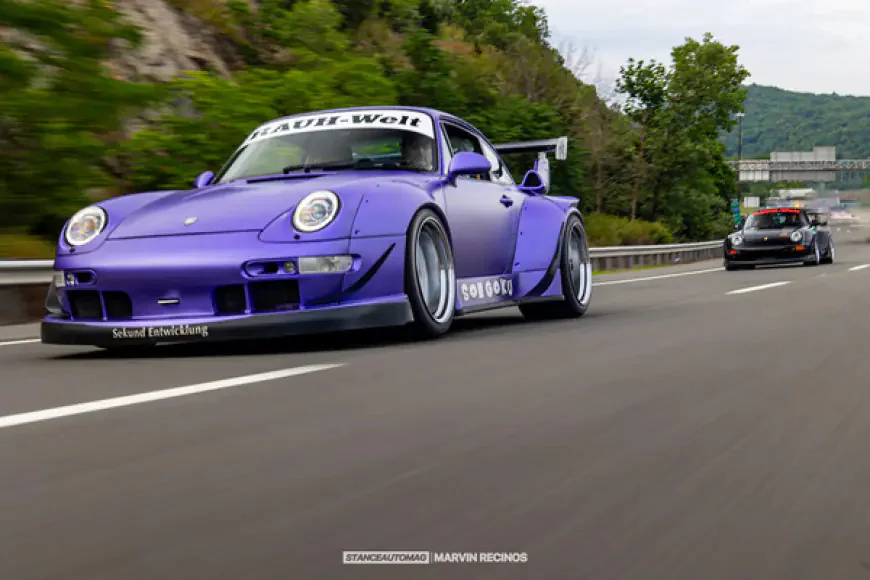
RWB Porsches are so wide because Akira Nakai builds every widebody kit around fitting deep-dish wheels and wide tyres that simply won't clear a stock 911's arches, chasing stance, grip and visual drama over any kind of factory subtlety. It's not width for the sake of width. Every arch on an RWB build exists to solve a fitment problem first, and the aggressive look that's made the brand famous is really a side effect of that engineering decision rather than the starting point.
If you've read our piece on what an RWB Porsche actually is, you'll know Nakai fabricates every kit by hand rather than working from a template. That hands-on process is exactly why the "why" behind the width matters so much here, because unlike a production widebody kit designed once and reproduced, every RWB arch is shaped in response to the specific wheel and tyre combination that particular car is running.
Why Does RWB Widen the Arches at All?
This is the most common way people phrase the question, and RWB widens the arches because a stock Porsche 911 simply doesn't have the clearance for the wheel width and tyre stretch Nakai wants to run on his builds. Wider wheels give more grip, better stability under hard cornering and a much more aggressive stance, but none of that fits under a factory arch. Widening the bodywork is the only way to run the fitment Nakai is after without the tyres rubbing on the arch lips or the suspension every time the car turns or compresses.
This is where RWB differs from a purely cosmetic widebody. The width exists to serve the wheel and tyre package, not the other way around. Nakai typically works out the fitment he wants first, then builds the arch around it, which is part of why no two RWB cars end up with identical proportions even on the same generation of 911.
Why Are the Fenders Riveted Instead of Painted to Match Seamlessly?
That's one part of the answer, but the fenders are riveted rather than blended seamlessly because RWB's whole design language leans into showing the modification rather than hiding it. Nakai's signature hand-cut, riveted-on flares create a raw, mechanical look that makes no attempt to disguise the fact that the bodywork has been altered. That's a deliberate philosophical choice as much as a practical one, since exposed rivets are also easier to fabricate and adjust on-site than a fully blended panel would be, which matters given every build happens in a matter of days.
This visible, unapologetic construction is central to why RWB looks the way it does, and it's part of why the style has become so recognisable at a glance, even to people who don't follow modified car culture closely. Where a lot of tuners try to make a widebody look factory, RWB does the opposite on purpose.
Why Does Nakai Prioritise Fitment Over a Subtle Look?
Another layer to why are RWB Porsches so wide is that Nakai prioritises fitment over subtlety because his background is rooted in Tokyo's underground street racing scene, where the way a car handled mattered as much as how it looked. Coming up through the Mid Night Club, an environment built around high-speed driving on Tokyo's expressways, gave Nakai a perspective that treats a Porsche as something to be driven hard, not just displayed. Wider wheels and tyres genuinely improve grip and stability, so the aggressive stance RWB is known for isn't purely aesthetic, it comes from a driving philosophy that happens to also look incredible.
Owners often talk about this when describing their own builds. One RWB owner, reflecting on his own 993, put it simply: "the wide-body kits accommodate wider wheels for maximum grip on track days." That's the practical core of the whole philosophy, dressed up in one of the most recognisable body styles in modified car culture.
Does the Width Actually Change How the Car Drives?
Yes, and this is often the part people miss when they only see photos, even though it's arguably the most important part of why are RWB Porsches so wide. A genuinely wider track, paired with sticky, wide tyres, changes the contact patch the car has with the road, which has a real effect on cornering grip and stability under braking. That's a big part of why are RWB Porsches so wide in the first place, rather than the brand simply chasing a look for its own sake. Nakai's own driving background means every build still has to work properly at speed, not just sit well at a car show.
That said, width isn't free. A wider stance shifts the car's handling characteristics, and the suspension, brakes and alignment usually need to be reworked alongside the bodywork to keep everything balanced. This is why a proper RWB build always comes as a package, coilovers, brakes and wheels specced together, rather than the widebody kit being treated as a standalone cosmetic add-on.
So Why Are RWB Porsches So Wide Compared to Other Widebody Brands?
Compared to a lot of other widebody brands, RWB tends to push width further and finish it rougher, which is exactly why are RWB Porsches so wide next to almost anything else on the road, and that comes back to the same fitment-first philosophy running through the whole build process. Where some brands design a kit to look aggressive but still relatively restrained, Nakai builds outward from whatever wheel and tyre combination the owner wants, which regularly results in a wider, more dramatic final stance than a standard production kit would produce on the same platform. It's one of the clearest visual signatures separating an RWB build from anything else in modified Porsche culture.
Why Does Every RWB Look Slightly Different?
Every RWB looks slightly different, which itself answers part of why are RWB Porsches so wide across different builds, because Nakai fabricates each set of arches by hand, in person, based on the specific wheels, tyres and ride height that particular owner has chosen. There's no mould, no repeatable template and no two builds run through an identical process. That variation is a feature of the brand, not an inconsistency, and it's the main reason RWB Porsches hold their appeal even among owners who've seen dozens of them before. If you want the width guaranteed to look identical from car to car, that's closer to what a production widebody brand like Liberty Walk or Rocket Bunny offers, and it's worth reading our comparison of RWB vs Liberty Walk if you're weighing up which approach actually suits your build.
Is the Extreme Width Ever Just for Show?
It's a fair question, and one worth asking directly alongside why are RWB Porsches so wide in general. The honest answer is that some builds do lean more heavily into the visual side than others, particularly once a car ends up as a static show piece rather than something driven regularly. But even then, the underlying reason why are RWB Porsches so wide traces back to the same fitment logic, wide wheels needing wide arches, even if a particular owner never takes their car anywhere near a track. The philosophy doesn't change just because the use case does.
What does shift from build to build is how far an owner pushes things. Some RWB Porsches are built with track days genuinely in mind, running stiffer suspension setups and tyre choices suited to hard driving. Others are built primarily to be admired at shows, with softer setups and wheel fitments chosen more for visual impact than outright grip. Both are legitimate within RWB culture, and Nakai has built cars at both ends of that spectrum over the years, which is itself part of the answer to why are RWB Porsches so wide across such a broad range of builds rather than a single fixed template.
What Does This Mean If You're Planning Your Own Build?
If you're working toward your own RWB commission, understanding the reasoning behind the width should shape how you approach the process. Decide on your wheel and tyre fitment early, since that decision is what everything else, the arch width, the suspension setup and even the ride height, gets built around. Trying to work backwards from a look you've seen in a photo, without settling on fitment first, tends to produce a less coherent result than starting with the wheels and letting the bodywork follow.
It's also worth having an honest conversation with yourself, and with Nakai or the UK chapter if you're commissioning through them, about whether you want a build that's genuinely track-capable or one that's built primarily to be shown. Neither is wrong, but the answer changes some of the decisions made along the way, right down to how aggressive the final stance ends up looking.
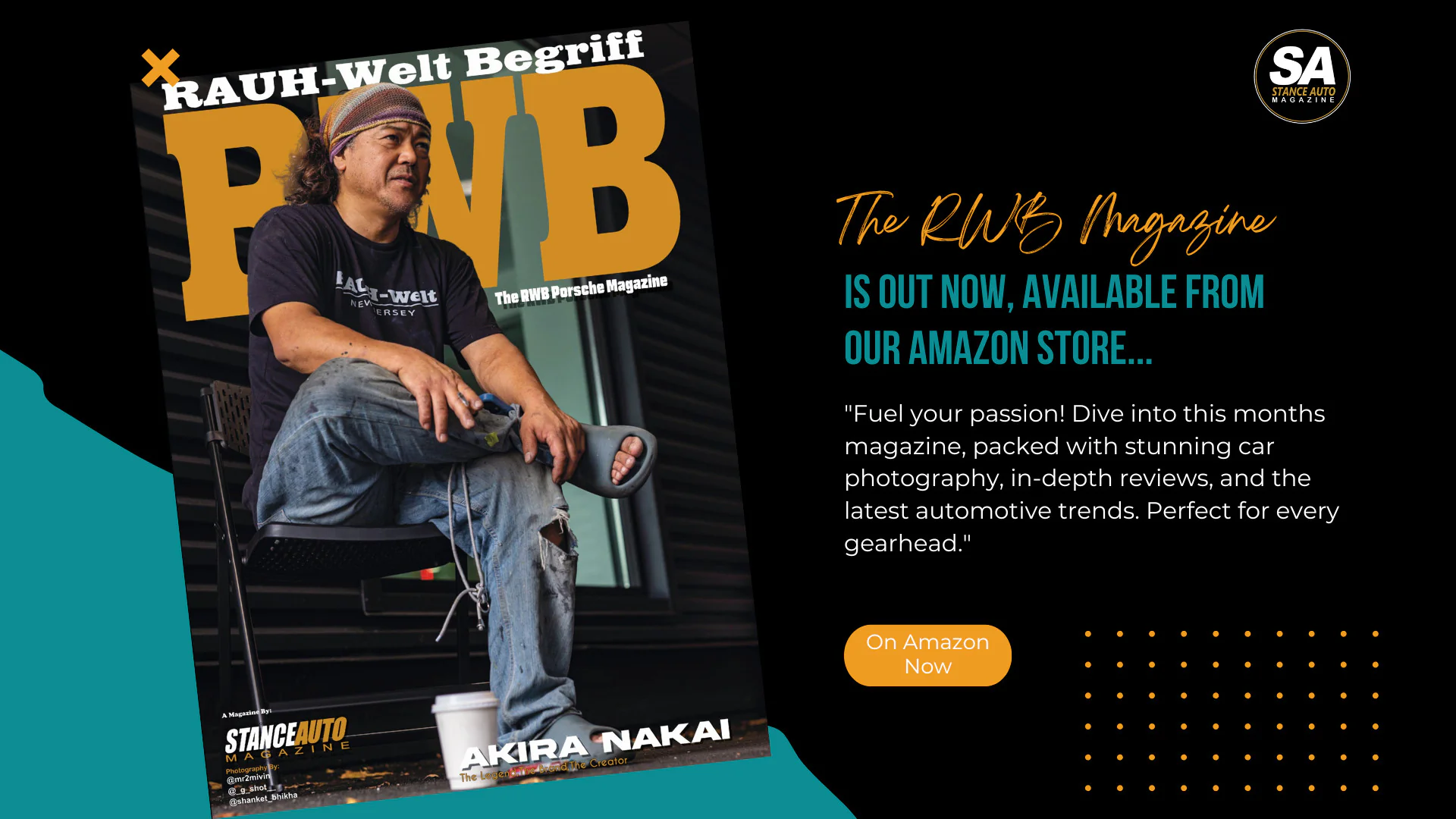
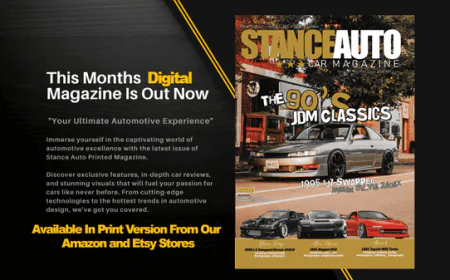
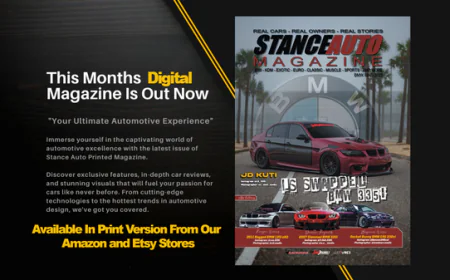
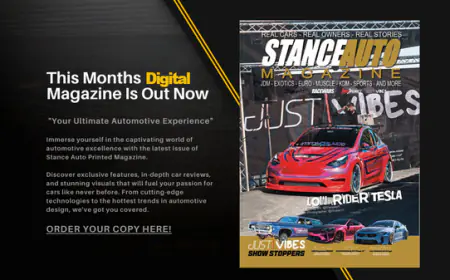
The RWB Magazine from Stance Auto Magazine
Related Reads
- What Is an RWB Porsche? Who Created It
- Can You Buy an RWB Porsche in the UK?
- RWB vs Liberty Walk: How Two Japanese Widebody Styles Compare
- RWB vs Rocket Bunny: How Two Japanese Widebody Styles Compare
Once you understand why are RWB Porsches so wide, an RWB Porsche stops looking like an exaggerated show car and starts looking like exactly what it is, a build engineered around wheels, grip and stance first, with the visual drama following naturally from those decisions. If you want to see that philosophy in action, our RWB Magazine showcases genuine reader RWB builds from around the world, real owners, real cars, real build stories, free to read as a digital edition on the site or available as a print copy on Amazon if you'd rather have it on the shelf. You can read more build features and style breakdowns like this one over on Stance Auto Magazine, and grab the latest print issue through our Amazon store.
 Like
0
Like
0
 Dislike
0
Dislike
0
 Love
0
Love
0
 Funny
0
Funny
0
 Angry
0
Angry
0
 Sad
0
Sad
0
 Wow
0
Wow
0