























.png)





![[HOONIGAN] Ken Block's GYMKHANA NINE](https://img.youtube.com/vi/_bkX5VkZg8U/maxresdefault.jpg)




























![[HOONIGAN] KEN BLOCK'S GYMKHANA SEVEN: WILD IN THE STREETS OF LOS ANGELES](https://cdn.motor1.com/images/mgl/2KlO4/s1/ken-block-london-tour-directors-cut.jpg)























RWB vs Liberty Walk: How Two Japanese Widebody Styles Compare
RWB vs Liberty Walk: RWB widens Porsches by hand with no two builds alike, while Liberty Walk mass-produces bolt-on kits for supercars and JDM icons worldwide.
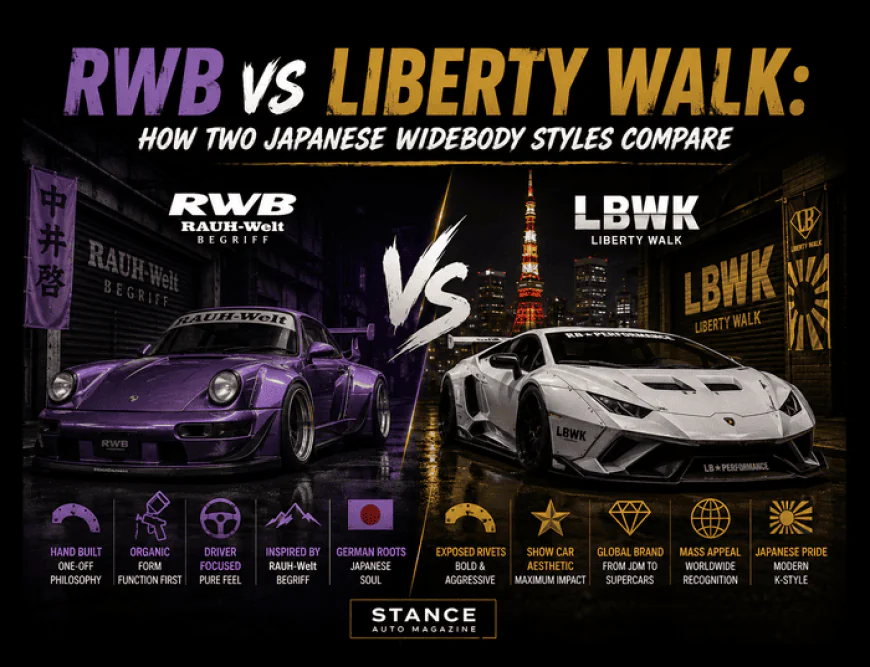
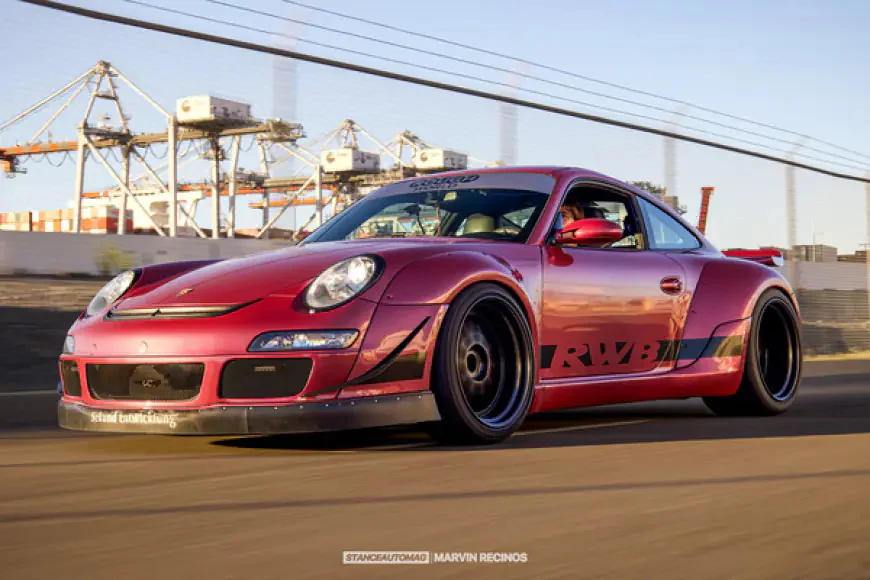
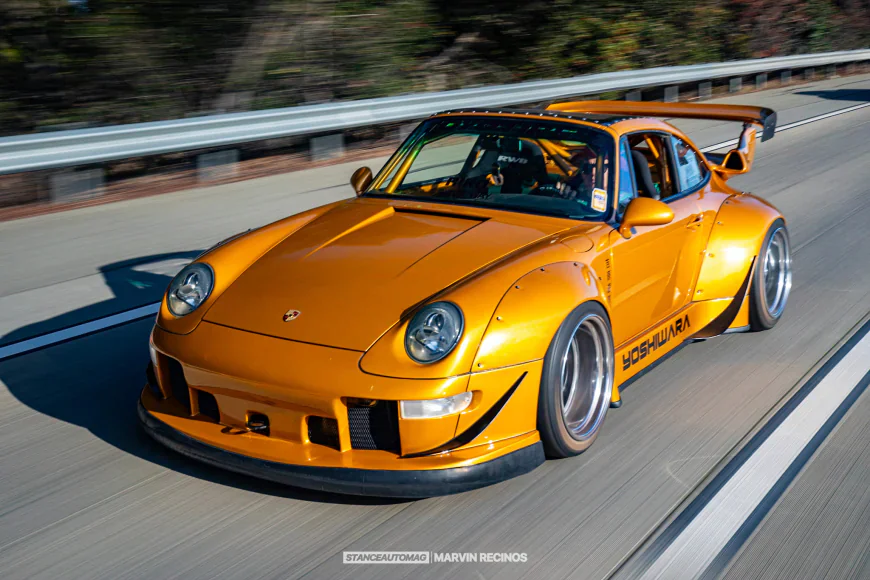
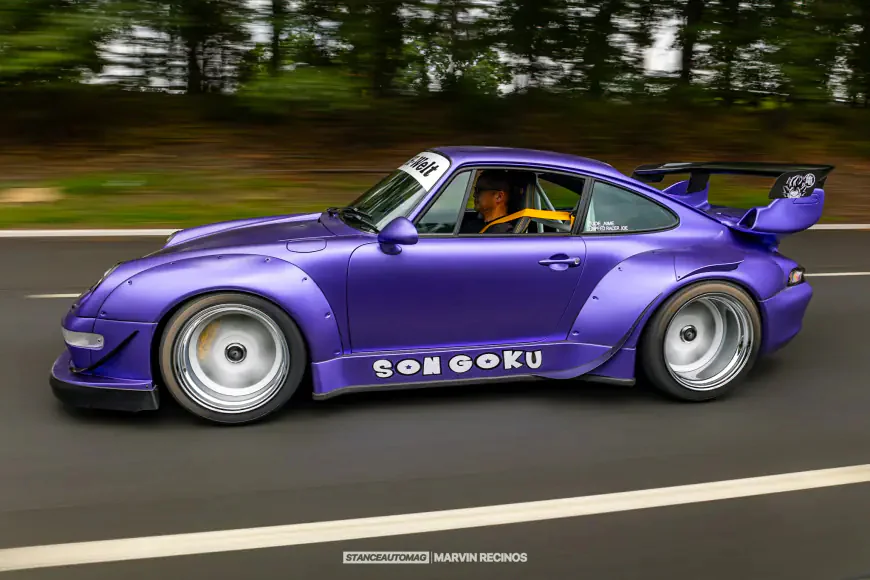
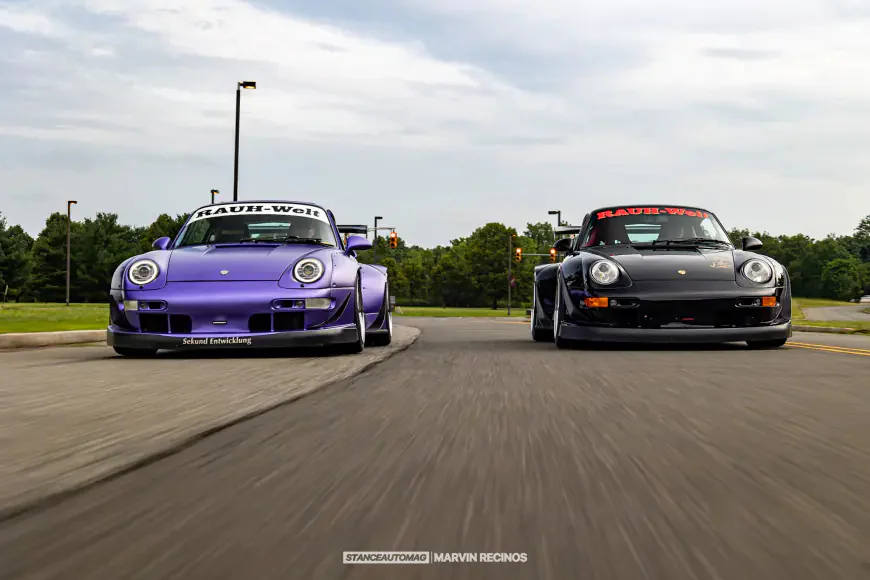
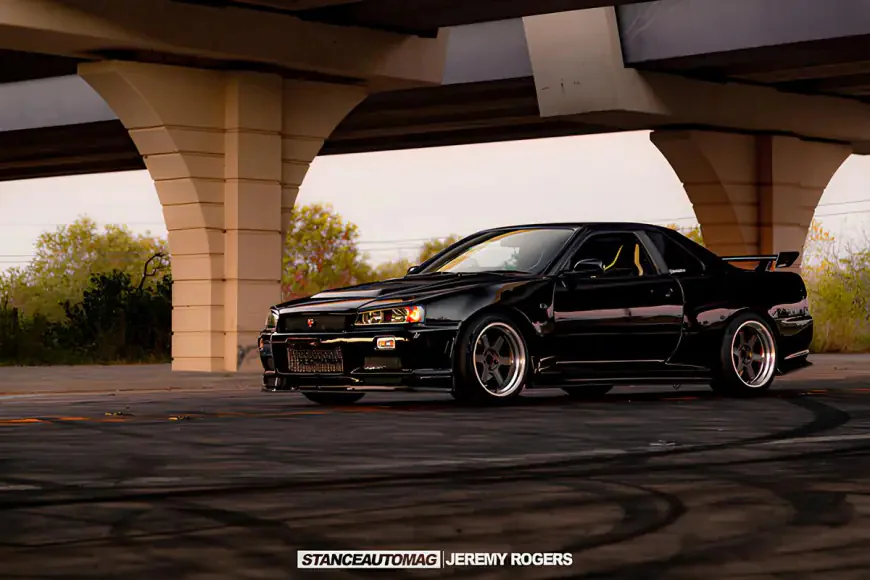
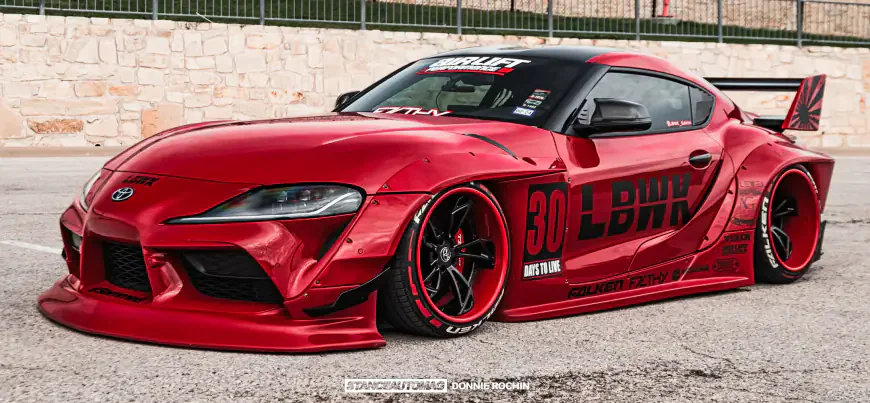
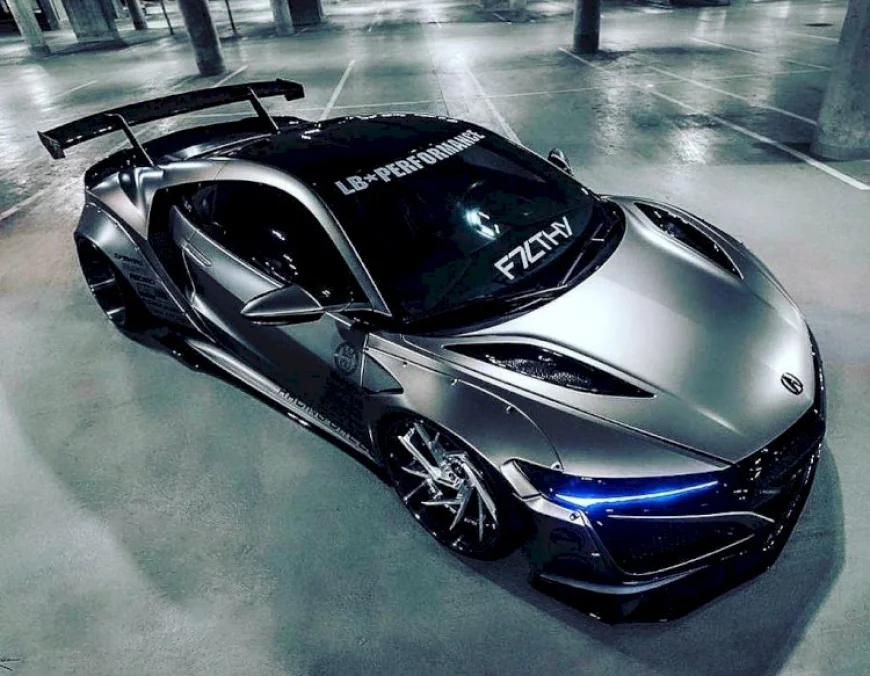
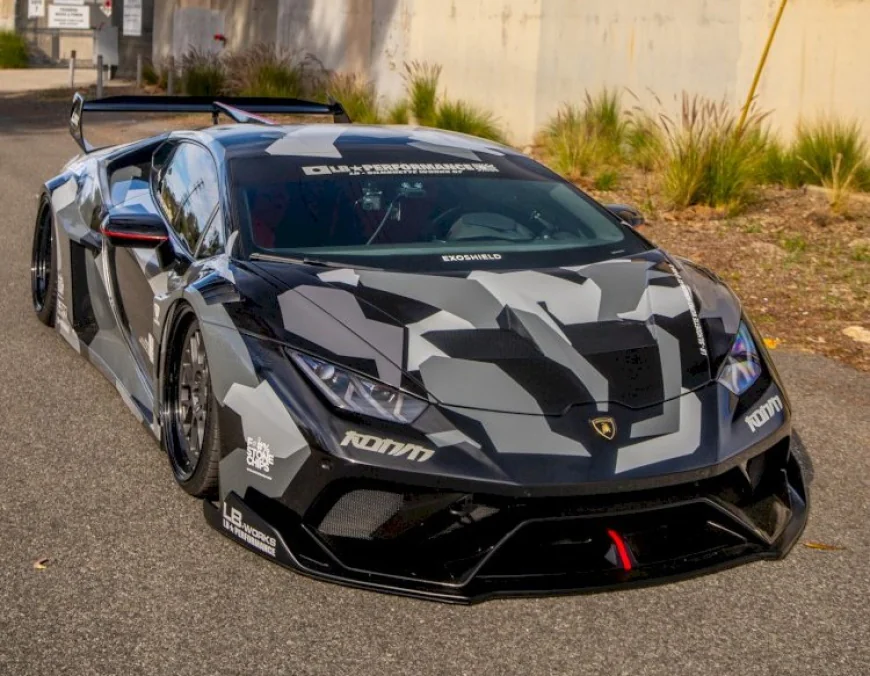
How Two Japanese Widebody Styles Compare
If you've spent any time down the rabbit hole of Japanese widebody culture, you'll already know the two names that come up again and again. RWB vs Liberty Walk is one of those debates that never really settles, mostly because the two brands aren't actually trying to do the same thing. One is a one-man operation built around one very stubborn Porsche obsessive. The other is a global company with showrooms, dealer networks and a catalogue you can order from. Both changed the way the world thinks about modified cars, and both are instantly recognisable from fifty yards away, but the philosophy underneath them couldn't be more different.
This one comes up a lot in the Stance Auto inbox, usually from someone who's fallen down a YouTube hole at 1 am and can't work out why one widebody Porsche cost £150,000, and the next one they saw was a kit off a website for a few grand. So let's actually unpack the RWB vs Liberty Walk question properly, brand by brand, so you know exactly what you're looking at next time one rolls past.
What Is RWB, and Why Is It So Different From Everything Else?
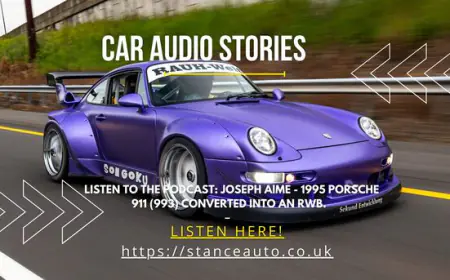
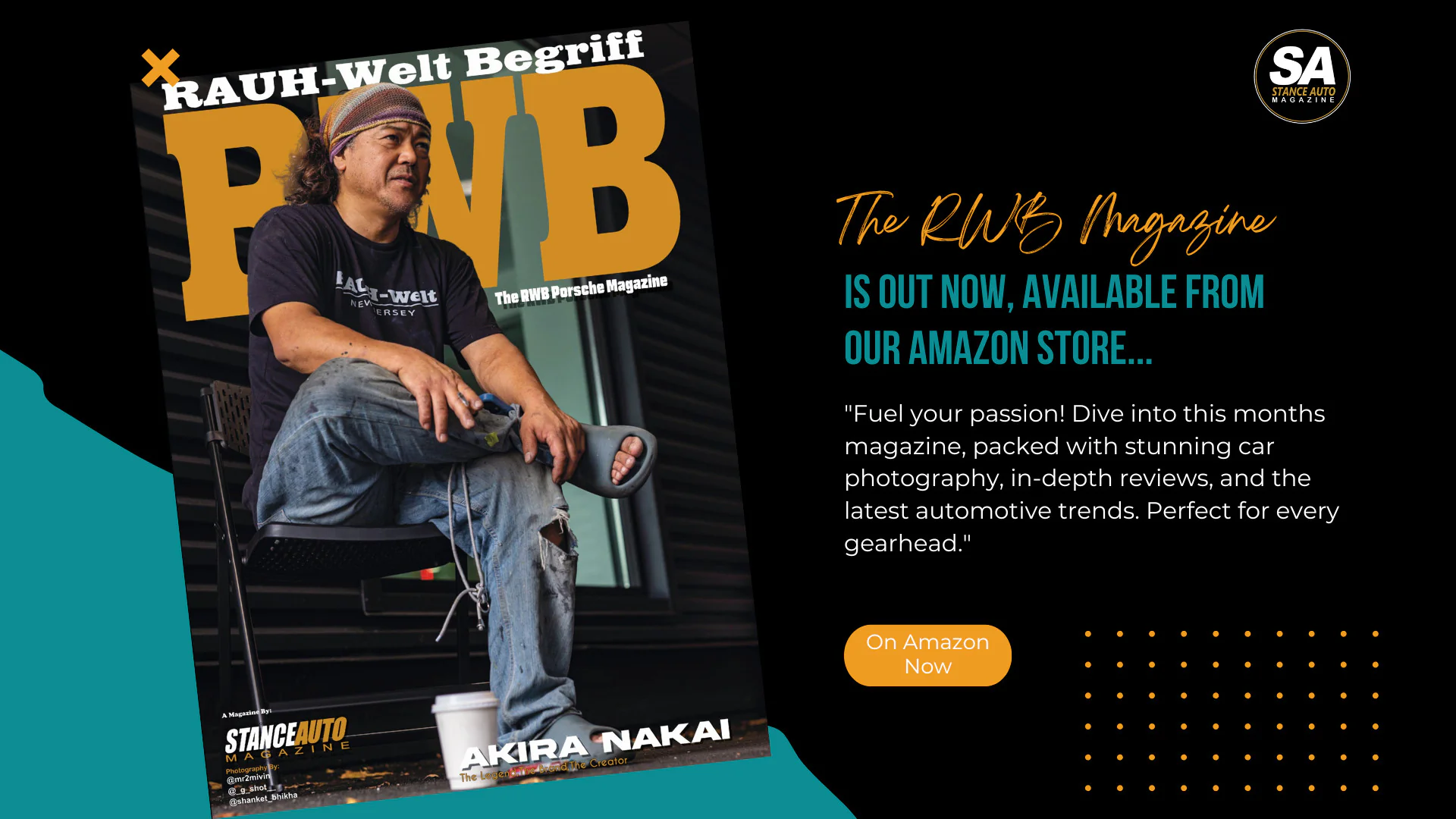
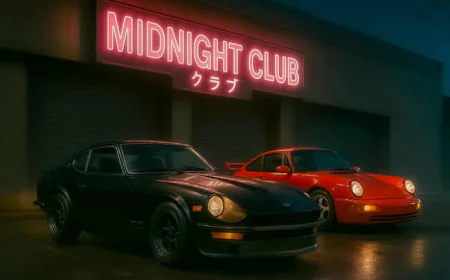
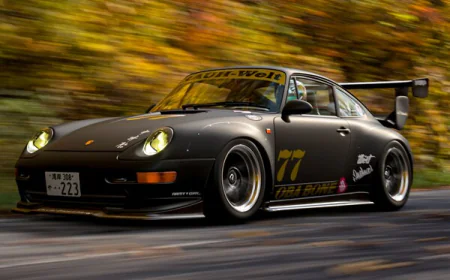
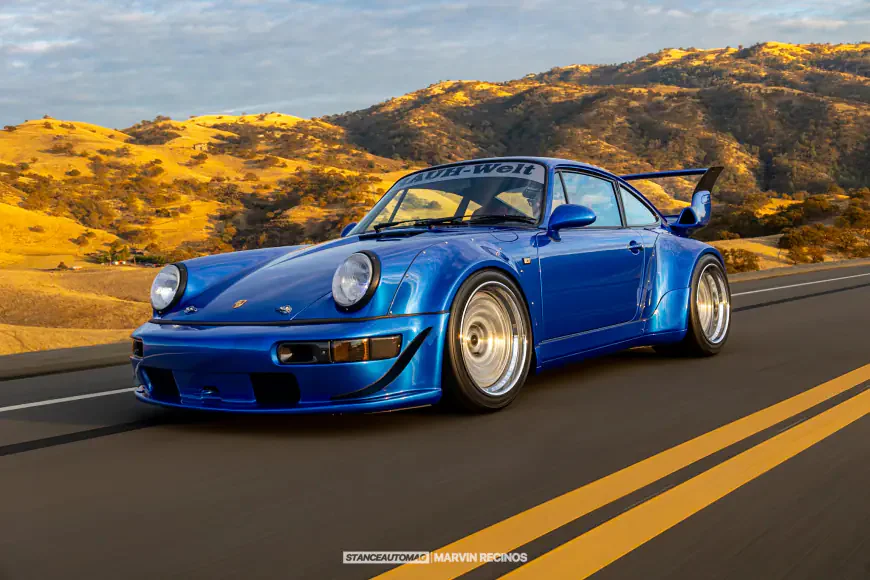
RWB stands for Rauh-Welt Begriff, German for "rough world concept," and it's the creation of one man: Akira Nakai, a former member of Tokyo's underground Midnight Club racing scene who started fitting his signature fender flares to air-cooled 911s decades ago and never really stopped. There's no factory. There's no production line. Nakai-san travels to the car, builds it in person over a couple of days with hand-cut panels and rivets, and every single RWB is a one-off. No two are identical, and that's the entire point of the brand.
Getting one built isn't like ordering a part off a shelf. You put your name down, you wait, and eventually Nakai himself turns up with sheet metal, a grinder and a very clear idea of what your Porsche is going to look like whether you had strong opinions about it or not. That process is baked into the price. RWB builds routinely run into six figures once you account for the donor car, the widebody fabrication and the suspension and wheel package that goes with it, because you're not buying a kit, you're commissioning a piece of custom work from the man who invented the style.
It's also worth saying that RWB has never really tried to scale. There's no franchise model in the traditional sense, no flat-pack panels shipped out to independent fitters. Nakai still does the vast majority of the build work personally, which is a huge part of why the RWB vs Liberty Walk comparison feels almost unfair on paper. You're comparing a bespoke tailor to a high street brand, even though both end up making something that turns heads on the same show floor.
What Is Liberty Walk, and How Does It Compare to RWB?
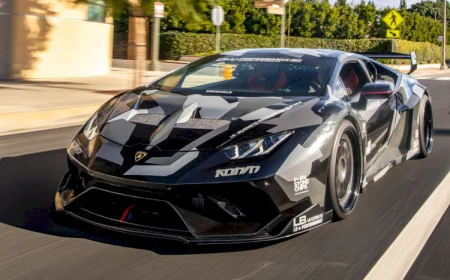
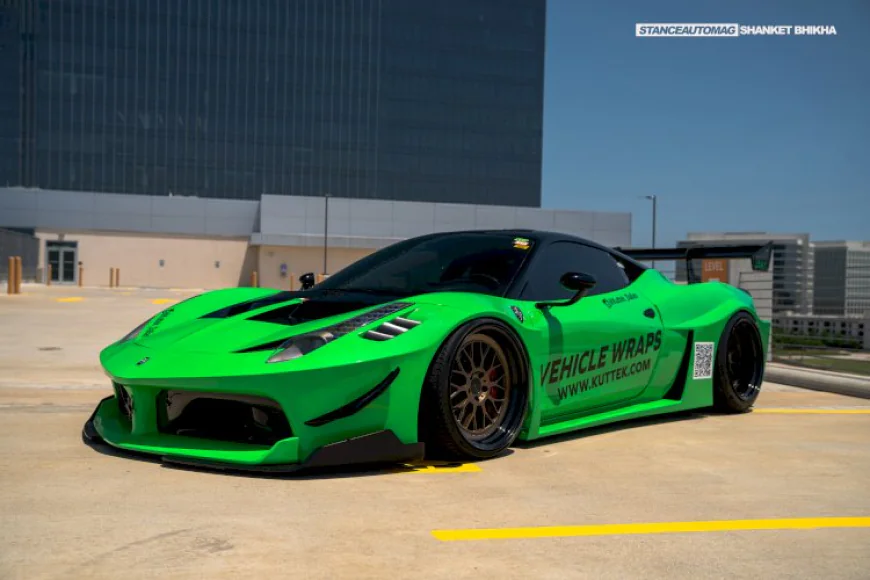
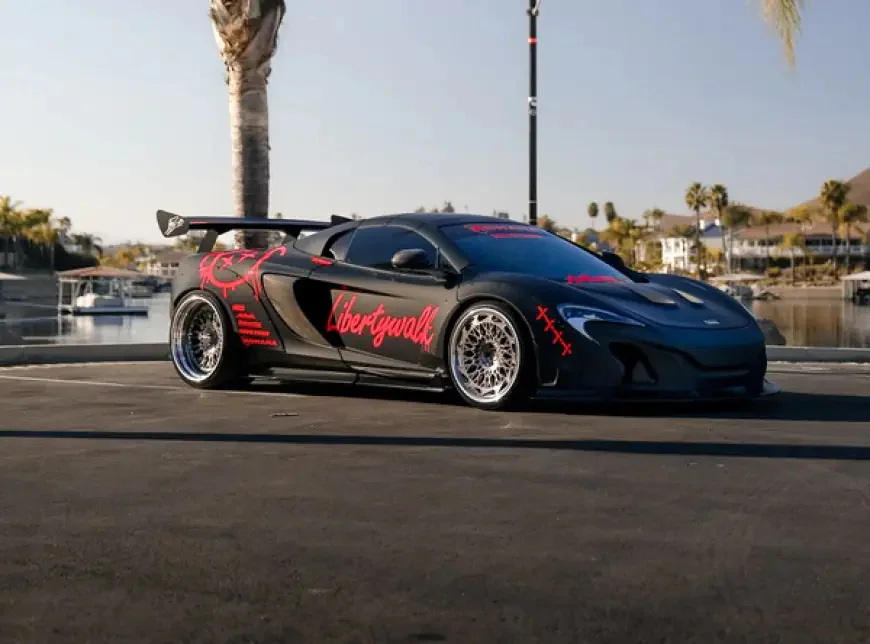
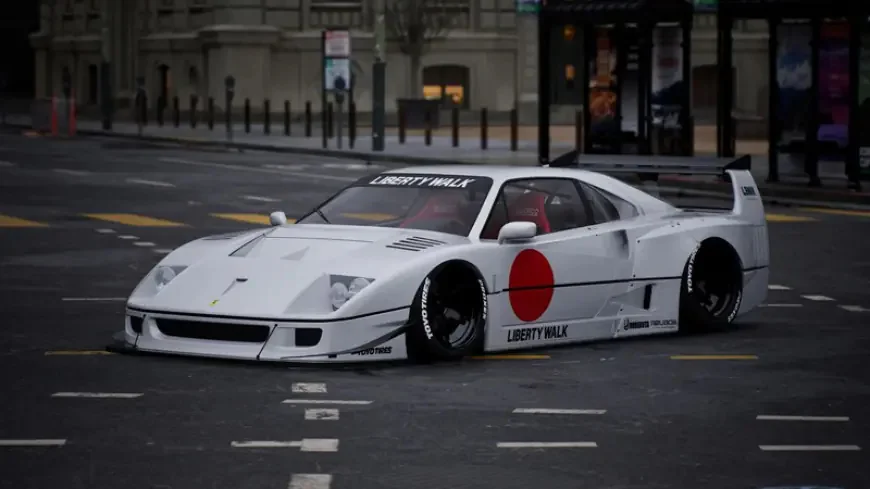
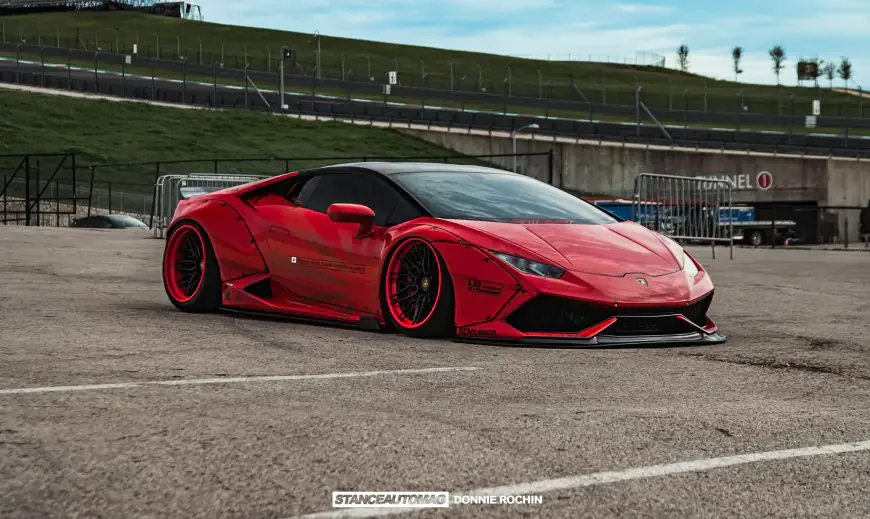
Liberty Walk, officially LIBERTY WALK, is a Japanese company founded by Wataru Kato that took a very different route to a similarly aggressive look. Rather than one man building one car at a time, Liberty Walk designs bolt-on widebody kits, complete with over-fenders, splitters and aero, and produces them for specific models. That means a Lamborghini Huracán owner in Dubai and a Lamborghini Huracán owner in Essex can order the same LB★WORKS kit, fit it, and end up with cars that look extremely close to each other. It's repeatable in a way that RWB deliberately isn't, and that repeatability is really the whole basis of the RWB vs Liberty Walk split.
That's not a knock on Liberty Walk, by the way. Designing a kit that fits properly, clears the right tyre and wheel combo, and still looks aggressive from every angle takes serious engineering, and the brand has built an enormous following doing exactly that across supercars, JDM legends and even trucks. It's just a completely different business model to Nakai's one-car-at-a-time approach, and it shows in both the price and the process. A Liberty Walk kit is a purchase you can plan and budget for. An RWB build is a commission you queue up for and hand over control of.
Liberty Walk also moves a lot faster as a brand. New kits get announced, shown at events like SEMA, and shipped to dealers within a relatively short window, whereas RWB's output is limited by how many cars one man can physically get to in a year. When people frame the RWB vs Liberty Walk conversation as "exclusive versus accessible," this is really what they're pointing at.
RWB vs Liberty Walk: Quick Verdict
| RWB | Liberty Walk | |
|---|---|---|
| Founder | Akira Nakai | Wataru Kato |
| Build type | Hand-fabricated, one-off | Bolt-on production kit |
| Platform focus | Porsche 911 (mostly air and water-cooled) | Supercars, JDM icons, trucks |
| Typical cost | £80,000+ once painted and built | Kit price plus fitment, far more accessible |
| Availability | Book a slot, wait for Nakai | Order through dealers worldwide |
| Uniqueness | No two builds identical | Consistent look across the same kit |
RWB: The Good Stuff
- Every build is genuinely one-off, fabricated by hand on the car itself
- Massive credibility and history within Porsche and JDM culture
- Personal connection to Nakai-san is part of the ownership experience for many owners
- Builds hold their value extremely well given the exclusivity
RWB: The Trade-Offs
- Very expensive once you add up donor car, build and running gear
- Long waits and limited availability, since it's one man building every car
- Almost exclusively Porsche, so no option if you're not starting with a 911
Liberty Walk: The Good Stuff
- Far more accessible price point than a full RWB commission
- Huge range of kits across supercars, JDM cars and more
- Consistent fitment and finish since it's engineered as a production kit
- Global dealer network makes sourcing and fitting more straightforward
Liberty Walk: The Trade-Offs
- Less exclusive, since multiple owners can run the same kit on the same model
- Quality can vary depending on who fits the kit rather than the factory
- Doesn't carry the same one-to-one personal story as an RWB build
Does the RWB vs Liberty Walk Debate Actually Have a Winner?
Not really, and that's kind of the point of writing this up properly rather than just picking a side. Every RWB vs Liberty Walk thread on a forum eventually turns into two separate arguments happening at once, because people are usually comparing the exclusivity of one against the accessibility of the other, which was never a fair fight to begin with. RWB isn't trying to be affordable, and Liberty Walk isn't trying to be one-of-one. Judging either brand by the other's standards misses why people are drawn to them in the first place.
If you strip away the price tags and just look at the visual language, there's actually more common ground than people expect. Both styles lean into exposed fasteners, aggressive stance and a refusal to hide the fact the car has been modified. Where Liberty Walk smooths some of that into a production-friendly finish, RWB leaves in the roughness, quite literally, given what "Rauh-Welt" translates to. Neither is trying to look factory, and neither one is for anyone who wants a subtle car.
Which Style Actually Suits Your Build?
Neither one is objectively "better," they're just built for different goals, and that's the honest answer to the RWB vs Liberty Walk question whenever it comes up. If you want a Porsche, you've got the budget for a genuine commission, and the idea of Nakai-san personally cutting your fenders appeals to you, RWB is a different tier of ownership experience entirely, and the community around it reflects that. If you want the widebody look on a supercar or JDM platform without the wait list or the six-figure price tag, and you're happy for other cars to be running a similar kit, Liberty Walk gets you into the aesthetic without the same commitment.
Plenty of builders end up somewhere in between, using a Liberty Walk-style bolt-on kit as their entry into widebody culture before eventually working toward an RWB commission further down the line. There's no wrong order to do it in, it really just comes down to what you're driving, what you're working with, and how much of the process you want to be hands-on with yourself. Some owners even run both over the years, starting wide and accessible with a bolt-on kit before saving up for the full RWB experience once they've decided the style is one they're sticking with for good.
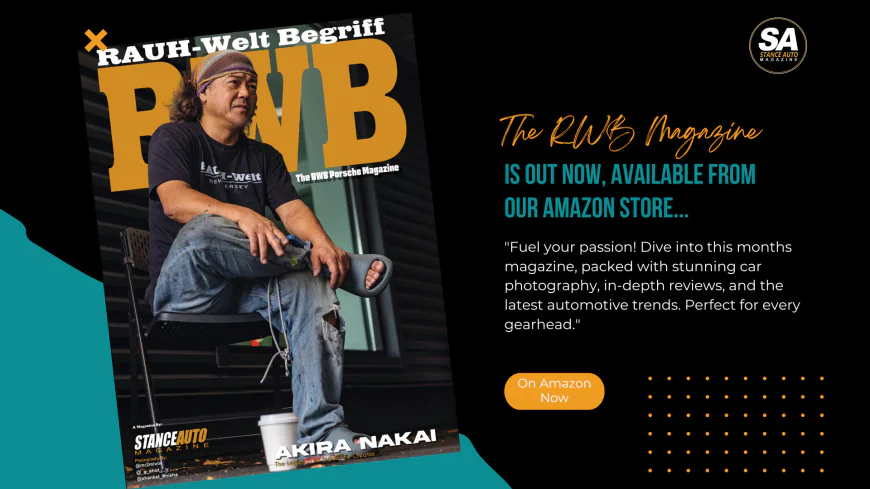
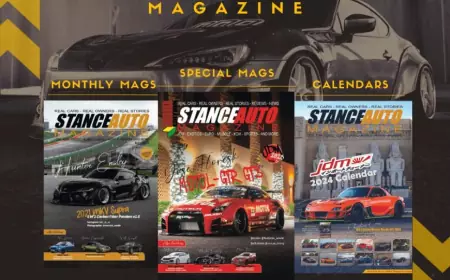
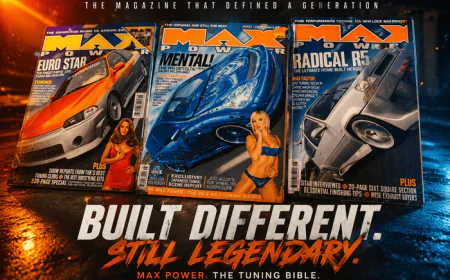
The RWB Magazine from Stance Auto Magazine
Both brands, in their own way, dragged Japanese widebody culture out of the underground and put it on the front cover of car magazines worldwide, and honestly the scene is better for having both approaches sitting side by side rather than just one. The RWB vs Liberty Walk conversation will probably never fully settle, and it doesn't really need to. Pick the one that matches your car, your budget and how much of the process you want to hand over to someone else.
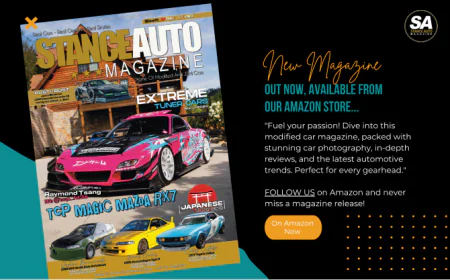
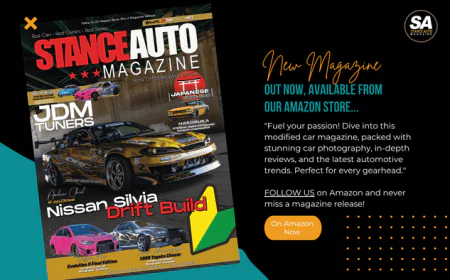
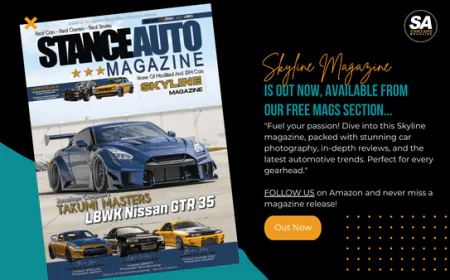
If you want to go deeper on either side of this comparison, have a read of our piece on what actually goes into an RWB Porsche build over on Stance Auto Magazine, and don't forget you can grab the latest print issue of the magazine through our Amazon store.
 Like
0
Like
0
 Dislike
0
Dislike
0
 Love
0
Love
0
 Funny
0
Funny
0
 Angry
0
Angry
0
 Sad
0
Sad
0
 Wow
0
Wow
0