

































.png)





![[HOONIGAN] Ken Block's GYMKHANA NINE](https://img.youtube.com/vi/_bkX5VkZg8U/maxresdefault.jpg)




































![[HOONIGAN] KEN BLOCK'S GYMKHANA SEVEN: WILD IN THE STREETS OF LOS ANGELES](https://cdn.motor1.com/images/mgl/2KlO4/s1/ken-block-london-tour-directors-cut.jpg)




























1JZ vs 2JZ: Which Toyota Engine Should You Actually Build?
1JZ vs 2JZ: we compare displacement, stock power, block strength, weight, tuning ceiling and swap cost so you know which Toyota engine actually suits your build.
Which Toyota Engine Should You Actually Build?
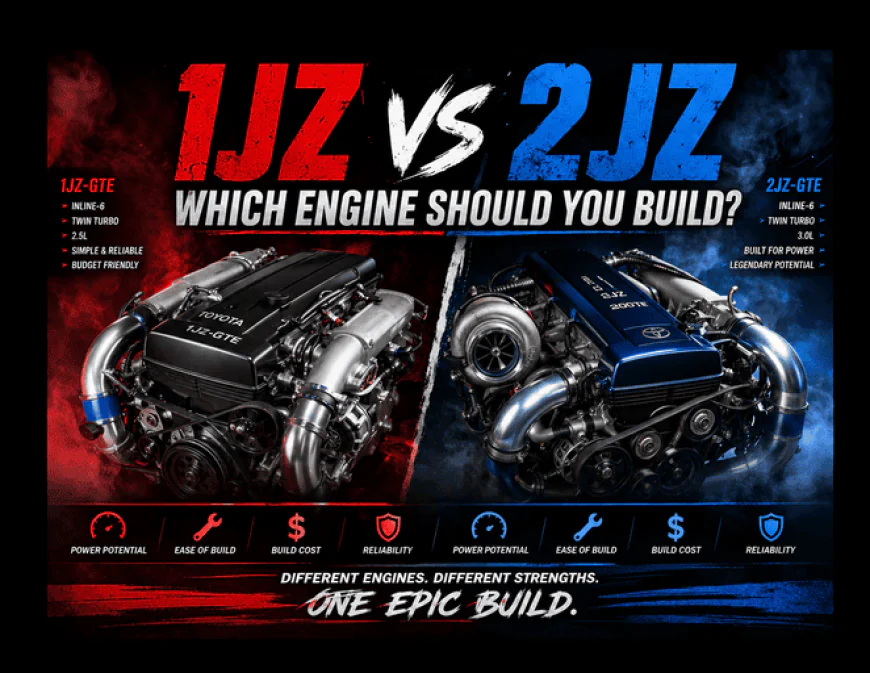
Ask this question in any JDM Facebook group and you'll get forty replies in twenty minutes, half of them dead certain and half of them dead wrong. The 1JZ vs 2JZ debate has been running since the Supra MK4 crowd and the Chaser crowd first started comparing notes, and it's still one of the most searched engine questions in the scene. Both are Toyota inline-sixes, both came out of the same family tree, and both will happily take a turbo upgrade and laugh at it. But they're not interchangeable choices, and which one actually suits you depends on what you're building and how much you're willing to spend getting there.
Here's the short version before we get into the detail: the 2JZ-GTE is the bigger, torquier engine with the higher power ceiling, and it's the one you'll want if you're chasing big numbers. The 1JZ-GTE is smaller, lighter, cheaper to source, and arguably the better engine if you're building something that needs to be nimble, like a drift car, rather than a straight-line missile.
| 1JZ-GTE | 2JZ-GTE | |
|---|---|---|
| Displacement | 2.5L | 3.0L |
| Stock turbo layout | Sequential twin-turbo (CT12A) | Sequential twin-turbo (CT12B) |
| Stock power (JDM spec) | ~276hp | ~276hp (electronically limited) |
| Block material | Cast iron | Cast iron |
| Typical safe power (stock internals) | 400-450whp | 550-600whp |
| Weight | Lighter | Roughly 20-30kg heavier |
| Common donor cars | Chaser, Mark II, Soarer, Cresta | Supra MK4, Aristo (NA 2JZ-GE) |
Displacement and Stock Power Compared
On paper the gap looks small. Both engines left the factory at a Japanese-market-limited 276 horsepower, and both use a sequential twin-turbo setup from the factory, which is unusual enough on its own that Toyota clearly wasn't messing about with either of them. The real difference shows up in displacement: the 2JZ's extra half-litre gives it noticeably more low-down torque and a broader spread of usable power, which is a big part of why it became the default choice for drag builds. The 1JZ revs slightly quicker and feels punchier low in the rev range relative to its size, which is exactly what a lot of drift builders are actually after rather than outright peak numbers.
Block Strength and Tuning Ceiling
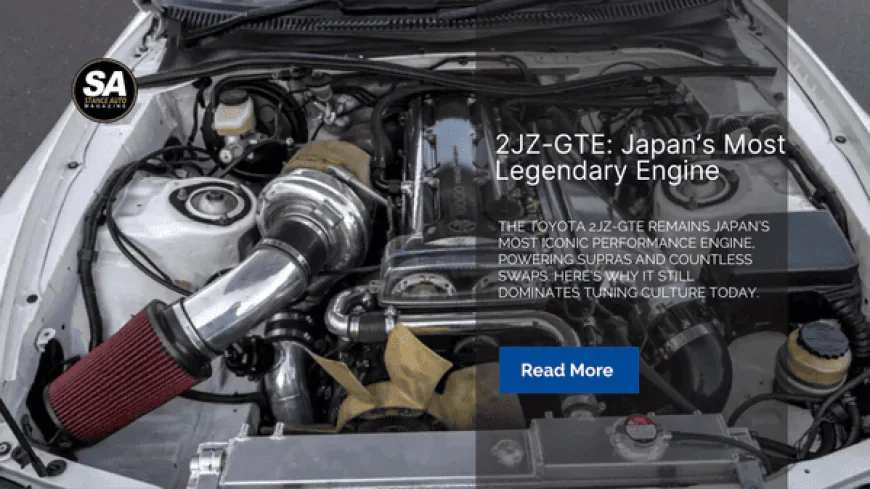
This is where the conversation usually gets heated, and where a lot of the internet gets it slightly wrong. Both blocks are cast iron, not aluminium, which is why both engines have a reputation for surviving abuse that would kill a lot of modern turbo fours. The 2JZ-GTE's block is simply bigger and has more material to work with, and its factory internals (particularly the forged pistons and connecting rods in later revisions) are legendary for holding four-figure horsepower with nothing more than fuel, boost and tuning changes. The 1JZ's internals are strong too, but its lower ceiling on stock parts is really a function of the smaller bore and stroke rather than the block being inherently weaker. Push either engine past their comfortable stock-internals range and you're into forged pistons and rods territory regardless of which one you picked.
Weight and Packaging Differences
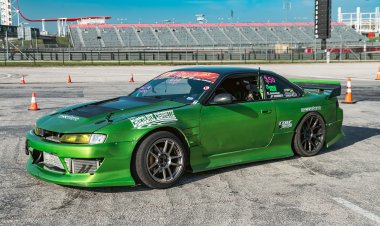
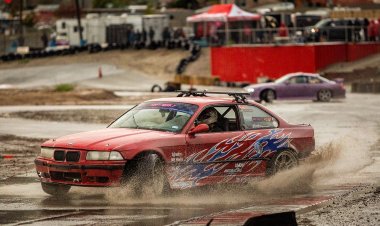
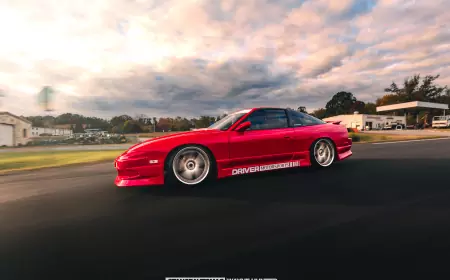
The 1JZ is the lighter and more compact of the two, which matters more than people give it credit for once you're talking about handling balance rather than just power. A drift build in particular benefits from that lower weight sitting further back in the bay, and the smaller physical footprint makes the 1JZ a genuinely easier swap into chassis that weren't originally designed around a six-cylinder, like an S13 or S14. The 2JZ's extra size and weight aren't a dealbreaker by any means (it's still gone into plenty of drift cars) but it's a factor worth weighing if the build brief is "as balanced and chuckable as possible" rather than "as much power as possible."
Availability, Cost and Swap Difficulty
The 2JZ-GTE has been the more famous engine for two decades running, largely off the back of the Supra MK4's Hollywood career, and that fame comes with a cost premium. Good running examples, and especially complete Supra donor cars, command real money now. The 1JZ has historically flown under the radar by comparison, sourced from Chasers, Mark IIs, Cresta's and Soarers that never got the same cultural spotlight, which has generally kept it the cheaper of the two to buy and to build. That gap has narrowed as more people have caught on to the 1JZ's value, but it's still usually the friendlier option if budget is the deciding factor. Swap kits and mounting solutions exist for both engines into most of the usual suspects (S-chassis, AE86, even some E36 and E46 platforms), so parts support isn't really the differentiator it used to be — the wallet is.
1JZ Pros and Cons
- Pros: Lighter, more compact, cheaper to source, quicker-revving character, easier weight balance in lightweight chassis
- Cons: Lower stock-internals power ceiling, smaller aftermarket parts catalogue than the 2JZ, less peak torque
2JZ Pros and Cons
- Pros: Higher stock-internals power ceiling, massive aftermarket support, stronger factory rods and pistons, more torque
- Cons: Heavier, more expensive to source (especially complete Supra donors), bulkier swap into smaller chassis
Which Turbo Setup Should You Run?
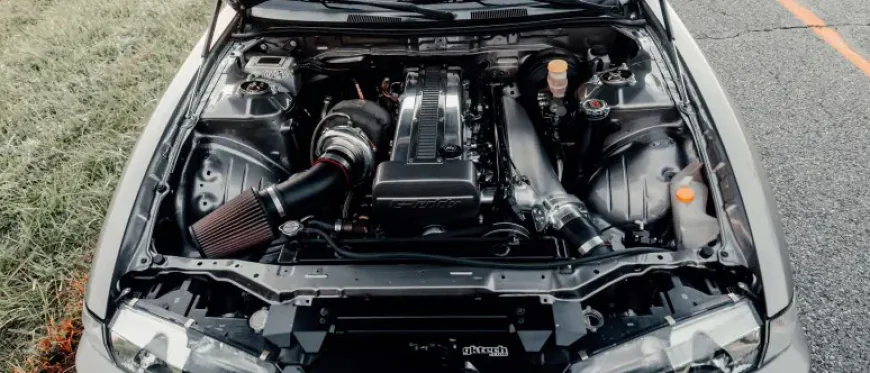
Whichever engine you land on, the factory sequential twin-turbo setup is usually the first thing to go once you're chasing serious power, since it was never designed with big single-turbo numbers in mind. A single Garrett turbo is the most common upgrade path on both engines once you're past the stock-turbo ceiling, and pairing it with a proper standalone ECU from a brand like Haltech gives you the tuning headroom to actually use the extra airflow safely rather than just guessing at a bigger number. If you're already down the fuelling rabbit hole, upgraded injectors from Injector Dynamics are a common companion purchase alongside a bigger turbo, since the stock injectors run out of headroom well before either block does.
Reliability: Is Either Engine Actually "Bulletproof"?
You'll see both engines described as bulletproof somewhere online, and like most absolute claims in car culture, it's only half true. What's actually bulletproof is the factory build quality up to a point — Toyota over-engineered both blocks for a market that expected these cars to run for decades on minimal maintenance, and that conservative factory tune left a lot of headroom for tuners to exploit safely. Where people get burned isn't the block failing out of nowhere, it's skipping the boring maintenance that both engines actually need once you're running them hard: fresh coolant, healthy fuel pumps, and injectors that haven't been quietly degrading for a decade. A 1JZ or 2JZ that's been neglected for twenty years isn't bulletproof, it's just an engine with a good reputation that someone hasn't tested yet.
Real-World Build Costs to Expect
Numbers move around too much to promise anything exact, but the general shape of the cost conversation holds up well across both platforms. A 1JZ swap into something like an S13 or S14 tends to land as the cheaper overall project once you account for the donor engine, mounts, wiring and fuel system, partly because the donor cars themselves have historically traded for less than a good Supra. A 2JZ project, particularly if you're sourcing a genuine Supra MK4 as the donor rather than pulling the engine from an Aristo, carries a real premium before you've even started bolting on parts. If budget is genuinely tight, sourcing a 1JZ out of a Chaser or Cresta and building from there tends to stretch further, while a 2JZ build makes more sense if the plan was always to chase a big number and you're prepared to pay for the privilege.
Common Mistakes Builders Make With Both Engines
The single most common mistake on either engine is chasing bigger turbos before addressing the supporting mods that actually let that turbo work properly — fuelling, tuning, and cooling all need to scale alongside boost, not get bolted on as an afterthought once the car's already struggling to make good power safely. The second most common mistake, particularly on 1JZ swaps, is underestimating how much wiring and ECU work a clean swap actually needs; a "quick weekend swap" on either engine rarely stays quick once you're chasing a proper drive-by-wire or fuel system integration rather than a bare-minimum get-it-running setup. Budgeting time and money for the boring electrical side of the swap up front saves a lot of frustration two months in.
Which Chassis Suits Which Engine?
The swap community has more or less settled this by trial and error over the years, even if the arguments never fully die down. Drift-focused builds on S13, S14 and AE86 chassis lean towards the 1JZ far more often than not, purely because the weight and packaging advantage translates directly into a car that rotates and holds an angle more naturally, without fighting the extra mass of a bigger engine sitting up front. Drag and time-attack builds gravitate towards the 2JZ almost by default, since outright power and a proven four-figure horsepower ceiling matter more than shaving a few kilos off the nose in a straight line. Neither rule is absolute, and plenty of builders have gone against the grain successfully in both directions, but if you're stuck deciding and don't have a strong opinion either way, matching the engine to what your chassis and driving style actually reward is a better starting point than just picking whichever one sounds more impressive at a meet.
So, Which One Should You Actually Build?
If the goal is outright power with the biggest possible aftermarket safety net, the 2JZ-GTE is still the smarter long-term build, and it's not close. If the goal is a lighter, cheaper, more balanced platform, particularly for anything drift-oriented, the 1JZ-GTE deserves a lot more credit than the loudest voices in the comment section tend to give it. Neither is the "wrong" choice, they're just built for different jobs, and the honest answer to 1JZ vs 2JZ is that the best engine is the one that actually matches what you're building the car to do.
If you're deep into swap planning, we've also put together a full 2JZ-GTE build guide and a breakdown of the best turbos for the 2JZ-GTE at every power level, both worth a read before you commit to a parts list.
Got a 1JZ or 2JZ build of your own? We'd love to feature it — and if you want more engine breakdowns, build guides and everything else modified car culture, there's plenty more waiting for you over at Stance Auto Mag. You can also grab the latest print issue through our Amazon magazine store.
 Like
0
Like
0
 Dislike
0
Dislike
0
 Love
0
Love
0
 Funny
0
Funny
0
 Angry
0
Angry
0
 Sad
0
Sad
0
 Wow
0
Wow
0