























.png)





![[HOONIGAN] Ken Block's GYMKHANA NINE](https://img.youtube.com/vi/_bkX5VkZg8U/maxresdefault.jpg)

































![[HOONIGAN] KEN BLOCK'S GYMKHANA SEVEN: WILD IN THE STREETS OF LOS ANGELES](https://cdn.motor1.com/images/mgl/2KlO4/s1/ken-block-london-tour-directors-cut.jpg)
























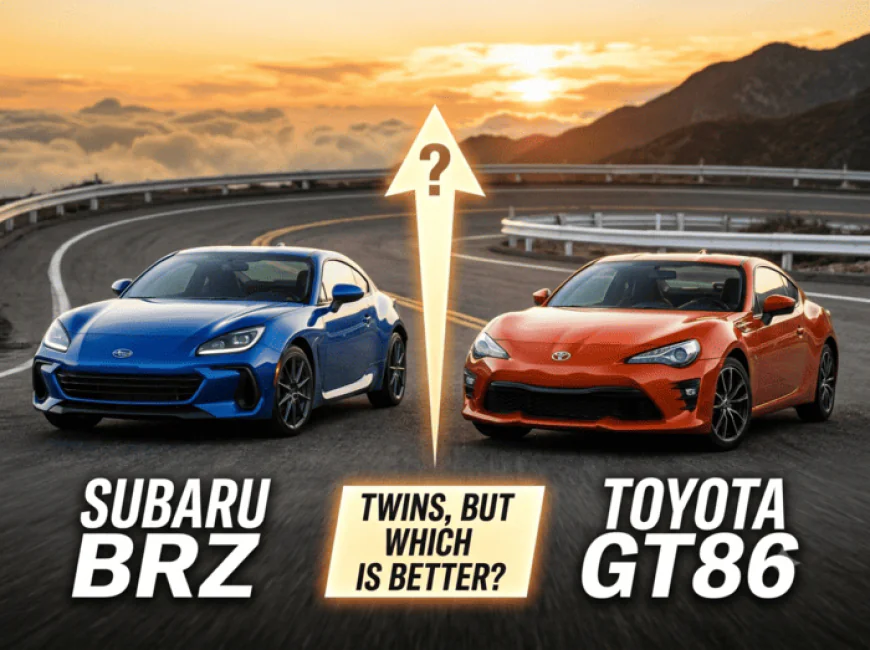
Subaru BRZ vs Toyota GT86: Twins, But Which Is Better?
Subaru BRZ vs Toyota GT86: near-identical twins under the skin, but here's exactly where they differ and which is the better buy.
Subaru BRZ vs Toyota GT86: Twins, But Which Is Better?
Built together on a shared platform through a genuine Subaru-Toyota joint venture, the BRZ and GT86 (also badged 86 or GR86 depending on generation and market) are about as close to identical twins as the car world gets. Same boxer engine, same rear-wheel-drive layout, same fundamental chassis, and yet enthusiasts still argue passionately about which badge is the better buy.
What's Actually Different Between Them?
Mechanically, the two share the same naturally aspirated flat-four boxer engine and near-identical chassis architecture, a result of the genuine joint development between Subaru and Toyota. The real differences sit in suspension tuning and steering calibration, not in any fundamental hardware change. Subaru's engineers tuned the BRZ with a slightly firmer, more planted suspension setup, while Toyota's GT86 tuning leans marginally softer, giving each badge a subtly different character despite sharing essentially the same underlying components.
Which Feels Different to Actually Drive?
Enthusiasts who've driven both back to back generally describe the BRZ as feeling marginally sharper and more planted, particularly through quick direction changes, while the GT86 feels very slightly more forgiving and progressive at the limit, a difference subtle enough that most casual drivers wouldn't notice it in isolation, but real enough that dedicated track drivers who've spent real seat time in both often develop a genuine preference.
Styling and Trim Differences
Beyond the subtle chassis tuning, the two are differentiated mainly through front and rear styling details, badging, and interior trim choices, rather than any deeper mechanical distinction. Toyota and Subaru dealer networks also mean genuinely different ownership experiences around servicing and warranty support depending on which badge you choose, worth factoring in alongside the marginal driving character difference.
Reliability: Is Either More Trustworthy Than the Other?
Given how much hardware the two share, reliability patterns are broadly identical between them, and neither has a meaningfully stronger or weaker reputation purely by badge. The shared boxer engine's known characteristics, including some early ringland concerns on modified examples pushing beyond stock power, apply equally regardless of whether the badge on the boot says Subaru or Toyota.
BRZ Pros and Cons
- Pros: Slightly sharper, more planted factory suspension tune, strong Subaru dealer network in some regions
- Cons: Marginal difference, not a dramatic distinction from the GT86
GT86 Pros and Cons
- Pros: Slightly softer, more progressive factory tune, wider Toyota dealer network in many markets
- Cons: Same marginal difference in the opposite direction, essentially the same car underneath
Modifying Either Platform
Because the two share essentially the same underlying hardware, aftermarket support treats them as interchangeable, parts developed for one almost always fit the other directly. Coilovers from brands like BC Racing and exhaust systems from tuners are typically sold as compatible with both badges simultaneously, reflecting just how identical the platforms genuinely are beneath the styling differences.
Which Generation Should You Consider?
Both the BRZ and GT86/86 have gone through a full model generation change since their original launch, with the newer generation (badged GR86 on the Toyota side in some markets) bringing a larger displacement engine and meaningful chassis refinement over the original cars. First-generation examples are now reaching genuinely affordable used prices, making them a strong budget-friendly entry point into rear-wheel-drive sports car ownership, while the newer generation commands a real premium for its extra performance and refinement.
Availability and Typical Used Prices
Both badges are widely available on the used market, having sold in real volume since launch, which keeps pricing competitive and parts genuinely easy to source compared to some of the rarer JDM imports covered elsewhere on this site. This mainstream availability is part of the appeal, a genuinely fun, rear-wheel-drive sports car platform without the sourcing headaches that come with chasing a rarer import.
So, Which Should You Actually Buy?
Honestly, the deciding factor for most buyers should be whichever specific example is in better condition, better priced, or has the trim and dealer support that suits you locally, rather than any meaningful mechanical advantage one badge holds over the other. If you're genuinely torn between two equally good examples, the BRZ's marginally sharper factory tune might edge it for a more track-focused buyer, while the GT86's slightly more forgiving character might suit a buyer prioritising daily usability alongside weekend fun.
See It Done: Real BRZ and GT86 Builds on Stance Auto
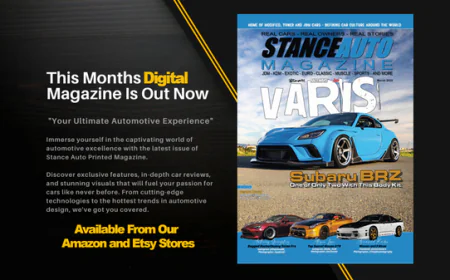
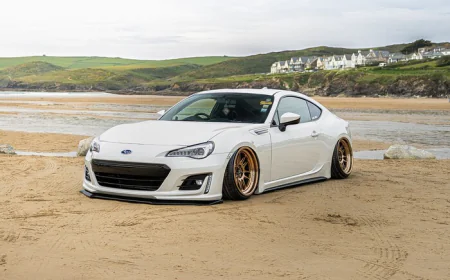
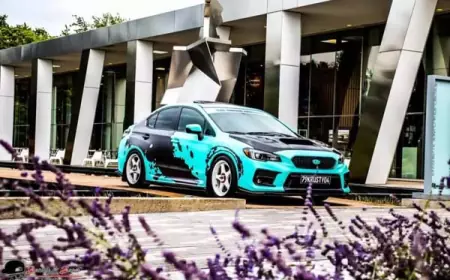
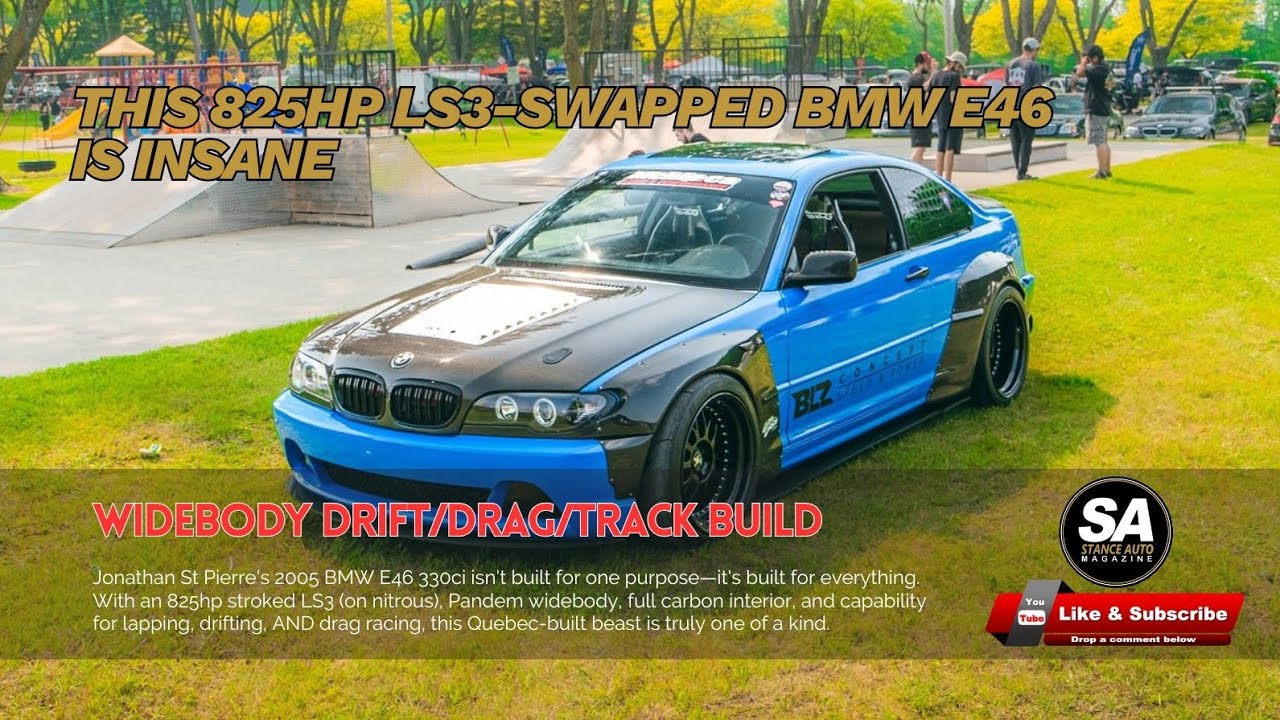
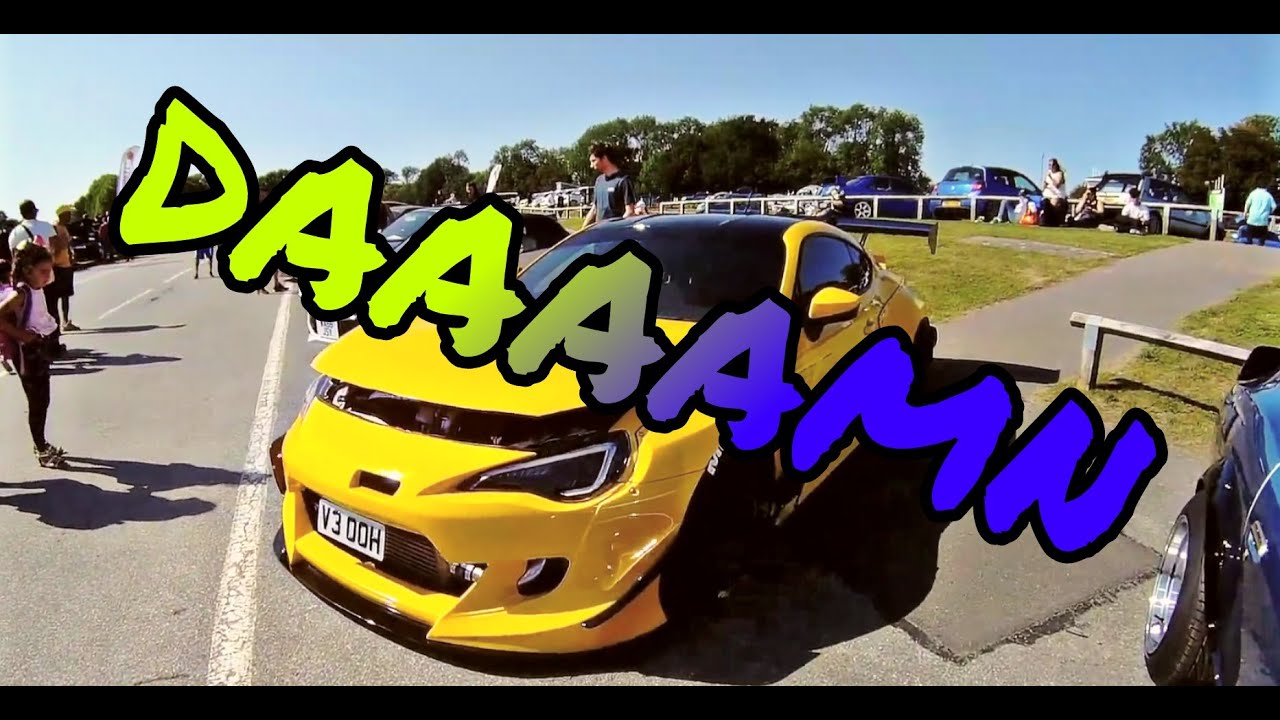
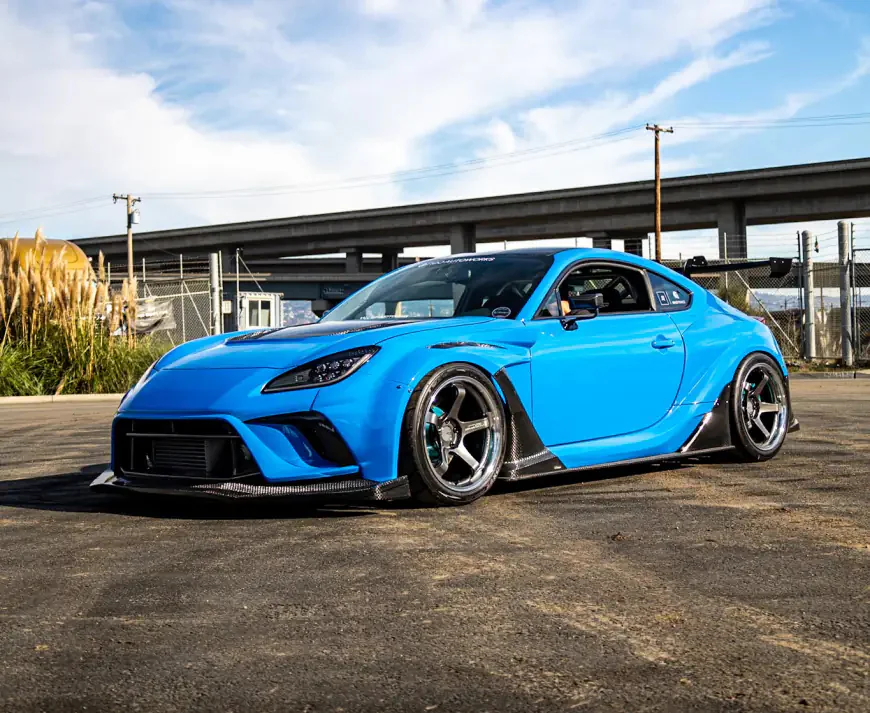
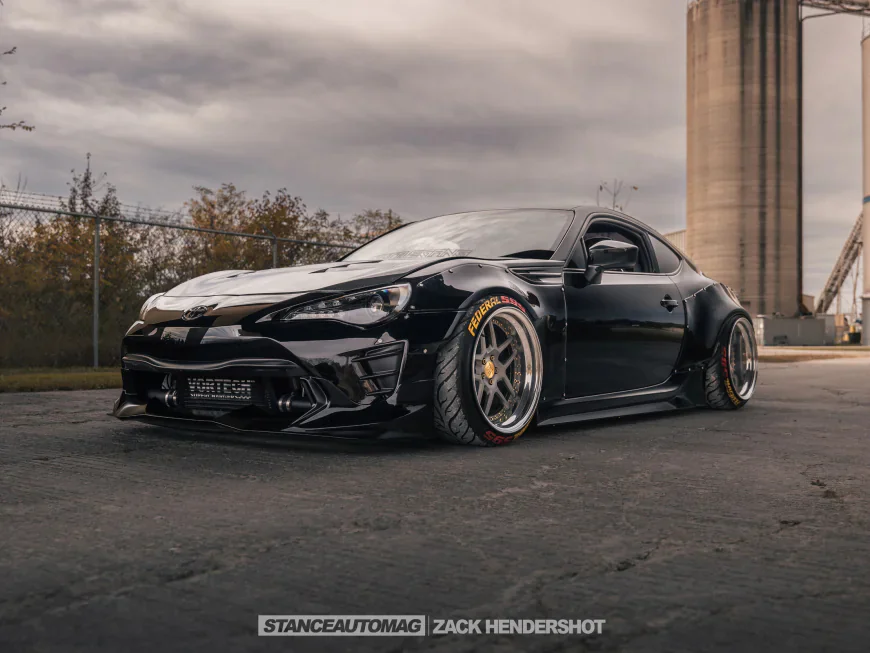
This Subaru BRZ widebody Varis build runs a non-production widebody kit and an HKS Sub Control System for 280hp, proof of how far this platform can be pushed visually and mechanically. On the Toyota side, Waseem Parker's 2012 Toyota 86 with a 2JZ engine swap shows just how far builders are willing to go to give this chassis a genuinely different engine character.
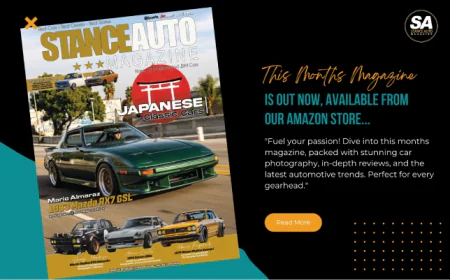
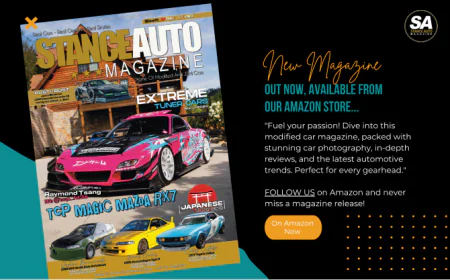
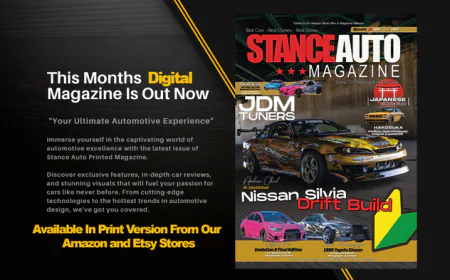
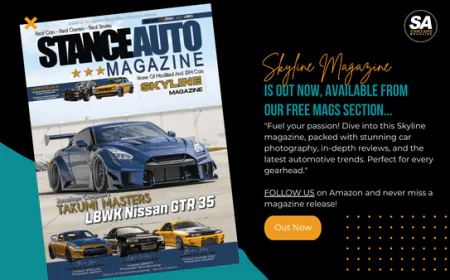
For more Toyota and Subaru comparisons, and everything else modified car culture, head back over to Stance Auto Mag. You can also grab the latest print issue through our Amazon magazine store.
 Like
0
Like
0
 Dislike
0
Dislike
0
 Love
0
Love
0
 Funny
0
Funny
0
 Angry
0
Angry
0
 Sad
0
Sad
0
 Wow
0
Wow
0